Red Yeast Rice Ferment
INCI: Monascus/Rice Ferment
Antioxidant and skin tone improving ferment
About Red Yeast Rice Ferment
Red yeast rice ferment is a traditional Korean ingredient created by fermenting rice with Monascus purpureus, a species of red yeast that has been used in Asian food and medicine for centuries. This fermentation process produces a unique cocktail of bioactive compounds including antioxidants, amino acids, and postbiotics that work together to improve skin tone and protect against environmental damage. In K-beauty, red yeast rice ferment has gained recognition for its ability to brighten dull skin, even out hyperpigmentation, and strengthen the skin barrier through its fermented metabolites. The fermentation process breaks down rice starches into smaller, more bioavailable molecules that penetrate deeper into skin layers. What sets this ingredient apart is its dual action: the Monascus yeast produces red pigments called monascins and ankaflavins, which are potent antioxidants, while the fermentation byproducts include skin-nourishing elements like beta-glucan and peptides. This makes red yeast rice ferment particularly effective in products designed for brightening and anti-aging, explaining its popularity in high-performing Korean essences and toners that target uneven skin tone and dullness.
How Red Yeast Rice Ferment Works
The magic of red yeast rice ferment happens at the cellular level through multiple pathways. First, the antioxidant compounds (monascins and ankaflavins) neutralize free radicals that cause oxidative stress and accelerate aging. These molecules donate electrons to unstable free radicals, preventing them from damaging healthy skin cells and breaking down collagen. Second, the fermentation metabolites inhibit tyrosinase, the enzyme responsible for melanin production, which helps fade dark spots and prevent new hyperpigmentation from forming. The small molecular size of fermented ingredients allows them to penetrate the stratum corneum more effectively than non-fermented alternatives. Third, the postbiotics and amino acids from fermentation support the skin's natural microbiome and strengthen tight junction proteins in the epidermis, improving barrier function. This means better moisture retention and less sensitivity to irritants. The beta-glucans present also stimulate fibroblast activity, promoting collagen synthesis for firmer, more resilient skin over time.
Red Yeast Rice Ferment by Skin Type
Oily Skin
Red yeast rice ferment works beautifully for oily skin thanks to its low comedogenic rating of 1/5, meaning it won't clog pores or trigger breakouts. The antioxidant properties help control sebum oxidation, which is what causes that oily shine to turn into inflammatory acne. Its lightweight fermented texture absorbs quickly without leaving residue.
Dry Skin
The fermentation byproducts in red yeast rice ferment include humectants and barrier-supporting compounds that help dry skin retain moisture more effectively. The amino acids and beta-glucans strengthen the lipid barrier, reducing transepidermal water loss. Products containing this ingredient, like essences and toners, layer well under heavier moisturizers to boost hydration.
Combo Skin
This ingredient is ideal for combination skin because it balances multiple concerns without overwhelming any one zone. It brightens and evens tone across the entire face while the lightweight ferment texture works in both oily T-zones and drier cheek areas. The barrier-strengthening properties help normalize oil production over time.
Sensitive Skin
With a safety rating of 4/5, red yeast rice ferment is generally well-tolerated by sensitive skin. The fermentation process creates gentle, pre-digested molecules that are less likely to trigger irritation than their unfermented counterparts. The postbiotics support a healthy skin microbiome, which is crucial for sensitive skin that tends to have compromised barriers. However, those with specific yeast sensitivities should patch test first.
Normal Skin
Normal skin benefits from red yeast rice ferment as a preventative anti-aging and brightening ingredient. The antioxidants protect against daily environmental damage while the tone-evening properties maintain clarity and radiance. It works well in essences and toners as part of a balanced routine to keep normal skin looking its best.
How to Use Red Yeast Rice Ferment
- 1Apply products with red yeast rice ferment after cleansing and pH-adjusting toners but before heavier serums, as fermented essences penetrate best on clean, slightly damp skin.
- 2For maximum brightening benefits, use consistently both morning and night for at least 6-8 weeks, as tyrosinase inhibition and cell turnover take time to show visible results.
- 3Layer red yeast rice ferment products under vitamin C serums or niacinamide to create a synergistic brightening effect, as the antioxidants work through different mechanisms.
- 4Store fermented products in cool, dark places and use within recommended timeframes, as the beneficial live metabolites can degrade with heat and light exposure.
Background
Red yeast rice has been used in Chinese medicine and food preservation for over 1,000 years, first documented during the Tang Dynasty. The fermentation of rice with Monascus purpureus was traditionally used to create a natural food colorant and digestive aid. Korean skincare innovation brought this ancient ingredient into modern formulations in the early 2000s, recognizing that the same fermentation metabolites valued in traditional medicine could offer significant skin benefits. SUM37, a Korean brand whose name references the optimal 37°C fermentation temperature, pioneered the use of fermented ingredients including red yeast rice in their Secret line. The ingredient gained traction in K-beauty as consumers became more interested in traditional fermented ingredients like sake, rice wine, and now red yeast rice, which align with the Korean beauty philosophy of using time-honored natural processes enhanced by modern science.
K-Beauty Products with Red Yeast Rice Ferment
View all 17 →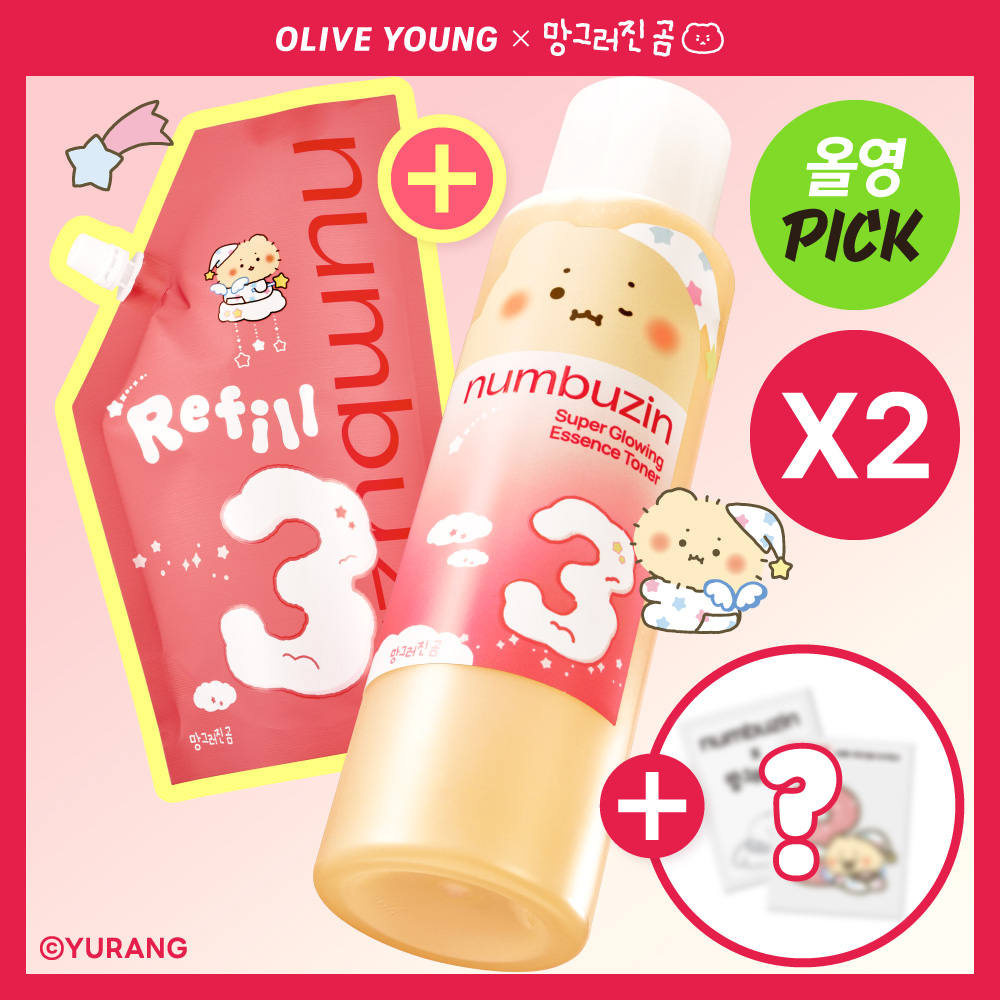
No. 3 Super Glowing Essence Toner
Numbuzin
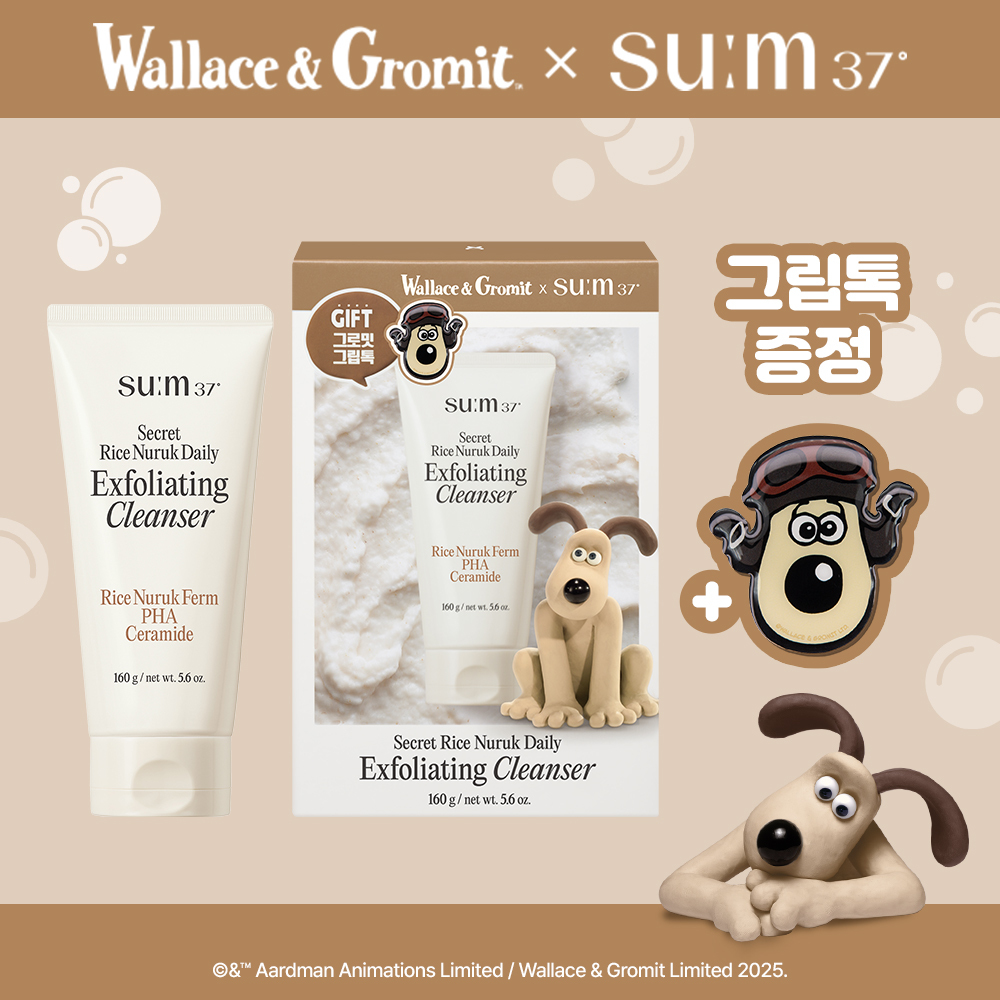
Secret Rice Nuruk Daily Exfoliating Cleanser
SUM37
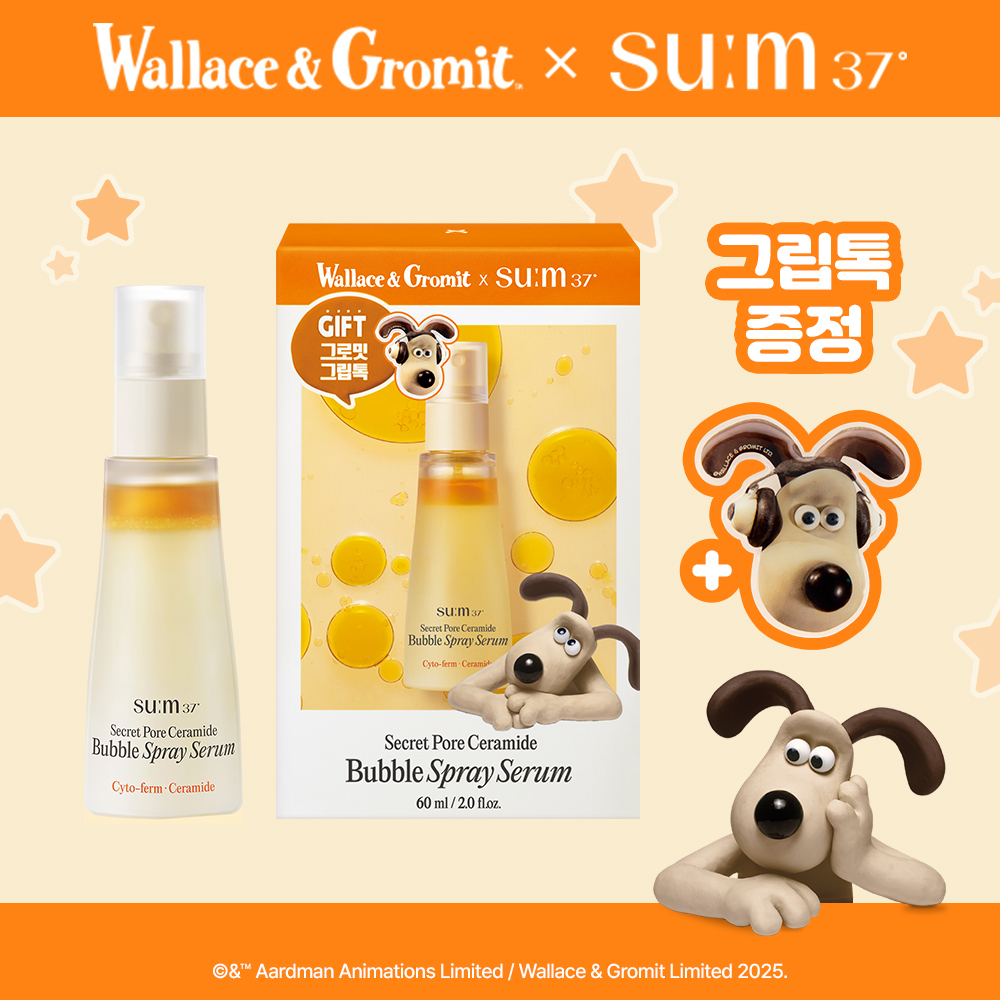
Secret Pore Ceramide Bubble Spray Serum
SUM37
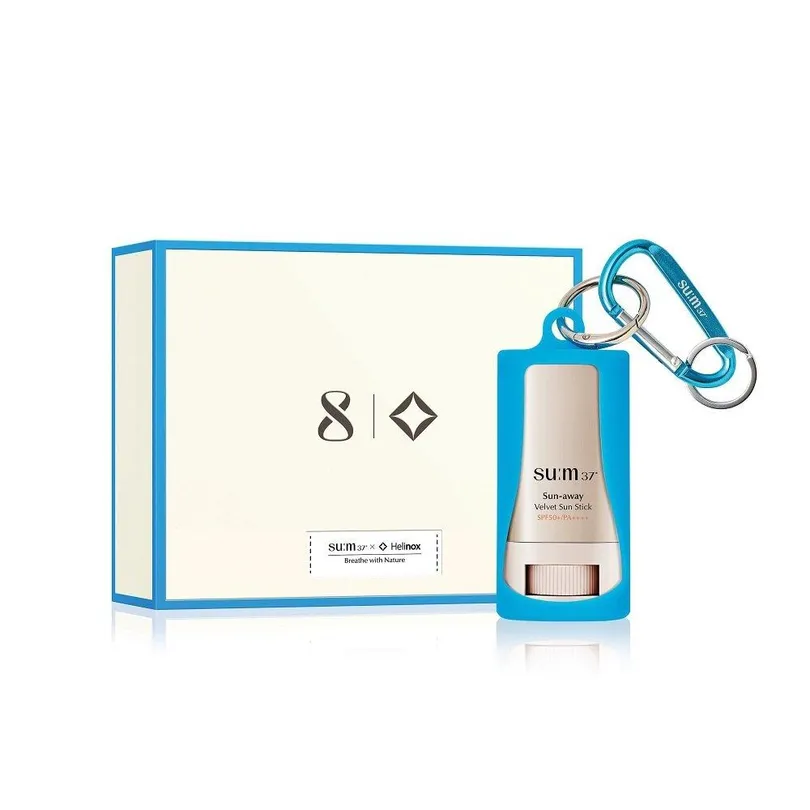
Sun-away Velvet Sun Stick Set
SUM37
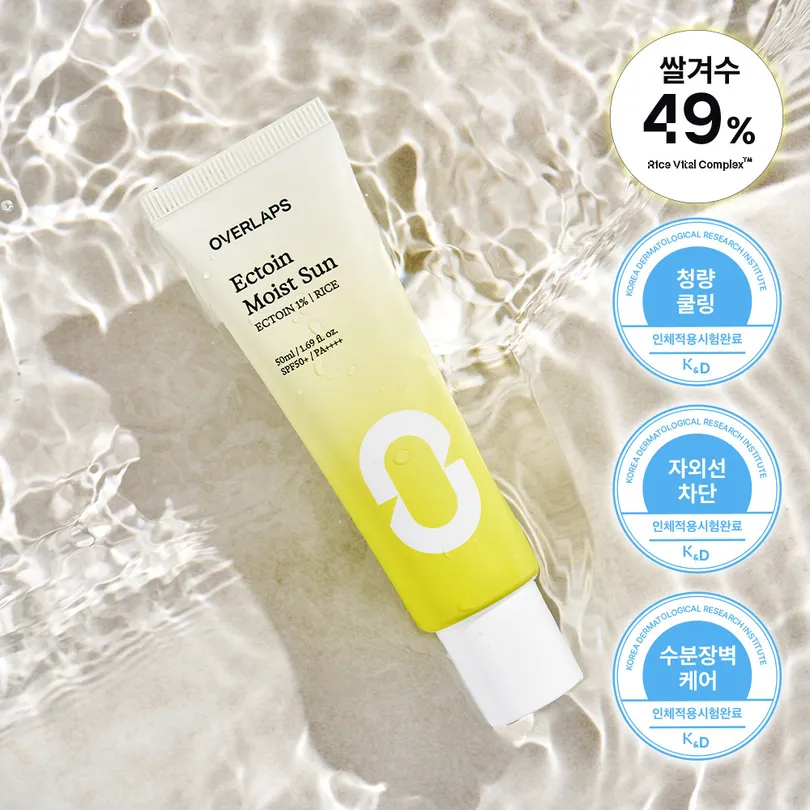
Ectoin Moist Sun Cream
OVERLAPS

Relief Sun: Rice + Probiotics SPF50+ PA++++
Beauty of Joseon
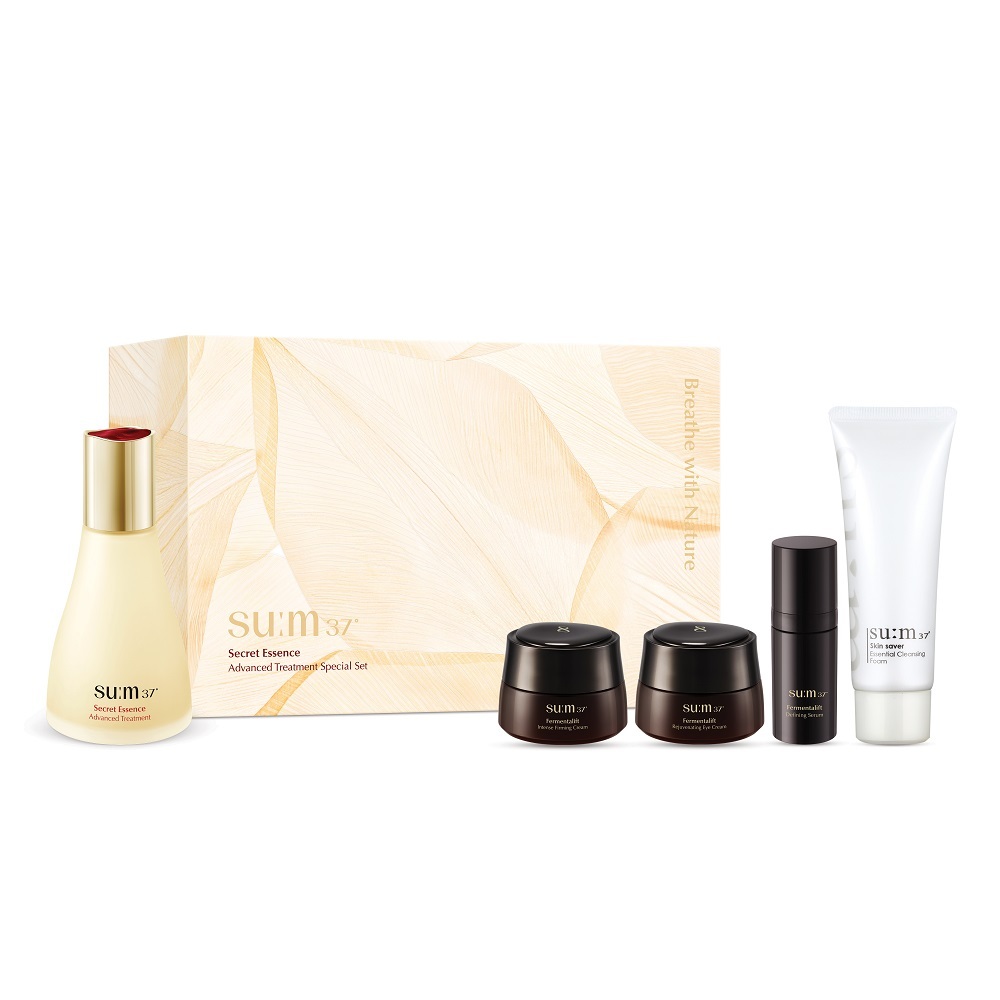
Secret Essence
SUM37
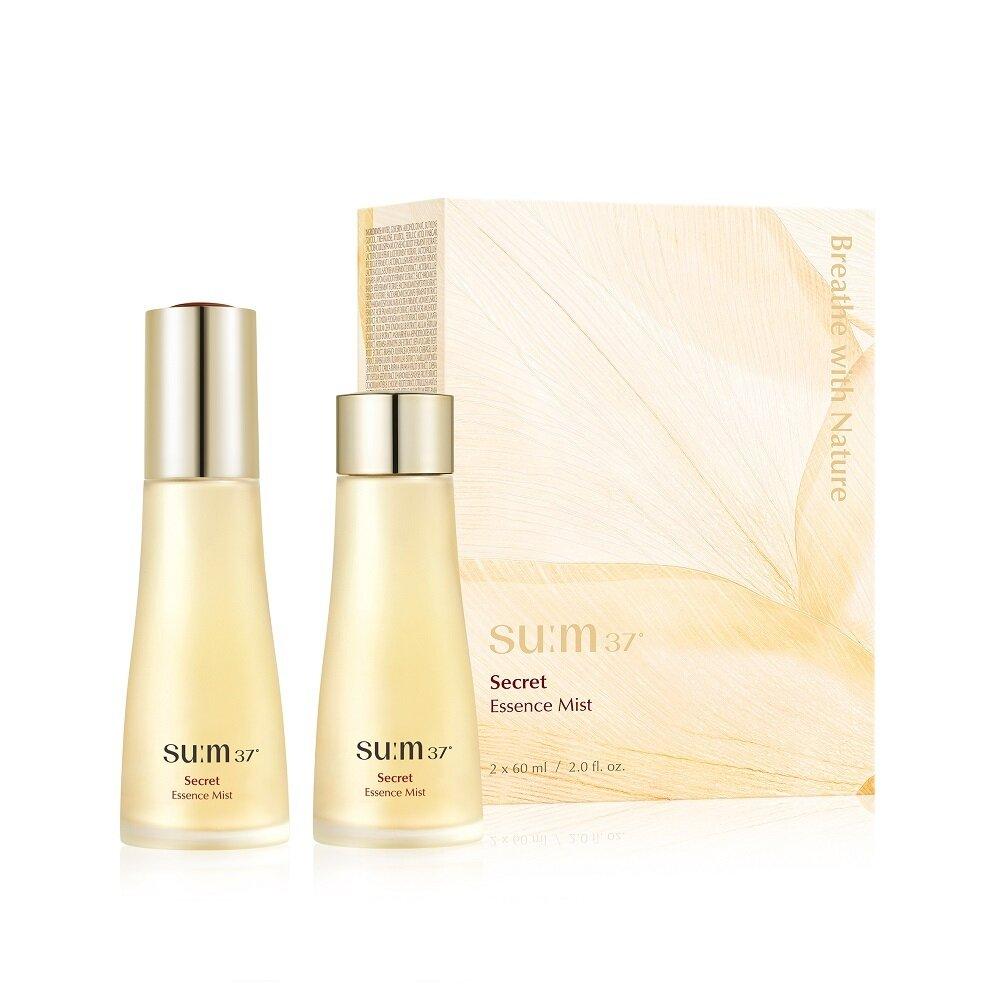
Secret Essence Mist
SUM37
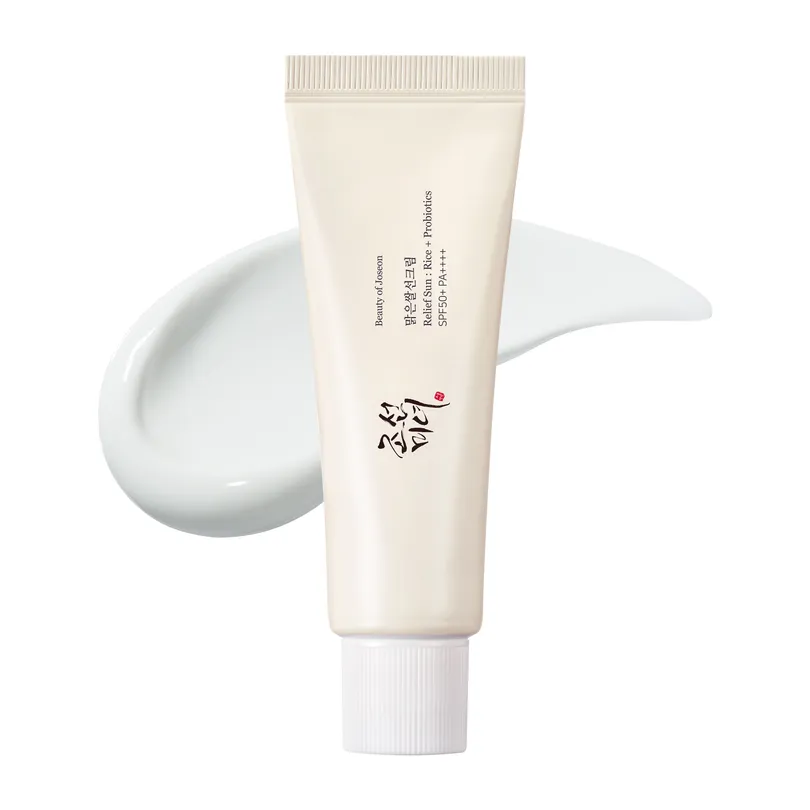
Relief Sun: Rice + Probiotics
Beauty of Joseon
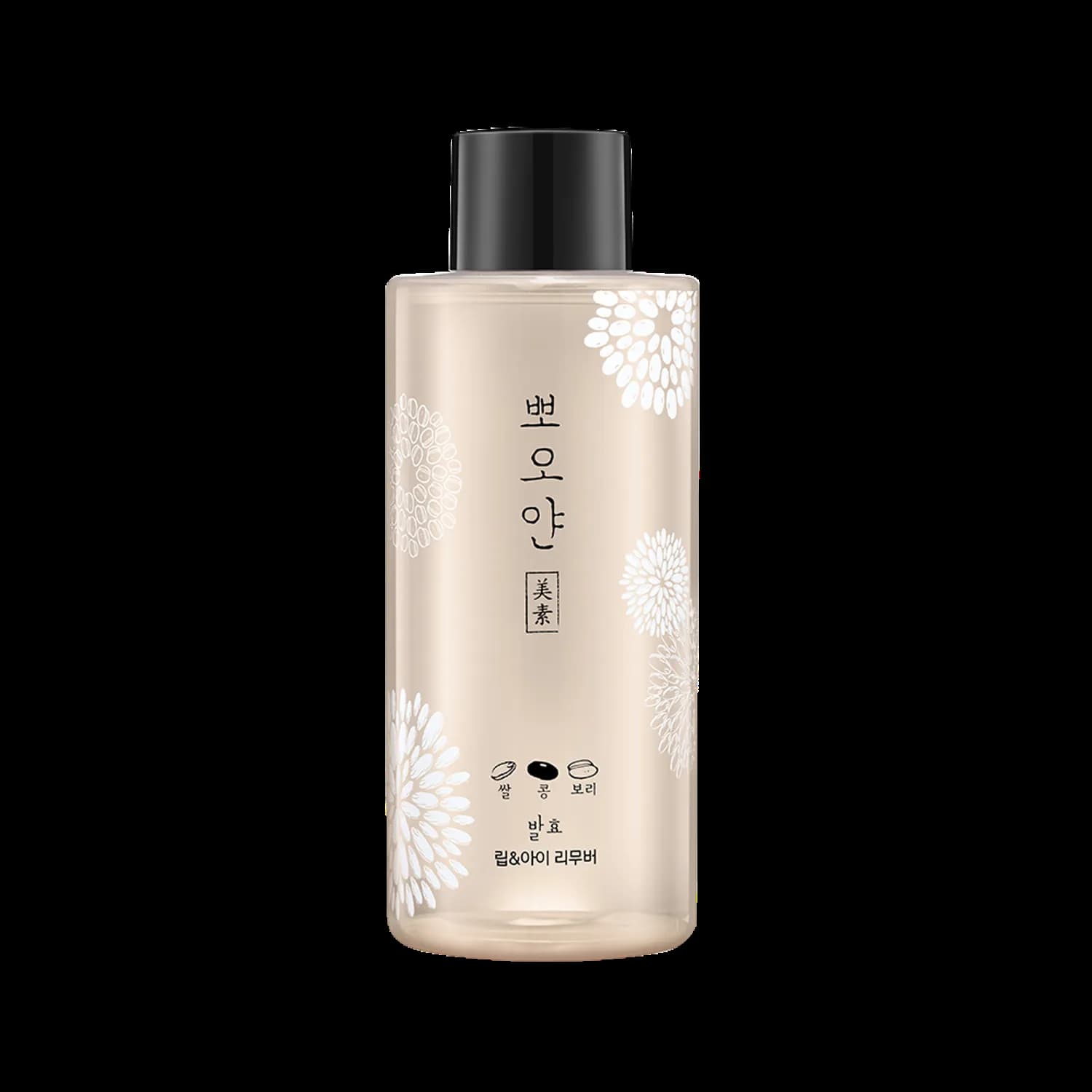
PPOYAN Lip and Eye Remover
Etude
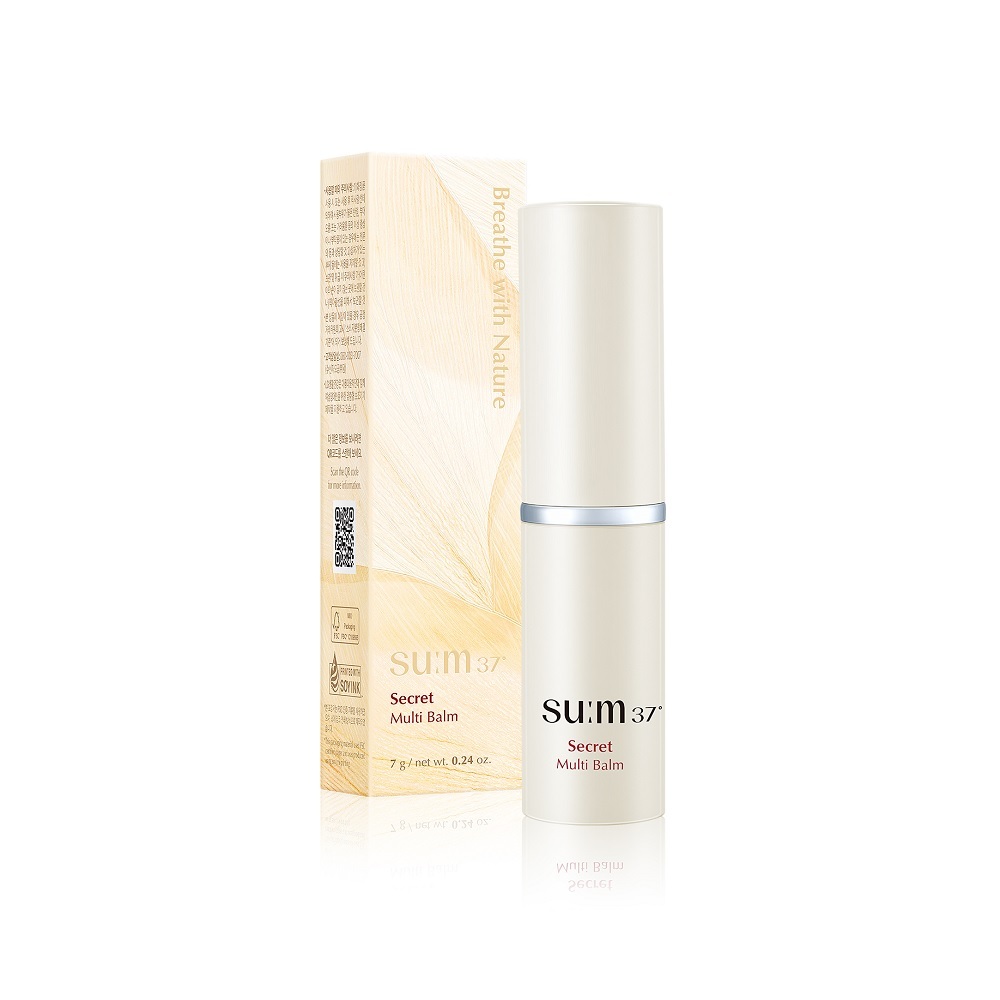
Secret Multi Balm
SUM37
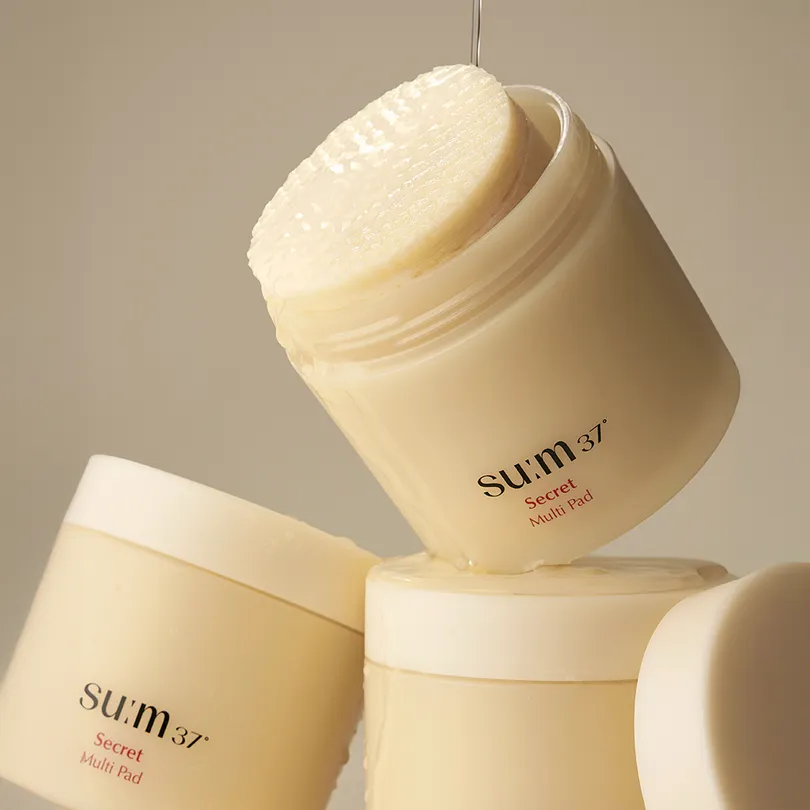
Secret Multi Pad
SUM37
Frequently Asked Questions
Is red yeast rice ferment the same as the supplement used for cholesterol?▼
How long does it take to see brightening results from red yeast rice ferment?▼
Can I use red yeast rice ferment if I'm sensitive to yeast?▼
Which products on Seoul Sister feature red yeast rice ferment most effectively?▼
Explore More
Want personalized ingredient advice?
Yuri, our AI beauty advisor, can tell you how Red Yeast Rice Ferment works with your specific skin type, routine, and concerns.
Ask Yuri, free