Moringa Seed Extract
INCI: Moringa Oleifera Seed Extract
Antioxidant and skin conditioning agent
About Moringa Seed Extract
Moringa seed extract comes from Moringa oleifera, a plant native to the Himalayan foothills that's been called the 'miracle tree' for its nutrient density. In skincare, this extract delivers a potent combination of vitamins A, C, and E, along with essential fatty acids like oleic and behenic acid that strengthen the skin barrier. K-beauty brands have embraced moringa for its dual action as both a protective antioxidant and a lightweight moisturizer that doesn't clog pores. The extract contains unique compounds called isothiocyanates that help neutralize free radicals and reduce oxidative stress, making it particularly valuable in Korean formulations designed to combat urban pollution and environmental aging. With a comedogenic rating of just 1 out of 5, it's one of those rare ingredients that delivers serious hydration without triggering breakouts, which explains why you'll find it in everything from foam cleansers to retinol essences. Korean chemists often pair it with other plant extracts like centella or birch sap to create synergistic effects that address multiple skin concerns simultaneously.
How Moringa Seed Extract Works
At the molecular level, moringa seed extract functions through multiple pathways. Its high concentration of zeatin, a plant cytokinin, helps regulate cell division and delays the breakdown of proteins and lipids in skin cells. The extract's antioxidant activity comes from phenolic compounds like quercetin and kaempferol, which donate electrons to unstable free radicals, effectively neutralizing them before they can damage cellular membranes or DNA. The fatty acid profile, particularly oleic acid at around 73%, helps restore compromised lipid barriers by integrating into the stratum corneum and reducing transepidermal water loss. Meanwhile, vitamins C and E work in tandem (vitamin C regenerates oxidized vitamin E) to protect against UV-induced damage and support collagen synthesis. The extract also contains benzyl isothiocyanate, which has been shown to inhibit inflammatory pathways by suppressing NF-κB activation, reducing redness and irritation at a cellular level.
Moringa Seed Extract by Skin Type
Oily Skin
Moringa seed extract is exceptionally compatible with oily skin because its lightweight texture absorbs quickly without leaving residue. The antioxidants help regulate sebum oxidation (which contributes to that greasy feeling and can trigger inflammation), while the low comedogenic rating means it won't congest pores even when used in leave-on products like essences and toners.
Dry Skin
The fatty acid content in moringa seed extract makes it genuinely beneficial for dry skin types. Oleic acid helps repair compromised barriers and seal in moisture, while vitamins A and E support skin regeneration. You'll notice it most in cream formulations where it works alongside other emollients to create lasting hydration without heaviness.
Combo Skin
This ingredient handles the balancing act combination skin requires. It provides enough moisture for dry zones without overwhelming oily areas, thanks to its non-greasy absorption profile. The antioxidant protection works uniformly across your face, making it ideal in toners and essences that target uneven skin concerns.
Sensitive Skin
Moringa's anti-inflammatory properties, particularly from isothiocyanates, make it suitable for sensitive skin when properly formulated. It helps calm reactive skin and strengthens barrier function, reducing susceptibility to irritants. However, if you have specific sensitivities to plant extracts, patch test first, especially in products with higher concentrations.
Normal Skin
Normal skin benefits from moringa seed extract as a preventative antioxidant that maintains skin health over time. It provides lightweight conditioning without disrupting your skin's natural balance, making it an excellent maintenance ingredient in daily-use products like cleansers and toners.
How to Use Moringa Seed Extract
- 1Look for moringa in your first treatment steps (toners, essences) where its antioxidants can penetrate effectively before occlusives are applied.
- 2If you're using retinol products like VT's Cica Reti-A Essence, the moringa content helps buffer potential irritation while the retinoid does its work.
- 3Morning application maximizes the antioxidant protection against daytime environmental stressors and pollution exposure.
- 4Pair with vitamin C or niacinamide for enhanced brightening effects, as the supporting antioxidants create a more stable environment for active ingredients.
Background
Moringa oleifera has been used in Ayurvedic medicine for over 4,000 years, with ancient texts documenting its use for more than 300 ailments. The tree grows rapidly in tropical and subtropical climates, producing seed pods that yield the extract used in modern skincare. Western beauty industries initially overlooked moringa until the 2010s, when research into its exceptional antioxidant profile (it contains 46 different antioxidants) sparked interest. K-beauty brands were relatively early adopters, incorporating it around 2015-2017 as part of the movement toward plant-based, multifunctional ingredients that align with Korean skincare philosophy of gentle yet effective formulations. The seed extract specifically gained traction because it's more stable and concentrated than leaf extracts, making it ideal for products with longer shelf lives.
K-Beauty Products with Moringa Seed Extract
View all 51 →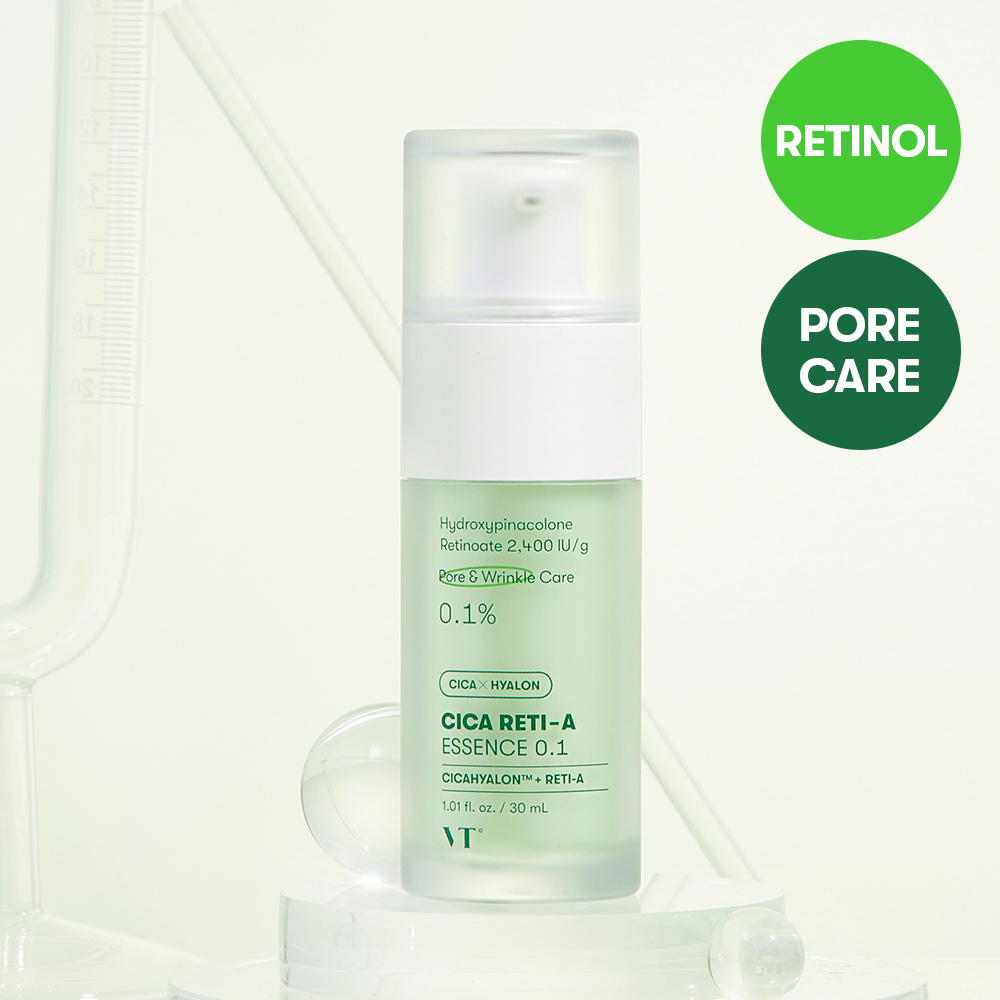
Cica Reti-A Essence 0.1
VT
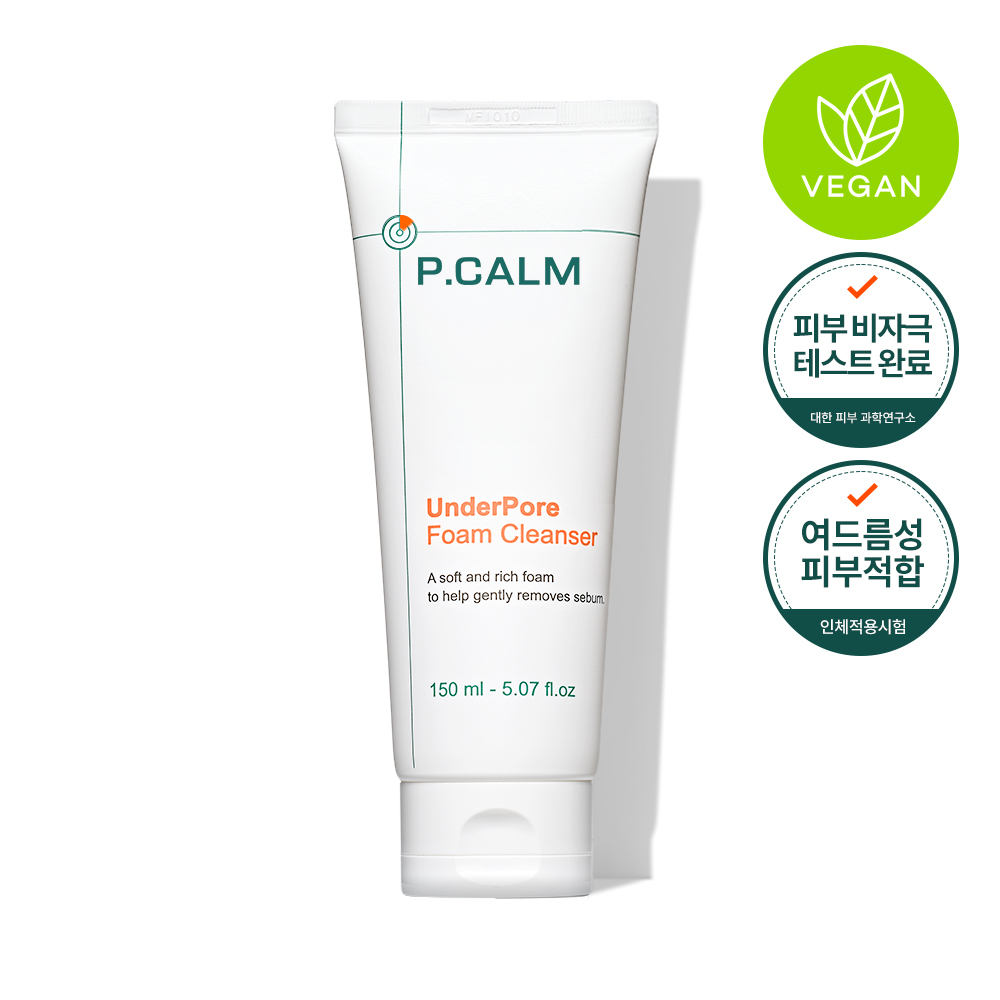
UnderPore Foam Cleanser
Beplain
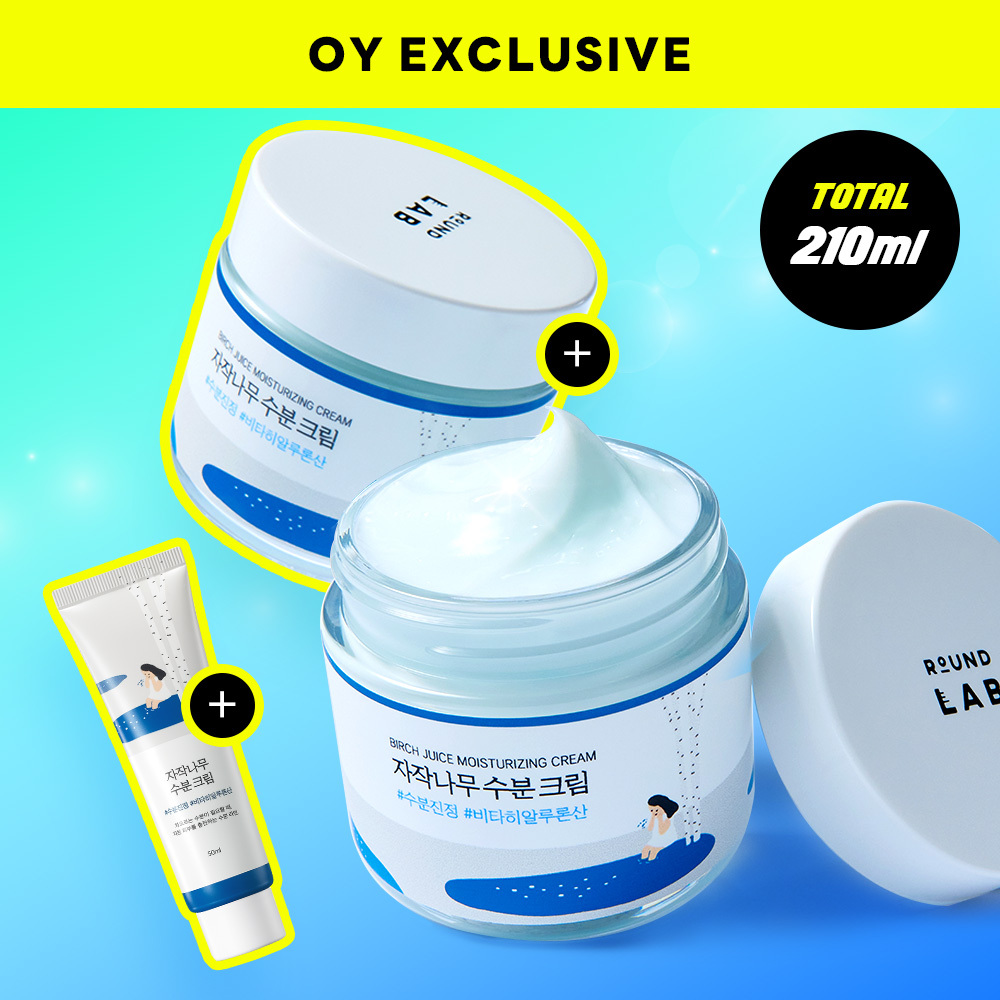
Birch Juice Moisturizing Cream Double Set
Round Lab
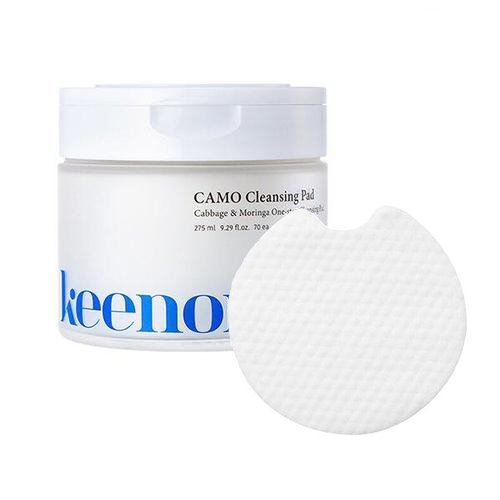
Camo Cleansing Pad
Ariul
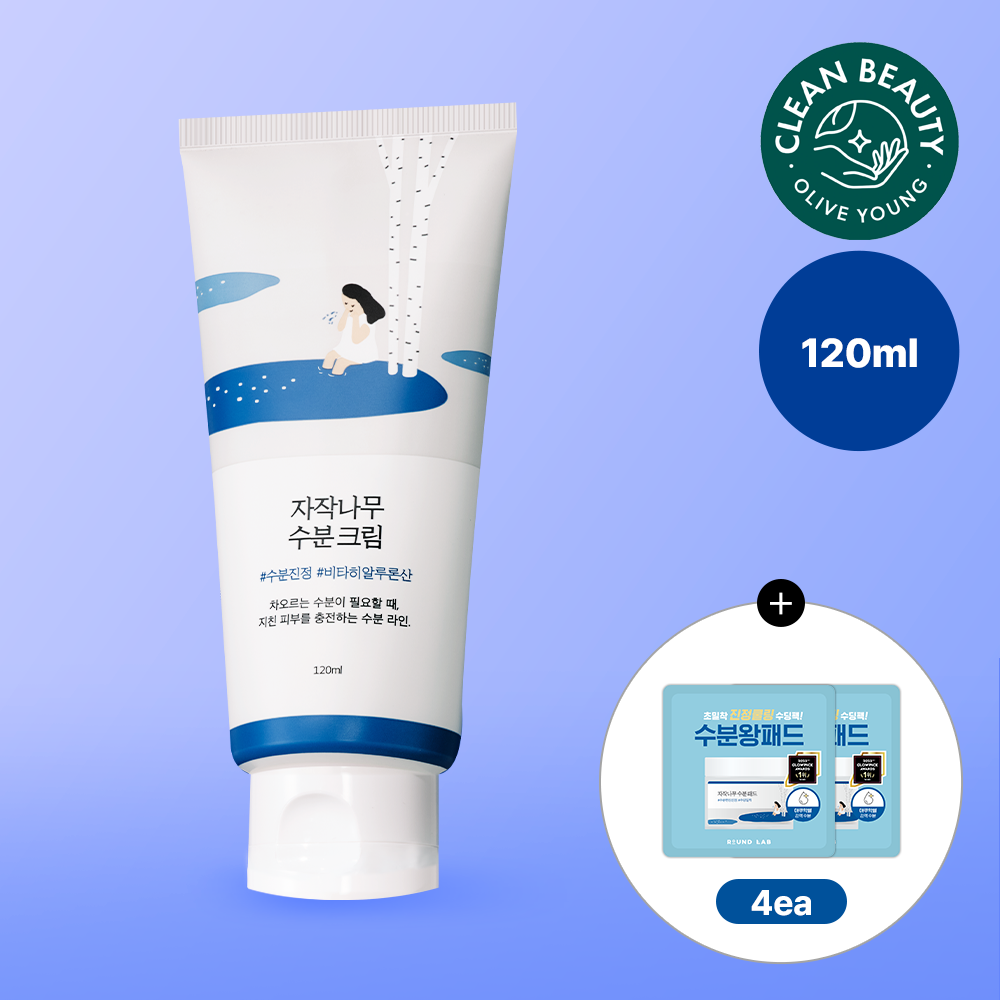
Birch Juice Moisturizing Cream Jumbo Size
Round Lab
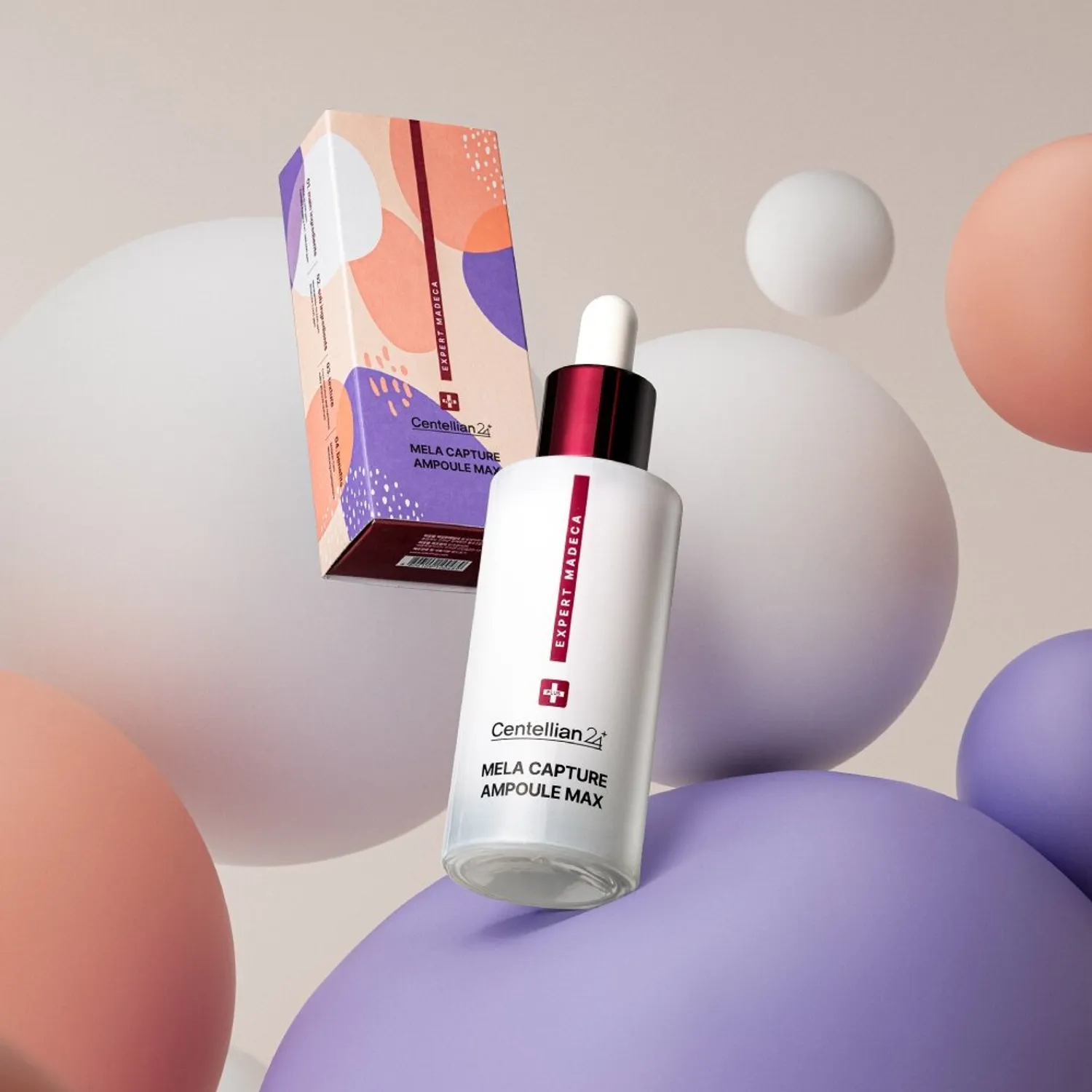
Expert Madeca Mela Capture Ampoule Max
Centellian24
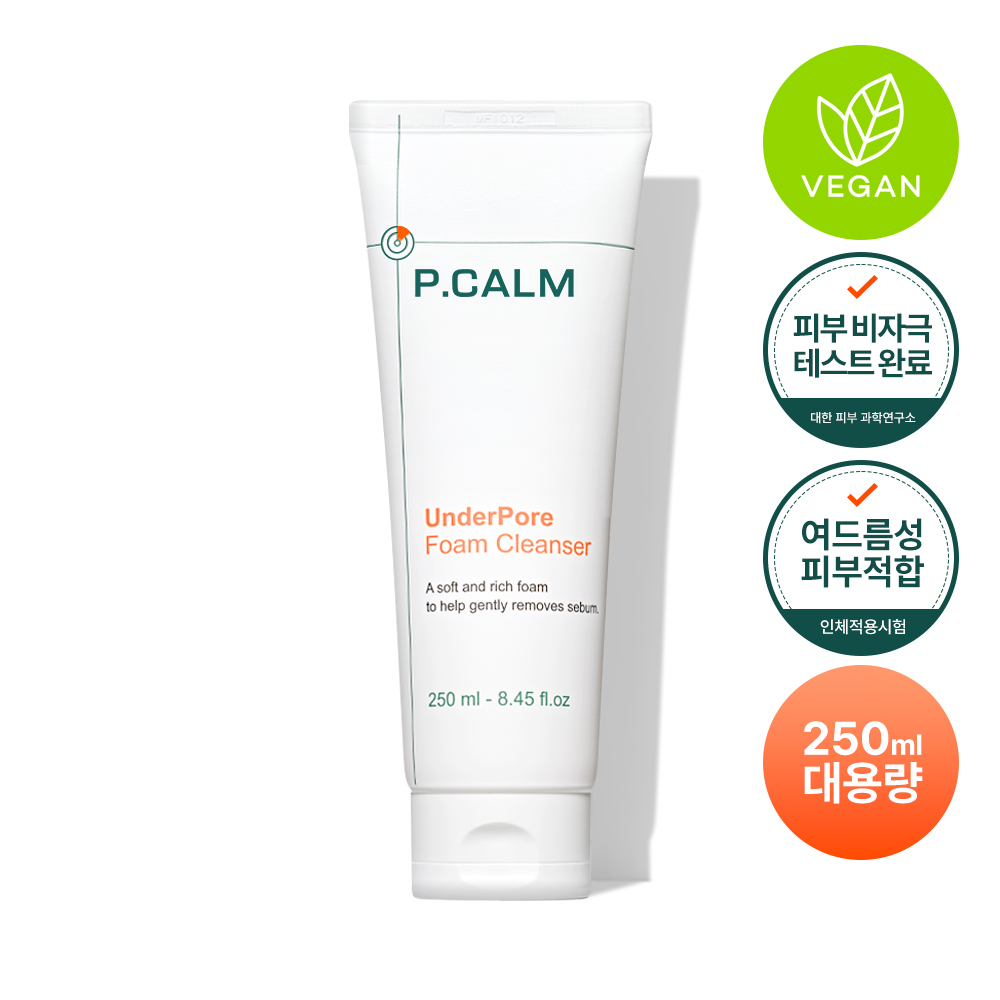
P.CALM Under Pore Foam Cleanser
Beplain
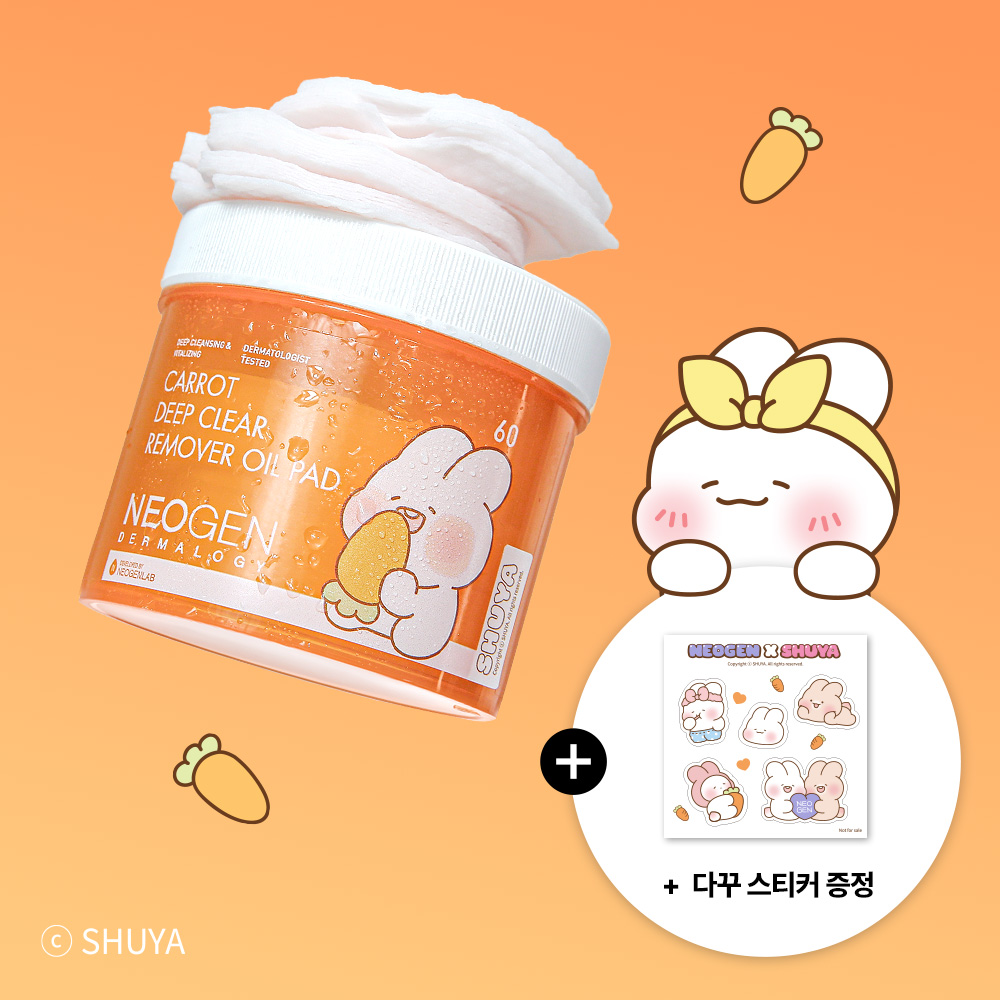
Dermalogy Carrot Deep Clear Remover Oil Pad
Neogen
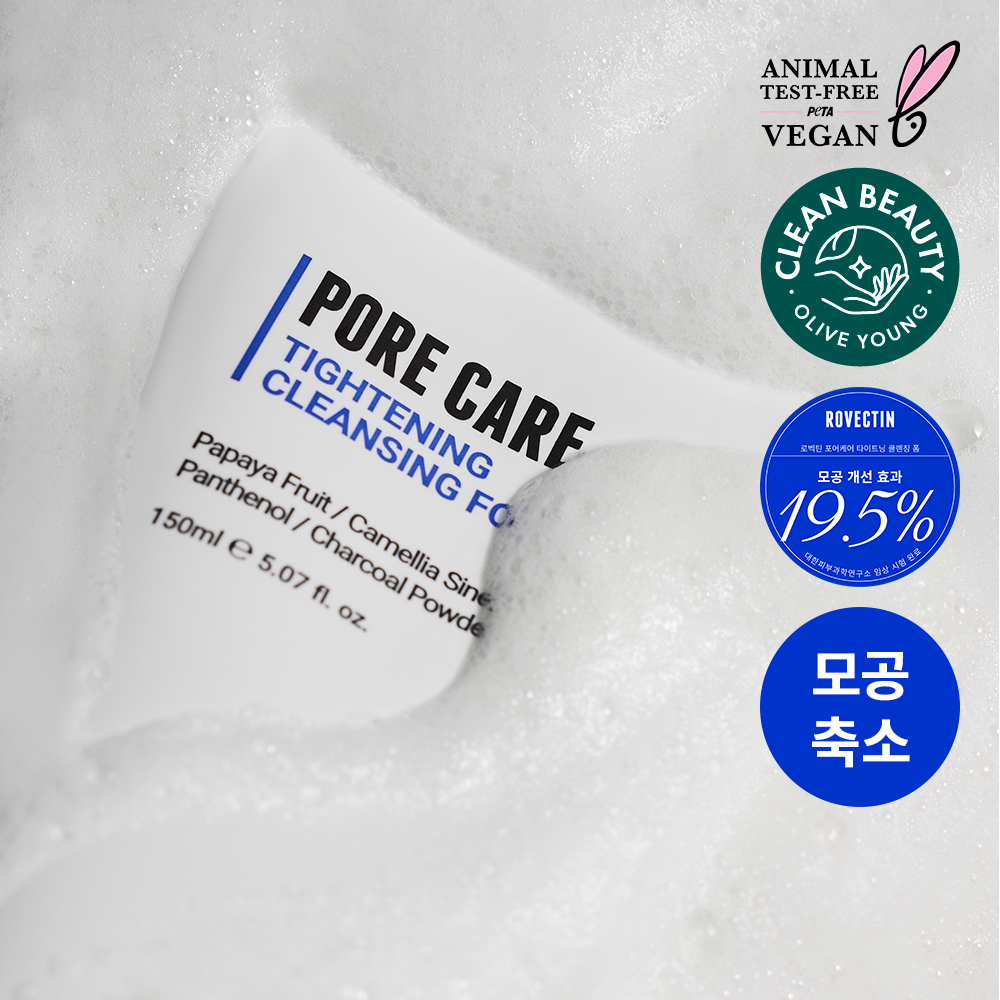
Pore Care Tightening Cleansing Foam
Rovectin
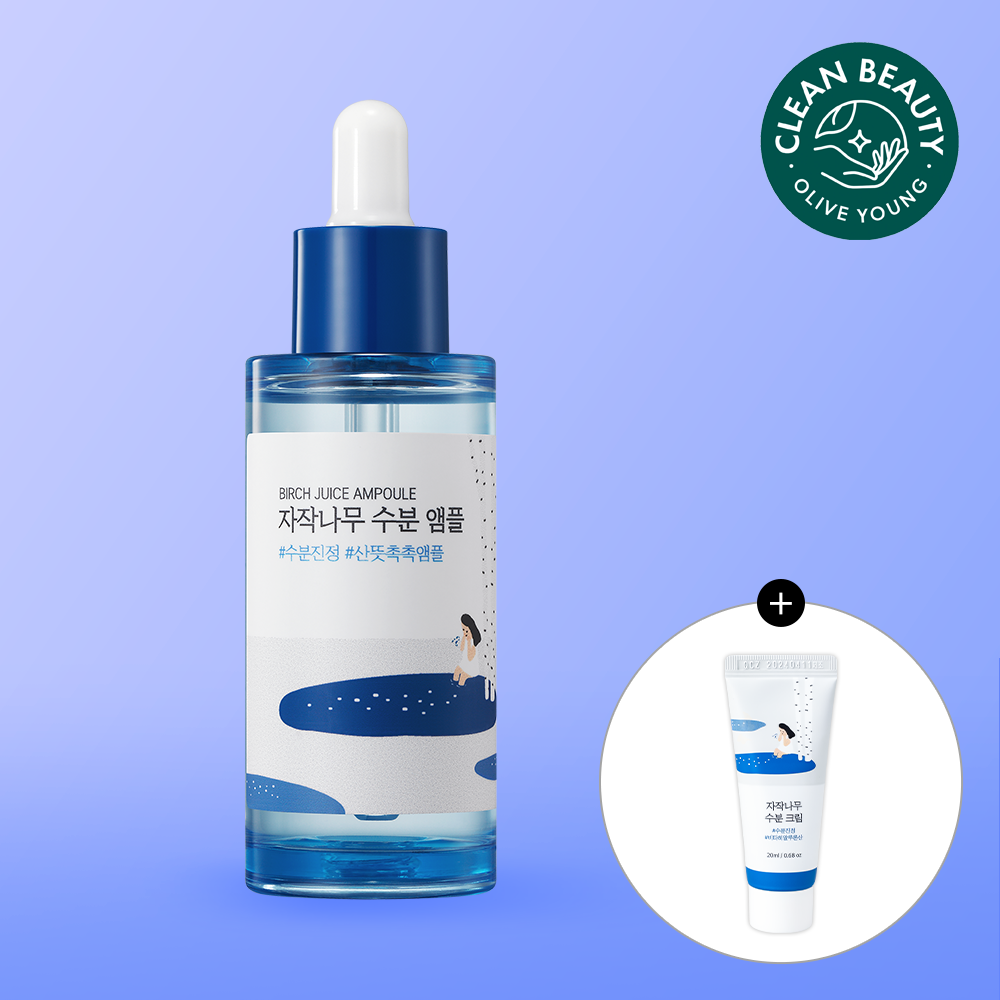
Birch Juice Moisturizing Ampoule 50mL Special Set
Round Lab
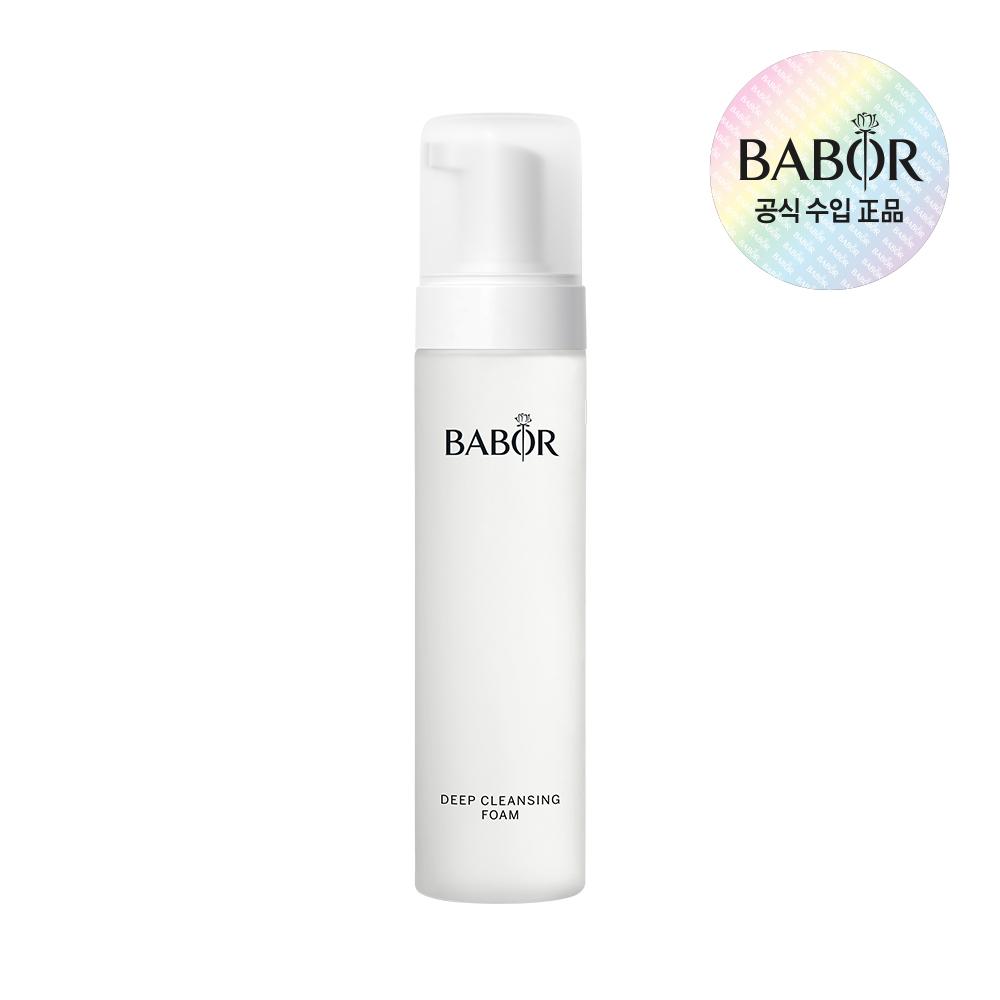
Airy Foaming Cleanser
BABOR
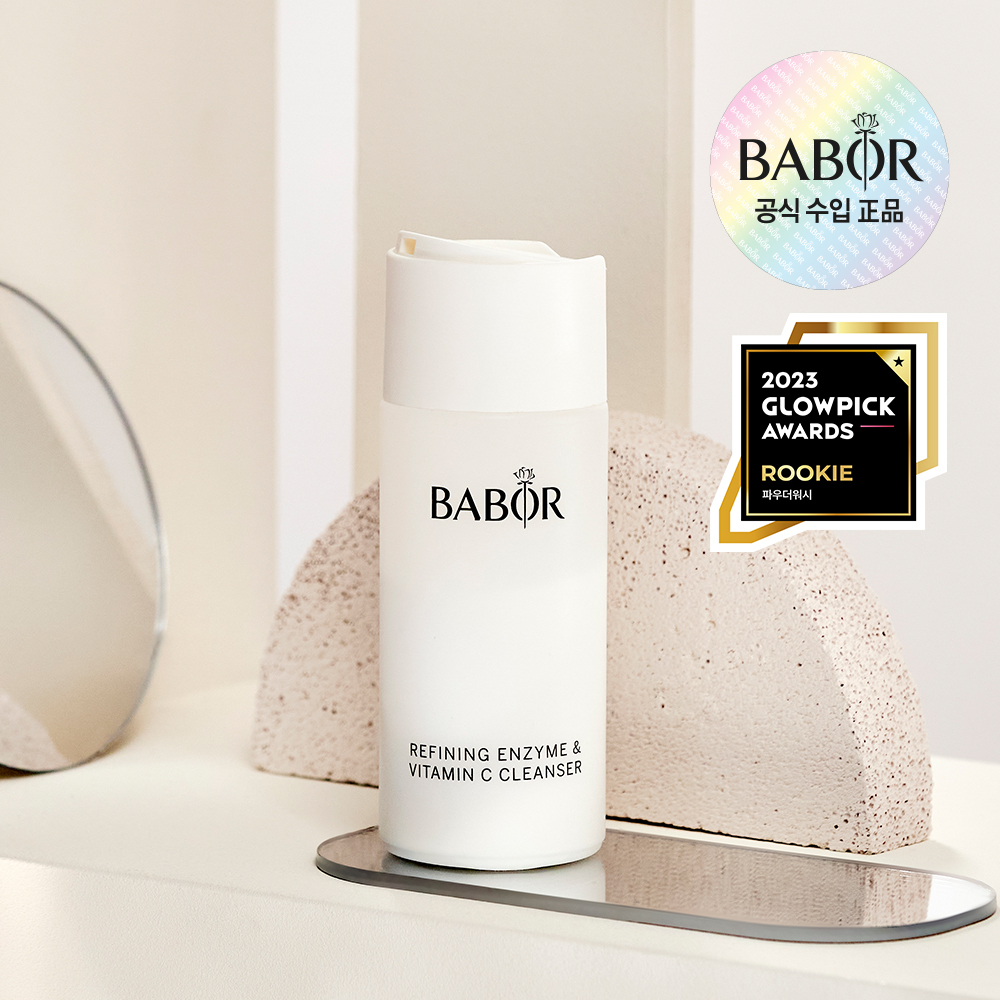
Refining Enzyme & Vitamin C Cleanser
BABOR
Frequently Asked Questions
Is moringa seed extract safe to use with retinol?▼
Will moringa seed extract clog my pores?▼
What's the difference between moringa seed extract and moringa oil?▼
Can I use moringa seed extract if I have fungal acne?▼
Explore More
Want personalized ingredient advice?
Yuri, our AI beauty advisor, can tell you how Moringa Seed Extract works with your specific skin type, routine, and concerns.
Ask Yuri, free