Ceramide-Like Synthetic Lipid
INCI: Myristoyl/Palmitoyl Oxostearamide/Arachamide MEA
Skin barrier repair and moisturization
About Ceramide-Like Synthetic Lipid
Ceramide-like synthetic lipid, scientifically known as Myristoyl/Palmitoyl Oxostearamide/Arachamide MEA, is a lab-engineered molecule designed to mimic the structure and function of natural ceramides found in your skin's protective barrier. While traditional ceramides are sourced from plants or animals, this synthetic version offers enhanced stability and targeted repair capabilities that make it particularly valuable in Korean skincare formulations. Think of your skin barrier as a brick wall, with skin cells as bricks and lipids like ceramides as the mortar holding everything together. When this mortar crumbles due to harsh weather, over-exfoliation, or irritating products, your skin loses moisture rapidly and becomes vulnerable to irritation. This is where ceramide-like synthetic lipids shine. K-beauty brands like Real Barrier and ZEROID have embraced this ingredient because it integrates seamlessly into damaged barrier structures, filling gaps and restoring the skin's ability to retain moisture. The synthetic nature of this lipid actually provides advantages over natural ceramides. It's more resistant to oxidation (meaning longer shelf life and consistent performance), and it can be engineered for specific chain lengths that target particular barrier deficiencies. With a comedogenic rating of 2/5, it's suitable for most skin types without causing significant pore congestion. Its presence in 39 K-beauty products, including highly rated formulas from Real Barrier's Control-T line and ZEROID's intensive treatments, demonstrates its proven effectiveness in addressing compromised skin barriers.
How Ceramide-Like Synthetic Lipid Works
This synthetic lipid works by mimicking the molecular architecture of ceramides that naturally exist in the stratum corneum, your skin's outermost protective layer. Your skin barrier contains several types of ceramides (labeled 1 through 9), each with slightly different structures that serve specific protective functions. Myristoyl/Palmitoyl Oxostearamide/Arachamide MEA is engineered with fatty acid chains (myristic and palmitic acid) that align with the natural lipid bilayer structure in your skin. When applied topically, these molecules integrate into the existing lipid matrix, physically filling microscopic gaps between corneocytes (dead skin cells). This restoration happens through a process called lipid lamellar reorganization, where the synthetic lipids self-assemble into organized sheets that mirror your skin's natural structure. The palmitic and myristic acid components provide the hydrophobic (water-repelling) properties that prevent transepidermal water loss, while the MEA (monoethanolamide) portion helps the molecule bind to skin proteins. Unlike occlusives that simply sit on the skin's surface, ceramide-like synthetic lipids actually become part of the barrier structure itself, offering long-term repair rather than temporary protection. This integration process strengthens cellular cohesion, reduces inflammation by preventing irritant penetration, and improves overall barrier function measurably within 2-4 weeks of consistent use.
Ceramide-Like Synthetic Lipid by Skin Type
Oily Skin
Oily skin can absolutely benefit from ceramide-like synthetic lipids, despite the common misconception that oily skin doesn't need lipids. When oily skin is dehydrated (lacking water, not oil), it often overproduces sebum to compensate for barrier weakness. This ingredient addresses the root cause by repairing the barrier without adding heavy oils, helping to normalize sebum production over time. The comedogenic rating of 2/5 means most oily skin types can use it without significant breakouts, especially in lightweight formulations like Real Barrier's Control-T Cleansing Foam.
Dry Skin
Dry skin experiences the most dramatic benefits from ceramide-like synthetic lipids because dryness fundamentally stems from barrier dysfunction and lipid deficiency. This ingredient directly replenishes the missing structural components that allow your skin to hold onto moisture. Products like Real Barrier's Extreme Cream Ampoule combine this lipid with humectants to both attract water and seal it in, addressing both immediate dryness and long-term barrier health. Consistent use typically shows visible improvement in texture and hydration within two weeks.
Combo Skin
Combination skin thrives with ceramide-like synthetic lipids because they repair the barrier without overwhelming oily zones or under-serving dry patches. The lightweight molecular structure absorbs well into areas that need repair while not leaving a heavy feel on naturally balanced areas. Look for gel-cream or serum formulations like Real Barrier's Retinol Pore Tightening Serum that layer easily and can be applied more generously on dry cheeks while keeping the T-zone balanced.
Sensitive Skin
Sensitive skin benefits immensely from this ingredient because barrier dysfunction is often the primary driver of sensitivity, reactivity, and inflammation. By structurally repairing the protective barrier, ceramide-like synthetic lipids reduce the penetration of irritants and allergens that trigger reactions. The synthetic nature actually makes this ingredient less likely to cause allergic responses compared to natural ceramides derived from plants or animals. ZEROID's Intensive Cream Toner, formulated for compromised barriers, demonstrates how this lipid can calm chronic sensitivity when used consistently.
Normal Skin
Even normal skin maintains its healthy status through adequate barrier function, and ceramide-like synthetic lipids serve as preventive maintenance against environmental stressors. Pollution, seasonal changes, and occasional harsh product use can temporarily compromise barriers. Incorporating this ingredient 2-3 times weekly helps maintain optimal barrier integrity, preventing the transition from normal to sensitive or dry skin that many people experience as they age or face environmental challenges.
How to Use Ceramide-Like Synthetic Lipid
- 1Layer ceramide-like synthetic lipid products after water-based serums but before heavier occlusives to maximize barrier integration and seal in hydration.
- 2For damaged barriers, use products containing this ingredient twice daily for at least 4 weeks to see structural repair, as barrier regeneration is a gradual process.
- 3Pair with niacinamide or panthenol, which support ceramide synthesis and enhance the barrier-repairing effects (many Real Barrier products combine these strategically).
- 4Apply to slightly damp skin when possible, as this helps the lipids integrate more effectively into the existing moisture layer and improves overall absorption.
- 5If you have acne-prone skin, choose lighter formulations like serums or gel-creams over heavy barrier creams to minimize any potential pore congestion from the 2/5 comedogenic rating.
Background
The development of ceramide-like synthetic lipids emerged from dermatological research in the 1990s and early 2000s, when scientists identified that many chronic skin conditions (eczema, psoriasis, sensitive skin) shared a common denominator: ceramide deficiency in the stratum corneum. While ceramides themselves were discovered in skin tissue in the 1980s, early skincare formulations struggled with natural ceramide stability and sourcing consistency. Japanese and Korean cosmetic chemists pioneered synthetic alternatives that could replicate ceramide function without the formulation challenges. Myristoyl/Palmitoyl Oxostearamide/Arachamide MEA specifically gained traction in K-beauty around 2015-2017 as brands like ZEROID (developed by dermatologists at Seoul National University) and Real Barrier (Atopalm's sister brand) formulated medical-grade skincare for compromised barriers. The Korean skincare philosophy of prevention and barrier health, rather than just treatment of symptoms, made ceramide-like synthetics a natural fit. These ingredients bridged the gap between dermatological treatments and accessible daily skincare, allowing consumers to address barrier dysfunction without prescription products. Today, the ingredient represents K-beauty's science-forward approach, where synthetic doesn't mean inferior but rather optimized for specific skin needs.
K-Beauty Products with Ceramide-Like Synthetic Lipid
View all 50 →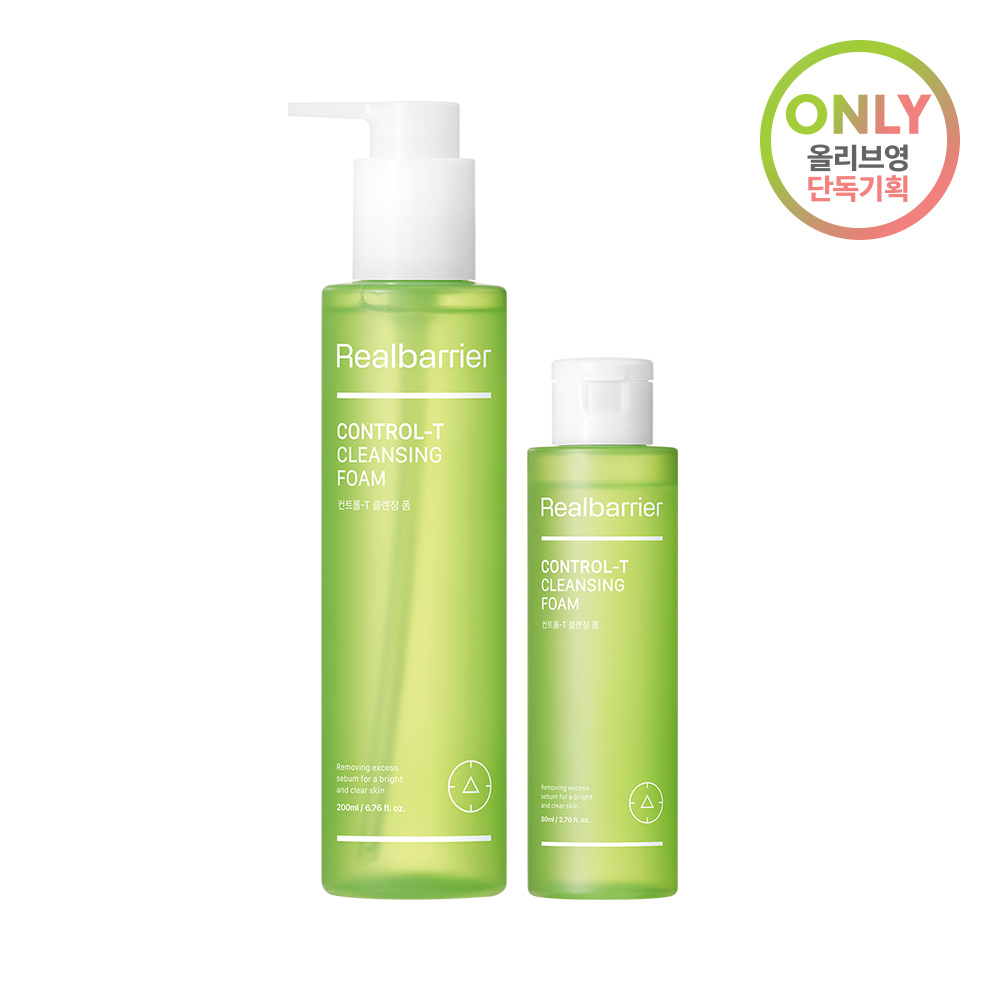
Control-T Cleansing Foam
Real Barrier
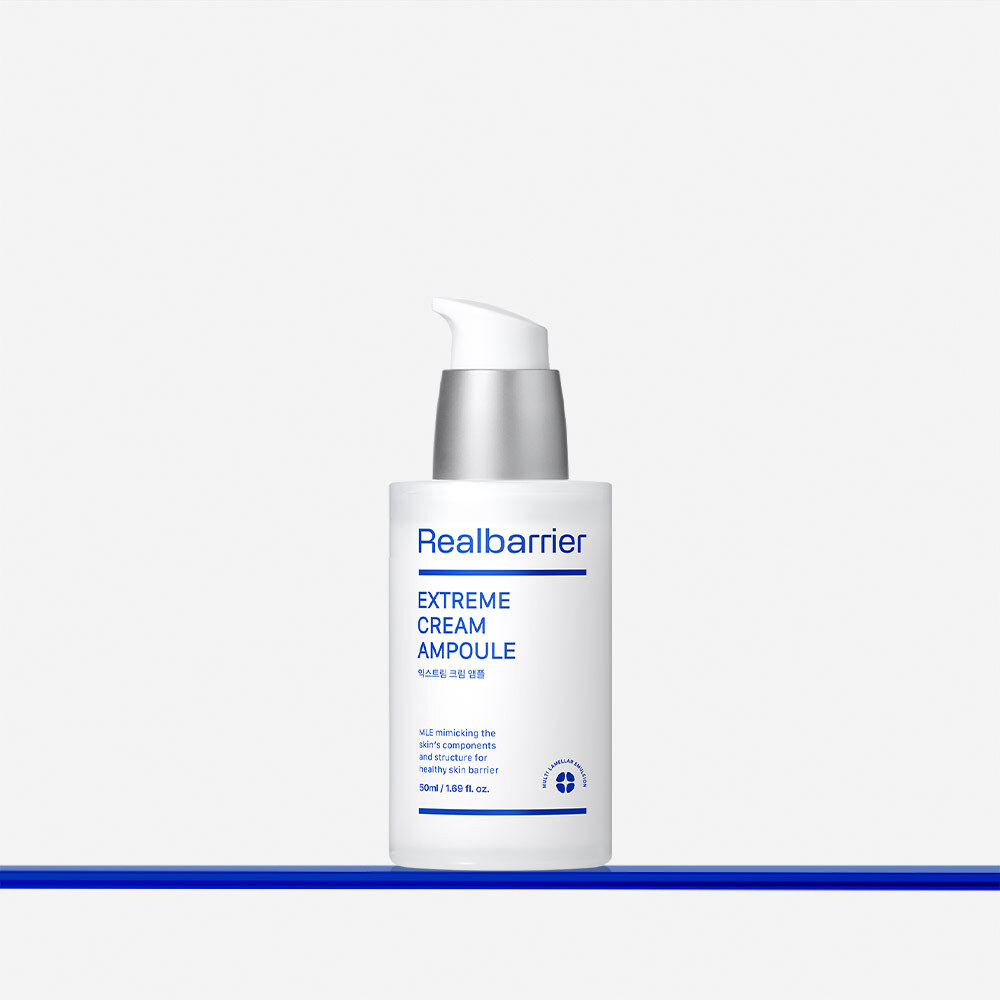
Extreme Cream Ampoule
Real Barrier
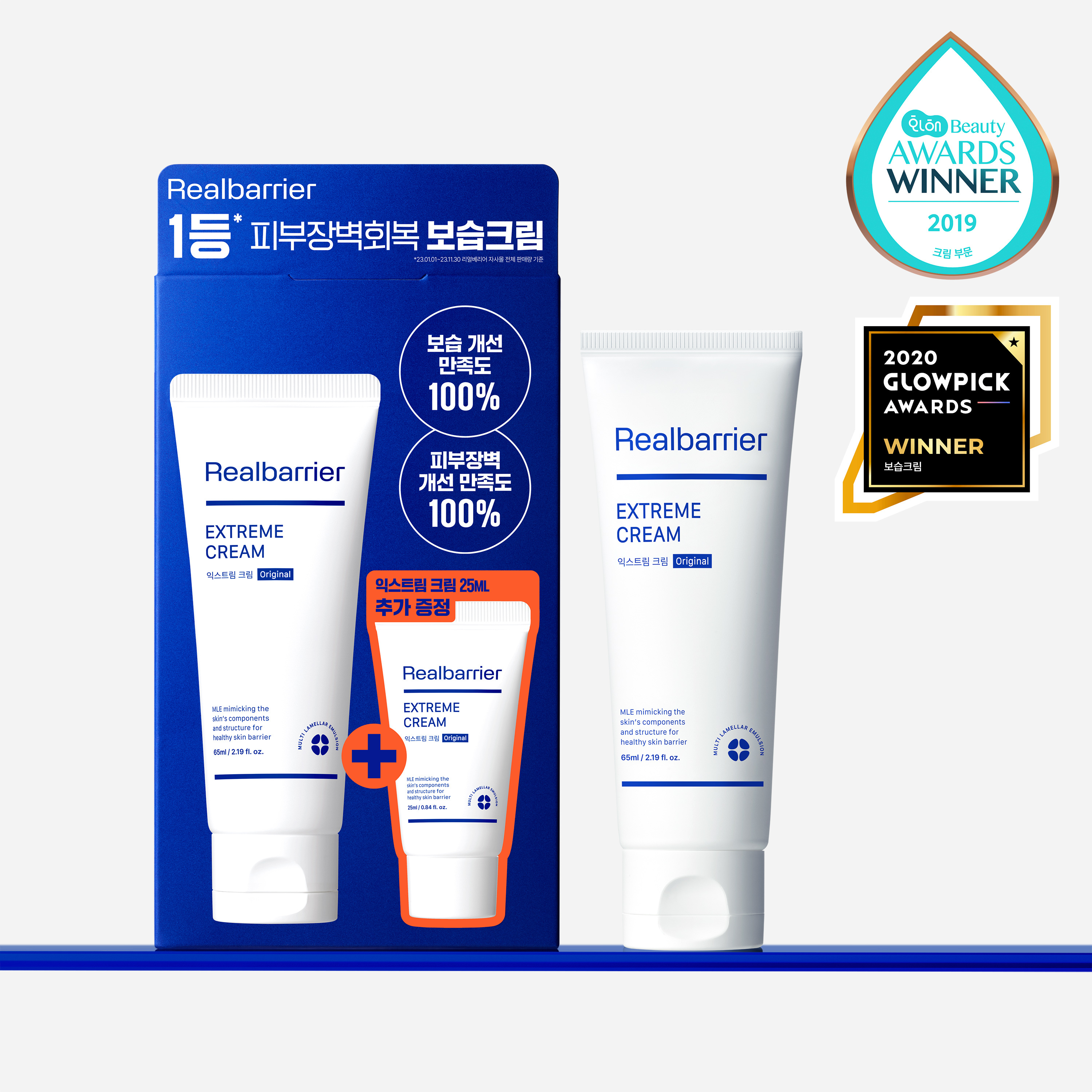
Extreme Cream Special Set
Real Barrier
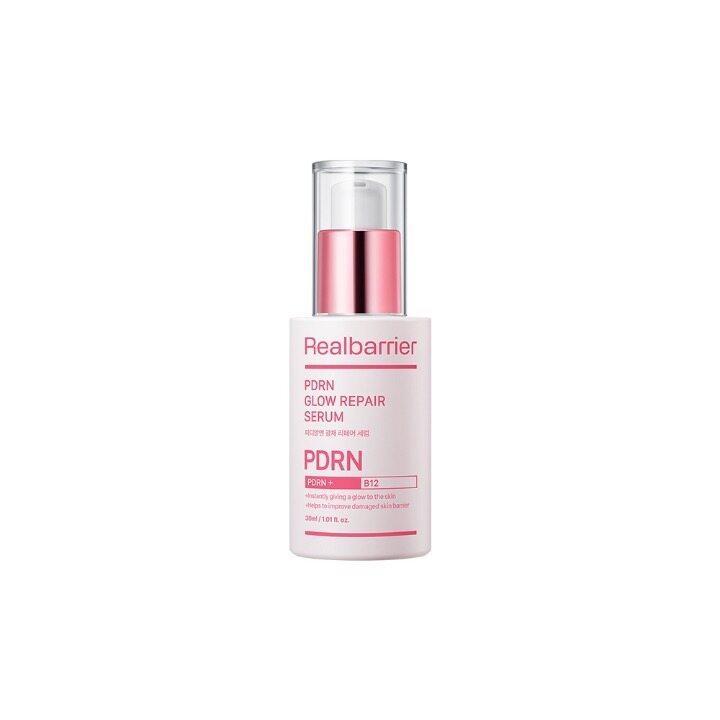
PDRN Glow Repair Serum
Real Barrier
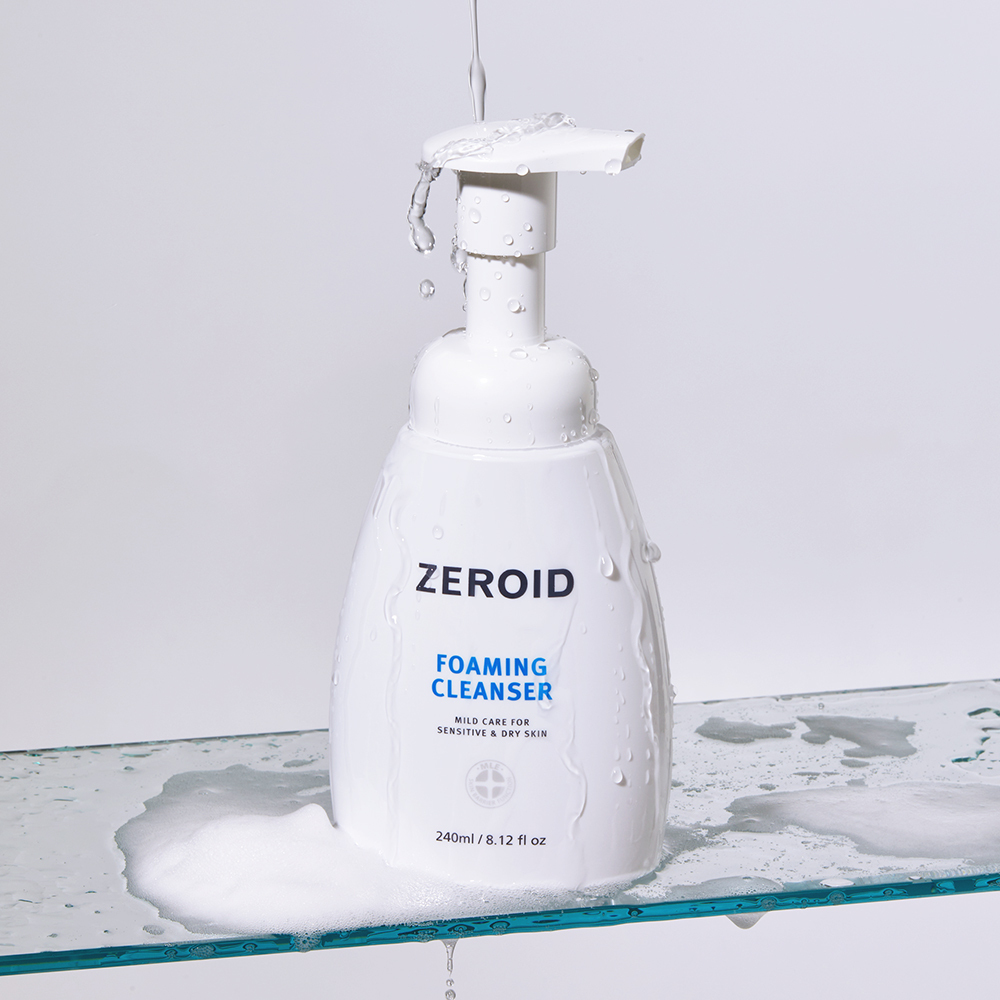
Foaming Cleanser
ZEROID
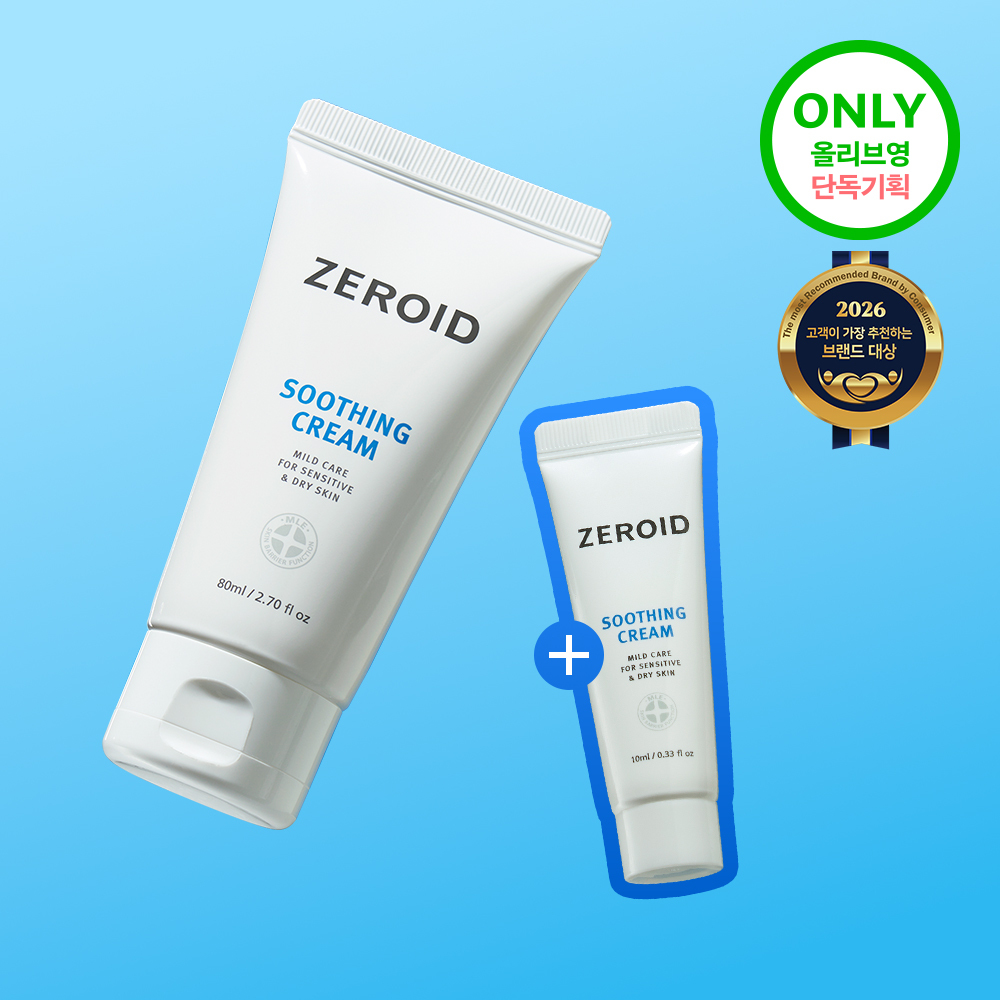
Soothing Cream
ZEROID

Peptivita C Blemish Serum
Real Barrier
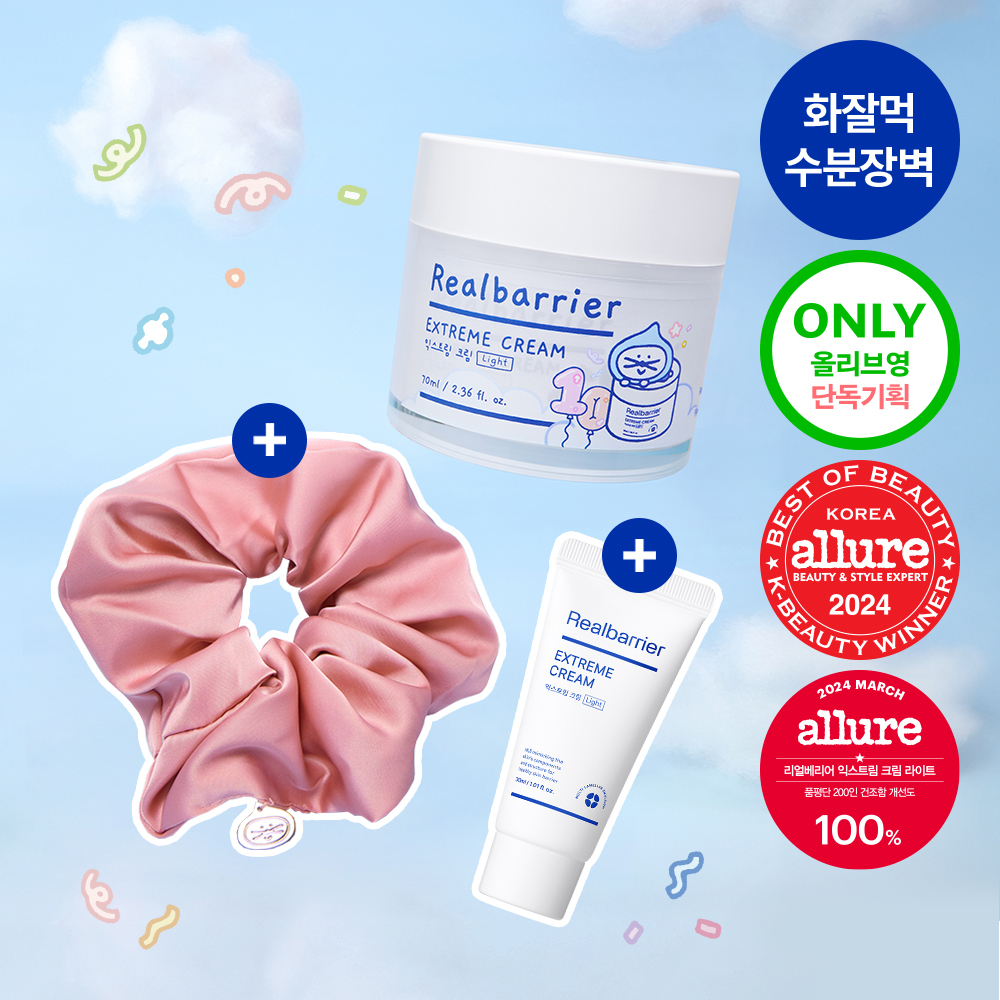
Extreme Cream Light
Real Barrier
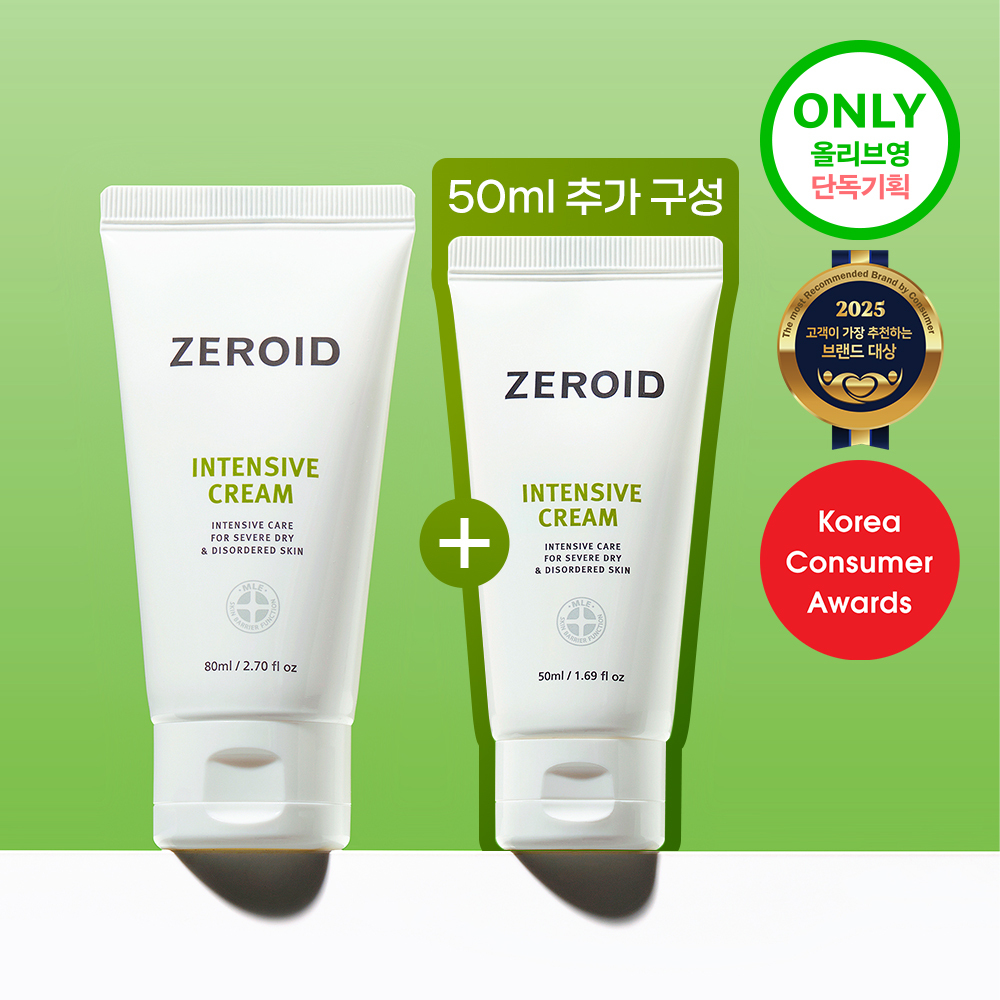
Intensive Cream
ZEROID
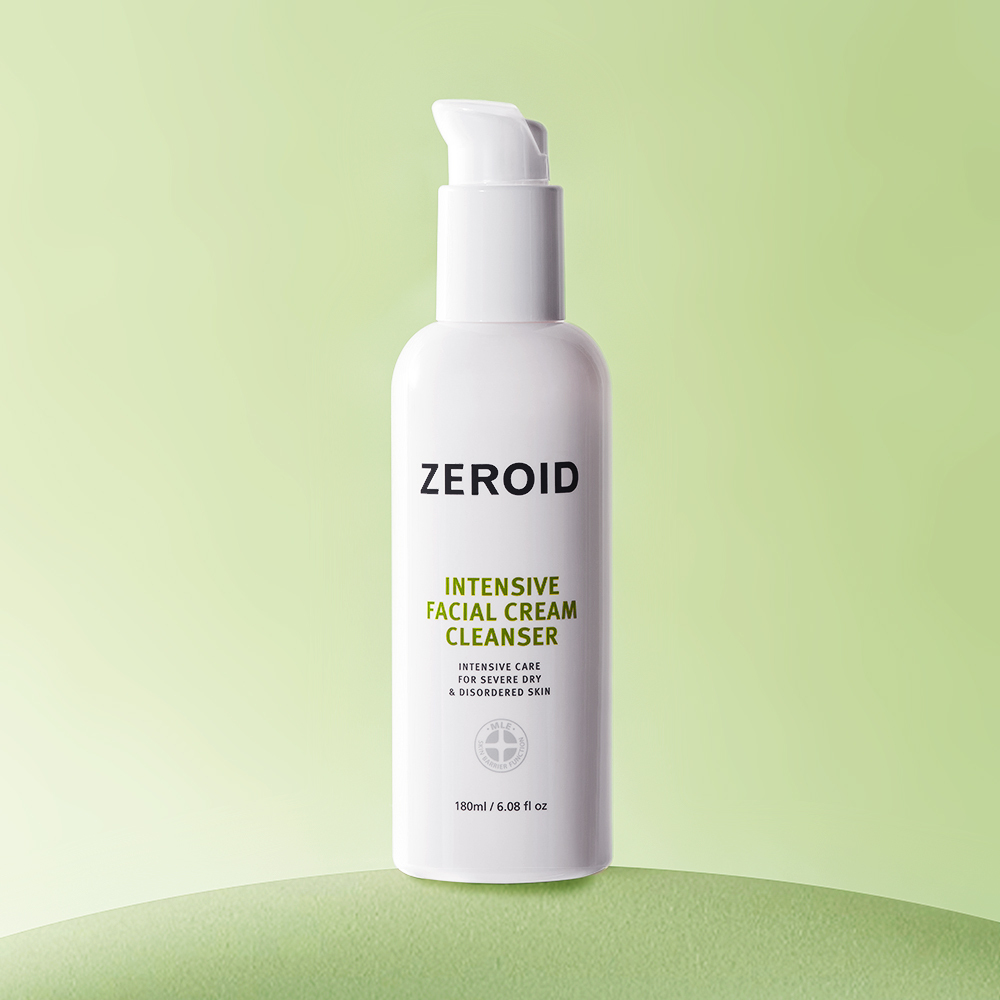
Intensive Facial Cream Cleanser
ZEROID
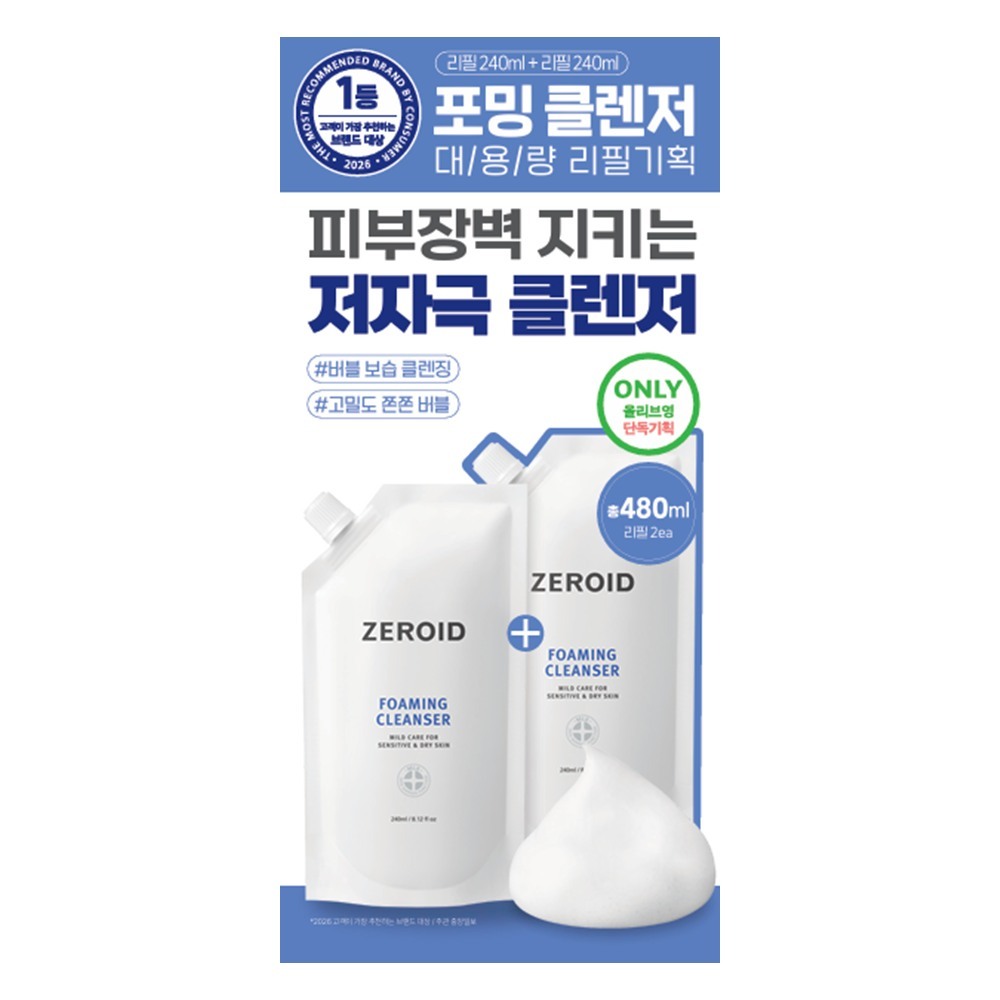
Foaming Cleanser 240ml Refill Set
ZEROID
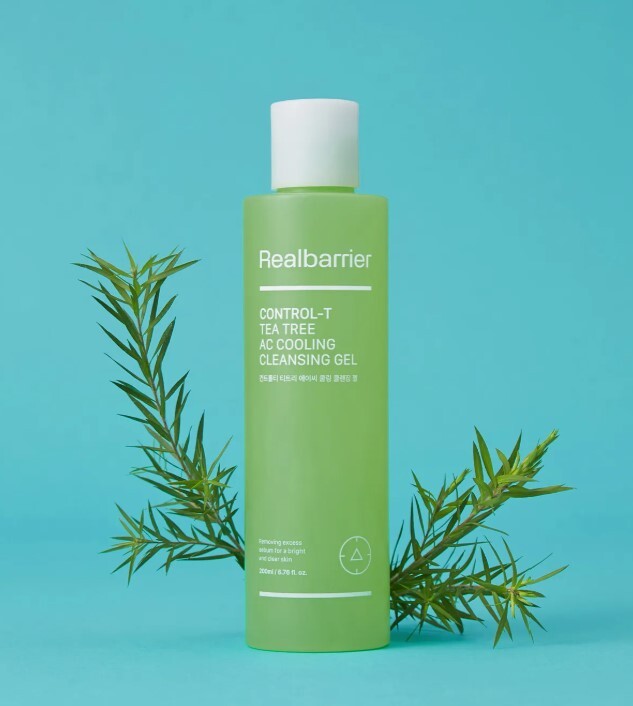
Control-T Tea Tree AC Cooling Cleansing Gel
Real Barrier
Frequently Asked Questions
Is synthetic ceramide as effective as natural ceramide for barrier repair?▼
Will ceramide-like synthetic lipid clog my pores if I'm acne-prone?▼
How long does it take to see results from using ceramide-like synthetic lipids?▼
Can I use ceramide-like synthetic lipid products with retinol or acids?▼
Do I still need a separate moisturizer if my product contains ceramide-like synthetic lipids?▼
Explore More
Want personalized ingredient advice?
Yuri, our AI beauty advisor, can tell you how Ceramide-Like Synthetic Lipid works with your specific skin type, routine, and concerns.
Ask Yuri, free