Lotus Flower Extract
INCI: Nelumbo Nucifera Extract
Antioxidant and skin soothing botanical extract
About Lotus Flower Extract
Lotus flower extract, derived from the sacred pink blooms of Nelumbo nucifera, has been a cornerstone of Asian skincare for centuries. In K-beauty formulations, this botanical powerhouse delivers potent antioxidant protection while calming irritation and redness. The extract contains flavonoids, alkaloids, and polyphenols that work synergistically to neutralize free radicals, making it particularly valuable in pollution defense products and post-procedure treatments. With a comedogenic rating of 0/5, lotus flower extract suits all skin types without risk of clogging pores. Korean chemists prize this ingredient for its dual action: it provides the antioxidant benefits consumers crave while offering immediate soothing relief. Found in 21 products on Seoul Sister, it appears across categories from sheet masks to cleansers, often paired with other calming ingredients like centella or niacinamide. The extract's biocompatibility with human skin, combined with its historical use in traditional medicine, makes it a bridge between ancient wisdom and modern cosmetic science. Its presence in top-rated products like CNP's Quick Soothing SOS Mask Sheet (5.0/5 rating) demonstrates its effectiveness in real-world applications, particularly for stressed or sensitized skin.
How Lotus Flower Extract Works
Lotus flower extract functions through multiple biochemical pathways. Its polyphenolic compounds, including quercetin and kaempferol, donate electrons to unstable free radicals, effectively neutralizing oxidative stress before it damages cellular membranes and DNA. This antioxidant cascade helps prevent premature aging markers like fine lines and hyperpigmentation. Simultaneously, the extract's alkaloid content modulates inflammatory cytokines, reducing the production of prostaglandins and leukotrienes that trigger redness and discomfort. At the cellular level, lotus compounds strengthen the skin barrier by promoting ceramide synthesis and reducing transepidermal water loss. The extract also inhibits tyrosinase activity, the enzyme responsible for melanin production, contributing to a more even skin tone over time. Korean researchers have identified that lotus flower's unique combination of volatile oils and tannins creates a protective film on the skin surface, shielding against environmental aggressors while allowing the skin to breathe. This multi-targeted approach explains why it performs well across different product types and skin concerns.
Lotus Flower Extract by Skin Type
Oily Skin
Lotus flower extract works beautifully for oily skin thanks to its zero comedogenic rating and astringent tannins that help refine enlarged pores. The antioxidants protect sebaceous glands from oxidative stress that can trigger excess oil production. Products like APLB's Glutathione Niacinamide Facial Cleanser (4.8/5) leverage this benefit, combining lotus with other balancing ingredients for shine control without stripping.
Dry Skin
For dry skin, lotus flower extract provides antioxidant protection while supporting the moisture barrier through increased ceramide production. Its soothing properties calm the irritation that often accompanies dehydration. The Rich Moist Soothing Cream by Dear, Klairs (4.9/5 rating) exemplifies this application, where lotus works alongside hydrating agents to repair compromised barriers without sensitivity.
Combo Skin
Combination skin benefits from lotus flower extract's balanced approach, as it addresses oil production in the T-zone while soothing dry patches on cheeks. The non-comedogenic profile means it won't exacerbate congestion in oily areas, while its barrier-supporting properties help normalize overall skin function. This versatility makes it ideal for multi-zone concerns.
Sensitive Skin
Lotus flower extract shines for sensitive skin, with its anti-inflammatory alkaloids directly targeting the reactivity that causes redness and discomfort. CNP's Quick Soothing SOS Mask Sheet achieves a perfect 5.0/5 rating largely due to lotus's ability to calm acute flare-ups. The extract's gentle nature and high safety rating (4/5) make it suitable even for compromised or post-procedure skin.
Normal Skin
Normal skin types use lotus flower extract primarily for preventive antioxidant care, protecting against daily environmental damage that accumulates over time. The extract maintains skin equilibrium without disrupting the balanced sebum production and healthy barrier function that define normal skin. Regular use helps preserve this optimal state longer.
How to Use Lotus Flower Extract
- 1Layer lotus flower extract products after active treatments (like retinol or acids) to calm any potential irritation while protecting newly exposed skin from oxidative stress.
- 2Use lotus-containing sheet masks like CNP's Quick Soothing SOS Mask after sun exposure or environmental stress for immediate relief and free radical neutralization.
- 3Pair lotus flower extract with niacinamide (as seen in APLB's cleanser) for synergistic brightening and barrier repair benefits, but avoid using with high-concentration vitamin C at the same time as pH differences may reduce efficacy.
- 4Apply lotus-based products to damp skin to enhance absorption of the water-soluble polyphenols and maximize hydration benefits.
- 5Store lotus flower extract products away from direct sunlight and heat, as UV exposure and high temperatures can degrade the sensitive polyphenolic compounds that provide antioxidant benefits.
Background
The lotus flower holds sacred status across Asian cultures, symbolizing purity and spiritual enlightenment in Buddhist and Hindu traditions. Ancient Chinese and Korean medicine texts dating back over 2,000 years document lotus use for reducing inflammation and promoting healing. The entire plant, from roots to petals, has been harvested for medicinal and cosmetic purposes in Korea's traditional hanbang practices. Modern extraction of lotus flower for skincare began in the 1990s when Korean cosmetic scientists isolated the specific polyphenols and alkaloids responsible for its skin benefits. The ingredient gained mainstream K-beauty prominence in the 2010s as consumers sought natural alternatives with proven efficacy. Today's extraction methods preserve the delicate bioactive compounds while meeting modern stability and safety standards, bridging millennia of traditional knowledge with contemporary cosmetic chemistry.
K-Beauty Products with Lotus Flower Extract
View all 22 →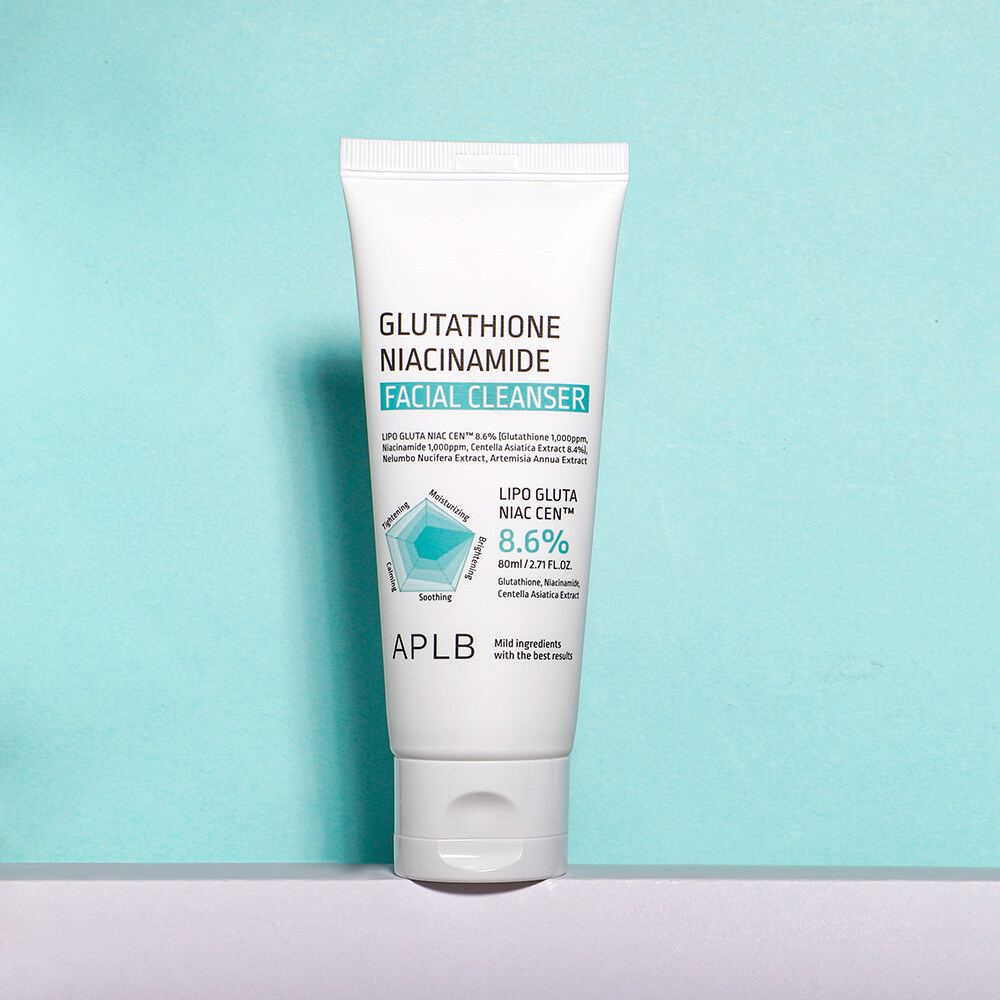
Glutathione Niacinamide Facial Cleanser
APLB
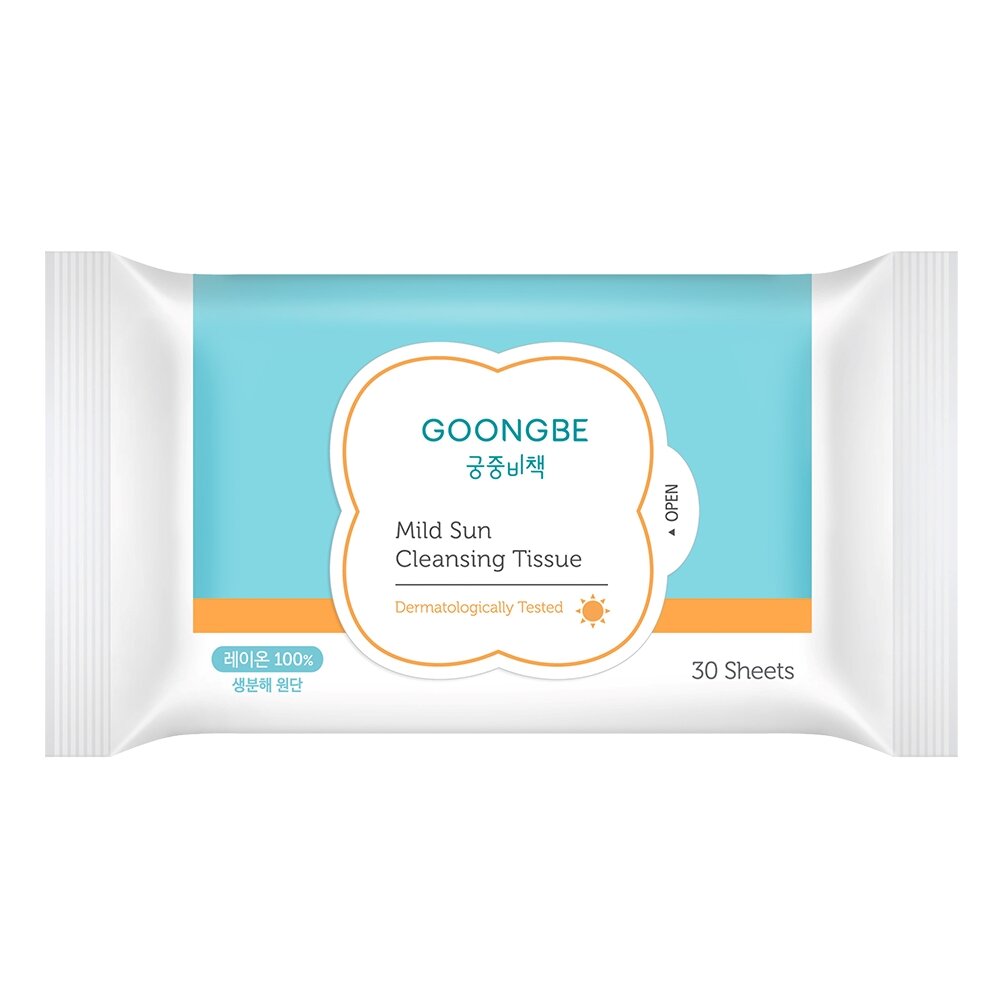
Mild Sun Cleansing Tissue
GOONGBE
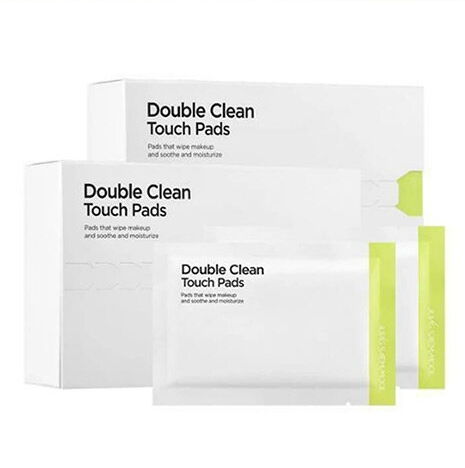
Double Clean Touch Pads
JUNGSAEMMOOL

First Spray Serum Original & Premium Vegan Mist Serum Gift Set
d'Alba
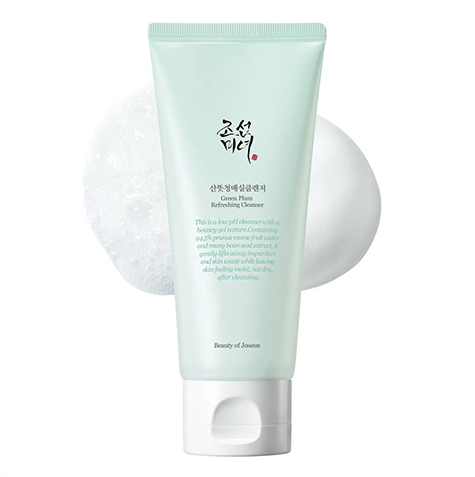
Green Plum Refreshing Cleanser
Beauty of Joseon

Glutathione Niacinamide Ampoule Serum
APLB
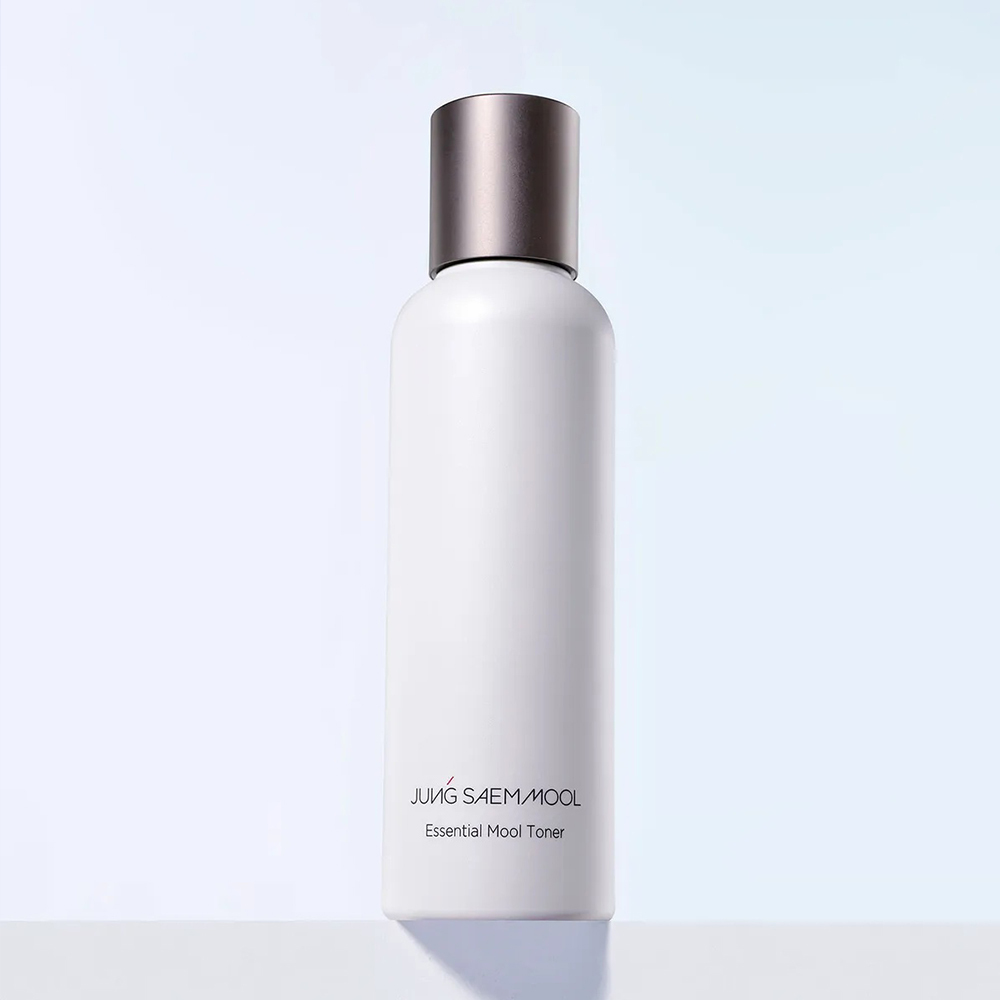
Essential Mool Toner
JUNGSAEMMOOL
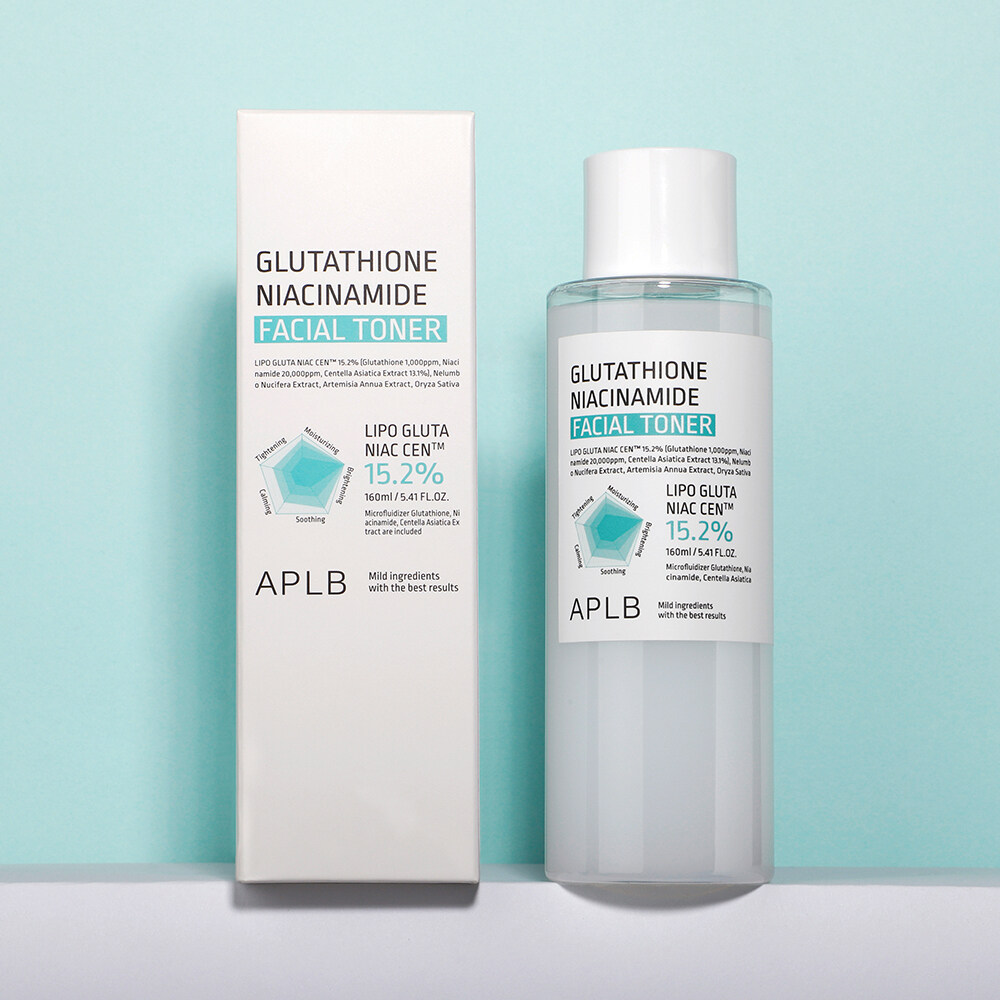
Glutathione Niacinamide Facial Toner
APLB

Glutathione Niacinamide Mist Essence
APLB
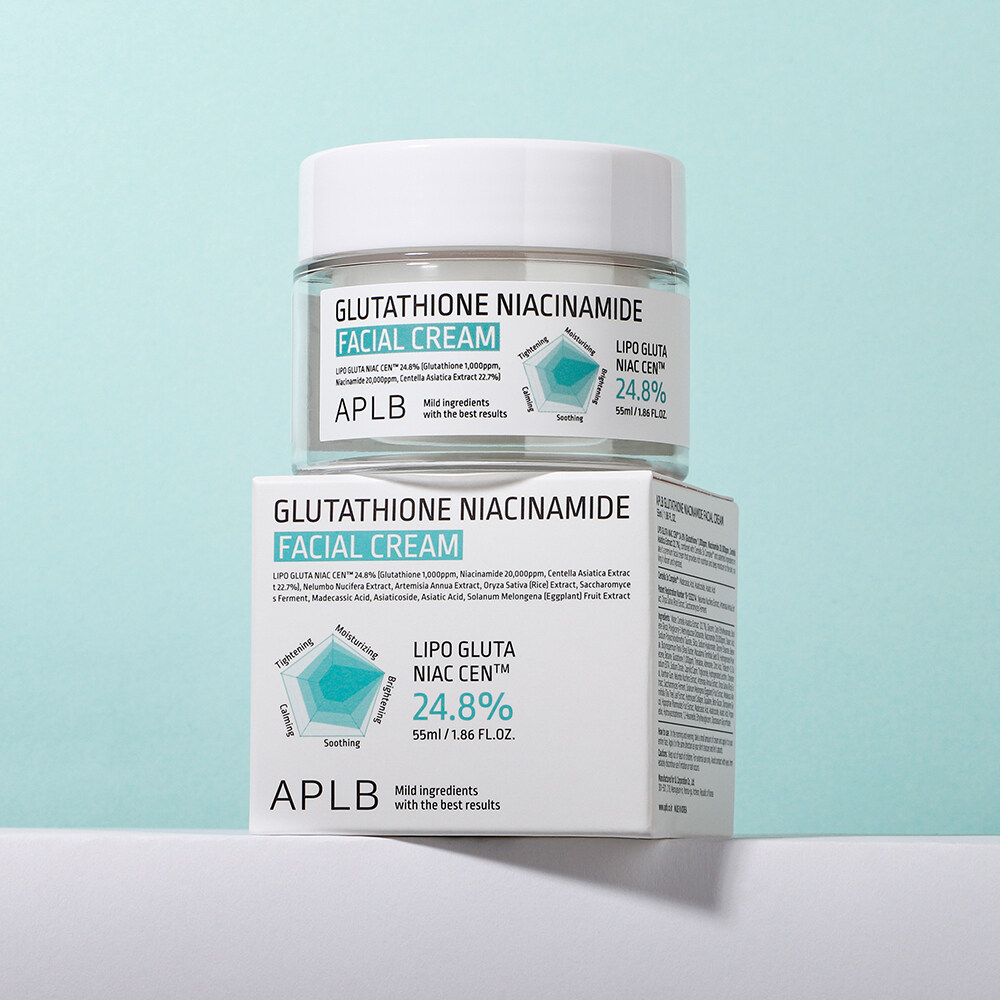
Glutathione Niacinamide Facial Cream
APLB
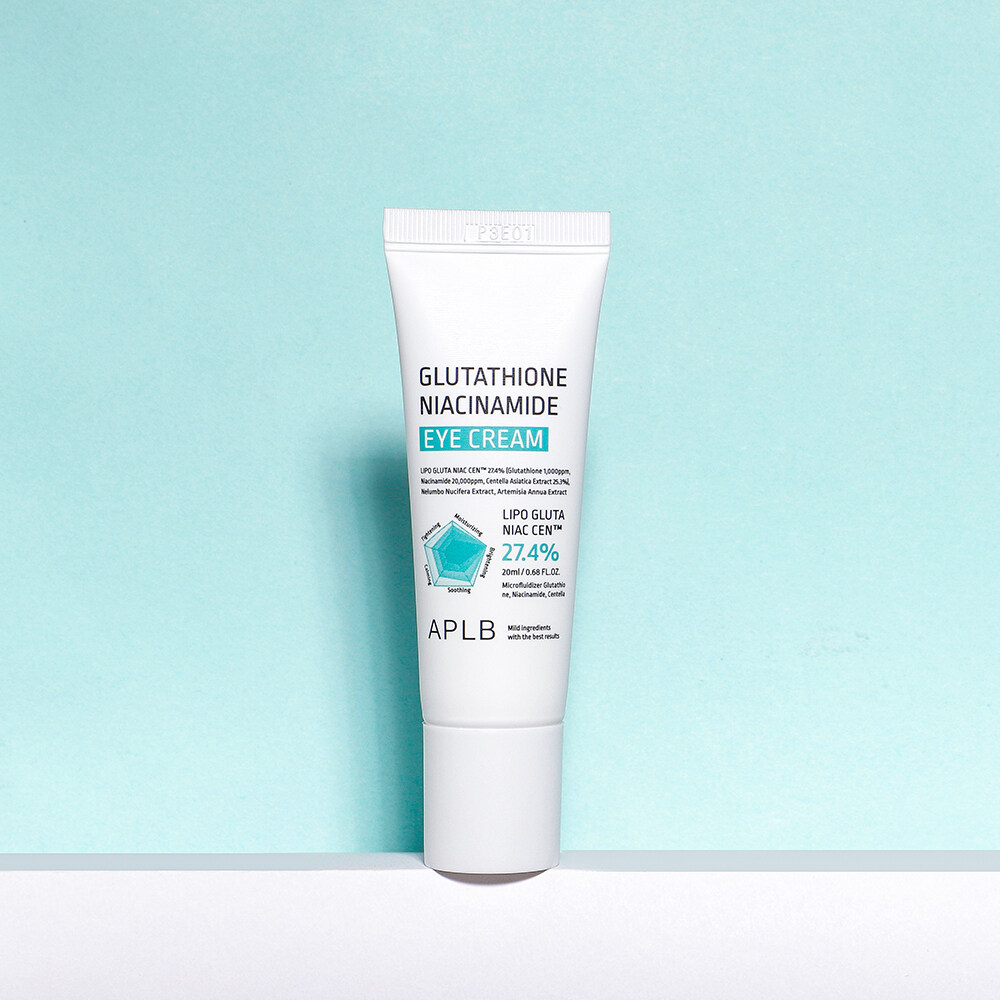
Glutathione Niacinamide Eye Cream
APLB
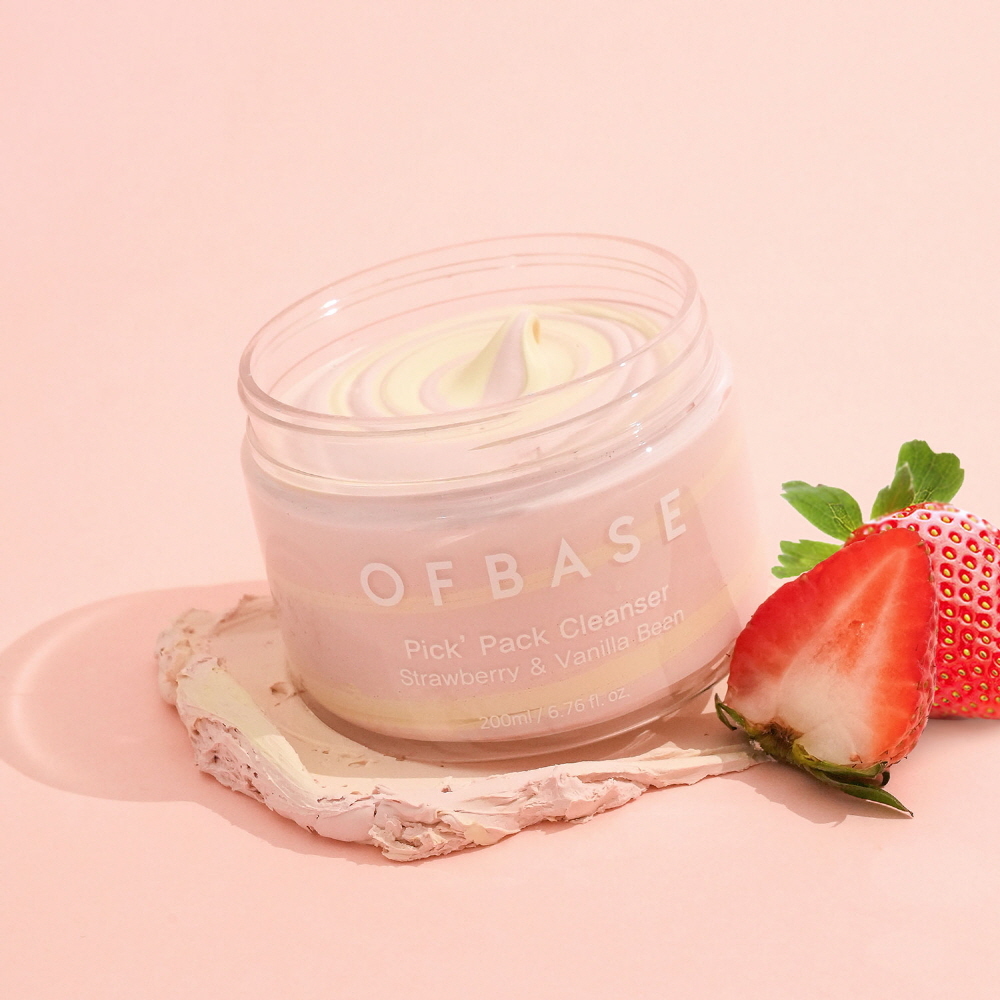
Pick Pack Cleanser
Beplain
Frequently Asked Questions
Is lotus flower extract effective enough to replace vitamin C serums?▼
Can I use lotus flower extract products every day?▼
Does lotus flower extract help with acne or just redness?▼
Are there any ingredients I should avoid mixing with lotus flower extract?▼
Why do so many highly-rated K-beauty products contain lotus flower extract?▼
Explore More
Want personalized ingredient advice?
Yuri, our AI beauty advisor, can tell you how Lotus Flower Extract works with your specific skin type, routine, and concerns.
Ask Yuri, free