Lotus Root Extract
INCI: Nelumbo Nucifera Root Extract
Antioxidant and skin soothing agent
About Lotus Root Extract
Lotus root extract is derived from the rhizome of the sacred lotus (Nelumbo nucifera), a plant revered in Asian cultures for centuries. In K-beauty formulations, this ingredient functions as both a potent antioxidant and a gentle skin soother, making it valuable for calming inflammation while protecting against environmental stressors. The extract contains flavonoids, polyphenols, and polysaccharides that work together to neutralize free radicals and strengthen the skin's natural barrier. What makes lotus root particularly interesting in modern skincare is its ability to reduce redness and irritation without causing breakouts, as evidenced by its non-comedogenic rating of 0/5. Korean brands have embraced this ingredient not just for its functional benefits but also for its connection to traditional medicine, where lotus has been used to treat skin conditions and promote healing. With a solid safety rating of 4/5, lotus root extract appears in 35 K-beauty products on Seoul Sister, often paired with other natural extracts in formulations designed for sensitive or reactive skin. You'll find it in premium lines like SUM37, where fermentation technology enhances the bioavailability of its active compounds, allowing the skin to absorb and utilize these beneficial molecules more effectively.
How Lotus Root Extract Works
At the cellular level, lotus root extract works by inhibiting inflammatory mediators like NF-κB and reducing the production of pro-inflammatory cytokines that trigger redness, swelling, and discomfort. The polyphenolic compounds in the extract donate electrons to unstable free radicals, neutralizing them before they can damage cellular membranes and DNA. This antioxidant action helps prevent premature aging caused by UV exposure, pollution, and other environmental aggressors. The polysaccharides present in lotus root create a protective film on the skin's surface, helping to lock in moisture and prevent transepidermal water loss. Additionally, the extract contains vitamin C and other compounds that support collagen synthesis and help maintain skin elasticity. When applied topically, these molecules penetrate the upper layers of the epidermis, where they modulate the skin's inflammatory response and support the natural repair processes that keep skin healthy and resilient. The gentle nature of this action makes it suitable even for compromised skin barriers.
Lotus Root Extract by Skin Type
Oily Skin
Lotus root extract is excellent for oily skin because it soothes inflammation often associated with excess sebum production and acne without adding weight or clogging pores. Its antioxidant properties help protect skin from oxidative stress that can trigger more oil production. The non-comedogenic rating of 0/5 means it won't contribute to breakouts, making it safe for acne-prone individuals.
Dry Skin
For dry skin, lotus root extract provides gentle antioxidant protection while supporting the skin barrier with its polysaccharide content, which helps prevent moisture loss. It soothes the irritation and tightness that often accompany dehydration without being heavy. Look for it in hydrating serums and essences where it can work alongside humectants like hyaluronic acid.
Combo Skin
Combination skin benefits from lotus root extract's balanced approach, as it addresses inflammation in oilier zones without over-drying and provides antioxidant protection to drier areas without heaviness. Its soothing properties help calm reactive patches wherever they appear. This makes it a smart choice in toners and serums that need to work across different facial zones.
Sensitive Skin
Lotus root extract is particularly valuable for sensitive skin due to its anti-inflammatory properties that calm redness and reactivity without causing irritation. With a safety rating of 4/5, it's gentle enough for compromised barriers and can help reduce the frequency of flare-ups. You'll often find it in products specifically designed for sensitive skin types, like the SUM37 Secret Pore Ceramide Bubble Spray Serum.
Normal Skin
Normal skin types can use lotus root extract as preventative care, leveraging its antioxidant properties to protect against environmental damage and maintain skin health over time. It provides gentle daily protection without disrupting the skin's natural balance. Consider incorporating it through essences or serums as part of a maintenance routine.
How to Use Lotus Root Extract
- 1Look for lotus root extract in essences and serums where it can penetrate effectively, particularly in fermented formulations like those from SUM37 that enhance bioavailability.
- 2Layer lotus root extract products before heavier creams to maximize absorption, as the molecular size allows it to work in the upper epidermal layers.
- 3Pair with vitamin C or niacinamide for enhanced antioxidant protection, as lotus root extract works synergistically with other brightening and protective ingredients.
- 4Use morning and evening for consistent antioxidant protection, especially if you live in urban environments with high pollution exposure.
- 5If you have reactive skin, introduce lotus root extract products during calm periods rather than during active breakouts or irritation to assess tolerance.
Background
The lotus plant has been cultivated in Asia for over 3,000 years, with every part of the plant, including the root, used in traditional Chinese and Ayurvedic medicine to treat various ailments. In ancient texts, lotus root was prescribed for cooling inflammation, stopping bleeding, and promoting tissue regeneration. Korean traditional medicine (hanbang) also recognized its healing properties, using it in herbal preparations for skin conditions and digestive issues. The transition of lotus root from traditional medicine to modern K-beauty happened as Korean cosmetic scientists began researching traditional ingredients for their active compounds and functional benefits. Fermentation technology, a cornerstone of Korean skincare innovation, proved particularly effective at unlocking the bioactive molecules in lotus root, making them more potent and absorbable in topical applications. Today, lotus root extract represents the bridge between ancient botanical wisdom and contemporary cosmetic science.
K-Beauty Products with Lotus Root Extract
View all 40 →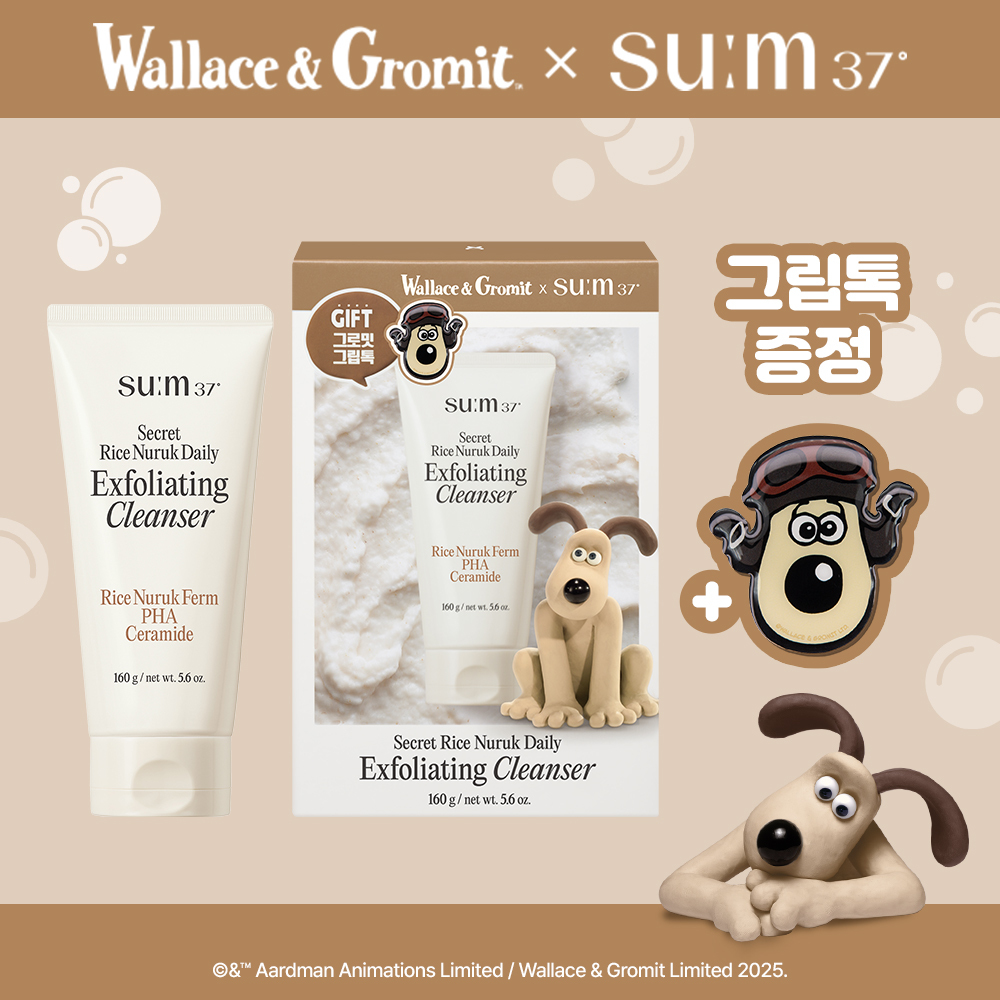
Secret Rice Nuruk Daily Exfoliating Cleanser
SUM37
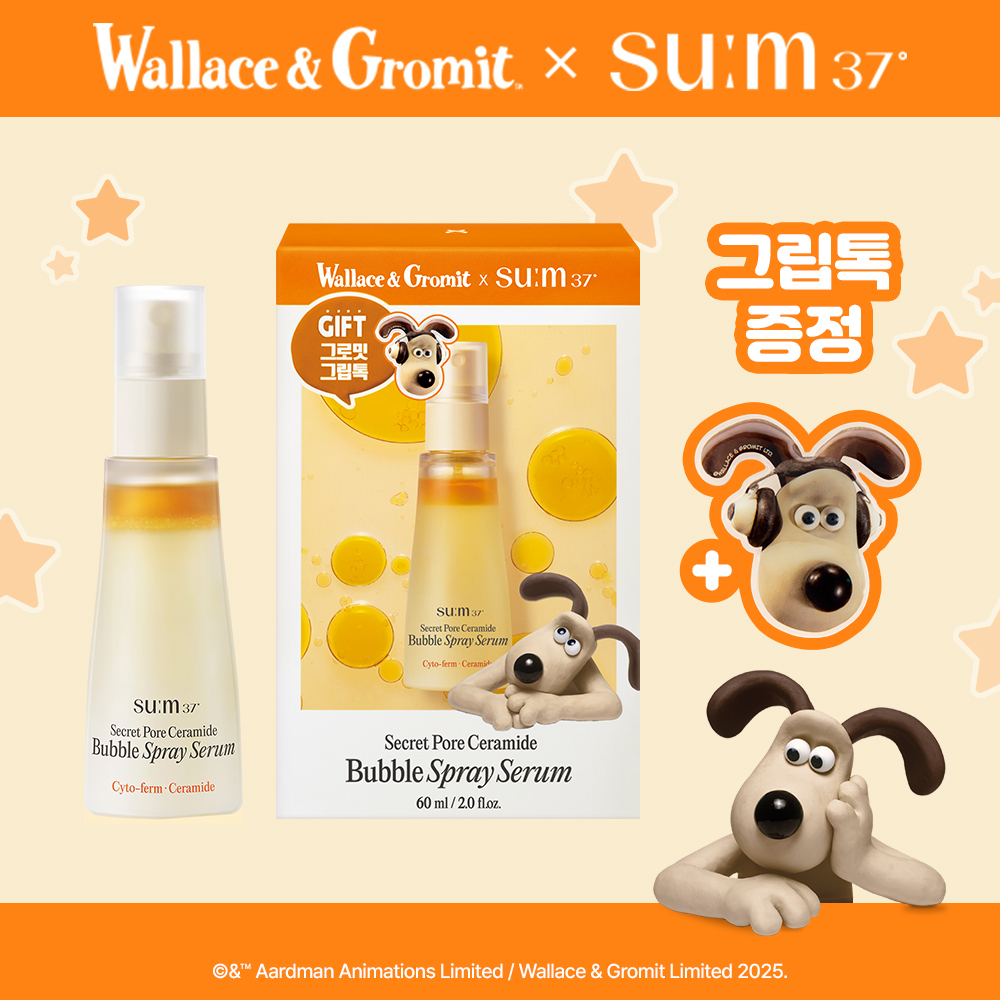
Secret Pore Ceramide Bubble Spray Serum
SUM37
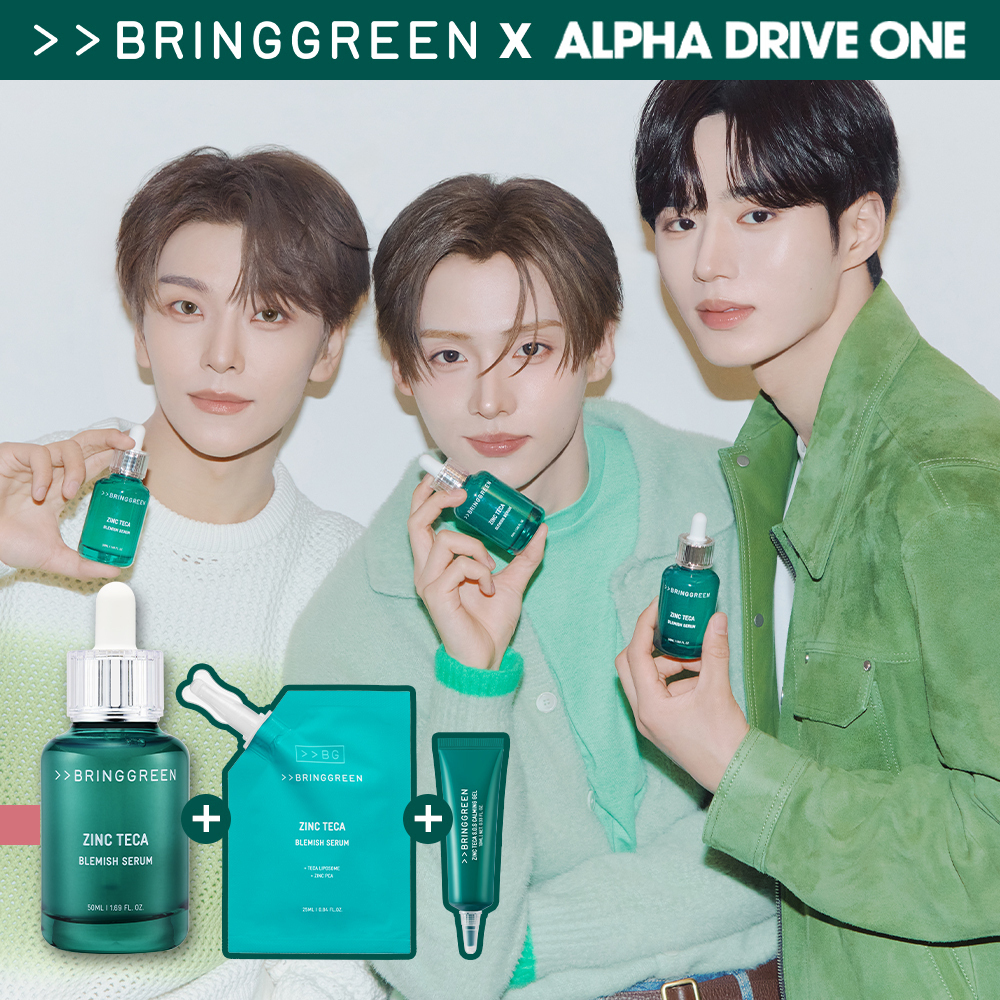
Zinc Teca Blemish Serum Set
Bringgreen
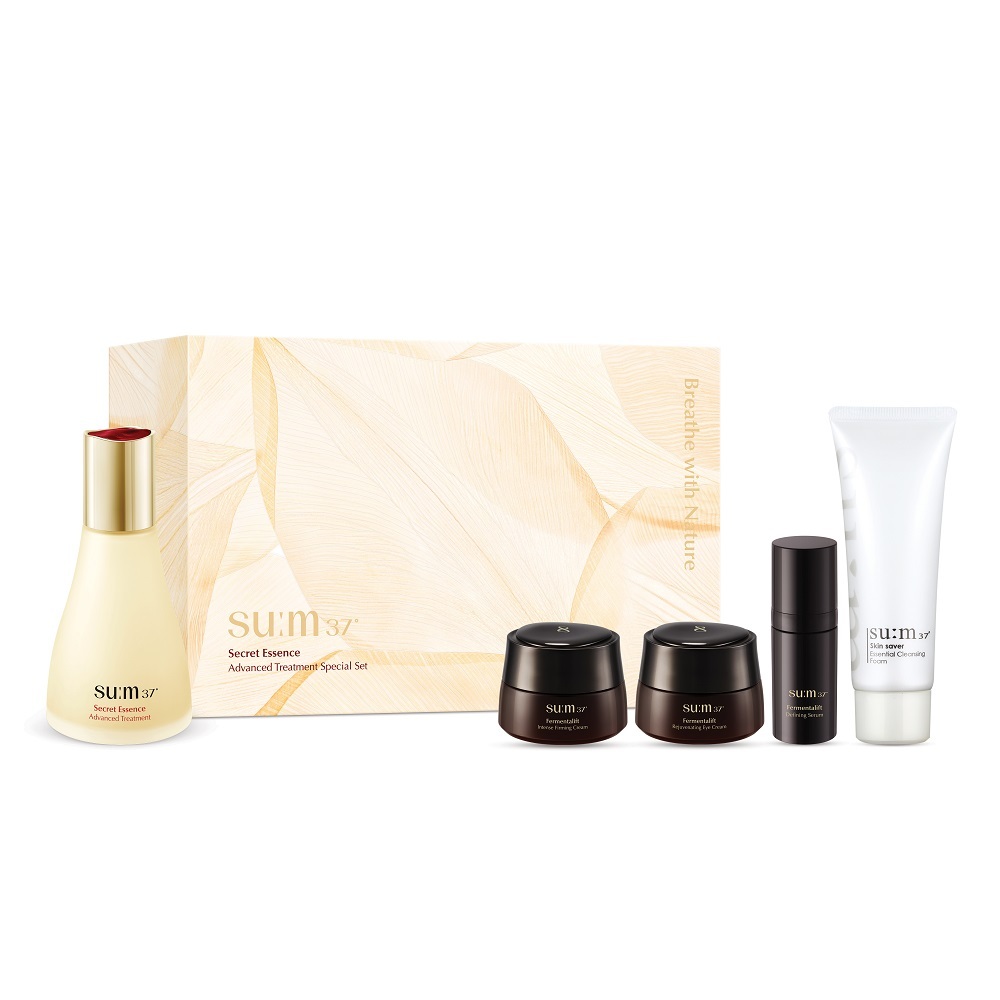
Secret Essence
SUM37
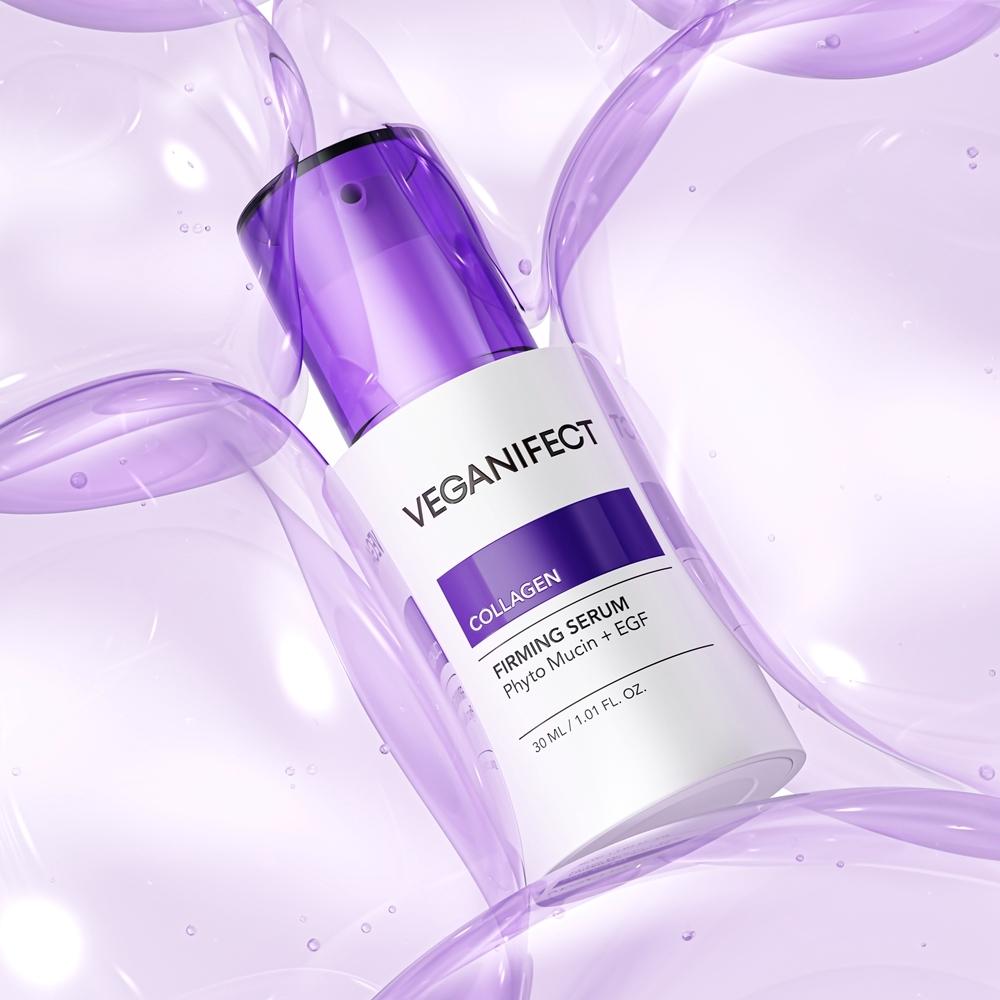
Veganifect Collagen EGF Serum
Anua

Zinc Teca Trouble Serum
Bringgreen
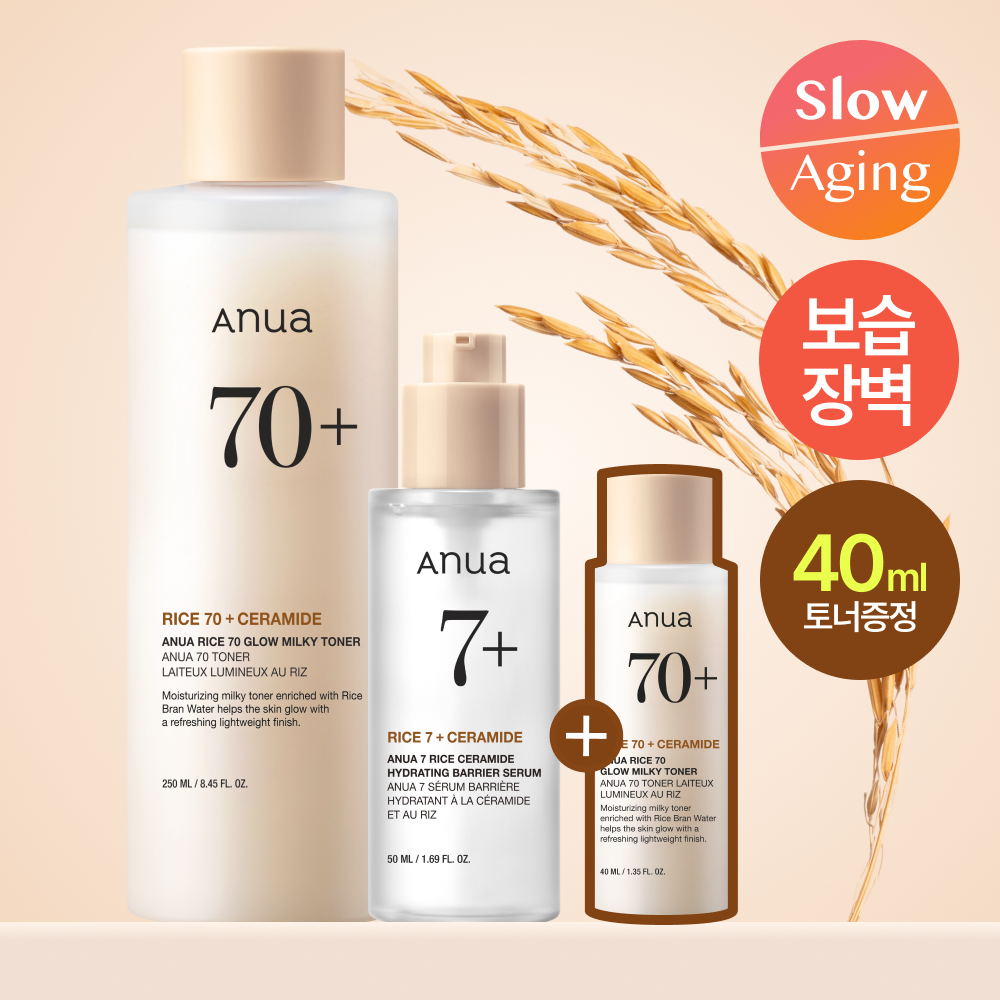
Rice 70 Glow Milky Serum Toner Set (Serum 50ml + Toner 250ml + Toner 40ml)
Anua
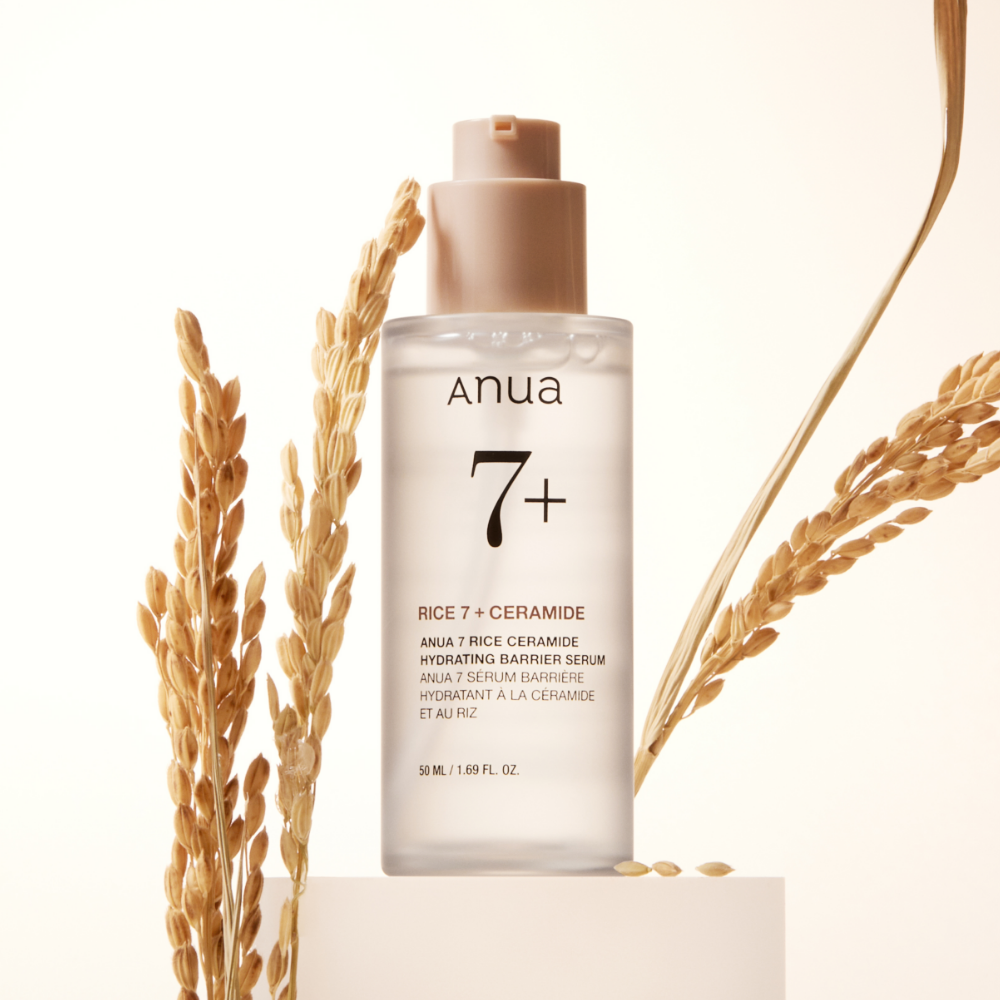
7 Rice Ceramide Hydrating Barrier Serum
Anua

Zinc Teca Trouble Serum Double Set
Bringgreen
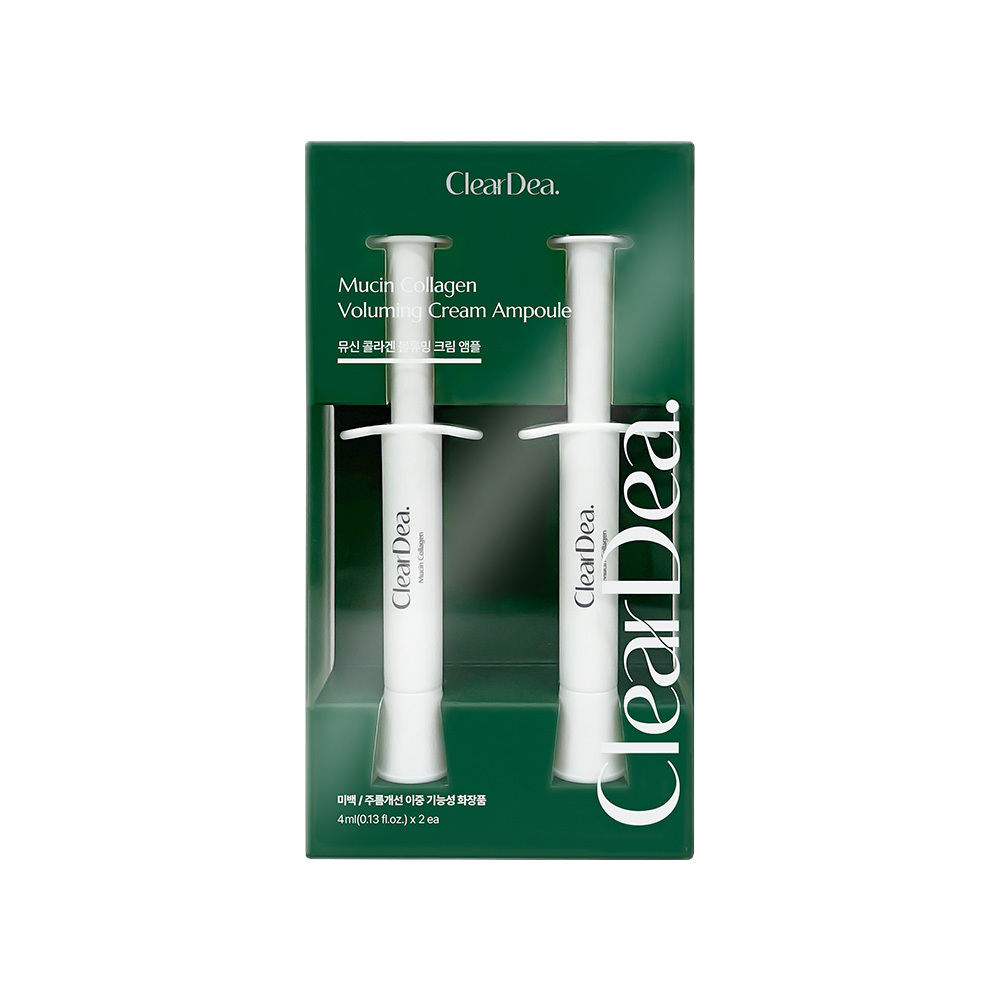
Mucin Collagen Voluming Cream Ampoule
Anua
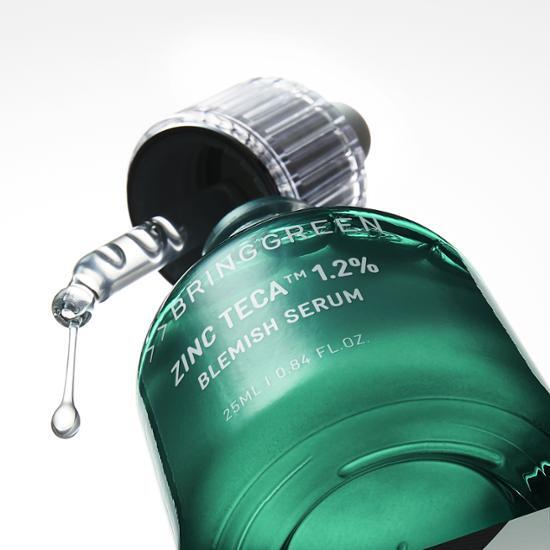
Zinc Teca 1.2% Blemish Serum
Bringgreen
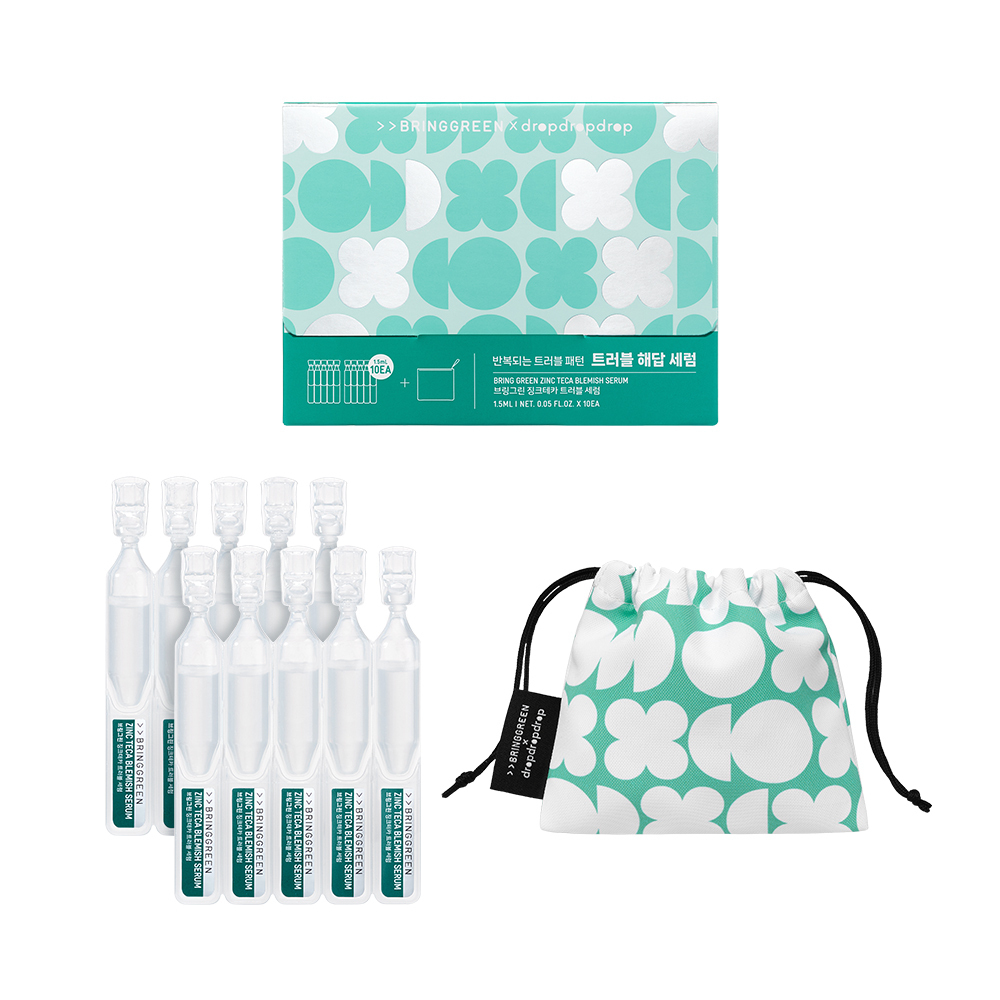
Zinc Teca Blemish Serum
Bringgreen
Frequently Asked Questions
Can lotus root extract help with acne or breakouts?▼
Is lotus root extract the same as lotus flower extract?▼
How long does it take to see results from lotus root extract?▼
Can I use lotus root extract if I'm pregnant or breastfeeding?▼
Explore More
Want personalized ingredient advice?
Yuri, our AI beauty advisor, can tell you how Lotus Root Extract works with your specific skin type, routine, and concerns.
Ask Yuri, free