Niacinamide
INCI: Niacinamide (20%)
Brightens skin, reduces pores, regulates sebum
About Niacinamide
Niacinamide, also known as vitamin B3 or nicotinamide, is one of the most versatile and well-researched active ingredients in K-beauty. It's a water-soluble vitamin that addresses multiple skin concerns simultaneously, making it a staple in Korean skincare routines. What makes niacinamide particularly special is its ability to strengthen the skin barrier while visibly improving texture, tone, and clarity. In K-beauty formulations, you'll find it at concentrations ranging from 2% to 20%, with higher percentages like those in Jumiso's Niacinamide 20 Serum and Dermafactory's Niacinamide 20% Serum delivering more intensive results. Korean brands have embraced niacinamide because it aligns perfectly with the K-beauty philosophy of achieving healthy, glowing skin through barrier repair and prevention rather than harsh treatments. It's gentle enough to use daily, plays well with most other actives, and delivers visible results within weeks. The ingredient's popularity has exploded in recent years as consumers seek effective, science-backed alternatives to more aggressive treatments. With a perfect safety rating of 5/5 and a non-comedogenic score of 0/5, niacinamide is genuinely suitable for all skin types, which explains why it appears in everything from lightweight serums like Fully's Lemon Vita Bubble Serum to rich creams like Anua's Peach 77 Niacin Enriched Cream.
How Niacinamide Works
Niacinamide works through multiple pathways at the cellular level, which is why it addresses so many skin concerns at once. It boosts the production of ceramides, cholesterol, and fatty acids in the stratum corneum, essentially helping your skin build a stronger protective barrier. This barrier repair reduces transepidermal water loss, keeping skin hydrated and resilient. At the same time, niacinamide inhibits melanosome transfer from melanocytes to keratinocytes, which means it interrupts the process that creates dark spots and uneven tone. For sebum regulation, it affects the fatty acid composition of sebum itself, making it less likely to oxidize and cause inflammation or clogged pores. The pore-minimizing effect comes from improved skin texture and reduced sebum production, not actual pore shrinkage (pores don't have muscles). Niacinamide also has anti-inflammatory properties that calm redness and irritation by inhibiting the release of inflammatory mediators. Additionally, it's a precursor to NAD and NADP, coenzymes essential for cellular energy and DNA repair, which supports overall skin health and may have mild anti-aging benefits. This multi-mechanism approach is why niacinamide consistently shows results across diverse skin concerns in clinical studies.
Niacinamide by Skin Type
Oily Skin
Niacinamide is exceptionally effective for oily skin because it directly regulates sebum production at the source. Clinical studies show that 2-5% concentrations can reduce sebum output by up to 30% after 8-12 weeks. Higher concentrations like the 20% found in top-rated K-beauty serums can deliver even faster mattifying results while simultaneously minimizing the appearance of enlarged pores that often accompany excess oil.
Dry Skin
For dry skin, niacinamide's barrier-strengthening properties are transformative. By increasing ceramide synthesis, it helps skin retain moisture more effectively, reducing that tight, flaky feeling. Products like Anua's Peach 77 Niacin Enriched Cream combine niacinamide with emollients to address both barrier repair and immediate hydration needs, making it an ideal ingredient for those struggling with compromised moisture barriers.
Combo Skin
Combination skin benefits enormously from niacinamide's balancing act. It regulates oil in the T-zone without over-drying cheeks, while improving overall skin texture and tone. The non-comedogenic nature means it won't clog pores in oilier areas, and its hydrating properties support drier zones simultaneously, making it one of the few ingredients that truly works for both concerns at once.
Sensitive Skin
Niacinamide is generally well-tolerated by sensitive skin, though some people experience flushing with concentrations above 10%, especially when first introducing it. Start with lower percentages (2-5%) and gradually work up if desired. Its anti-inflammatory properties actually help calm reactive skin over time. Sheet masks like ma:nyo's Galac Niacin Essence Mask offer a gentle introduction since the ingredient is delivered in a soothing, hydrating format.
Normal Skin
Even normal skin gains visible improvements from niacinamide in terms of brightness, texture refinement, and preventive barrier support. It's an excellent maintenance ingredient that helps preserve that balanced, healthy complexion while protecting against environmental stressors and early signs of aging. The 4.8-5.0 ratings on niacinamide products reflect how universally appreciated the results are, even for those without specific concerns.
How to Use Niacinamide
- 1Start with 5-10% concentrations if you're new to niacinamide, then work up to 20% formulations if desired. While niacinamide is gentle, some people experience temporary flushing with high percentages initially.
- 2Apply niacinamide serums after cleansing and toning but before heavier creams or oils. Its water-soluble nature means it penetrates best on slightly damp skin.
- 3You can use niacinamide both morning and night. In AM routines, it pairs beautifully with sunscreen since it helps prevent UV-induced pigmentation. In PM routines, it supports overnight barrier repair.
- 4Contrary to old myths, niacinamide plays well with most actives including vitamin C, retinol, and AHAs/BHAs. Just introduce new combinations gradually to monitor your skin's response.
- 5For faster brightening results, look for products that combine niacinamide with other lightening agents like tranexamic acid or alpha-arbutin, as found in some K-beauty formulations.
Background
Niacinamide's journey in skincare began in the 1970s when researchers discovered that topical vitamin B3 could improve skin barrier function, but it didn't gain mainstream attention until the 2000s when more extensive clinical research confirmed its benefits for pigmentation, acne, and aging. Korean beauty brands were early adopters of high-concentration niacinamide formulations, recognizing that Asian skin types, which are more prone to post-inflammatory hyperpigmentation, could benefit tremendously from its melanin-inhibiting properties. The K-beauty industry's focus on gentle, multi-functional ingredients made niacinamide a perfect fit, and brands began developing innovative delivery systems and combination formulas. By the mid-2010s, niacinamide had become a K-beauty staple, with Korean dermatologists recommending it as a first-line treatment for various concerns. The recent trend toward 15-20% concentrations in K-beauty serums represents the industry's confidence in both the ingredient's efficacy and safety profile.
K-Beauty Products with Niacinamide
View all 13 →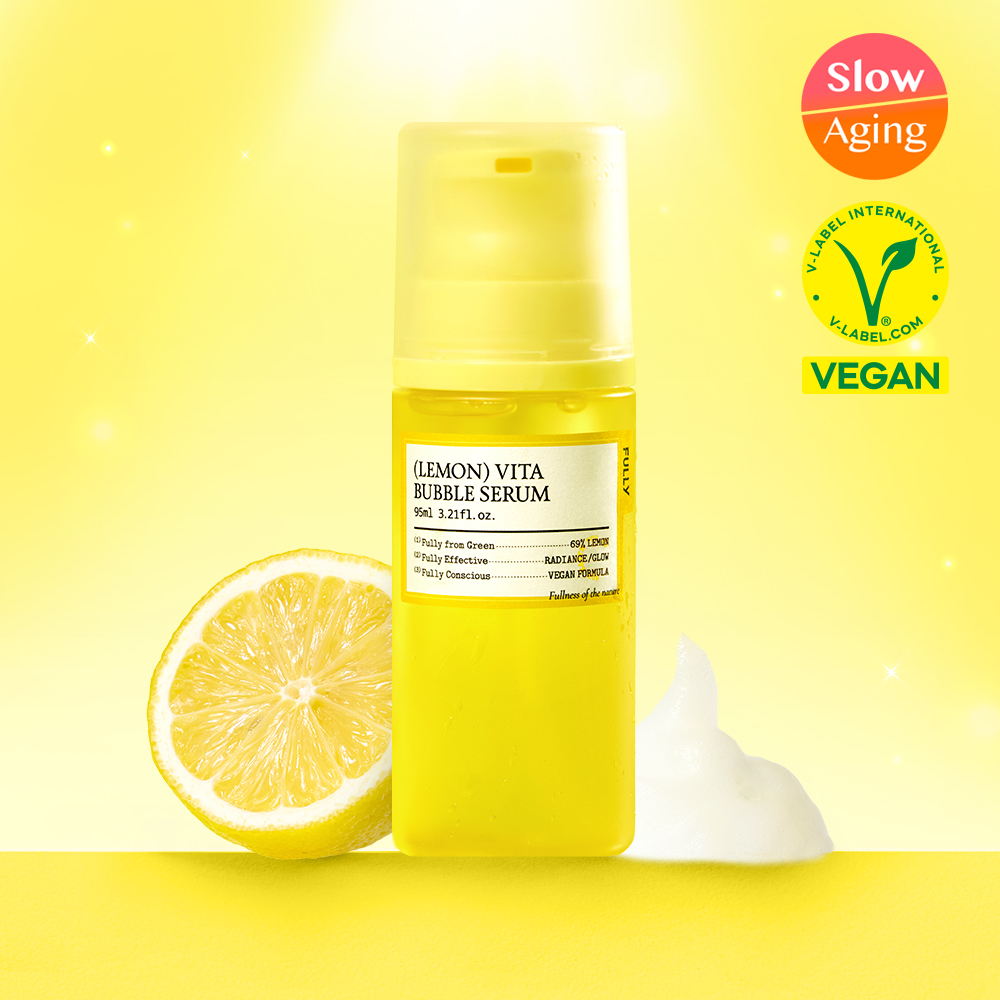
Lemon Vita Bubble Serum
Fully
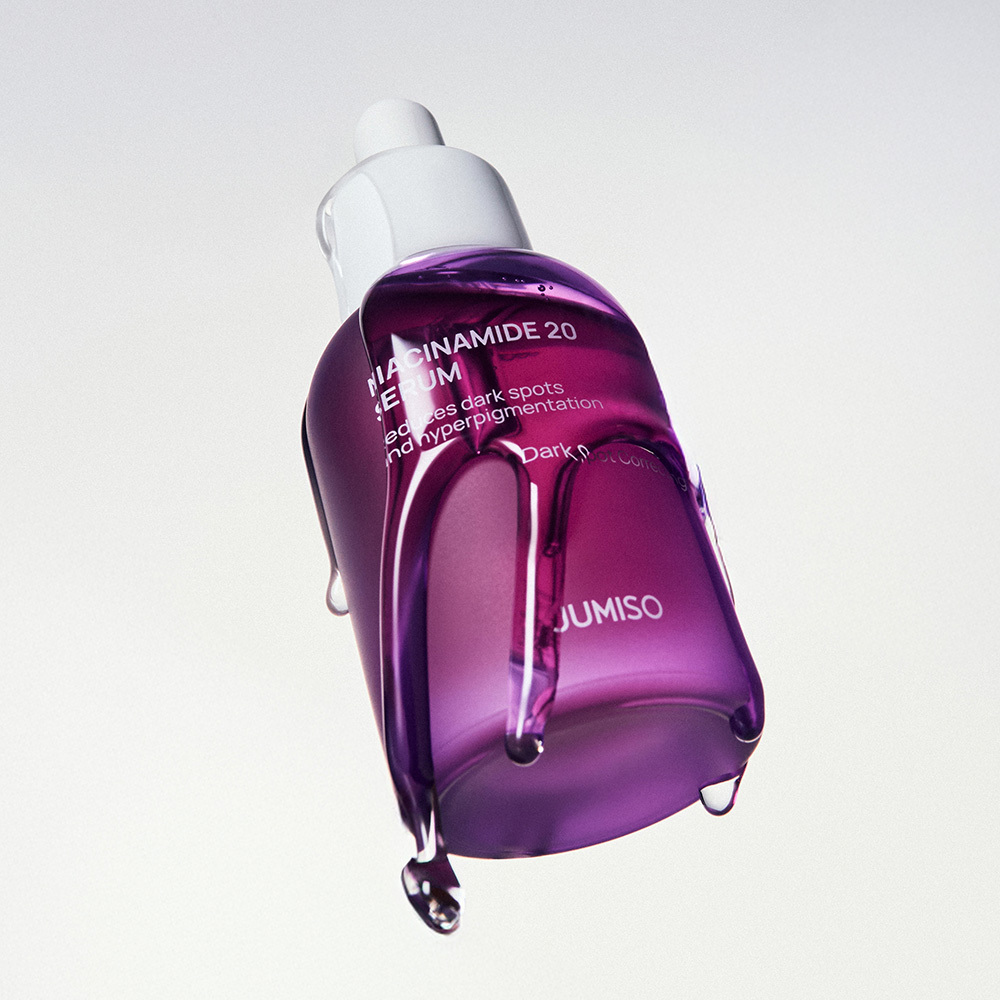
Niacinamide 20 Serum
Jumiso
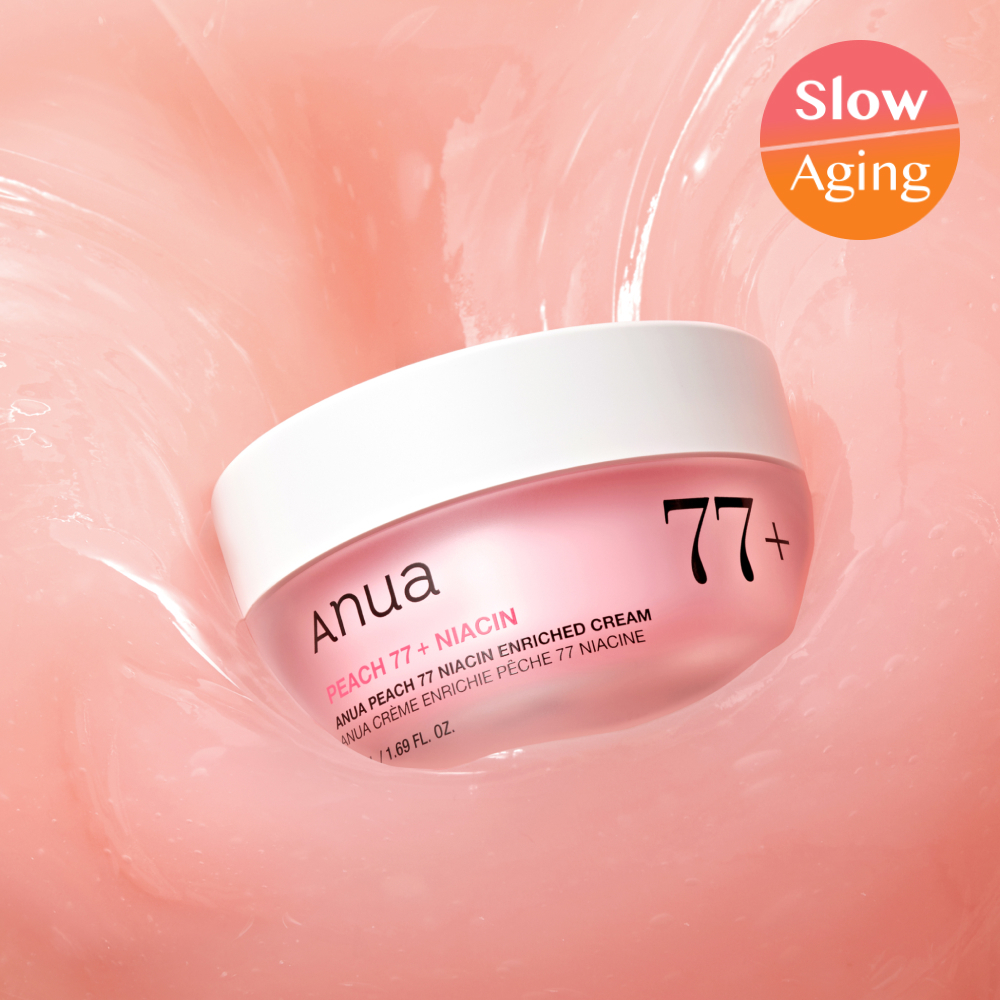
Peach 77 Niacin Enriched Cream
Anua
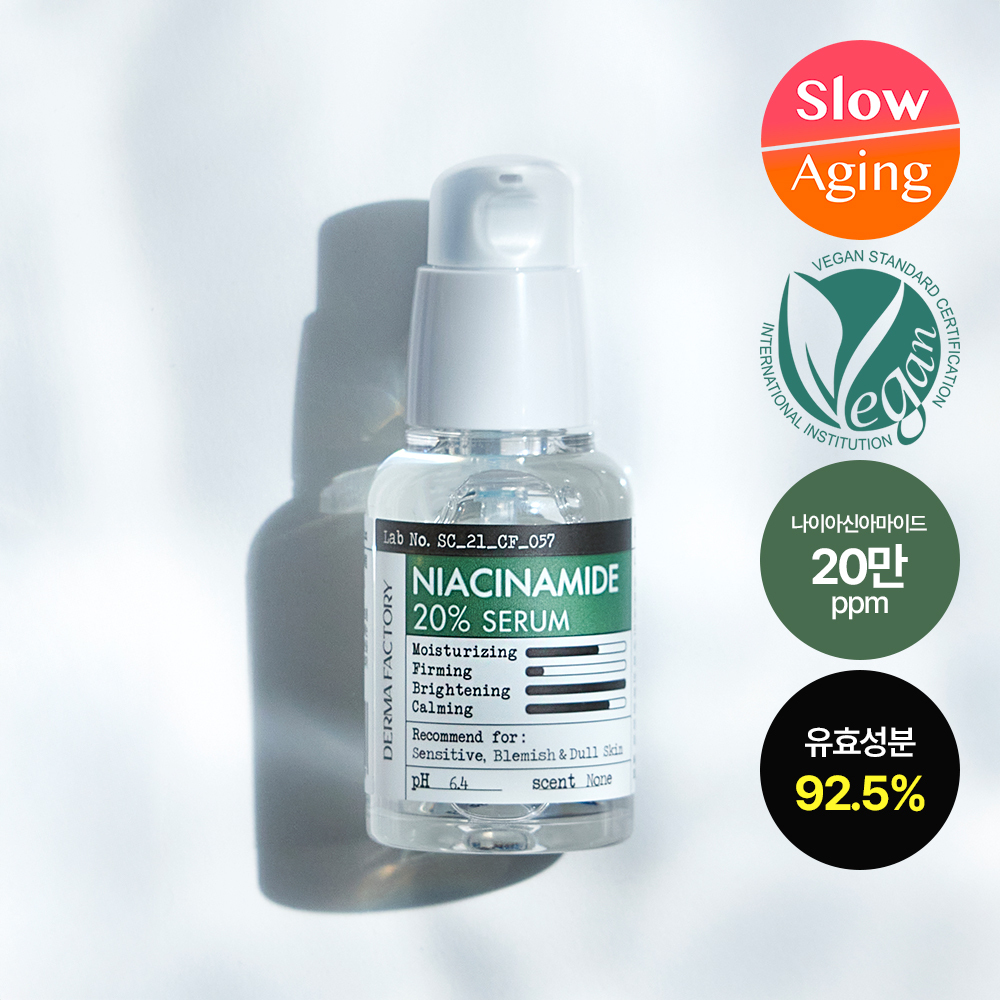
Niacinamide 20% Serum
Dermafactory
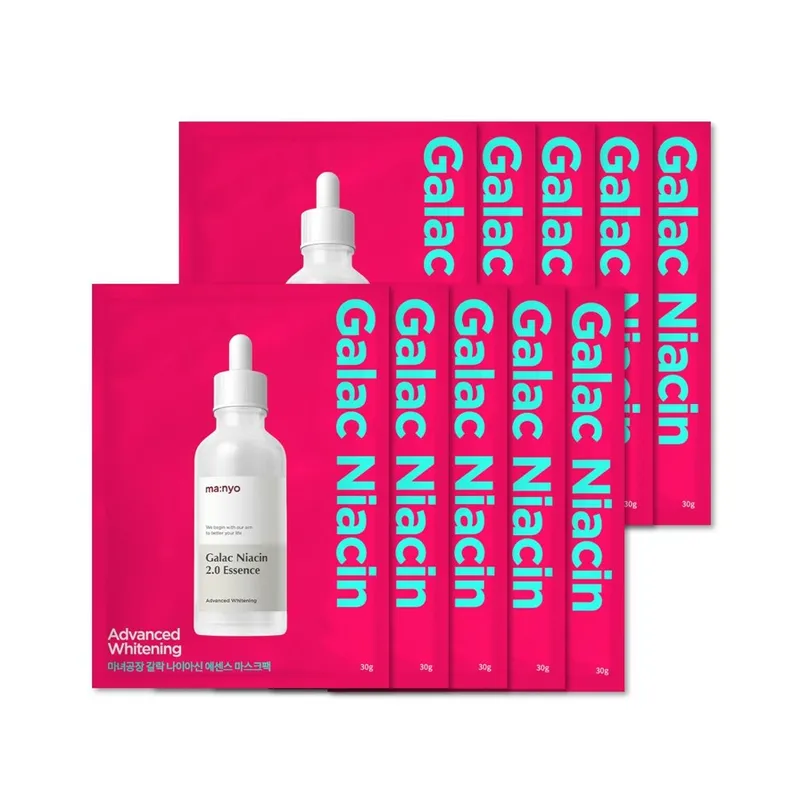
Galac Niacin Essence Mask Sheet
ma:nyo
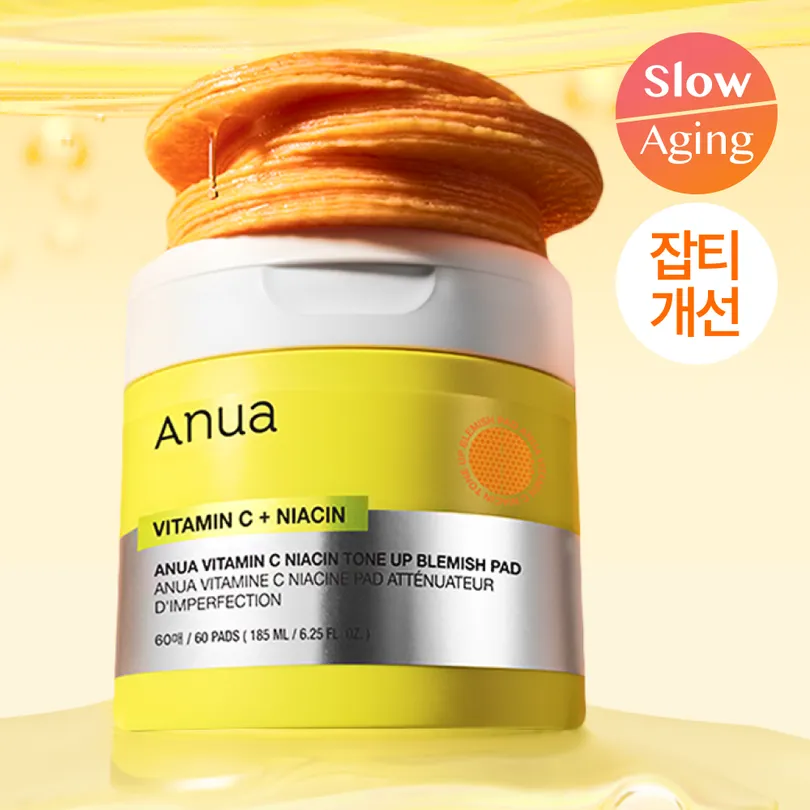
Vitamin C Niacin Tone Up Blemish Pad
Anua

Peach 77 Niacin Enriched Cream Set
Anua
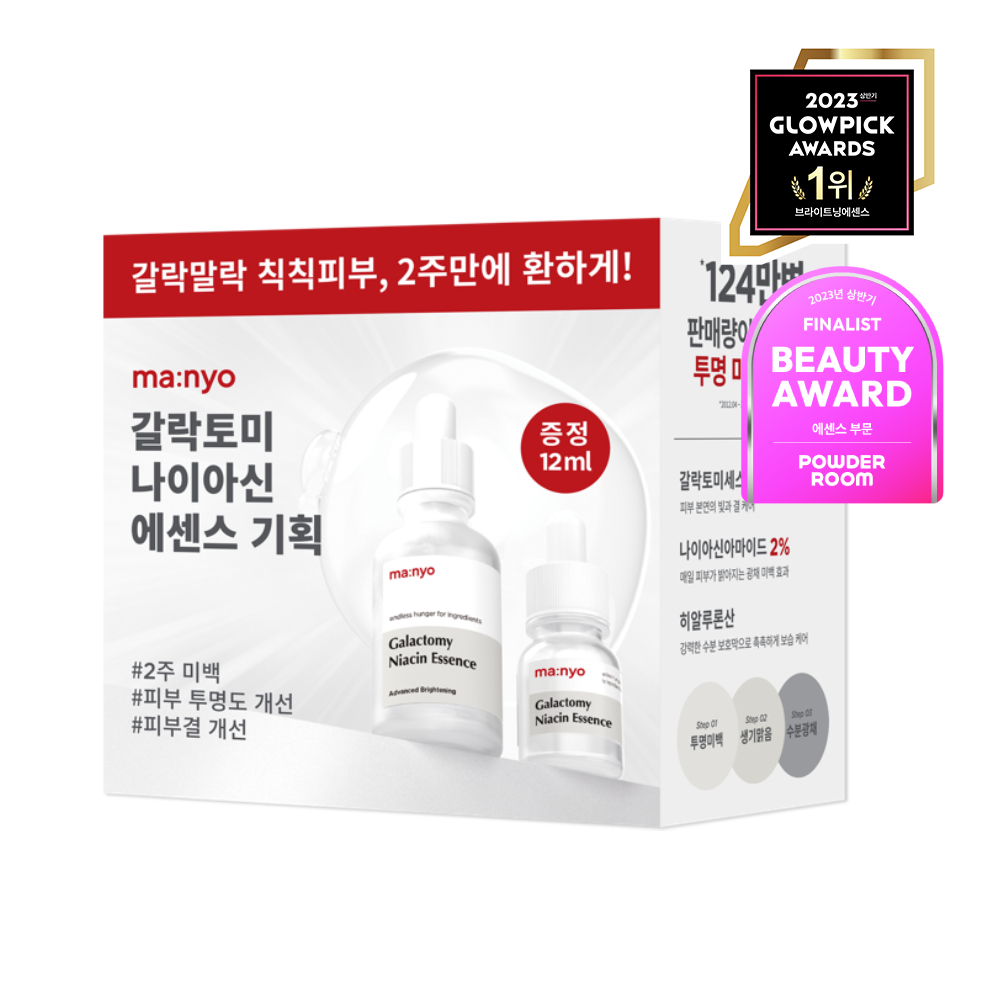
Galactomy Niacin Essence
ma:nyo
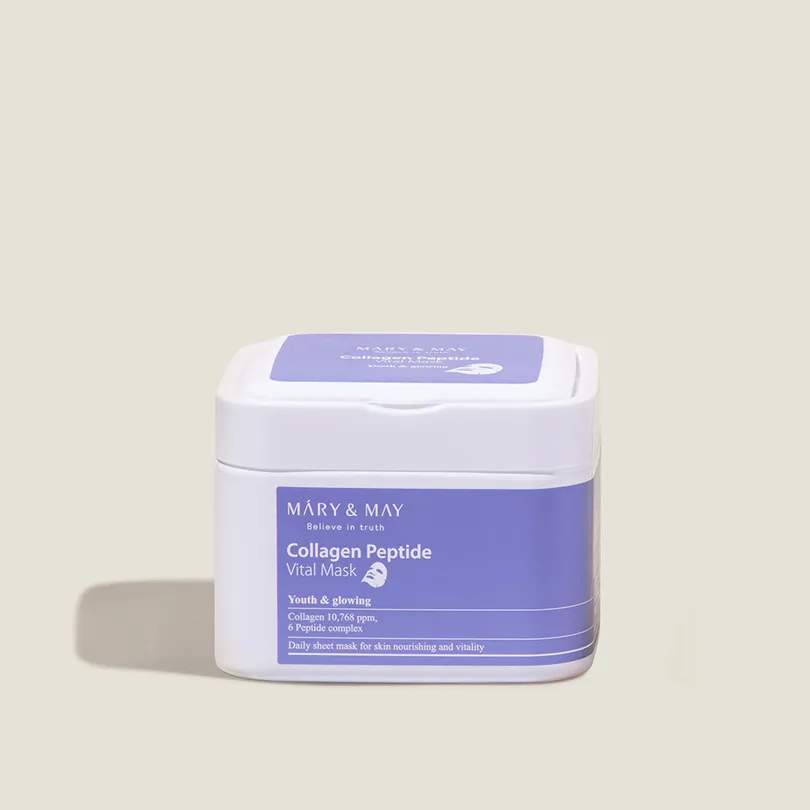
Collagen Peptide Vital Mask
Mary&May
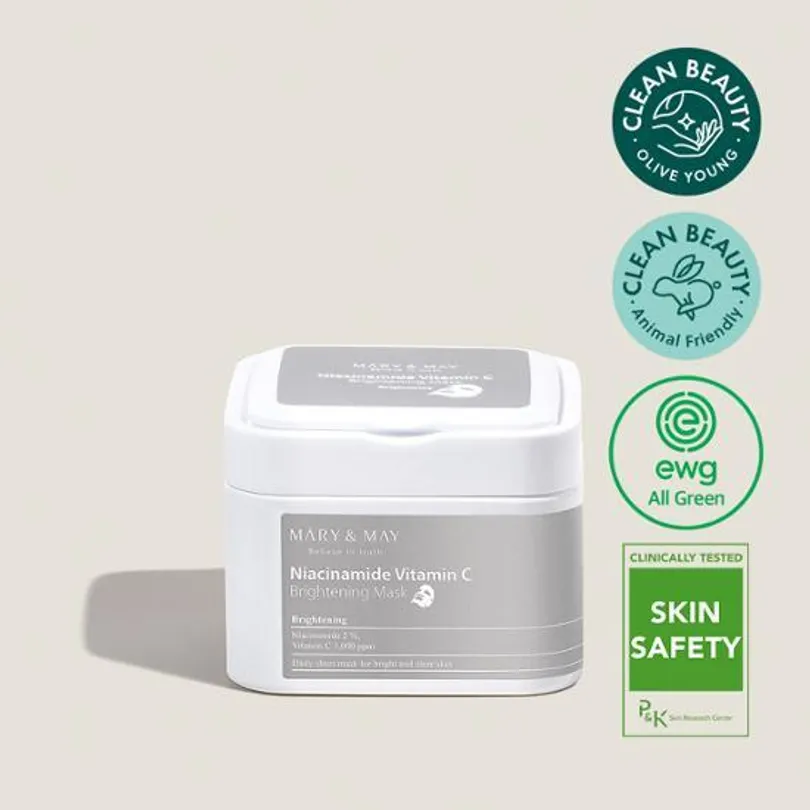
Niacinamide Vitamin C Brightening Mask
Mary&May
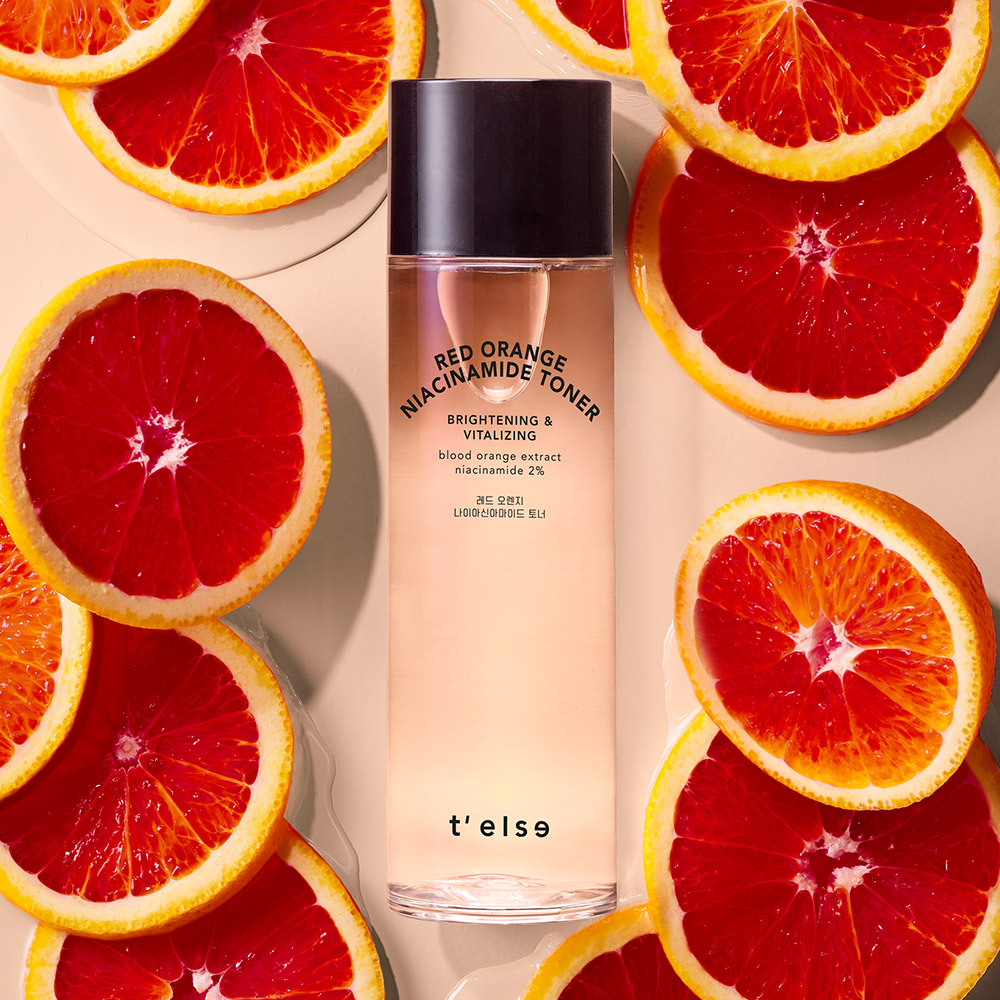
Red Orange Niacinamide Toner
Anua
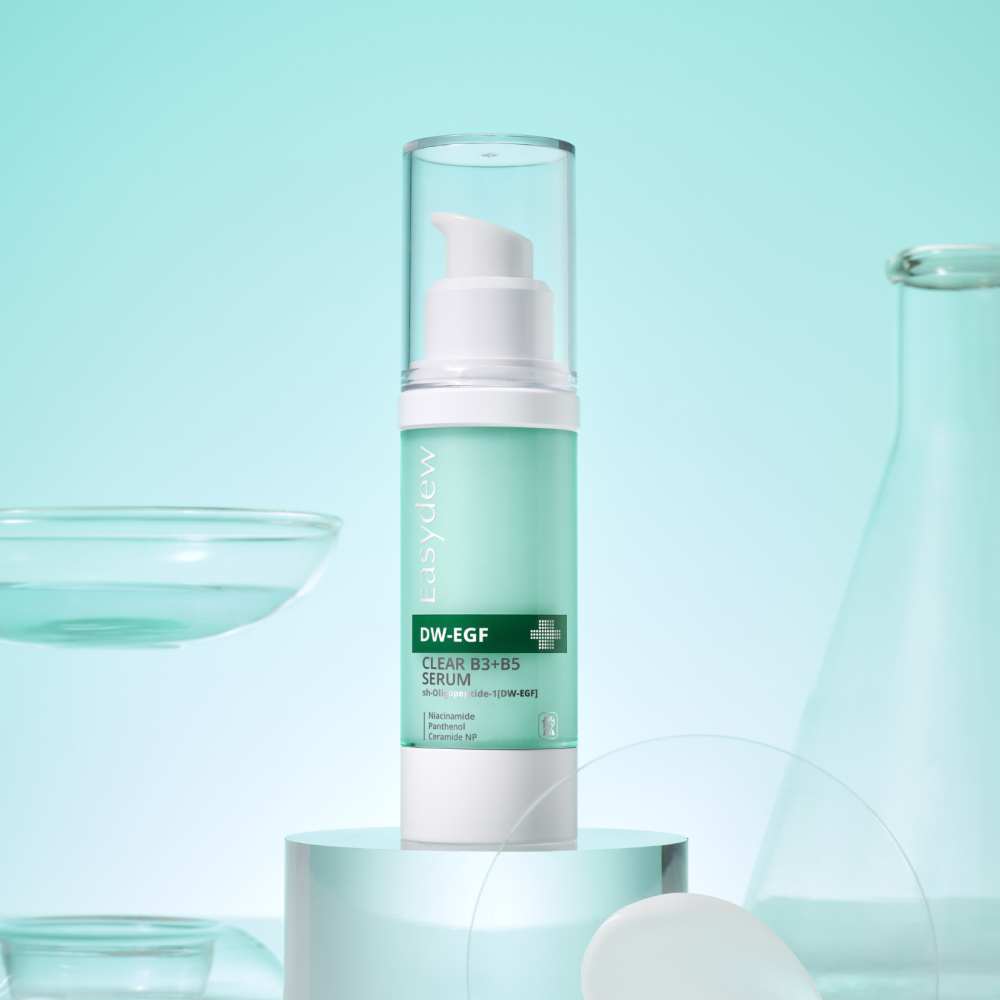
Clear B3+B5 Serum
Easydew
Frequently Asked Questions
Can I use 20% niacinamide if I've never used it before?▼
Why do some people say niacinamide and vitamin C can't be mixed?▼
How long does it take to see results from niacinamide?▼
Will niacinamide help with my acne and acne scars?▼
Is there a difference between niacinamide in a serum versus a cream?▼
Explore More
Want personalized ingredient advice?
Yuri, our AI beauty advisor, can tell you how Niacinamide works with your specific skin type, routine, and concerns.
Ask Yuri, free