Niacinamide
INCI: Niacinamide (20,000 ppm)
Brightening, pore-refining, and barrier-strengthening active
About Niacinamide
Niacinamide, also known as vitamin B3 or nicotinamide, is one of the most researched and versatile active ingredients in K-beauty. At 20,000 ppm (2%), it delivers clinically proven benefits across multiple skin concerns, from brightening dark spots to minimizing pores to strengthening the skin barrier. Unlike some actives that target just one issue, niacinamide works on several fronts simultaneously, making it a staple in Korean skincare routines where layering multiple benefits is key. Korean brands have particularly mastered formulating with niacinamide because it plays well with other actives and rarely causes irritation when properly stabilized. This water-soluble vitamin appears in 43 products on Seoul Sister, often paired with complementary ingredients like PDRN in MISSHA's Vita B Plus Plumping Ampoule or glutathione in ONE THING's Niacinamide Glutathione Cream. Its 5/5 safety rating and 0/5 comedogenic rating mean it works across all skin types without clogging pores or triggering sensitivity. K-beauty brands tend to use niacinamide at optimal concentrations (2-5%) where efficacy peaks without increasing irritation risk. The ingredient's ability to regulate sebum production, reduce transepidermal water loss, and inhibit melanosome transfer makes it particularly valuable in Korean formulations focused on glass skin and barrier health.
How Niacinamide Works
Niacinamide functions through multiple cellular pathways. At the barrier level, it boosts ceramide synthesis and increases production of fatty acids and cholesterol, the three key lipids that form the skin's protective layer. This explains why products like Mamonde's Calming Shot Azulene Cream pair it with soothing agents for barrier repair. For brightening, niacinamide interferes with melanosome transfer from melanocytes to keratinocytes, preventing pigment from reaching the skin's surface. It doesn't stop melanin production entirely but reduces how much ends up visible as dark spots. In terms of pore appearance, it regulates sebaceous gland activity and reduces sebum production by about 30% in clinical studies, which keeps pores from stretching and appearing enlarged. Niacinamide also has anti-inflammatory properties through inhibiting histamine release and reducing pro-inflammatory cytokines. At the cellular level, it acts as a precursor to NAD and NADP, coenzymes essential for energy production and DNA repair. This is why you see it in anti-aging formulas like d'Alba's Vita Toning Capsule Cream, where cellular energy supports collagen synthesis and skin renewal.
Niacinamide by Skin Type
Oily Skin
Niacinamide is exceptional for oily skin because it directly regulates sebum production without stripping the skin. Studies show a 2% concentration can reduce sebum excretion rate by nearly a third within weeks. This makes it ideal for controlling shine and keeping pores clear without triggering the rebound oil production that harsh cleansers cause.
Dry Skin
For dry skin, niacinamide's barrier-strengthening properties are the main benefit. By increasing ceramide and fatty acid production, it helps the skin retain moisture more effectively and reduces transepidermal water loss. Pair it with hydrating ingredients like hyaluronic acid or glycerin for optimal results.
Combo Skin
Combination skin benefits from niacinamide's dual action of controlling oil in the T-zone while supporting barrier function in drier areas. Its ability to balance sebum production without over-drying makes it one of the few actives that addresses both concerns simultaneously. Look for formulations that layer easily under other products.
Sensitive Skin
With a 5/5 safety rating, niacinamide is generally well-tolerated by sensitive skin, especially at the 2% concentration found in many K-beauty products. Its anti-inflammatory properties actually help calm redness and irritation. However, if you have very reactive skin, introduce it gradually and avoid pairing it with high-strength acids initially, as some people experience flushing from that combination.
Normal Skin
Normal skin can use niacinamide preventatively to maintain barrier health, even tone, and refined pores. It's an excellent maintenance active that prevents issues before they start. The 2% concentration is ideal for daily use without any concerns about over-treatment or irritation.
How to Use Niacinamide
- 1Apply niacinamide after cleansing and toning but before heavier creams or oils, as it's water-soluble and absorbs best on slightly damp skin.
- 2Niacinamide works morning and night, but if you're new to it, start with once daily application to assess tolerance before increasing frequency.
- 3While generally stable with most ingredients, some people experience temporary flushing when combining niacinamide with direct vitamin C (L-ascorbic acid). If this happens, use them at different times of day rather than layering immediately.
- 4Results for brightening and pore refinement typically appear after 4-8 weeks of consistent use, so patience and daily application matter more than concentration.
Background
Niacinamide has been recognized as an essential nutrient since the 1930s when scientists identified it as the cure for pellagra, a disease caused by niacin deficiency. Its use in skincare began in the 1970s when researchers discovered topical application could improve barrier function, but it truly entered mainstream beauty in the early 2000s when brands like Olay published studies on its anti-aging and brightening effects. Korean beauty brands adopted niacinamide enthusiastically around 2010-2015 as the K-beauty wave emphasized gentle, multi-benefit ingredients over aggressive exfoliation. The ingredient aligned perfectly with Korean skincare philosophy: effective but non-irritating, suitable for daily use, and compatible with layering multiple products. Today, niacinamide appears across virtually every K-beauty category, from essences to sleeping masks, and Korean chemists have become particularly skilled at stabilizing it in complex formulations with peptides, ferments, and botanical extracts.
K-Beauty Products with Niacinamide
View all 45 →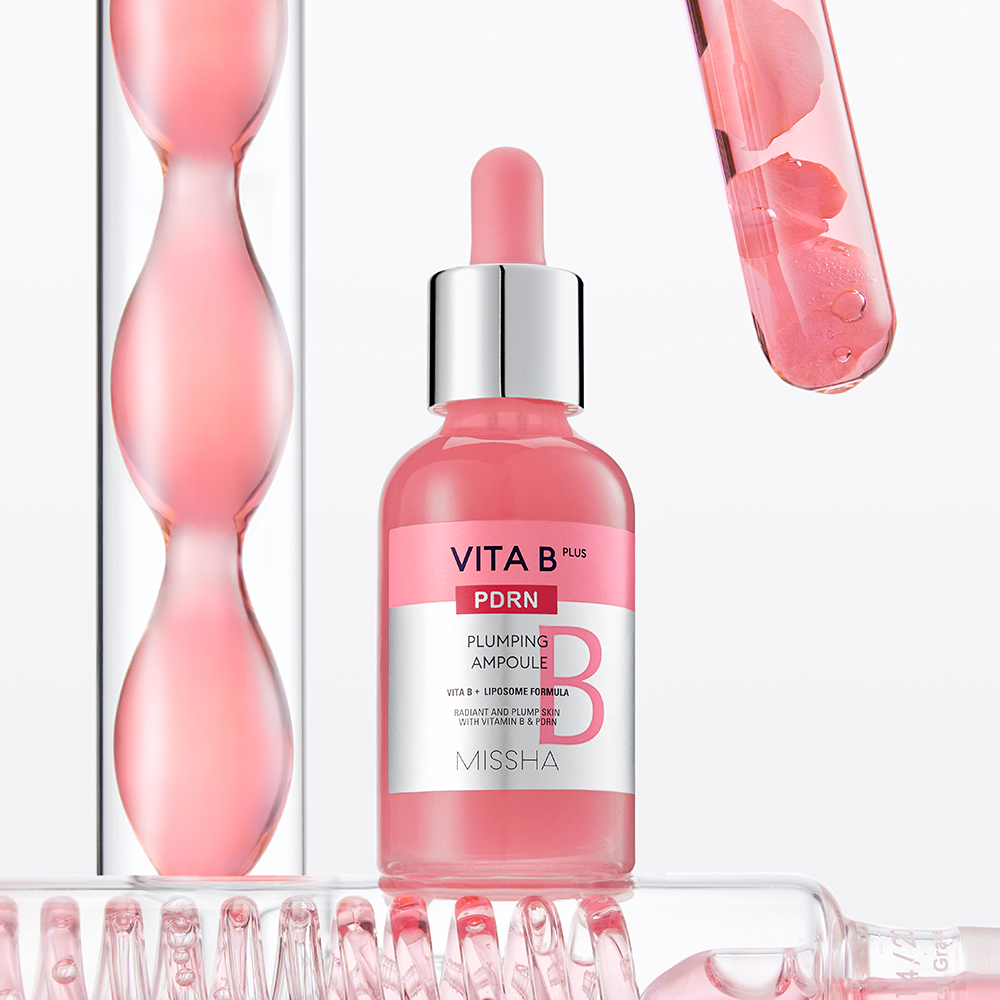
Vita B Plus PDRN Plumping Ampoule
MISSHA
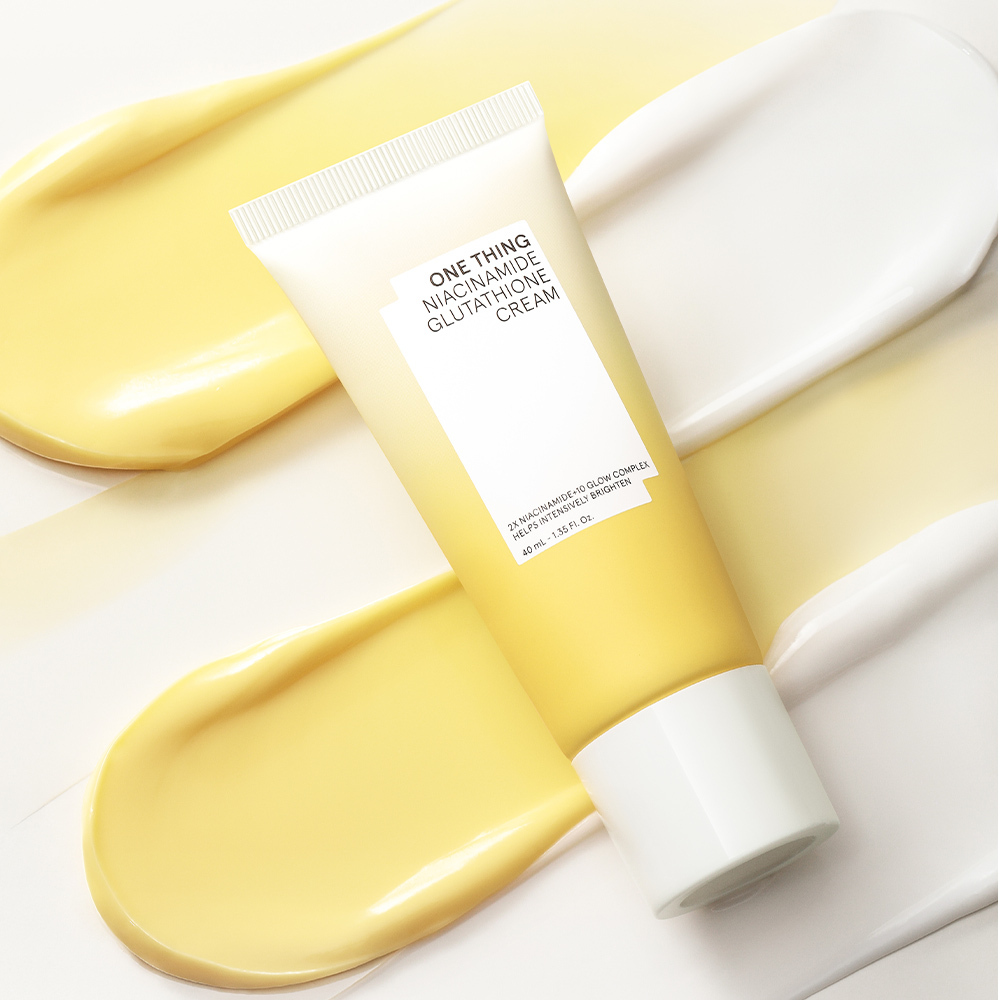
Niacinamide Glutathione Cream
ONE THING
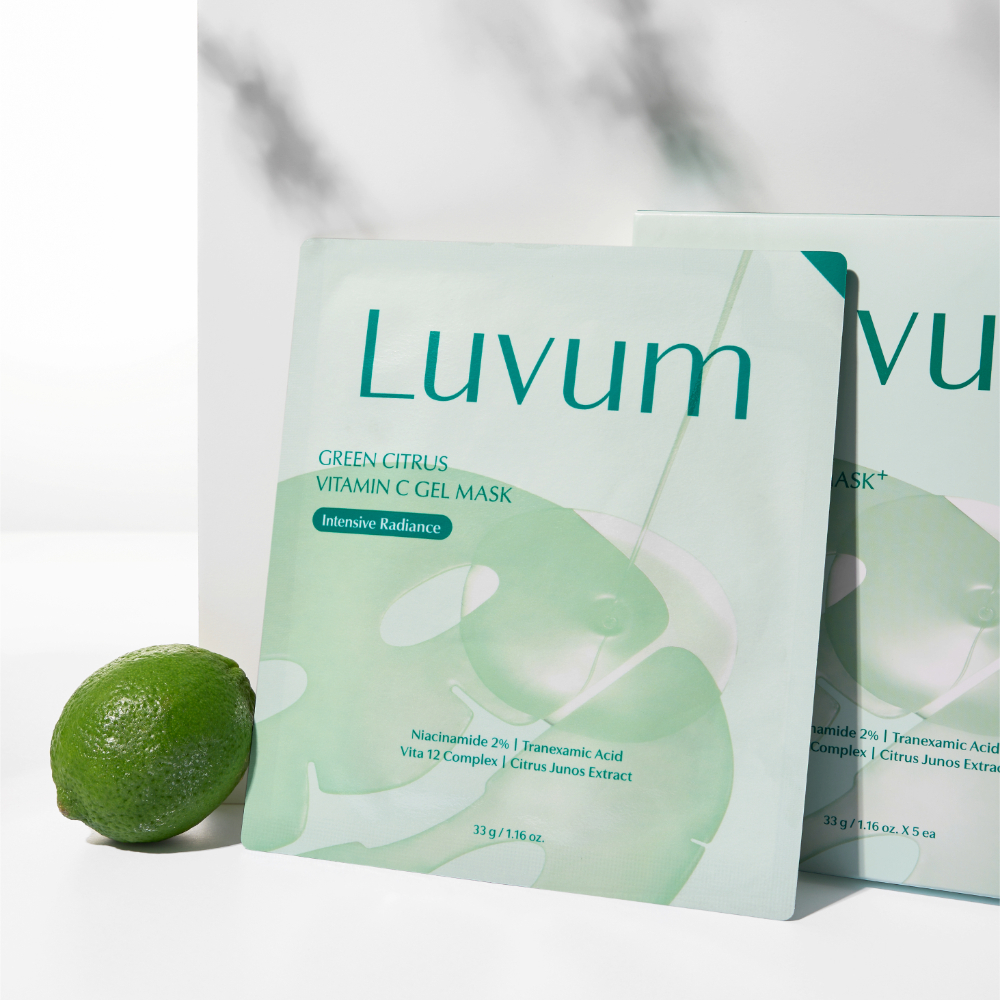
Green Citrus Vitamin C Gel Mask+ 5ea
Luvum
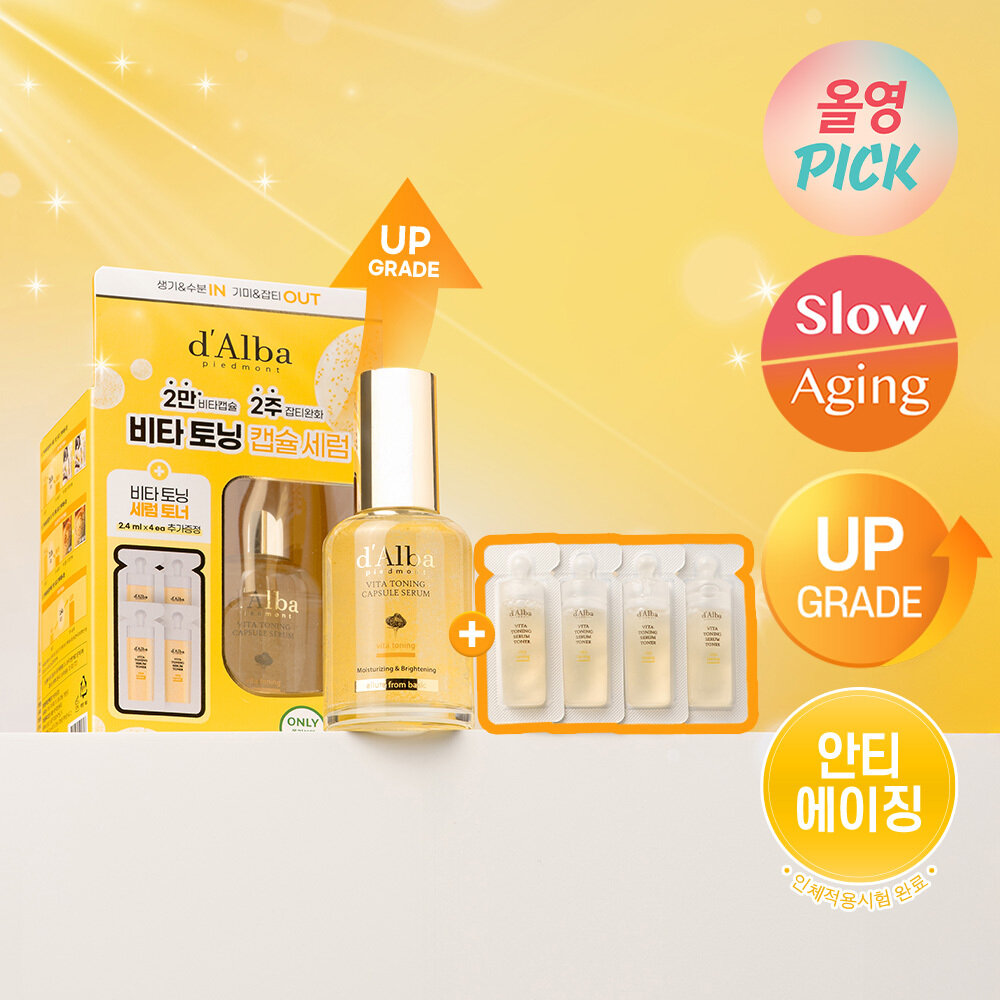
Vita Toning Capsule Serum
d'Alba
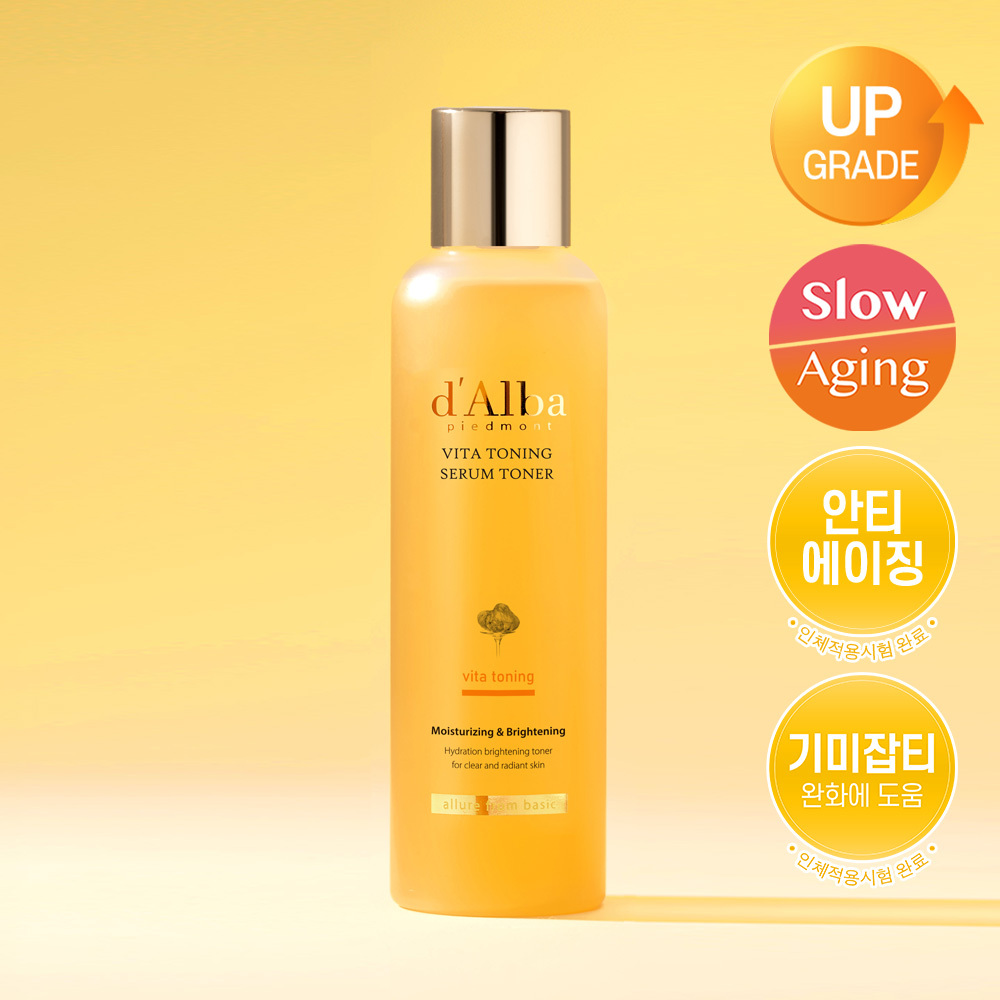
Vita Toning Serum Toner
d'Alba
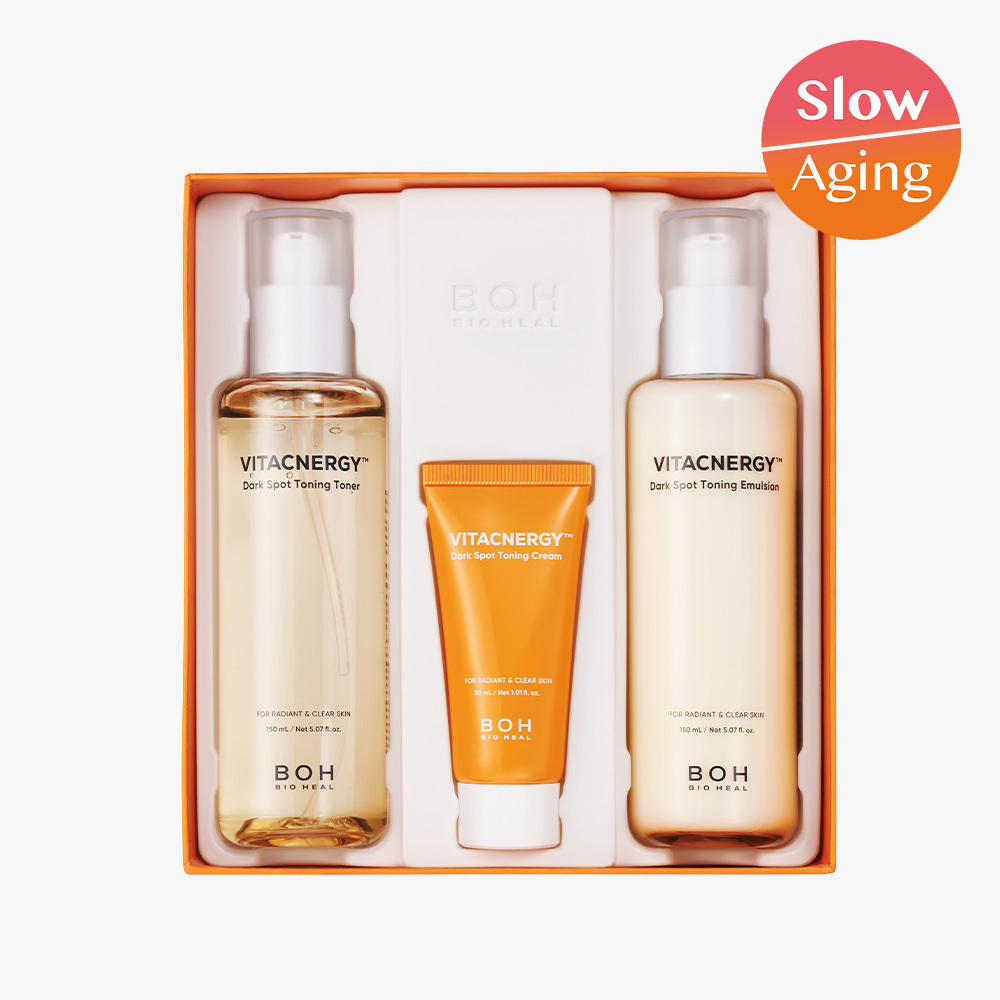
Vitacnergy Dark Spot Toning Skin Care 2P Set
Bioheal BOH

Glutathione Niacinamide Ampoule Serum
APLB
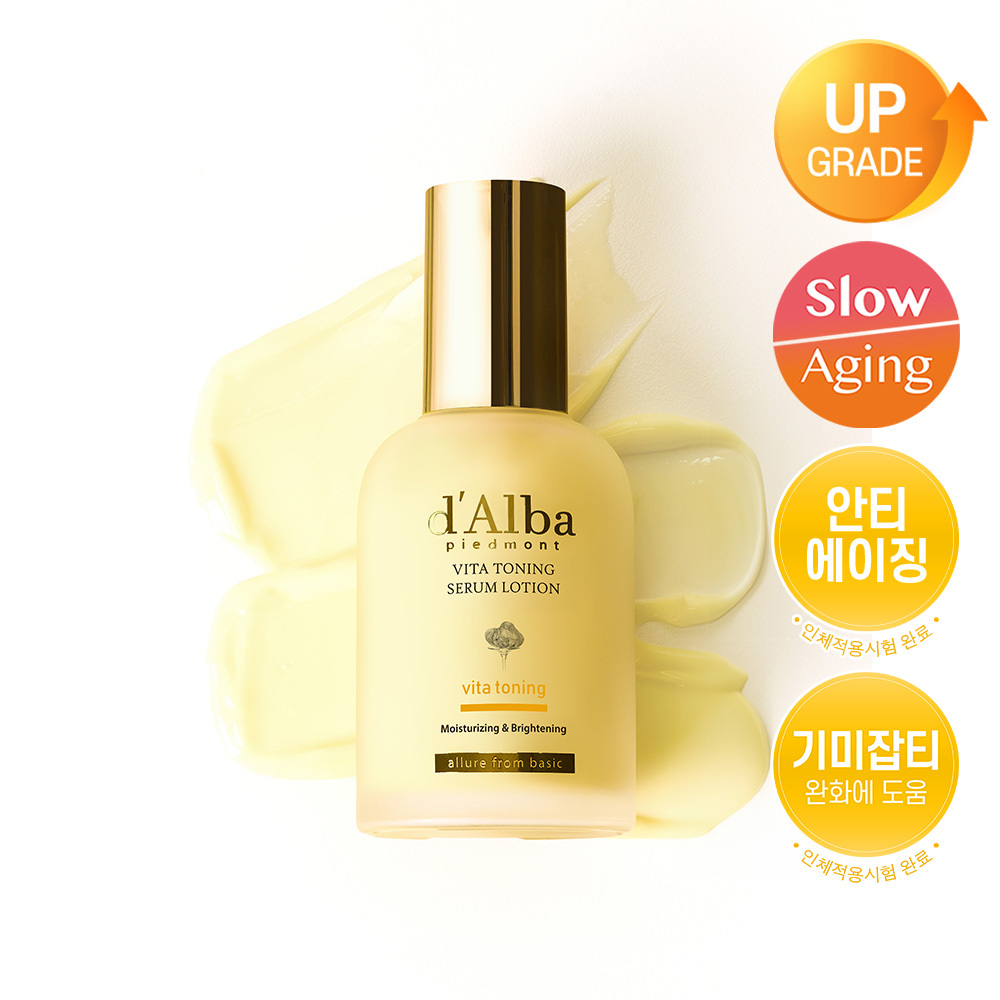
Vita Toning Serum Lotion
d'Alba
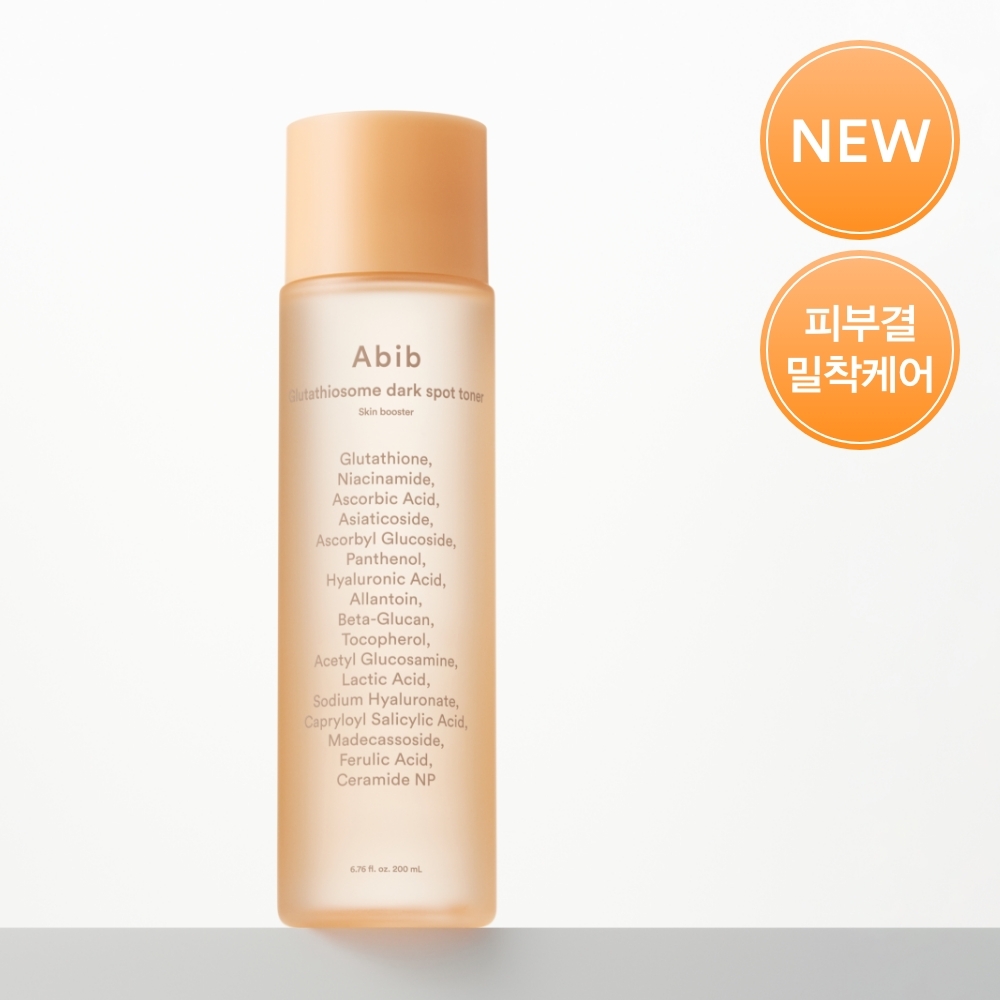
Glutathiosome Dark Spot Toner Skin Booster
Abib
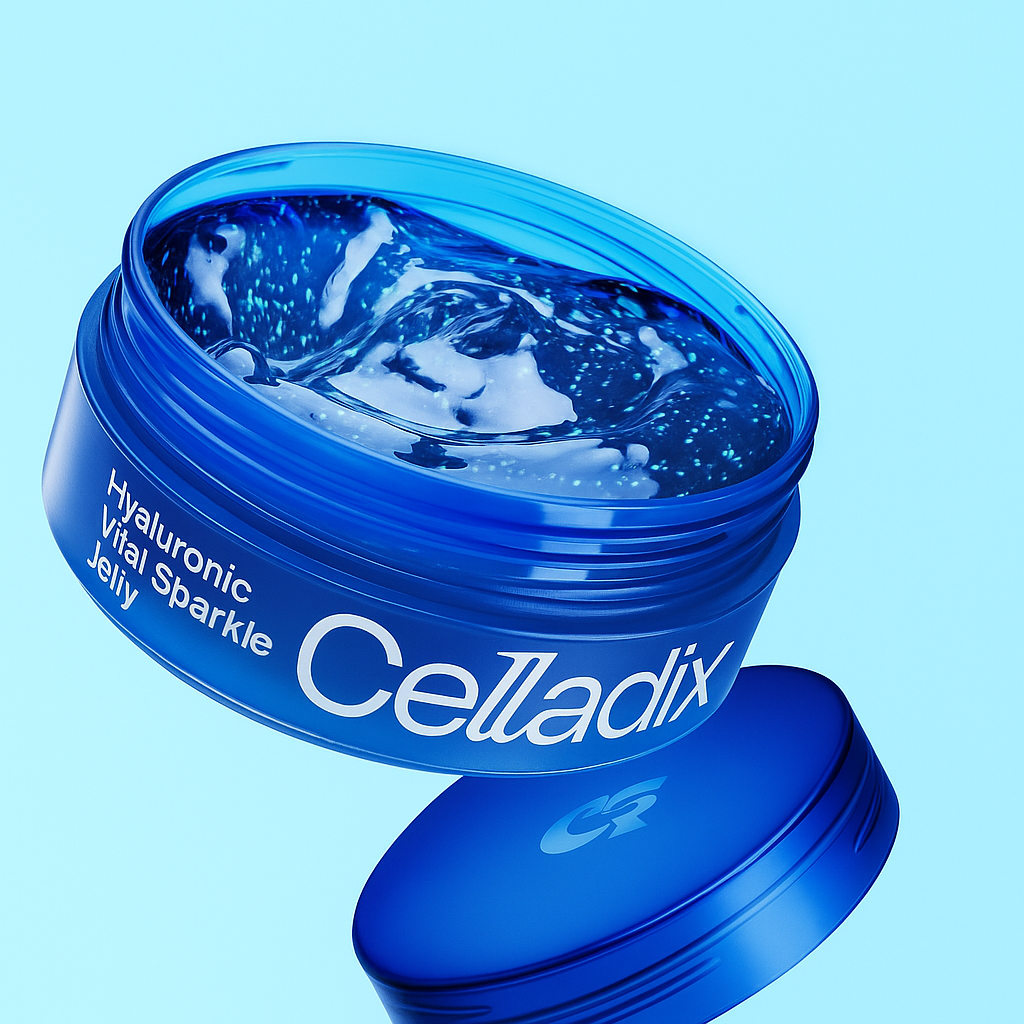
Hyaluronic Vita Sparkle Jelly Cream
Celladix
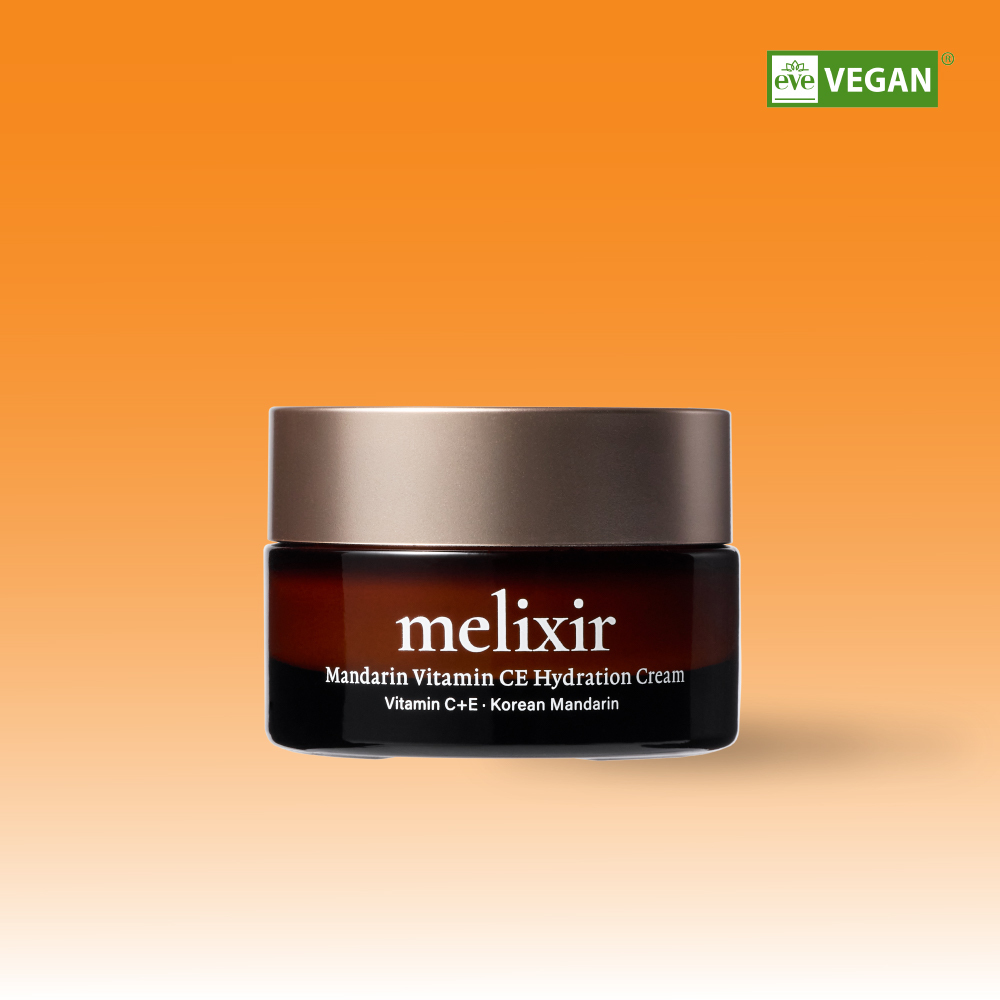
Mandarin Vitamin CE Hydration Cream
Melixir
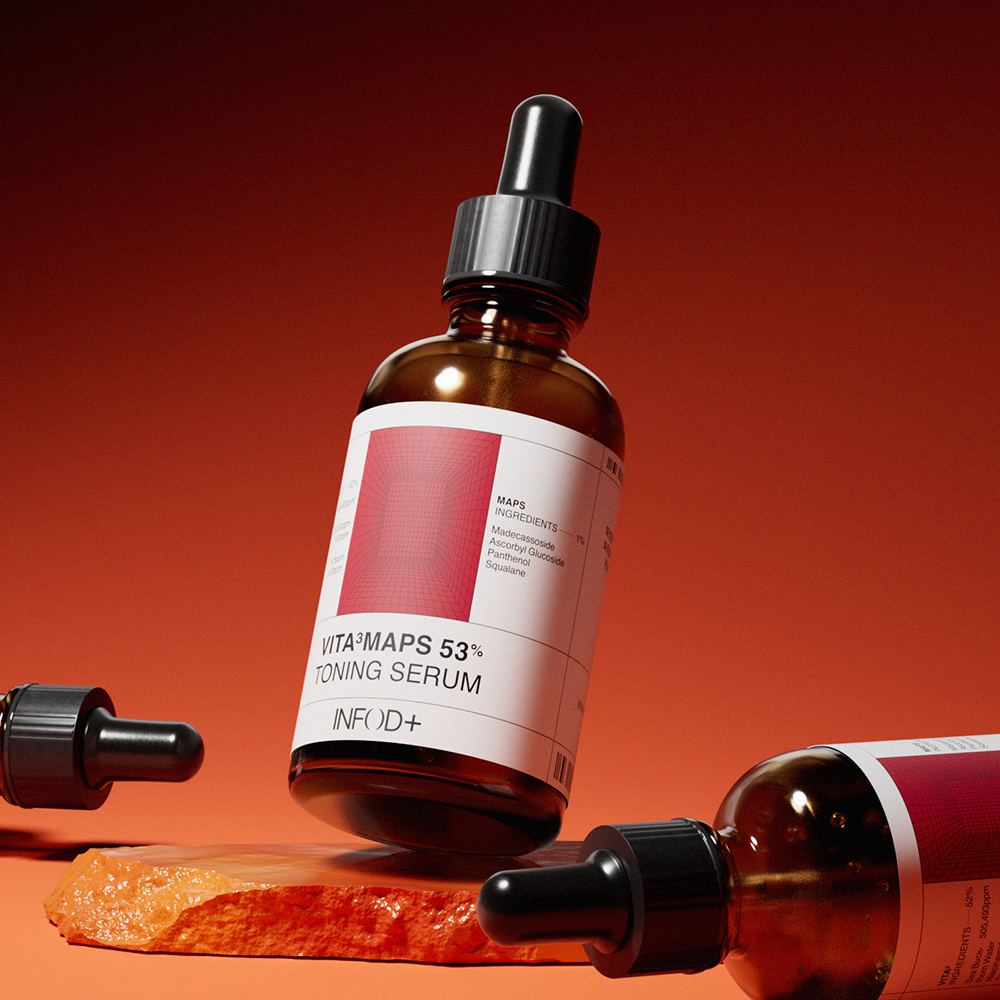
VITA MAPS 53% Toning Serum
Anua
Frequently Asked Questions
Can I use niacinamide with vitamin C or will they cancel each other out?▼
What concentration of niacinamide is most effective?▼
How long does it take to see results from niacinamide?▼
Why do some products list niacinamide high in the ingredient list and others list it lower?▼
Is niacinamide safe to use during pregnancy?▼
Explore More
Want personalized ingredient advice?
Yuri, our AI beauty advisor, can tell you how Niacinamide works with your specific skin type, routine, and concerns.
Ask Yuri, free