Niacinamide
INCI: Niacinamide (40,000 ppm)
Brightens skin, reduces pores, regulates sebum
About Niacinamide
Niacinamide, also known as vitamin B3 or nicotinamide, is one of the most researched and versatile active ingredients in K-beauty. At a concentration of 40,000 ppm (4%), this water-soluble vitamin delivers multiple benefits simultaneously: it brightens hyperpigmentation, visibly minimizes pores, regulates oil production, and strengthens the skin barrier. Unlike many potent actives, niacinamide is exceptionally gentle and stable, making it suitable for all skin types including sensitive and reactive skin. Its perfect safety rating of 5/5 and non-comedogenic rating of 0/5 reflect years of clinical research demonstrating its efficacy without irritation. In K-beauty formulations, niacinamide is often paired with complementary ingredients like green tea and vitamin C to enhance brightening effects, as seen in popular products like the Innisfree Vitamin C Green Tea Enzyme Brightening line. Korean skincare brands have particularly embraced niacinamide for its ability to address multiple concerns that are priorities in K-beauty: achieving glass skin luminosity, refining texture, and maintaining a balanced, healthy complexion. The 4% concentration used in many formulations represents the sweet spot where clinical studies show significant visible improvements in skin tone evenness, pore appearance, and sebum control without any of the potential sensitivity that comes with higher percentages.
How Niacinamide Works
Niacinamide works through multiple cellular pathways to transform skin. At the surface level, it inhibits melanosome transfer from melanocytes to keratinocytes, which means it prevents pigment from reaching the upper layers of skin where dark spots become visible. This mechanism makes it highly effective for post-inflammatory hyperpigmentation and general tone evening. Simultaneously, niacinamide increases the production of ceramides, fatty acids, and cholesterol in the stratum corneum, strengthening the lipid barrier that keeps moisture in and irritants out. For pore refinement, niacinamide regulates sebaceous gland activity by reducing sebum production at the source, while also preventing the oxidation of sebum that leads to visible pore enlargement and congestion. It also stimulates collagen synthesis in the dermis, which helps maintain the structural integrity around pores to keep them from appearing stretched. Additionally, niacinamide has anti-inflammatory properties that reduce redness and calm reactive skin by inhibiting the transfer of inflammatory mediators. This multi-targeted approach explains why niacinamide consistently shows improvements across so many different skin concerns in clinical trials.
Niacinamide by Skin Type
Oily Skin
Niacinamide is exceptionally beneficial for oily skin because it directly regulates sebaceous gland activity, reducing excess oil production by up to 30% in clinical studies. The pore-refining effects are particularly visible on oily skin types where enlarged pores tend to be most prominent. Its non-comedogenic rating means it won't contribute to congestion despite being used in cream formulations.
Dry Skin
For dry skin, niacinamide's barrier-strengthening properties are transformative. By increasing ceramide production and improving lipid barrier function, it helps skin retain moisture more effectively and reduces transepidermal water loss. The anti-inflammatory benefits also help calm the redness and sensitivity that often accompanies dryness.
Combo Skin
Combination skin benefits from niacinamide's balancing act, as it regulates oil in the T-zone without stripping dry areas. The ingredient's ability to refine pores where they're enlarged while hydrating where skin is dry makes it ideal for this skin type. Look for formulations like the Innisfree Vitamin C Green Tea Enzyme line that combine niacinamide with hydrating and brightening ingredients for comprehensive care.
Sensitive Skin
Niacinamide is one of the safest actives for sensitive skin, with extensive research showing it actually reduces sensitivity rather than causing it. Its anti-inflammatory properties help calm reactive skin, strengthen the compromised barriers common in sensitive types, and reduce redness. The 5/5 safety rating reflects decades of use without significant adverse reactions.
Normal Skin
Normal skin can use niacinamide as a preventative ingredient to maintain balance, refine texture, and protect against environmental stressors. It helps preserve the healthy barrier function that characterizes normal skin while providing subtle brightening and pore-refining benefits that enhance overall skin quality.
How to Use Niacinamide
- 1Apply niacinamide products in your serum or moisturizer step, after cleansing and toning but before heavier creams or oils.
- 2Niacinamide can be used both morning and night. In AM routines, layer it under sunscreen for added protection against UV-induced pigmentation.
- 3Wait 10-15 minutes between applying vitamin C and niacinamide if using both in the same routine, though modern formulations (like those in the Innisfree Vitamin C Green Tea Enzyme line) are designed to work together without waiting.
- 4Results typically appear within 4-6 weeks of consistent use, with pore and brightness improvements becoming visible first, followed by sebum regulation around week 8.
- 5Niacinamide plays well with most ingredients including retinol, AHAs, BHAs, and peptides, making it easy to incorporate into existing routines.
Background
Niacinamide's journey in skincare began in the 1970s when researchers first identified vitamin B3's role in cellular energy production and skin barrier function. However, it wasn't until the late 1990s and early 2000s that cosmetic chemists fully understood its topical benefits through extensive clinical research. Japanese and Korean skincare scientists were particularly instrumental in studying niacinamide's effects on Asian skin concerns like hyperpigmentation and enlarged pores. K-beauty brands embraced the ingredient early, incorporating it into essences and serums before it became mainstream in Western skincare. The popularity of glass skin and brightening routines in Korean beauty culture made niacinamide a natural fit, as it addresses multiple aesthetic goals simultaneously without the irritation potential of alternatives like hydroquinone. Today, niacinamide appears in an estimated 10-15% of all K-beauty products, with concentrations typically ranging from 2-5% for optimal efficacy.
K-Beauty Products with Niacinamide
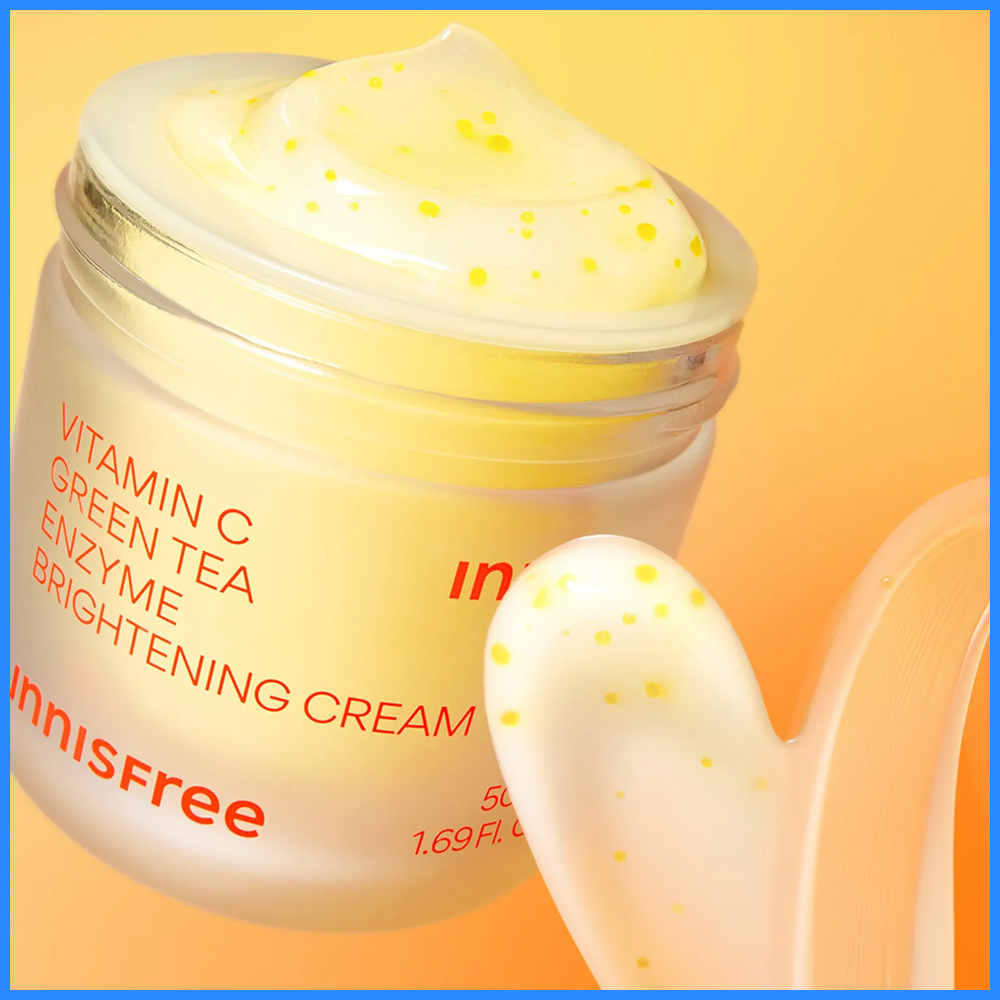
Vitamin C Green Tea Enzyme Brightening Cream
Innisfree
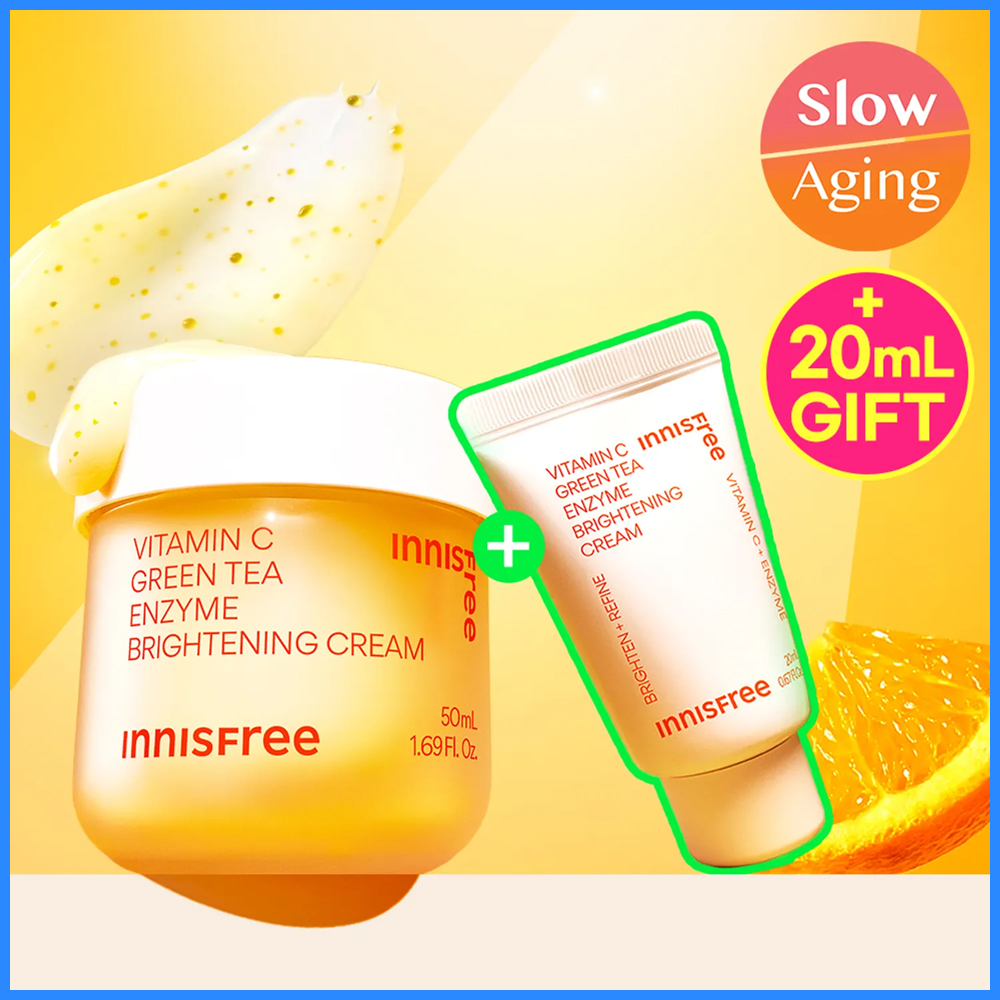
Vitamin C Green Tea Enzyme Brightening Cream Set
Innisfree
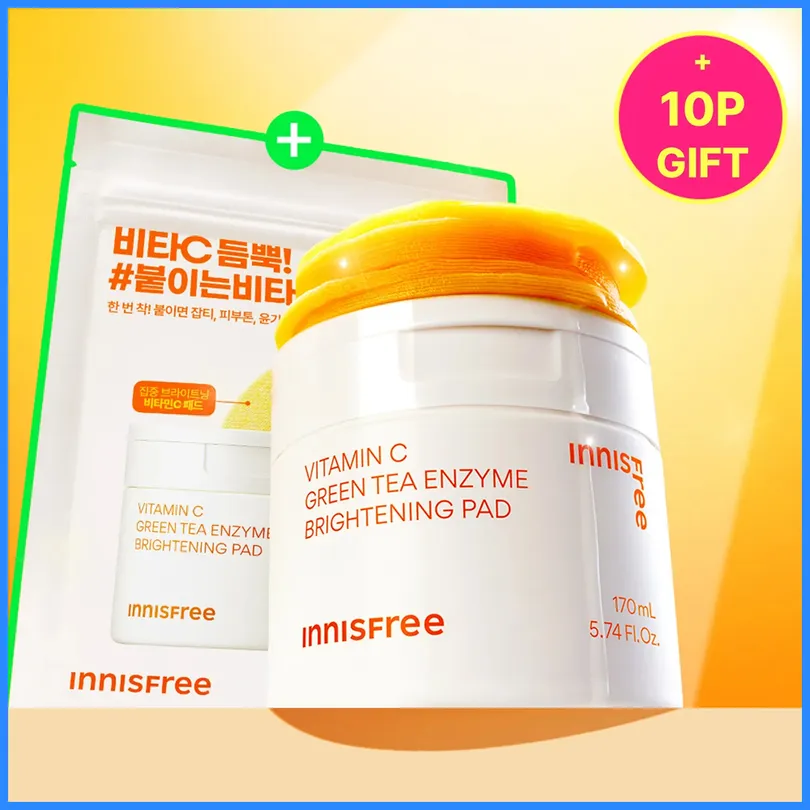
Vita C Green Tea Enzyme Brightening Pad
Innisfree
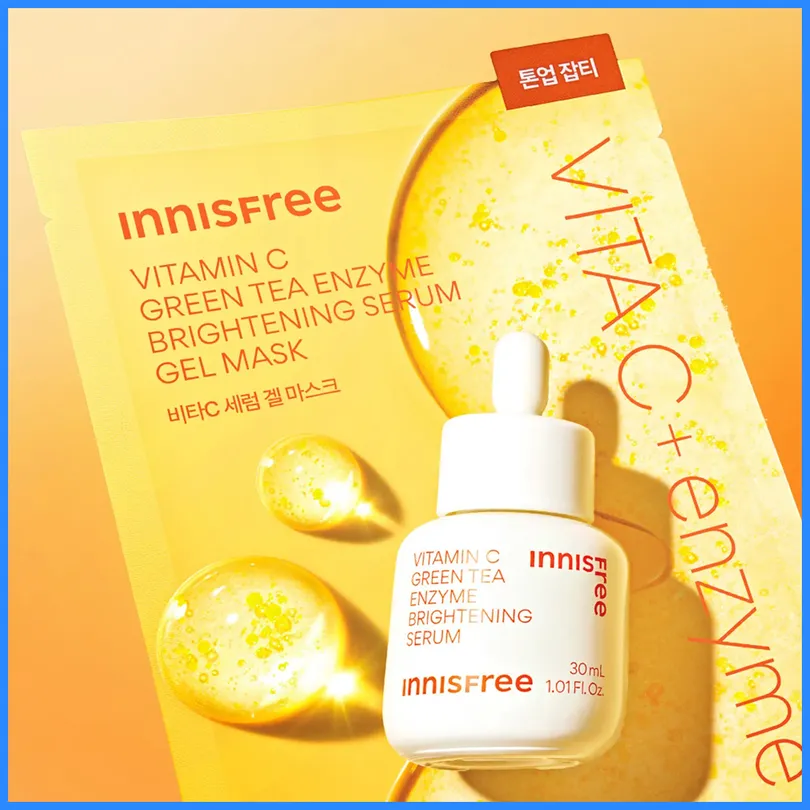
Vita C Green Tea Enzyme Brightening Serum Gel Mask Sheet
Innisfree
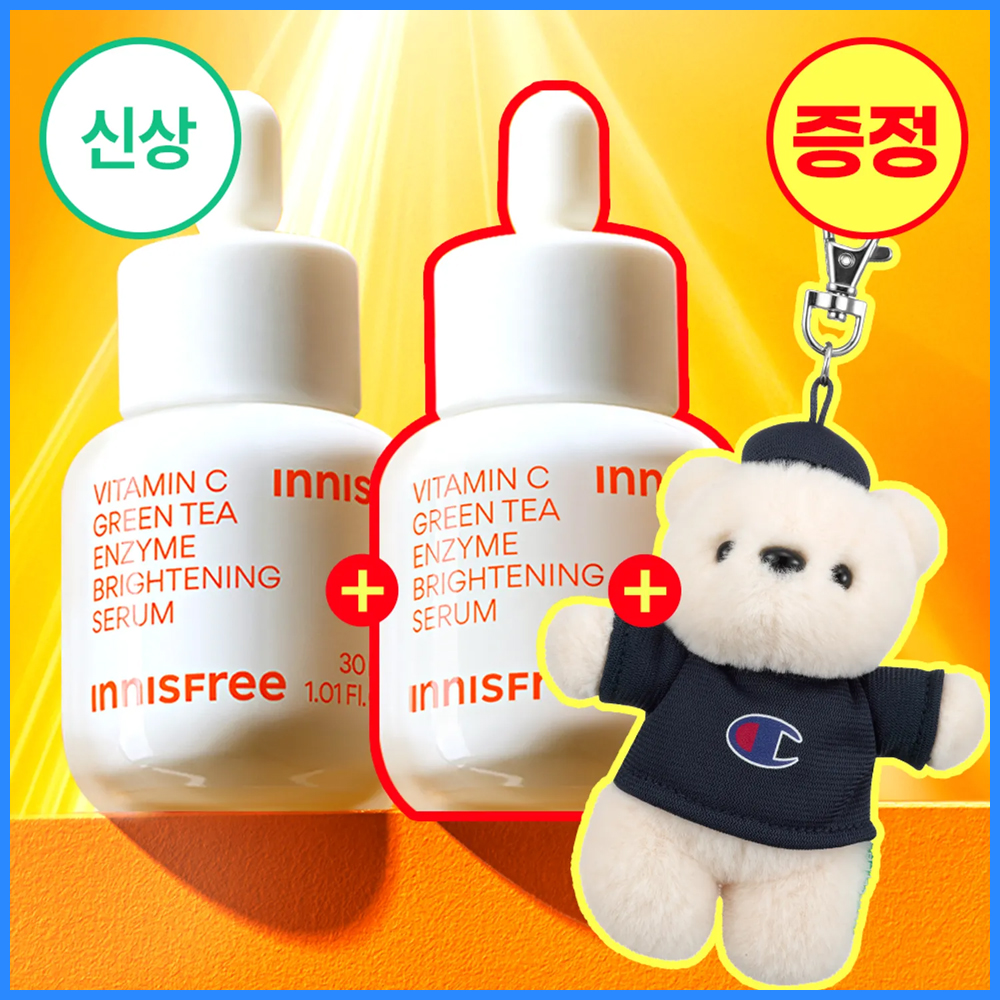
Vitamin C Green Tea Enzyme Brightening Serum
Innisfree
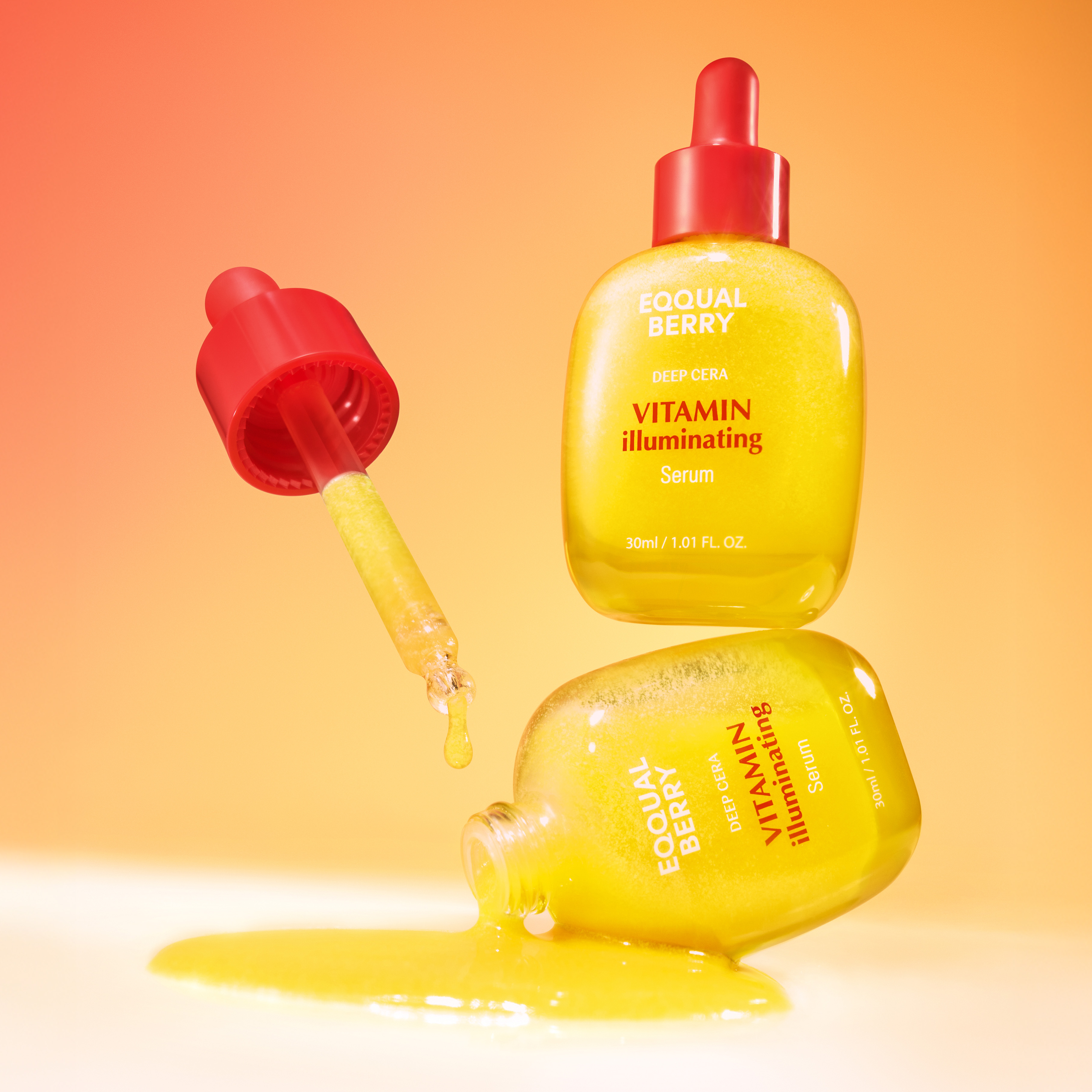
Vitamin Illuminating Serum
Eqqualberry
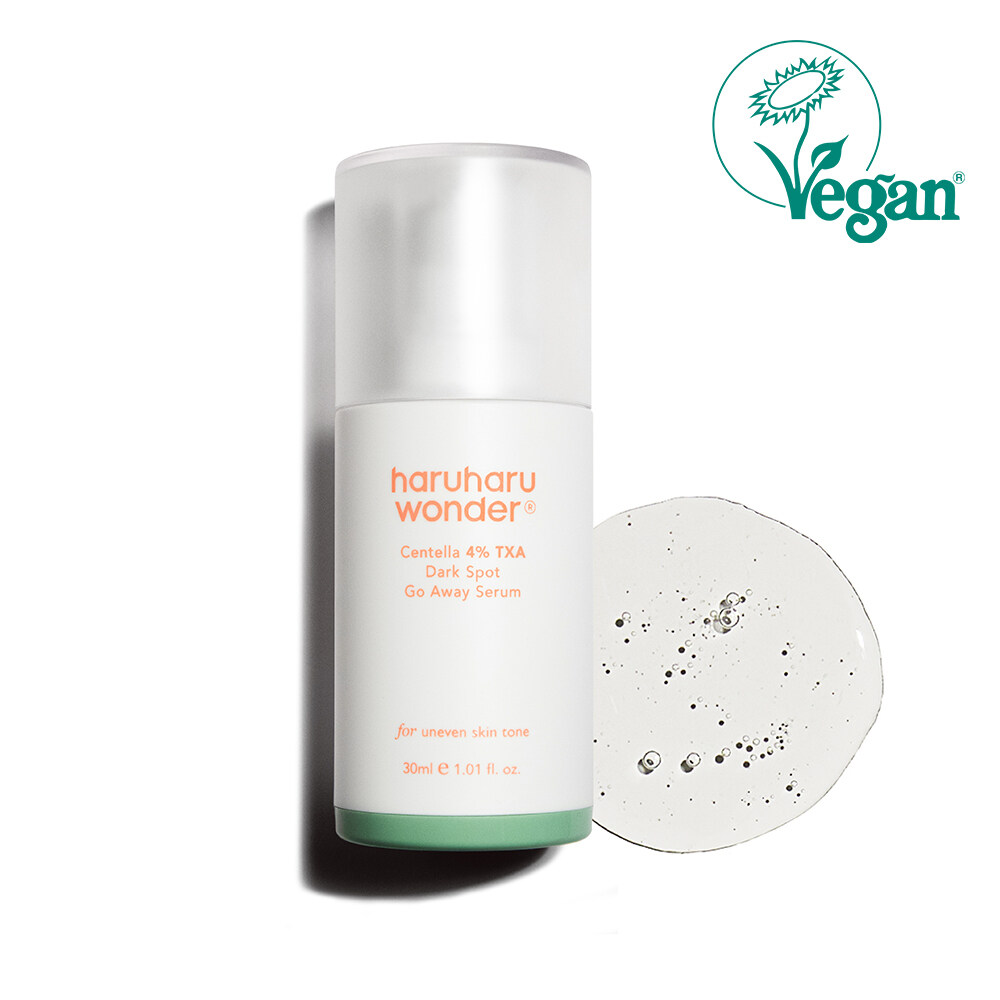
Centella 4% TXA Dark Spot Go Away Serum
Haruharu Wonder
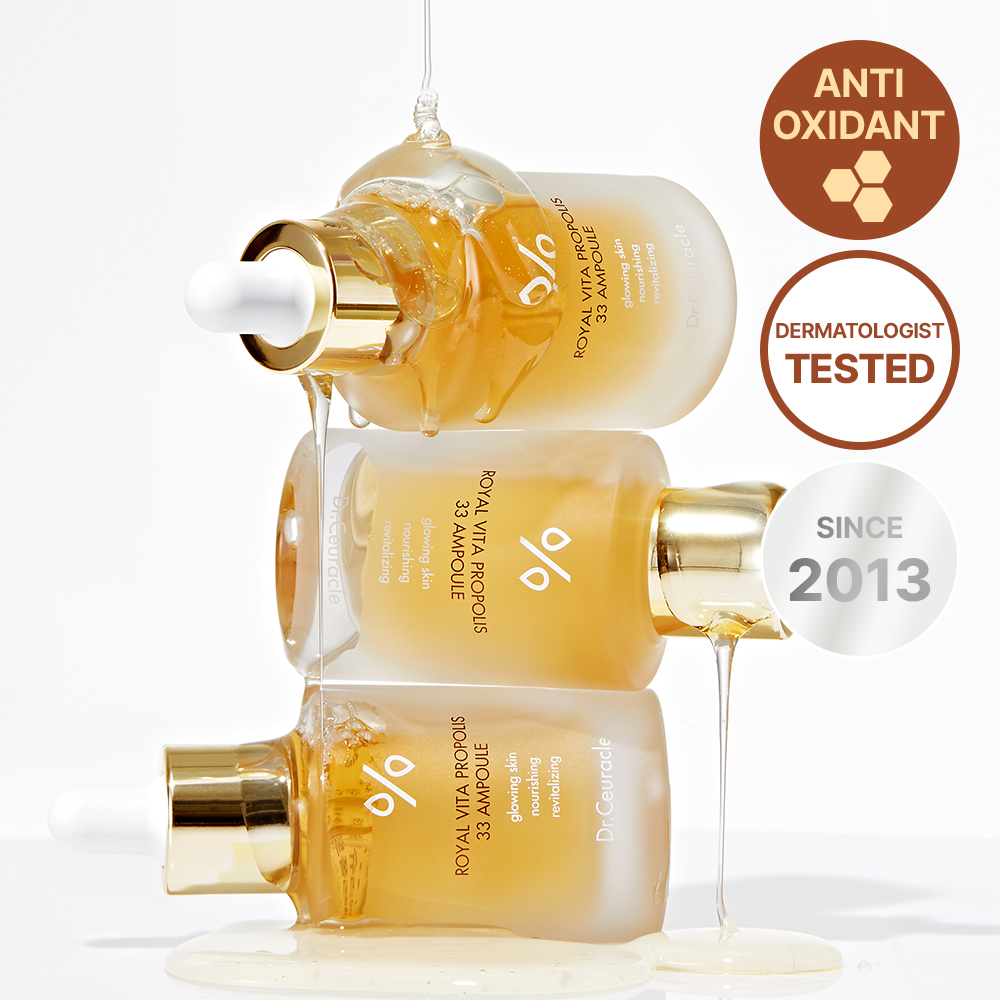
Royal Vita Propolis 33 Ampoule
Dr.Ceuracle
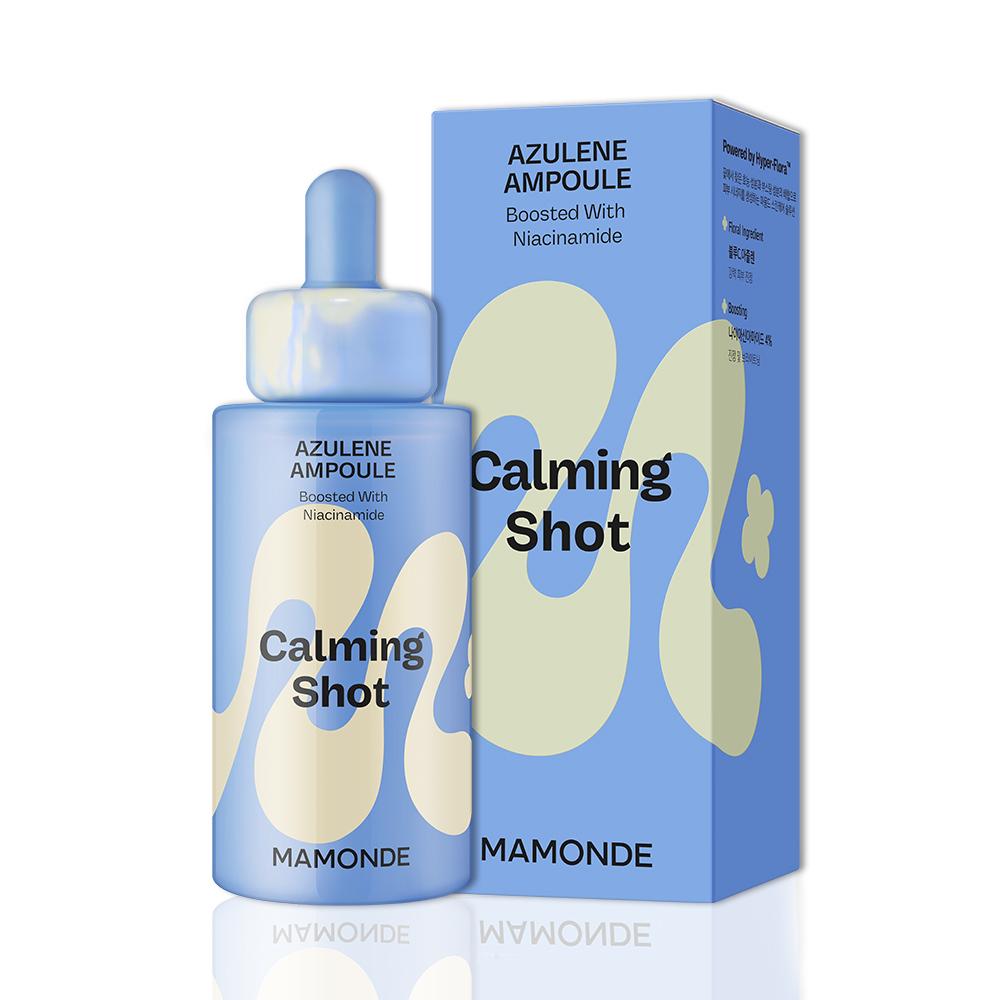
Calming Shot Azulene Ampoule
Mamonde
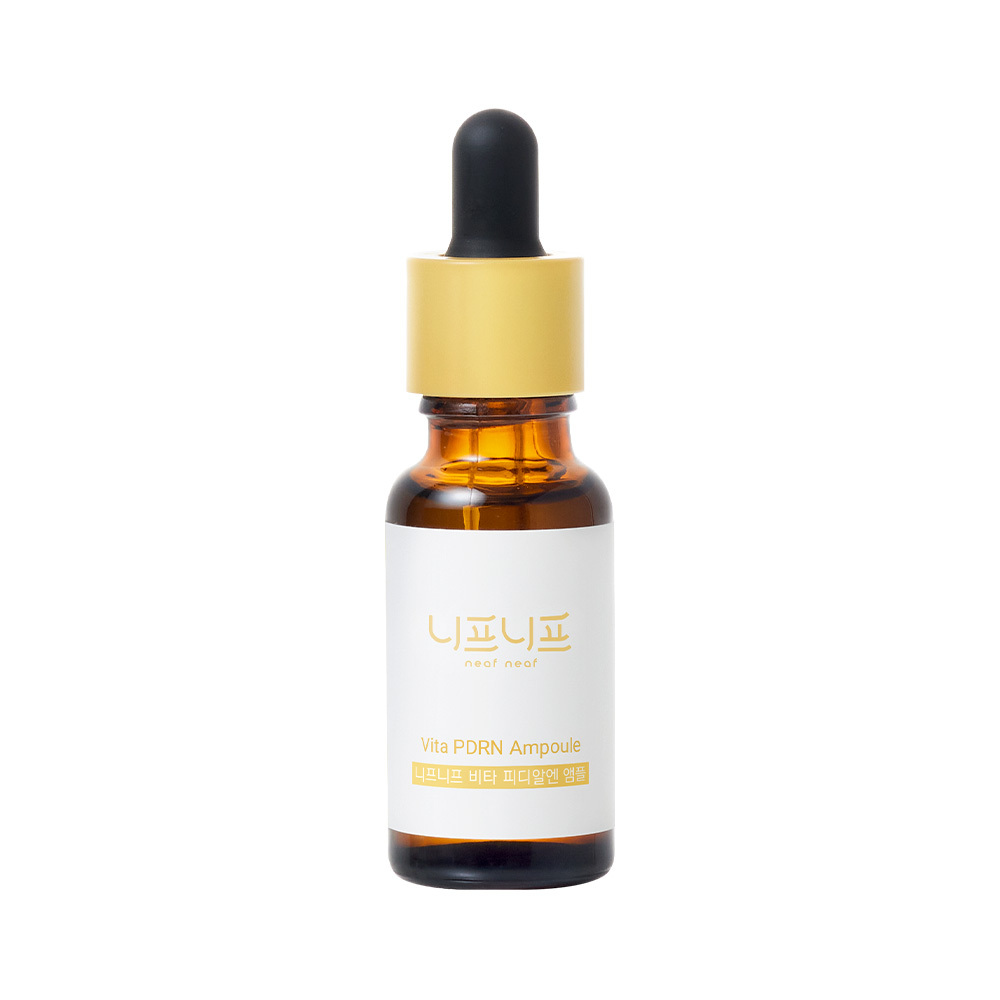
Vita PDRN Ampoule
Anua
Frequently Asked Questions
Can I use niacinamide with vitamin C?▼
How long does it take to see results from niacinamide?▼
Is niacinamide safe for sensitive or acne-prone skin?▼
Why does my niacinamide product make me flush?▼
Can I use niacinamide if I'm pregnant or breastfeeding?▼
Explore More
Want personalized ingredient advice?
Yuri, our AI beauty advisor, can tell you how Niacinamide works with your specific skin type, routine, and concerns.
Ask Yuri, free