Nonapeptide-1
Skin brightening peptide that inhibits melanin production
About Nonapeptide-1
Nonapeptide-1 is a synthetic peptide composed of nine amino acids, engineered specifically to address hyperpigmentation and uneven skin tone. Often marketed under the trade name Melanostatine-5, this biomimetic peptide works by intercepting the skin's melanin production pathway, making it a sought-after ingredient in K-beauty formulations targeting dark spots, post-inflammatory hyperpigmentation, and overall brightening. Unlike traditional brightening agents like hydroquinone or high-concentration vitamin C, nonapeptide-1 operates at a cellular signaling level, communicating with melanocytes to reduce melanin synthesis without harsh side effects. Its non-comedogenic profile (0/5 rating) and solid safety record (4/5) make it suitable for all skin types, including acne-prone and sensitive complexions. In the K-beauty landscape, nonapeptide-1 appears in 121 products on Seoul Sister, often paired with other peptides, probiotics, and antioxidants in sophisticated serums and creams. Brands like Bioheal BOH have embraced this ingredient in their Probioderm line, combining it with collagen-boosting technologies for multi-dimensional anti-aging benefits. The peptide's appeal lies in its precision: it targets pigmentation without causing irritation or photosensitivity, making it compatible with daytime routines and layerable with other actives like niacinamide and retinoids.
How Nonapeptide-1 Works
Nonapeptide-1 functions by mimicking the natural signaling molecule alpha-melanocyte stimulating hormone (α-MSH), but with an inhibitory twist. When applied topically, it penetrates the epidermis and competes with α-MSH for binding sites on melanocyte receptors, specifically the MC1R receptor. By blocking these receptors, nonapeptide-1 prevents the cascade of biochemical reactions that lead to melanin production. This interruption occurs upstream in the pigmentation pathway, before tyrosinase (the enzyme responsible for converting tyrosine into melanin) even gets activated. The result is a gradual reduction in new melanin formation, allowing existing dark spots to fade naturally through the skin's renewal cycle. Because it works through receptor modulation rather than enzyme inhibition or exfoliation, nonapeptide-1 offers a gentler approach to brightening compared to tyrosinase inhibitors like kojic acid or arbutin. Its peptide structure also allows it to integrate seamlessly into collagen-supporting formulations, addressing both pigmentation and skin firmness simultaneously, which explains its presence in anti-aging products like Bioheal BOH's Probioderm 3D Lifting Cream.
Nonapeptide-1 by Skin Type
Oily Skin
Nonapeptide-1 is exceptionally suited for oily skin thanks to its 0/5 comedogenic rating, meaning it won't clog pores or trigger breakouts. Its lightweight peptide structure absorbs quickly without leaving residue, making it ideal for layering under oil-control serums or mattifying moisturizers. Oily skin prone to post-acne marks will benefit from its targeted melanin inhibition.
Dry Skin
Dry skin types can safely incorporate nonapeptide-1, though they should look for formulations that pair it with hydrating ingredients like hyaluronic acid or ceramides, as peptides alone don't provide moisture. Products like Bioheal BOH's Probioderm Collagen Remodeling Serum (5.0/5 rating) combine nonapeptide-1 with skin-plumping actives, addressing both pigmentation and dehydration-related dullness simultaneously.
Combo Skin
Combination skin thrives with nonapeptide-1 because it delivers brightening benefits without disrupting the skin's varied needs across different zones. Its non-greasy, non-drying nature means it won't exacerbate oil in the T-zone or create tightness on cheeks. The peptide works uniformly across all areas, making it a reliable choice for balancing uneven tone in combination complexions.
Sensitive Skin
Nonapeptide-1 is a gentle alternative for sensitive skin struggling with hyperpigmentation, as it avoids the irritation potential of acids or high-strength brighteners. Its receptor-based mechanism doesn't cause inflammation or compromise the skin barrier. However, always patch-test new peptide formulations, as supporting ingredients (like fragrances or essential oils) may still trigger reactions even if the peptide itself is well-tolerated.
Normal Skin
Normal skin can use nonapeptide-1 proactively to prevent dark spots and maintain even tone, especially after sun exposure or minor skin trauma. Its compatibility with other actives makes it easy to integrate into existing routines. Products like Numbuzin's No. 9 NAD Bio Lifting-sil Essence (4.9/5) showcase how nonapeptide-1 enhances overall radiance in already-balanced complexions.
How to Use Nonapeptide-1
- 1Apply nonapeptide-1 serums or essences after cleansing and toning but before heavier creams to maximize absorption into the epidermis where melanocytes reside.
- 2Pair with broad-spectrum SPF 30+ daily, as preventing new UV-triggered pigmentation is crucial while nonapeptide-1 works on existing spots (results typically appear after 8-12 weeks of consistent use).
- 3Layer with niacinamide or tranexamic acid for synergistic brightening effects, as these ingredients target different points in the melanin pathway without causing conflicts.
- 4Use both morning and evening for optimal results, as nonapeptide-1 doesn't cause photosensitivity and works continuously to block melanin signaling throughout the day.
- 5Store peptide products in cool, dry places away from direct sunlight, as peptides can degrade with heat and light exposure, reducing their effectiveness over time.
Background
Nonapeptide-1 emerged from biomimetic peptide research in the early 2000s, when cosmetic chemists began engineering synthetic amino acid chains to mimic natural skin signaling molecules. Scientists recognized that α-MSH, the hormone that triggers melanin production, could be structurally modified to create an antagonist that blocks rather than activates pigmentation. This led to the development of nonapeptide-1, a nine-amino-acid sequence designed to fit melanocyte receptors without triggering the downstream melanin cascade. The peptide gained traction in European and Asian dermocosmetics before K-beauty brands adopted it as part of their science-driven brightening solutions. Korean formulations particularly excelled at stabilizing peptides in multi-active serums, combining nonapeptide-1 with probiotics, ferments, and other peptides to create comprehensive anti-aging systems. Its rise in K-beauty reflects the industry's shift toward targeted, mechanism-based ingredients that deliver results without irritation.
K-Beauty Products with Nonapeptide-1
View all 132 →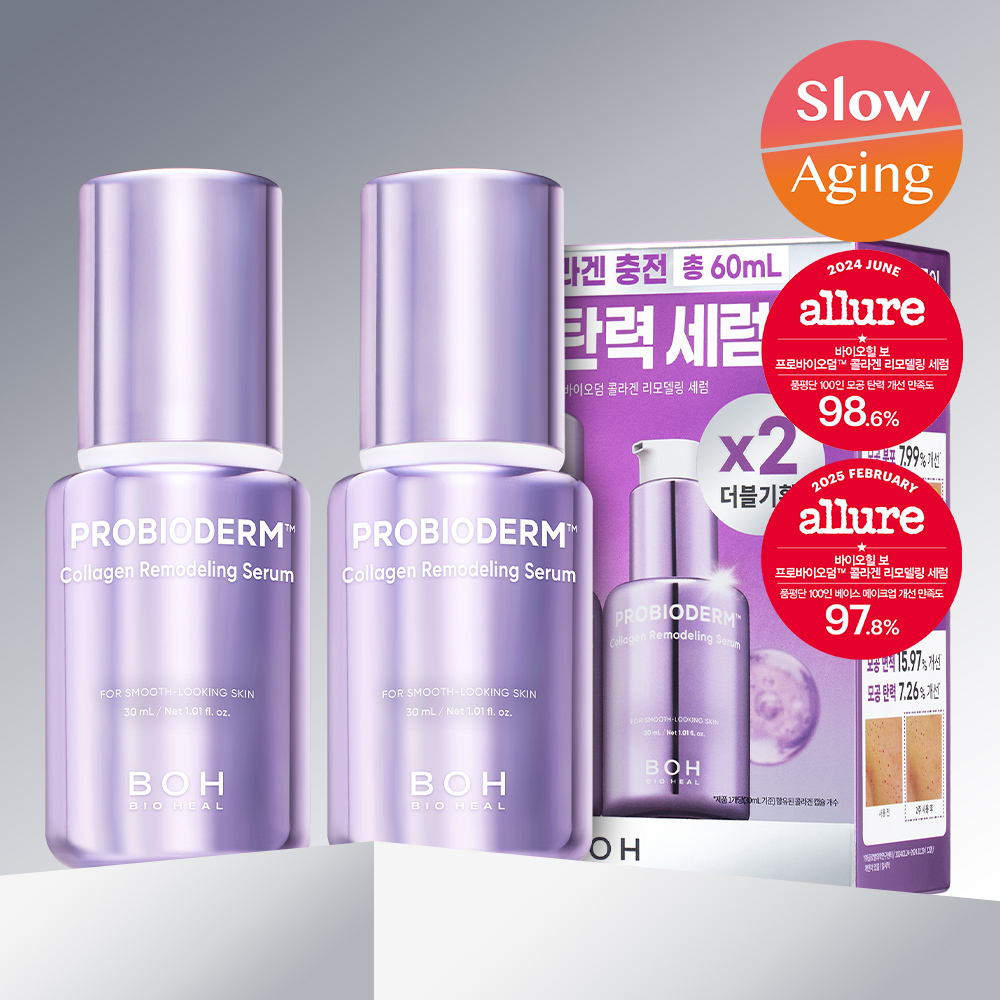
Probioderm Collagen Remodeling Serum
Bioheal BOH

No. 9 NAD Bio Lifting-sil Essence
Numbuzin
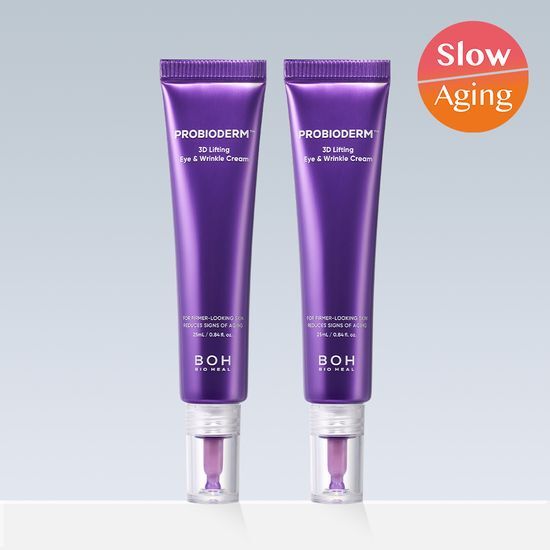
Probioderm 3D Lifting Eye & Wrinkle Cream Double Pack
Bioheal BOH
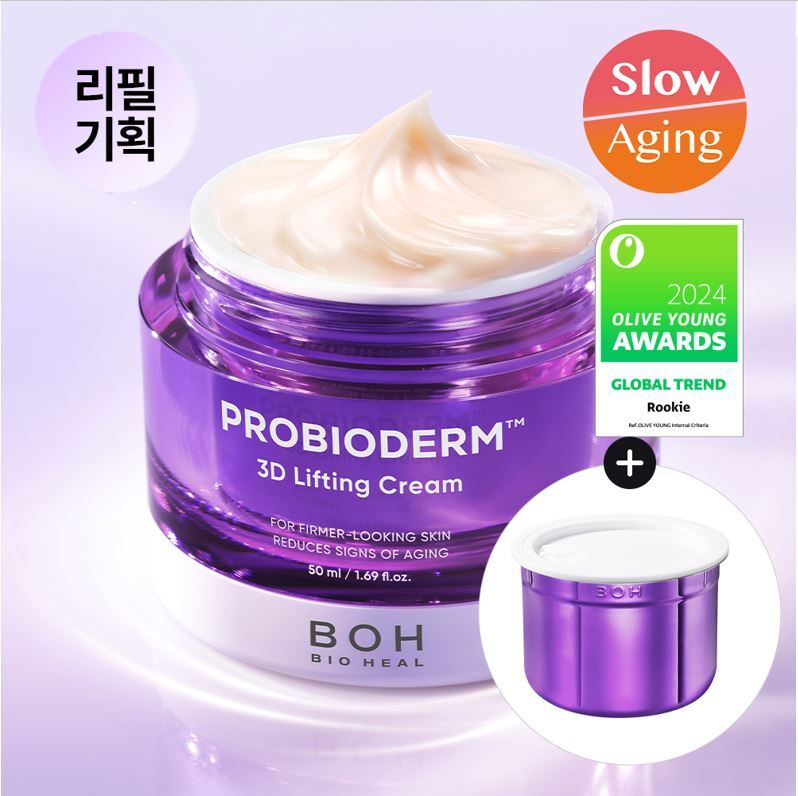
Probioderm 3D Lifting Cream
Bioheal BOH
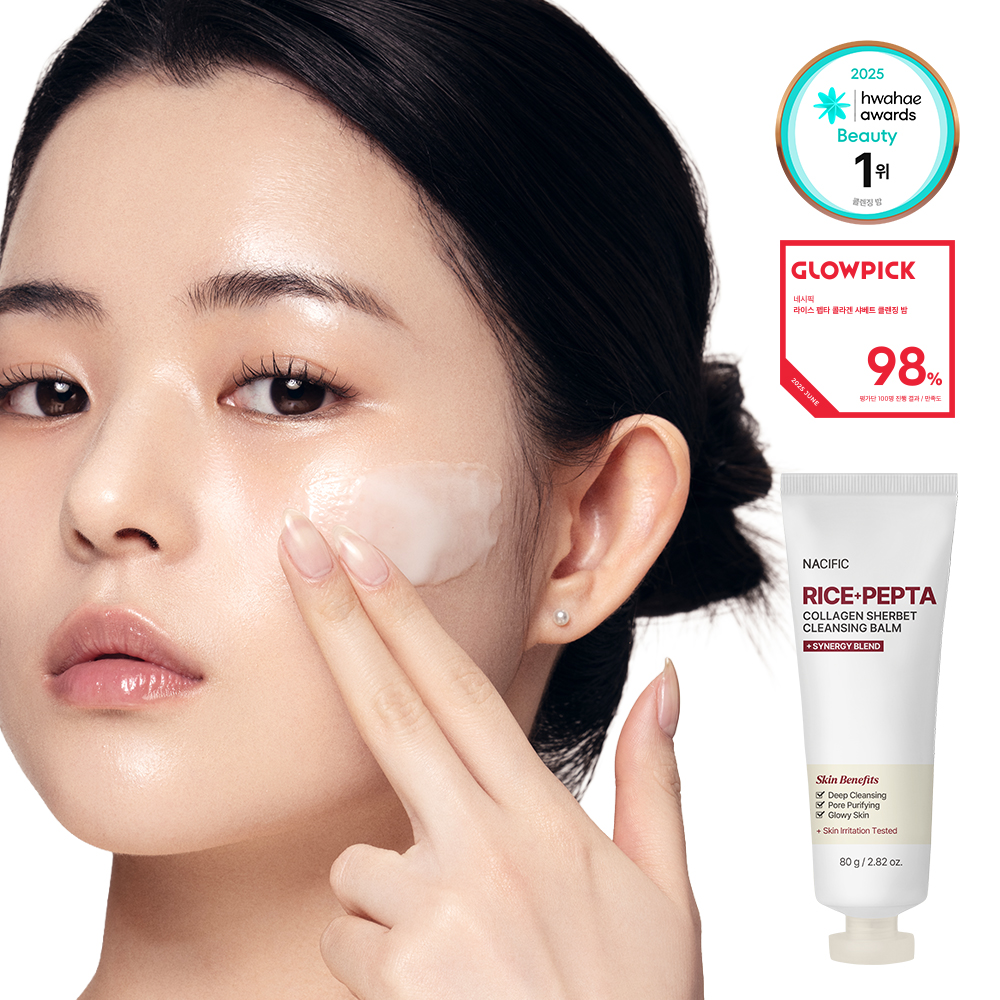
Rice Pepta Collagen Sherbet Cleansing Balm
Nacific
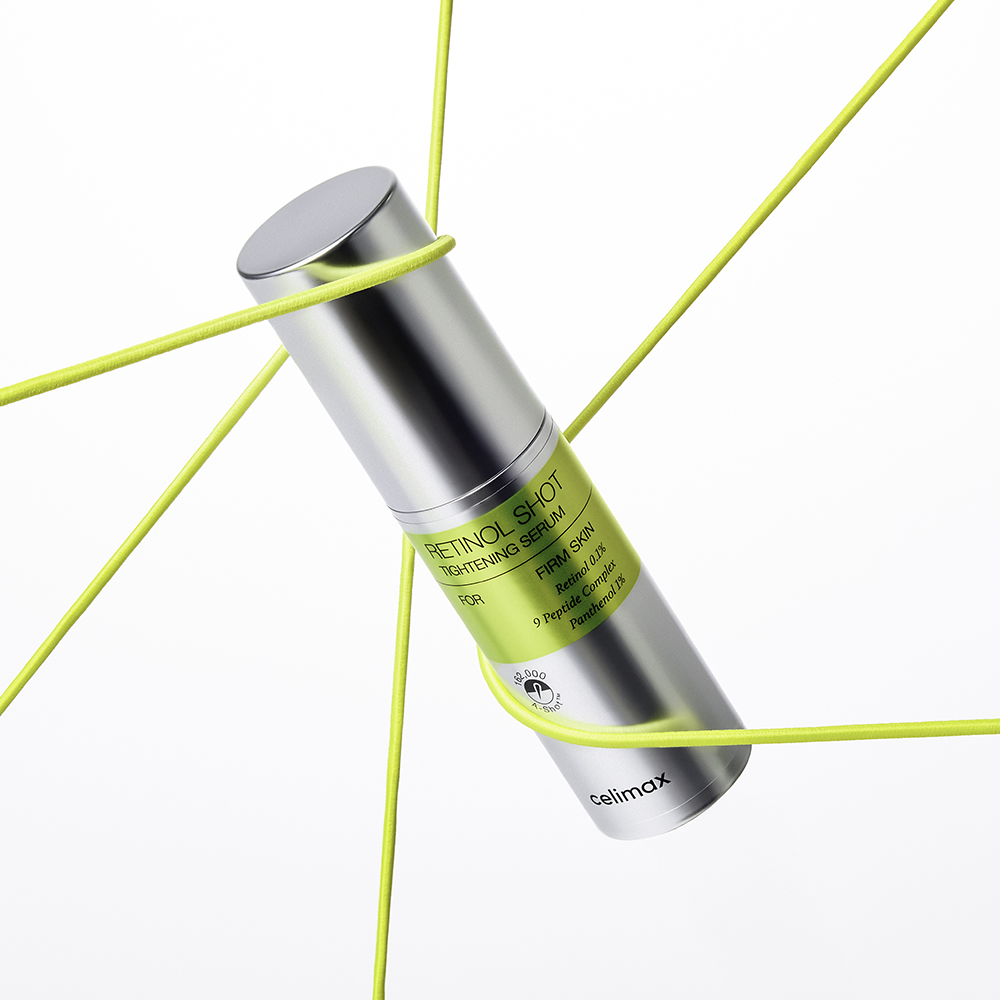
The Vita A Retinol Shot Tightening Serum
Celimax
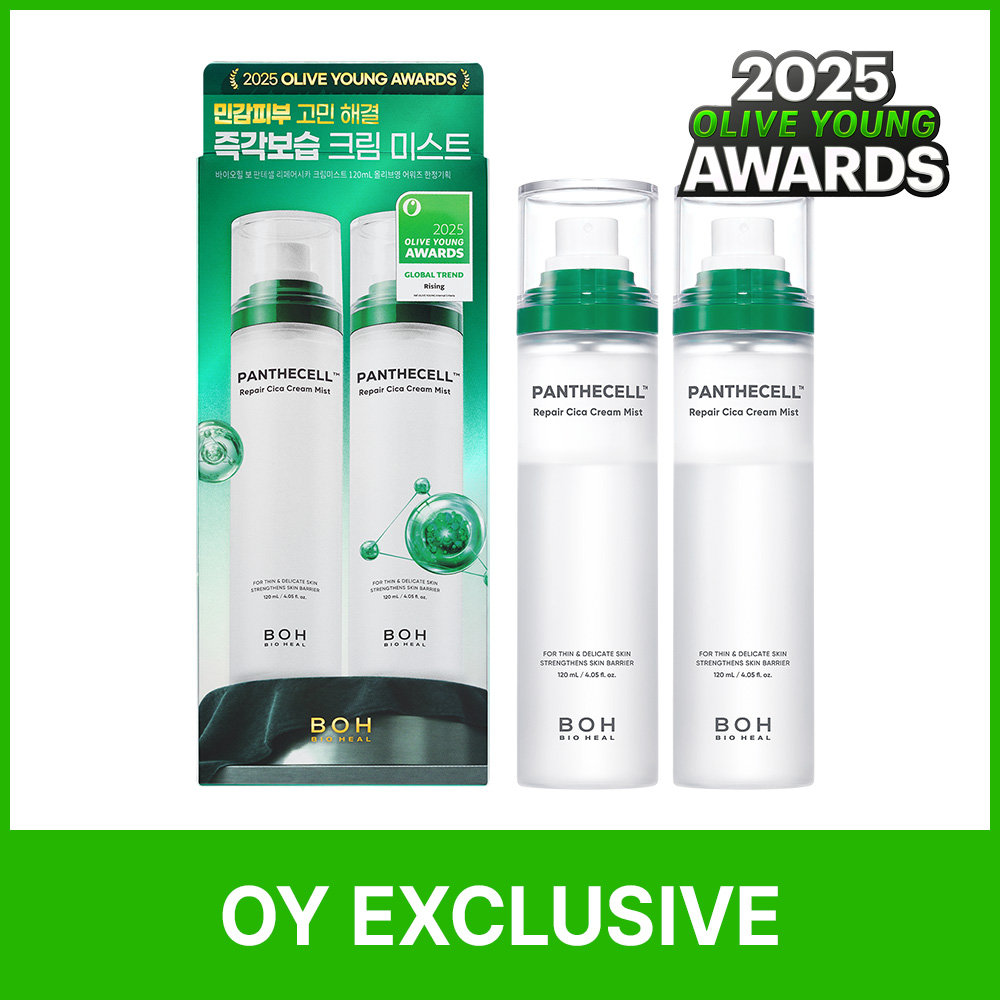
Panthecell Repair Cica Cream Mist
Bioheal BOH
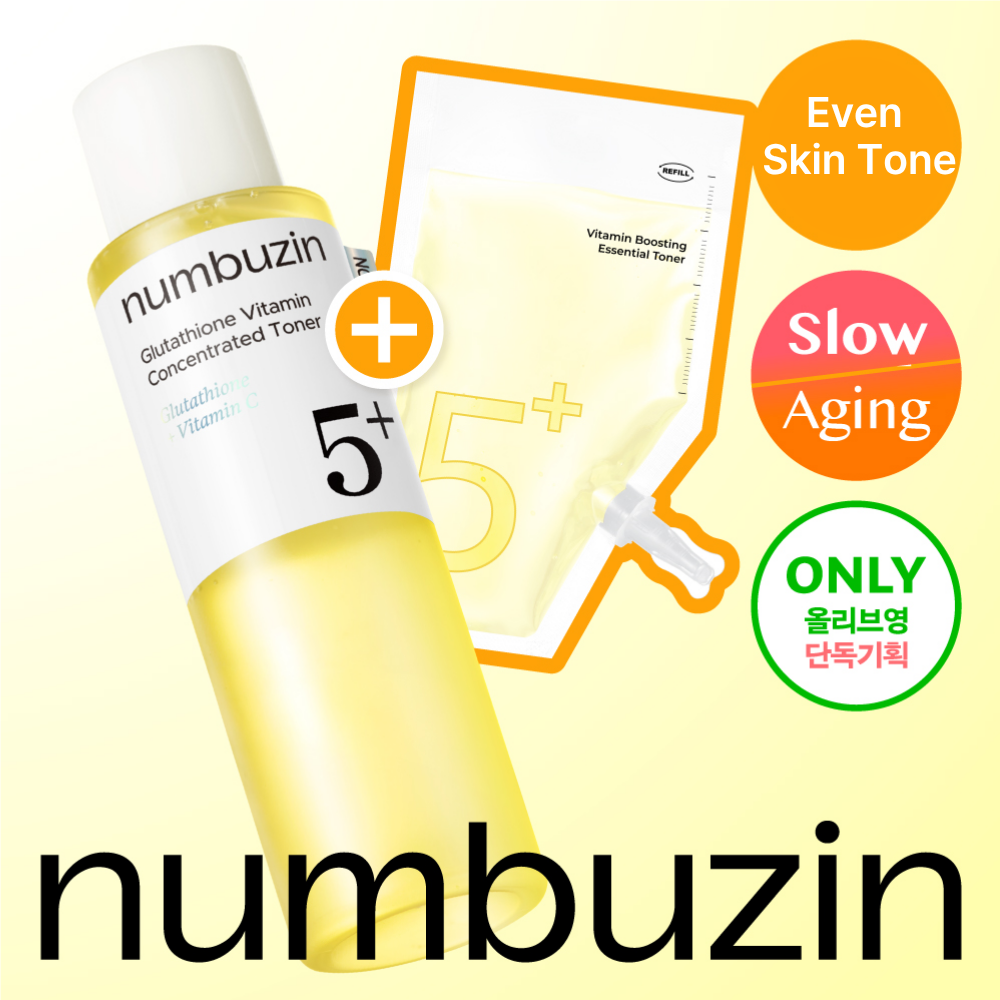
No. 5 Vitamin Boosting Essential Toner
Numbuzin
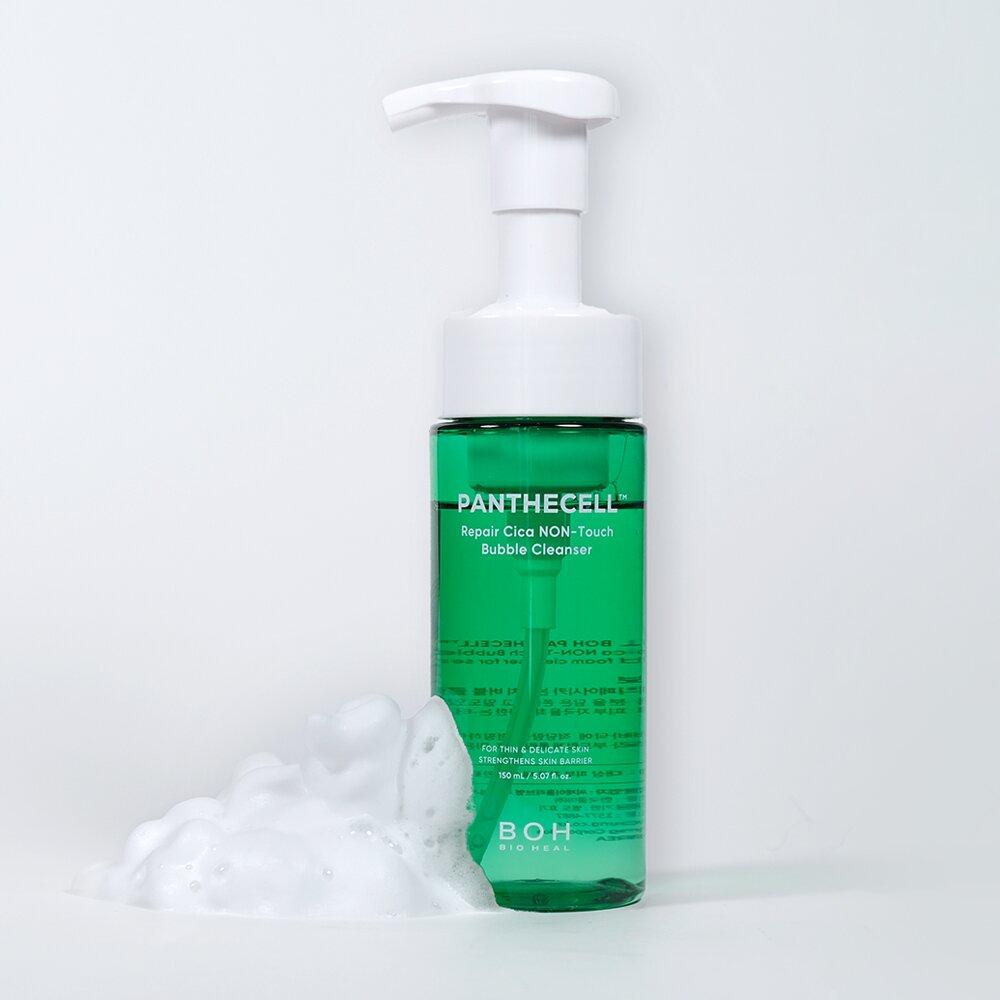
Panthecell Repair Cica NON-Touch Bubble Cleanser
Bioheal BOH
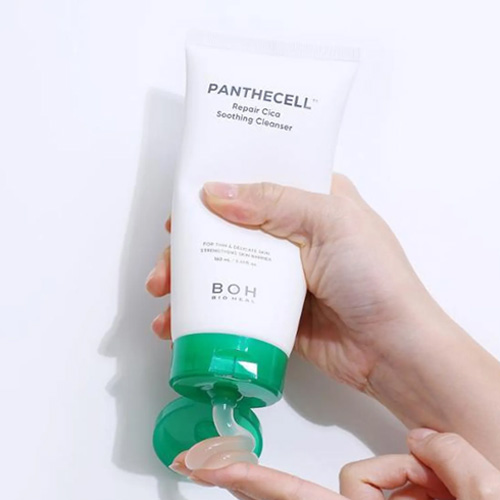
Panthecell Repair Cica Soothing Cleanser Double Pack
Bioheal BOH
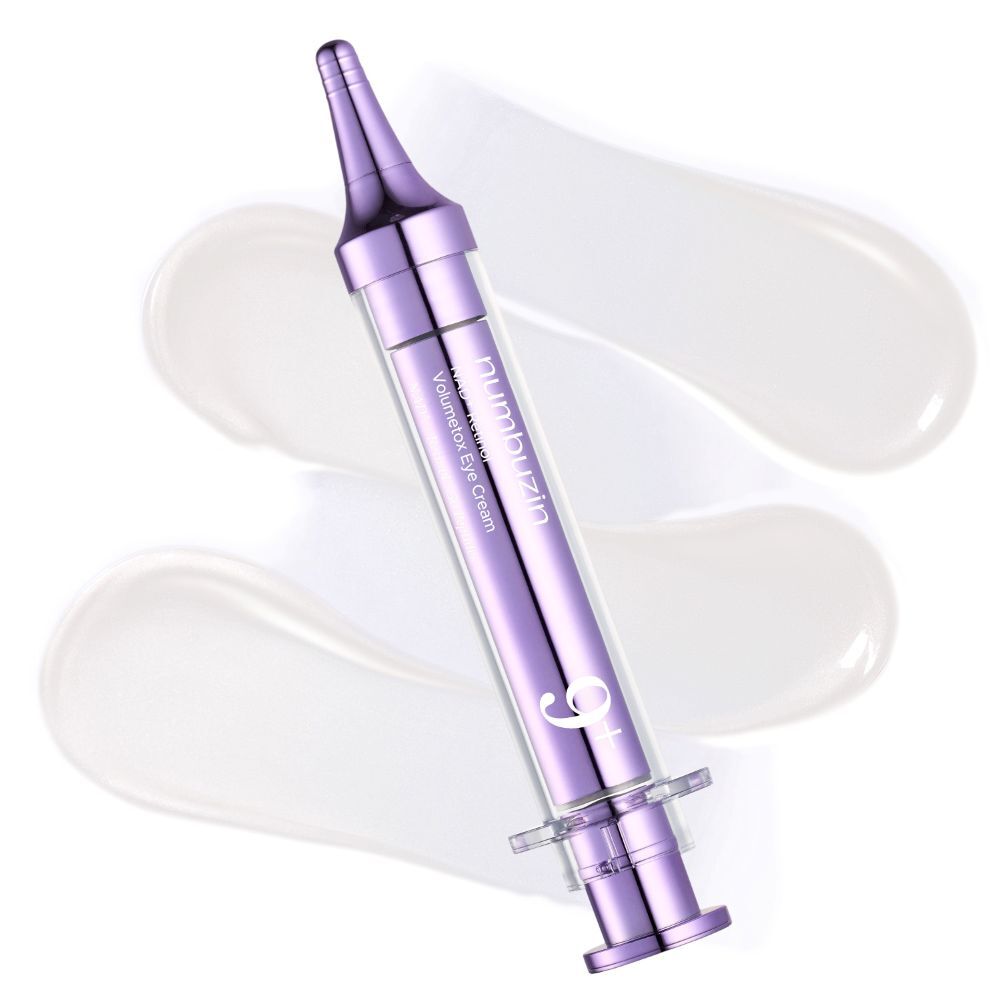
No. 9 NAD RetinA Volume Shot Eye Cream
Numbuzin
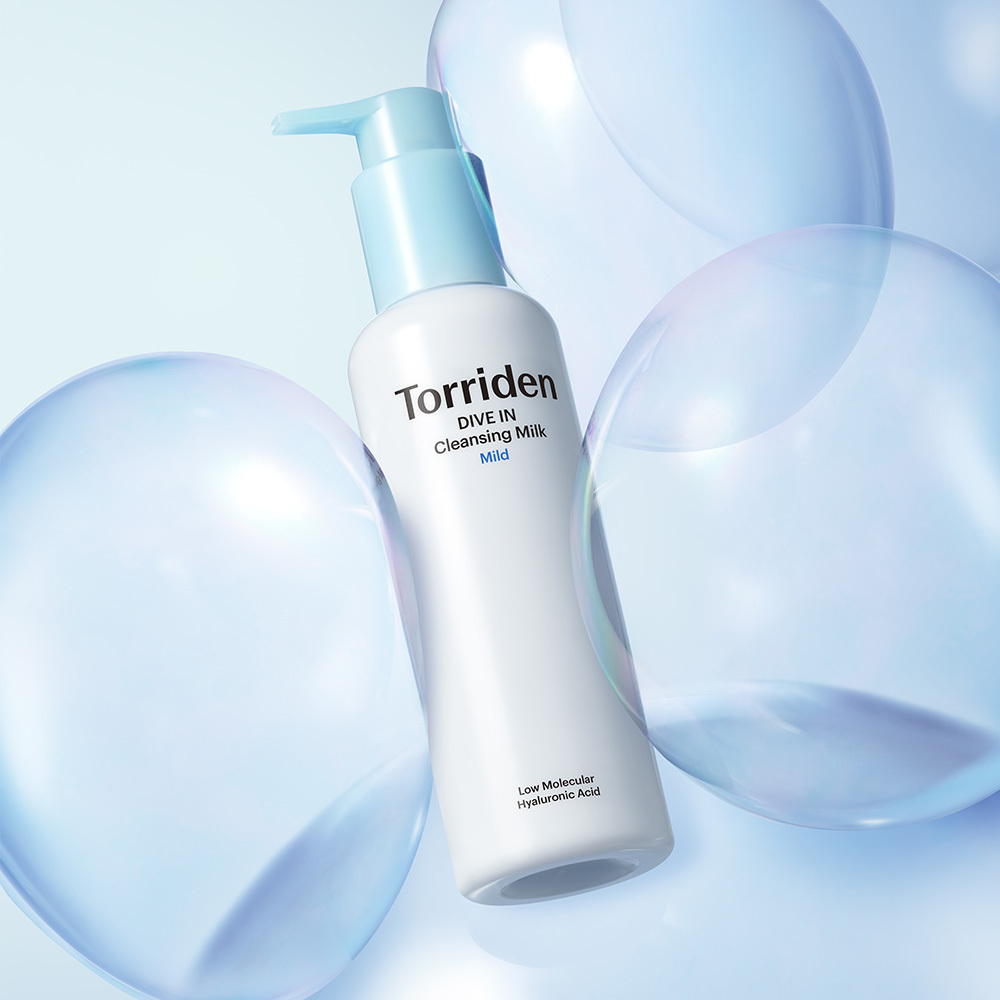
Dive In Cleansing Milk
Torriden
Frequently Asked Questions
How long does nonapeptide-1 take to show brightening results?▼
Can I use nonapeptide-1 with vitamin C or retinol?▼
Is nonapeptide-1 safe during pregnancy?▼
Why is nonapeptide-1 better than hydroquinone for dark spots?▼
Does nonapeptide-1 work on all types of hyperpigmentation?▼
Explore More
Want personalized ingredient advice?
Yuri, our AI beauty advisor, can tell you how Nonapeptide-1 works with your specific skin type, routine, and concerns.
Ask Yuri, free