Basil Essential Oil
INCI: Ocimum Basilicum (Basil) Oil
Aromatic, antimicrobial, and soothing agent
About Basil Essential Oil
Basil essential oil, derived from the sweet basil plant (Ocimum basilicum), brings more to K-beauty formulas than just its fresh, herbaceous scent. This aromatic oil contains active compounds like linalool, eugenol, and methyl chavicol that offer antimicrobial and soothing properties, making it a functional fragrance ingredient rather than purely cosmetic filler. In Korean skincare, basil oil appears most often in cleansers and clarifying products targeting congested or acne-prone skin, where its antimicrobial action helps control surface bacteria while its natural aroma provides a spa-like sensory experience. With a safety rating of 3 out of 5, basil oil requires thoughtful formulation. It can irritate sensitive skin when used in high concentrations or without proper dilution, which is why quality K-beauty brands like Beplain and Makeprem use it strategically in rinse-off products or combine it with soothing co-ingredients. Its comedogenic rating of 2 means it sits in the low-moderate range for pore-clogging potential, though this rarely poses issues in well-formulated cleansers that don't remain on skin. The key appeal of basil oil in K-beauty lies in its dual function: it adds a natural, recognizable scent that signals freshness and cleanliness while contributing genuine skin benefits through its antimicrobial profile.
How Basil Essential Oil Works
Basil essential oil works through several active volatile compounds that interact with skin at the cellular level. Linalool and eugenol, two primary constituents, disrupt bacterial cell membranes, which explains the oil's antimicrobial effectiveness against common skin bacteria including Propionibacterium acnes (now called Cutibacterium acnes), the strain associated with breakouts. These compounds also modulate inflammatory pathways by inhibiting cyclooxygenase enzymes (COX-1 and COX-2), similar to how anti-inflammatory drugs work but through a gentler, topical mechanism. This makes basil oil particularly useful in formulas designed to calm irritated or congested skin. The oil's aromatic molecules also provide a sensory dimension that goes beyond cosmetic chemistry. When you smell basil during your cleansing routine, those volatile compounds can trigger a parasympathetic nervous system response, promoting relaxation and making your skincare ritual feel more therapeutic. However, these same volatile compounds can be irritating to compromised skin barriers, which is why proper dilution and pairing with barrier-supporting ingredients matters in quality formulations.
Basil Essential Oil by Skin Type
Oily Skin
Basil oil can be beneficial for oily skin types due to its antimicrobial properties that help control excess bacteria on congested skin. Its appearance in top-rated clarifying cleansers like Beplain's Pore Deep Clean Bubble Cleanser (5.0/5 rating) supports its effectiveness for managing shine and preventing breakouts. Just ensure it's in a rinse-off formula rather than a leave-on product to minimize any potential for irritation or pore congestion.
Dry Skin
Dry skin types should approach basil essential oil with caution, as its volatile compounds can be sensitizing when the skin barrier is already compromised. If you have dry skin and want to use a product containing basil oil, look for cleansers or masks where the ingredient is present in small amounts and quickly rinsed off, rather than serums or moisturizers that remain on skin. Products like Makeprem's all-in-one formula (5.0/5 rating) that include soothing co-ingredients can help buffer any drying effects.
Combo Skin
Combination skin can typically handle basil oil well, especially in the oily T-zone where its antimicrobial benefits shine. The key is using it in balanced formulations that address both oily and dry areas without tipping either into irritation. Korean brands excel at this approach, which is why products like Beplain's Vegan Clarifying Foam Cleanser (5.0/5) work across different skin needs by combining basil oil with hydrating and soothing agents.
Sensitive Skin
Sensitive skin types need to be selective with basil essential oil products. With a safety rating of 3 out of 5, this ingredient can trigger reactions in reactive skin, particularly when used in high concentrations or alongside other potent actives. If you have sensitive skin, patch test first and stick to products where basil oil appears lower on the ingredient list or in rinse-off formats that limit skin contact time.
Normal Skin
Normal skin can enjoy basil oil's full benefits without much concern. The antimicrobial and soothing properties help maintain skin balance, while the fresh scent enhances your skincare experience. Products like Melixir's Daily Skin Tint Sunscreen SPF50+ (5.0/5) show that basil oil can work even in leave-on formulas when properly formulated for balanced, resilient skin.
How to Use Basil Essential Oil
- 1Choose rinse-off products like cleansers or masks if you're new to basil oil or have any skin sensitivity, this limits exposure time while still delivering benefits.
- 2Pair basil oil products with barrier-supporting ingredients like ceramides or centella if you notice any tightness or irritation after use.
- 3Use basil oil-containing products in your morning routine when its fresh, herbaceous scent can feel energizing and set a positive tone for the day.
- 4If you're using other active ingredients like retinoids or acids, monitor your skin's response when adding basil oil products, as the combination may increase sensitivity in some people.
Background
Basil has been revered for thousands of years across multiple cultures. In traditional Ayurvedic medicine, holy basil (a close relative of sweet basil) was considered sacred and used topically for its purifying and healing properties. Ancient Greeks and Romans associated basil with royalty and used it in medicinal preparations for various ailments. The essential oil extraction process became refined during the Renaissance, when distillation techniques advanced across Europe and the Middle East. Korean beauty brands began incorporating basil oil more prominently in the 2010s as the K-beauty movement embraced natural, multifunctional ingredients that offered both efficacy and sensory appeal. Unlike Western beauty's tendency to use basil purely for fragrance, K-beauty formulators recognized its antimicrobial potential and strategically placed it in products targeting specific skin concerns like excess oil and congestion, elevating it from simple perfume to functional skincare ingredient.
K-Beauty Products with Basil Essential Oil
View all 25 →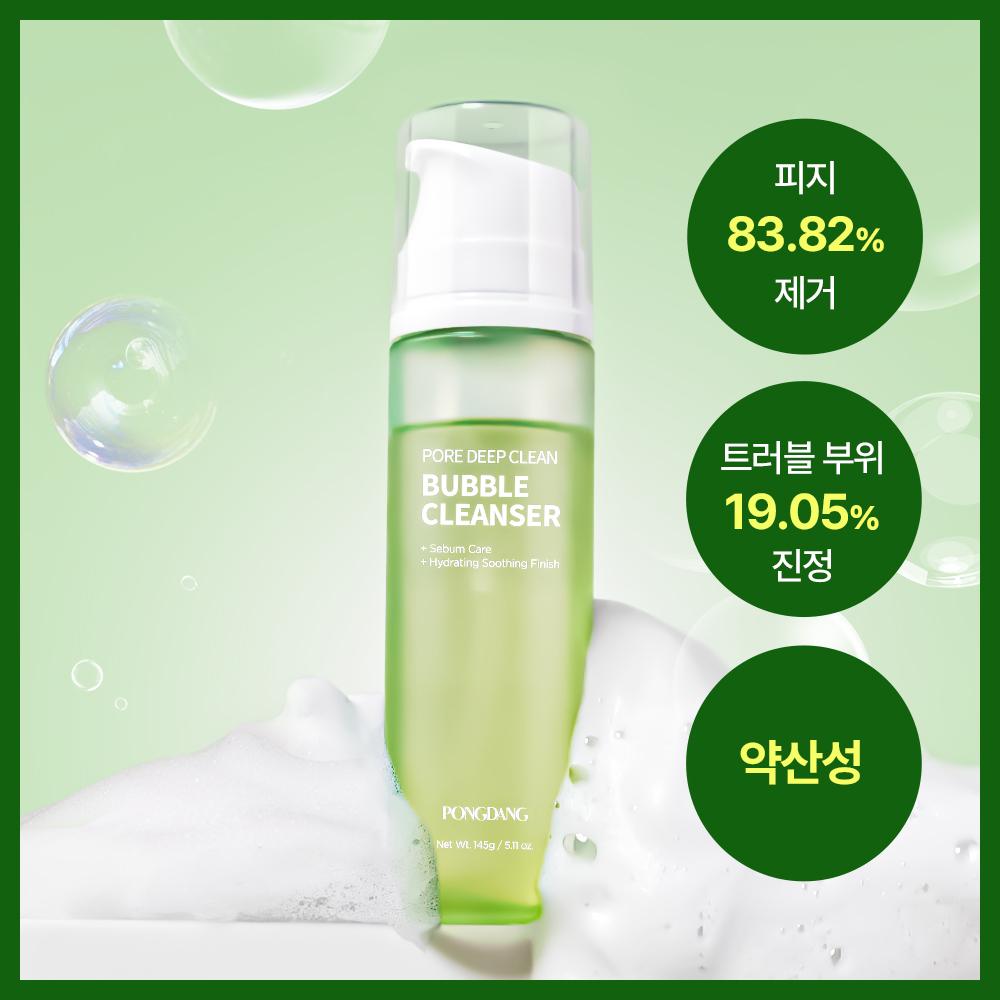
Pore Deep Clean Bubble Cleanser
Beplain
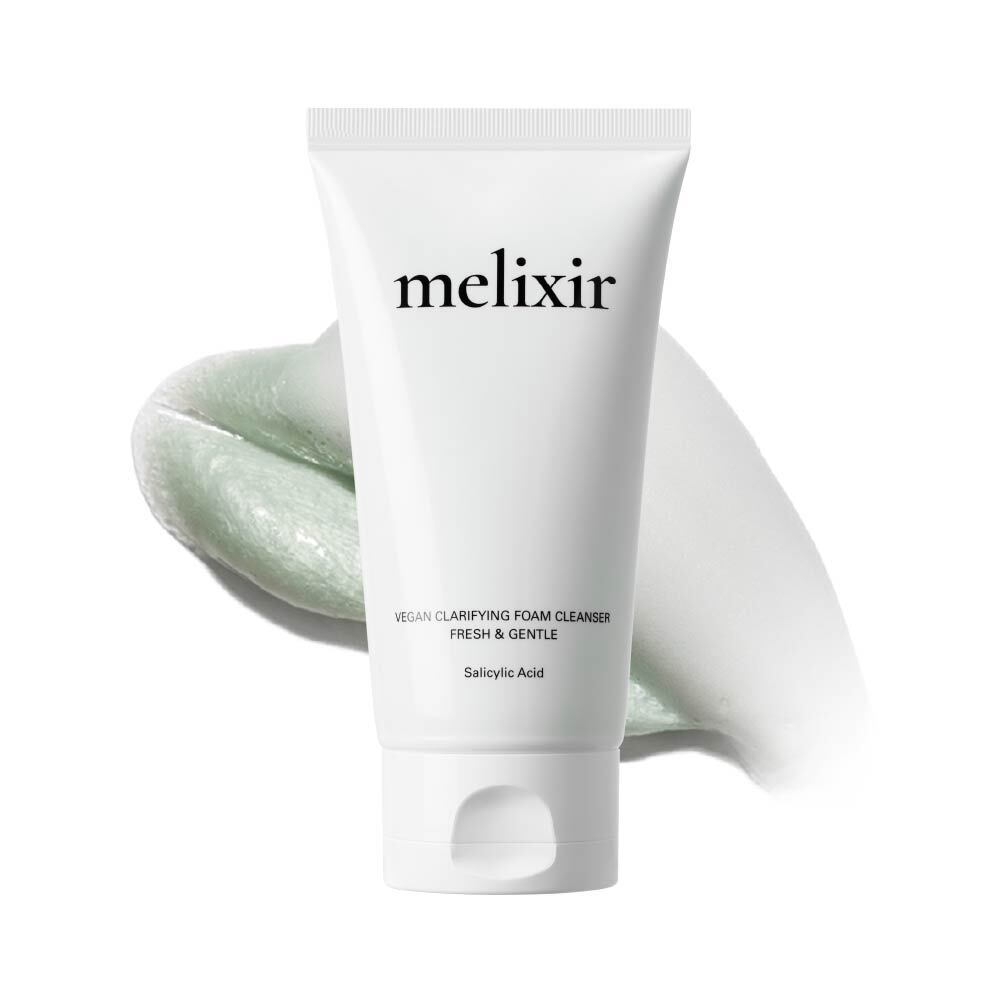
Vegan Clarifying Foam Cleanser
Beplain
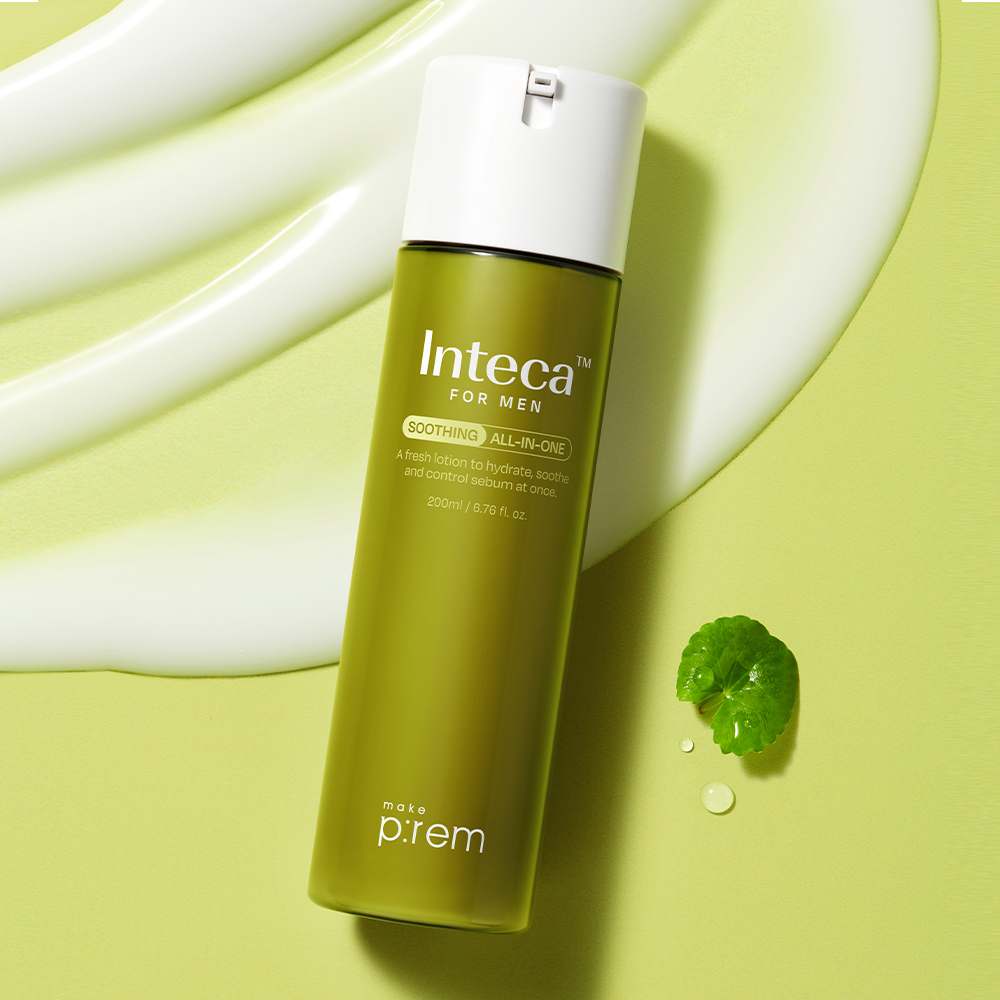
Inteca For Men Soothing All-In-One
Makeprem
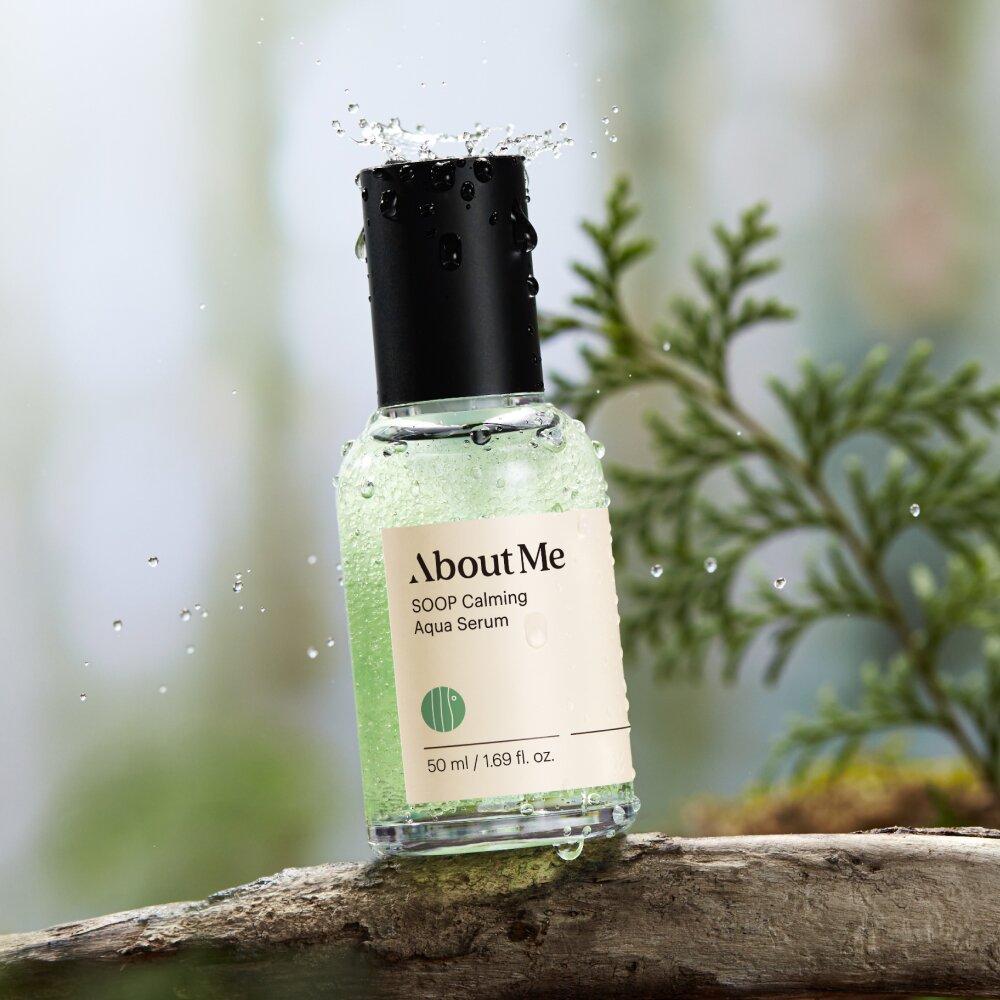
Soop Calming Aqua Serum
Anua
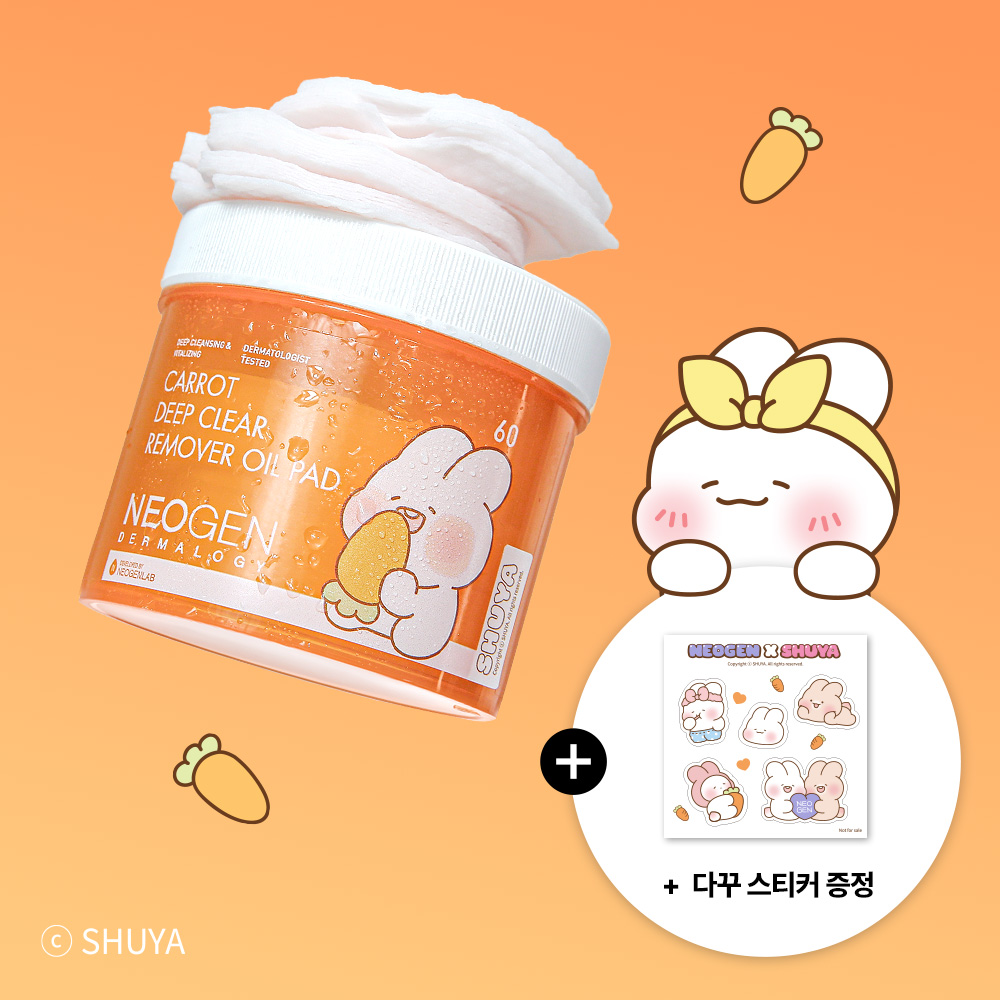
Dermalogy Carrot Deep Clear Remover Oil Pad
Neogen
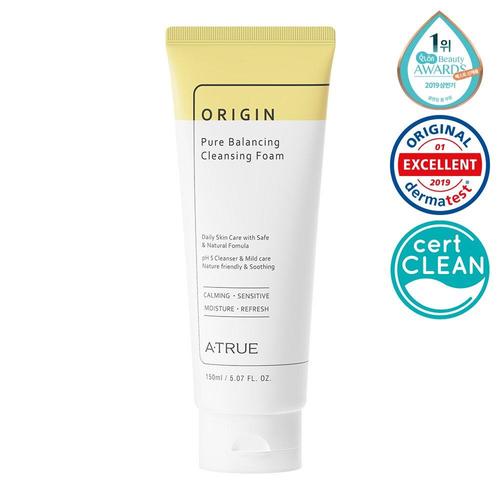
Origin Pure Balancing Cleansing Foam
Beplain
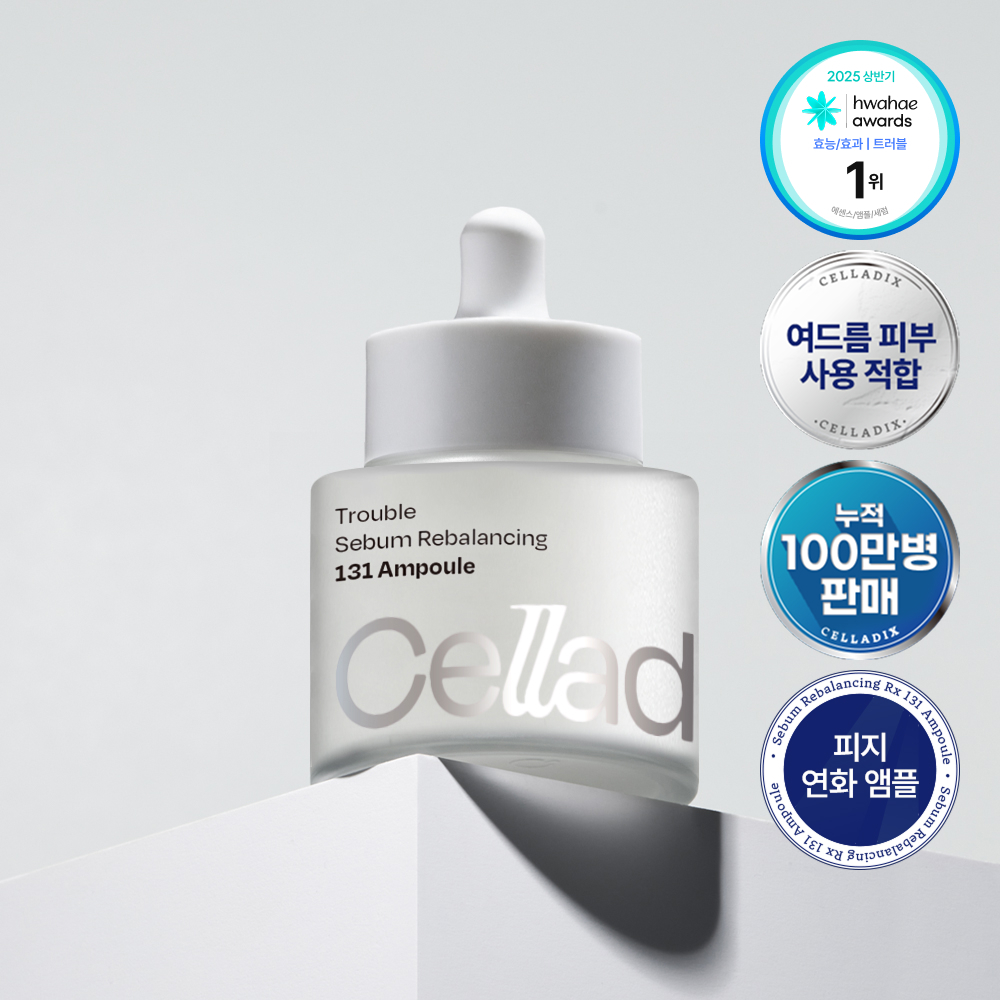
Sebum Rebalancing RX 131 Ampoule
Celladix
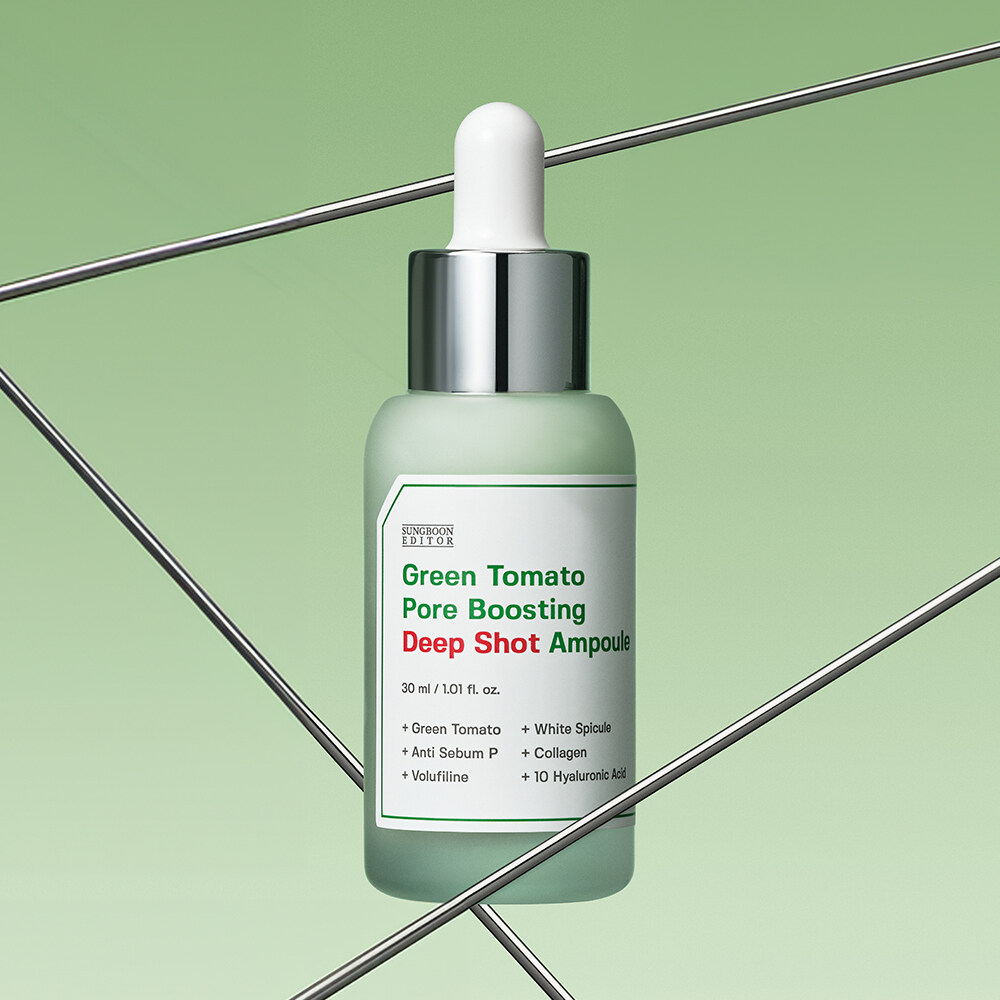
Green Tomato Pore Boosting Deep Shot Ampoule
Sungboon Editor
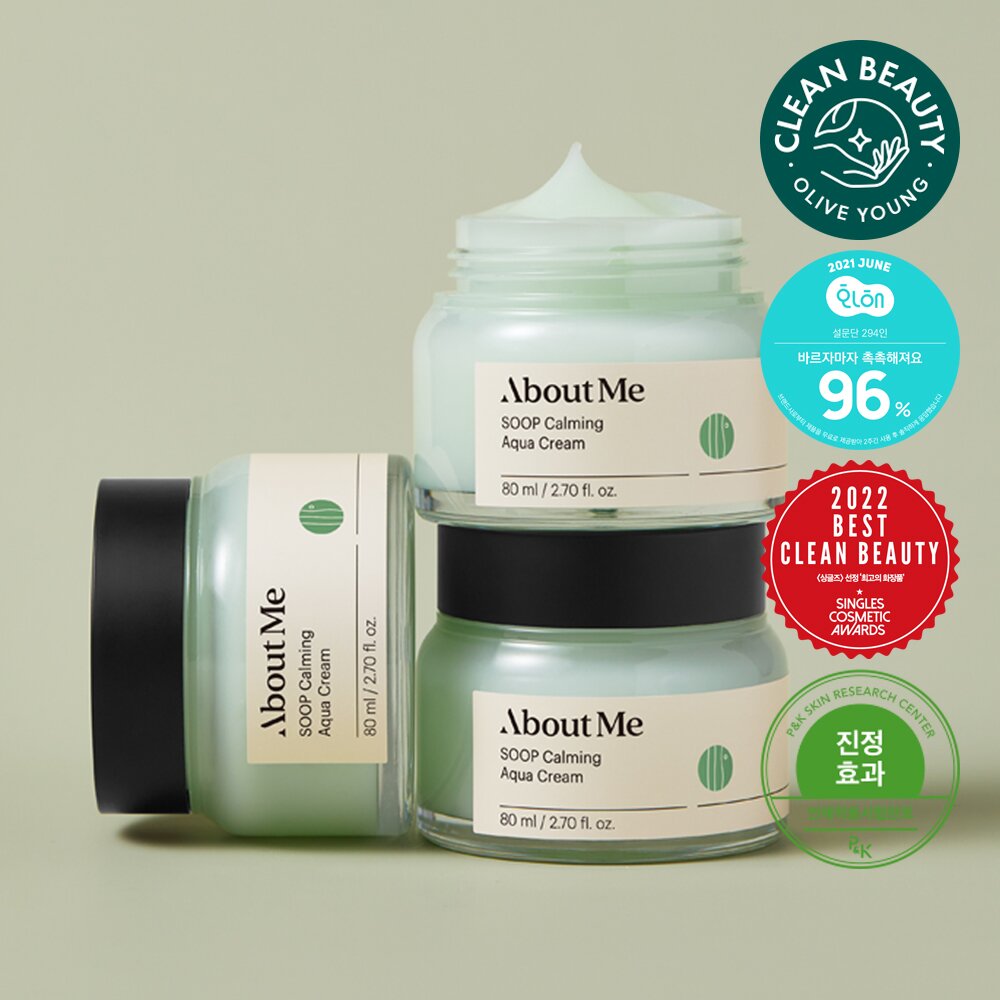
Soop Calming Aqua Cream
Aestura
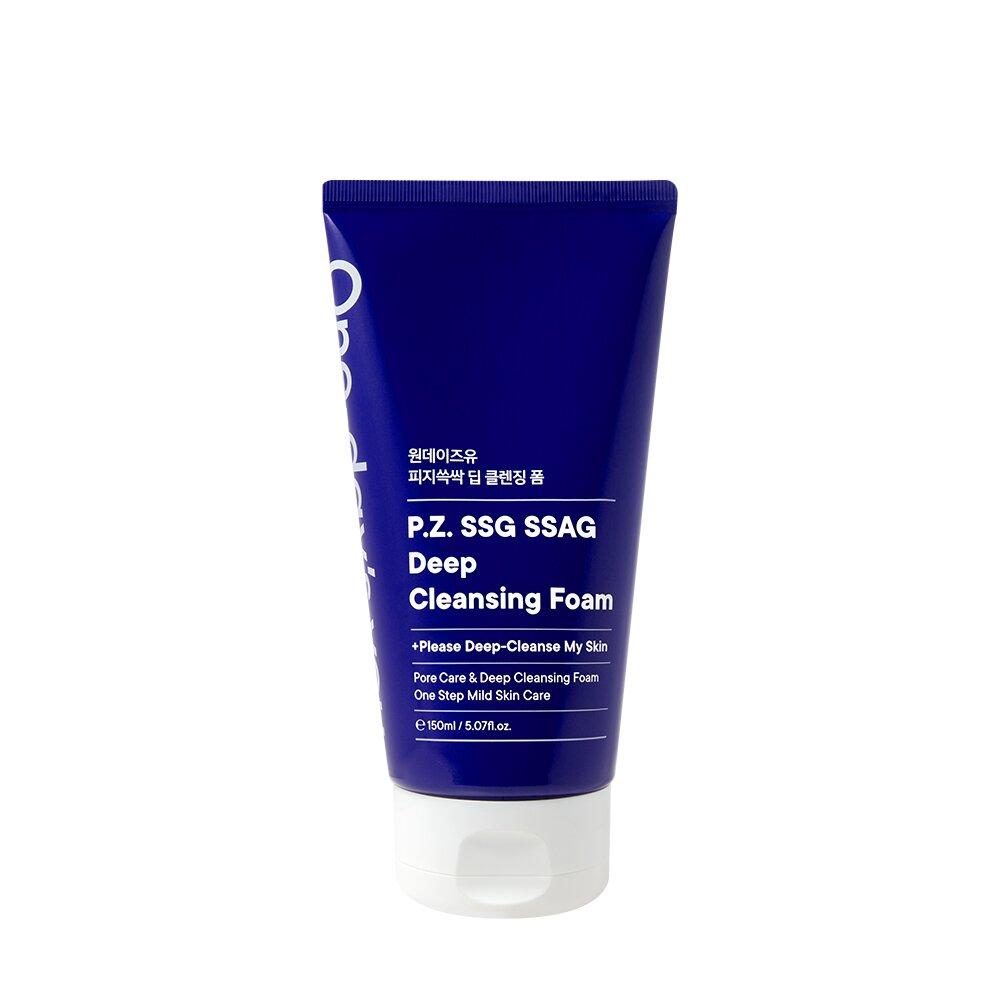
P.Z. SSG SSAG Deep Cleansing Foam
Beplain
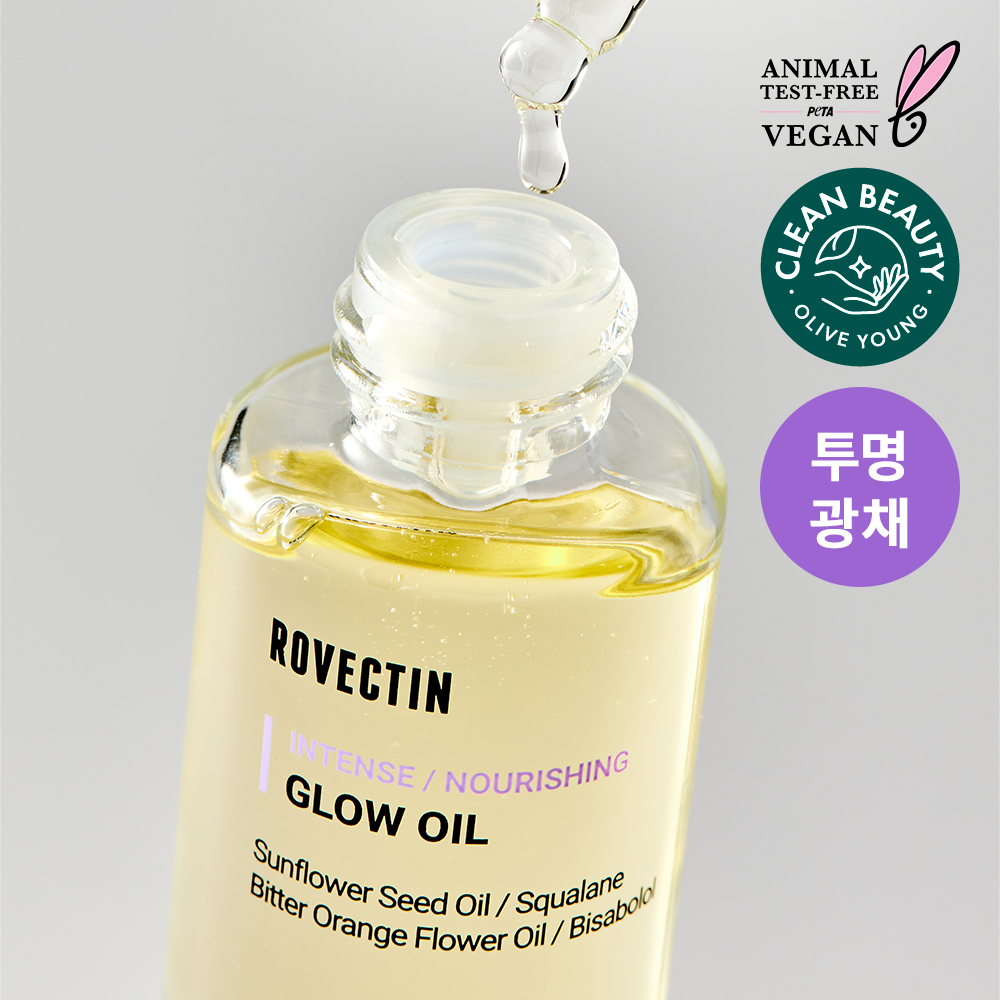
Intense Glow Oil
Rovectin
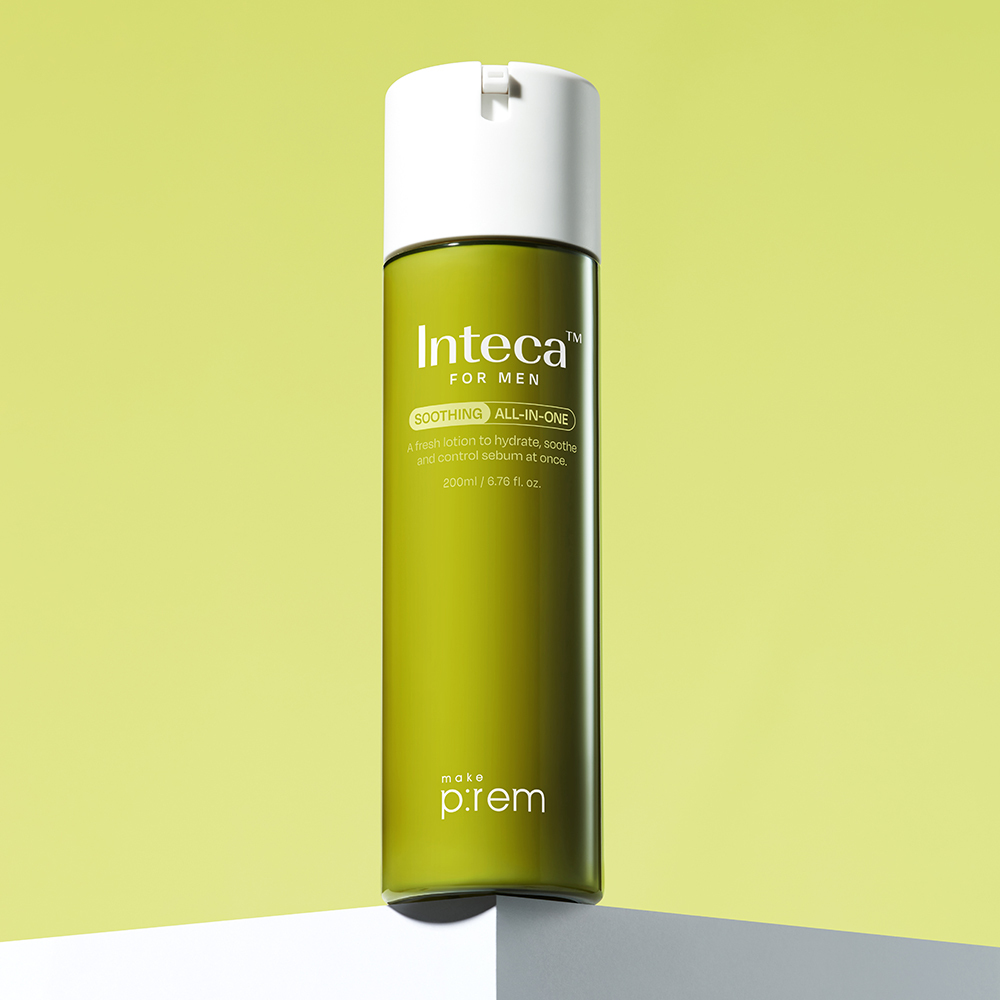
Inteca For Men Soothing All-In-One Set
Makeprem
Frequently Asked Questions
Is basil essential oil safe for acne-prone skin?▼
Why do some people react badly to basil oil in skincare?▼
Can I use basil oil products every day?▼
What's the difference between basil oil in K-beauty versus Western products?▼
Explore More
Want personalized ingredient advice?
Yuri, our AI beauty advisor, can tell you how Basil Essential Oil works with your specific skin type, routine, and concerns.
Ask Yuri, free