Evening Primrose Oil
INCI: Oenothera Biennis (Evening Primrose) Oil
Emollient rich in omega-6 fatty acids
About Evening Primrose Oil
Evening Primrose Oil is a botanical powerhouse extracted from the seeds of Oenothera biennis, a wildflower native to North America. What makes this oil particularly valuable in K-beauty formulations is its exceptionally high concentration of gamma-linolenic acid (GLA), a rare omega-6 fatty acid that comprises 8-10% of its composition. Most plant oils contain little to no GLA, making evening primrose oil a standout ingredient for addressing inflammation and supporting skin barrier repair. In Korean skincare, it appears across 66 products ranging from cleansing oils to rich night creams, prized for its ability to deliver deep nourishment without the heavy, greasy feel associated with some botanical oils. The oil's pale golden color and mild, nutty scent make it easy to incorporate into elegant formulations. With a comedogenic rating of 2/5, it occupies a middle ground where it provides substantial moisturization while remaining suitable for most skin types when properly formulated. Korean brands particularly favor evening primrose oil in products designed to calm reactive skin, strengthen compromised barriers, and address the inflammation that underlies many common skin concerns from breakouts to sensitivity.
How Evening Primrose Oil Works
Evening primrose oil works through multiple complementary mechanisms centered on its unique fatty acid profile. The star player is gamma-linolenic acid (GLA), which your skin converts into dihomo-gamma-linolenic acid (DGLA), a precursor to anti-inflammatory prostaglandins. These signaling molecules help regulate the inflammatory cascade, reducing redness, irritation, and the overactive immune responses that characterize conditions like eczema and rosacea. The oil's other omega-6 fatty acid, linoleic acid (which makes up about 70% of its composition), integrates directly into skin cell membranes, improving barrier function and reducing transepidermal water loss. This is particularly important because many people with oily or acne-prone skin are actually deficient in linoleic acid, leading to thicker, stickier sebum that clogs pores. By normalizing lipid composition, evening primrose oil can paradoxically help oily skin behave less oily over time. The oil also contains vitamin E and polyphenols that provide antioxidant protection, scavenging free radicals that would otherwise damage lipids and proteins in the skin matrix.
Evening Primrose Oil by Skin Type
Oily Skin
Evening primrose oil can be surprisingly beneficial for oily skin due to its high linoleic acid content. Research shows that sebum in acne-prone skin tends to be low in linoleic acid and high in oleic acid, creating a thick, pore-clogging consistency. Topical application of linoleic-acid-rich oils like evening primrose can help rebalance this ratio, making sebum more fluid and less likely to cause congestion. Look for it in lightweight cleansing oils rather than heavy creams.
Dry Skin
This is where evening primrose oil truly shines. Its rich emollient properties create an occlusive layer that prevents moisture loss while its omega-6 fatty acids actively repair compromised barrier function. Dry skin often has a damaged lipid barrier that allows water to escape, and evening primrose oil helps rebuild the mortar between skin cells. Products like the EXO-V Prolifting Cream with evening primrose oil are particularly effective for delivering this deep, restorative hydration.
Combo Skin
Combination skin benefits from evening primrose oil's balancing properties. It provides enough nourishment for dry zones without overwhelming oily areas, especially when formulated into cleansing oils like Round Lab's 1025 Dokdo Cleansing Oil (rated 4.9/5). The key is application method—using it in first-step cleansers allows you to get the barrier-supporting benefits without leaving heavy residue in T-zone areas.
Sensitive Skin
Evening primrose oil's anti-inflammatory GLA content makes it particularly valuable for sensitive skin prone to redness and reactivity. The oil helps modulate immune responses that cause irritation and strengthens the barrier to reduce vulnerability to external triggers. Products like Medicube's Spa Relief Frozen Pore Mask (5.0/5) leverage these calming properties. However, be aware that some individuals may have sensitivities to botanical extracts, so patch testing is wise.
Normal Skin
Normal skin can use evening primrose oil as a maintenance ingredient to preserve barrier health and prevent future imbalances. It provides antioxidant protection against environmental stressors and keeps skin supple without creating problems. Cleansing oils like VIDIVICI's Clear Deep Cleansing Oil (5.0/5) and Skinfood's Black Sugar Perfect Cleansing Oil (4.9/5) offer an easy way to incorporate this ingredient into your routine without adding extra steps.
How to Use Evening Primrose Oil
- 1Evening primrose oil works best when applied to damp skin, which helps it spread more easily and traps additional water beneath its occlusive layer.
- 2If using a pure evening primrose oil or oil-heavy product, apply it as one of your final skincare steps to seal in water-based serums and essences underneath.
- 3Store products containing evening primrose oil away from light and heat, as the high concentration of polyunsaturated fatty acids makes it prone to oxidation, which reduces effectiveness and can cause irritation.
- 4For acne-prone skin, start by using evening primrose oil only in cleansing products that get rinsed off, then gradually introduce leave-on products if your skin responds well.
- 5Consider pairing evening primrose oil with ceramides and cholesterol in your routine for maximum barrier repair, as this mimics your skin's natural lipid ratio.
Background
Evening primrose earned its name from its yellow flowers that bloom in the evening and wilt by the following noon. Native American tribes used the entire plant medicinally, consuming the roots as vegetables and applying poultices of seeds and leaves to bruises and wounds. The plant made its way to Europe in the 17th century, but it wasn't until the 1980s that scientists isolated and identified GLA as the key bioactive compound responsible for its therapeutic effects. This discovery sparked interest in using evening primrose oil for inflammatory skin conditions, and it became a popular supplement and topical ingredient in Western dermatology. Korean skincare formulators embraced evening primrose oil in the early 2000s as part of the broader trend toward incorporating traditional botanical ingredients supported by modern scientific research. Its ability to deliver results without irritation aligned perfectly with K-beauty's philosophy of gentle but effective skincare.
K-Beauty Products with Evening Primrose Oil
View all 77 →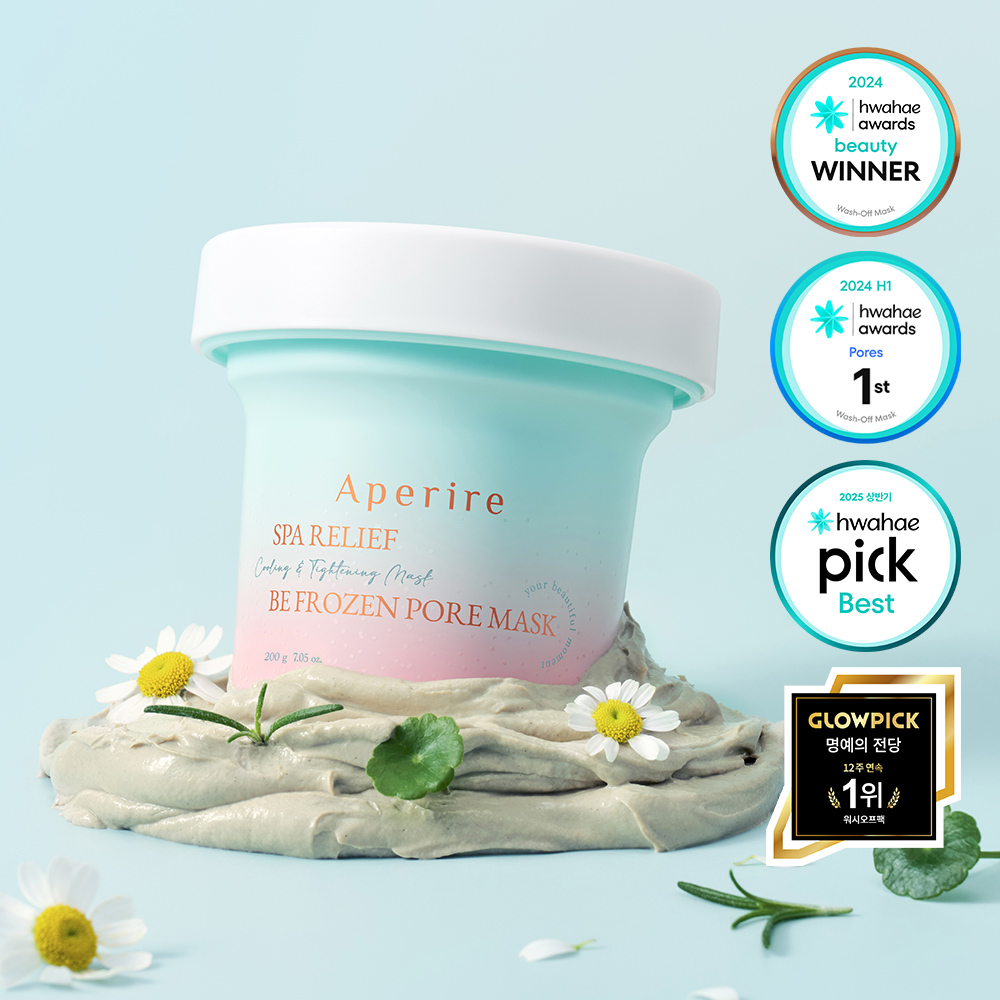
Spa Relief Frozen Pore Mask
Medicube
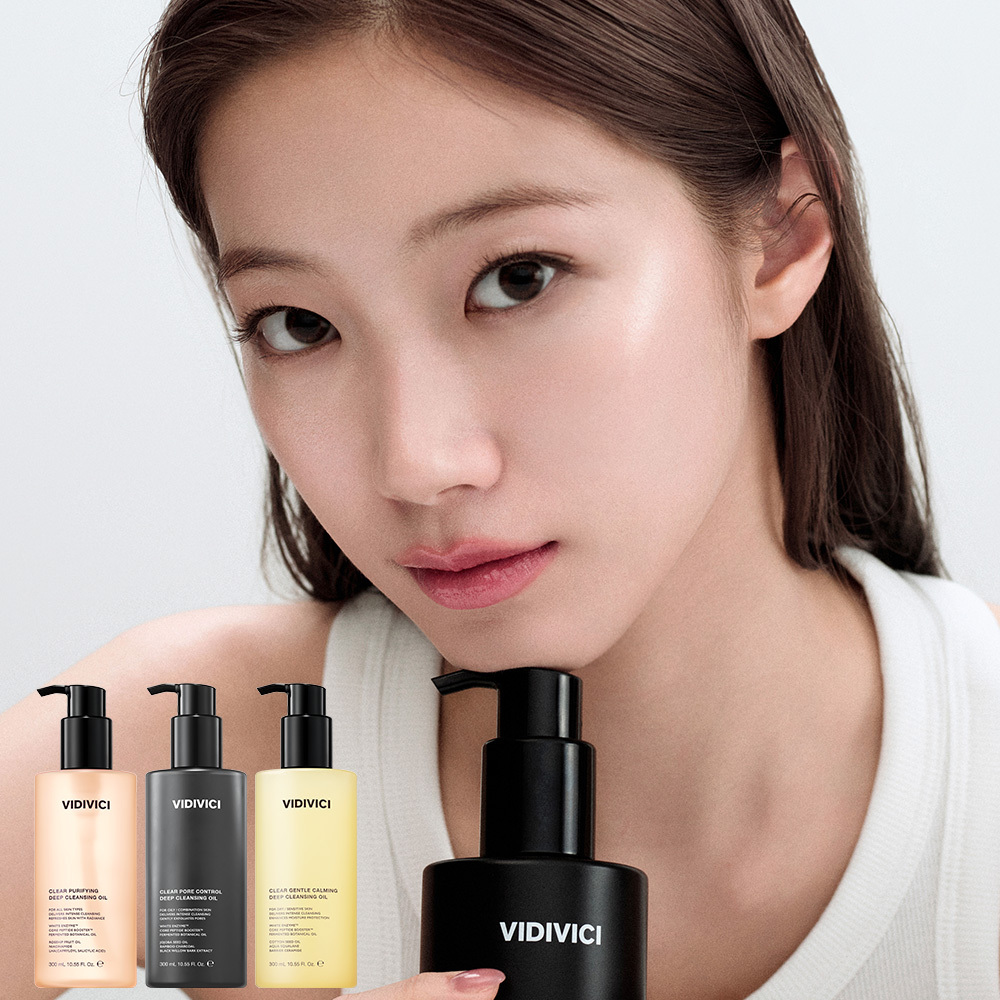
Clear Deep Cleansing Oil
VIDIVICI
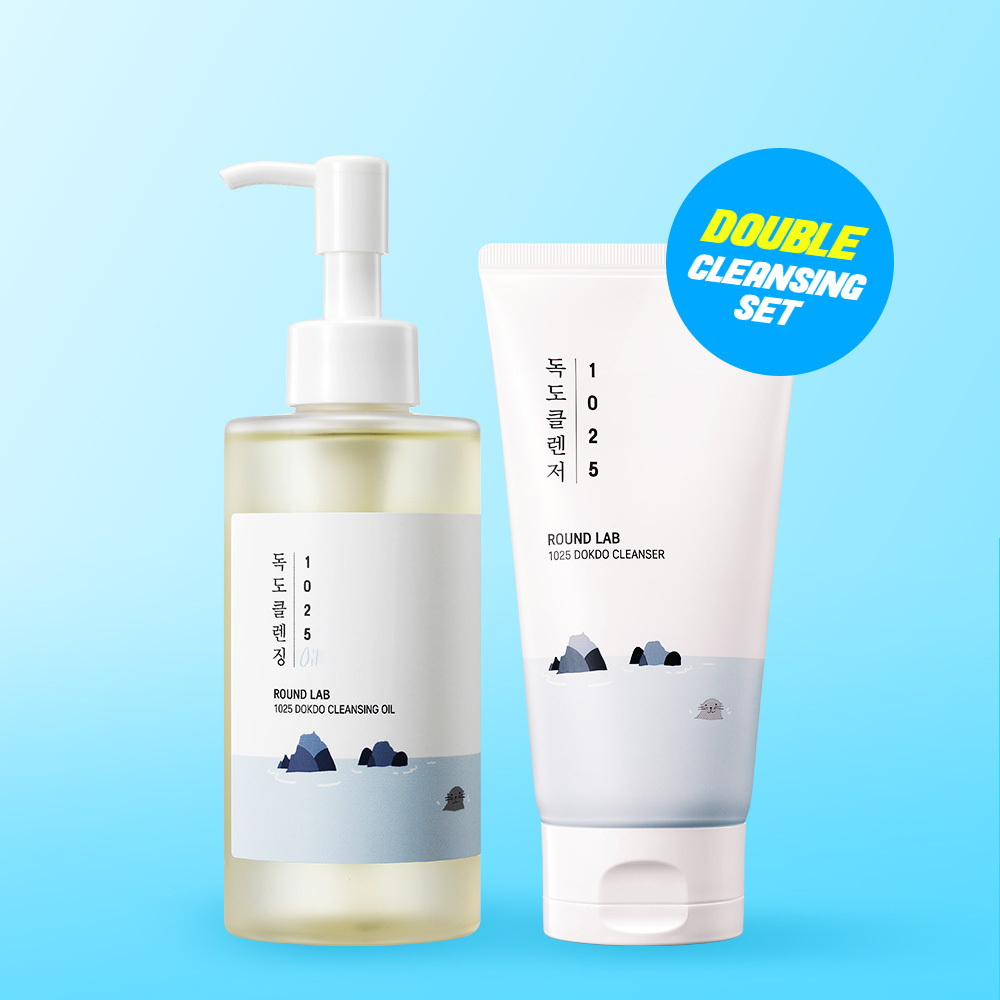
1025 Dokdo Cleansing Oil 200ml + Dokdo Cleanser 150ml Set
Round Lab
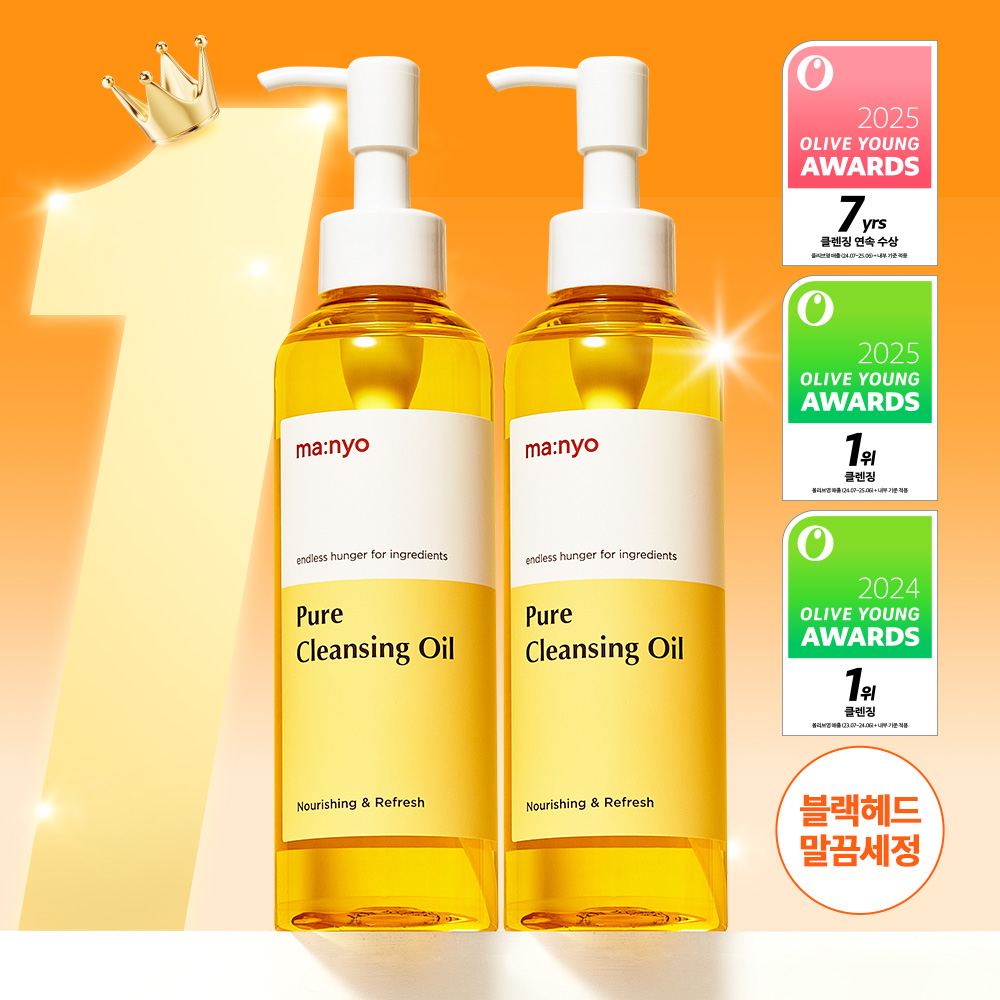
Pure Cleansing Oil Double Pack
ma:nyo
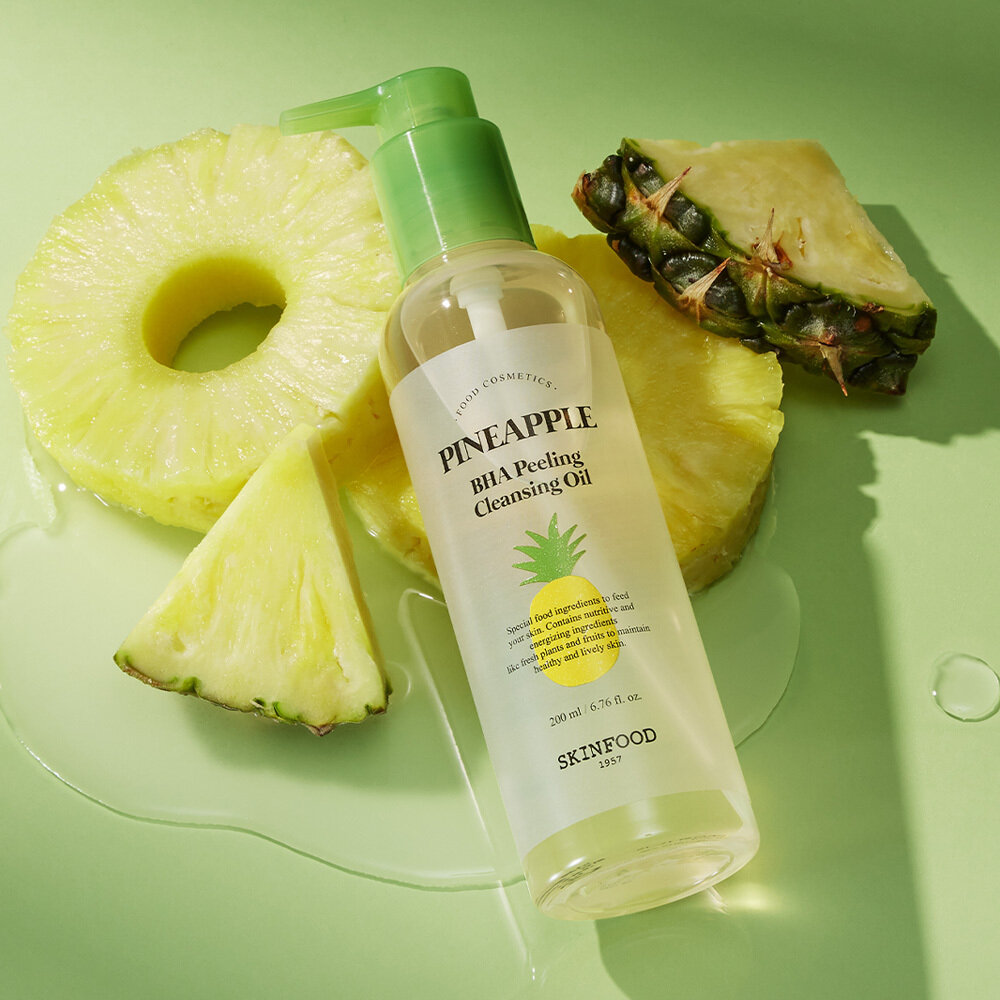
Pineapple BHA Peeling Cleansing Oil
Skinfood
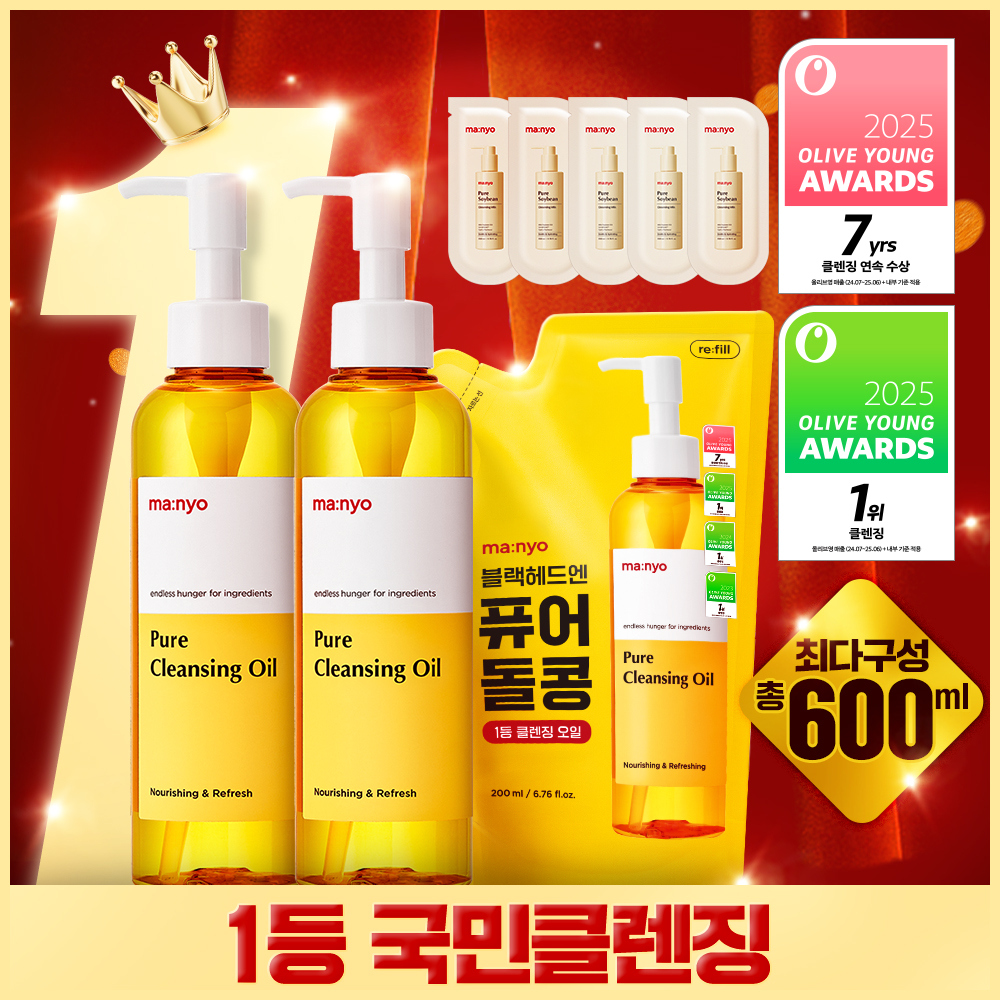
Pure Cleansing Oil
ma:nyo
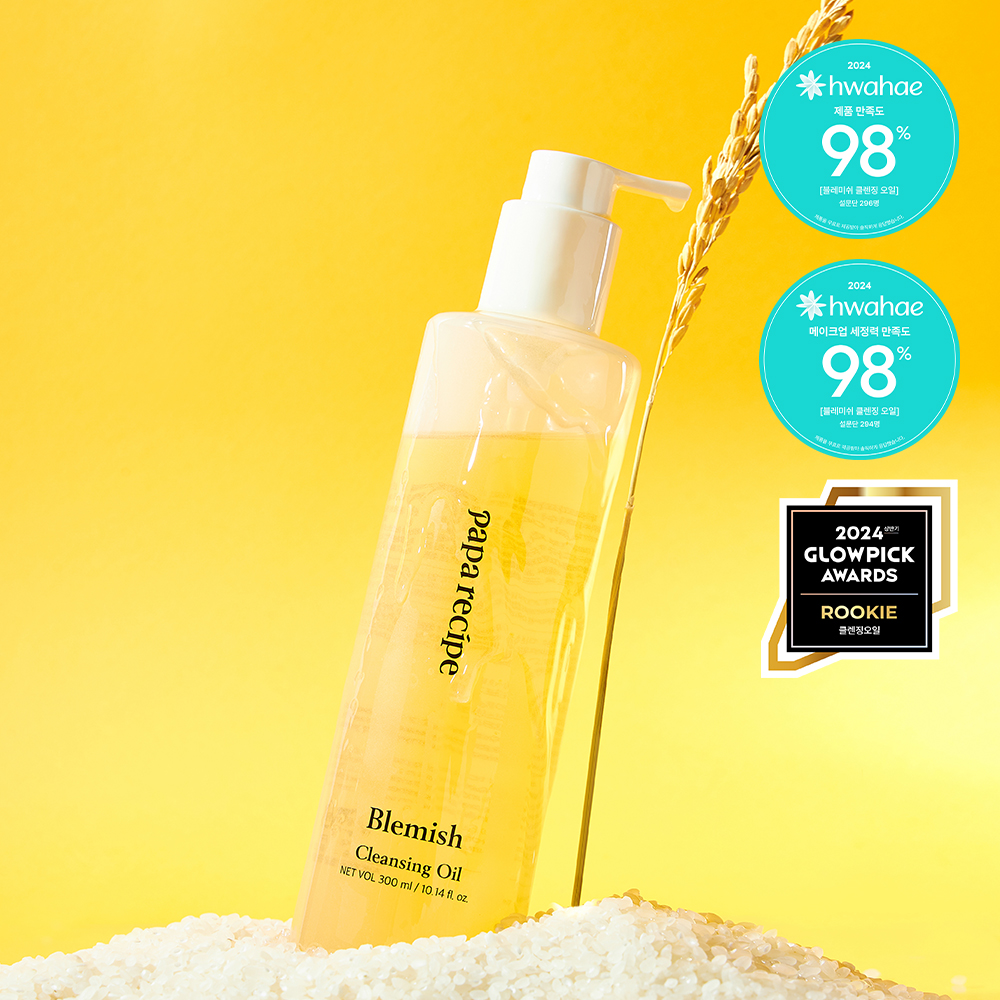
Blemish Cleansing Oil
Papa Recipe
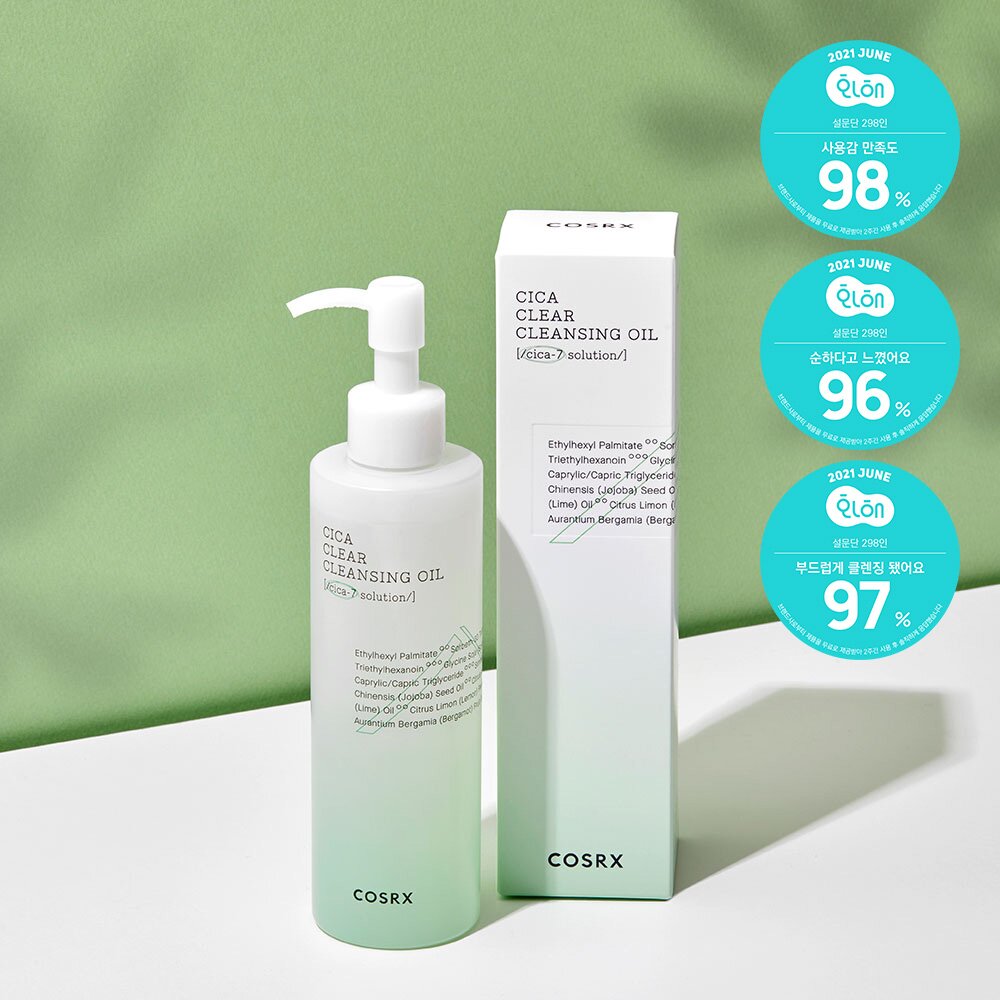
Pure Fit Cica Clear Cleansing Oil
COSRX
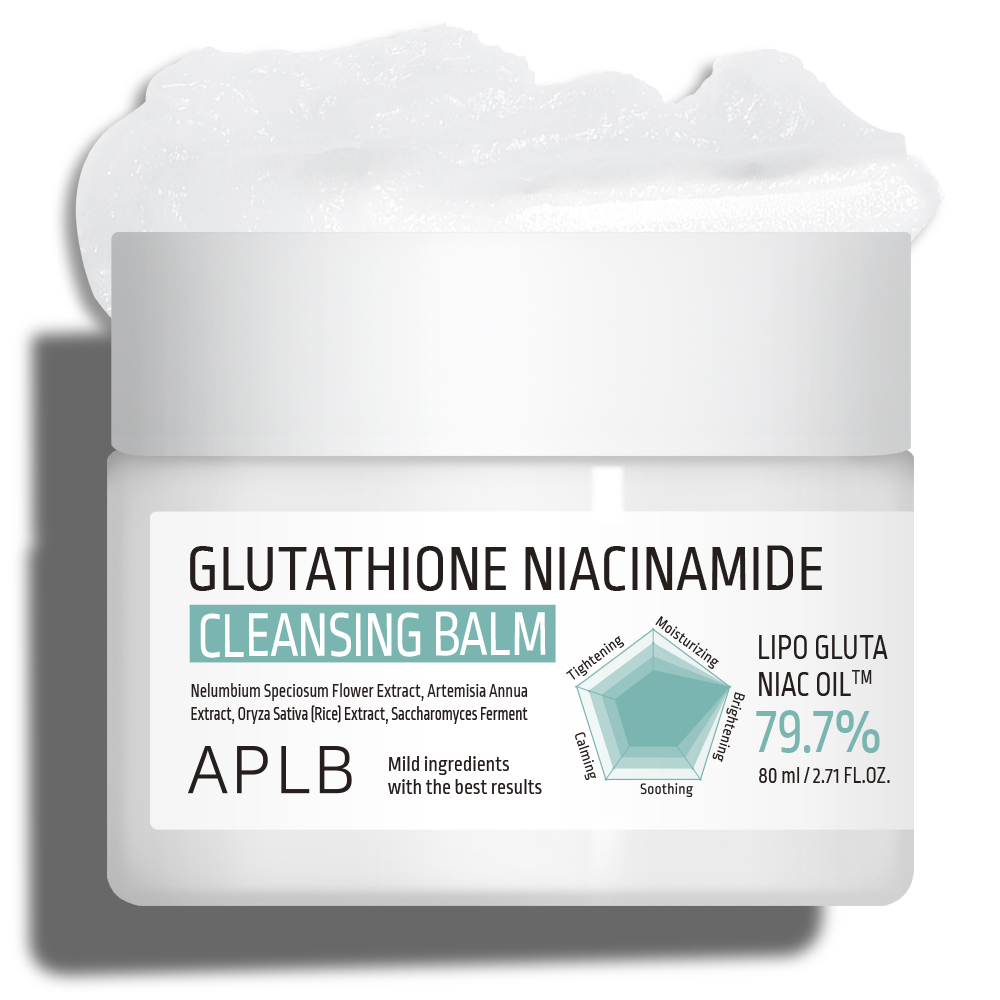
Glutathione Niacinamide Cleansing Balm
APLB
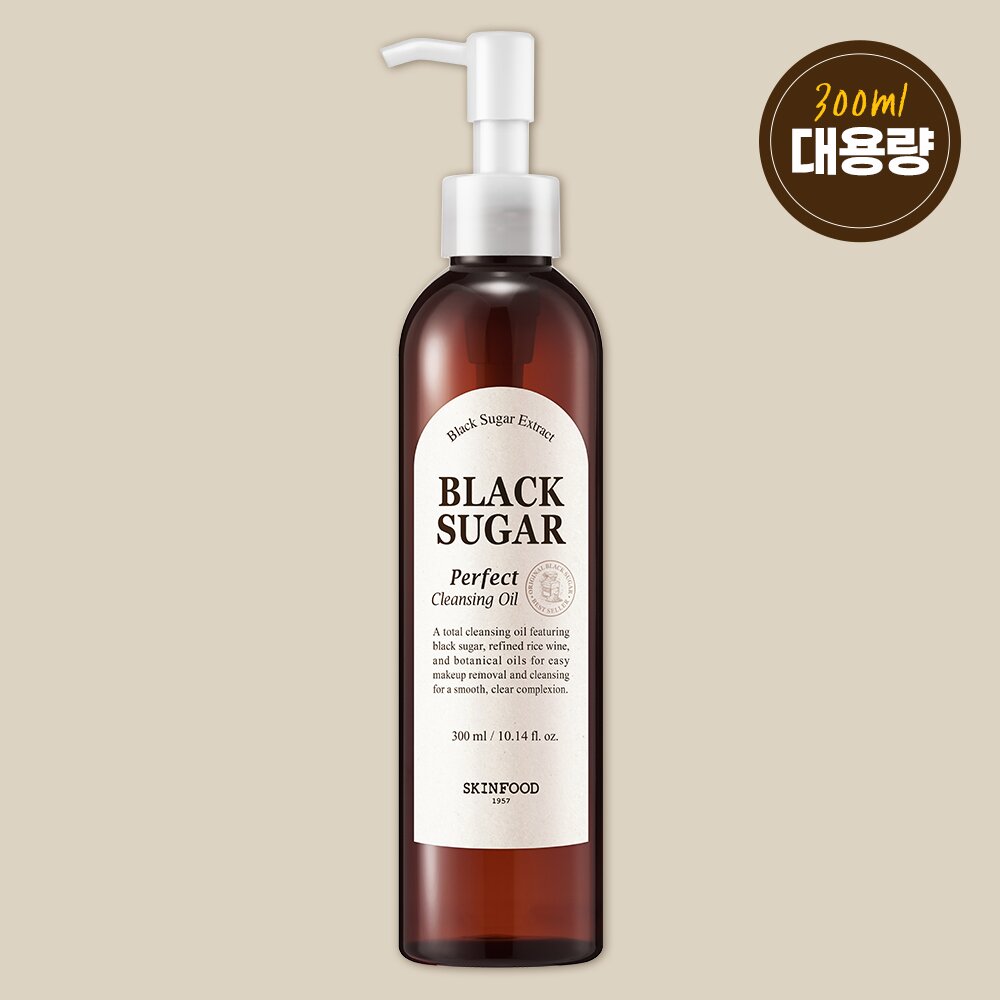
Black Sugar Perfect Cleansing Oil Large Size Special Set
Skinfood
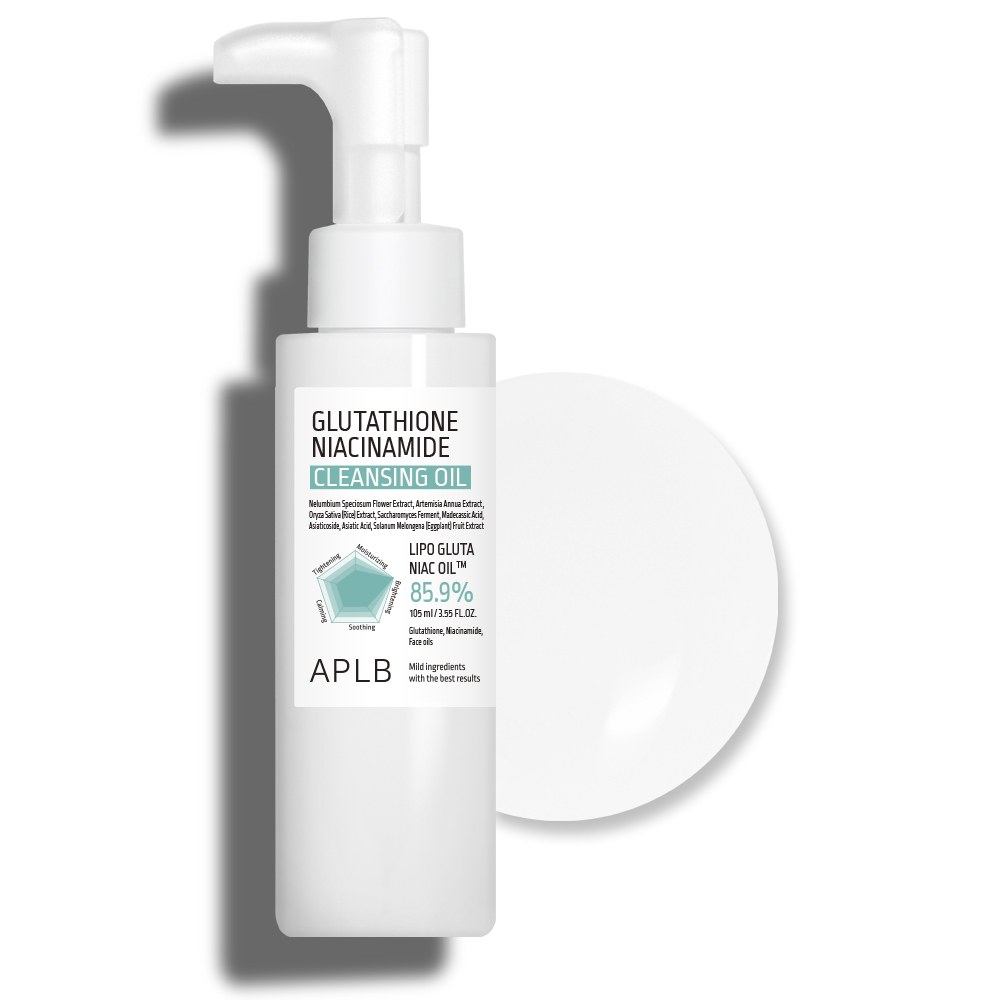
Glutathione Niacinamide Cleansing Oil
APLB

White Truffle Return Oil Cream Cleanser
d'Alba
Frequently Asked Questions
Will evening primrose oil break me out if I have acne-prone skin?▼
Can I use evening primrose oil if I'm pregnant or breastfeeding?▼
How long does it take to see results from using evening primrose oil?▼
Why do so many K-beauty cleansing oils contain evening primrose oil?▼
Is evening primrose oil better than other plant oils for sensitive skin?▼
Explore More
Want personalized ingredient advice?
Yuri, our AI beauty advisor, can tell you how Evening Primrose Oil works with your specific skin type, routine, and concerns.
Ask Yuri, free