Licorice Extract (Oil Soluble)
INCI: Oil Soluble Licorice(Glycyrrhiza) Extract
Skin brightener and anti-inflammatory agent
About Licorice Extract (Oil Soluble)
Oil-soluble licorice extract is a lipophilic derivative of the licorice root (Glycyrrhiza glabra or Glycyrrhiza uralensis) that has been specifically processed to dissolve in oils and penetrate deeper into the skin's lipid barrier. Unlike its water-soluble counterpart, this form is designed to work within oil-based formulas like balms, ampoules, and serums, delivering potent skin-brightening and anti-inflammatory benefits where they're needed most. The active compound glabridin, a flavonoid naturally present in licorice root, is the star player here. It inhibits tyrosinase, the enzyme responsible for melanin production, making it exceptionally effective at fading hyperpigmentation, dark spots, and post-acne marks. In K-beauty, oil-soluble licorice extract has become a staple in premium brightening formulas precisely because it can be incorporated into richer textures without compromising stability. You'll find it in high-performing products like Ariul's Green Vitamin C Toning Ampoule and Centellian24's Madeca Mela Capture line, where it works synergistically with other actives to even out skin tone. Beyond brightening, this ingredient brings serious anti-inflammatory action, calming redness and irritation while supporting the skin barrier. With a safety rating of 4/5 and moderate comedogenic rating of 2/5, it's generally well-tolerated across skin types, though those with very acne-prone skin should monitor their skin's response when using it in heavier formulations.
How Licorice Extract (Oil Soluble) Works
At the cellular level, oil-soluble licorice extract's primary mechanism involves the inhibition of tyrosinase activity through its active compound glabridin. Tyrosinase is the rate-limiting enzyme in melanogenesis (the process of melanin production), and by blocking it, glabridin prevents the conversion of L-tyrosine to melanin precursors. This happens without cytotoxic effects on melanocytes themselves, meaning the ingredient brightens skin without damaging pigment-producing cells. The oil-soluble form allows glabridin to penetrate through the stratum corneum more effectively by dissolving into the skin's natural lipid matrix, reaching deeper layers where melanin synthesis occurs. Additionally, licorice extract contains liquiritin and isoliquiritin, which disperse existing melanin and promote its removal from the epidermis. On the anti-inflammatory front, glabridin and other flavonoids suppress the production of pro-inflammatory cytokines and inhibit cyclooxygenase (COX) enzymes, reducing redness and reactive responses. The antioxidant properties also neutralize free radicals that can trigger inflammation and accelerate aging, providing a multi-pronged approach to calmer, more even-toned skin.
Licorice Extract (Oil Soluble) by Skin Type
Oily Skin
Oil-soluble licorice extract can work for oily skin when formulated in lightweight ampoules or serums, where it helps fade post-acne marks and calm inflammation from breakouts. However, the comedogenic rating of 2/5 means you should be mindful of the delivery system. If it's in a heavy balm or oil-rich product, monitor for any congestion, especially if your skin is acne-prone.
Dry Skin
This is an excellent ingredient for dry skin types, particularly when delivered in nourishing balms or oil-based serums like the ma:nyo V. Collagen Heart Fit Multi Balm. The oil-soluble format integrates seamlessly into emollient textures that support barrier repair while simultaneously addressing hyperpigmentation and redness. Dry skin often shows discoloration from inflammation, and this ingredient tackles both concerns simultaneously.
Combo Skin
Combination skin benefits from oil-soluble licorice extract when it's formulated in balanced products that don't overload the T-zone. Look for it in ampoules or essence-type products that can brighten and calm without adding excess oil to already-shiny areas. Products like Ariul's Green Vitamin C Toning Ampoule demonstrate how this ingredient can work across different zones of combination skin when paired with complementary actives.
Sensitive Skin
Sensitive skin types often respond well to oil-soluble licorice extract due to its strong anti-inflammatory properties. It soothes reactive skin, reduces redness, and doesn't typically cause irritation at standard concentrations. The calming effect on inflammatory pathways makes it particularly valuable for sensitive skin dealing with rosacea-like symptoms or easily triggered reactivity. Just patch test when introducing any new product, especially if it contains multiple actives.
Normal Skin
Normal skin can incorporate oil-soluble licorice extract easily to maintain even tone and prevent future pigmentation. It's particularly useful for addressing subtle discoloration or sun damage before it becomes more pronounced. The anti-inflammatory benefits also help normal skin stay balanced and resilient against environmental stressors that could otherwise trigger reactivity or premature aging.
How to Use Licorice Extract (Oil Soluble)
- 1Layer oil-soluble licorice extract products after water-based serums but before heavy creams to maximize absorption and allow it to penetrate the lipid barrier effectively.
- 2Pair with vitamin C (as seen in Ariul's Green Vitamin C Toning Ampoule) for enhanced brightening effects, since the two ingredients work through different mechanisms and create synergistic results on hyperpigmentation.
- 3If using a balm formula containing this ingredient, warm a small amount between your fingers before pressing gently into skin rather than rubbing, to prevent pilling and ensure even distribution.
- 4Always follow with SPF during the day when using brightening ingredients, as newly revealed skin cells are more vulnerable to UV damage and you want to prevent the hyperpigmentation you're working to fade.
- 5For best results on stubborn dark spots, use products containing oil-soluble licorice extract consistently for at least 6-8 weeks, as melanin turnover and dispersion happen gradually with the skin's natural renewal cycle.
Background
Licorice root has been used in traditional medicine for over 4,000 years, with documented use in ancient Chinese, Egyptian, and Greek healing practices. In Traditional Chinese Medicine, licorice (gan cao) is considered one of the most important herbs, valued for its harmonizing and detoxifying properties. The use of licorice in skincare, however, is relatively modern. Japanese researchers first isolated glabridin in the 1990s and discovered its tyrosinase-inhibiting properties, sparking interest in licorice as a skin-brightening alternative to hydroquinone. Korean beauty brands embraced this research and began developing oil-soluble versions to expand formulation possibilities beyond water-based products. This innovation allowed licorice's brightening benefits to be incorporated into the rich, nourishing textures that K-beauty is known for, such as facial oils, balms, and emollient ampoules. Today, oil-soluble licorice extract represents the convergence of ancient botanical wisdom and modern cosmetic chemistry, particularly prominent in K-beauty's science-driven approach to natural ingredients.
K-Beauty Products with Licorice Extract (Oil Soluble)
View all 17 →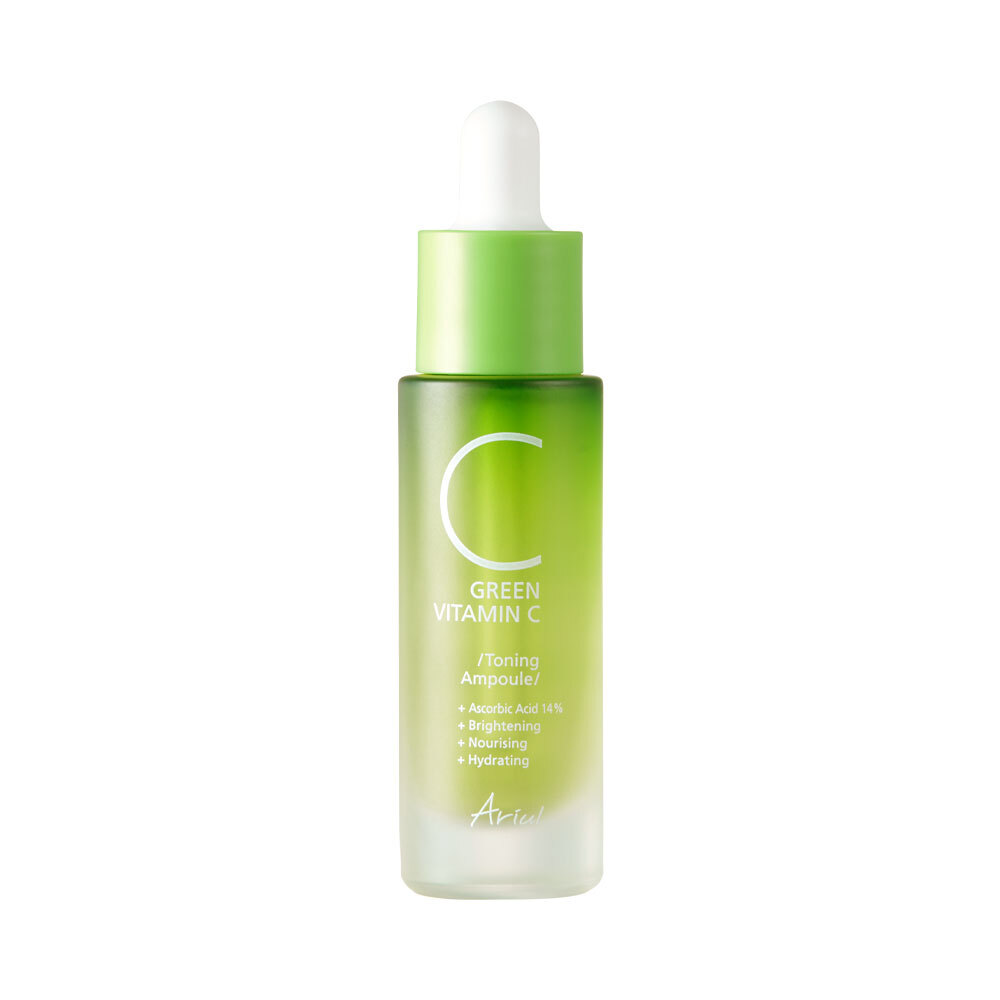
Green Vitamin C Toning Ampoule
Ariul
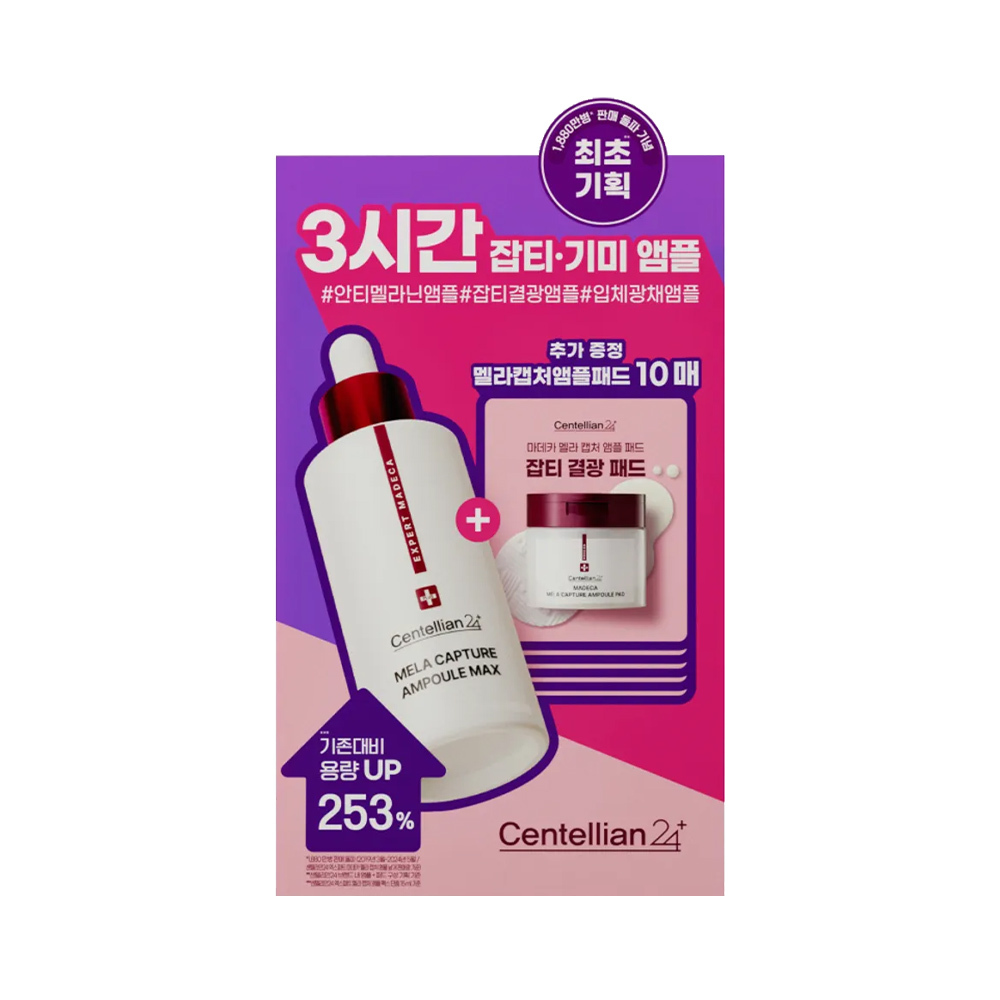
Madeca Mela Capture Ampoule Max
Centellian24
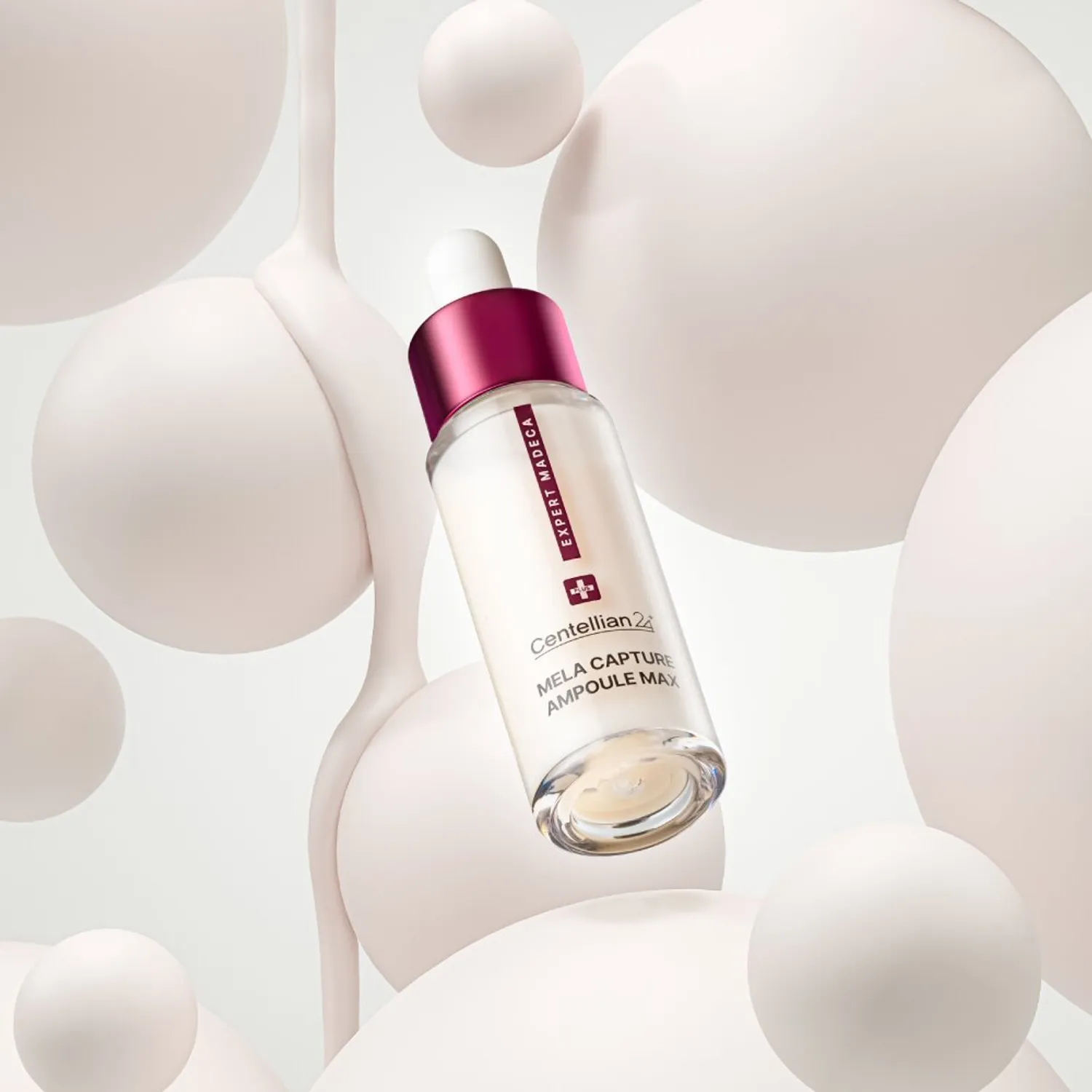
Expert Madeca Mela Capture Ampoule Max Double Set
Centellian24
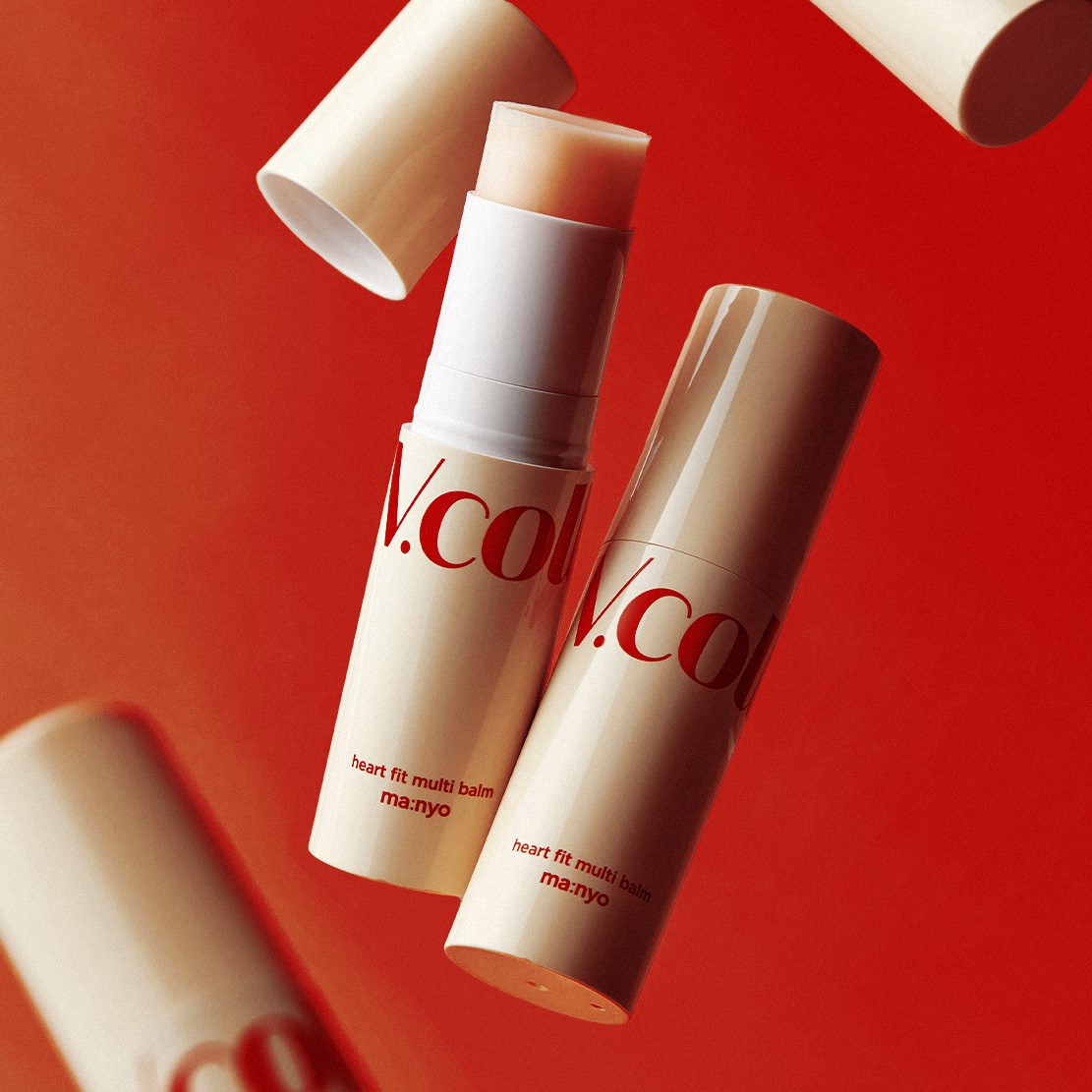
V. Collagen Heart Fit Multi Balm
ma:nyo
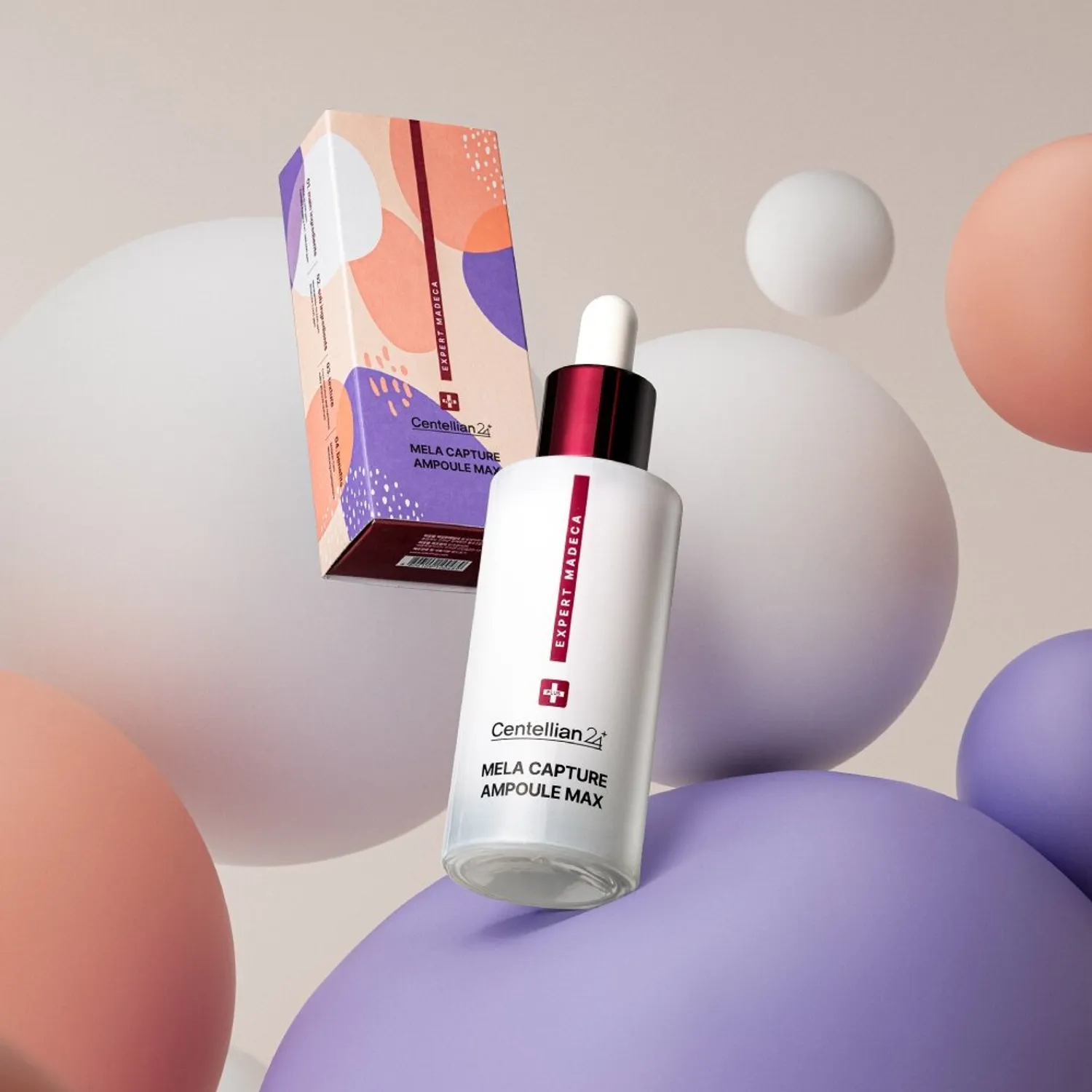
Expert Madeca Mela Capture Ampoule Max
Centellian24
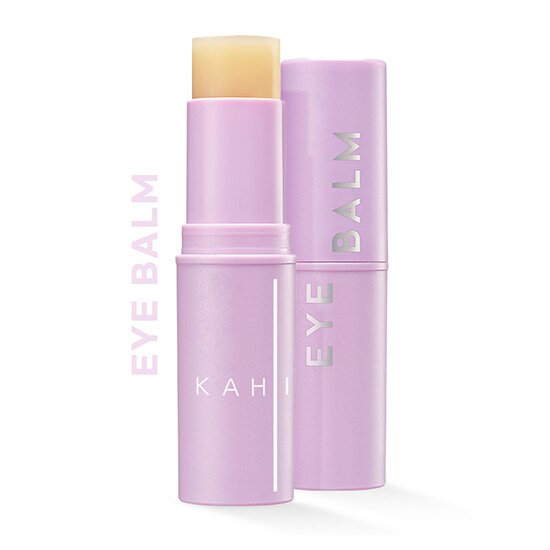
Eye Balm
KAHI
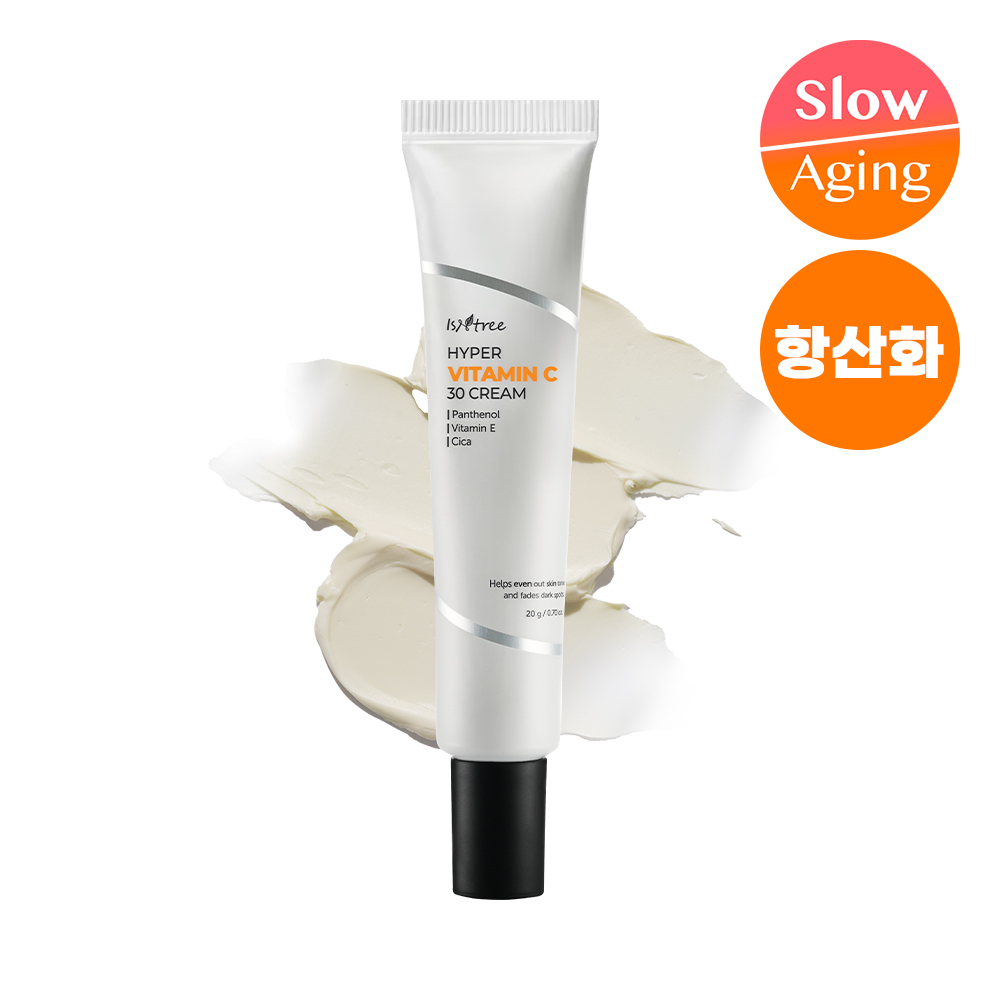
Hyper Vitamin C 30 Cream
Isntree
Multi Balm Refill Kit
KAHI
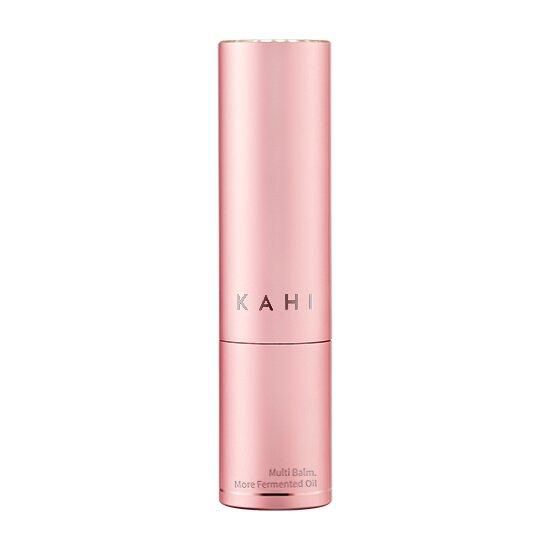
Multi Balm Refill Pack
KAHI
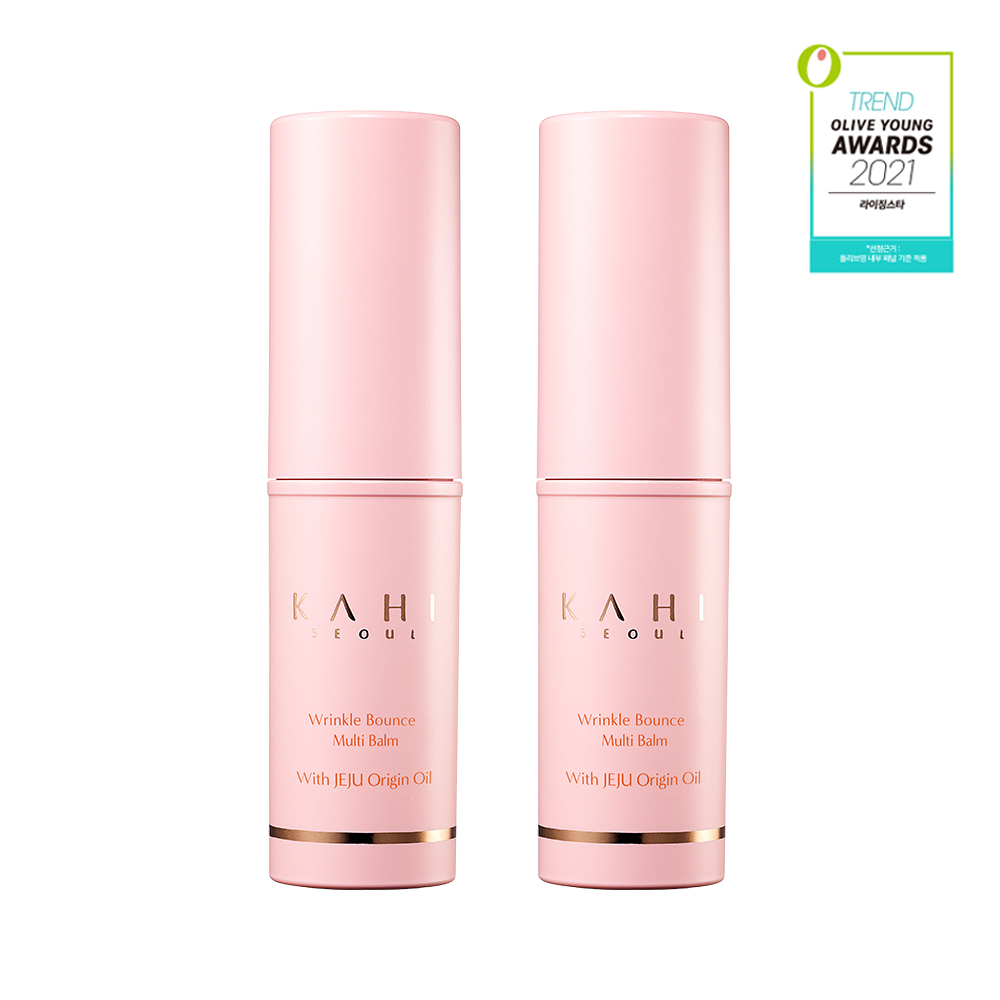
Multi Balm Duo
KAHI
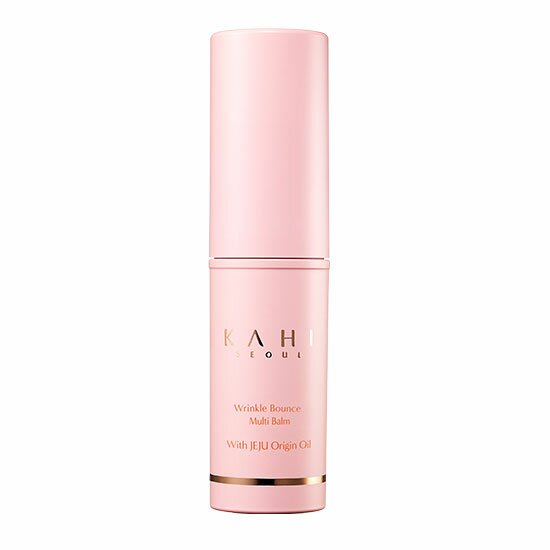
Multi Balm
KAHI
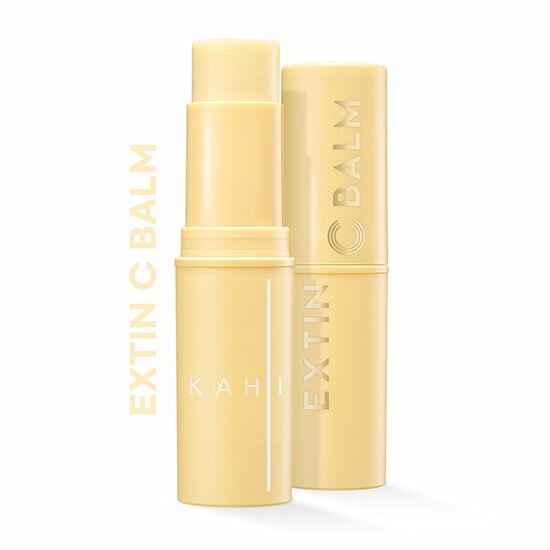
Extin C Balm
KAHI
Frequently Asked Questions
Is oil-soluble licorice extract better than the water-soluble version for brightening?▼
Can oil-soluble licorice extract cause breakouts?▼
How long does it take to see brightening results from oil-soluble licorice extract?▼
Can I use oil-soluble licorice extract if I'm pregnant or breastfeeding?▼
Does oil-soluble licorice extract work on all types of hyperpigmentation?▼
Explore More
Want personalized ingredient advice?
Yuri, our AI beauty advisor, can tell you how Licorice Extract (Oil Soluble) works with your specific skin type, routine, and concerns.
Ask Yuri, free