Olive Leaf Extract
INCI: Olea Europaea (Olive) Leaf Extract
Antioxidant and soothing agent
About Olive Leaf Extract
Olive Leaf Extract is derived from the leaves of Olea europaea, the same Mediterranean tree that gives us olive oil. While olive oil has been used in skincare for centuries, the leaves contain a unique profile of antioxidants and polyphenols that make them particularly valuable for modern formulations. The star compound here is oleuropein, a powerful antioxidant that's significantly more potent than the vitamin E found in olive oil. In K-beauty, olive leaf extract appears in 31 products across multiple categories, from cleansers like Beplain's UnderPore Foam Cleanser to serums like Anua's Pore Solution Radiance Serum. Korean formulators prize it for its dual action: it fights free radical damage while simultaneously calming inflammation. With a non-comedogenic rating of 0/5, it won't clog pores, making it a safe bet for congestion-prone skin. The ingredient's safety rating of 4/5 reflects its gentle nature, though sensitive skin may occasionally react to the polyphenol content. Top-rated products featuring olive leaf extract consistently score above 4.9/5, suggesting that when formulated correctly, this botanical delivers real results for brightening, pore refinement, and overall skin radiance.
How Olive Leaf Extract Works
Olive leaf extract functions primarily through oleuropein, a secoiridoid compound that neutralizes reactive oxygen species (ROS) before they can damage cellular DNA and collagen structures. When free radicals attack skin cells, they trigger inflammatory cascades that accelerate aging and cause hyperpigmentation. Oleuropein intercepts these radicals through electron donation, essentially sacrificing itself to protect your skin cells. Additionally, olive leaf extract contains hydroxytyrosol and caffeic acid, which work synergistically to inhibit the enzyme tyrosinase. Tyrosinase is responsible for melanin production, so by limiting its activity, olive leaf extract helps prevent dark spots from forming in the first place. The extract also demonstrates antimicrobial properties against Cutibacterium acnes (formerly Propionibacterium acnes), the bacteria implicated in acne formation. On a cellular level, studies show olive leaf extract can modulate inflammatory cytokines like IL-6 and TNF-alpha, which is why it's particularly effective at calming redness and irritation. The polyphenols also support the skin's natural barrier function by reducing transepidermal water loss.
Olive Leaf Extract by Skin Type
Oily Skin
Olive leaf extract is particularly beneficial for oily skin due to its antimicrobial properties and non-comedogenic profile. Products like Beplain's UnderPore Foam Cleanser leverage it to reduce excess sebum and minimize pore appearance without stripping the skin. The antioxidants help control the oxidation of sebum, which can lead to blackheads and inflammation.
Dry Skin
While not specifically hydrating on its own, olive leaf extract supports dry skin by strengthening the moisture barrier and reducing inflammation that can compromise barrier function. Look for it in moisturizers like Eucerin's Even Radiance Moisturizer, where it's paired with emollients and humectants. The antioxidant protection is valuable for dry skin exposed to environmental stressors.
Combo Skin
Combination skin benefits from olive leaf extract's balanced approach to sebum regulation and hydration support. It addresses oiliness in the T-zone without over-drying cheeks, making it ideal in toners like Isoi's Brightening Tonic Essence. The ingredient won't disrupt your skin's natural equilibrium while providing antioxidant protection across different zones.
Sensitive Skin
Sensitive skin can generally tolerate olive leaf extract well, though the polyphenol content may occasionally cause reactions in extremely reactive skin. Start with products that feature it lower in the ingredient list. The anti-inflammatory properties often outweigh sensitivity concerns, helping to reduce redness and calm irritation. If you have a known allergy to olives, patch test first.
Normal Skin
Normal skin thrives with olive leaf extract as a preventative antioxidant that maintains skin health over time. It provides environmental protection without disrupting your skin's natural balance. Products like AMPLE:N's Blemi Shot Cream demonstrate how olive leaf extract can enhance overall radiance and skin clarity when your baseline is already healthy.
How to Use Olive Leaf Extract
- 1Layer olive leaf extract products under sunscreen for enhanced photoprotection, as the antioxidants work synergistically with UV filters to prevent free radical damage.
- 2For best brightening results, use products containing olive leaf extract consistently for 8-12 weeks, as tyrosinase inhibition takes time to visibly reduce existing pigmentation.
- 3If you're using active ingredients like retinoids or AHAs, olive leaf extract can help mitigate irritation when applied before or after your active treatment.
- 4Store olive leaf extract products away from direct sunlight and heat, as the polyphenols can degrade with prolonged light exposure, reducing effectiveness.
Background
Olive leaves have been used medicinally in Mediterranean cultures for over 6,000 years, with ancient Egyptians employing them in mummification for their antimicrobial properties. Traditional Greek and Turkish medicine prescribed olive leaf tea for fever, inflammation, and wound healing. The isolation of oleuropein in the 1960s sparked scientific interest in the leaves' therapeutic potential beyond folk medicine. K-beauty brands began incorporating olive leaf extract in the early 2010s as part of the movement toward botanical alternatives to synthetic antioxidants. Korean formulators appreciated that olive leaf extract offered antioxidant power comparable to vitamin C without the same stability challenges or potential for irritation. Today, it appears primarily in products focused on brightening, pore care, and barrier support, representing K-beauty's philosophy of leveraging traditional ingredients with modern extraction technology.
K-Beauty Products with Olive Leaf Extract
View all 35 →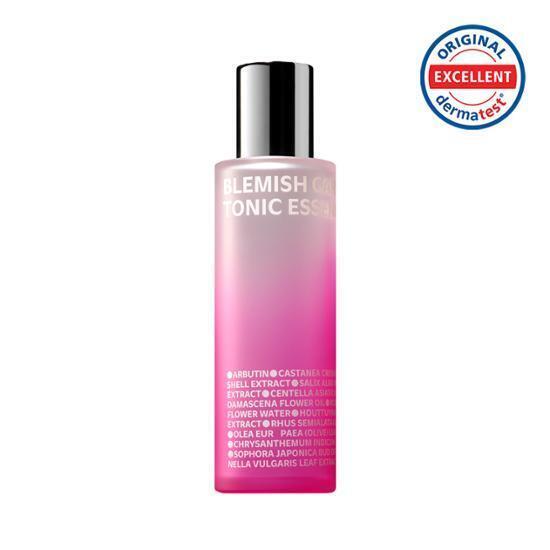
Brightening Tonic Essence
Isoi
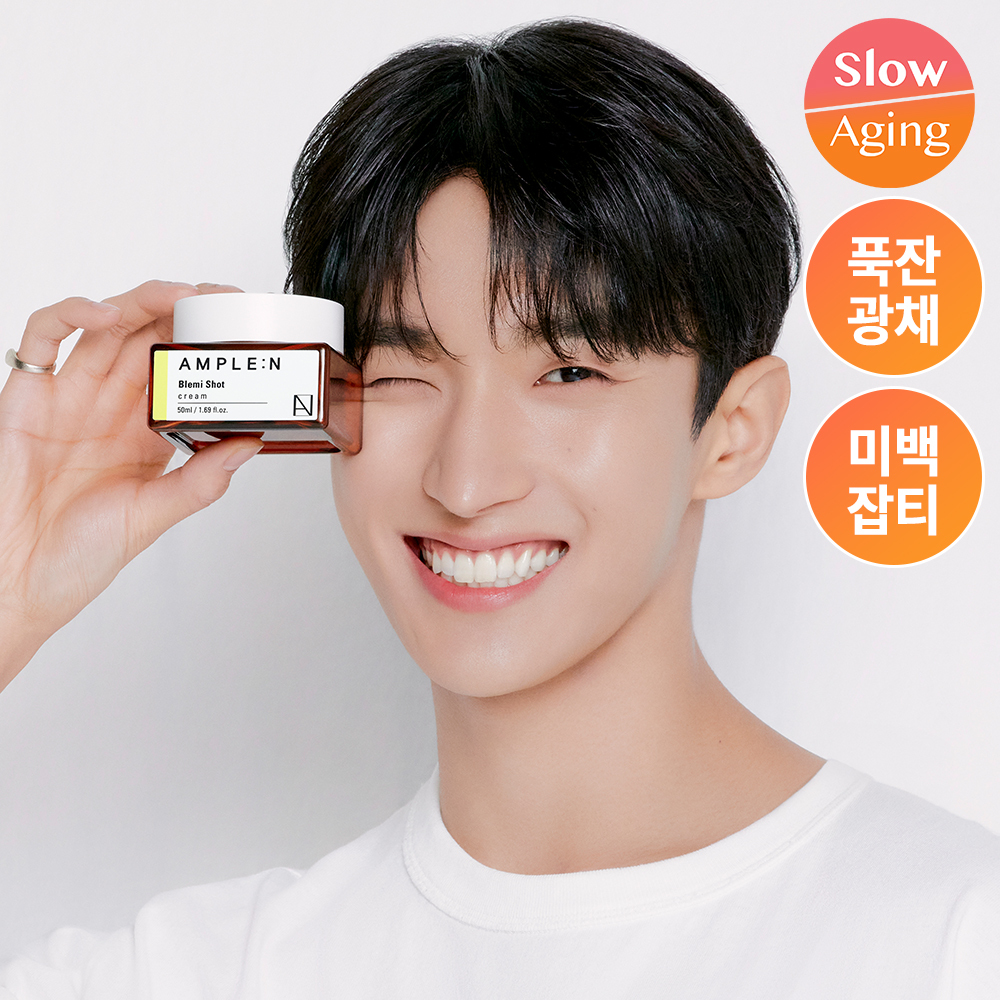
Blemi Shot Cream
AMPLE:N
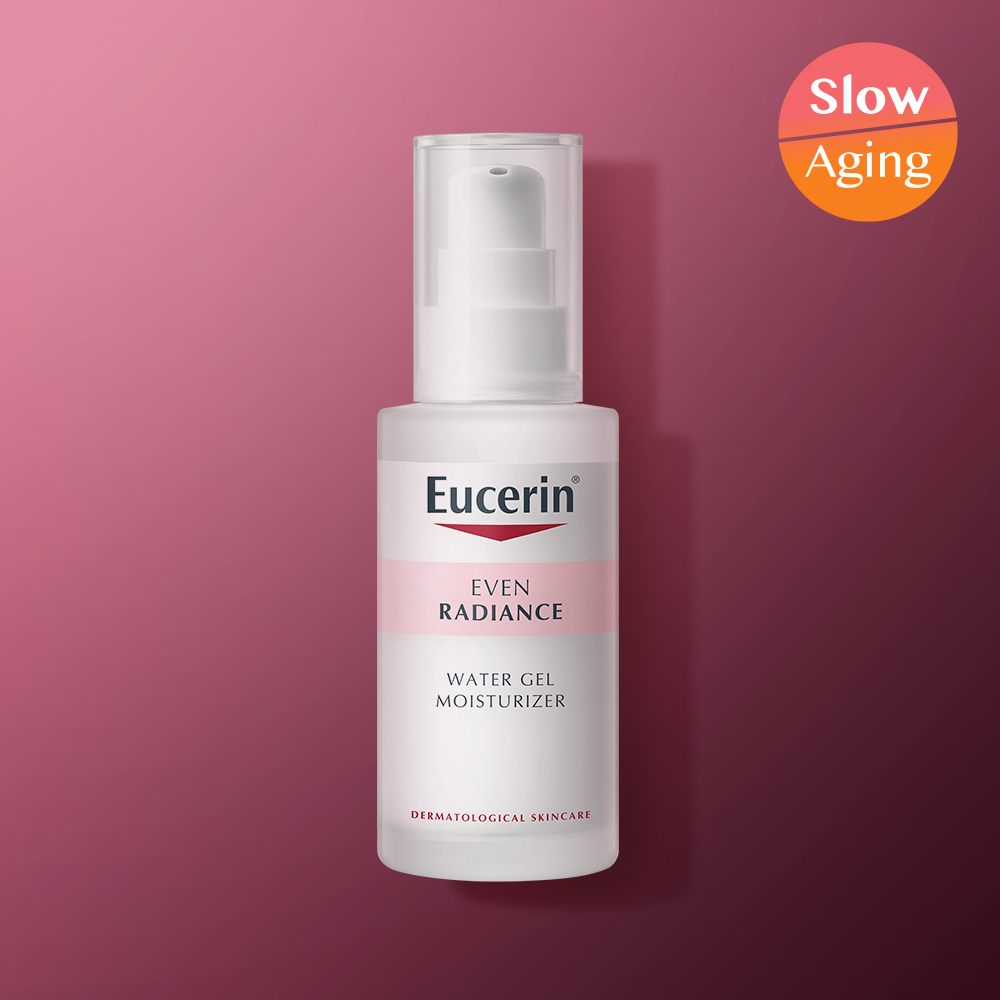
Even Radiance Moisturizer
Eucerin

Pore Solution Radiance Serum
Anua
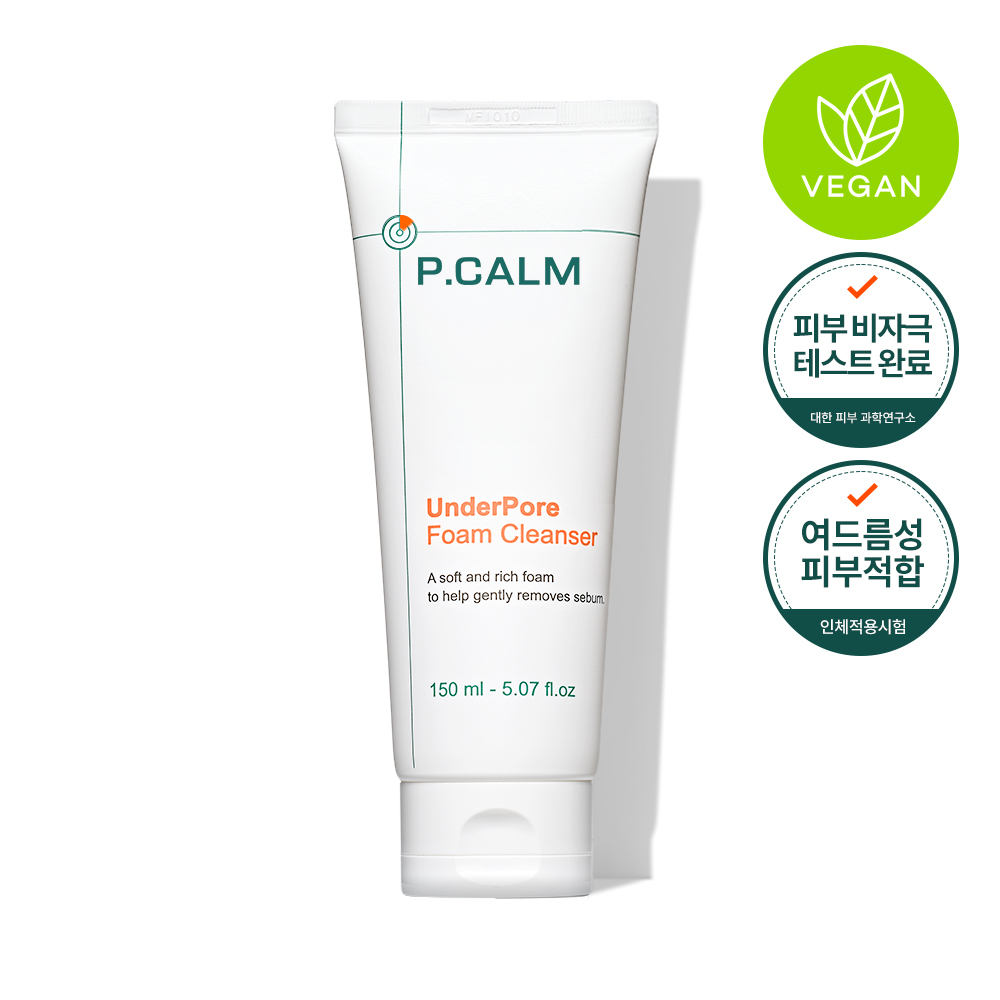
UnderPore Foam Cleanser
Beplain
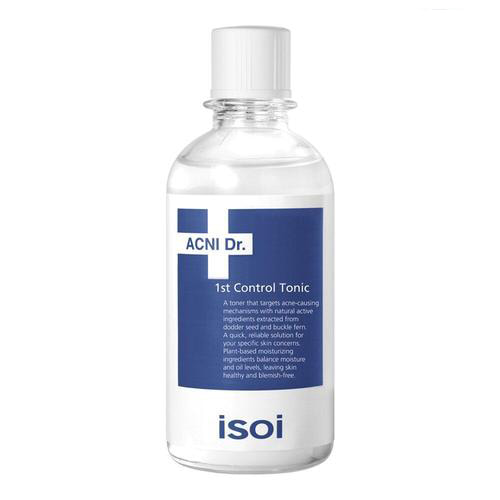
Acni Dr. 1st Control Tonic
Isoi
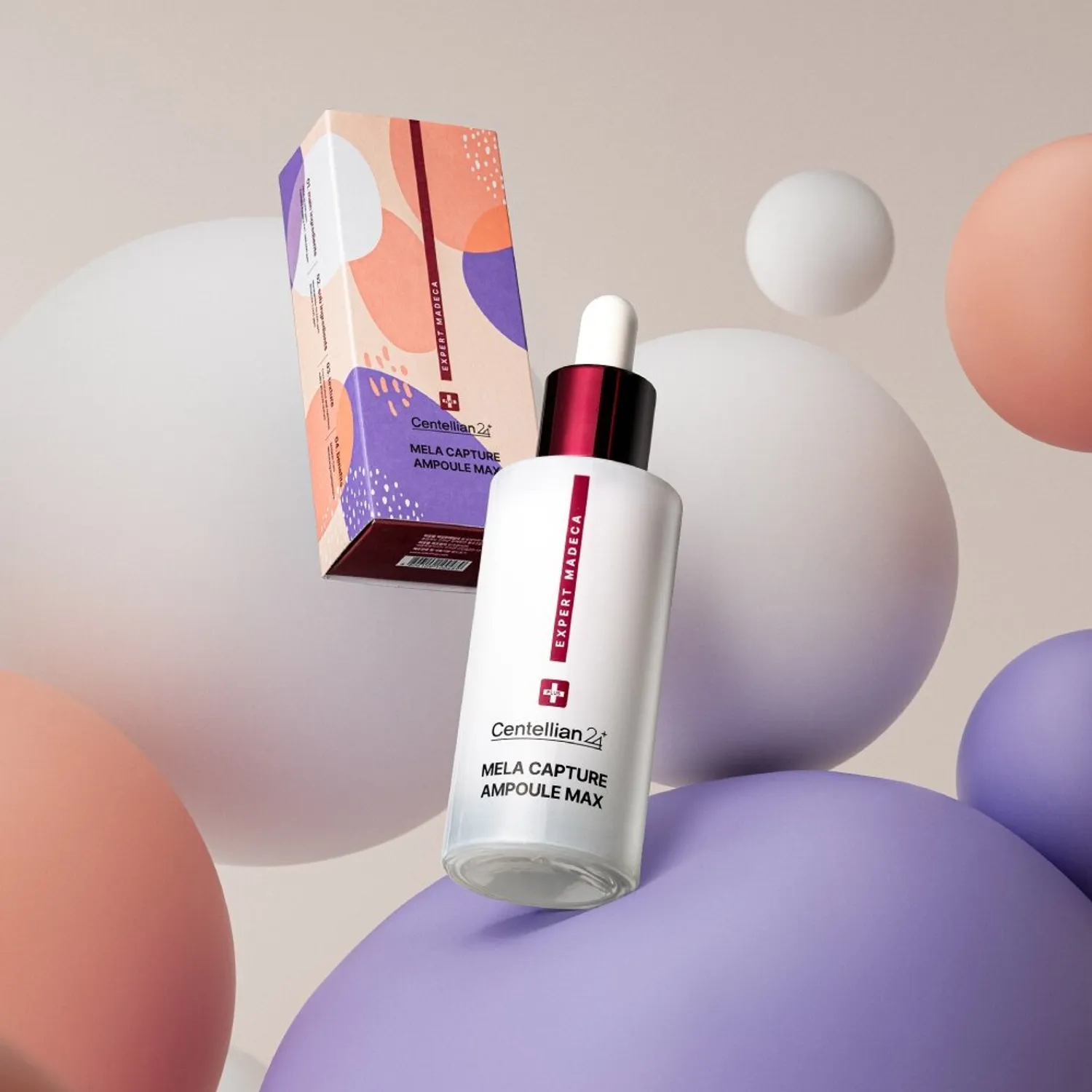
Expert Madeca Mela Capture Ampoule Max
Centellian24
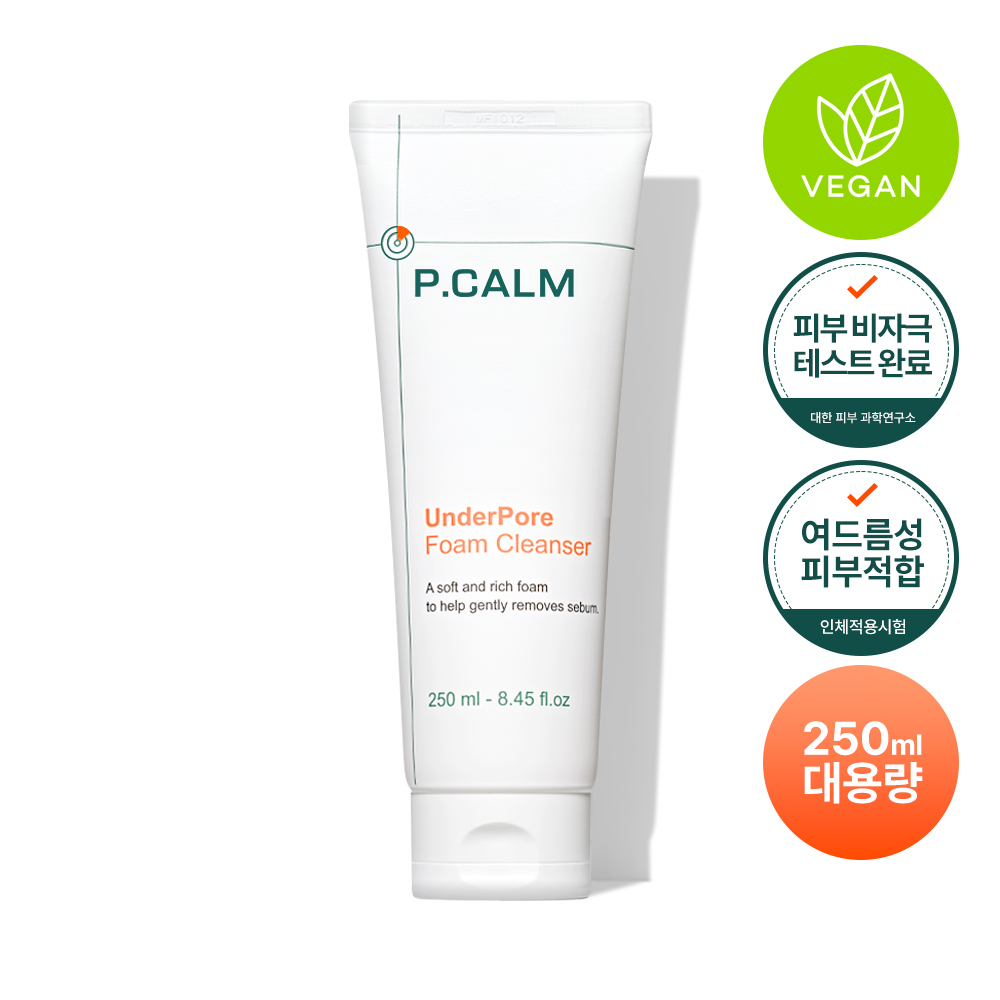
P.CALM Under Pore Foam Cleanser
Beplain
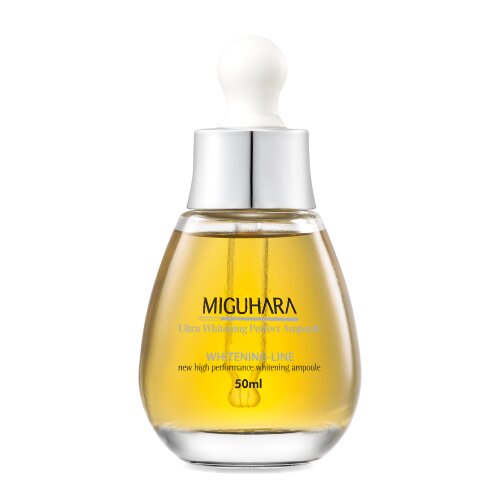
Ultra Whitening Perfect Ampoule
MIGUHARA
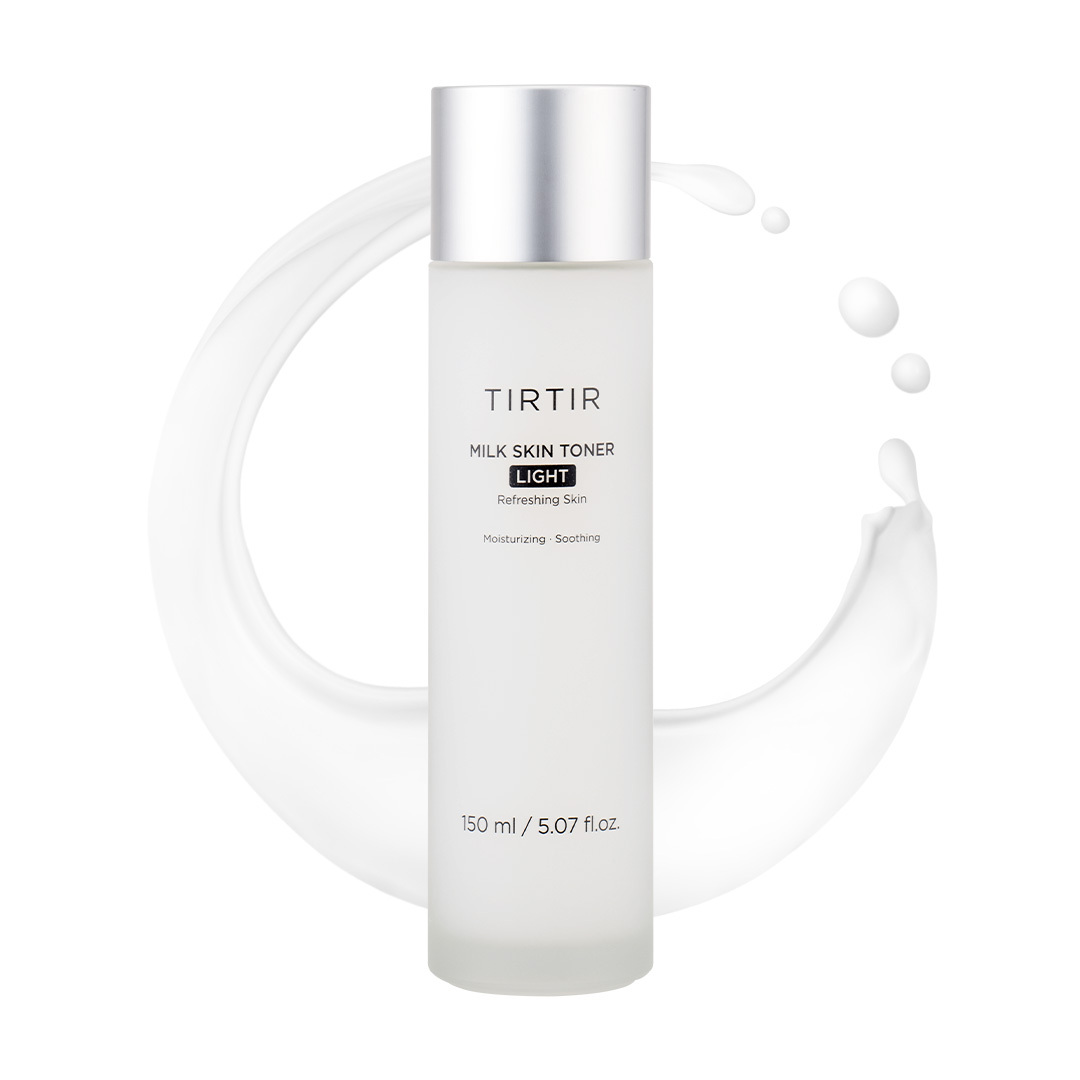
Milk Skin Toner Light
TIRTIR
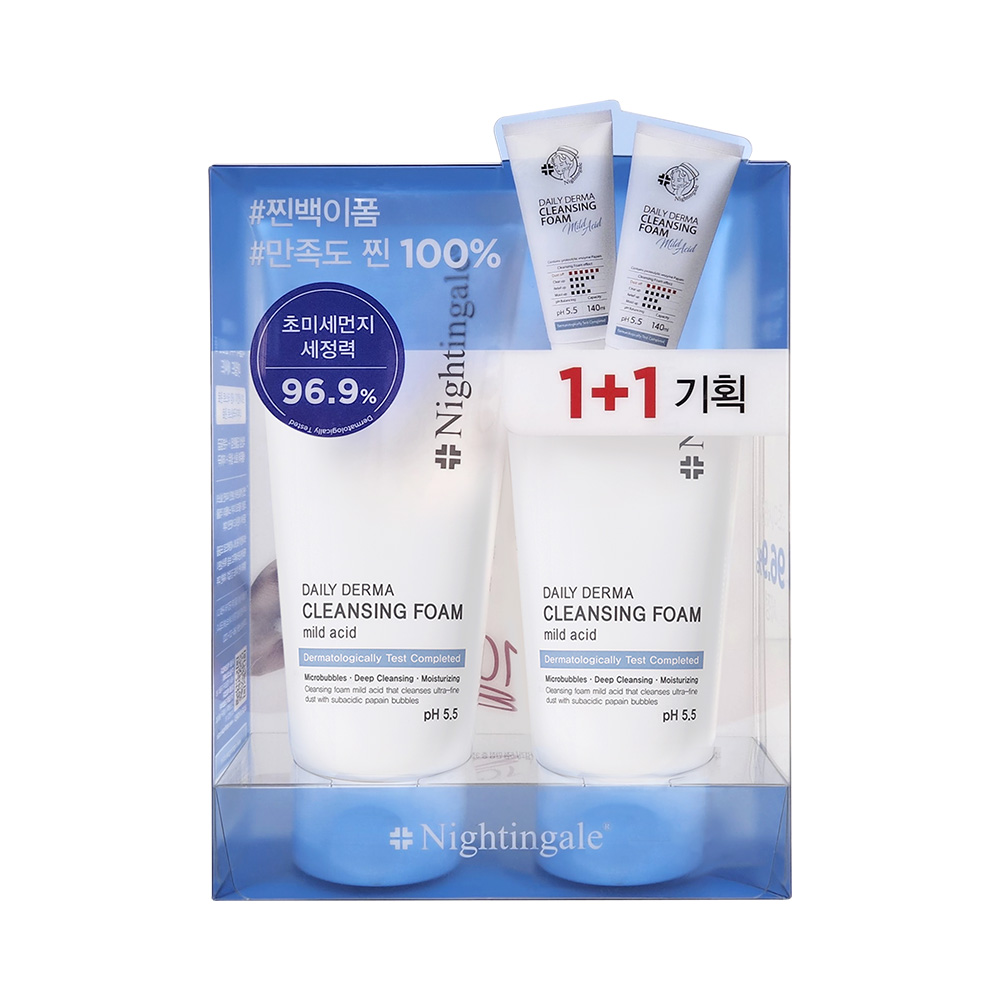
Nightingale Daily Derma Cleansing Foam Mild Acid
Beplain
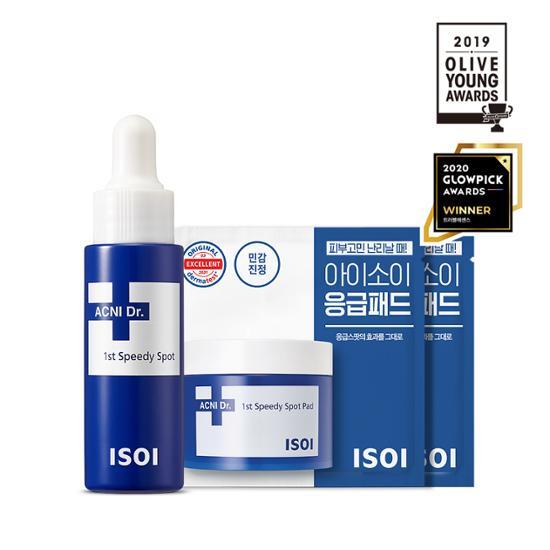
Acni Dr. 1st Speedy Spot Special Set
Isoi
Frequently Asked Questions
Is olive leaf extract better than olive oil for skincare?▼
Can olive leaf extract actually fade dark spots?▼
Will olive leaf extract irritate my sensitive skin?▼
How does olive leaf extract compare to green tea extract?▼
Explore More
Want personalized ingredient advice?
Yuri, our AI beauty advisor, can tell you how Olive Leaf Extract works with your specific skin type, routine, and concerns.
Ask Yuri, free