Olive Oil Unsaponifiables
INCI: Olea Europaea (Olive) Oil Unsaponifiables
Emollient rich in squalene and phytosterols
About Olive Oil Unsaponifiables
Olive oil unsaponifiables are the precious fraction of olive oil that remains after saponification, the chemical process used to make soap. While regular olive oil is 98-99% fatty acids, the remaining 1-2% consists of these unsaponifiable compounds, including squalene, phytosterols, tocopherols, and polyphenols. Think of it as the concentrated bioactive essence of olive oil. In K-beauty formulations, this ingredient appears primarily in barrier repair products like Dr.G's Dermoisture line, where its high squalene content (up to 50% of the unsaponifiable fraction) mimics skin's natural lipids to reinforce the moisture barrier. The phytosterols in this ingredient have demonstrated anti-inflammatory properties in clinical studies, making it particularly valuable for compromised or sensitized skin. Unlike pure olive oil, which can feel heavy and potentially clog pores, the unsaponifiable fraction delivers the skin-beneficial compounds in a more refined form. Korean skincare brands favor this ingredient for its ability to support long-term barrier health rather than just providing temporary surface moisture, aligning with K-beauty's philosophy of treating root causes rather than symptoms.
How Olive Oil Unsaponifiables Works
Olive oil unsaponifiables work through multiple complementary mechanisms at the cellular level. The squalene component integrates directly into the lipid bilayer of the stratum corneum, filling gaps in the skin barrier and reducing transepidermal water loss. Because squalene is naturally present in human sebum (though our production decreases with age), the skin readily accepts and utilizes this supplied form. The phytosterols, particularly beta-sitosterol and campesterol, compete with cholesterol for absorption in skin cells and have been shown to modulate inflammatory pathways by inhibiting pro-inflammatory cytokines. This explains why products containing this ingredient often help calm reactive skin. The tocopherols (vitamin E compounds) provide antioxidant protection, neutralizing free radicals before they can damage cell membranes and trigger inflammatory cascades. Together, these compounds don't just sit on the skin's surface but actively participate in barrier repair processes, supporting the production of ceramides and other structural lipids that keep skin resilient and hydrated.
Olive Oil Unsaponifiables by Skin Type
Oily Skin
Oily skin can benefit from olive oil unsaponifiables, but application method matters. The squalene content actually helps regulate sebum production over time by signaling to skin that adequate lipids are present. However, the comedogenic rating of 2/5 means heavier creams may cause congestion in very oily or acne-prone skin. Look for this ingredient in lightweight formulations like the Dr.G pH Cleansing Gel Foam or toners rather than thick creams.
Dry Skin
This ingredient is exceptional for dry skin, which often lacks sufficient lipids in the barrier. The unsaponifiables provide both immediate emollient effects and long-term barrier reinforcement. Products like Dr.G's Dermoisture Barrier D Intense Cream (rated 4.8/5) leverage this ingredient specifically for severe dryness, where the squalene and phytosterols work synergistically to lock in moisture and repair compromised barriers that lead to chronic dehydration.
Combo Skin
Combination skin often struggles with products that either leave the T-zone greasy or leave dry areas tight. Olive oil unsaponifiables in balanced formulations like Dr.G's Barrier D Lotion provide moisture where needed without overwhelming oilier zones. The key is choosing lighter textures and applying strategically, focusing on dry patches while using less on naturally oilier areas.
Sensitive Skin
Sensitive skin responds particularly well to olive oil unsaponifiables due to their anti-inflammatory phytosterols. The ingredient has a perfect 5/5 safety rating and is non-irritating for most people. The squalene component is biomimetic (similar to what skin already produces), reducing the likelihood of rejection or reaction. Dr.G's consistent use of this ingredient across their barrier-focused line reflects its reliability for reactive, sensitized skin conditions.
Normal Skin
Normal skin benefits from olive oil unsaponifiables as a maintenance ingredient that preserves barrier health and prevents future imbalances. While normal skin doesn't require intensive repair, the antioxidants and lipids in this ingredient help maintain optimal barrier function, protecting against environmental stressors and the natural decline in squalene production that occurs with aging.
How to Use Olive Oil Unsaponifiables
- 1Layer products containing olive oil unsaponifiables after water-based serums but before occlusives to maximize absorption of the lipophilic compounds into the skin barrier.
- 2If you have combination or oily skin, try using products with this ingredient only at night or only on dry areas rather than all over your face.
- 3Pair with ceramide or cholesterol-containing products for comprehensive barrier repair, as olive oil unsaponifiables work synergistically with these lipids.
- 4When starting products with this ingredient, give your skin 4-6 weeks to show improvement in barrier function, especially if you're addressing chronic dryness or sensitivity.
- 5Store products containing olive oil unsaponifiables away from direct sunlight and heat, as the unsaturated compounds (especially squalene) can oxidize over time, reducing effectiveness.
Background
Olive oil has been used in Mediterranean skincare for thousands of years, but the isolation and study of unsaponifiables is a relatively modern development from the mid-20th century. French researchers first identified that the non-saponifiable fraction contained unique bioactive compounds with therapeutic properties distinct from the oil's fatty acids. In the 1990s and early 2000s, studies on avocado-soybean unsaponifiables for joint health sparked renewed interest in plant unsaponifiables for topical applications. Korean skincare brands like Dr.G adopted olive oil unsaponifiables in the 2010s as barrier science became central to K-beauty philosophy. The ingredient aligned perfectly with the movement away from harsh, stripping products toward barrier-supportive formulations. Today, it represents K-beauty's sophisticated approach to ingredient selection, choosing refined, targeted fractions over whole plant oils for more precise skin benefits.
K-Beauty Products with Olive Oil Unsaponifiables
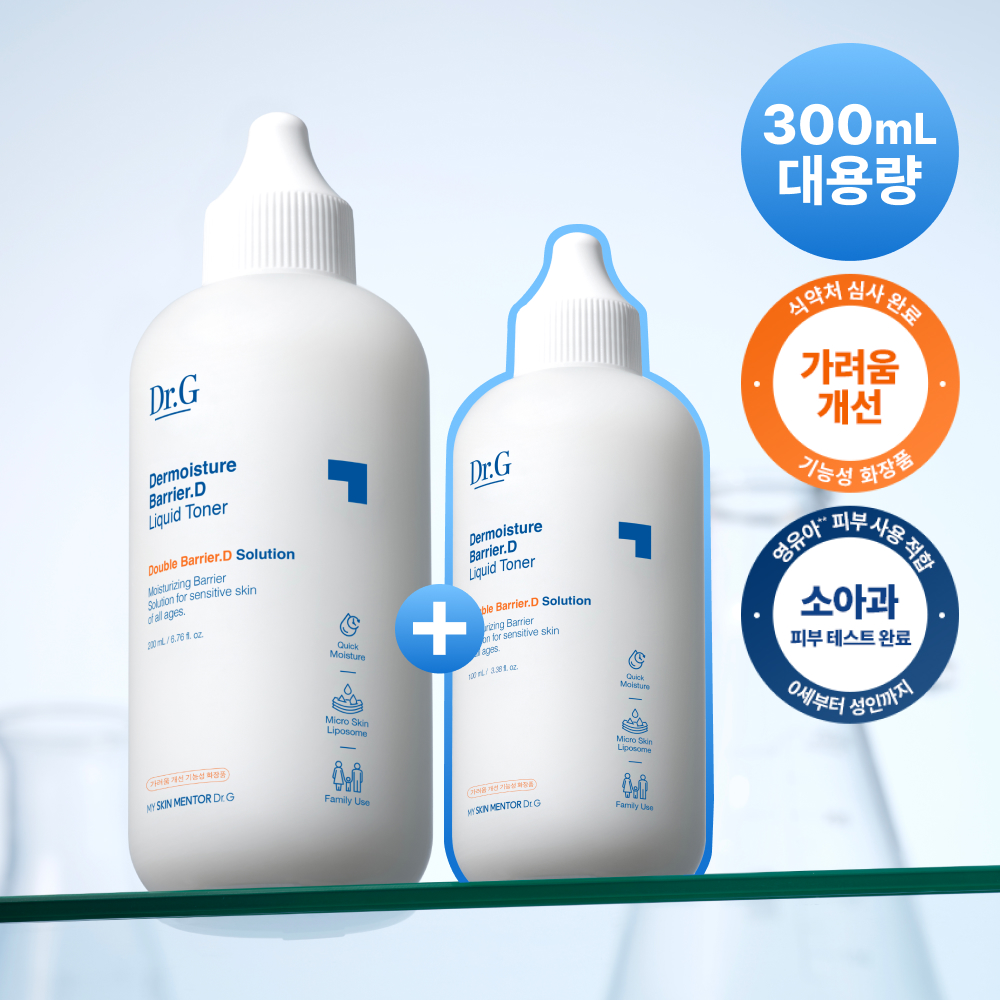
Dermoisture Barrier. D Liquid Toner Special Set
Dr.G
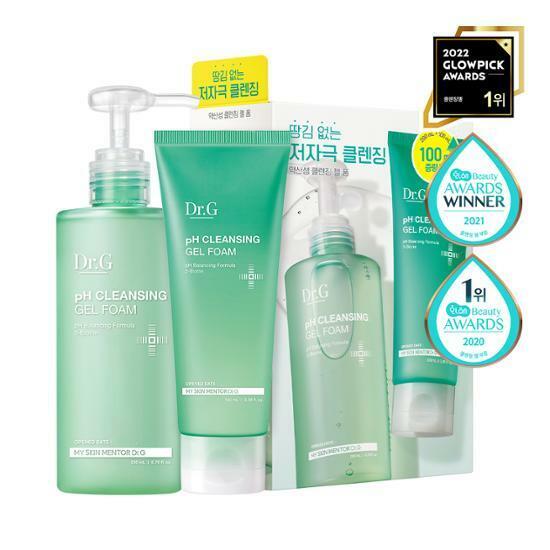
pH Cleansing Gel Foam Special Set
Dr.G
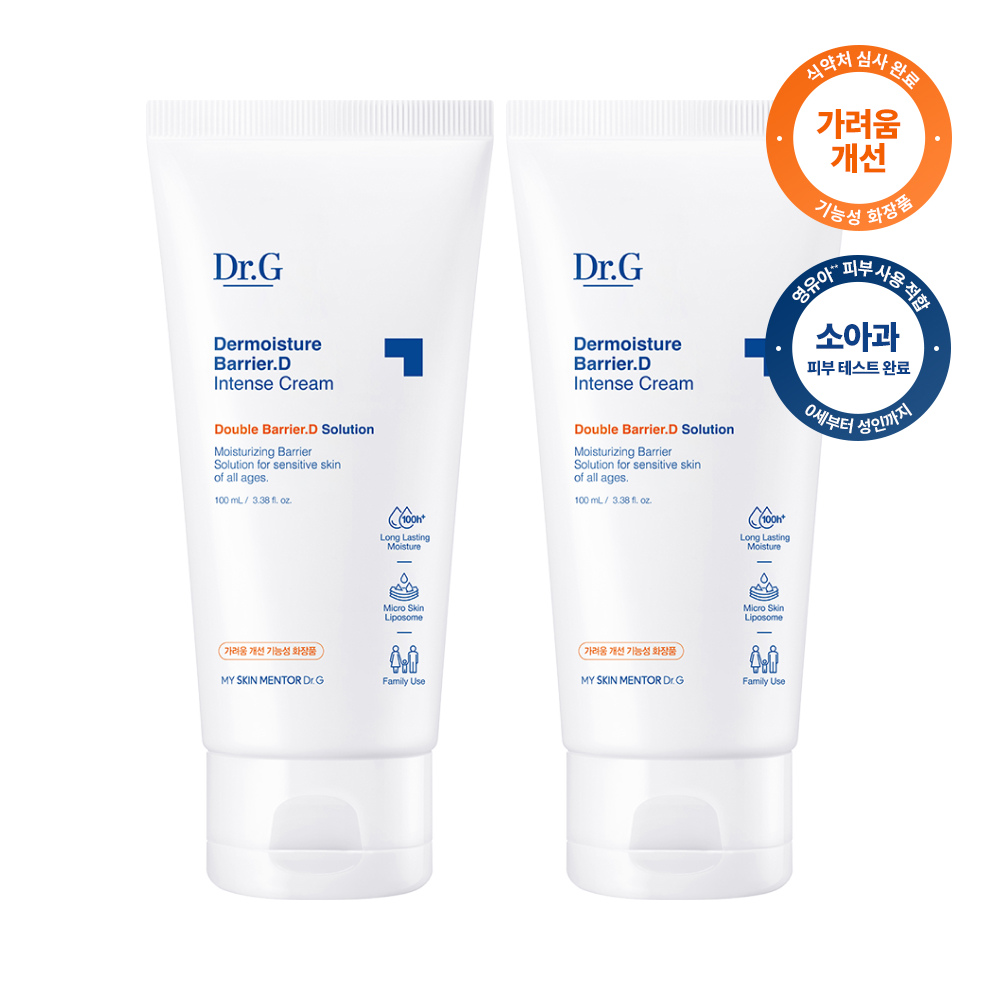
Dermoisture Barrier.D Intense Cream
Dr.G
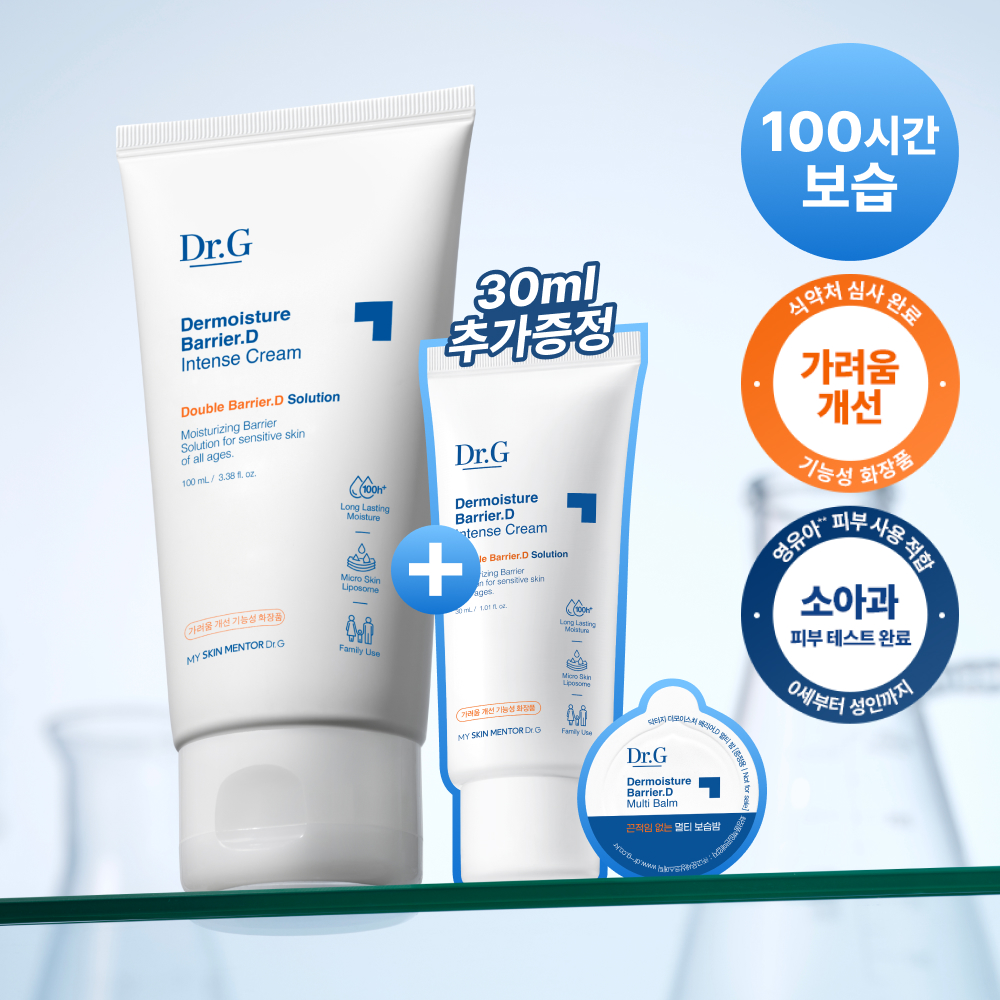
Dermoisture Barrier D Intense Cream
Dr.G
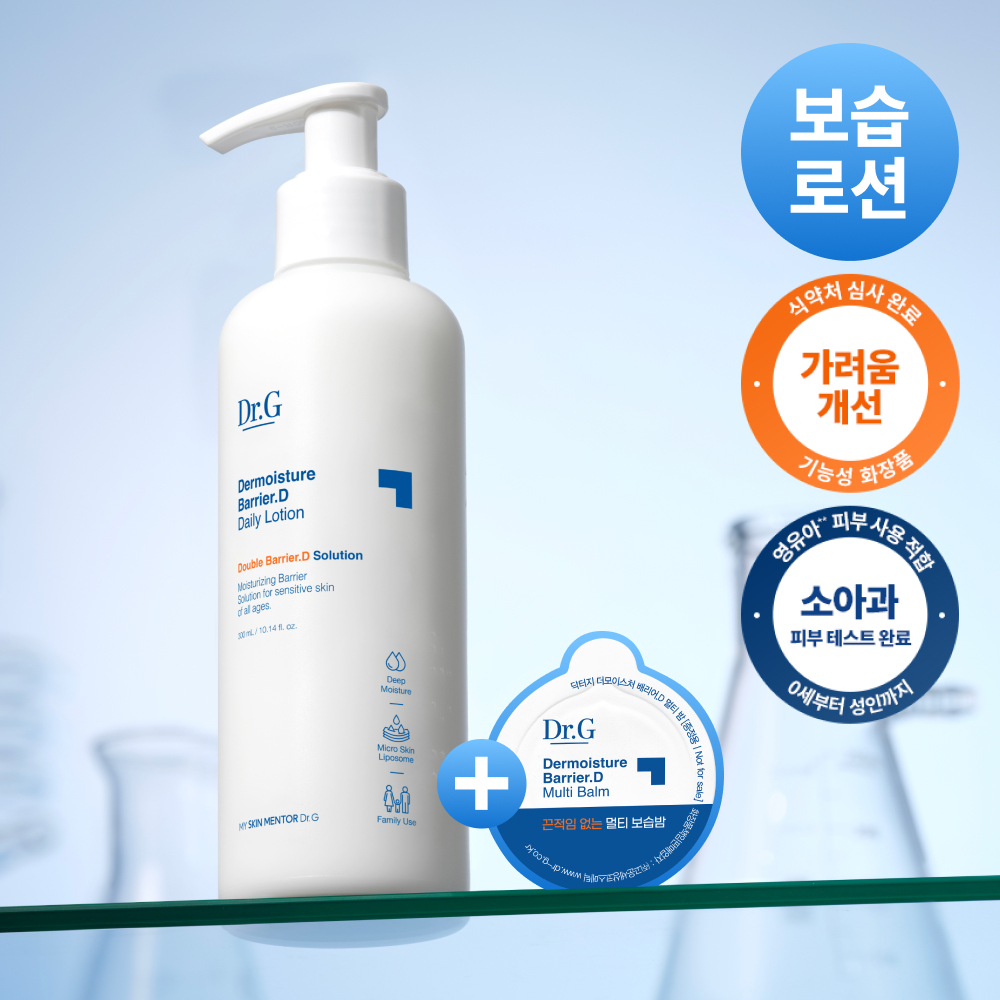
Dermoisture Barrier D Lotion Special Set
Dr.G

Dermoisture Barrier.D Multi Balm
Dr.G
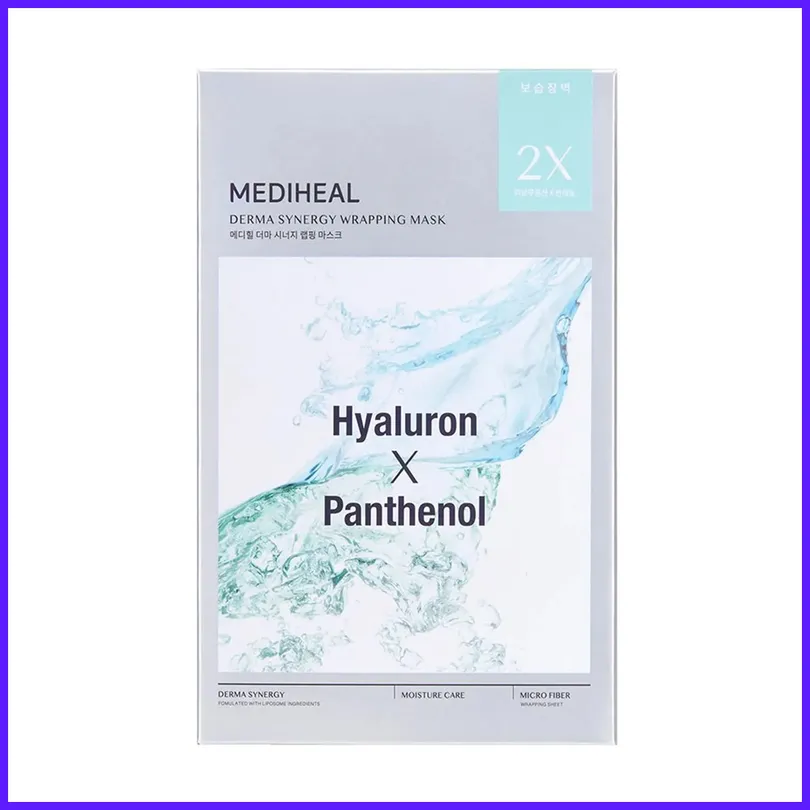
Derma Synergy Wrapping Mask Sheet
Mediheal
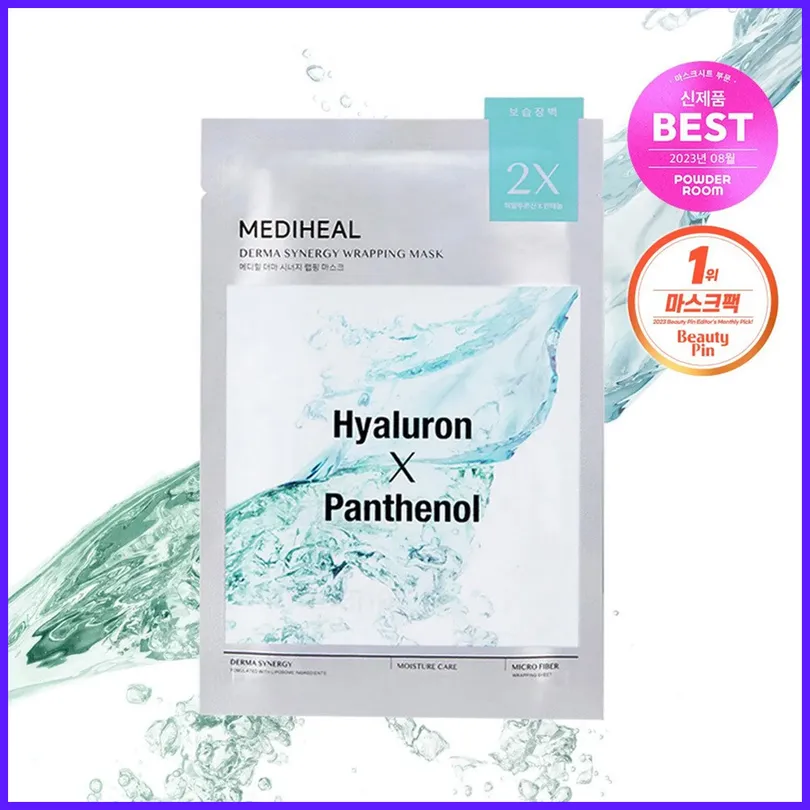
Derma Synergy Wrapping Mask Sheet - Moisture
Mediheal
Dermoist Barrier.D Intense Cream
Dr.G
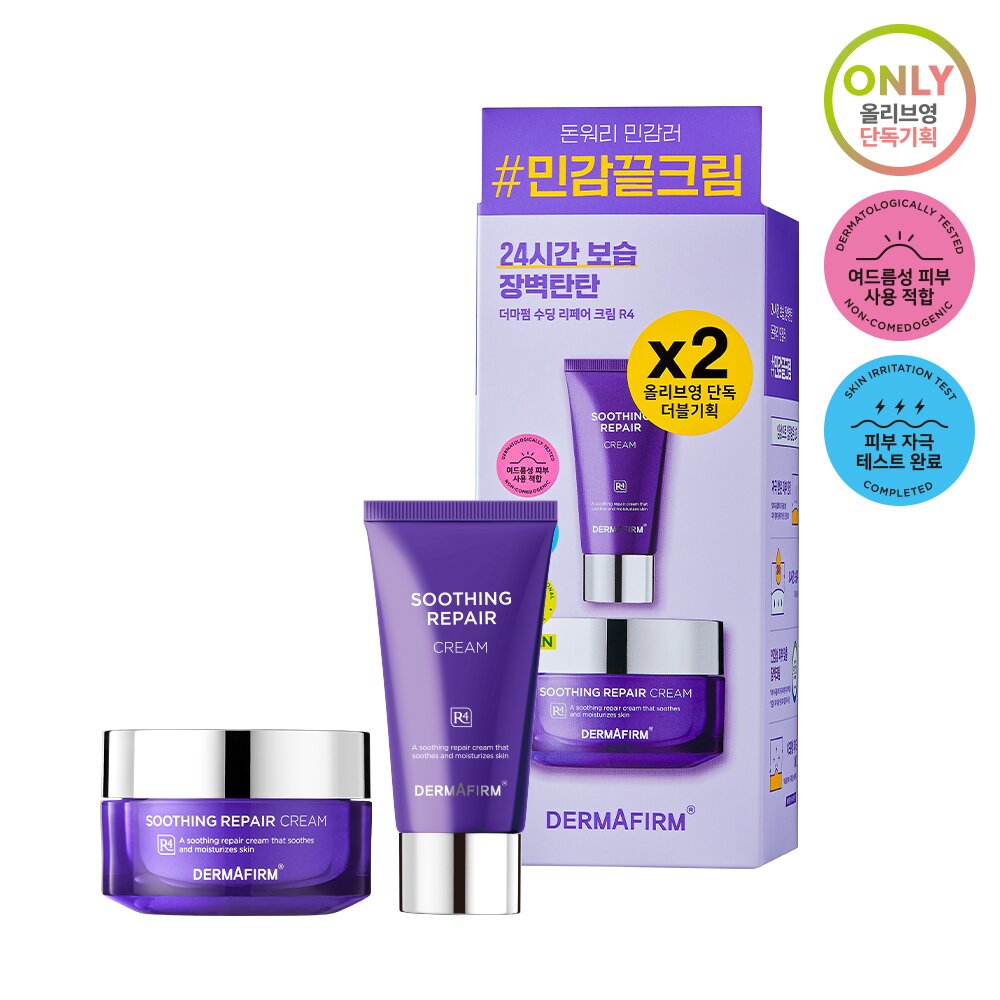
Soothing Repair Cream R4
DERMAFIRM
Frequently Asked Questions
Will olive oil unsaponifiables clog my pores like regular olive oil?▼
How is this different from squalane supplements I can take or apply?▼
Why do all the top products with this ingredient come from Dr.G?▼
Can I use this ingredient if I'm acne-prone?▼
Explore More
Want personalized ingredient advice?
Yuri, our AI beauty advisor, can tell you how Olive Oil Unsaponifiables works with your specific skin type, routine, and concerns.
Ask Yuri, free