Oligopeptide-2
Skin brightening and melanin synthesis inhibitor
About Oligopeptide-2
Oligopeptide-2 is a short chain amino acid sequence that functions as a potent skin brightening agent by inhibiting melanin synthesis at the cellular level. Unlike traditional brightening ingredients that work through chemical exfoliation or surface lightening, oligopeptide-2 targets tyrosinase, the enzyme responsible for melanin production, effectively preventing dark spots and hyperpigmentation from forming in the first place. In K-beauty formulations, this peptide has gained prominence in premium anti-aging and brightening lines because it delivers results without the irritation often associated with ingredients like hydroquinone or high-percentage acids. With a safety rating of 4 out of 5 and a comedogenic rating of 0, oligopeptide-2 is suitable for nearly all skin types, including acne-prone and sensitive skin. The ingredient appears in 32 products on Seoul Sister, frequently paired with other peptides, niacinamide, or fermented extracts to enhance its brightening effects. Brands like The Whoo, Numbuzin, and Bioheal BOH incorporate it into their most advanced serums and essences, where it works synergistically with anti-aging actives to address both tone correction and skin elasticity. The peptide's dual action of brightening existing discoloration while preventing new pigmentation makes it particularly valuable for addressing post-inflammatory hyperpigmentation from acne, sun damage, and age spots.
How Oligopeptide-2 Works
Oligopeptide-2 works by interfering with the melanogenesis pathway at multiple points. Primarily, it inhibits tyrosinase activity, the rate-limiting enzyme that converts the amino acid tyrosine into melanin precursors. By binding to tyrosinase or altering its copper-dependent active site, oligopeptide-2 reduces the enzyme's ability to catalyze melanin formation. Additionally, peptides of this class can influence melanosome transfer, the process by which pigment-containing organelles move from melanocytes (pigment-producing cells) to surrounding keratinocytes (skin cells). By slowing this transfer, oligopeptide-2 prevents pigmentation from becoming visible on the skin's surface. The ingredient also demonstrates antioxidant properties, neutralizing free radicals that can trigger inflammatory responses leading to post-inflammatory hyperpigmentation. Because peptides are composed of amino acids (the building blocks of proteins), they integrate smoothly into the skin's natural cellular processes, communicating with cells to modulate pigmentation without disrupting the skin barrier or causing irritation typical of stronger brightening agents.
Oligopeptide-2 by Skin Type
Oily Skin
Oligopeptide-2 is ideal for oily skin because it has a comedogenic rating of 0, meaning it won't clog pores or contribute to breakouts. Since oily skin is prone to post-inflammatory hyperpigmentation from acne, this peptide helps prevent dark spots from forming after blemishes heal while being gentle enough not to trigger additional oil production or inflammation.
Dry Skin
Dry skin benefits from oligopeptide-2's non-irritating approach to brightening, as it doesn't strip or sensitize the way some acids might. When formulated in hydrating serums and essences (like those from The Whoo and Bioheal BOH), the peptide works alongside moisturizing ingredients to address dullness and uneven tone without compromising the skin barrier or causing further dryness.
Combo Skin
Combination skin can use oligopeptide-2 confidently across the entire face without worrying about zone-specific reactions. The peptide brightens hyperpigmentation in oilier areas without exacerbating congestion, while simultaneously addressing dullness in drier zones without causing irritation or flaking, making it a versatile choice for multi-concern skin.
Sensitive Skin
Oligopeptide-2 is particularly well-suited for sensitive skin because it achieves brightening without the harsh mechanisms of acids, retinoids, or chemical lighteners. Its high safety rating (4 out of 5) reflects its gentle nature, and the peptide structure allows it to work with the skin's natural processes rather than disrupting them, minimizing the risk of redness, stinging, or reactive hyperpigmentation.
Normal Skin
Normal skin can incorporate oligopeptide-2 as a preventative and corrective measure for maintaining even tone and radiance. The ingredient supports the skin's natural cell communication processes while preventing future pigmentation issues from UV exposure or inflammation, making it an excellent addition to a maintenance routine focused on preserving youthful clarity.
How to Use Oligopeptide-2
- 1Apply oligopeptide-2 serums after cleansing and toning but before heavier creams, as peptides penetrate best on clean, slightly damp skin and need to reach the deeper epidermis to interact with melanocytes.
- 2Pair with niacinamide and vitamin C for enhanced brightening effects, as these ingredients work through complementary mechanisms (oligopeptide-2 inhibits melanin production, niacinamide blocks melanosome transfer, and vitamin C provides antioxidant protection).
- 3Use consistently for 8-12 weeks to see visible results, as peptides work at the cellular level and require time to influence melanin production cycles and surface-level pigmentation.
- 4Always follow with broad-spectrum SPF during the day, because while oligopeptide-2 prevents new pigmentation, UV exposure can override its effects and trigger fresh melanin synthesis.
- 5Store peptide serums in cool, dark places and use within 6 months of opening, as peptides can degrade when exposed to light, heat, or air, reducing their effectiveness over time.
Background
Oligopeptide-2 emerged from biotechnology research in the early 2000s when cosmetic scientists began exploring alternatives to controversial brightening agents like hydroquinone, which was being restricted in various markets due to safety concerns. Peptides, already established in medical applications for wound healing and tissue repair, were investigated for their ability to communicate with skin cells and modulate specific functions. Researchers discovered that certain short-chain peptides could selectively inhibit tyrosinase without the side effects of traditional brightening ingredients. Korean skincare brands, known for their early adoption of biotechnology and fermentation science, were among the first to incorporate these advanced peptides into luxury formulations. The Whoo, a heritage brand blending traditional Korean medicine with modern science, integrated oligopeptide-2 into their Bichup line, while innovative brands like Numbuzin and Bioheal BOH featured it in their high-performance essences. The peptide's rise in K-beauty reflects the industry's broader shift toward biomimetic ingredients that work with the skin's natural biology rather than against it.
K-Beauty Products with Oligopeptide-2
View all 35 →
No. 9 NAD Bio Lifting-sil Essence
Numbuzin
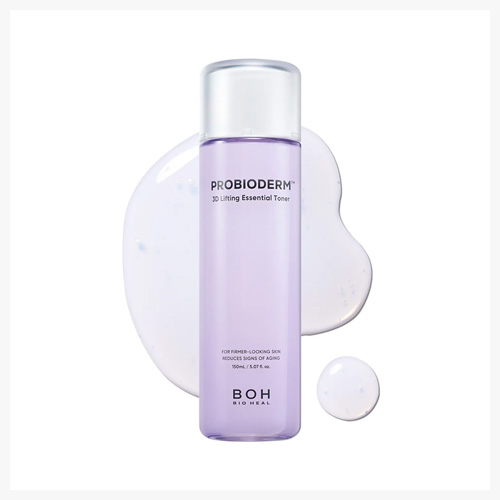
Probioderm 3D Lifting Essential Toner
Bioheal BOH

Bichup Ultimate Recovery Youth Serum Discovery Set
The Whoo
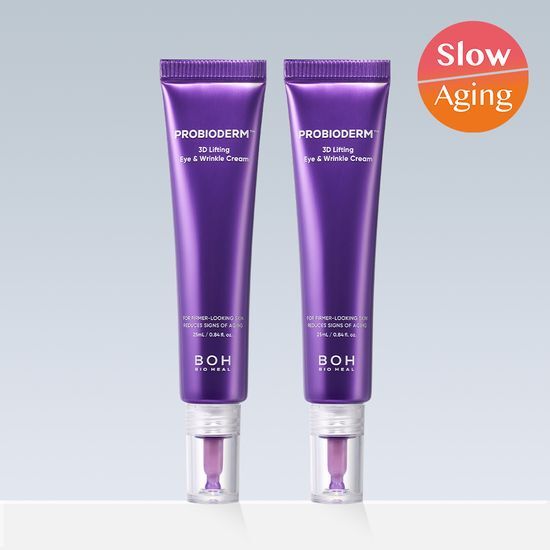
Probioderm 3D Lifting Eye & Wrinkle Cream Double Pack
Bioheal BOH
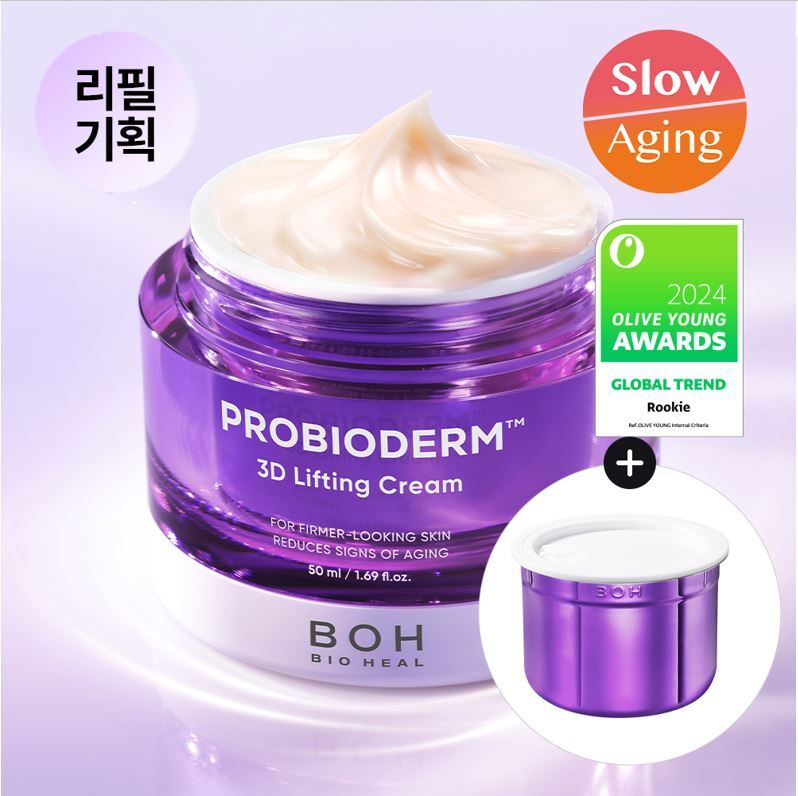
Probioderm 3D Lifting Cream
Bioheal BOH
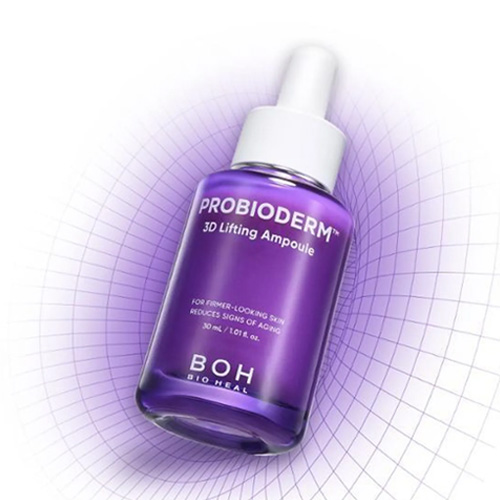
Probioderm 3D Lifting Ampoule
Bioheal BOH
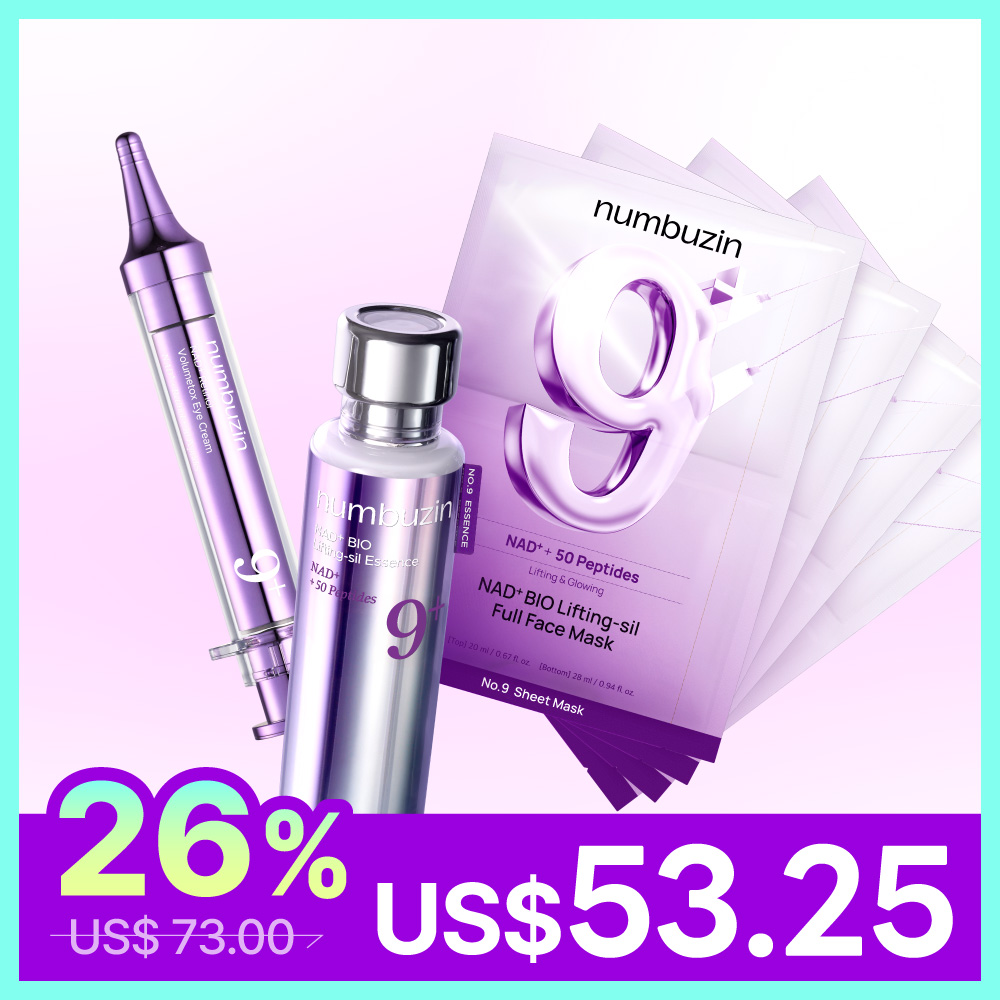
No. 9 NAD Ultimate Lifting Set
Numbuzin
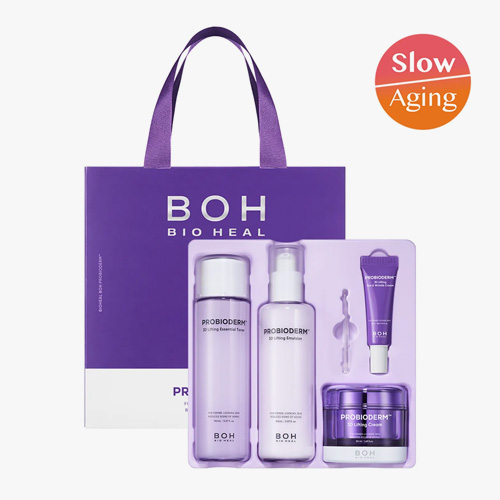
Probioderm 3D Lifting Skincare 3P Set
Bioheal BOH
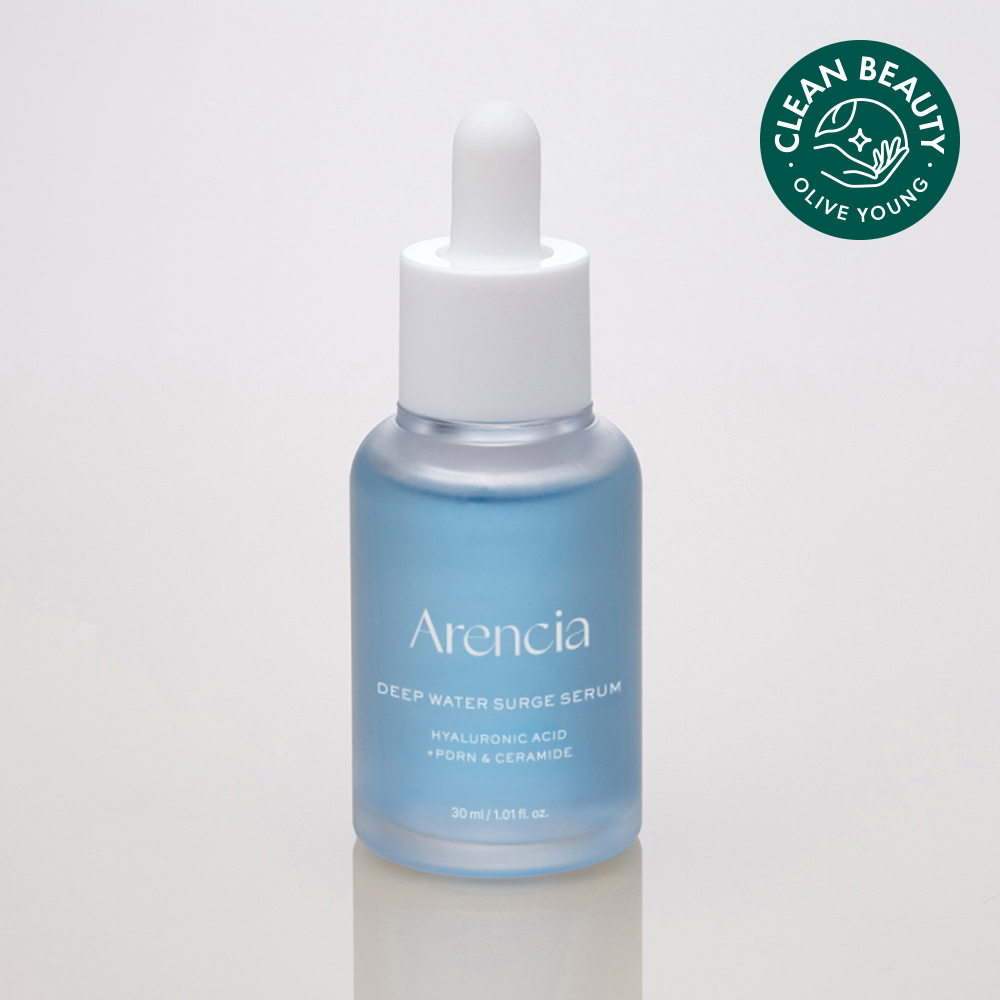
Deep Water Surge Serum
Arencia

Probioderm 3D Lifting Cream Mist
Bioheal BOH
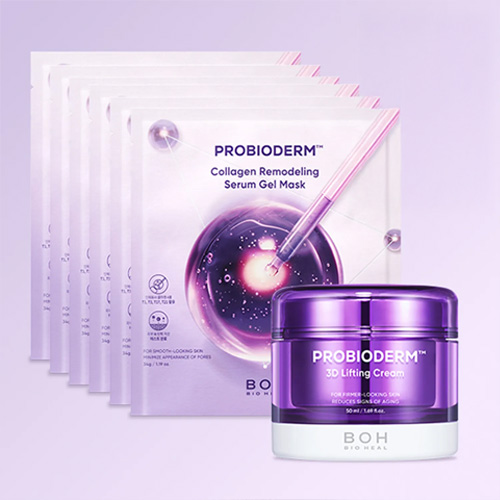
3D+ Collagen Set
Bioheal BOH
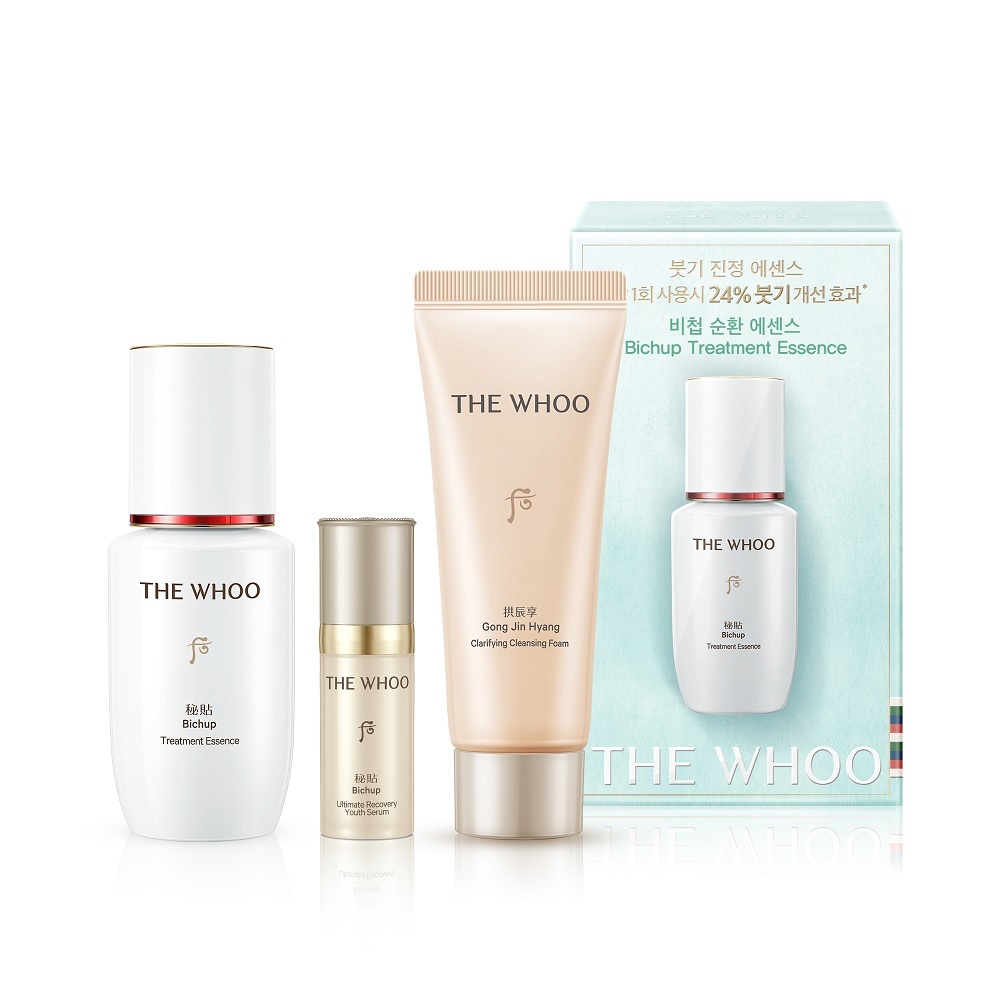
Bichup Treatment Essence 30ml Set
The Whoo
Frequently Asked Questions
How effective is oligopeptide-2 compared to other brightening ingredients?▼
Can I use oligopeptide-2 with retinol or acids?▼
How long does it take to see results from oligopeptide-2?▼
Why is oligopeptide-2 often found in expensive K-beauty products?▼
Is oligopeptide-2 safe during pregnancy?▼
Explore More
Want personalized ingredient advice?
Yuri, our AI beauty advisor, can tell you how Oligopeptide-2 works with your specific skin type, routine, and concerns.
Ask Yuri, free