Babassu Oil
INCI: Orbignya Oleifera Seed Oil
Emollient that moisturizes and softens skin
About Babassu Oil
Babassu oil is a lightweight emollient extracted from the seeds of the babassu palm tree (Orbignya oleifera), native to the Amazon rainforest. Despite being an oil, it has a unique melt-on-contact texture that absorbs quickly without leaving a greasy residue, making it surprisingly versatile across different skin types. In K-beauty formulations, babassu oil is valued for its ability to deliver moisture while maintaining a clean, non-heavy finish. This ingredient appears in 9 products on Seoul Sister, including highly rated cleansers like Beplain's ReSaltZ Salt Massage Rose Cleansing Bar (5.0/5) and ma:nyo's Pure Cleansing Oil (4.7/5), where it helps dissolve makeup and impurities while keeping skin soft. With a comedogenic rating of 2/5, it's considered relatively safe for most skin types, though those with extremely acne-prone skin may want to patch test first. Babassu oil's fatty acid profile is similar to coconut oil but with a lighter molecular structure, allowing it to penetrate skin more easily without clogging pores as readily. Korean beauty brands often incorporate it into cleansing formulas, lip products, and lightweight moisturizers where traditional oils might feel too heavy.
How Babassu Oil Works
Babassu oil works through its unique composition of saturated fatty acids, primarily lauric acid (50%), myristic acid (20%), and palmitic acid (11%). These medium-chain fatty acids have smaller molecular structures that allow them to penetrate the skin's lipid barrier more efficiently than heavier oils. Once absorbed, the fatty acids help restore the skin's natural moisture barrier by filling gaps between skin cells, reducing transepidermal water loss. The high lauric acid content provides antimicrobial properties that can help balance skin's microbiome without disrupting beneficial bacteria. Unlike heavier emollients, babassu oil melts at body temperature (around 76°F), transforming from a solid to a silky liquid on contact with skin. This phase change creates a cooling sensation and allows the oil to spread easily and absorb quickly. The result is improved skin hydration, softness, and a protective occlusive layer that doesn't feel suffocating or greasy, making it particularly compatible with the layering techniques common in K-beauty routines.
Babassu Oil by Skin Type
Oily Skin
Babassu oil can work well for oily skin despite being an oil-based ingredient. Its lightweight, fast-absorbing texture won't add excess shine or sit on the skin's surface like heavier oils. The comedogenic rating of 2/5 means there's a low to moderate risk of clogging pores, so it's best used in rinse-off products like cleansing oils (as seen in ma:nyo's Pure Cleansing Oil) rather than leave-on moisturizers if you're very acne-prone.
Dry Skin
This ingredient is excellent for dry skin, providing deep moisture without the heavy, occlusive feeling of traditional body butters. The fatty acid profile helps repair compromised moisture barriers common in dry skin types. For maximum benefit, apply products containing babassu oil to slightly damp skin to seal in hydration, or layer it under heavier creams in your routine.
Combo Skin
Combination skin types often struggle with products that are too heavy for their T-zone but too light for dry patches. Babassu oil strikes an ideal balance with its fast-absorbing, non-greasy finish that moisturizes dry areas without overwhelming oily zones. It works particularly well in cleansing formulas that need to remove makeup from the entire face without leaving residue.
Sensitive Skin
Babassu oil is generally well-tolerated by sensitive skin due to its mild nature and anti-inflammatory properties from its fatty acid content. However, the lauric acid component can be slightly irritating for a small subset of people with very reactive skin. If you have coconut oil sensitivity, approach babassu oil cautiously and patch test first, as they share similar fatty acid profiles.
Normal Skin
Normal skin types can enjoy babassu oil without concerns, using it in any product category from cleansers to moisturizers. It maintains skin's healthy balance without tipping toward dryness or excess oil. The lightweight texture makes it ideal for year-round use, adapting well to both humid summers and drier winter months.
How to Use Babassu Oil
- 1Use babassu oil products in your cleansing step to dissolve makeup and sunscreen effectively while maintaining skin moisture, as demonstrated in ma:nyo's highly rated Pure Cleansing Oil (4.7/5).
- 2Apply to damp skin right after cleansing or toning to maximize absorption and lock in the water your skin just absorbed from previous steps.
- 3For acne-prone skin with a comedogenic rating concern, stick to rinse-off formulas or use babassu oil products only 2-3 times per week to assess tolerance.
- 4Layer babassu oil products under thicker creams in cold weather or use alone in humid climates when you need lightweight hydration without heavy textures.
Background
Babassu oil comes from the Orbignya oleifera palm, which grows wild throughout the Brazilian Amazon and has been used for centuries by indigenous communities for cooking, medicine, and skin care. Local women, known as "quebradeiras de coco" (coconut breakers), traditionally hand-harvest and process the seeds, making babassu oil production an important source of income for rural communities. The oil gained international attention in the cosmetics industry during the 1980s as brands sought sustainable alternatives to tropical oils. Korean beauty companies began incorporating babassu oil in the 2010s as the K-beauty movement expanded globally and consumers demanded clean, effective ingredients with interesting backstories. Its lightweight texture aligned perfectly with Korean skincare philosophy, which favors layerable, fast-absorbing products over heavy creams. Today, it appears in various K-beauty categories from cleansing oils to lip care, as seen in products like GRAFEN's Lip Sense (4.8/5).
K-Beauty Products with Babassu Oil
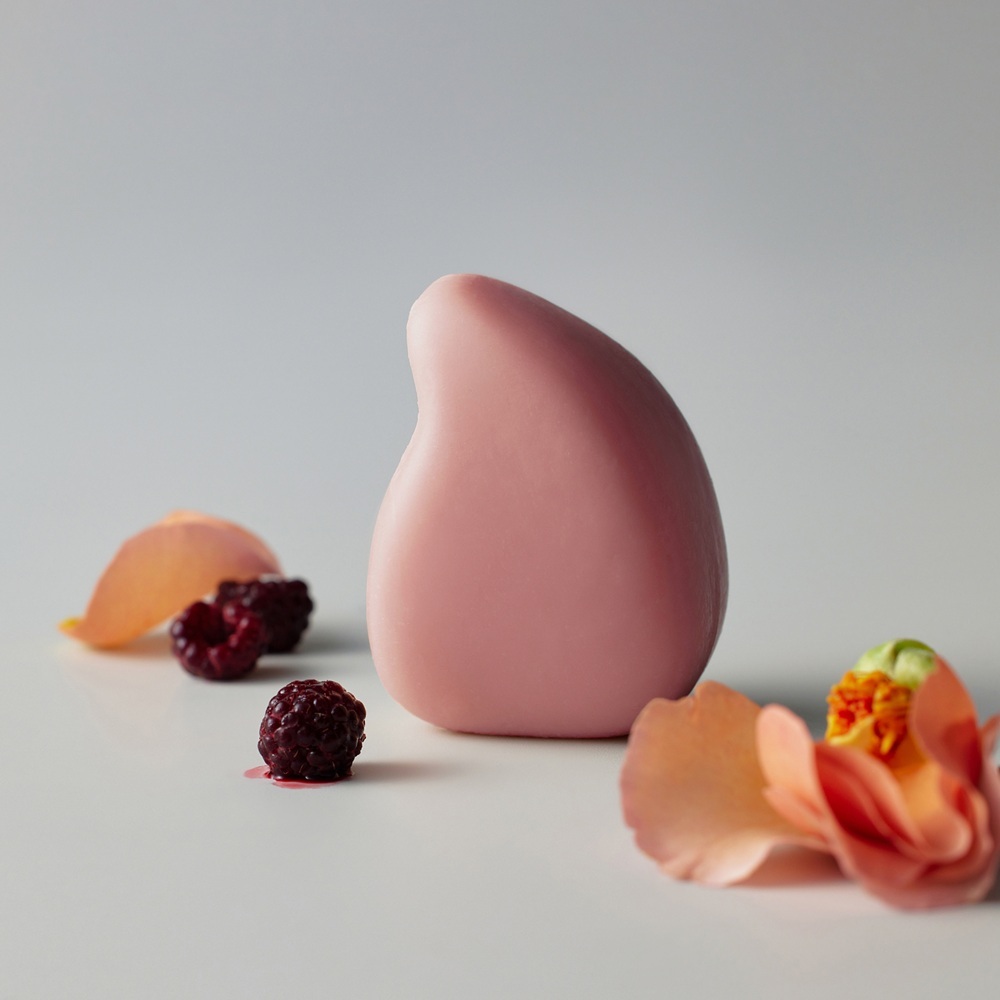
ReSaltZ Salt Massage Rose Cleansing Bar
Beplain
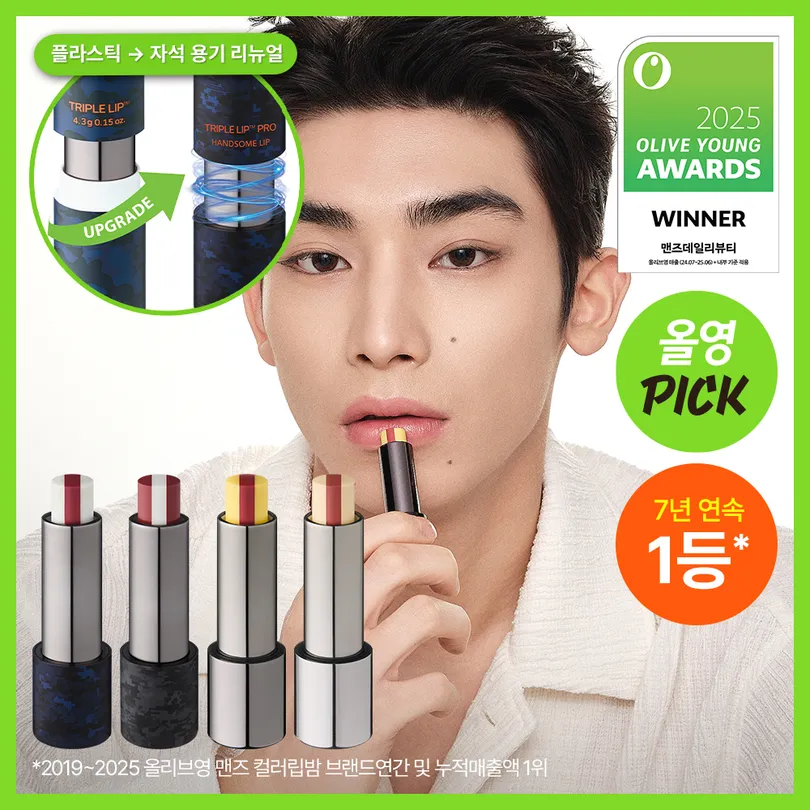
Triple Lip Balm PRO
GRAFEN
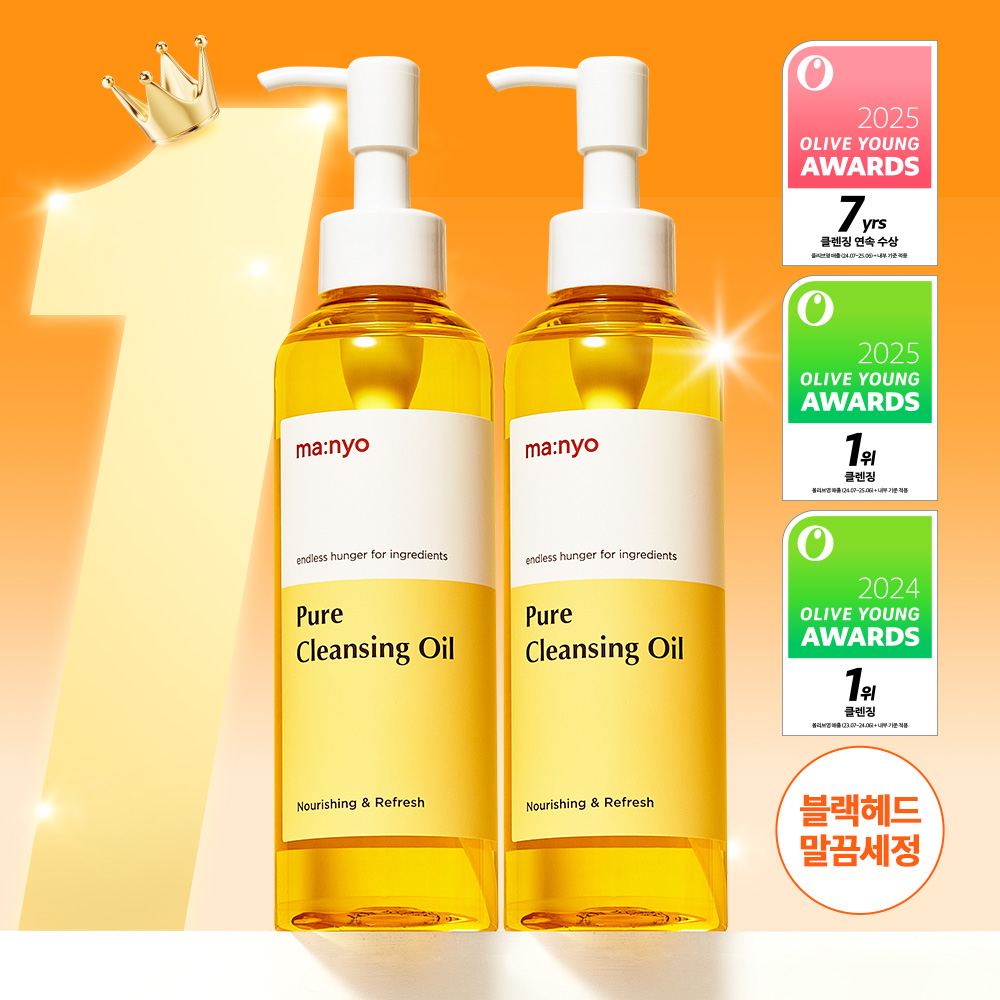
Pure Cleansing Oil Double Pack
ma:nyo

Lip Sense
GRAFEN
Pure Cleansing Oil Double Pack
Manyo
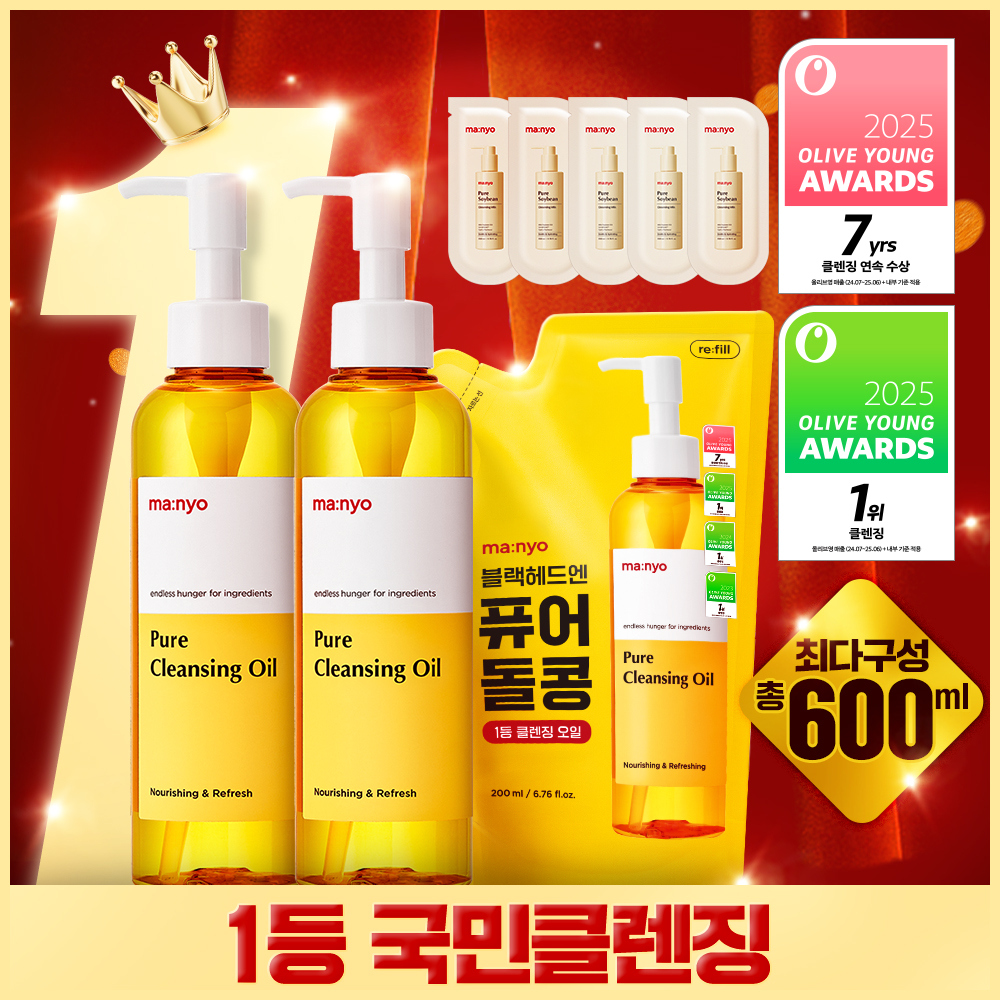
Pure Cleansing Oil
ma:nyo
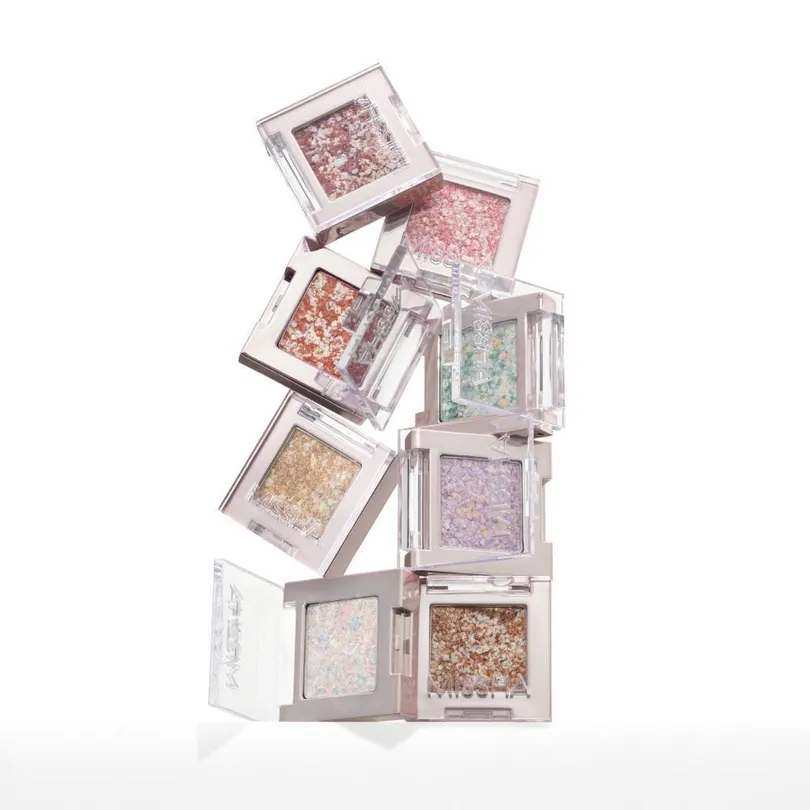
Glitter Prism
MISSHA
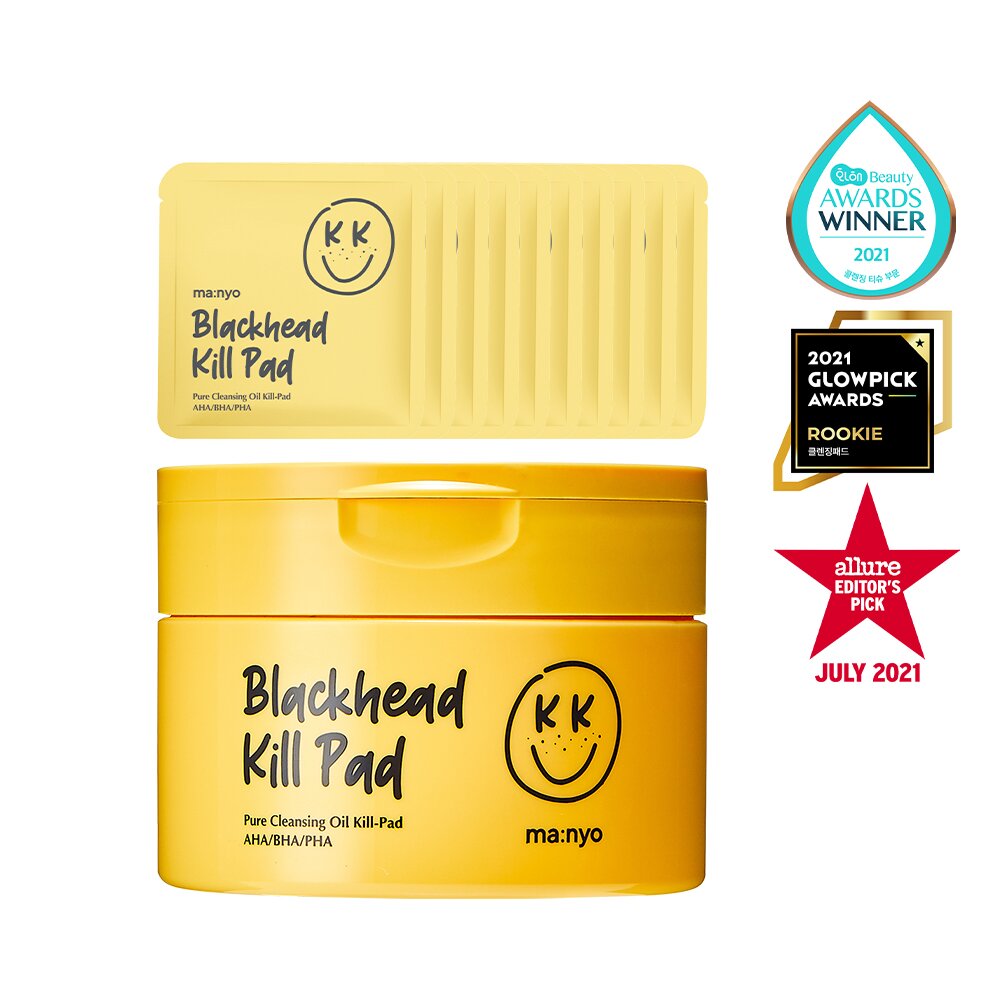
Blackhead Pure Cleansing Oil Kill Pad Special Set
ma:nyo
Tea Tree Balancing Emulsion
Aromatica

Triple Lip Naked
GRAFEN
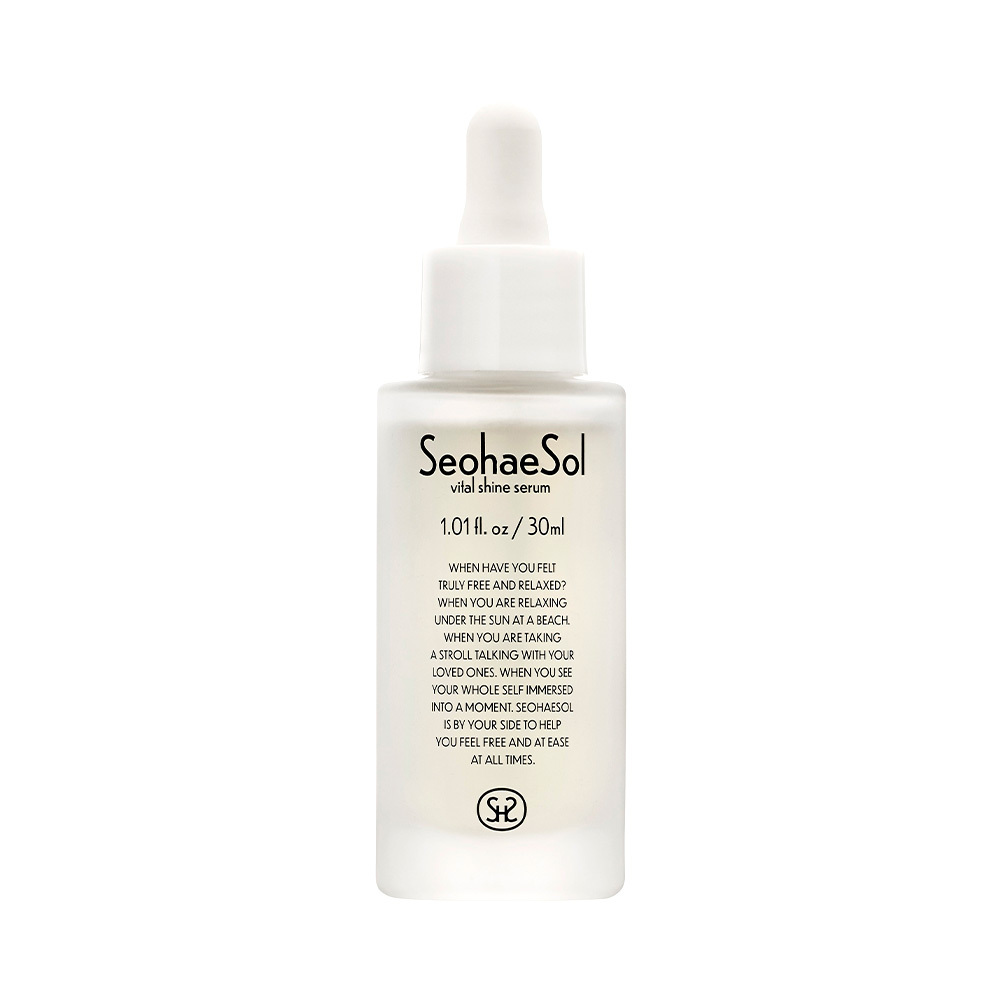
SeohaeSol Vital Shine Serum
Anua
Frequently Asked Questions
Is babassu oil the same as coconut oil?▼
Will babassu oil clog my pores if I'm acne-prone?▼
Why do K-beauty brands use babassu oil instead of other oils?▼
Can I use babassu oil products in the summer?▼
Explore More
Want personalized ingredient advice?
Yuri, our AI beauty advisor, can tell you how Babassu Oil works with your specific skin type, routine, and concerns.
Ask Yuri, free