Rice Bran Oil
INCI: Oryza Sativa (Rice) Bran Oil
Emollient rich in antioxidants and fatty acids
About Rice Bran Oil
Rice bran oil is extracted from the outer layer of rice grains, the nutrient-dense bran that's removed during polishing. This golden oil has been a staple in Asian beauty rituals for centuries, prized for its ability to deeply nourish skin without feeling heavy or greasy. Rich in vitamin E, gamma-oryzanol, and essential fatty acids like oleic and linoleic acid, rice bran oil delivers powerful antioxidant protection while strengthening the skin's moisture barrier. In K-beauty formulations, it's particularly valued as an emollient that mimics skin's natural lipid structure, making it easily absorbed and universally compatible. You'll find it predominantly in cleansing oils and cleansing balms (like Hanskin's Deep Cleansing Oil Balm and Banila Co's Pongdang Pore Deep Clean Cleansing Oil, both rated 5.0/5 on Seoul Sister) because it excels at dissolving makeup, sunscreen, and sebum while leaving skin soft and conditioned rather than stripped. Its moderate comedogenic rating of 2/5 means it's generally well-tolerated, though those with very acne-prone skin may want to monitor their response. The oil's lightweight texture and skin-compatible composition make it a go-to ingredient for Korean brands creating gentle yet effective cleansing products that honor the philosophy of thorough but non-irritating skincare.
How Rice Bran Oil Works
Rice bran oil works through multiple mechanisms at the cellular level. Its high concentration of gamma-oryzanol (a unique antioxidant compound found almost exclusively in rice bran) neutralizes free radicals and inhibits melanin production, providing both anti-aging and brightening benefits. The oil's fatty acid profile, particularly its balance of oleic acid (omega-9) and linoleic acid (omega-6), closely resembles the lipid composition of human sebum. This similarity allows it to integrate seamlessly into the skin's lipid barrier, filling gaps between skin cells and preventing transepidermal water loss. When used in cleansing formulations, rice bran oil operates on the principle that like dissolves like. Its lipophilic (oil-loving) nature binds to sebum, makeup, and oil-soluble impurities, allowing them to be rinsed away without disrupting the skin's natural oils. Meanwhile, vitamin E (tocopherol and tocotrienol forms) provides membrane-protective effects, shielding skin cells from oxidative stress and UV-induced damage. The oil's squalene content also supports skin regeneration and maintains suppleness.
Rice Bran Oil by Skin Type
Oily Skin
Rice bran oil might seem counterintuitive for oily skin, but its cleansing applications are actually ideal. In oil cleansers, it effectively removes excess sebum without triggering rebound oil production. Its linoleic acid content can help regulate sebum composition, potentially reducing the thick, waxy sebum that leads to congestion.
Dry Skin
This is where rice bran oil truly shines. Its emollient properties provide deep hydration by reinforcing the lipid barrier, and its fatty acid profile helps lock in moisture throughout the day. Dry skin types will appreciate how it leaves skin feeling nourished rather than tight after cleansing, as seen in products like The Face Shop's Rice Water Bright cleansers.
Combo Skin
Rice bran oil offers excellent balance for combination skin. It hydrates dry cheek areas without adding weight to oily T-zones. When formulated into cleansing products, it removes impurities from oily areas while conditioning drier patches, making it perfect for the dual needs of combination skin.
Sensitive Skin
The gentle, non-irritating nature of rice bran oil makes it suitable for sensitive skin. Its anti-inflammatory properties (from gamma-oryzanol and ferulic acid) help calm reactivity, and it's less likely to cause allergic reactions compared to some botanical oils. The 5/5 safety rating reflects its well-established tolerance profile.
Normal Skin
Normal skin benefits from rice bran oil's preventative care properties. Its antioxidants protect against environmental stressors while maintaining optimal barrier function. Used regularly in cleansing routines, it helps preserve the balanced, healthy state that normal skin naturally enjoys.
How to Use Rice Bran Oil
- 1When using rice bran oil cleansers, massage onto dry skin for 30-60 seconds before adding water to properly dissolve makeup and sunscreen through the oil cleansing method.
- 2For acne-prone skin with the moderate 2/5 comedogenic rating in mind, follow oil cleansing with a water-based cleanser (double cleansing) to ensure complete removal.
- 3Rice bran oil cleansers work synergistically with other rice-derived ingredients, so look for products like Hanyul's Yuja Cleansing Set that combine multiple rice extracts for enhanced brightening effects.
- 4Apply gentle, circular massage motions when using rice bran oil products to boost microcirculation and maximize the absorption of its antioxidant compounds.
Background
Rice bran oil has roots in traditional Asian medicine and beauty practices dating back centuries. In Japan, geishas were known to use rice bran (called nuka) in small cloth bags to cleanse and polish their skin, discovering that the oil left their complexions luminous and even-toned. The oil is produced during the rice milling process, when the outer bran layer is separated from the white rice grain. This byproduct, once considered waste, was found to contain the majority of rice's nutritional value. Korean beauty brands began incorporating rice bran oil into modern formulations in the early 2000s as part of the broader hanbang (traditional Korean medicine) movement, recognizing its proven efficacy and cultural significance. Today, it's a cornerstone ingredient in K-beauty cleansing products, representing the industry's philosophy of transforming time-honored ingredients into scientifically advanced skincare.
K-Beauty Products with Rice Bran Oil
View all 78 →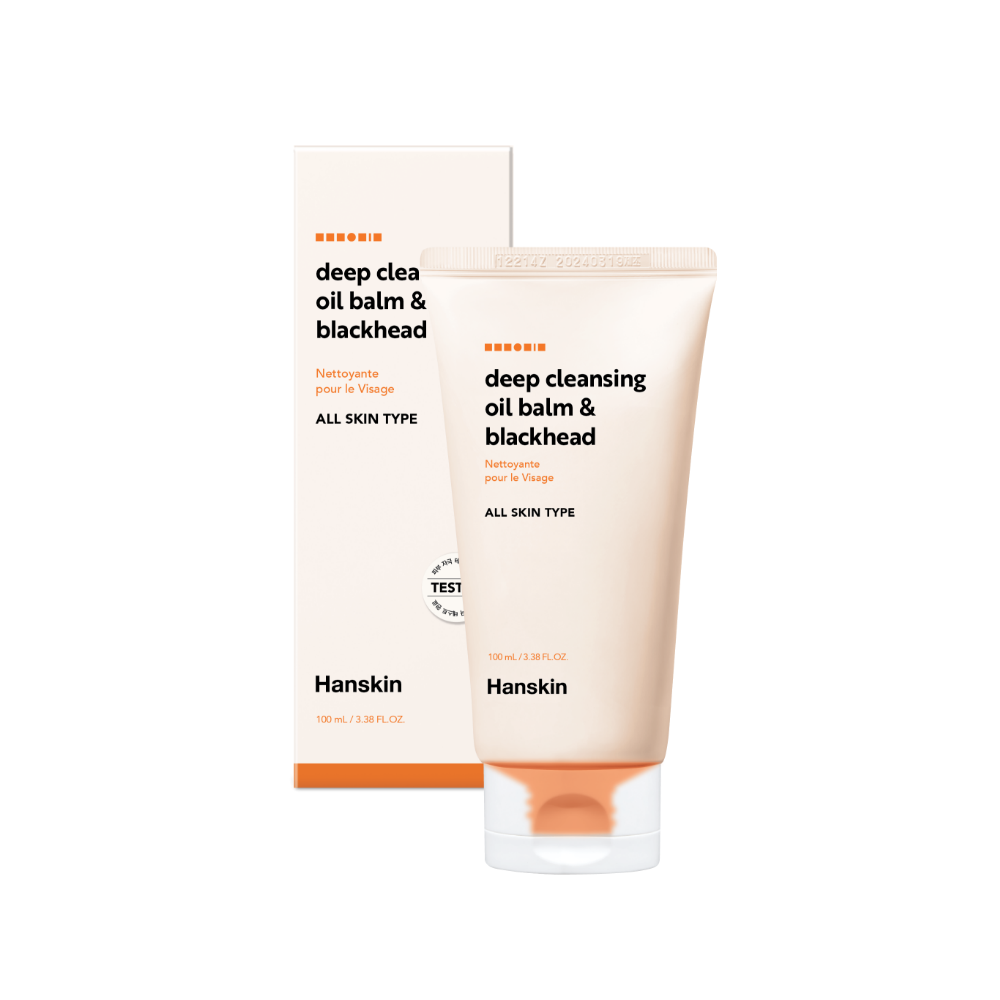
Deep Cleansing Oil Balm & Blackhead
Hanskin
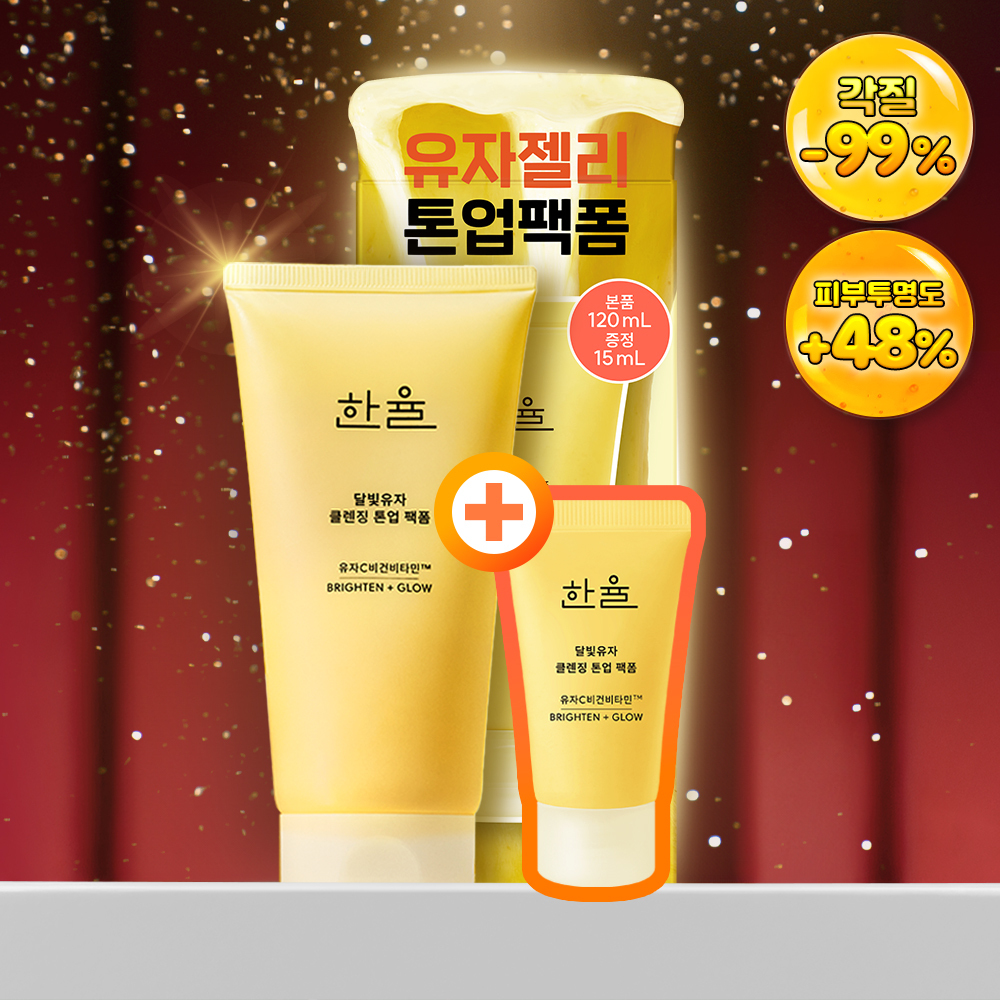
Yuja Cleansing Tone Up Pack Foam Set
Hanyul
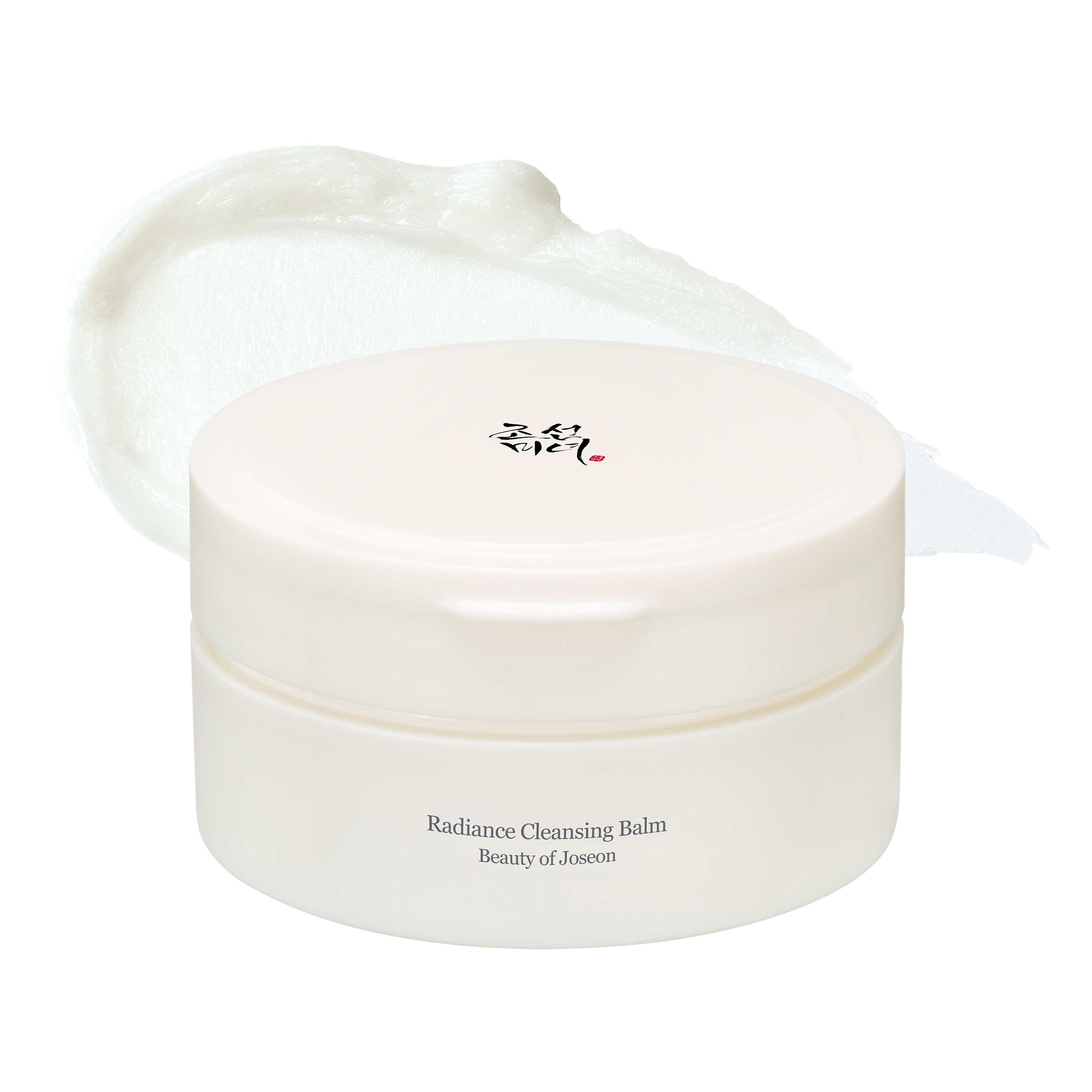
Radiance Cleansing Balm
Beauty of Joseon
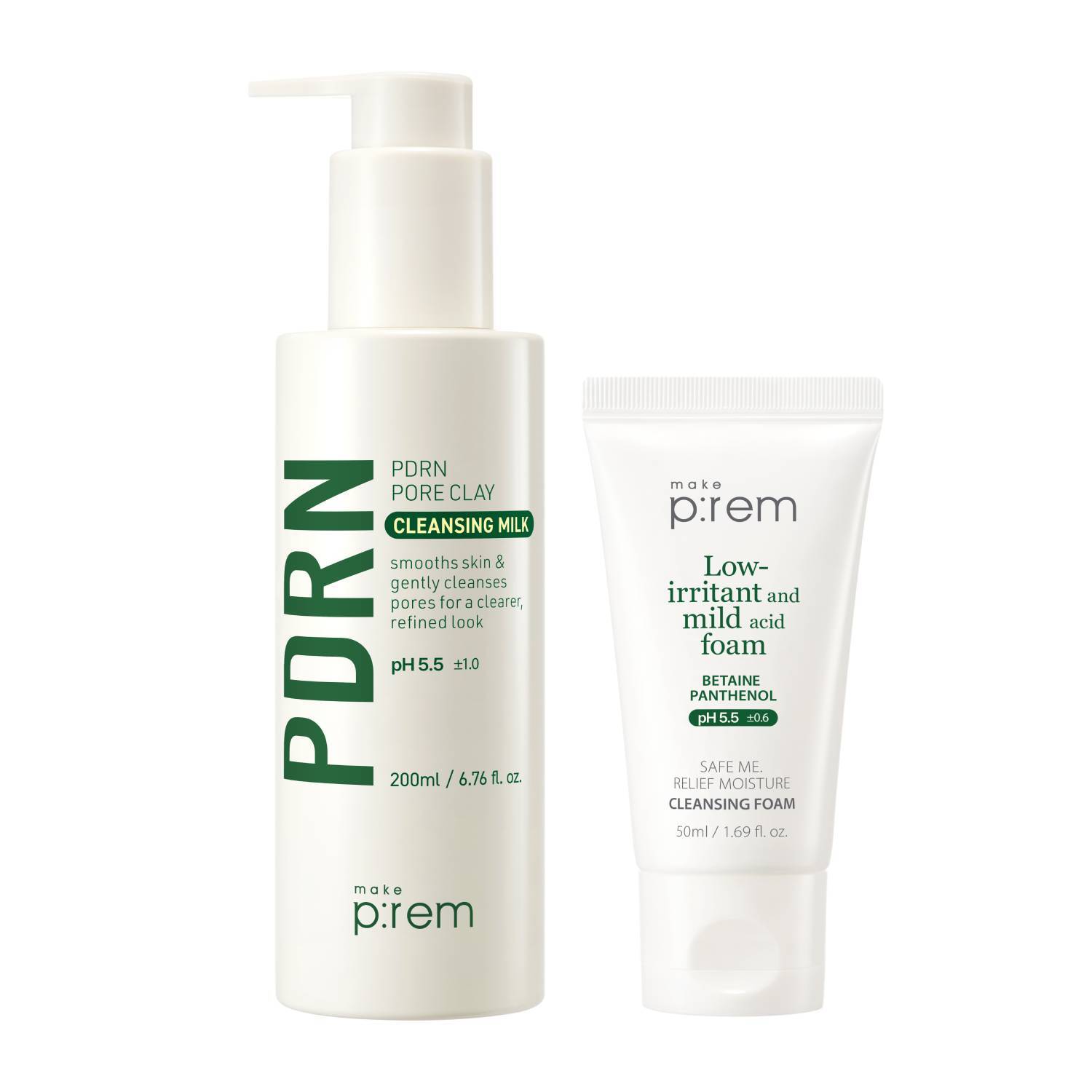
PDRN Pore Clay Cleansing Milk Set
Makeprem

Pure Cleansing Oil
ma:nyo
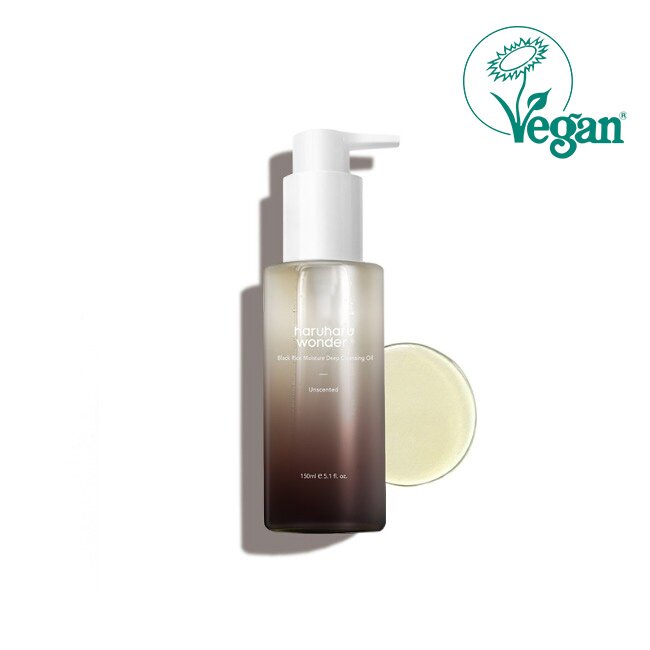
Black Rice Moisture Deep Cleansing Oil
Haruharu Wonder

Pore Refresh Grinding Cleansing Balm Set
Dr. Althea
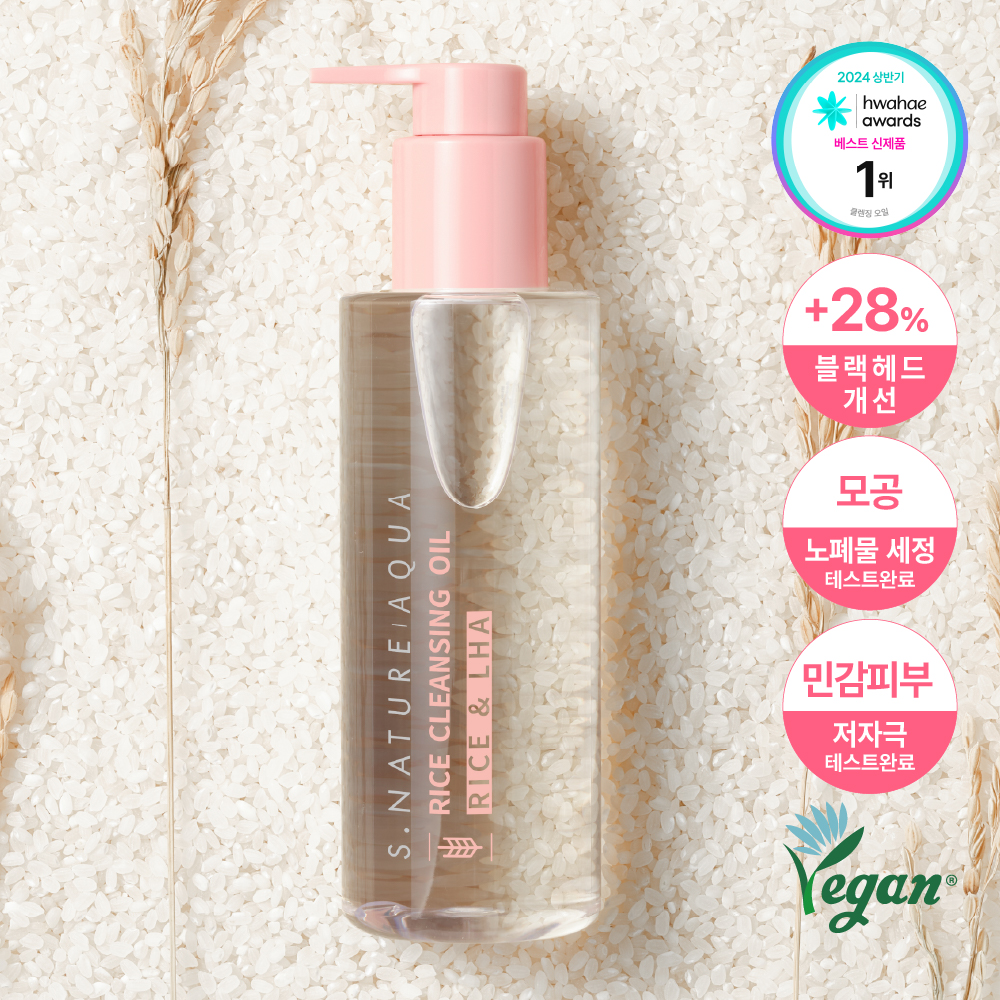
Aqua Rice Cleansing Oil
S.Nature
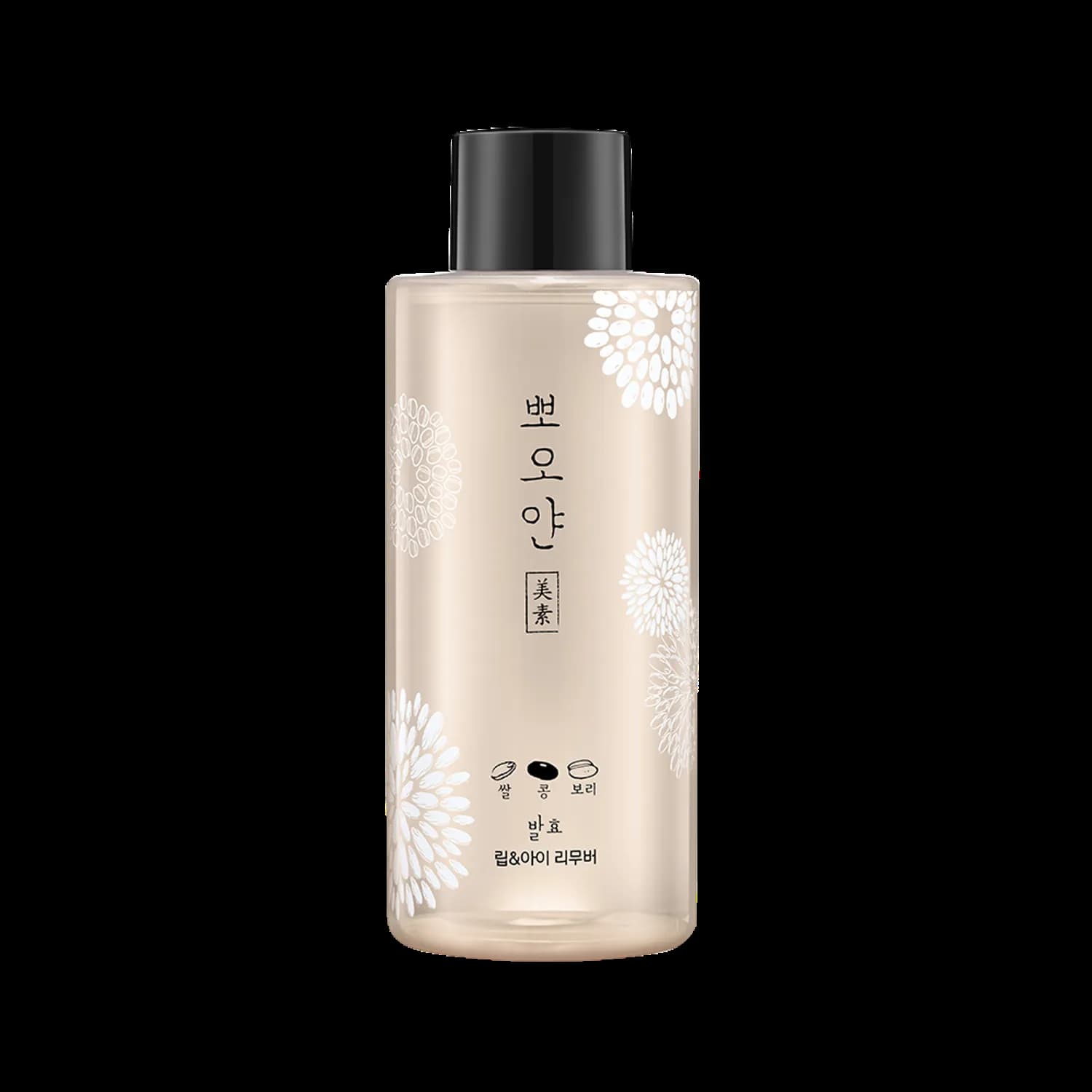
PPOYAN Lip and Eye Remover
Etude
Yuja Cleansing Peeling Gel Balm
Hanyul

Safe Me Relief Moisture Cleansing Foam
Makeprem
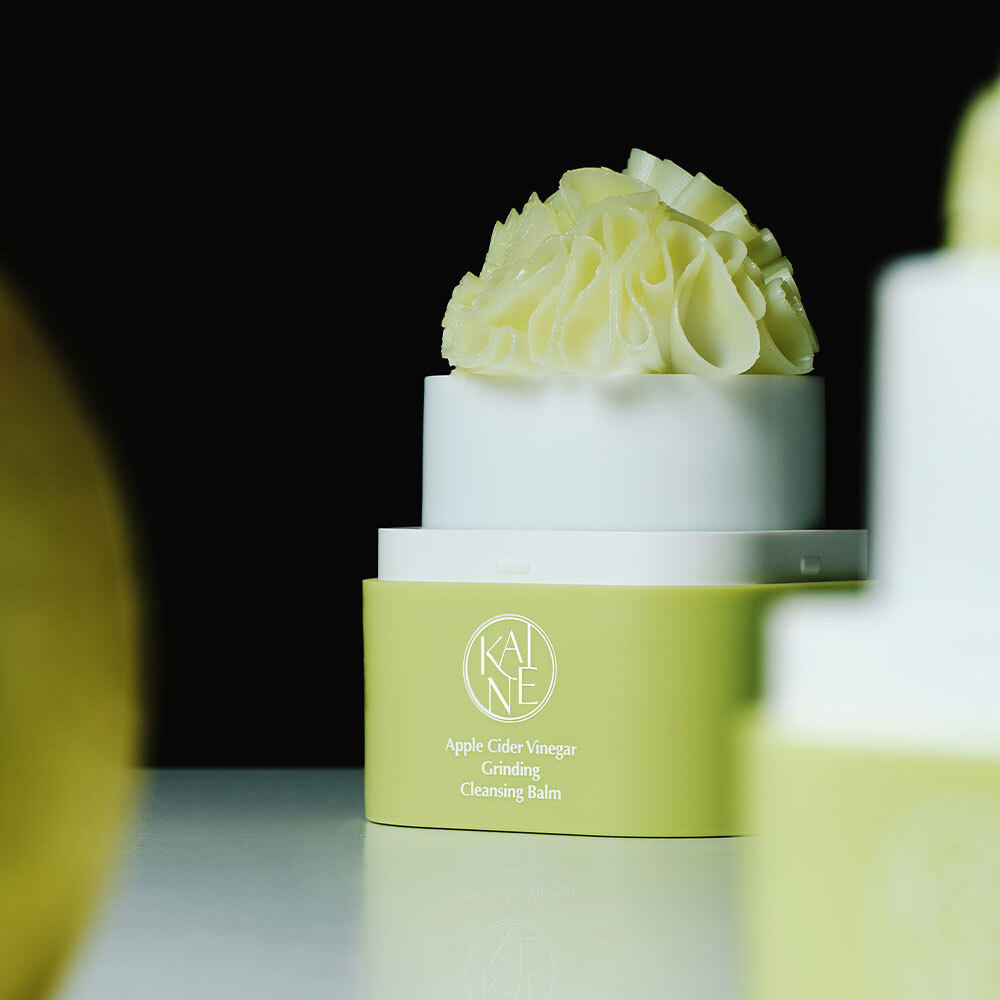
Apple Cider Vinegar Grinding Cleansing Balm
KAINE
Frequently Asked Questions
Will rice bran oil clog my pores?▼
What makes rice bran oil different from other cleansing oils?▼
Can I use rice bran oil products if I have sensitive skin?▼
How often should I use rice bran oil cleansers?▼
Explore More
Want personalized ingredient advice?
Yuri, our AI beauty advisor, can tell you how Rice Bran Oil works with your specific skin type, routine, and concerns.
Ask Yuri, free