Rice Germ Oil
INCI: Oryza Sativa (Rice) Germ Oil
Emollient rich in antioxidants and fatty acids
About Rice Germ Oil
Rice germ oil is a nutrient-dense emollient extracted from the innermost part of the rice kernel, where the grain would sprout if planted. This golden oil has been a skincare secret in Korea and Japan for centuries, prized for its ability to deeply nourish without heaviness. Rich in gamma-oryzanol (a powerful antioxidant unique to rice), vitamin E, squalene, and essential fatty acids like linoleic and oleic acid, rice germ oil delivers multiple benefits in one ingredient. It strengthens the skin barrier, neutralizes free radicals, and provides lightweight hydration that absorbs quickly. In K-beauty formulations, rice germ oil appears across product categories from cleansers to patches to balms, valued for its versatility and compatibility with other actives. With a moderate comedogenic rating of 2/5, it works for most skin types when formulated correctly. The oil's natural affinity for skin lipids makes it particularly effective at restoring suppleness to dehydrated or compromised skin. Its presence in high-performing products like The Face Shop's Rice Water Bright line and VT's PDRN formulations demonstrates its status as a trusted ingredient among Korean skincare formulators.
How Rice Germ Oil Works
Rice germ oil functions at the skin barrier level, where it mimics and reinforces the natural lipid matrix that keeps moisture in and irritants out. The oil's fatty acid composition (approximately 42% oleic acid and 37% linoleic acid) closely resembles sebum, allowing it to integrate seamlessly into the stratum corneum. Gamma-oryzanol, the star compound in rice germ oil, inhibits tyrosinase activity (the enzyme responsible for melanin production) while simultaneously neutralizing UV-induced free radicals. This dual action provides both brightening and protective effects. The oil's vitamin E content (tocopherols and tocotrienols) further enhances antioxidant capacity, defending against oxidative stress from pollution and blue light. Squalene, naturally present at 0.5 to 1.0%, penetrates deeply to soften and condition skin at multiple layers. Unlike heavy oils that sit on the surface, rice germ oil's molecular structure allows it to permeate efficiently, delivering nutrients where they're needed without clogging pores or leaving residue. This makes it especially valuable in Korean skincare's layering approach, where each product must absorb fully before the next application.
Rice Germ Oil by Skin Type
Oily Skin
Rice germ oil can work for oily skin when used in lightweight formulations like cleansers or essences, where it's present in lower concentrations. The high linoleic acid content (37%) is actually beneficial for oily skin, as research suggests oily skin types often have linoleic acid deficiency, which can worsen sebum quality and clogging. However, avoid heavy applications of pure oil or rich creams containing it as a primary ingredient, as the comedogenic rating of 2/5 means there's some pore-clogging potential for very oily or acne-prone skin.
Dry Skin
This is where rice germ oil truly shines. Dry skin desperately needs both occlusive protection and lipid replenishment, and rice germ oil delivers both without the greasy after-feel that turns people away from facial oils. The oleic acid content helps repair compromised barriers common in dry skin, while the antioxidants protect already vulnerable skin from further damage. Products like Purito Seoul's Wonder Releaf Centella Cream and KAHI's Kisstin Balm leverage rice germ oil's emollient properties to provide lasting comfort and suppleness to parched skin.
Combo Skin
Combination skin benefits from rice germ oil's balanced fatty acid profile, which provides hydration to dry zones without overwhelming oily areas. The key is formulation context: in cleansers like The Face Shop's Rice Water Bright line, it adds nourishment without residue. In targeted treatments or moisturizers, apply more generously to dry cheeks while using a lighter hand on the T-zone. The moderate comedogenic rating means most combination skin types tolerate it well when not layered too heavily.
Sensitive Skin
Rice germ oil is generally well-tolerated by sensitive skin due to its natural origin and skin-compatible composition. The antioxidants provide anti-inflammatory benefits that can calm reactive skin, while the barrier-strengthening fatty acids reduce sensitivity over time by fortifying defenses. Its appearance in gentle formulations like VT's PDRN sets and Franz's EGF patches (both designed for skin recovery) speaks to its suitability for compromised or sensitive skin. The safety rating of 4/5 reflects minimal irritation potential, though anyone with rice allergies should obviously avoid it.
Normal Skin
Normal skin can fully enjoy rice germ oil's benefits without much concern. Use it as part of your regular routine to maintain barrier health, boost antioxidant protection, and prevent premature aging. The oil's preventive and maintenance properties make it ideal for normal skin looking to stay that way. Layer it in serums, creams, or use products containing it as a key ingredient without worrying about disrupting your skin's natural balance.
How to Use Rice Germ Oil
- 1In cleansers, rice germ oil adds gentle nourishment during the washing process without leaving residue, so don't skip these products thinking oils in cleansers are counterproductive.
- 2For dry skin, look for rice germ oil in the first five ingredients of creams or balms for maximum emollient benefit. For oily skin, it's better in wash-off products or lower on the ingredient list.
- 3Layer rice germ oil-containing products after water-based serums but before heavy occlusives to optimize absorption and lock in hydration.
- 4Rice germ oil pairs beautifully with centella, niacinamide, and peptides (as seen in the top-rated products), making it a team player in multi-active formulations.
- 5Store products containing rice germ oil away from direct sunlight and heat, as the unsaturated fatty acids can oxidize over time, reducing effectiveness and potentially causing irritation.
Background
Rice germ oil originates from the same East Asian rice cultivation traditions that gave us rice water and fermented rice ingredients. The germ constitutes only about 2-3% of the rice kernel but contains approximately 70% of its nutritional value, which explains why it's been valued in both food and medicine for centuries. In Korean and Japanese traditional beauty practices, women who worked in rice mills were noted for their exceptionally soft hands, attributed to constant contact with rice and its oils. Modern extraction techniques use cold-pressing or solvent methods to isolate oil from the germ, the tiny embryo removed during the polishing process that creates white rice. Korean beauty brands began incorporating rice germ oil more prominently in the 2010s as the broader rice-based skincare trend gained momentum, recognizing it as a more concentrated source of rice's beautifying compounds than rice water alone.
K-Beauty Products with Rice Germ Oil
View all 26 →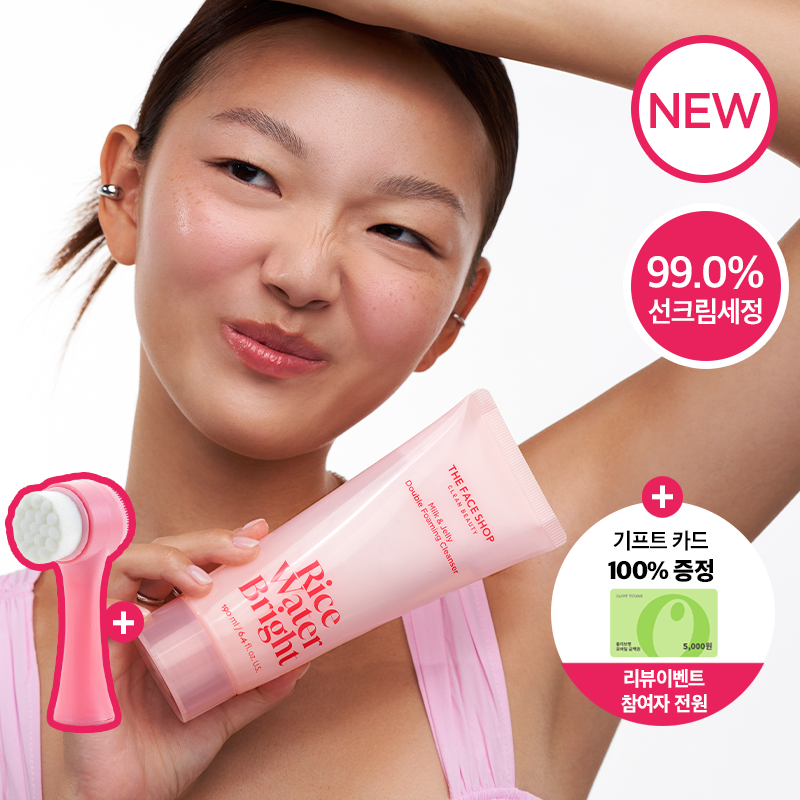
Rice Water Bright Milk & Jelly Double Foaming Cleanser
The Face Shop
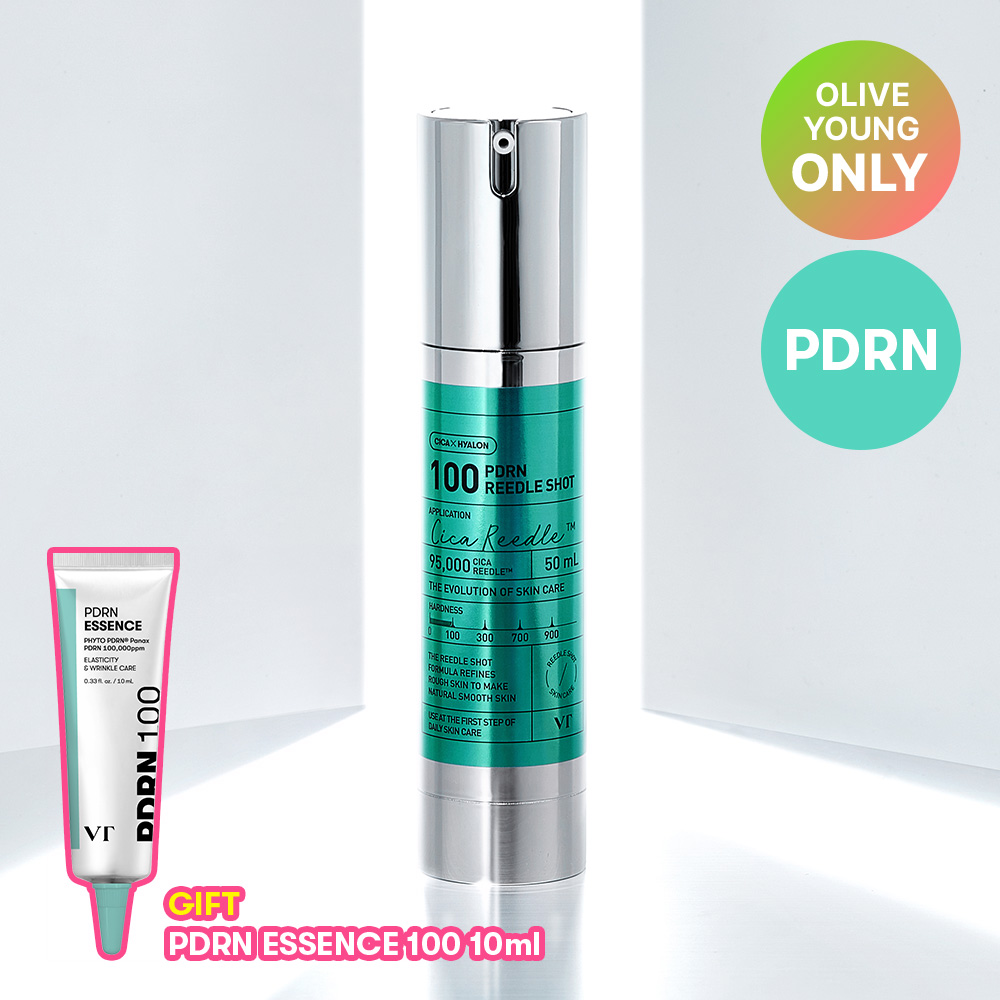
PDRN Reedle Shot 100 + PDRN Essence 100 Special Set
VT
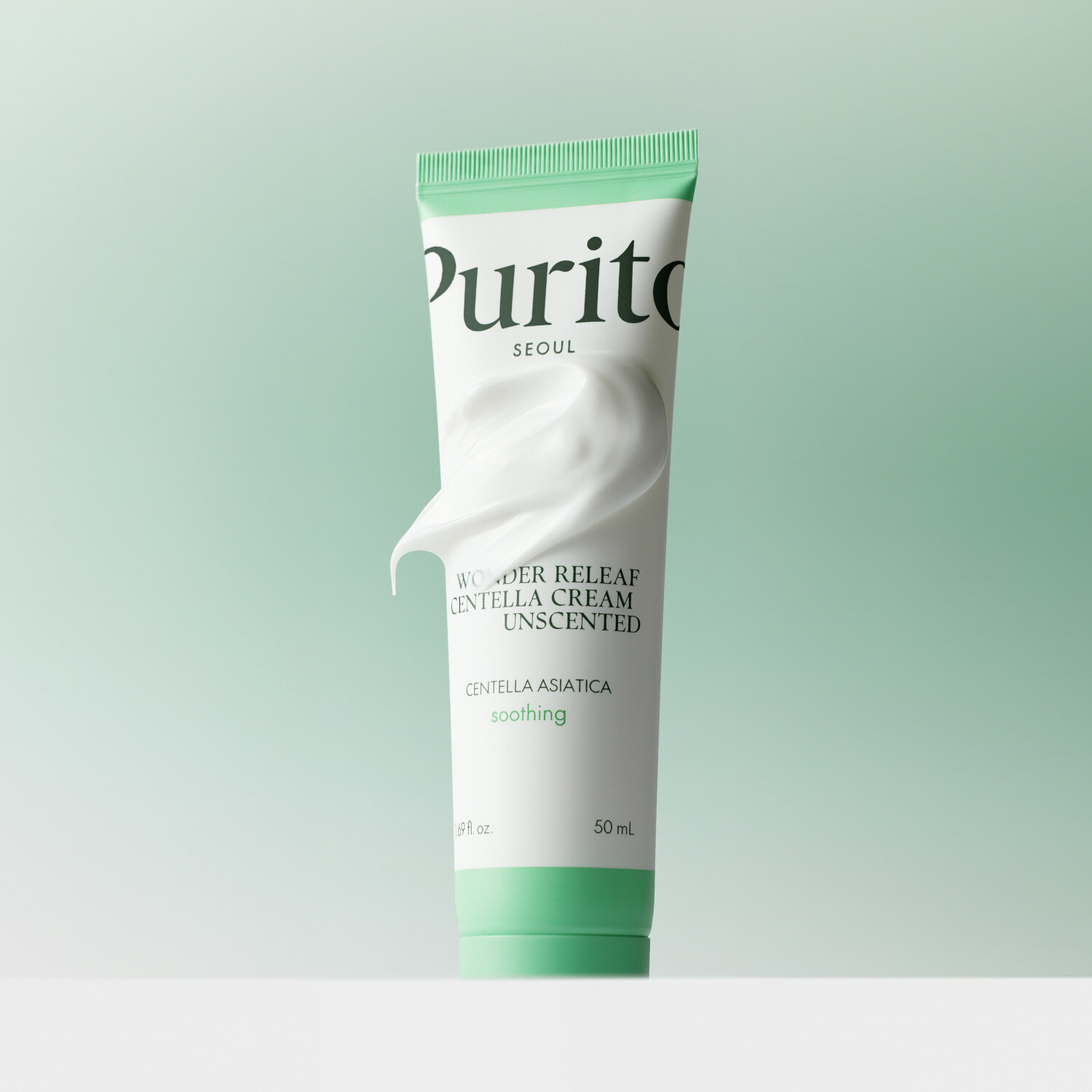
Wonder Releaf Centella Cream Unscented
Purito Seoul
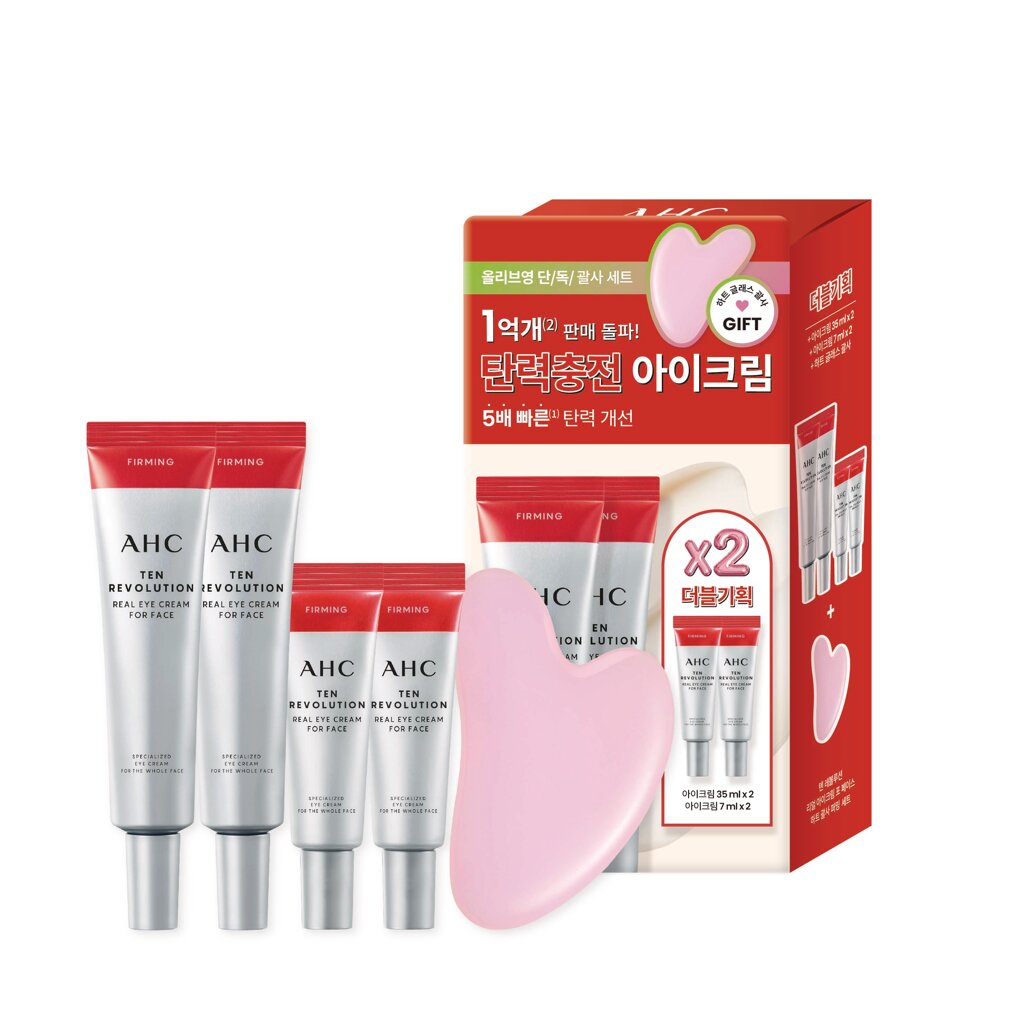
10 Revolution Real Eye Cream For Face
AHC
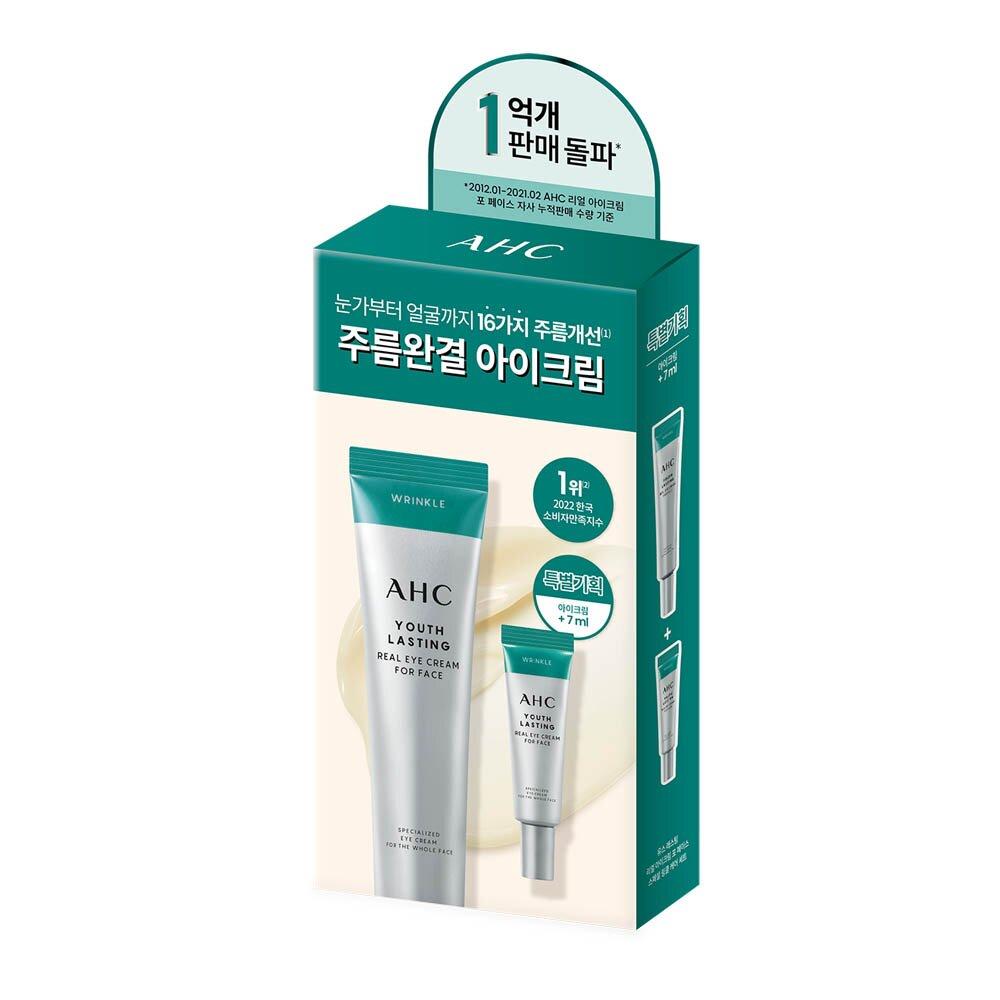
Youth Lasting Real Eye Cream For Face Special Wrinkle Care Set
AHC
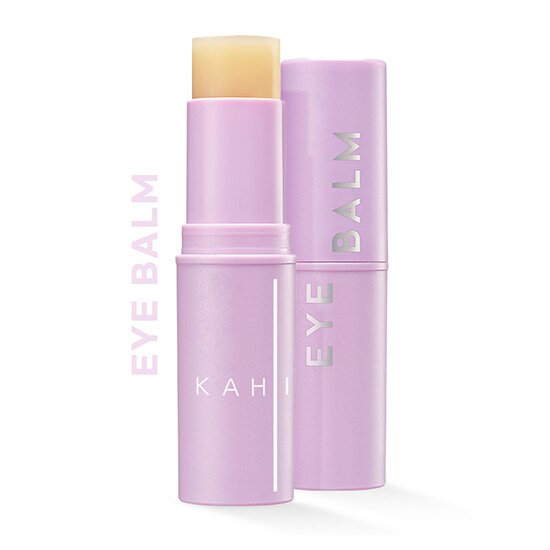
Eye Balm
KAHI
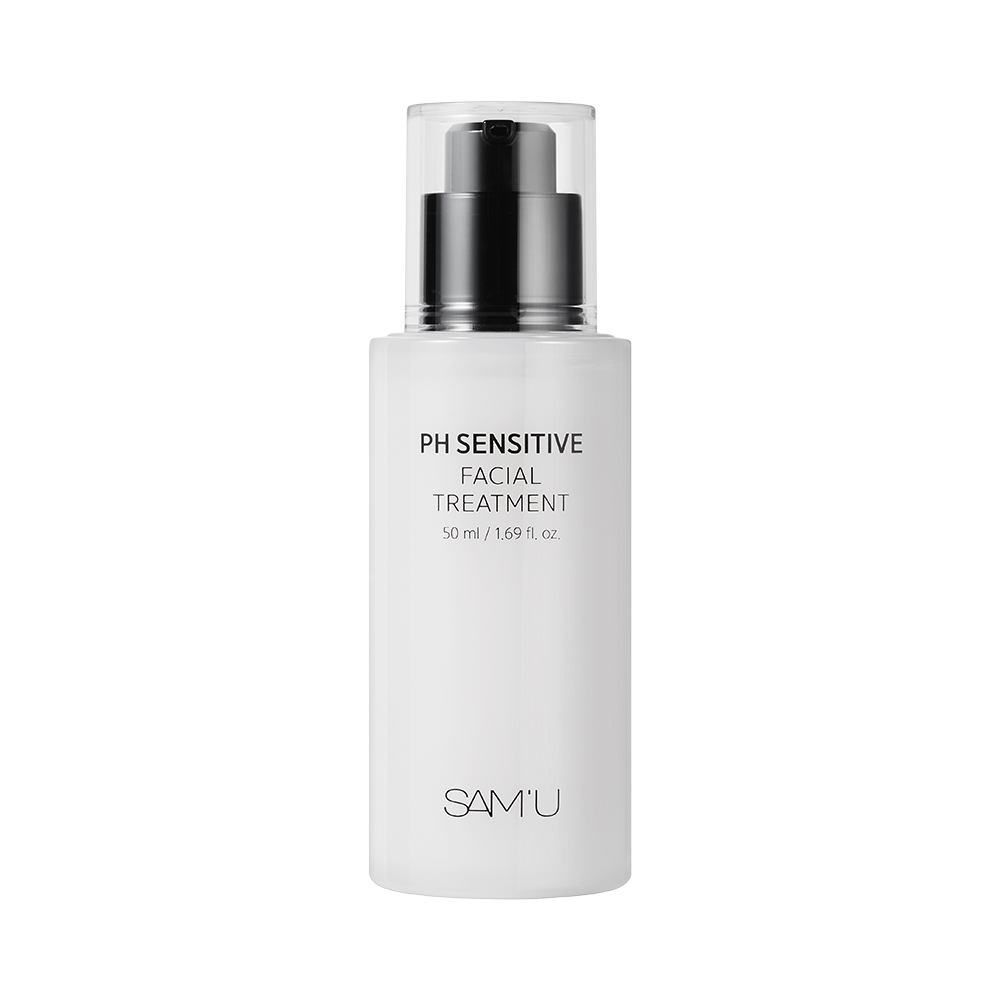
PH Sensitive Facial Treatment
SAM'U
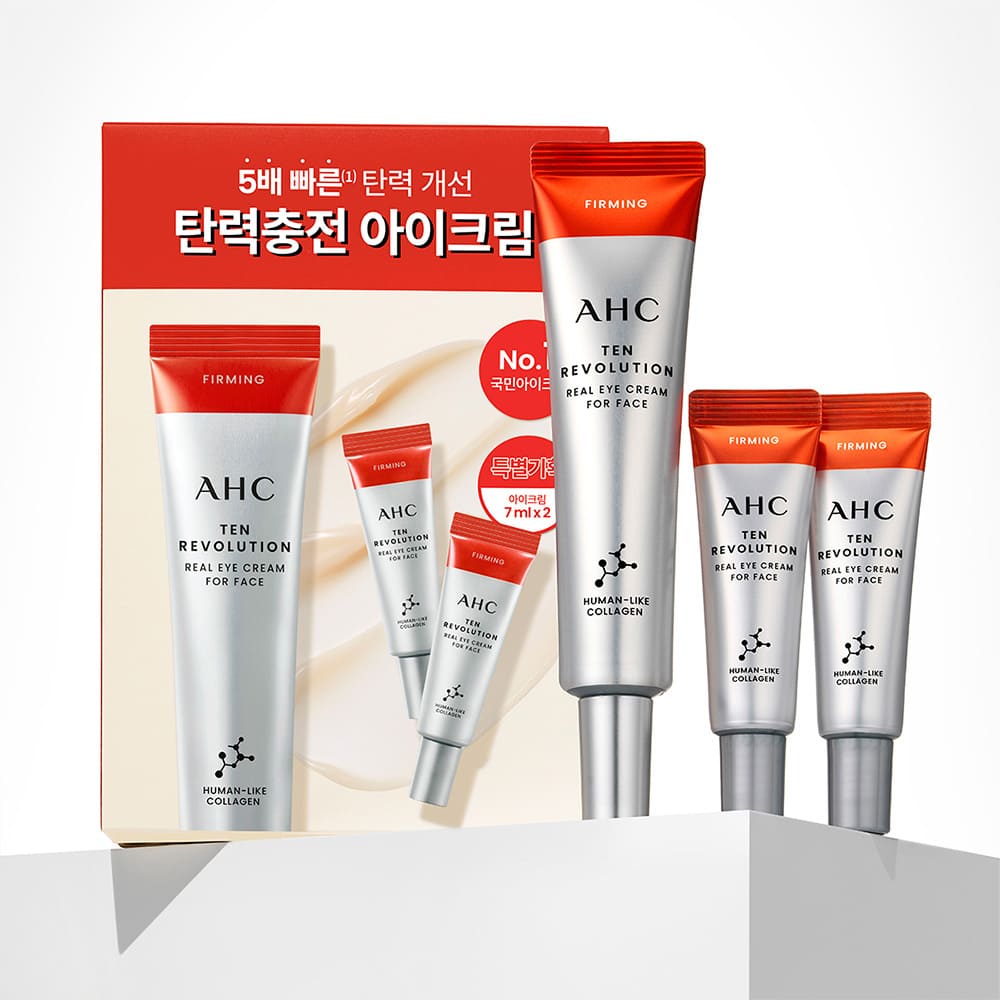
10 Revolution Real Eye Cream For Face Special Firming Set
AHC
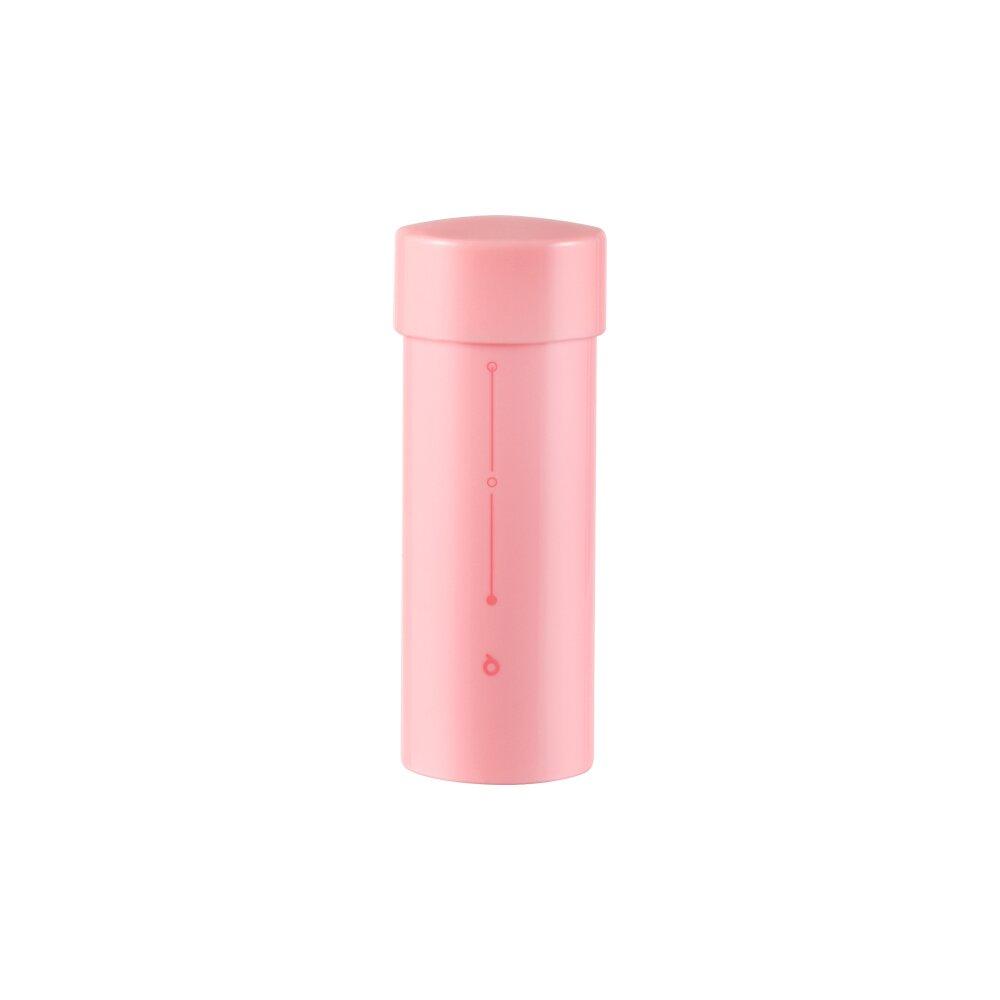
Multi Balm Refill Kit
KAHI
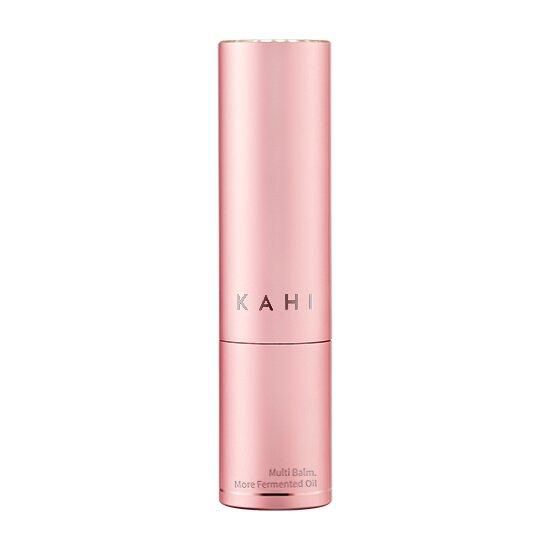
Multi Balm Refill Pack
KAHI
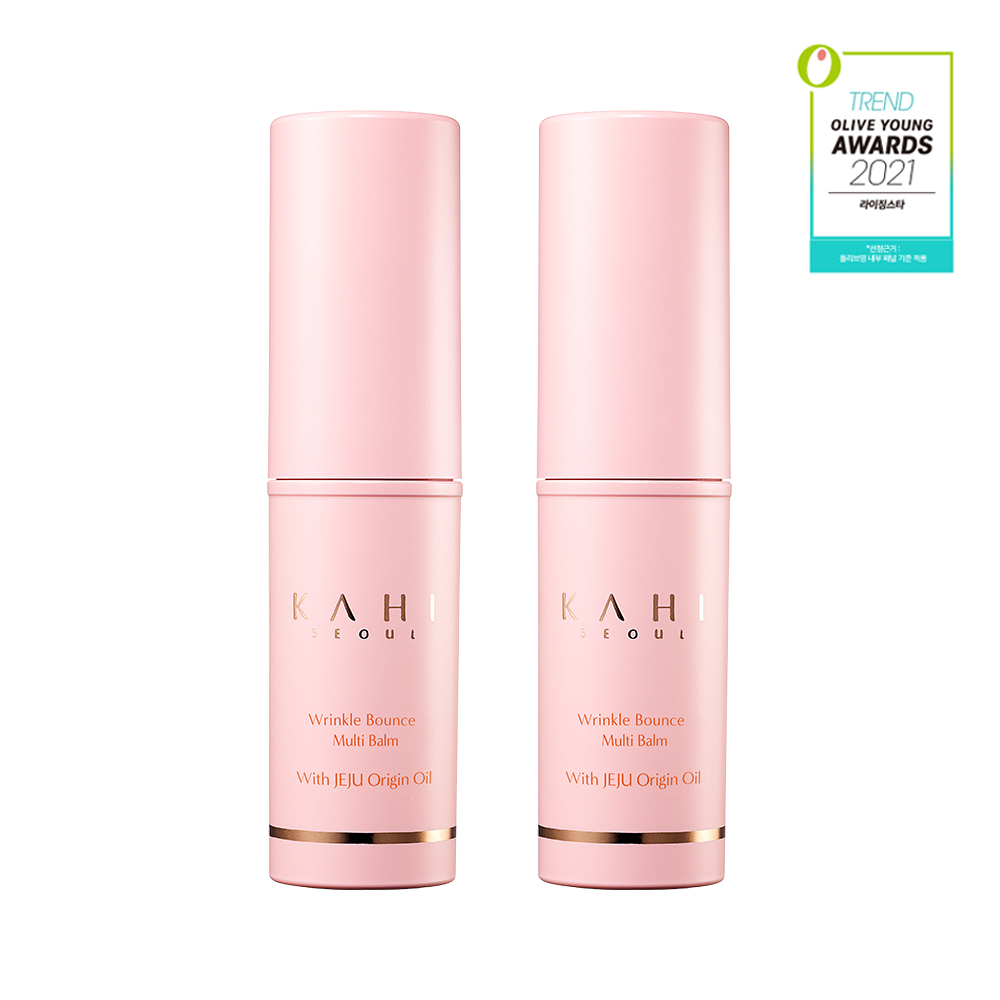
Multi Balm Duo
KAHI
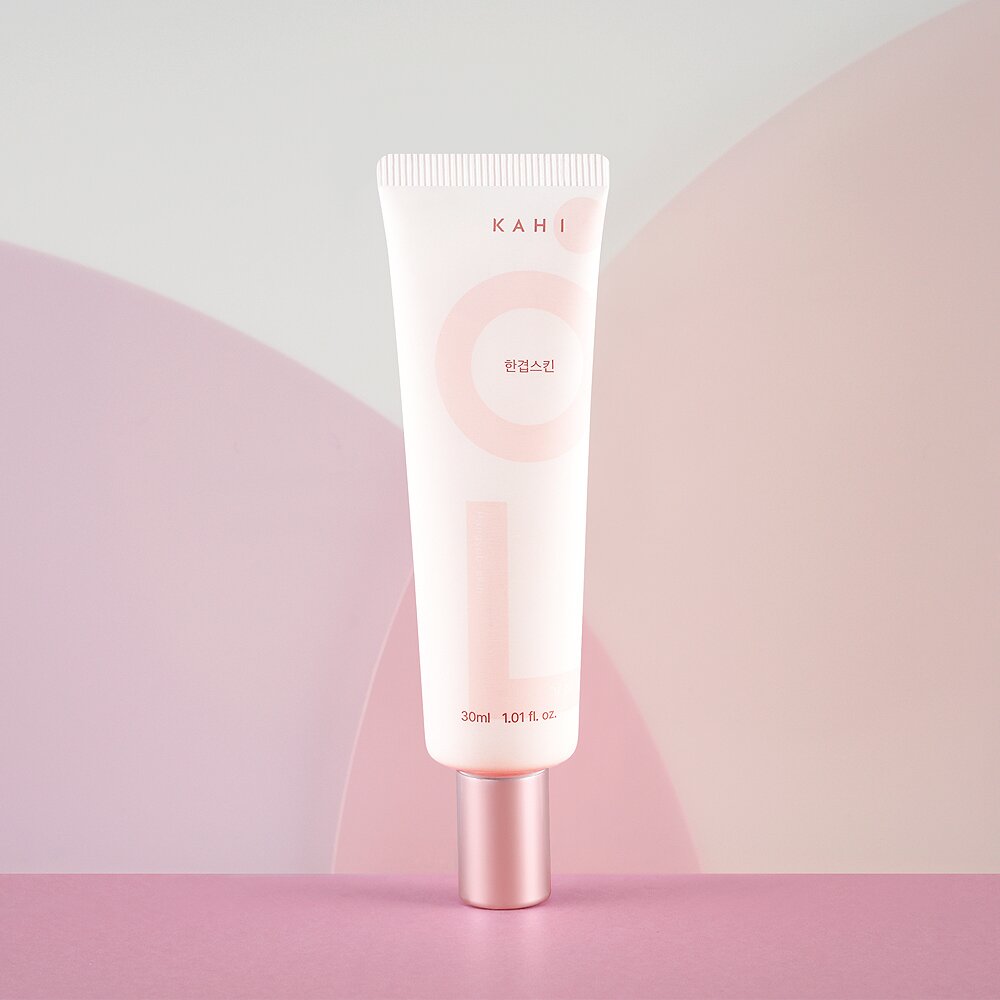
Han Gyob Skin
KAHI
Frequently Asked Questions
Will rice germ oil clog my pores if I'm acne-prone?▼
How does rice germ oil compare to other popular K-beauty oils like camellia or jojoba?▼
Can I use rice germ oil if I have a rice allergy?▼
Why is rice germ oil in products rated so highly on Seoul Sister?▼
Explore More
Want personalized ingredient advice?
Yuri, our AI beauty advisor, can tell you how Rice Germ Oil works with your specific skin type, routine, and concerns.
Ask Yuri, free