Peony Root Extract
INCI: Paeonia Lactiflora Root Extract
Antioxidant and anti-inflammatory skin soother
About Peony Root Extract
Peony root extract, derived from the Paeonia lactiflora plant, is a botanical powerhouse in K-beauty formulations known for its potent antioxidant and anti-inflammatory properties. This time-honored ingredient contains paeoniflorin, gallic acid, and other bioactive compounds that work to calm irritated skin, neutralize free radicals, and support the skin's natural barrier function. In Korean skincare, peony root extract is prized for its ability to address redness and sensitivity while delivering visible brightening effects without irritation. The extract appears in 42 products on Seoul Sister, ranging from lightweight serums to rich moisturizers, often paired with other traditional botanicals for enhanced efficacy. With a safety rating of 4/5 and a non-comedogenic profile (0/5), peony root extract suits virtually all skin types, including acne-prone and sensitive complexions. Its presence in top-rated formulas like Anua's DPPR Soycube Exorepair Serum and Aestura's Dr.Iaso Complete Moisturizer EX (both rated 5.0/5) demonstrates its versatility and effectiveness across different product categories. K-beauty brands favor this ingredient because it delivers clinical results while maintaining the gentle, skin-respectful approach that defines Korean skincare philosophy.
How Peony Root Extract Works
Peony root extract functions through multiple pathways at the cellular level. Its primary active compound, paeoniflorin, inhibits the production of pro-inflammatory cytokines and suppresses the activity of enzymes that break down collagen and elastin. This dual action reduces visible redness while protecting structural proteins that keep skin firm. The extract's polyphenols and gallic acid neutralize reactive oxygen species (free radicals) before they can damage cellular membranes and DNA, essentially acting as a shield against environmental stressors like UV radiation and pollution. Additionally, peony root extract modulates melanin production by inhibiting tyrosinase activity, the enzyme responsible for pigment formation, which contributes to its brightening effects. The botanical compounds also strengthen the skin barrier by promoting ceramide synthesis and reducing transepidermal water loss. This multi-targeted approach explains why peony root extract appears in both anti-aging and soothing formulations, it addresses inflammation, oxidative stress, and barrier dysfunction simultaneously rather than targeting just one skin concern.
Peony Root Extract by Skin Type
Oily Skin
Peony root extract works exceptionally well for oily skin due to its anti-inflammatory properties that help calm sebum-triggered irritation without adding heaviness. Its antioxidant capacity protects against oxidative stress from excess sebum oxidation, which can contribute to breakouts and enlarged pores. The non-comedogenic rating (0/5) means it won't clog pores or exacerbate congestion.
Dry Skin
For dry skin, peony root extract provides soothing relief from the inflammation often associated with barrier dysfunction and dehydration. Its ability to promote ceramide production supports moisture retention, while its anti-inflammatory action reduces the tight, uncomfortable sensation that accompanies dryness. Pair it with heavier occlusives for maximum benefit.
Combo Skin
Combination skin benefits from peony root extract's balanced approach, it calms reactive zones without overloading oilier areas. The extract addresses inflammation in dry patches while its lightweight nature won't congest the T-zone. This makes it ideal for products targeting uneven skin texture and tone across different facial zones.
Sensitive Skin
Peony root extract is particularly valuable for sensitive skin, as it directly inhibits inflammatory pathways that cause redness, stinging, and reactivity. Its gentle nature (evidenced by its high safety rating of 4/5) means it rarely triggers adverse reactions, even in compromised skin. The extract can help rebuild tolerance to other actives when used consistently.
Normal Skin
Normal skin types can use peony root extract as a preventive measure against environmental damage and premature aging. Its antioxidant profile protects against daily oxidative stress, while its brightening properties maintain even tone. The extract works well in both morning and evening routines without disrupting skin balance.
How to Use Peony Root Extract
- 1Layer peony root extract serums like Anua's DPPR Soycube Exorepair Serum after cleansing but before heavier creams to maximize absorption of its bioactive compounds.
- 2Combine with other antioxidants like vitamin C or green tea for enhanced free radical protection, peony root extract plays well with most actives due to its gentle pH profile.
- 3If using retinoids or acids, apply peony root extract products immediately after to buffer potential irritation while still getting full benefits from your actives.
- 4For maximum anti-inflammatory effect, store peony root extract products in a cool, dark place to preserve the stability of paeoniflorin and other heat-sensitive compounds.
- 5Morning application provides daytime protection against environmental stressors, while evening use supports overnight barrier repair and reduces inflammation from the day's exposures.
Background
Peony root has been used in traditional Chinese and Korean medicine for over 1,200 years, originally prescribed as an oral remedy for blood circulation and pain relief. The white peony (Paeonia lactiflora) was documented in classical Chinese medical texts as a treatment for skin conditions and inflammatory disorders. Korean skincare brands began extracting and stabilizing peony root's active compounds for topical use in the early 2000s, recognizing that the same anti-inflammatory mechanisms that worked internally could benefit skin when applied directly. The ingredient gained prominence in premium K-beauty lines like The Whoo, which incorporated it into their hanbang (traditional herbal medicine) formulations. Today, peony root extract represents the evolution of traditional botanical wisdom into evidence-based cosmetic science, with modern extraction methods isolating specific compounds like paeoniflorin for targeted skin benefits while honoring centuries of traditional use.
K-Beauty Products with Peony Root Extract
View all 50 →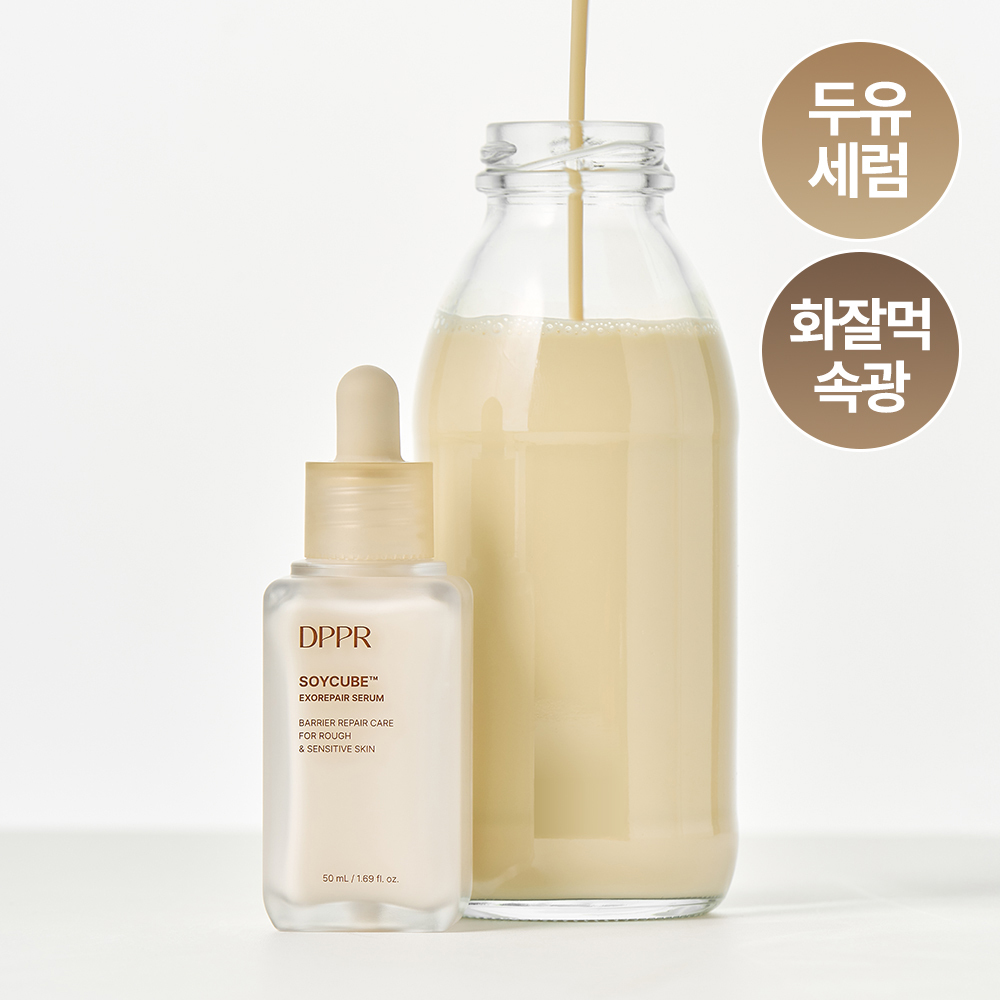
DPPR Soycube Exorepair Serum
Anua

Bichup Ultimate Recovery Youth Serum Discovery Set
The Whoo
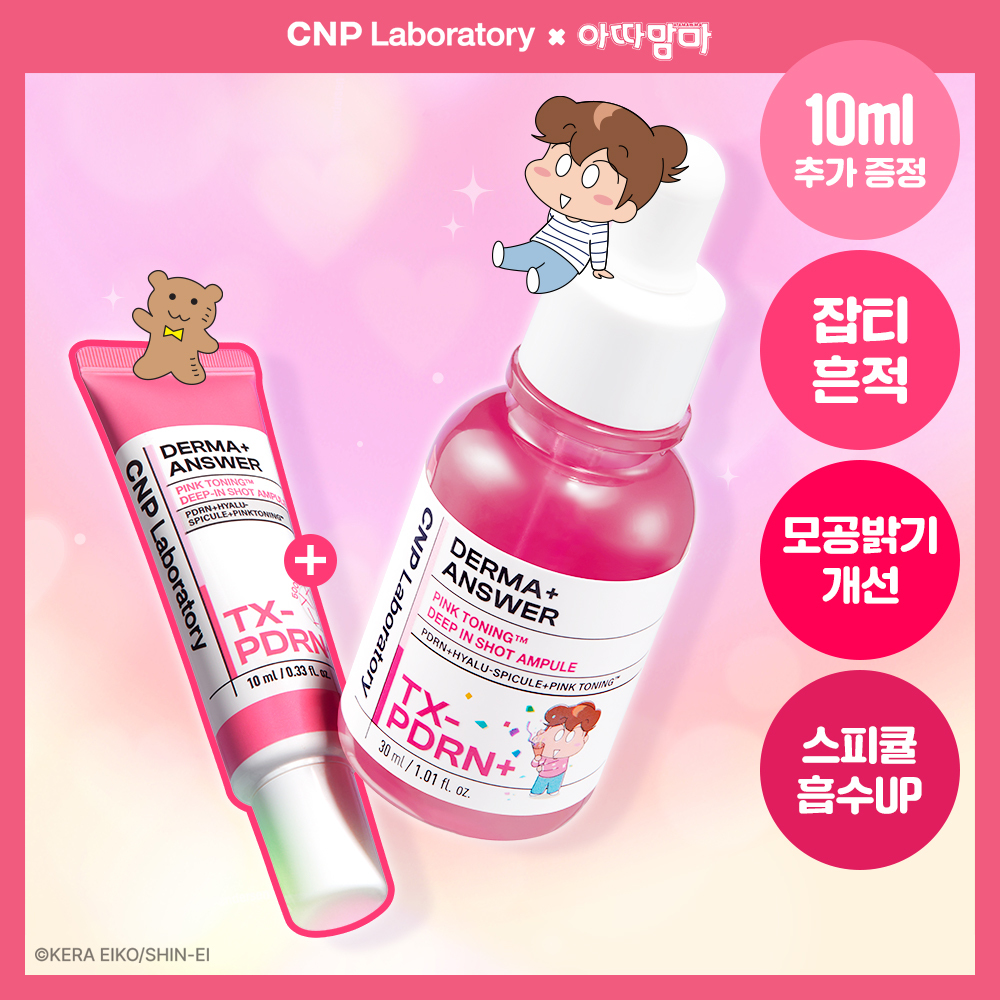
Derma+ Answer Pink Toning Deep In Shot Ampoule
CNP
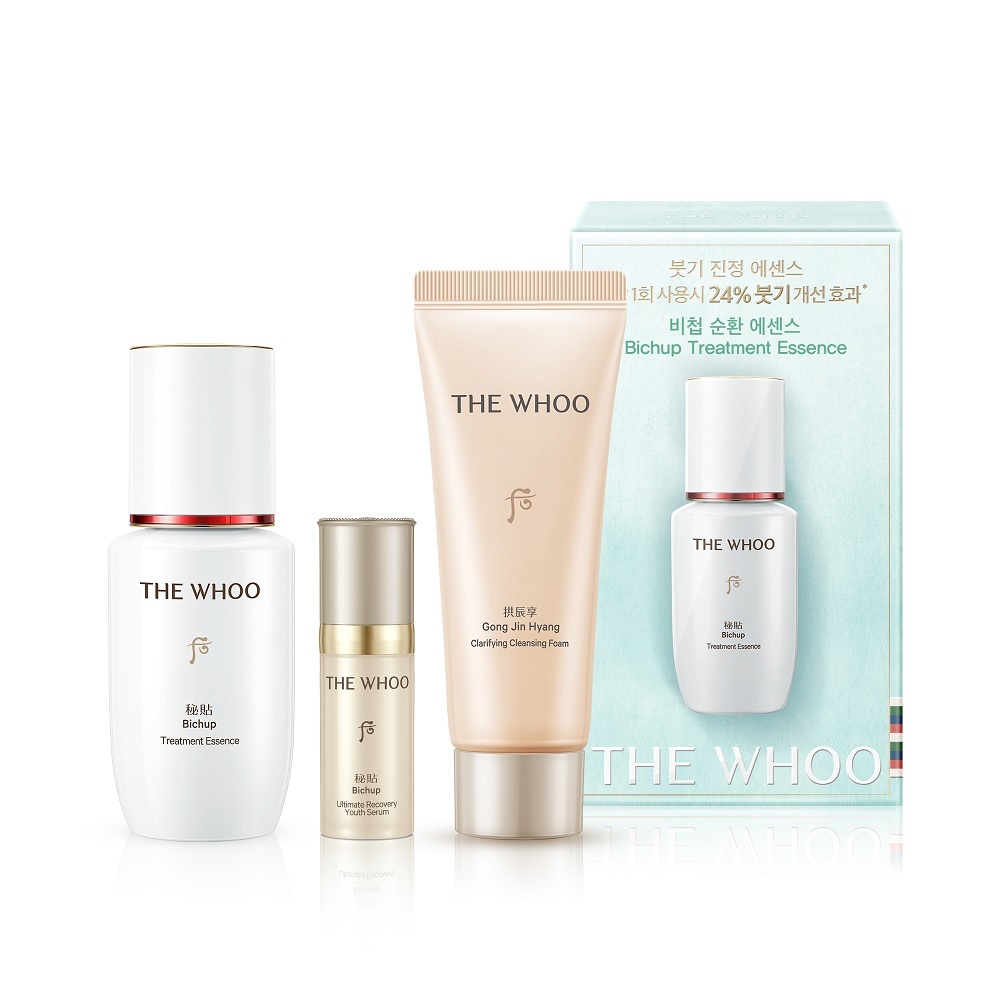
Bichup Treatment Essence 30ml Set
The Whoo

Derma+ Answer Pink Toning Deep-In Shot Ampoule
CNP
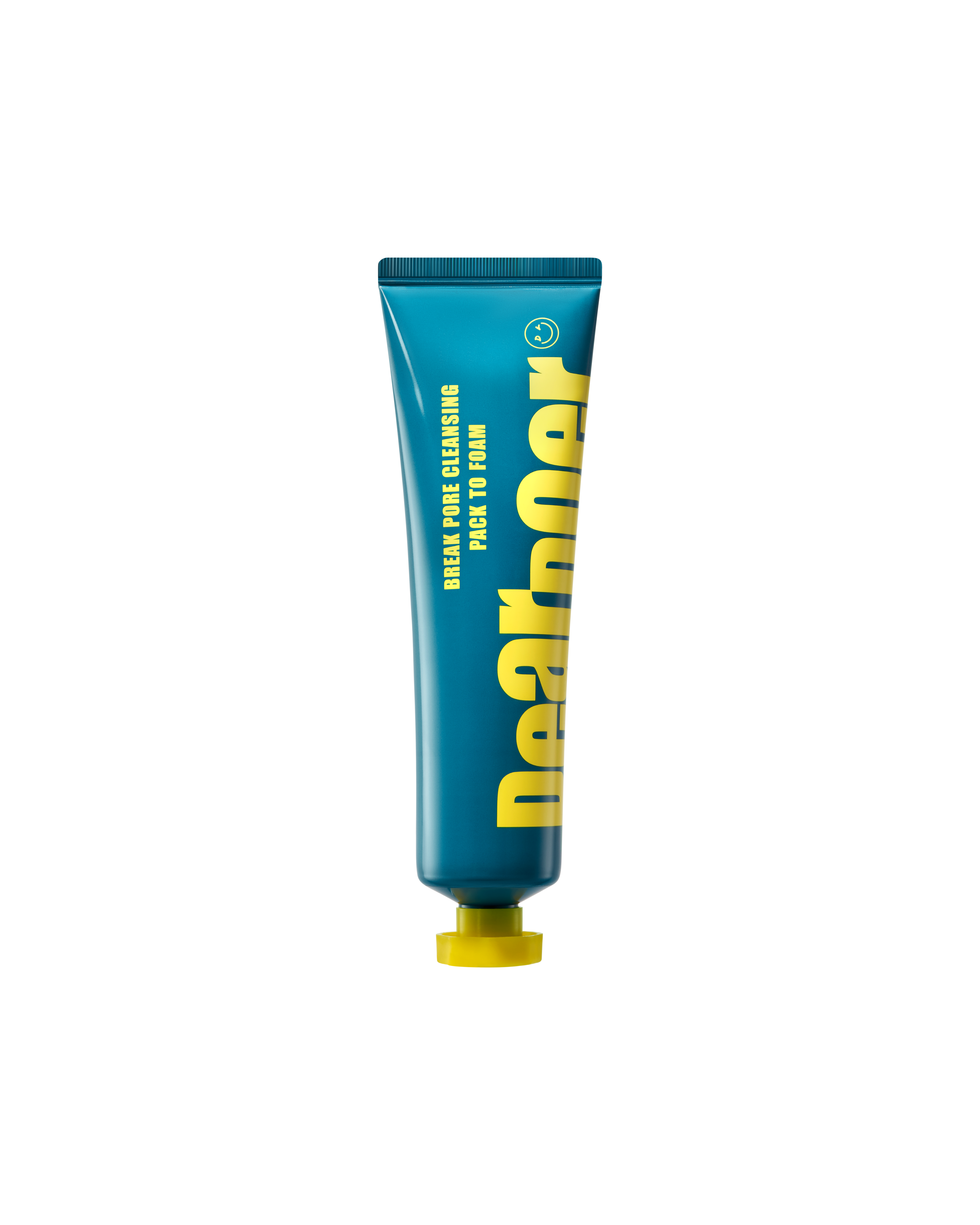
Break Pore Cleansing Pack To Foam
Dear Doer
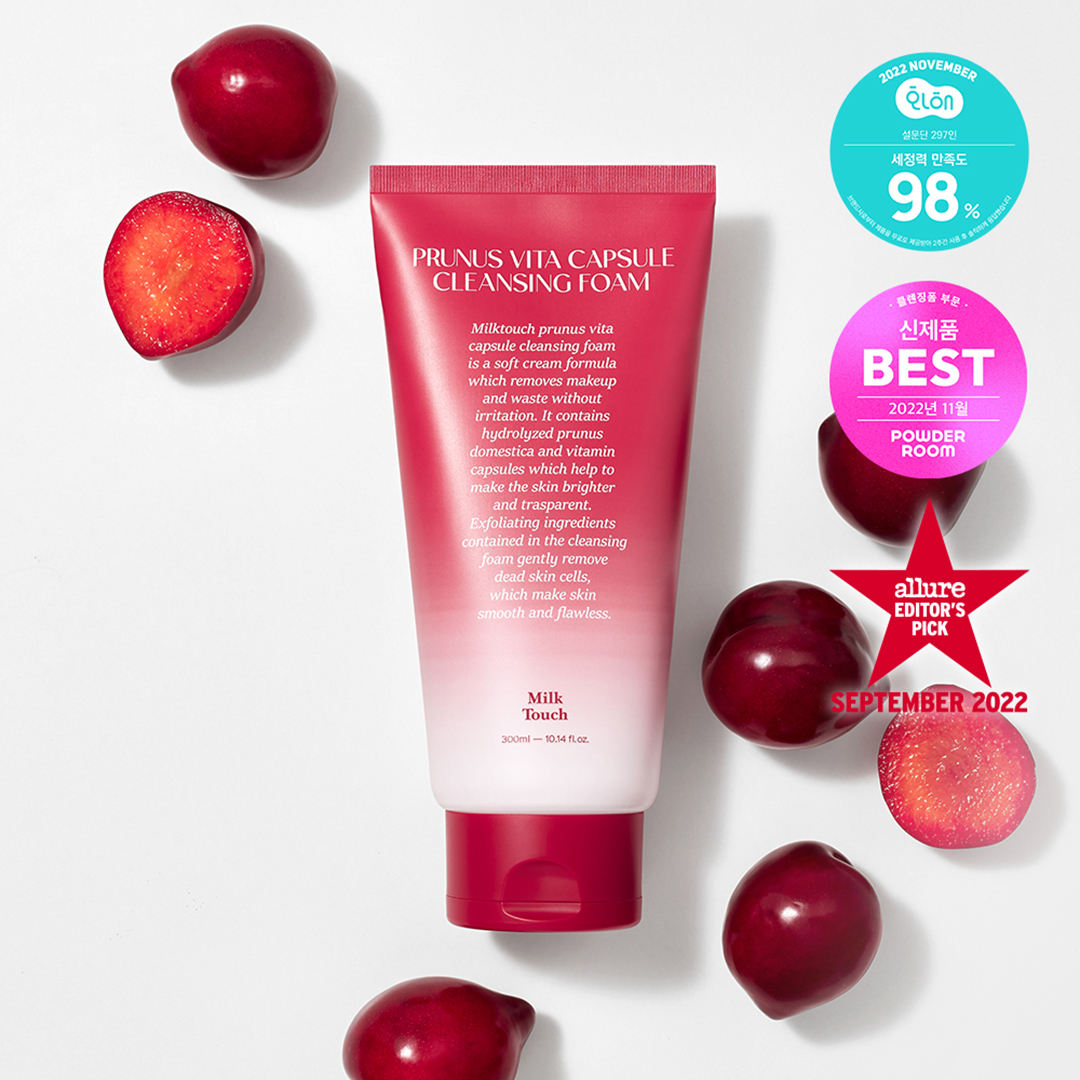
Prunus Vita Capsule Cleansing Foam
MilkTouch
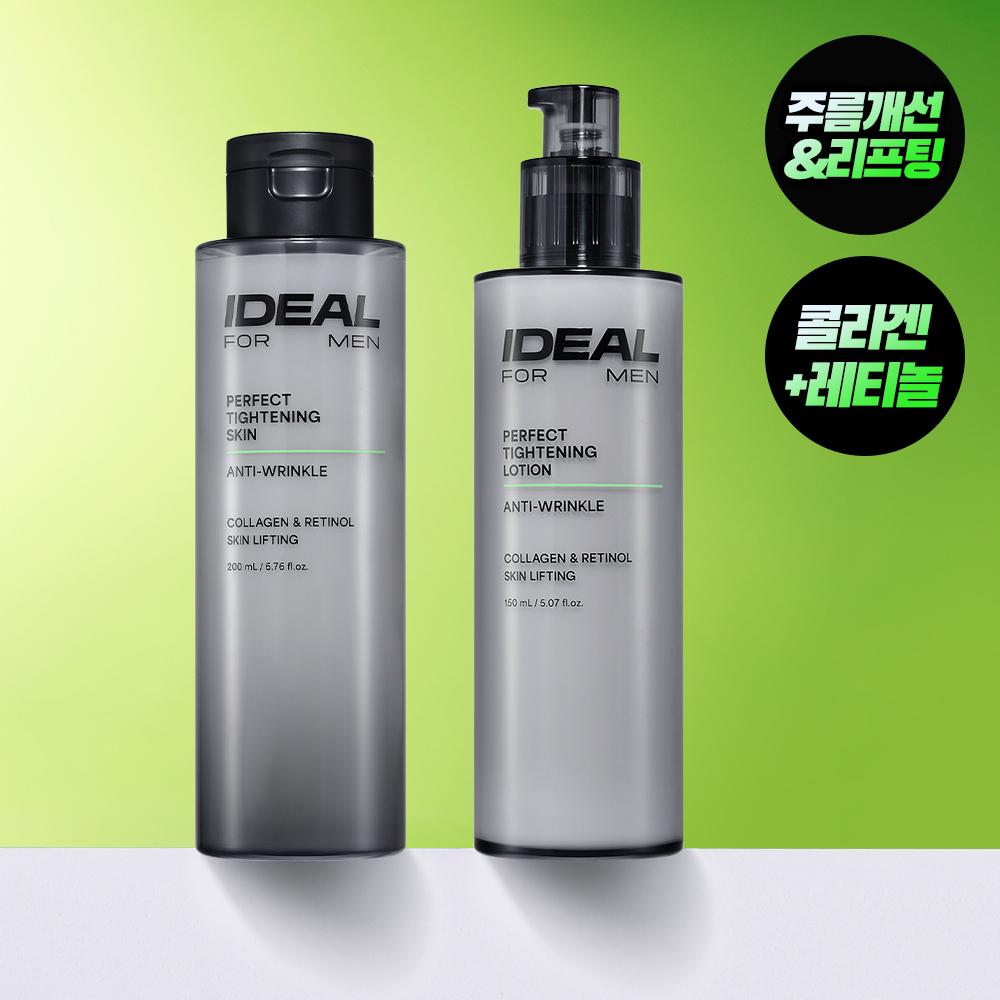
Perfect Tightening Skin 2P Set
Ideal for Men
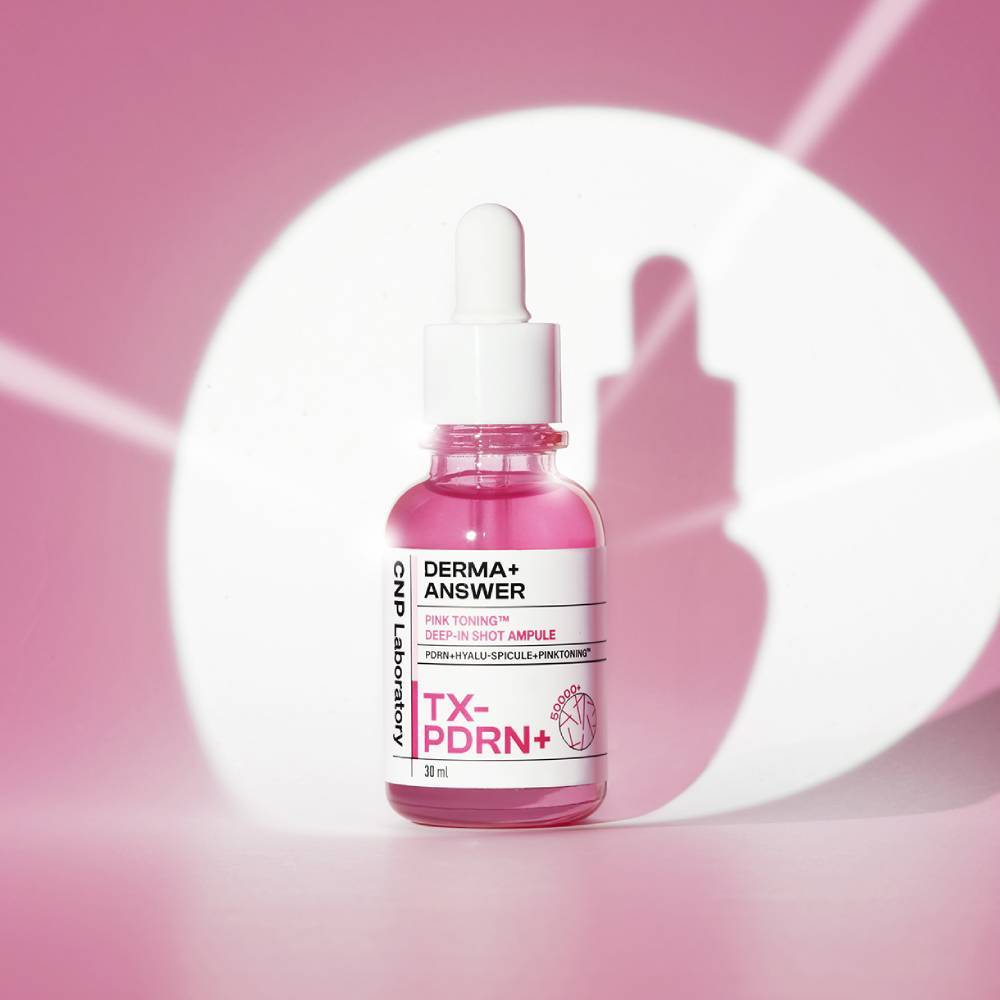
Derma Answer Pink Toning Deep-In Shot Ampoule
CNP
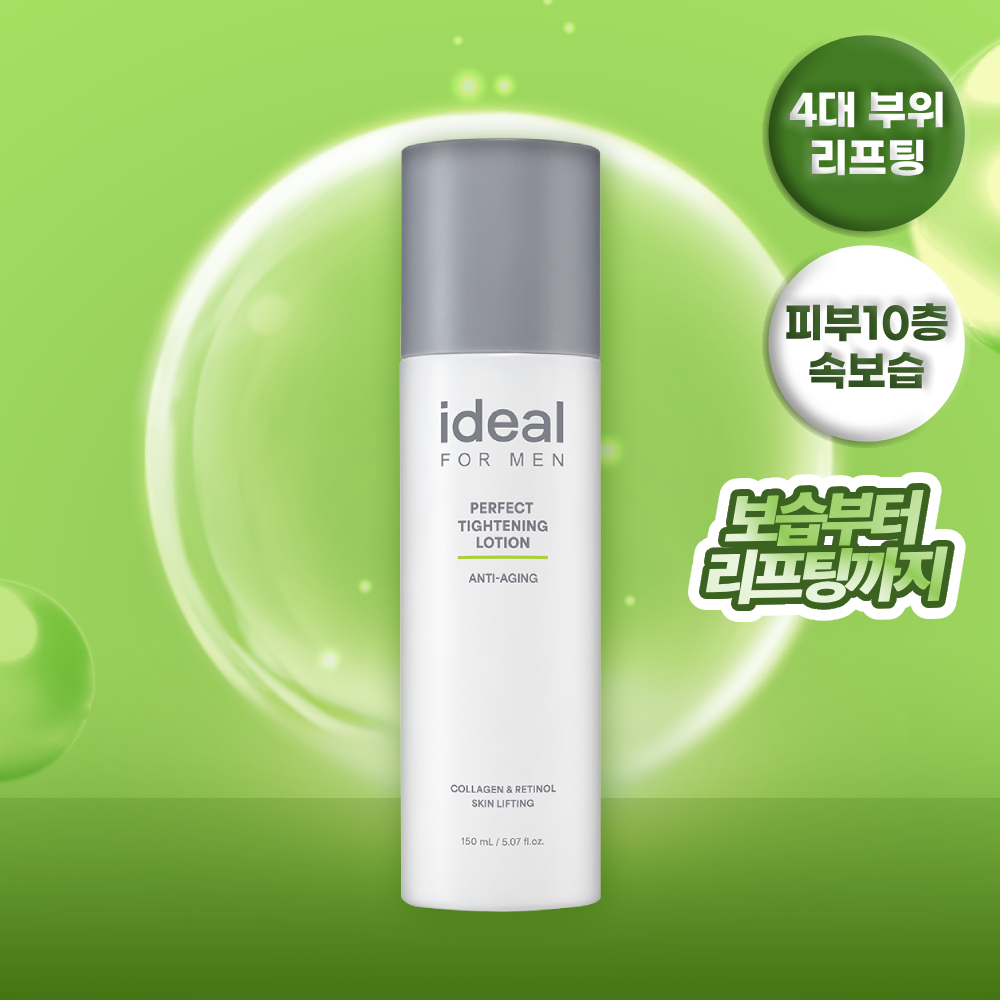
Perfect Tightening Lotion
Ideal for Men
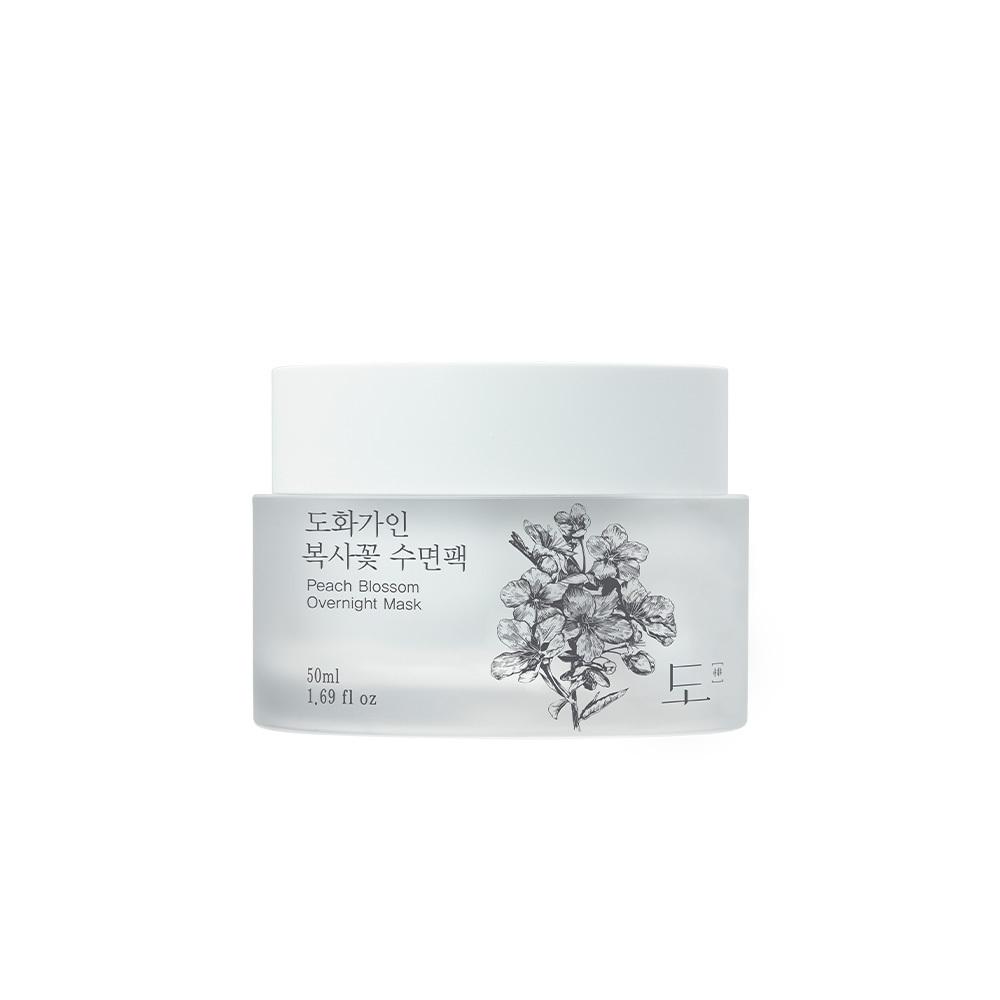
Peach Blossom Overnight Mask
House of Dohwa
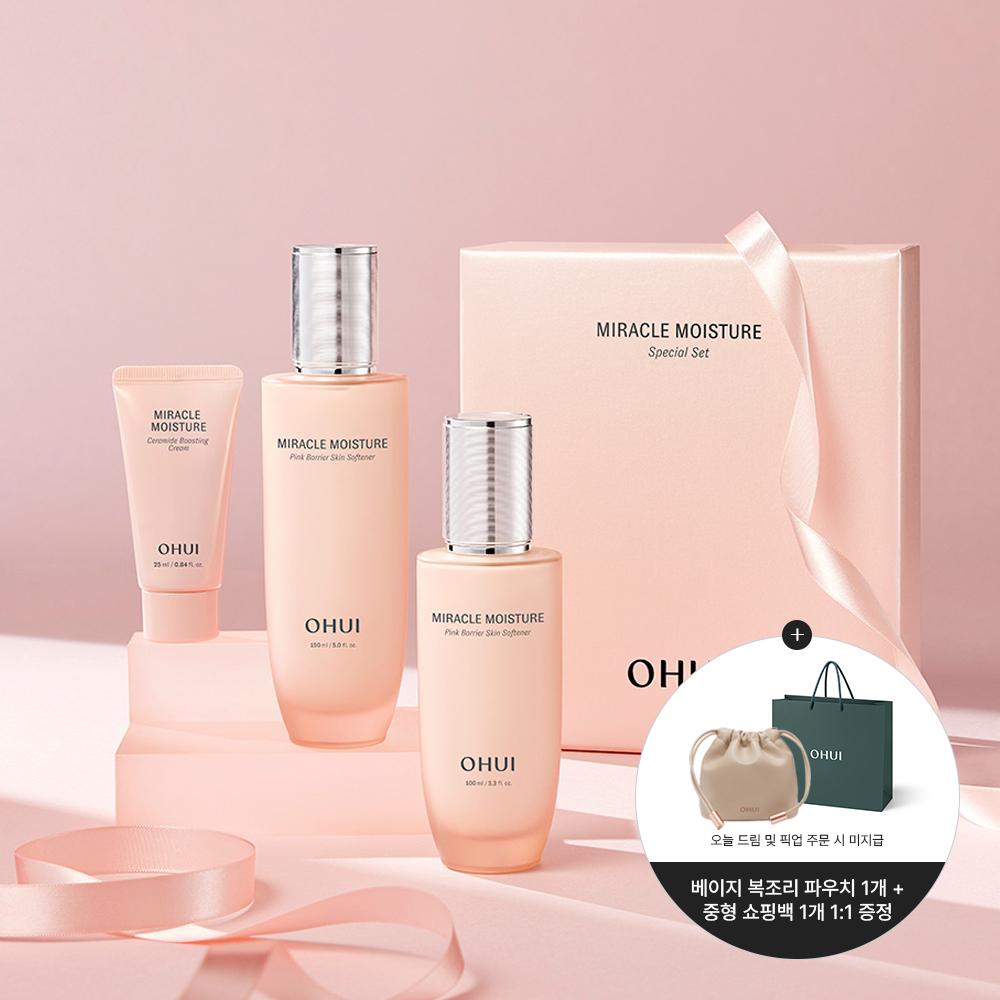
Miracle Moisture Pink Barrier 2P Special Set
OHUI
Frequently Asked Questions
Can peony root extract actually reduce redness and sensitivity?▼
Is peony root extract safe to use with active ingredients like retinol or vitamin C?▼
Will peony root extract clog my pores or cause breakouts?▼
How long does it take to see results from peony root extract?▼
What's the difference between peony root extract in drugstore versus luxury K-beauty products?▼
Explore More
Want personalized ingredient advice?
Yuri, our AI beauty advisor, can tell you how Peony Root Extract works with your specific skin type, routine, and concerns.
Ask Yuri, free