Tree Peony Root Extract
INCI: Paeonia Suffruticosa Root Extract
Antioxidant and anti-inflammatory soothing agent
About Tree Peony Root Extract
Tree peony root extract, derived from the woody roots of Paeonia suffruticosa (also known as Moutan), is a prized botanical in traditional Chinese and Korean medicine that has found its place in modern K-beauty formulations. This extract contains powerful bioactive compounds including paeonol, paeoniflorin, and gallic acid, which work synergistically to calm inflammation, neutralize free radicals, and protect skin from environmental stressors. In K-beauty, tree peony root extract is valued for its gentle yet effective soothing properties, making it a popular choice in cleansers, serums, and treatments designed for reactive or compromised skin. With a safety rating of 4/5 and a non-comedogenic rating of 0/5, it's considered safe for all skin types, including acne-prone and sensitive complexions. The ingredient appears in 130 products on Seoul Sister, including highly rated cleansers like Banila Co's Fresh Bam Balm To Foam Facial Cleanser series (5.0/5) and treatment serums such as Torriden's Dive In Low Molecular Hyaluronic Acid Serum (4.9/5). Beyond its anti-inflammatory benefits, tree peony root extract demonstrates impressive antioxidant activity that helps defend against oxidative stress from UV exposure and pollution. Korean formulators particularly appreciate its ability to reduce redness and irritation without causing sensitivity, making it an ideal supporting ingredient in both rinse-off and leave-on products.
How Tree Peony Root Extract Works
Tree peony root extract works through multiple pathways at the cellular level to protect and soothe skin. Its primary active compound, paeonol, inhibits the production of pro-inflammatory mediators like prostaglandins and cytokines by suppressing the NF-κB signaling pathway, which is responsible for triggering inflammatory responses in skin cells. This mechanism helps reduce visible redness, swelling, and discomfort associated with irritation or sensitivity. The extract's antioxidant activity comes from its rich phenolic compounds, particularly paeoniflorin and gallic acid, which neutralize reactive oxygen species (free radicals) before they can damage cellular structures like lipids, proteins, and DNA. By scavenging these harmful molecules, tree peony root extract helps prevent premature aging signs and supports the skin's natural repair processes. Additionally, research suggests the extract can inhibit tyrosinase activity, the enzyme responsible for melanin production, which may contribute to a more even skin tone over time. The extract also demonstrates mild antimicrobial properties that can support skin barrier health without disrupting the beneficial microbiome, making it particularly valuable in cleansing formulations.
Tree Peony Root Extract by Skin Type
Oily Skin
Tree peony root extract works well for oily skin types due to its anti-inflammatory properties that can help calm acne-related redness and irritation without adding heaviness or clogging pores (comedogenic rating of 0/5). Its antimicrobial effects may also support clearer skin by helping control acne-causing bacteria, which is why it appears in highly rated cleansers like the Banila Co Fresh Bam Balm To Foam series.
Dry Skin
For dry skin, tree peony root extract provides soothing antioxidant protection that helps prevent moisture loss caused by environmental stressors and inflammation. While it doesn't directly hydrate, it supports barrier function by reducing inflammatory damage, allowing the skin to better retain moisture. It pairs particularly well with hydrating ingredients like hyaluronic acid, as seen in the Torriden Dive In Serum formulation.
Combo Skin
Combination skin benefits from tree peony root extract's balanced approach to skin care, as it addresses inflammation in oily zones without irritating drier areas. Its lightweight, non-comedogenic nature makes it ideal for products used across the entire face, providing antioxidant protection and soothing benefits wherever needed without disrupting the skin's varied moisture levels.
Sensitive Skin
Tree peony root extract is particularly beneficial for sensitive skin due to its potent anti-inflammatory and soothing properties. With a safety rating of 4/5, it helps calm reactive skin, reduce redness, and strengthen the skin's resilience to irritants. Its gentle nature makes it suitable for daily use in both cleansers and leave-on treatments without triggering sensitivity.
Normal Skin
Normal skin types can use tree peony root extract as a preventative measure to maintain skin health and protect against environmental damage. Its antioxidant properties help preserve the skin's balanced state by neutralizing free radicals from pollution and UV exposure, while its anti-inflammatory benefits ensure the skin stays calm and comfortable even when exposed to occasional stressors.
How to Use Tree Peony Root Extract
- 1Look for tree peony root extract in cleansers if you experience post-cleansing tightness or redness, as it helps maintain skin comfort during the washing process.
- 2Layer products containing this ingredient under sunscreen during the day to boost antioxidant protection against environmental stressors like pollution and UV rays.
- 3If you have reactive or sensitive skin, choose serums or treatments with tree peony root extract paired with hydrating ingredients like hyaluronic acid for maximum soothing benefits.
- 4This ingredient works well in both morning and evening routines and is gentle enough for daily use without risk of irritation or sensitization.
Background
Tree peony (Paeonia suffruticosa), known as Moutan or Mu Dan in traditional Asian medicine, has been cultivated in China for over 1,500 years, originally prized for its spectacular flowers and medicinal roots. In traditional Chinese medicine, the root bark (Moutan Cortex) was used to cool blood, clear heat, and reduce inflammation, often prescribed for skin conditions characterized by redness and heat. Korean traditional medicine (Hanbang) similarly valued tree peony root for its cooling and detoxifying properties, using it in herbal preparations for inflammatory skin conditions. The transition to modern K-beauty came as formulators sought gentle, effective botanical alternatives to synthetic anti-inflammatory agents, leading to standardized extraction methods that preserve the root's active compounds like paeonol and paeoniflorin. Today, tree peony root extract represents the successful marriage of traditional herbal wisdom and contemporary cosmetic science, appearing in everything from daily cleansers to targeted treatment serums across the K-beauty landscape.
K-Beauty Products with Tree Peony Root Extract
View all 144 →
2X Fresh Bam Balm To Foam Facial Cleanser Set
Banila Co
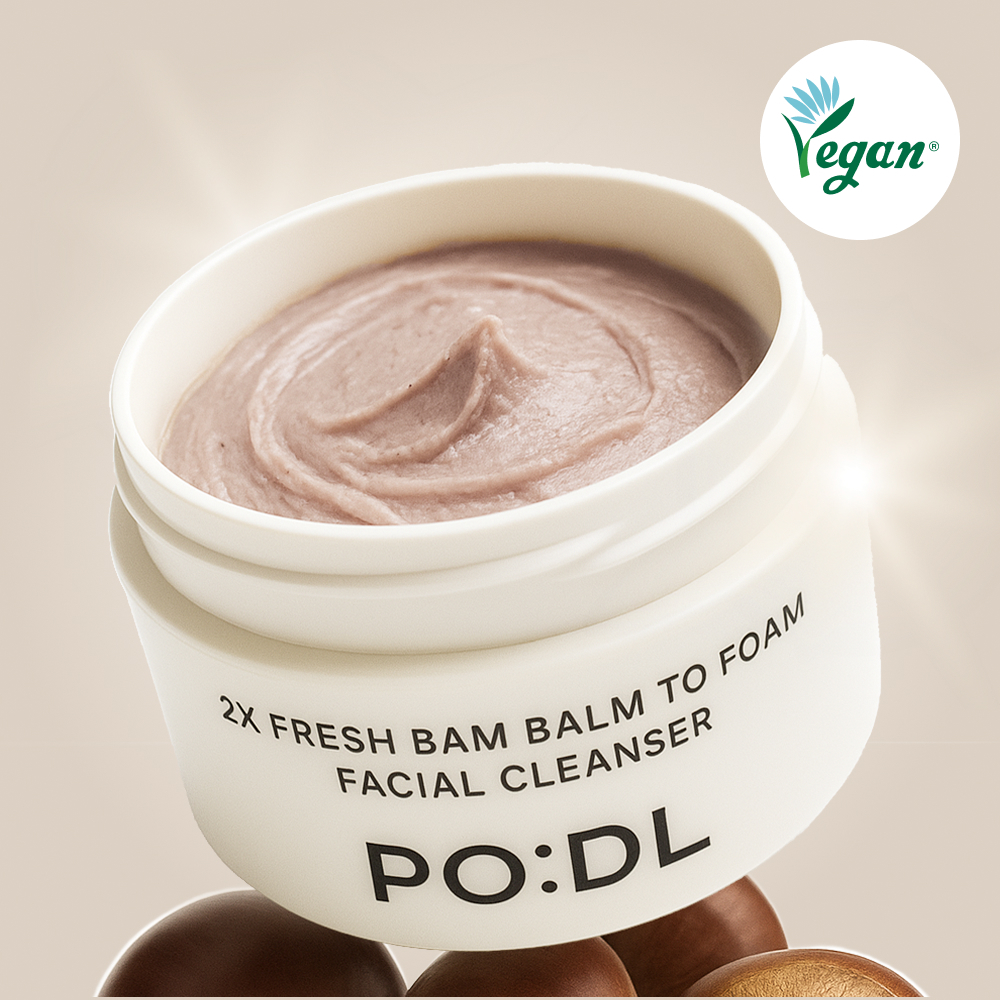
2X Fresh Bam Balm To Foam Facial Cleanser
Banila Co
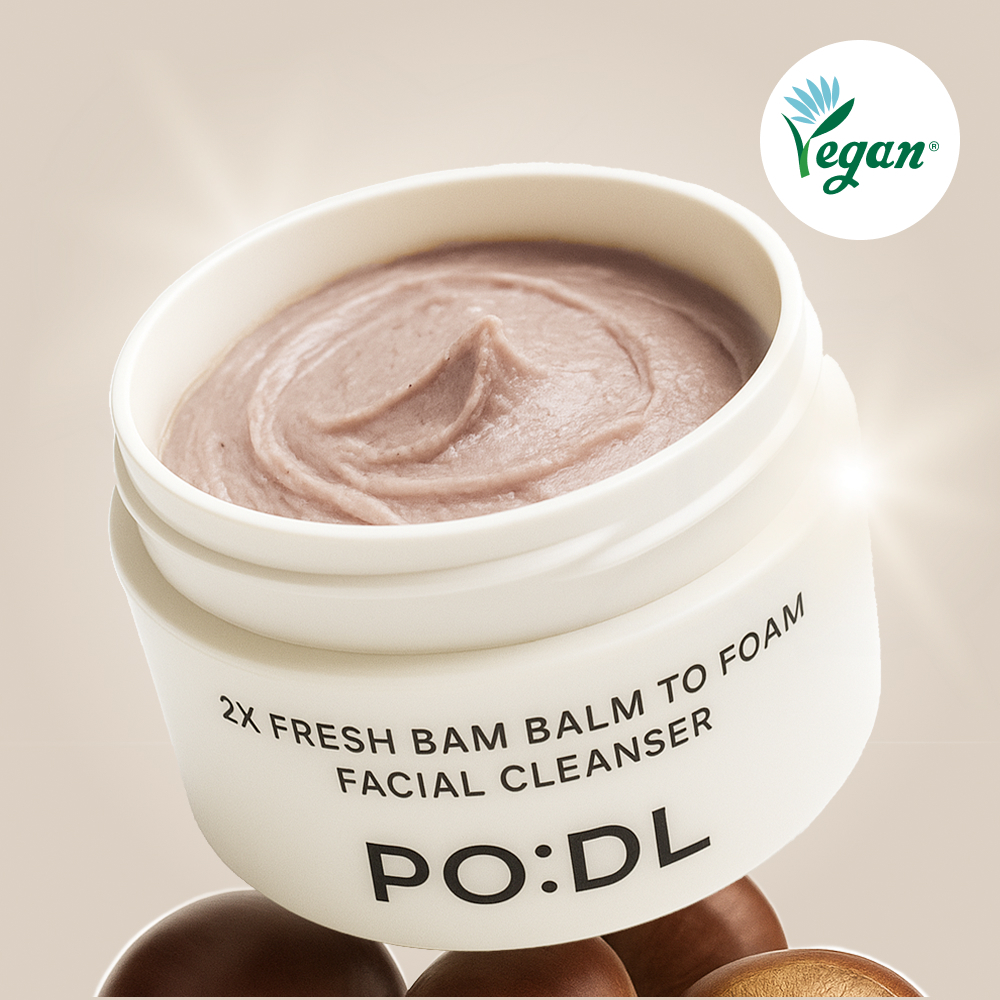
Clean It Zero 2X Fresh Bam Balm To Foam Facial Cleanser
Banila Co
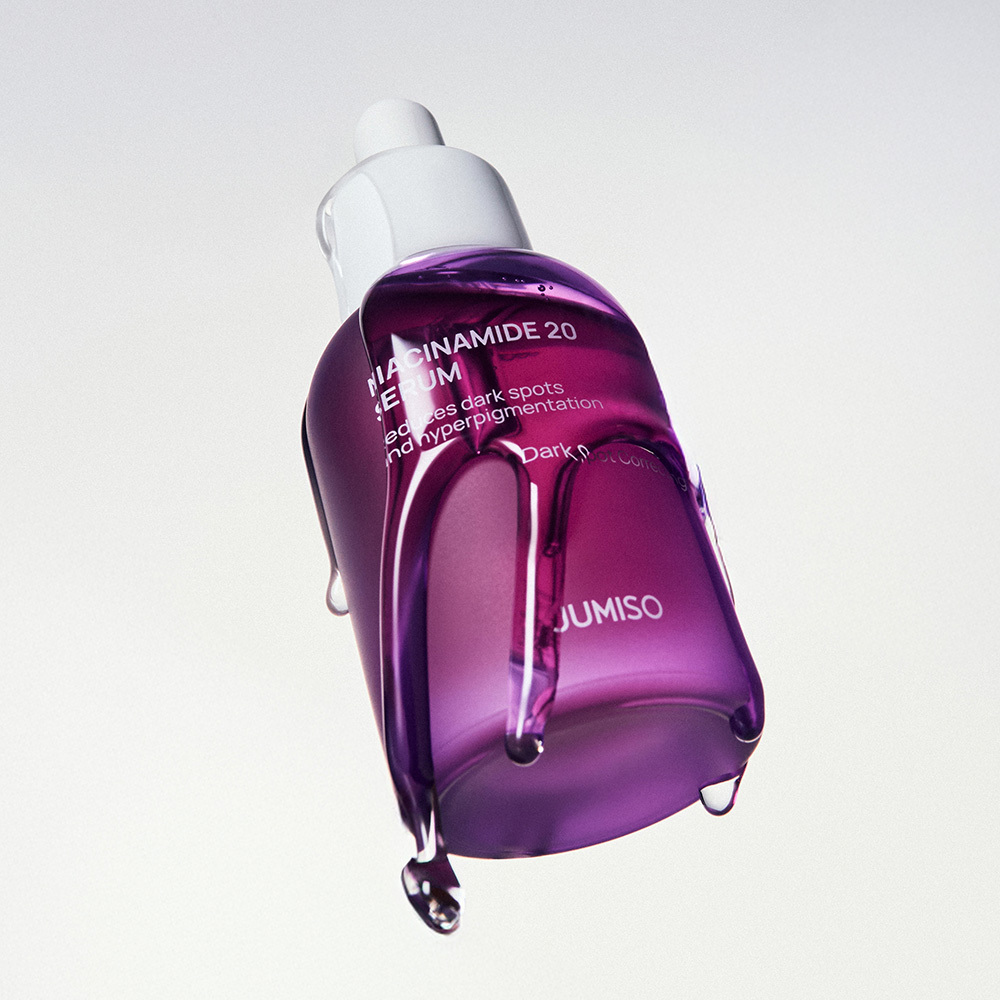
Niacinamide 20 Serum
Jumiso
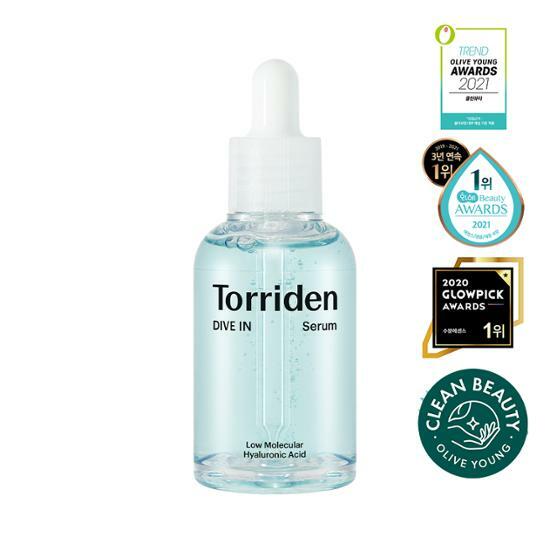
Dive-In Serum
Torriden
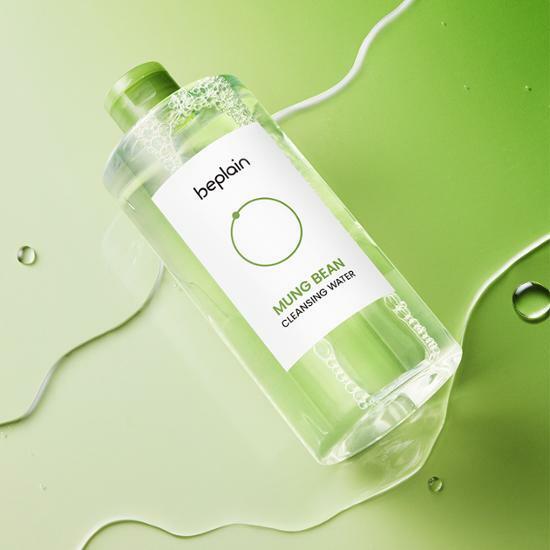
Mung Bean Cleansing Water
Beplain
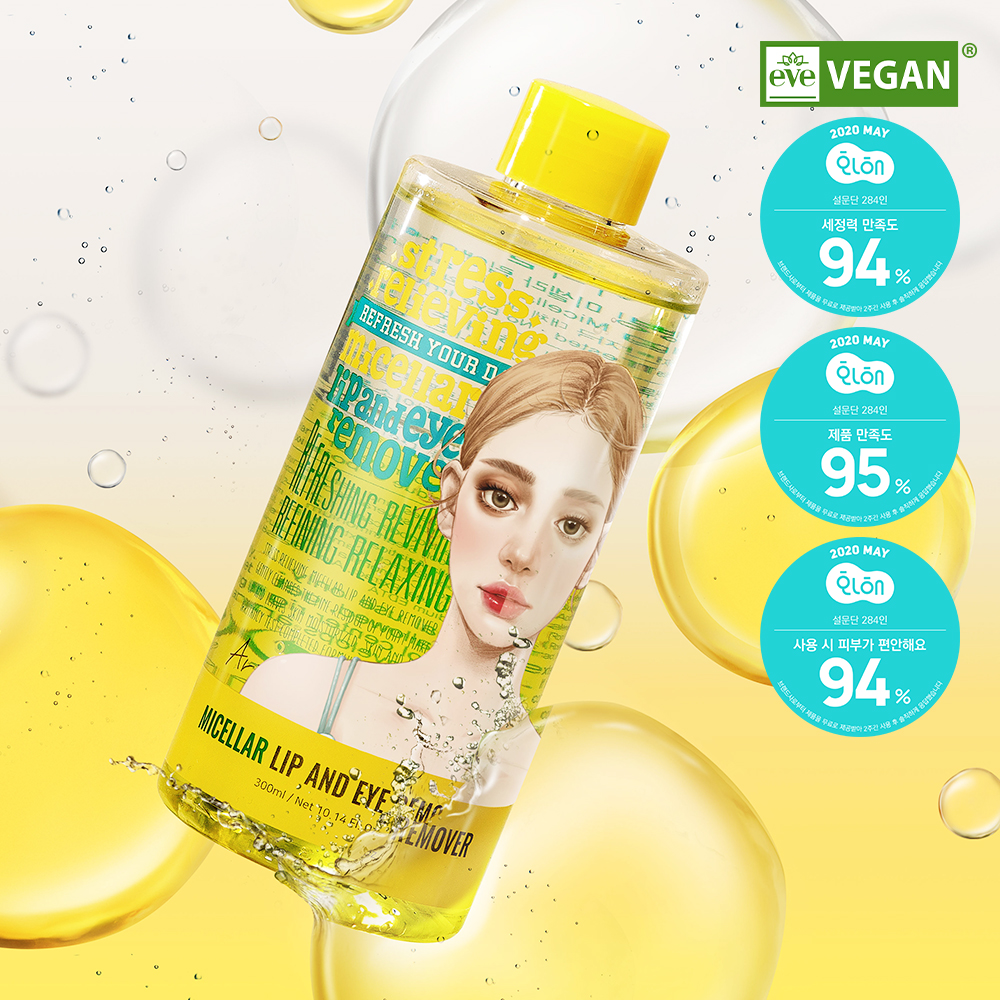
Stress Relieving Micellar Lip & Eye Remover
Ariul
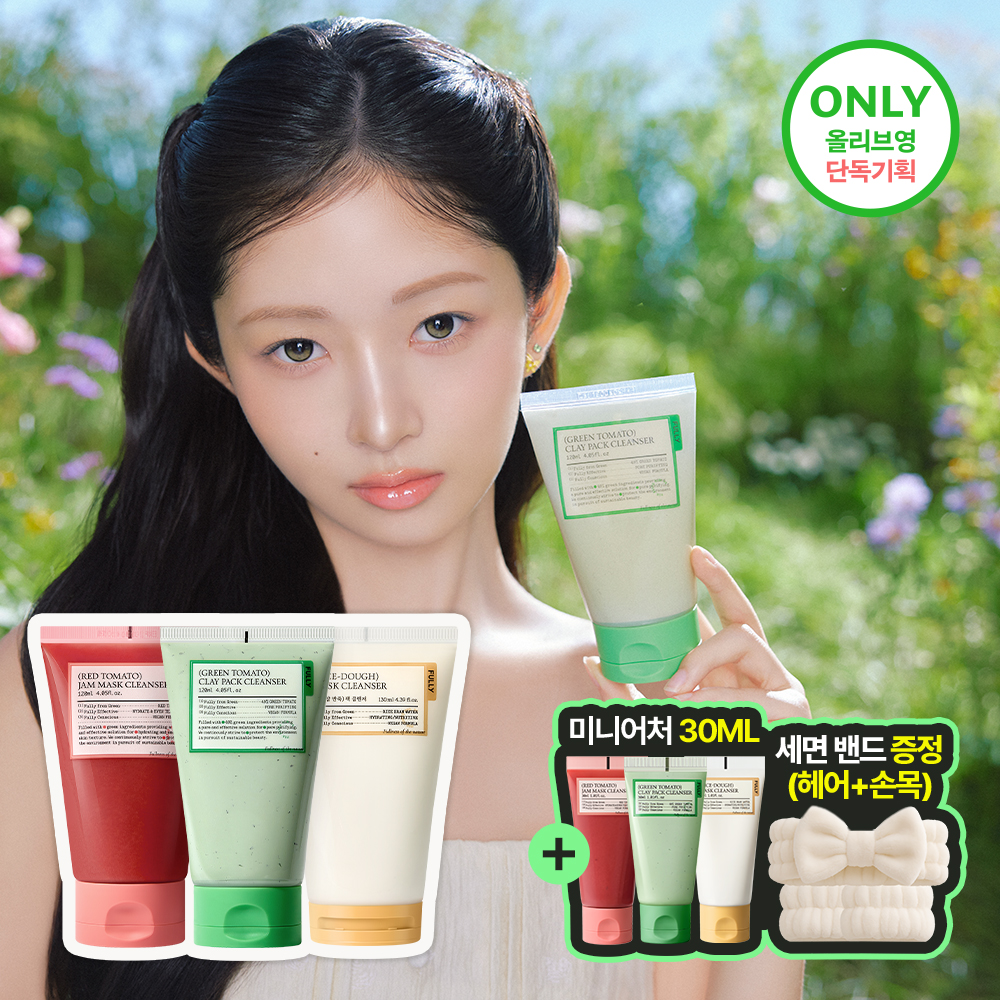
Pack Cleanser Set - Green Tomato / Red Tomato / Rice Dough
Fully
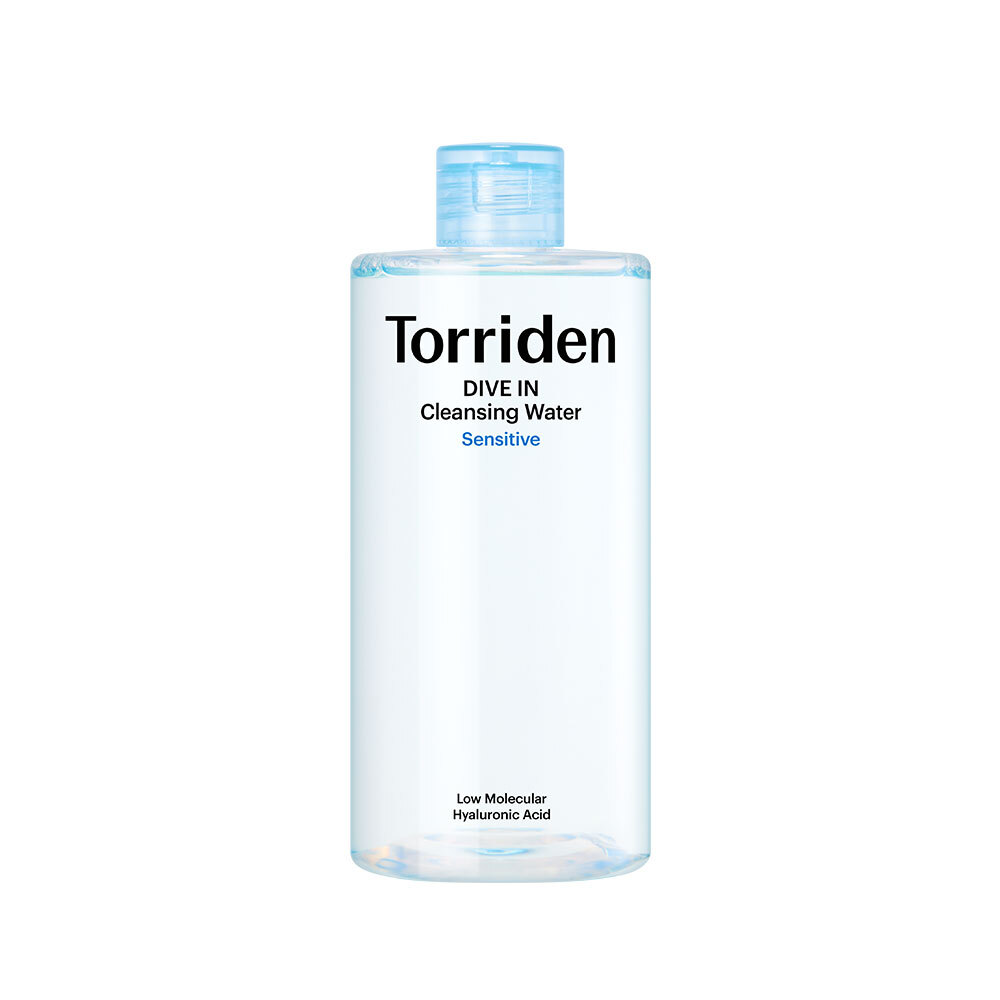
Dive-In Low Molecular Hyaluronic Acid Cleansing Water
Torriden
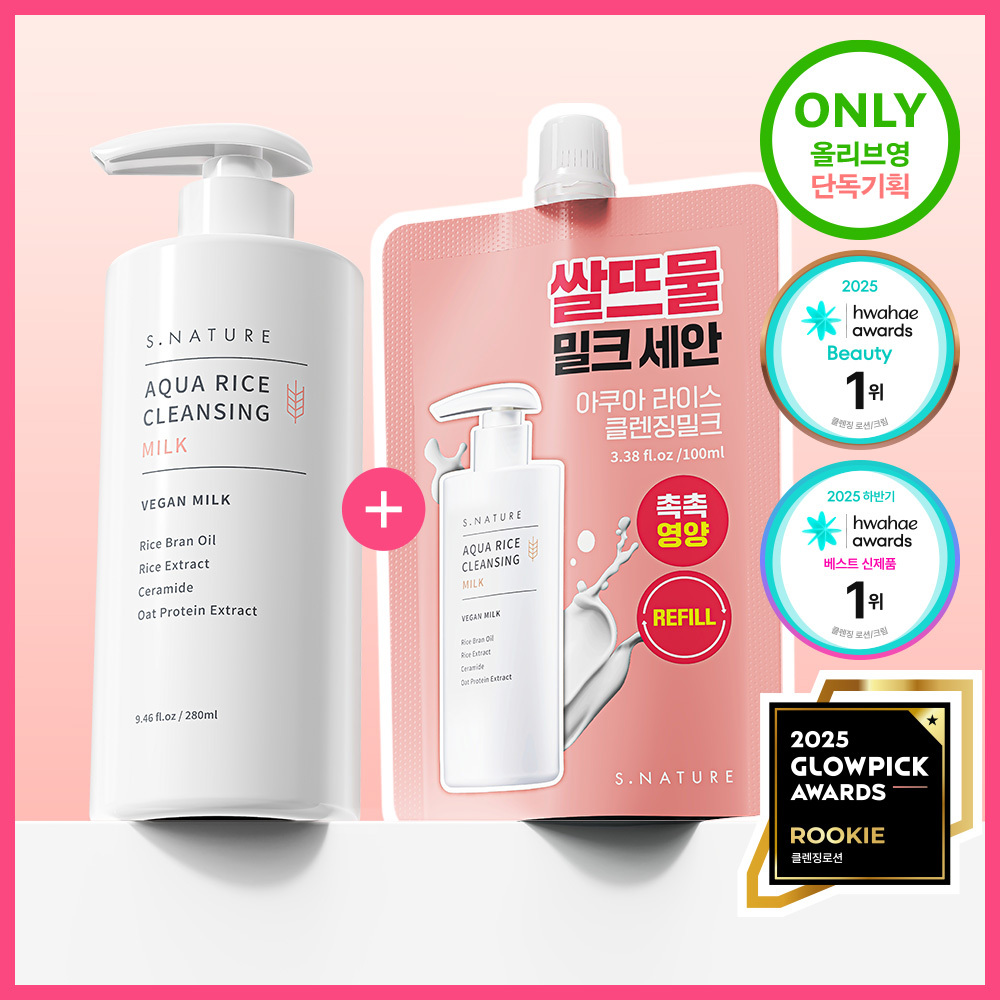
Aqua Rice Cleansing Milk
S.Nature
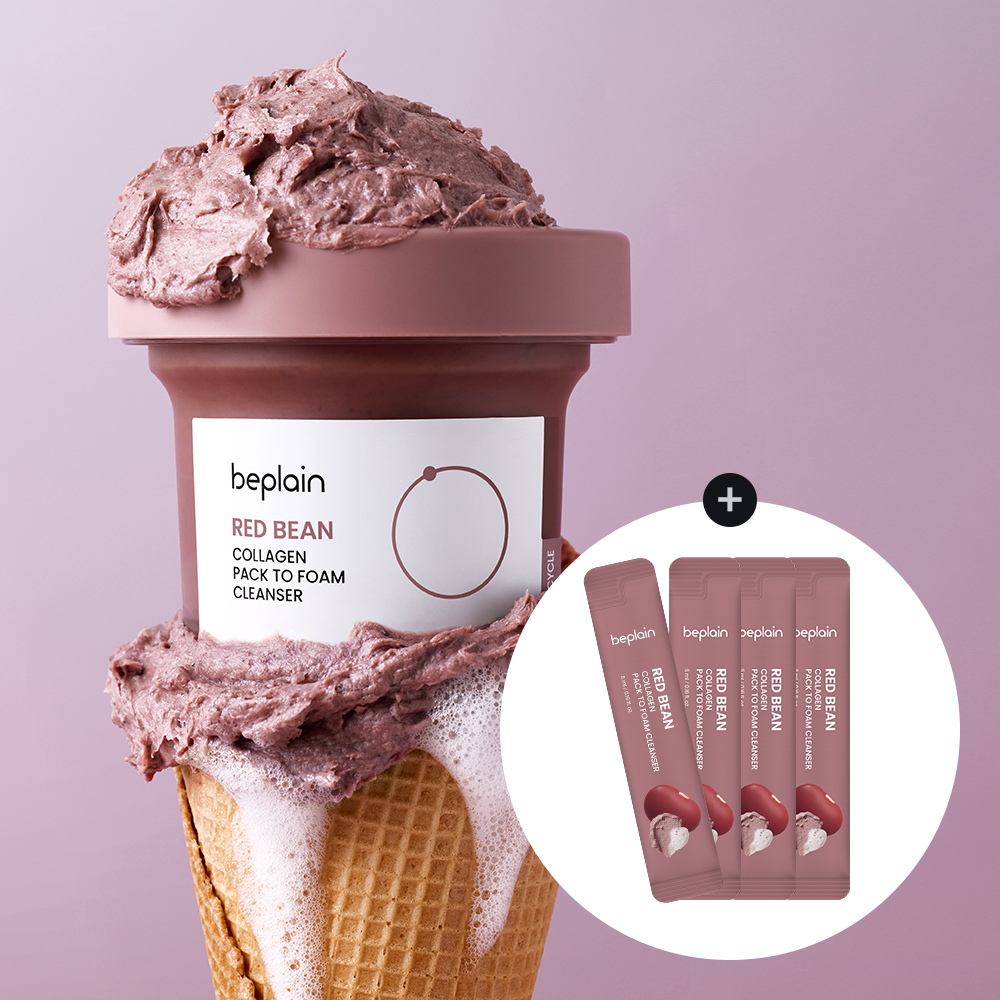
Red Bean Collagen Pack To Foam Cleanser
Beplain
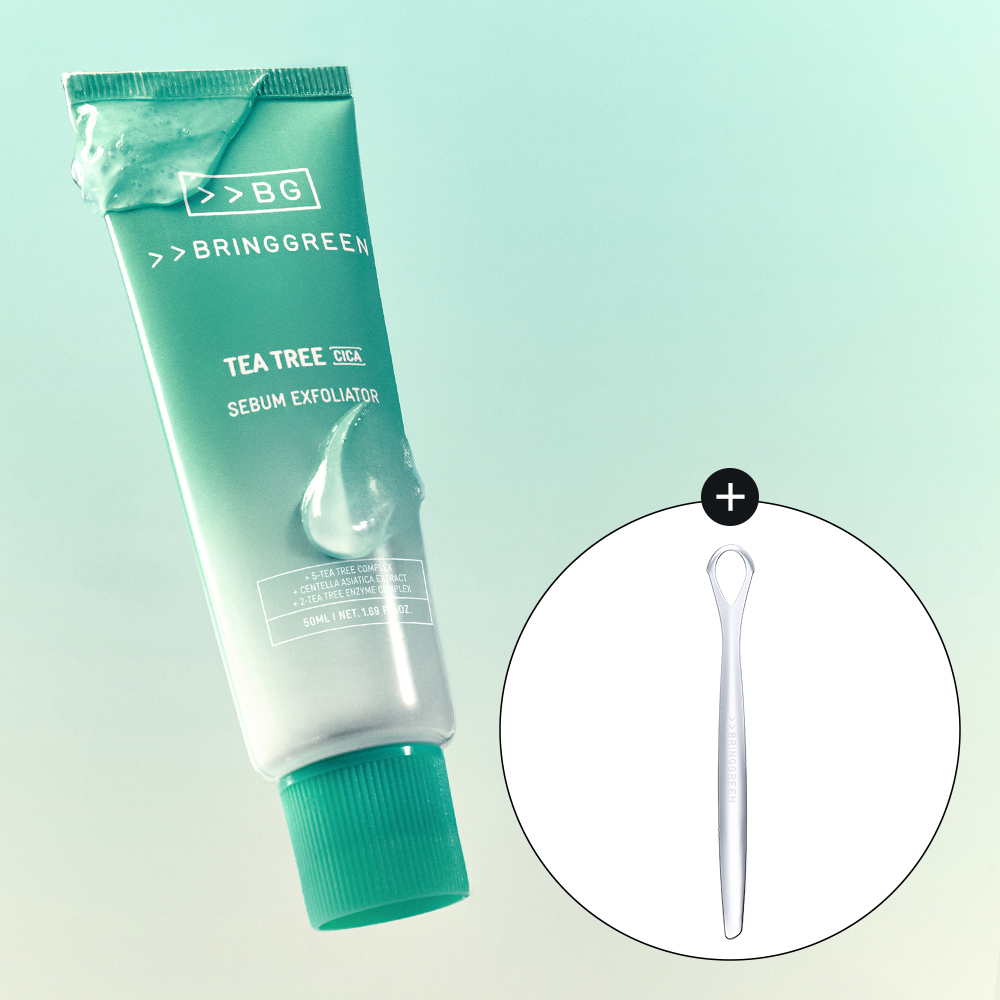
Tea Tree Cica Sebum Cleansing Gel Set
Bringgreen
Frequently Asked Questions
Is tree peony root extract safe for acne-prone skin?▼
Can I use tree peony root extract with other active ingredients like retinol or vitamin C?▼
How quickly will I see results from tree peony root extract?▼
Is tree peony root extract the same as regular peony extract?▼
Explore More
Want personalized ingredient advice?
Yuri, our AI beauty advisor, can tell you how Tree Peony Root Extract works with your specific skin type, routine, and concerns.
Ask Yuri, free