Palmitoyl Tetrapeptide-7
Anti-aging peptide that reduces inflammation and wrinkles
About Palmitoyl Tetrapeptide-7
Palmitoyl Tetrapeptide-7, also known as Palmitoyl GQPR, is a synthetic peptide that has become a cornerstone of K-beauty anti-aging formulations. This four-amino-acid chain works primarily as an anti-inflammatory agent, calming the cascade of inflammatory responses that accelerate skin aging. While many peptides focus solely on collagen stimulation, Palmitoyl Tetrapeptide-7 takes a different approach by reducing the production of interleukin-6 (IL-6), a key inflammatory messenger that breaks down collagen and elastin over time. Think of it as a peacekeeping force that stops internal skin damage before it becomes visible as wrinkles and sagging. The peptide's palmitoyl component (a fatty acid) acts as a delivery system, helping the active peptide penetrate deeper into skin layers where inflammation actually occurs. Korean beauty brands have embraced this ingredient because it addresses a fundamental truth: aging isn't just about what you lose (collagen), but also about controlling the inflammatory processes that destroy what you have. With a non-comedogenic rating and excellent safety profile, it's become a go-to in premium K-beauty serums and creams, particularly in products targeting expression lines, under-eye aging, and overall skin firmness. Seoul Sister data shows it appearing in 168 products, with top-rated formulas like Bioheal BOH's Probioderm line combining it with probiotics for enhanced skin barrier support.
How Palmitoyl Tetrapeptide-7 Works
Palmitoyl Tetrapeptide-7 operates through a targeted anti-inflammatory mechanism called immunomodulation. When skin experiences stress from UV exposure, pollution, or natural aging, immune cells release inflammatory cytokines, particularly interleukin-6. These cytokines trigger matrix metalloproteinases (MMPs), enzymes that literally digest collagen and elastin fibers. This peptide binds to specific receptors on fibroblast cells and signals them to reduce IL-6 production, essentially turning down the volume on inflammation. By limiting IL-6 activity, it indirectly protects existing collagen from enzymatic breakdown and creates a calmer cellular environment where new collagen synthesis can occur more efficiently. The palmitoyl fatty acid attached to the peptide sequence serves as a lipophilic anchor, allowing the molecule to integrate into cell membranes and penetrate the epidermis more effectively than bare peptides. This delivery advantage means the peptide can reach the deeper dermal layers where fibroblasts reside. The result is a dual benefit: immediate calming of inflammatory redness and puffiness, and long-term prevention of collagen degradation. Clinical studies show that when combined with Palmitoyl Oligopeptide (another common peptide), it can reduce wrinkle depth by up to 47% over eight weeks.
Palmitoyl Tetrapeptide-7 by Skin Type
Oily Skin
Palmitoyl Tetrapeptide-7's anti-inflammatory properties make it particularly beneficial for oily skin prone to inflammation-related breakouts and post-acne marks. Its zero comedogenic rating means it won't clog pores or trigger additional oil production. The peptide helps calm the inflammatory response that often accompanies acne, potentially reducing the duration and severity of breakouts while simultaneously addressing early signs of aging.
Dry Skin
Dry skin benefits significantly from this peptide because chronic inflammation often underlies dryness and compromised barrier function. By reducing inflammatory cytokines, Palmitoyl Tetrapeptide-7 helps skin retain moisture more effectively and supports barrier repair. Look for it in rich cream formulations like Bioheal BOH's Probioderm 3D Lifting Cream, where it works alongside emollients to address both immediate dryness and long-term aging concerns.
Combo Skin
Combination skin responds well to Palmitoyl Tetrapeptide-7 because the peptide addresses aging concerns without adding heaviness to oily zones. Its lightweight molecular structure means it can be incorporated into serum formulas that won't overwhelm the T-zone while still delivering anti-aging benefits to drier cheek areas. The anti-inflammatory action also helps balance skin that fluctuates between oily and dry states.
Sensitive Skin
This is where Palmitoyl Tetrapeptide-7 truly shines. Sensitive skin is essentially skin in a constant state of low-grade inflammation, making this peptide's calming mechanism ideal. It actively reduces the inflammatory mediators that cause redness, reactivity, and discomfort while building resilience against future irritation. Products like Numbuzin's NAD Bio Lifting-sil Essence combine it with soothing ingredients, making it suitable even for reactive, sensitized skin types.
Normal Skin
Normal skin can use Palmitoyl Tetrapeptide-7 as preventative maintenance against both inflammation-driven aging and environmental stress. It helps preserve the balanced state of normal skin by protecting against the inflammatory cascade that occurs with daily UV and pollution exposure. Incorporating it in your mid-twenties can help delay the onset of visible aging signs by controlling underlying inflammatory processes before they manifest as wrinkles.
How to Use Palmitoyl Tetrapeptide-7
- 1Apply peptide serums containing Palmitoyl Tetrapeptide-7 after cleansing and toning but before heavier creams, allowing the small molecules to penetrate effectively without occlusion barriers.
- 2Pair with antioxidants like niacinamide or vitamin C in your morning routine to address multiple aging pathways simultaneously (inflammation, oxidation, and collagen synthesis).
- 3Use consistently for at least 8-12 weeks to see measurable results, as peptides work by signaling cellular changes that take time to accumulate and become visible.
- 4Store peptide products away from direct sunlight and heat, as peptides can degrade when exposed to extreme temperatures or UV light, reducing their effectiveness.
- 5Layer with a good moisturizer afterwards, as peptides work best in a hydrated environment where cellular communication and protein synthesis occur more efficiently.
Background
Palmitoyl Tetrapeptide-7 was developed by Sederma, a French cosmetic ingredient company, as part of their Matrixyl 3000 complex in the early 2000s. The breakthrough came from understanding that aging isn't just about collagen loss, but about the inflammatory processes that accelerate breakdown. Researchers identified the specific amino acid sequence (glycine-glutamine-proline-arginine) that could modulate interleukin-6 production, then added the palmitoyl fatty acid to solve the penetration challenge that plagued earlier peptide formulations. Korean beauty brands adopted this ingredient enthusiastically around 2015-2016 as the K-beauty movement shifted from solely focusing on hydration and brightening to addressing sophisticated anti-aging concerns. The peptide aligned perfectly with Korean skincare philosophy: preventing damage is better than repairing it. Today, it appears in premium K-beauty lines targeting consumers in their late twenties and beyond, often combined with other skin-rebuilding ingredients like probiotics, ceramides, and hyaluronic acid for comprehensive age-prevention strategies.
K-Beauty Products with Palmitoyl Tetrapeptide-7
View all 185 →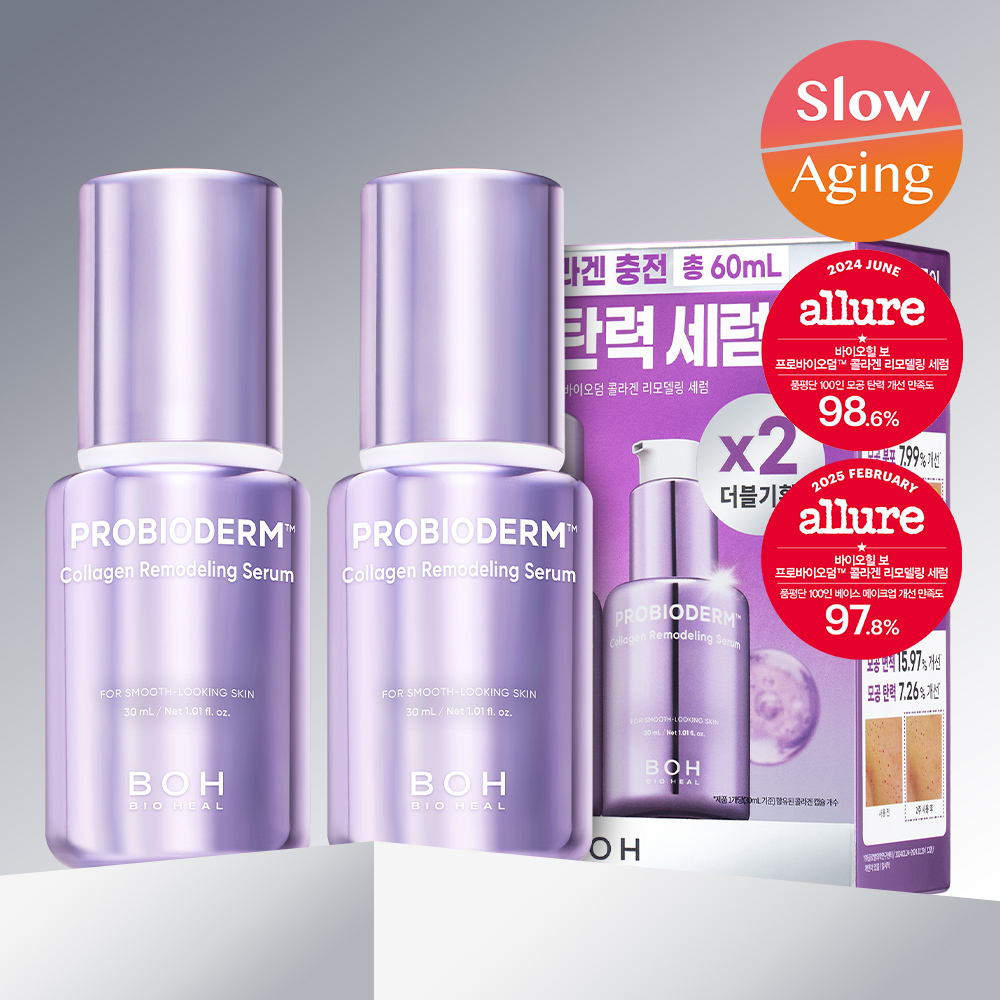
Probioderm Collagen Remodeling Serum
Bioheal BOH

No. 9 NAD Bio Lifting-sil Essence
Numbuzin
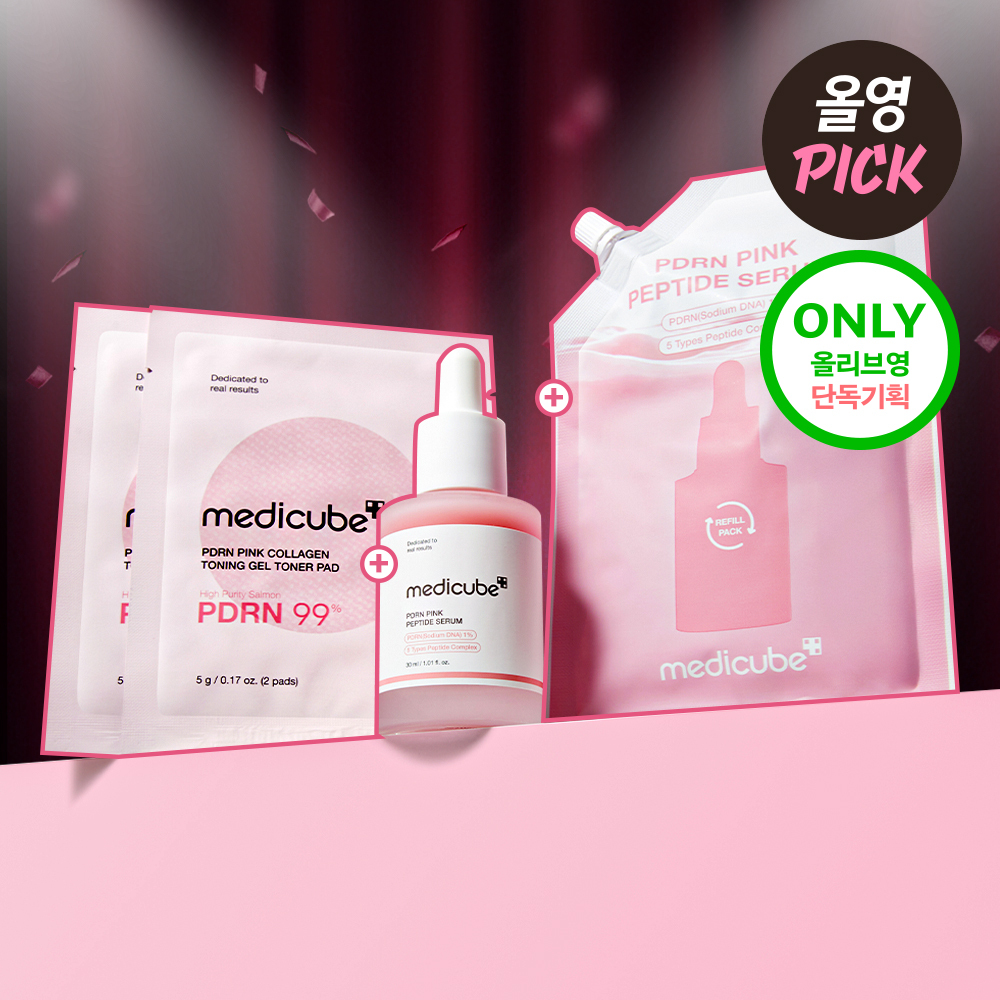
PDRN Pink Peptide Ampoule
Medicube
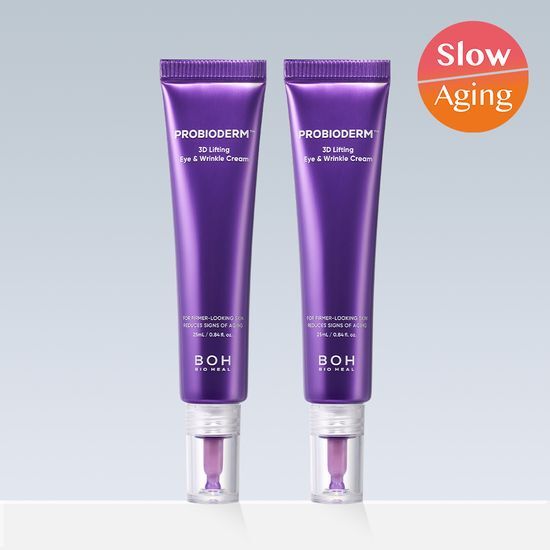
Probioderm 3D Lifting Eye & Wrinkle Cream Double Pack
Bioheal BOH
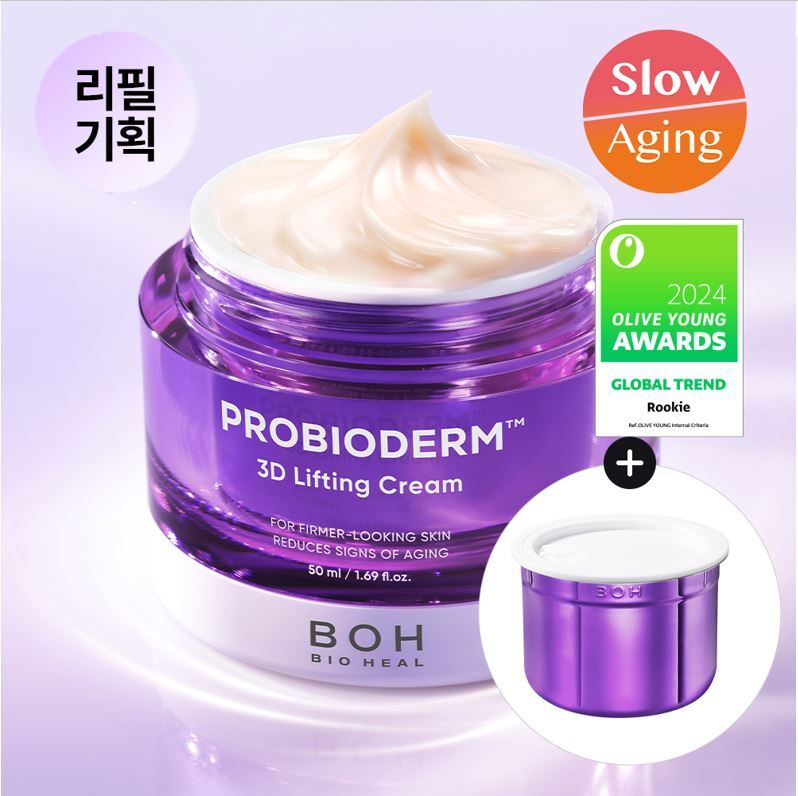
Probioderm 3D Lifting Cream
Bioheal BOH
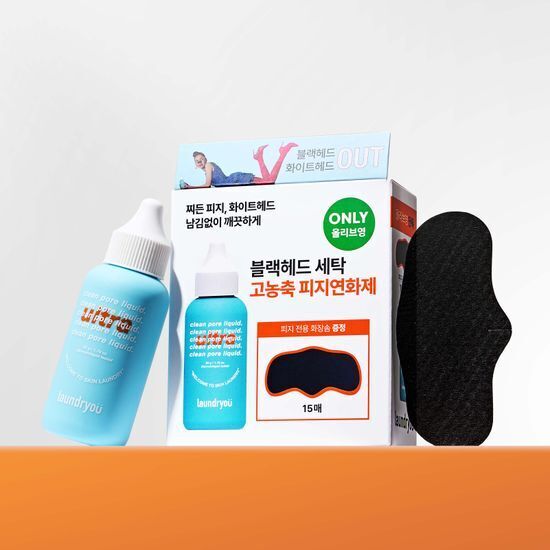
Clean Pore Liquid Ultra Set
Laundryou
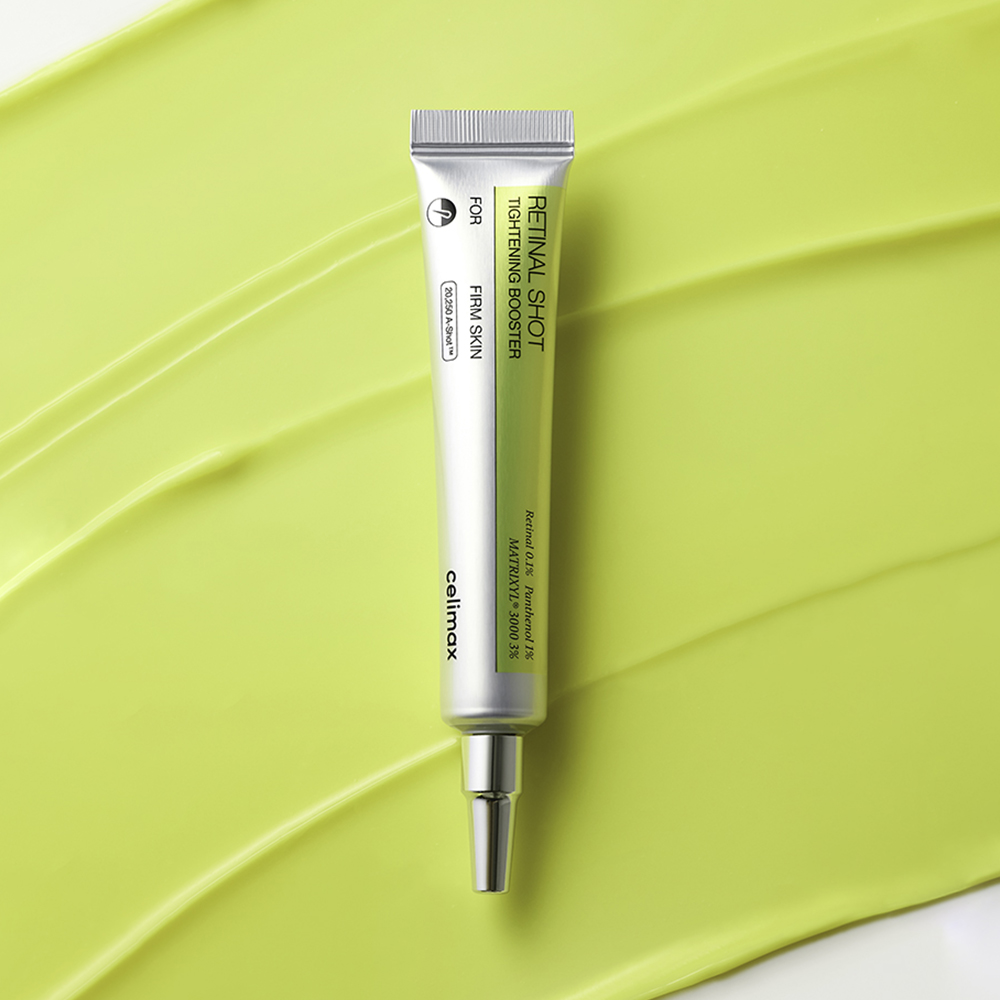
The Vita A Retinal Shot Tightening Booster
Celimax
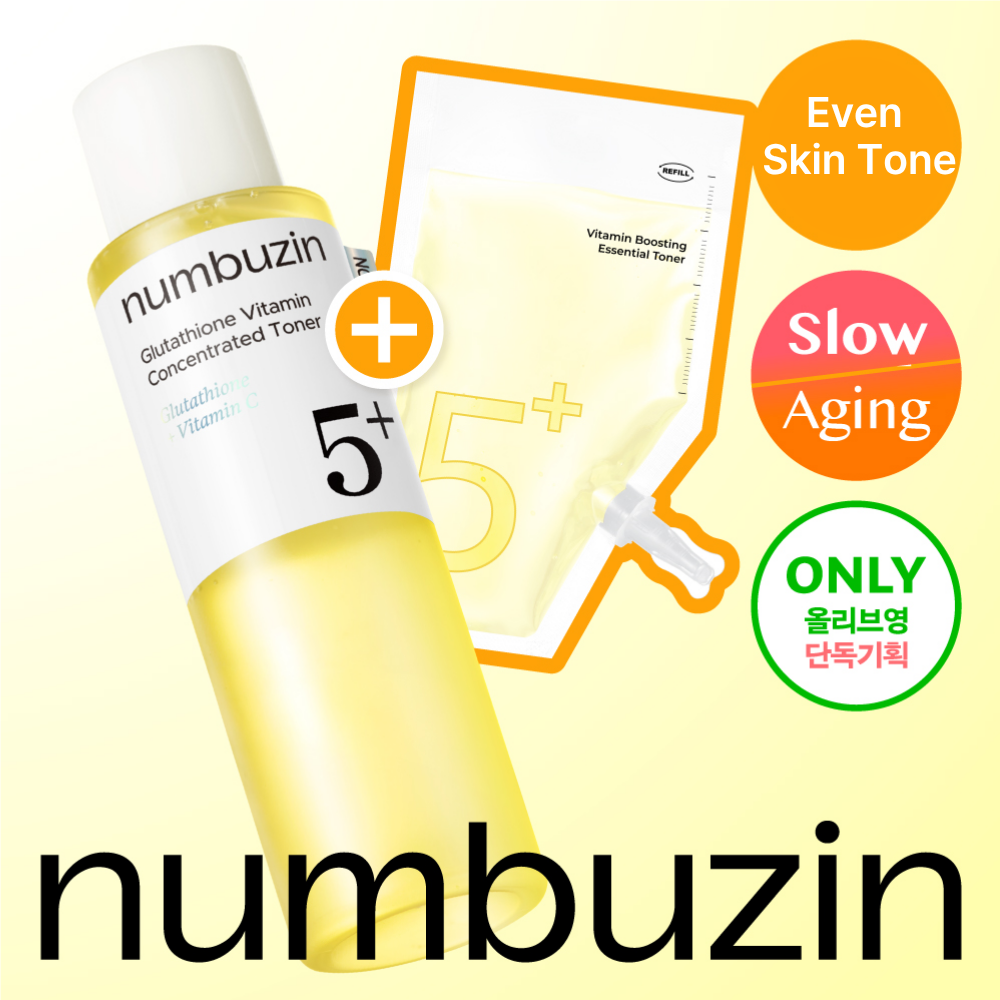
No. 5 Vitamin Boosting Essential Toner
Numbuzin
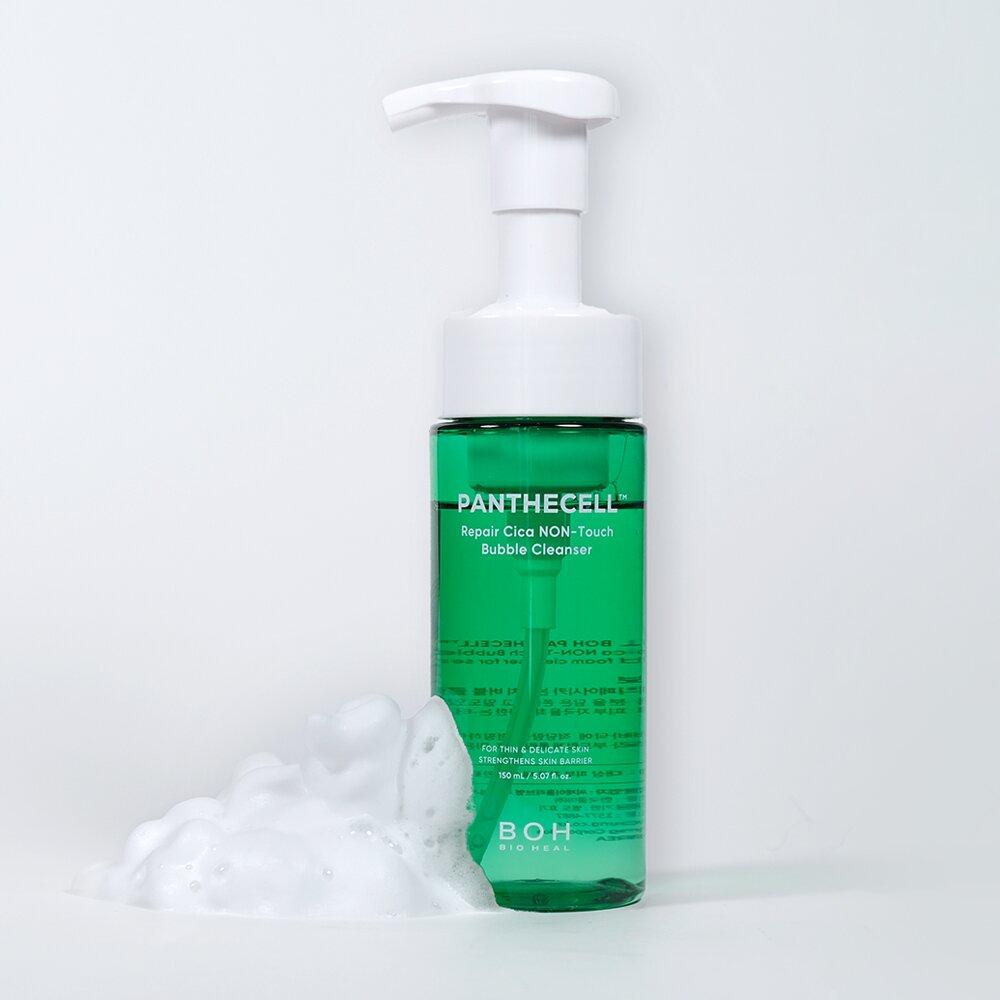
Panthecell Repair Cica NON-Touch Bubble Cleanser
Bioheal BOH
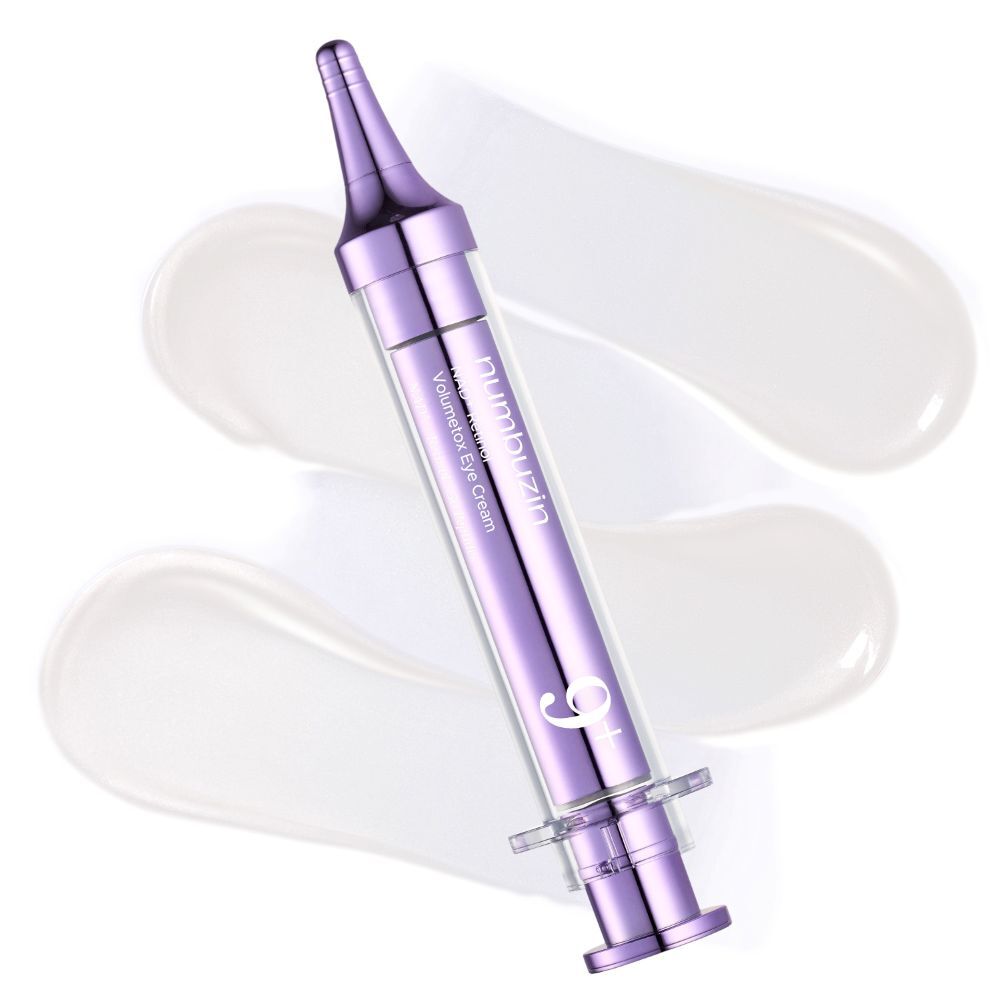
No. 9 NAD RetinA Volume Shot Eye Cream
Numbuzin
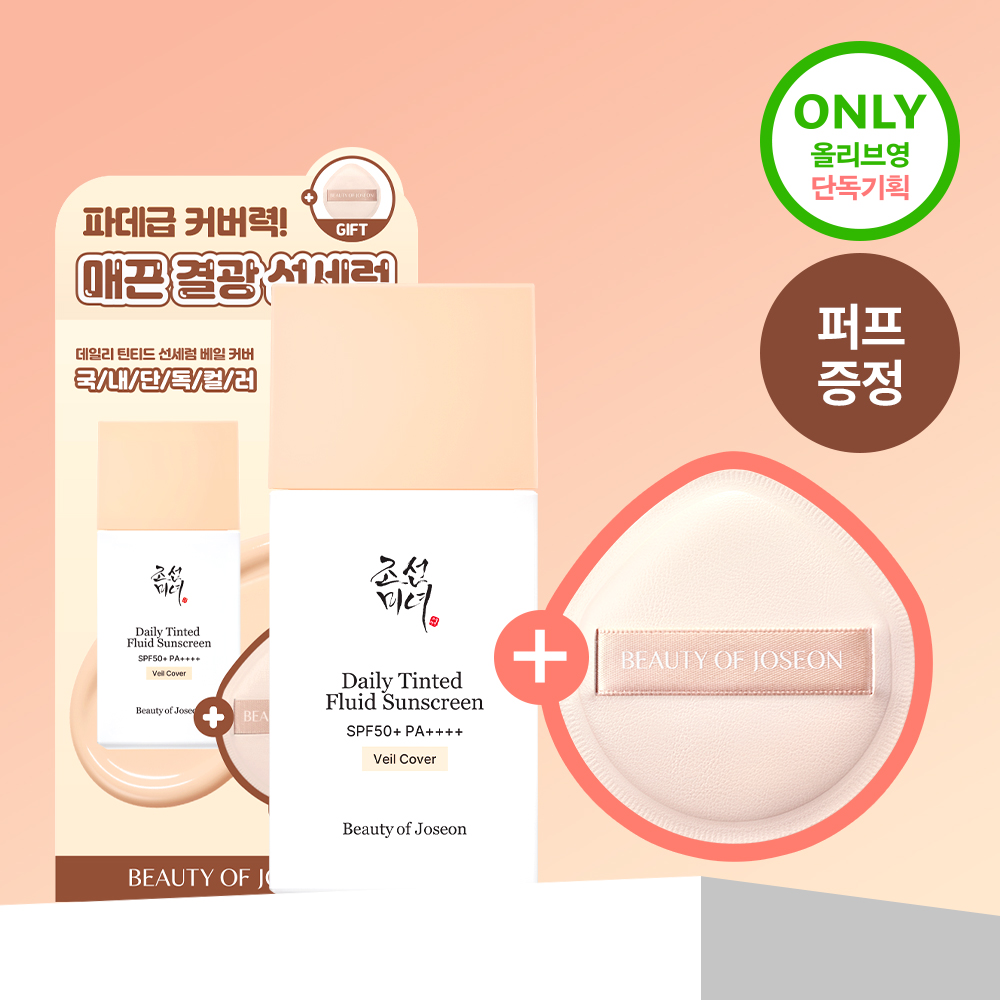
Daily Tinted Sun Serum Veil Cover
Beauty of Joseon
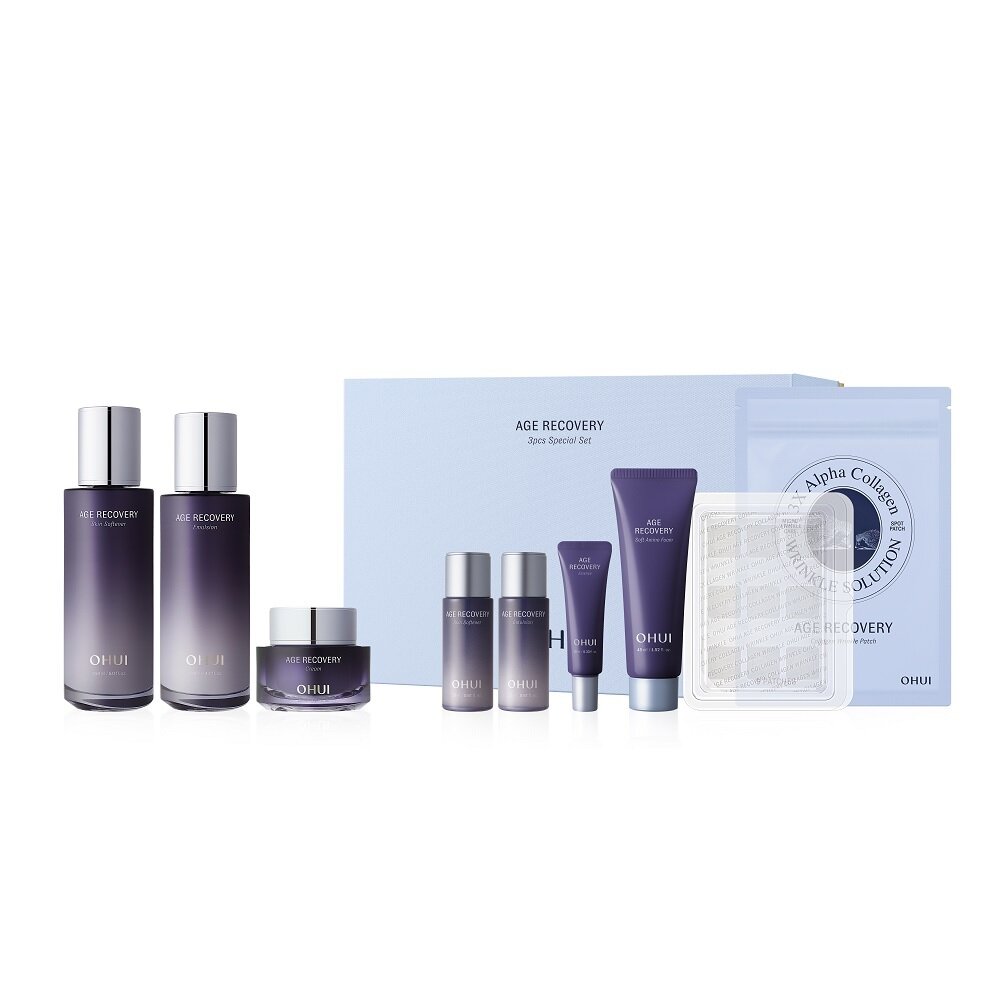
Age Recovery 3P Set
OHUI
Frequently Asked Questions
How long does it take to see results from Palmitoyl Tetrapeptide-7?▼
Can I use Palmitoyl Tetrapeptide-7 with retinol or vitamin C?▼
Is Palmitoyl Tetrapeptide-7 better than Palmitoyl Pentapeptide-4?▼
Why do top-rated K-beauty products combine this peptide with probiotics?▼
Will this peptide work if I already have deep wrinkles?▼
Explore More
Want personalized ingredient advice?
Yuri, our AI beauty advisor, can tell you how Palmitoyl Tetrapeptide-7 works with your specific skin type, routine, and concerns.
Ask Yuri, free