Palmitoyl Tripeptide-1
Anti-aging peptide that stimulates collagen production
About Palmitoyl Tripeptide-1
Palmitoyl Tripeptide-1 is a synthetic anti-aging peptide that's become a cornerstone ingredient in modern K-beauty formulations targeting collagen loss and skin firmness. This small protein fragment consists of three amino acids (glycine, histidine, and lysine) attached to a palmitic acid chain, which helps it penetrate the skin barrier more effectively. Often referred to as pal-GHK, this peptide mimics the behavior of naturally occurring growth factors in your skin, signaling cells to kick collagen and elastin production into higher gear. In K-beauty, where preventative anti-aging starts in your early twenties, Palmitoyl Tripeptide-1 shows up across product categories from serums to creams, often paired with other peptides or hydrating ingredients like hyaluronic acid. What makes it particularly appealing is its non-irritating nature (safety rating 4/5) and zero comedogenic rating, meaning it won't clog pores or trigger breakouts. With 283 K-beauty products on Seoul Sister featuring this ingredient, including highly rated formulas like VT's PDRN Capsule Cream (5.0/5) and Bioheal BOH's Probioderm Collagen Remodeling Serum (5.0/5), it's clear that Korean skincare brands recognize its effectiveness. The ingredient works well in conjunction with other actives, making it a team player in multi-step routines rather than a standalone solution.
How Palmitoyl Tripeptide-1 Works
Palmitoyl Tripeptide-1 functions as a cellular messenger that communicates with fibroblasts, the cells responsible for producing your skin's structural proteins. When applied topically, the palmitic acid chain acts like a delivery vehicle, allowing the peptide to cross the lipid-rich outer layers of skin more efficiently than unmodified peptides. Once it reaches the deeper dermis, the tripeptide sequence sends signals that tell fibroblasts to ramp up collagen type I and III synthesis, the same proteins that keep young skin plump and resilient. This ingredient also encourages elastin production, which maintains skin's ability to bounce back after stretching or expression. The mechanism isn't about replacing lost collagen directly but rather tricking your skin into behaving as if minor injury has occurred, triggering its natural repair and rebuilding processes. Over time, this increased production of structural proteins helps reduce the appearance of fine lines, improves skin texture, and enhances overall firmness. The effects are cumulative, meaning you'll see better results with consistent use over weeks and months rather than immediate transformation after one application.
Palmitoyl Tripeptide-1 by Skin Type
Oily Skin
Palmitoyl Tripeptide-1 is excellent for oily skin types precisely because of its zero comedogenic rating. The ingredient addresses collagen loss and early signs of aging without adding heavy oils or occlusives that might trigger breakouts. Look for it in lightweight serums or gel formulations that absorb quickly without leaving residue.
Dry Skin
This peptide works particularly well for dry skin when formulated alongside hydrating ingredients like ceramides or hyaluronic acid, as seen in products like VT's PDRN Capsule Cream. While the peptide itself stimulates collagen, pairing it with moisturizing components helps address both structural aging and surface dehydration simultaneously. The non-irritating nature means it won't compromise an already sensitive moisture barrier.
Combo Skin
Combination skin benefits from Palmitoyl Tripeptide-1's versatility, since it delivers anti-aging benefits without the heaviness that might congest your T-zone or the drying effects that could worsen dry patches. Use it in your entire routine or spot-apply to areas showing early aging signs like around the eyes or forehead while using lighter products elsewhere.
Sensitive Skin
With a strong safety rating (4/5) and gentle mechanism of action, Palmitoyl Tripeptide-1 suits sensitive skin better than many other anti-aging actives. Unlike retinoids or strong acids, it doesn't cause irritation, peeling, or photosensitivity. Products like Ongredients' Skin Barrier Moisture Deep Calming Foam (4.9/5) pair this peptide with soothing ingredients, making it accessible even for reactive skin types.
Normal Skin
Normal skin can incorporate Palmitoyl Tripeptide-1 easily as a preventative anti-aging measure without disrupting skin balance. This is the ideal skin type to experiment with layering multiple peptides or combining this ingredient with other actives like niacinamide or antioxidants for comprehensive skin health maintenance.
How to Use Palmitoyl Tripeptide-1
- 1Apply peptide serums or creams to slightly damp skin after cleansing and toning to enhance absorption and allow the ingredient to penetrate more effectively.
- 2Layer Palmitoyl Tripeptide-1 products before heavier creams or oils in your routine, since peptides work best when applied directly to clean skin or over lightweight hydrating layers.
- 3Be patient with results. Collagen synthesis takes time, so expect to use products consistently for at least 8-12 weeks before noticing visible improvements in skin firmness and fine lines.
- 4This ingredient plays well with others, so don't hesitate to combine it with niacinamide, hyaluronic acid, or antioxidants like vitamin C for enhanced anti-aging benefits.
- 5Store peptide products away from extreme heat and direct sunlight, as peptides can degrade when exposed to high temperatures or UV light over time.
Background
Palmitoyl Tripeptide-1 emerged from biotechnology research in the 1990s when scientists began exploring how to replicate the skin-regenerating properties of naturally occurring copper peptides without the stability issues copper presented in formulations. The addition of palmitic acid to the tripeptide sequence was a breakthrough that solved the penetration problem plaguing earlier peptide research. By the early 2000s, this modified peptide gained traction in Western anti-aging skincare, but K-beauty brands took a different approach, incorporating it into preventative formulations for younger consumers rather than positioning it solely as a corrective treatment. Korean skincare's philosophy of starting anti-aging care early aligned perfectly with peptides' gentle yet effective profile. Today, it appears across multiple K-beauty categories, from cushion foundations to sleeping masks, reflecting the industry's commitment to infusing functional ingredients into every step of the routine.
K-Beauty Products with Palmitoyl Tripeptide-1
View all 313 →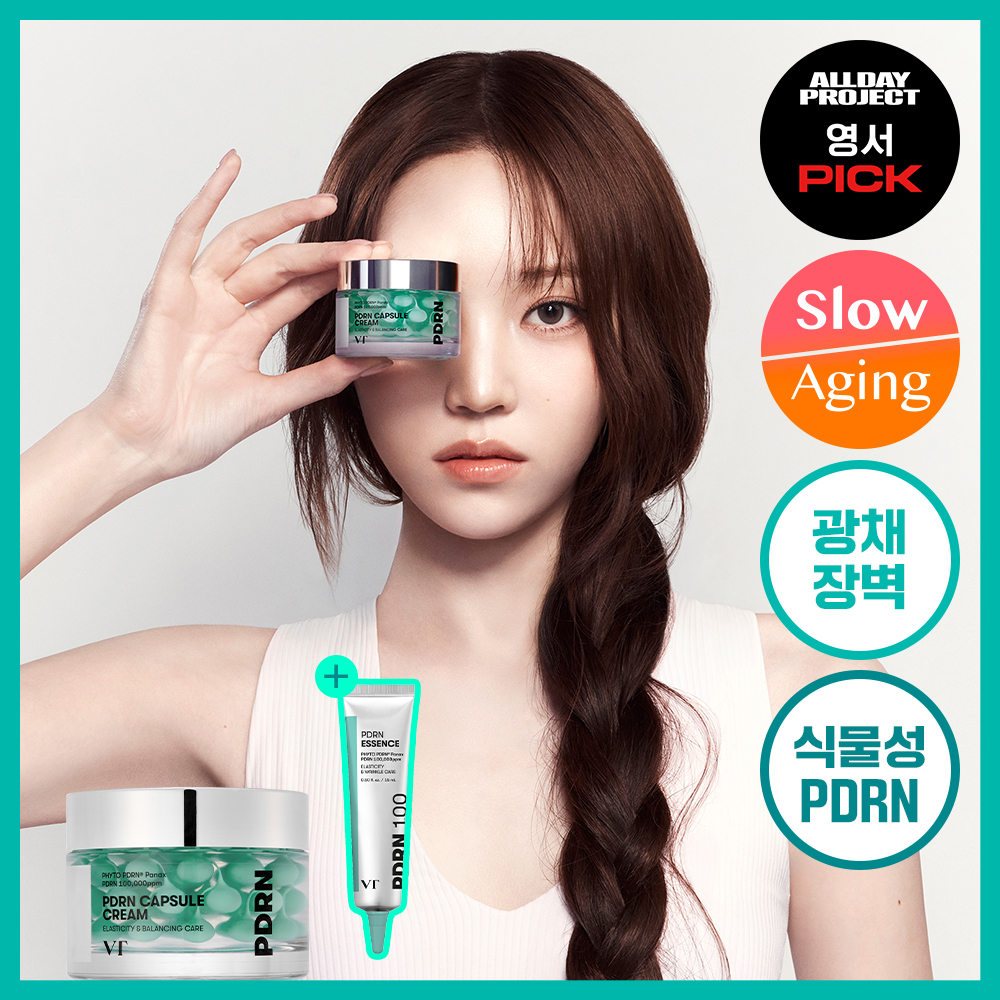
PDRN Capsule Cream 100
VT
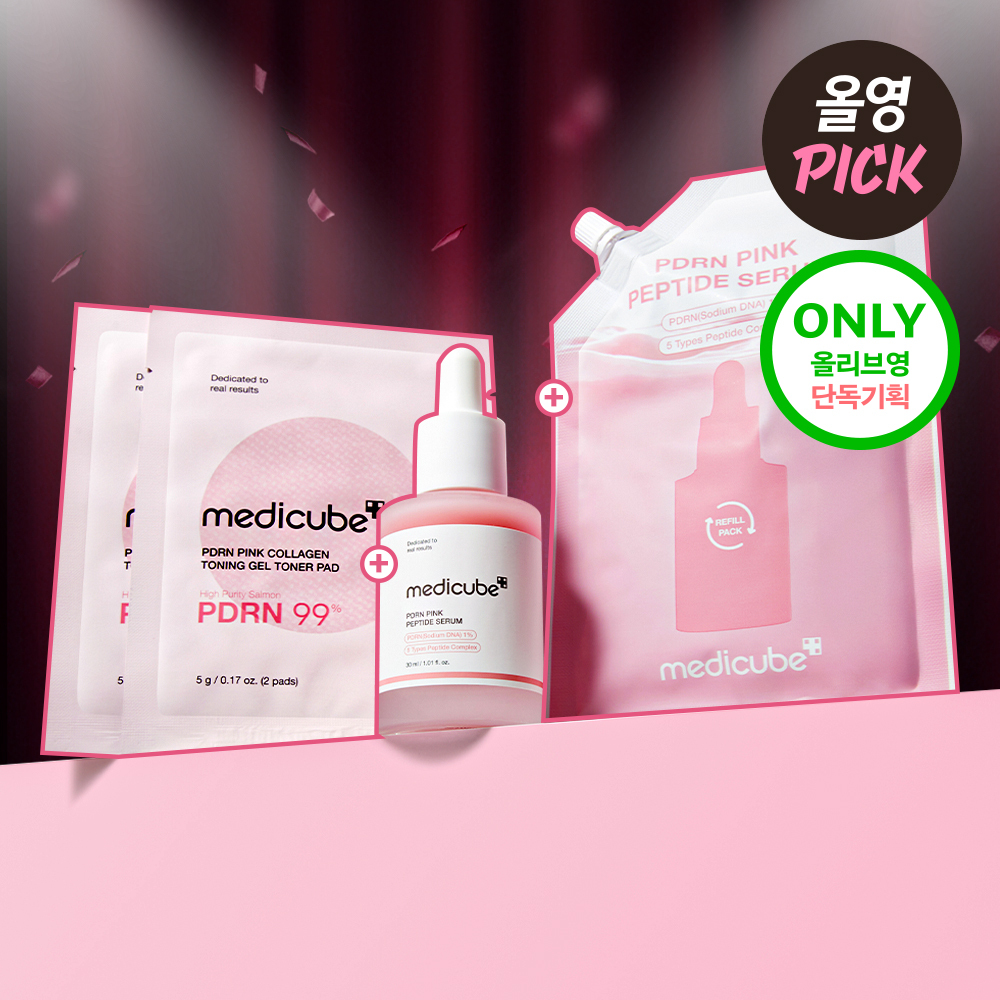
PDRN Pink Peptide Ampoule
Medicube
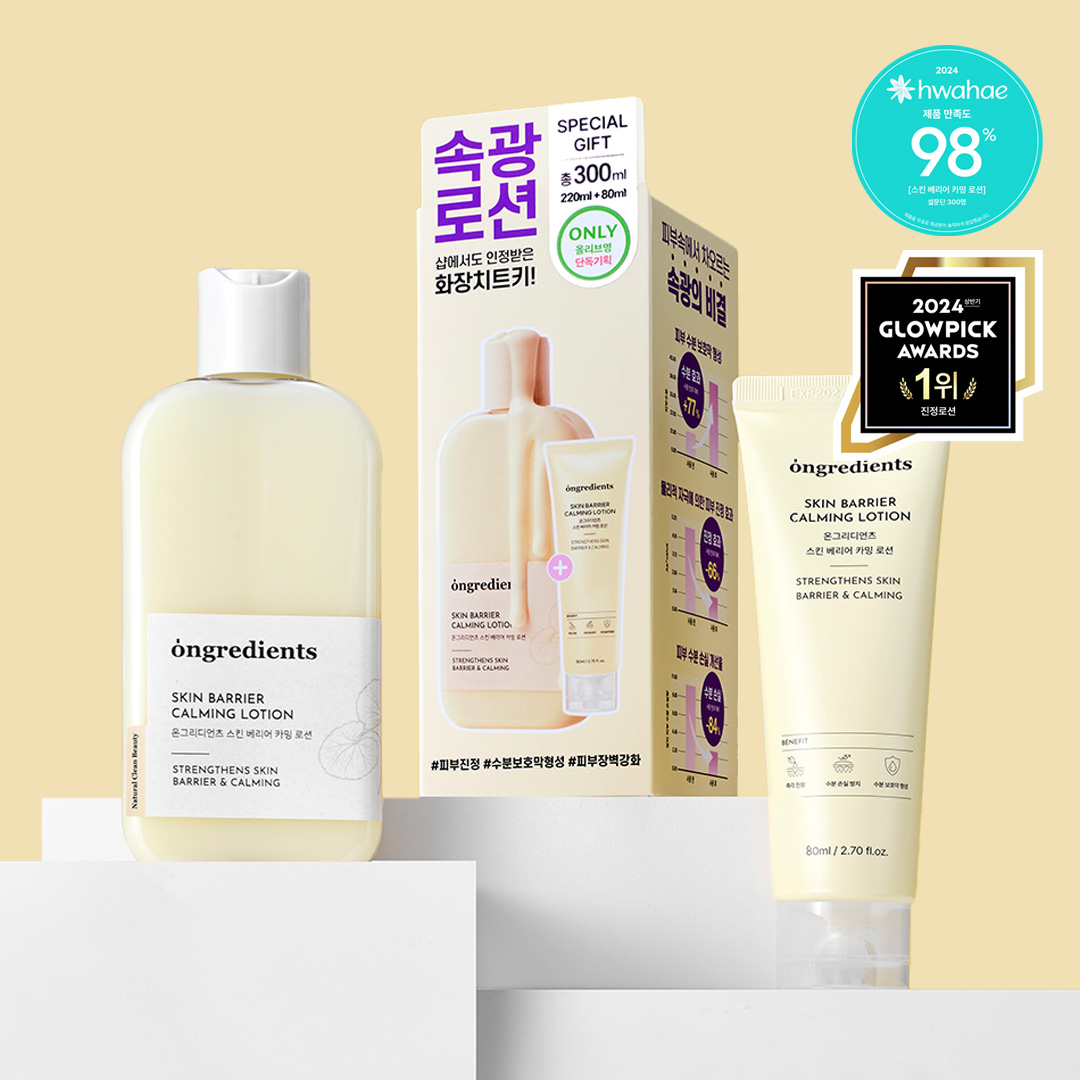
Skin Barrier Calming Lotion Set
Ongredients
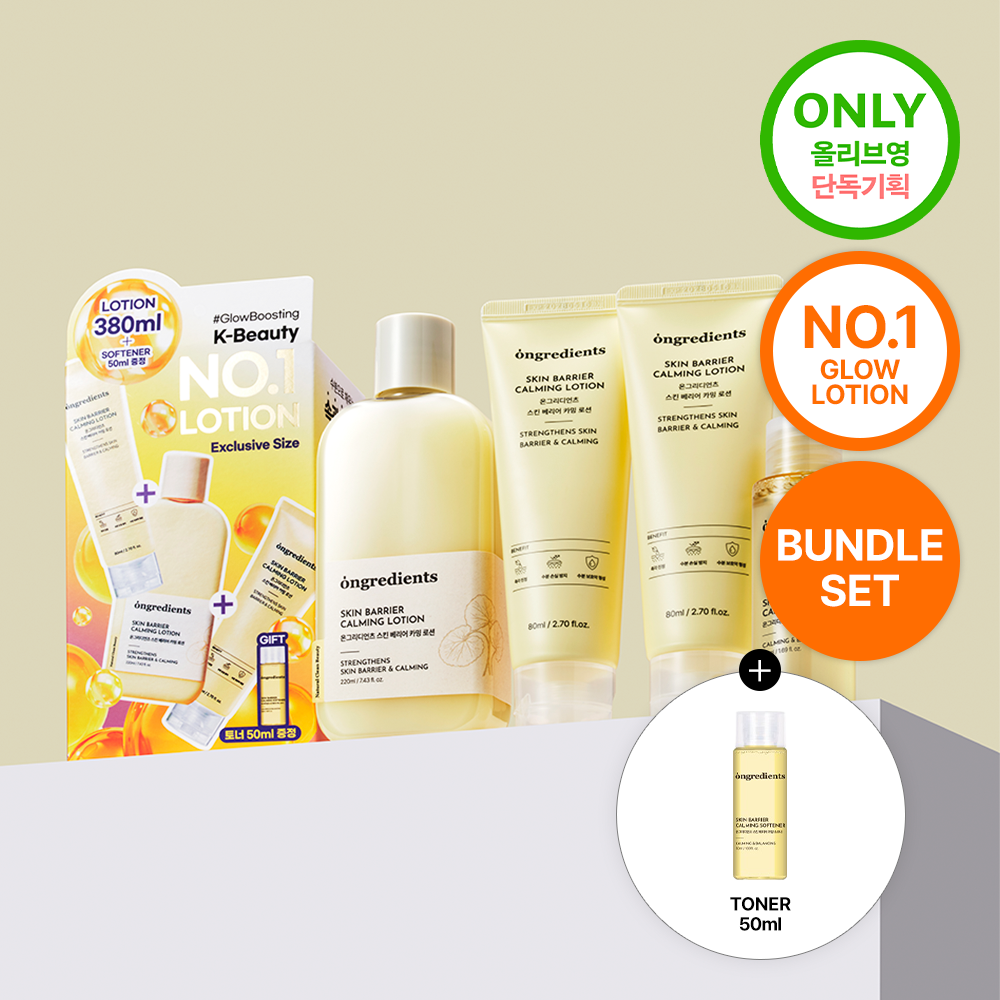
Skin Barrier Calming Large Size Set (Lotion + Softener)
Ongredients
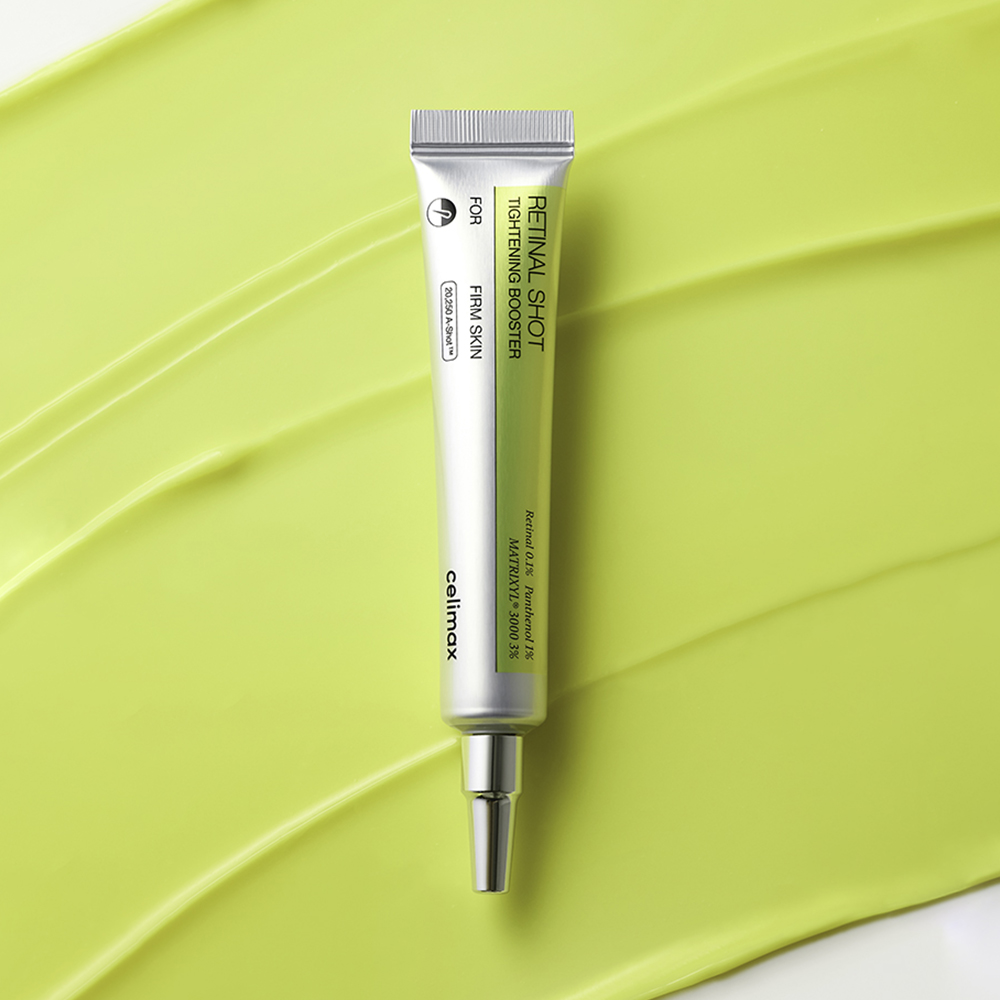
The Vita A Retinal Shot Tightening Booster
Celimax
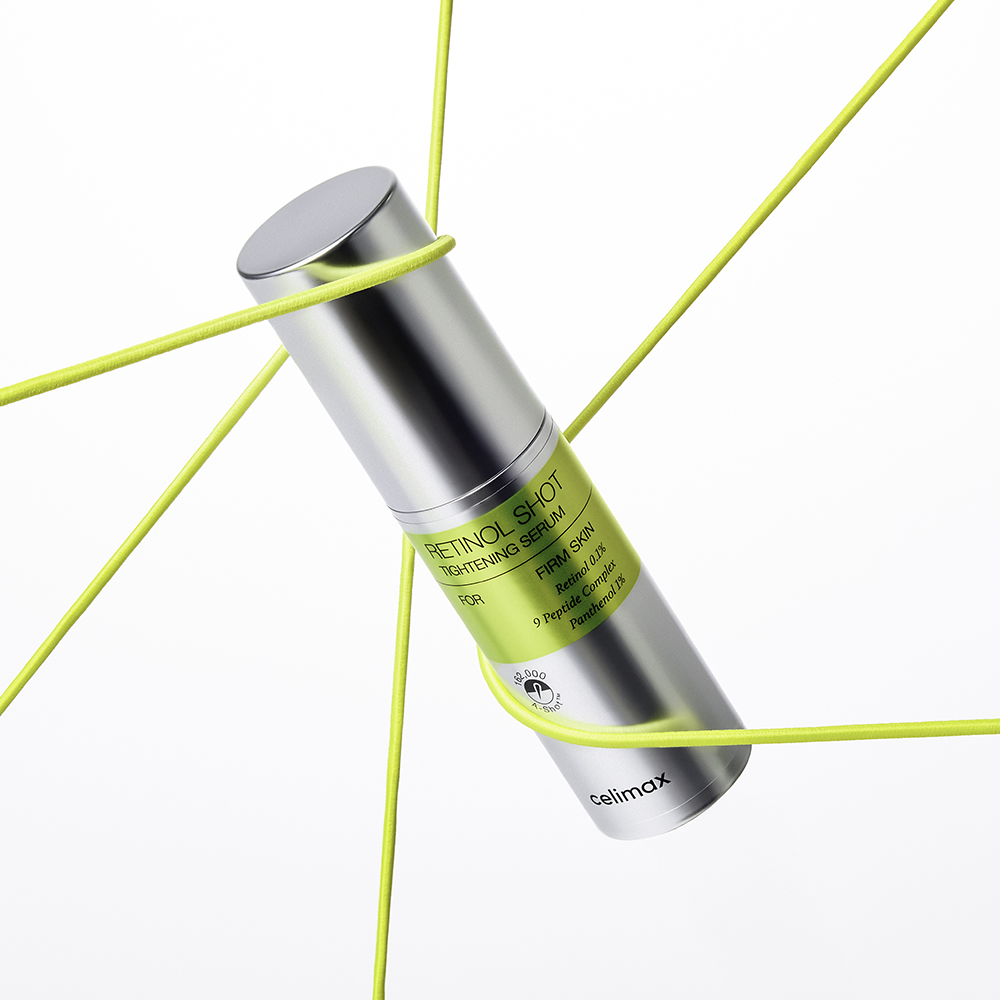
The Vita A Retinol Shot Tightening Serum
Celimax
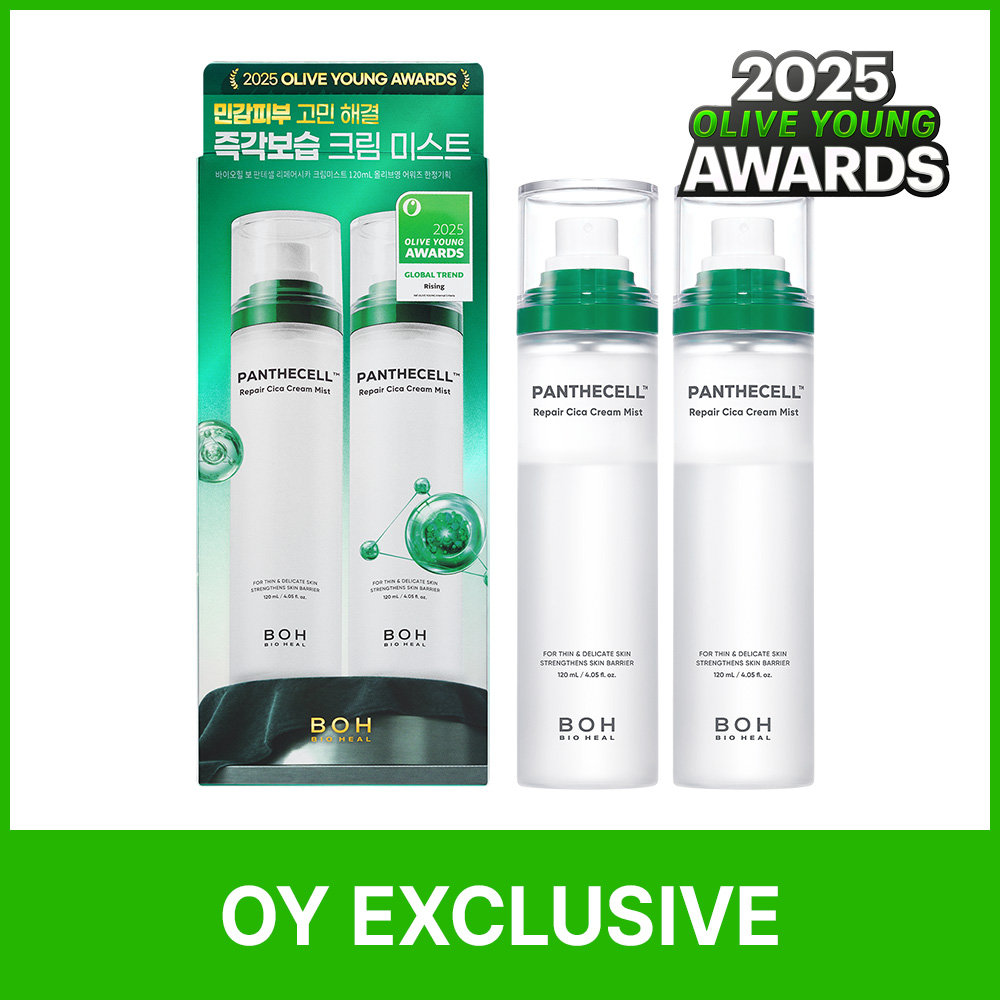
Panthecell Repair Cica Cream Mist
Bioheal BOH
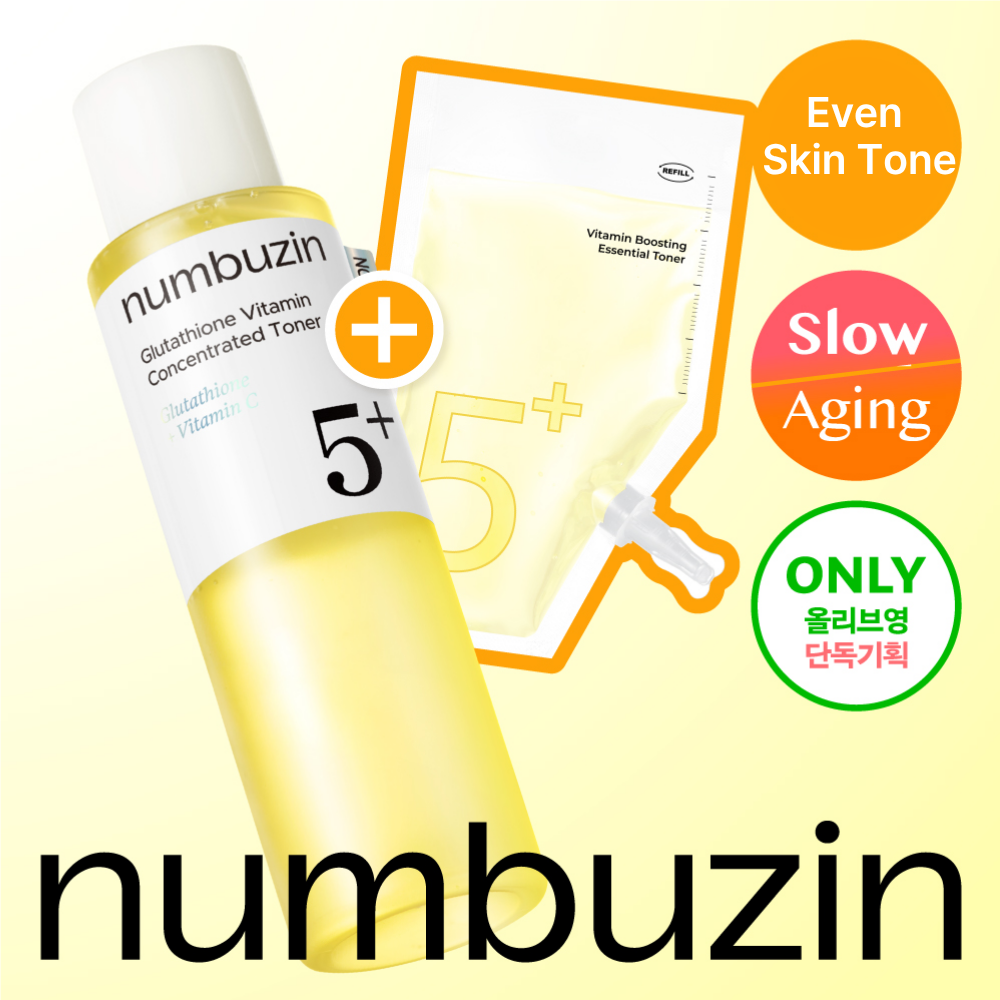
No. 5 Vitamin Boosting Essential Toner
Numbuzin
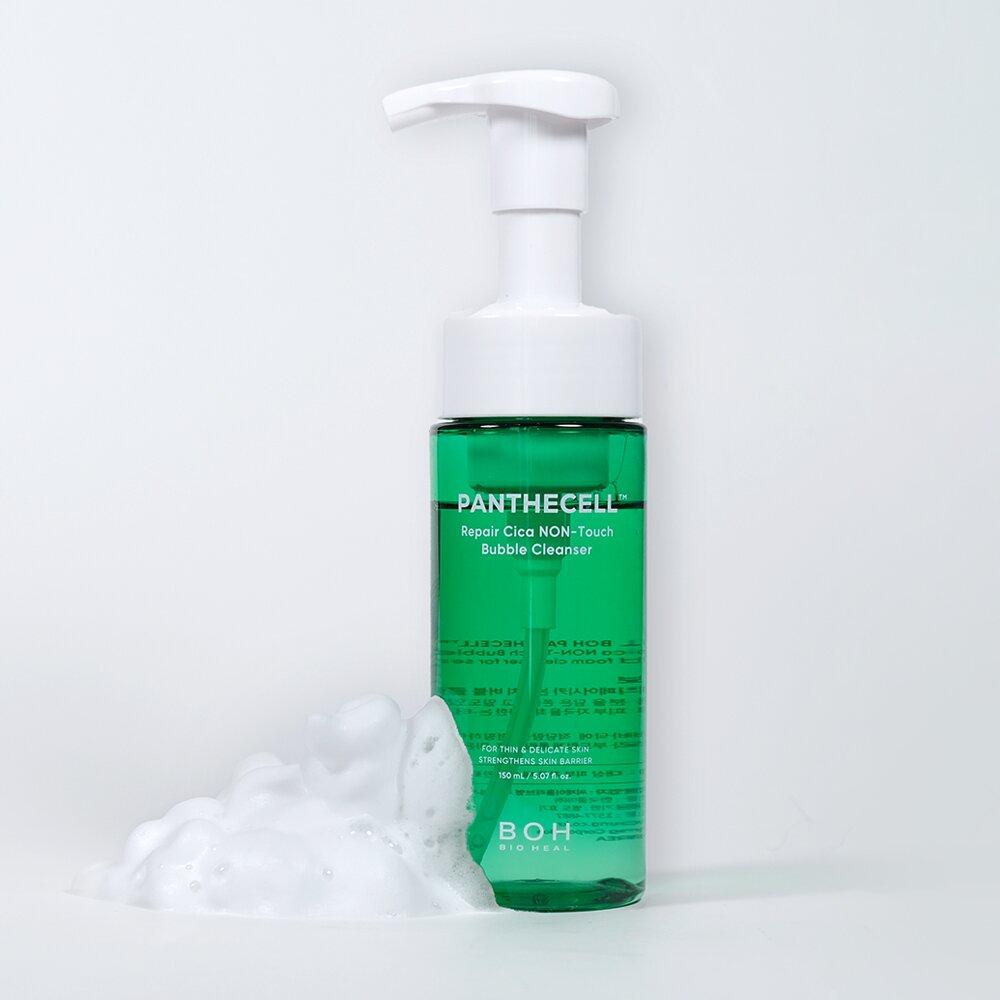
Panthecell Repair Cica NON-Touch Bubble Cleanser
Bioheal BOH
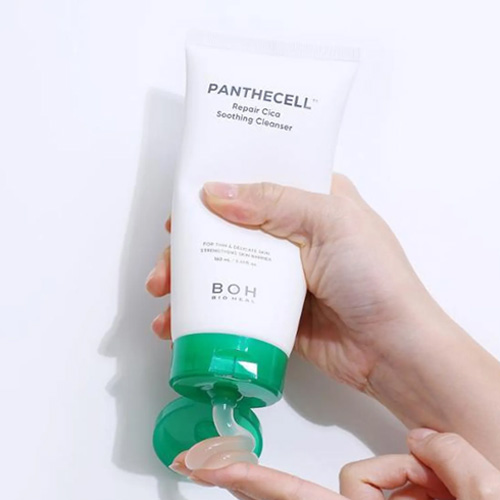
Panthecell Repair Cica Soothing Cleanser Double Pack
Bioheal BOH
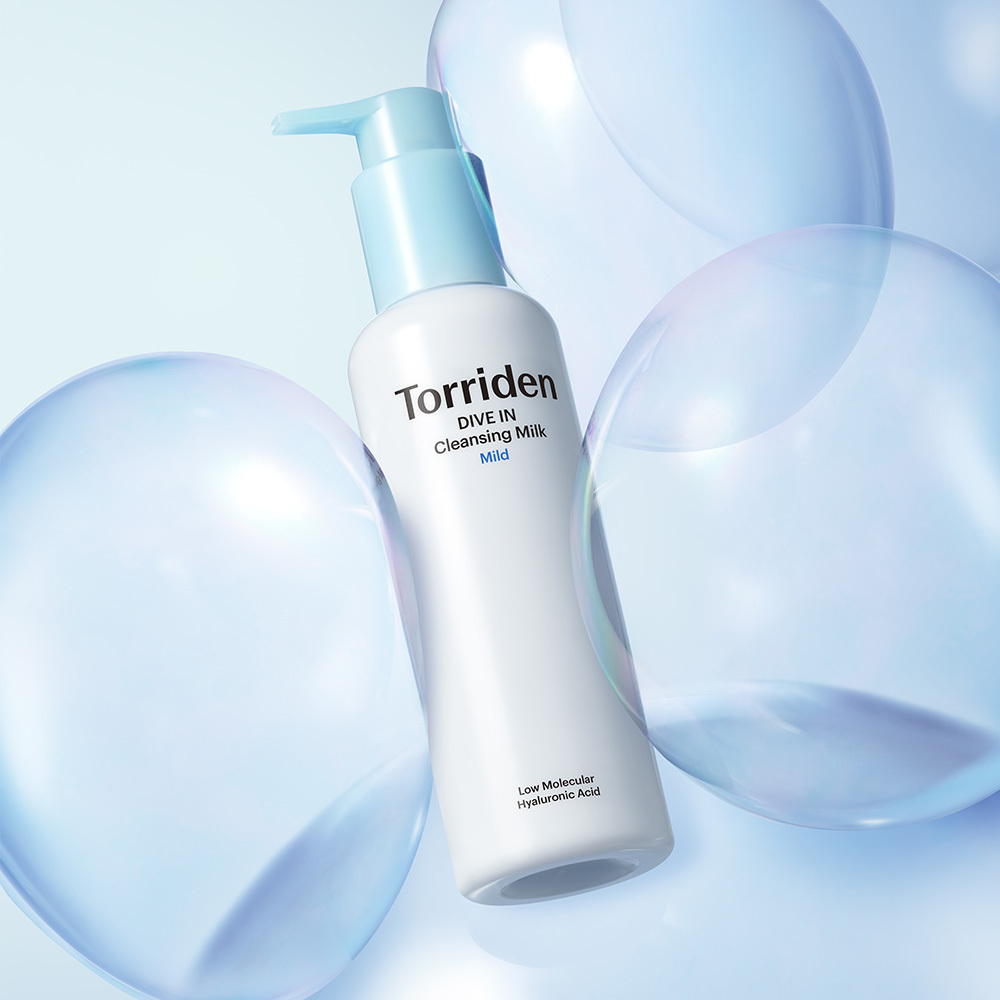
Dive In Cleansing Milk
Torriden
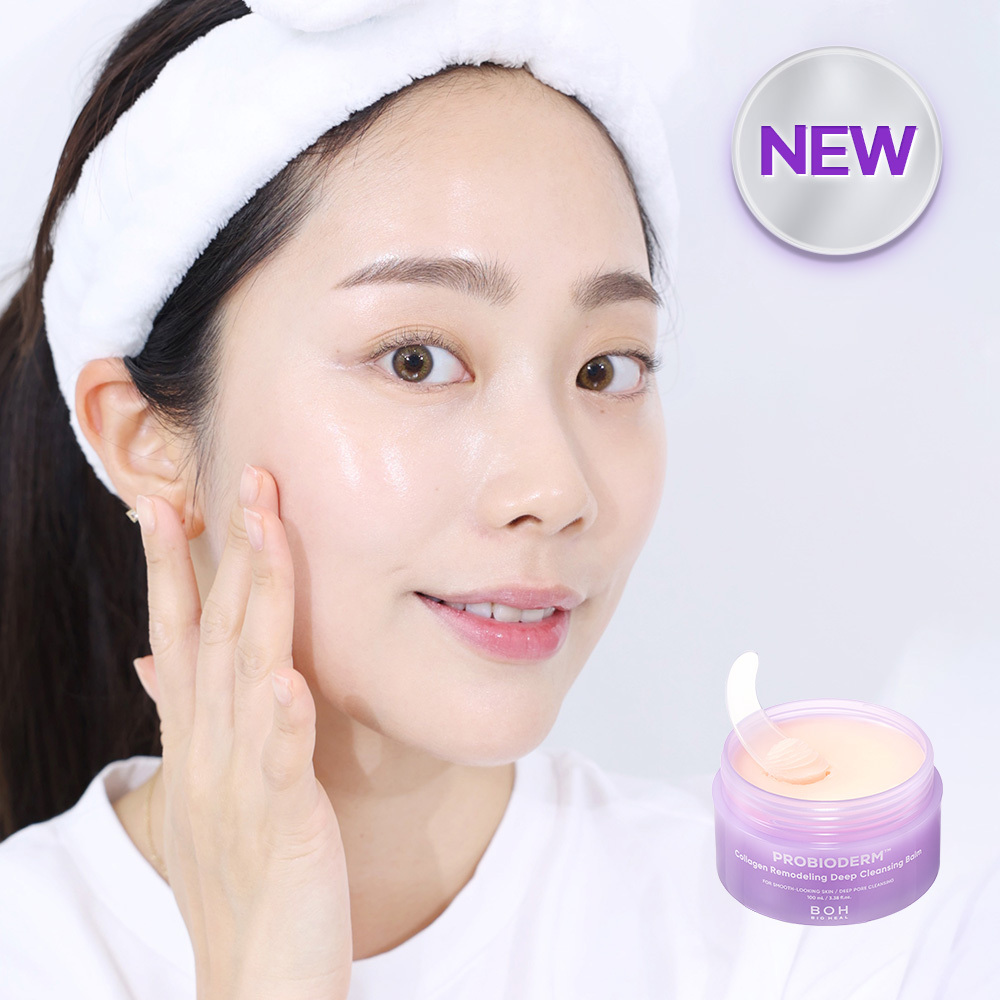
Probioderm Collagen Remodeling Deep Cleansing Balm
Bioheal BOH
Frequently Asked Questions
How long does it take to see results from Palmitoyl Tripeptide-1?▼
Can I use Palmitoyl Tripeptide-1 with retinol or vitamin C?▼
Is Palmitoyl Tripeptide-1 the same as Matrixyl?▼
Why is this ingredient so common in K-beauty but not as hyped in Western skincare?▼
Will Palmitoyl Tripeptide-1 break me out if I have acne-prone skin?▼
Explore More
Want personalized ingredient advice?
Yuri, our AI beauty advisor, can tell you how Palmitoyl Tripeptide-1 works with your specific skin type, routine, and concerns.
Ask Yuri, free