Millet Seed Extract
INCI: Panicum Miliaceum (Millet) Seed Extract
Antioxidant and skin conditioning agent
About Millet Seed Extract
Millet seed extract is a grain-derived ingredient sourced from Panicum miliaceum, a small-seeded cereal that has been cultivated for thousands of years across Asia and Africa. In K-beauty, this extract has gained recognition as a multitasking antioxidant and skin conditioning agent, particularly in premium fermented skincare lines. The extract is rich in phenolic compounds, flavonoids, and essential amino acids that work together to protect skin from environmental stressors while improving overall texture and resilience. What makes millet seed extract especially valuable is its nutrient density. It contains significant levels of ferulic acid and p-coumaric acid, two powerful antioxidants that neutralize free radicals more effectively than many synthetic alternatives. The extract also provides ceramide precursors and fatty acids that support the skin barrier, making it a natural fit for products designed to strengthen compromised or sensitive skin. Korean brands like SUM37 have pioneered the use of millet seed extract in fermented formulations, where the fermentation process amplifies the bioavailability of its active compounds. With a low comedogenic rating of 1/5, it's suitable for most skin types without triggering breakouts. You'll find it in everything from daily cleansers to concentrated essences, often paired with other grain or ferment-based ingredients that reflect K-beauty's holistic approach to skincare.
How Millet Seed Extract Works
At the cellular level, millet seed extract functions through multiple pathways. Its phenolic compounds intercept reactive oxygen species (ROS) before they can damage cellular membranes and DNA, essentially acting as a shield against oxidative stress from UV exposure and pollution. The ferulic acid content is particularly noteworthy because it not only scavenges free radicals but also stabilizes other antioxidants like vitamins C and E, extending their efficacy in formulations. The amino acid profile in millet seed extract supports natural moisturizing factor (NMF) production in the stratum corneum, helping skin retain water more effectively. Meanwhile, its lipid components integrate into the intercellular matrix of the skin barrier, filling microscopic gaps that can lead to transepidermal water loss. When fermented (as in many K-beauty applications), enzymes break down the extract's larger molecules into smaller peptides and sugars that penetrate more readily and trigger collagen synthesis pathways in fibroblasts. The conditioning effect comes from the extract's ability to smooth the surface of skin cells, reducing roughness and improving light reflection for a more luminous appearance.
Millet Seed Extract by Skin Type
Oily Skin
Millet seed extract works well for oily skin due to its non-greasy conditioning properties and low comedogenic rating. The antioxidants help counteract the oxidative stress that can worsen sebum oxidation and pore congestion. Its lightweight nature means it won't add heaviness to formulations designed for shine-prone skin.
Dry Skin
This is where millet seed extract truly excels. The amino acids and lipid components directly address barrier dysfunction common in dry skin, while the humectant properties help skin hold onto moisture throughout the day. In products like SUM37's Secret Essence (4.9/5), it works alongside fermented ingredients to deeply nourish depleted skin.
Combo Skin
Combination skin benefits from millet seed extract's balanced approach to skin conditioning without overloading the T-zone. It provides enough nourishment for dry cheek areas while remaining light enough not to trigger excess oil production in the central face. The antioxidant protection is universal, making it a smart choice for mixed-concern skin.
Sensitive Skin
With a safety rating of 4/5 and grain-based origins, millet seed extract is generally well-tolerated by sensitive skin. The barrier-supporting properties can actually help reduce reactivity over time by strengthening skin's natural defenses. However, those with specific grain allergies should patch test products containing this ingredient first.
Normal Skin
Normal skin types can use millet seed extract as a preventative antioxidant measure to maintain skin health and delay visible signs of aging. It provides gentle conditioning without disrupting the skin's existing balance, making it ideal for maintenance-focused routines that prioritize long-term skin quality.
How to Use Millet Seed Extract
- 1Look for millet seed extract in fermented products like SUM37's line, where the fermentation process increases the bioavailability of its active compounds by up to 40%.
- 2Layer millet seed extract products under vitamin C serums. The ferulic acid content helps stabilize and extend the effectiveness of ascorbic acid formulations.
- 3Use cleansers containing millet seed extract (like the Secret Rice Nuruk Daily Exfoliating Cleanser, 5.0/5) in your morning routine when antioxidant protection matters most for the day ahead.
- 4For sensitive skin, introduce millet seed extract through leave-on products like essences rather than cleansers to maximize its barrier-supporting benefits.
- 5Pair with other grain extracts (rice, barley, oat) for a synergistic effect that mirrors traditional Korean skincare wisdom around fermented grains.
Background
Millet has been cultivated for over 10,000 years, originating in East Asia and spreading throughout the ancient world as one of humanity's first domesticated crops. In traditional Korean medicine, millet was valued not just as a staple grain but for its warming properties and ability to strengthen digestive qi, which was believed to manifest externally as healthy skin. The transition from food to skincare ingredient reflects K-beauty's broader philosophy of treating skin nutrition as an extension of internal health. Modern extraction and fermentation technologies have allowed brands to isolate and concentrate the beneficial compounds that traditional practitioners intuitively recognized. SUM37, which takes its name from the 37°C temperature optimal for fermentation, has been particularly instrumental in bringing fermented millet seed extract into contemporary skincare. The brand's research into natural fermentation processes has demonstrated that fermenting grains like millet for extended periods creates entirely new beneficial compounds while breaking down potential irritants.
K-Beauty Products with Millet Seed Extract
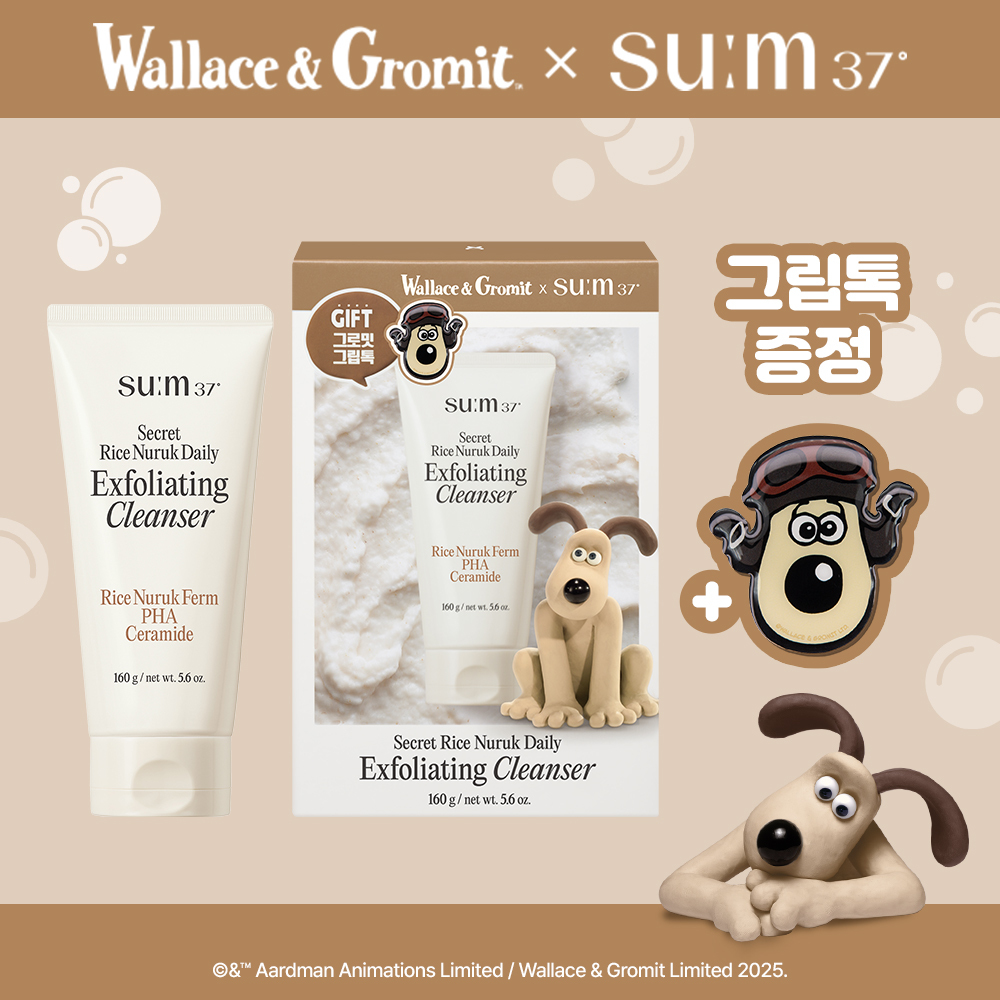
Secret Rice Nuruk Daily Exfoliating Cleanser
SUM37
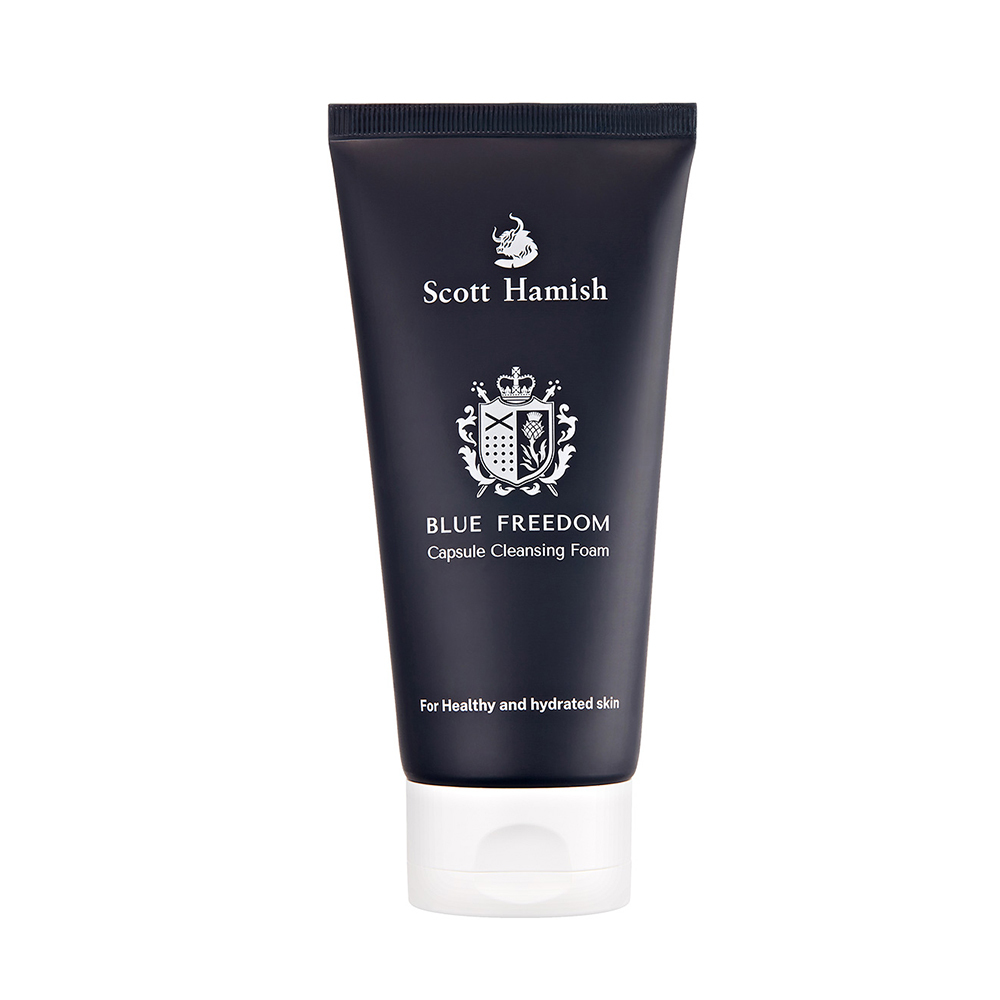
Blue Freedom Capsule Cleansing Foam
Beplain
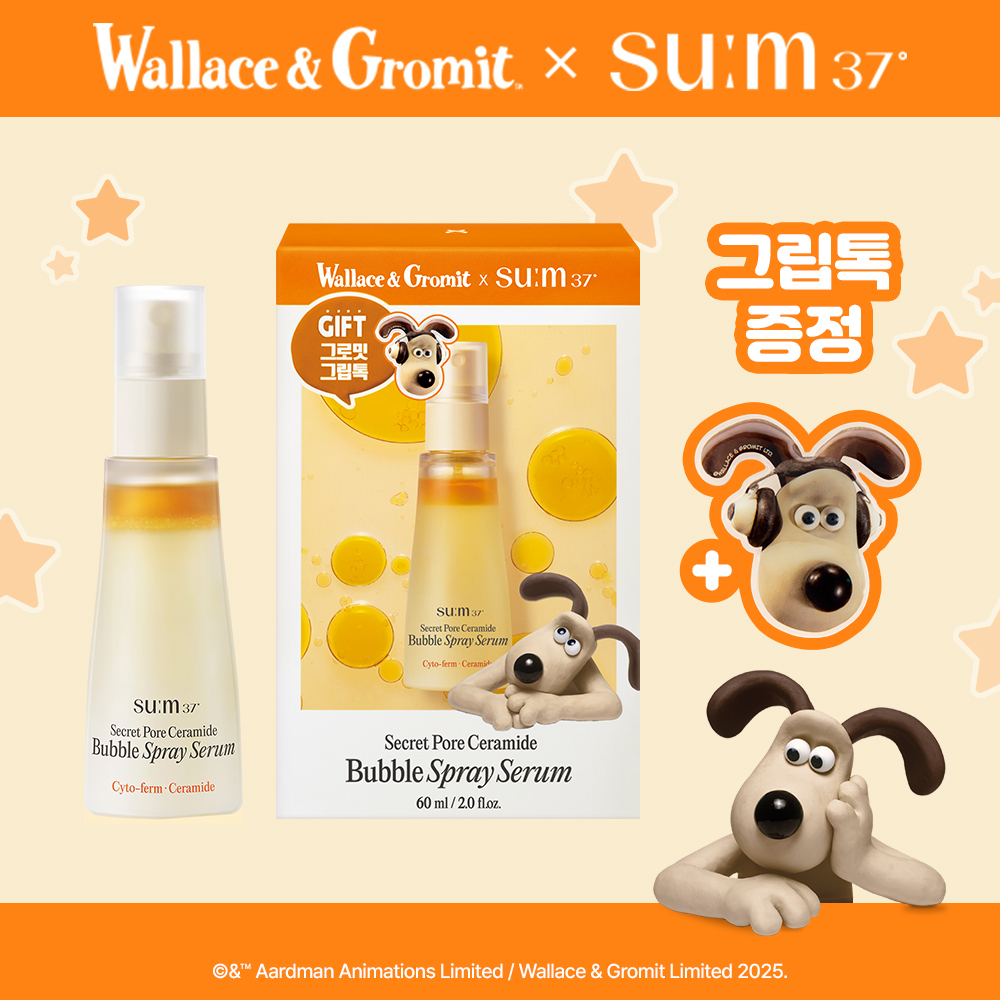
Secret Pore Ceramide Bubble Spray Serum
SUM37
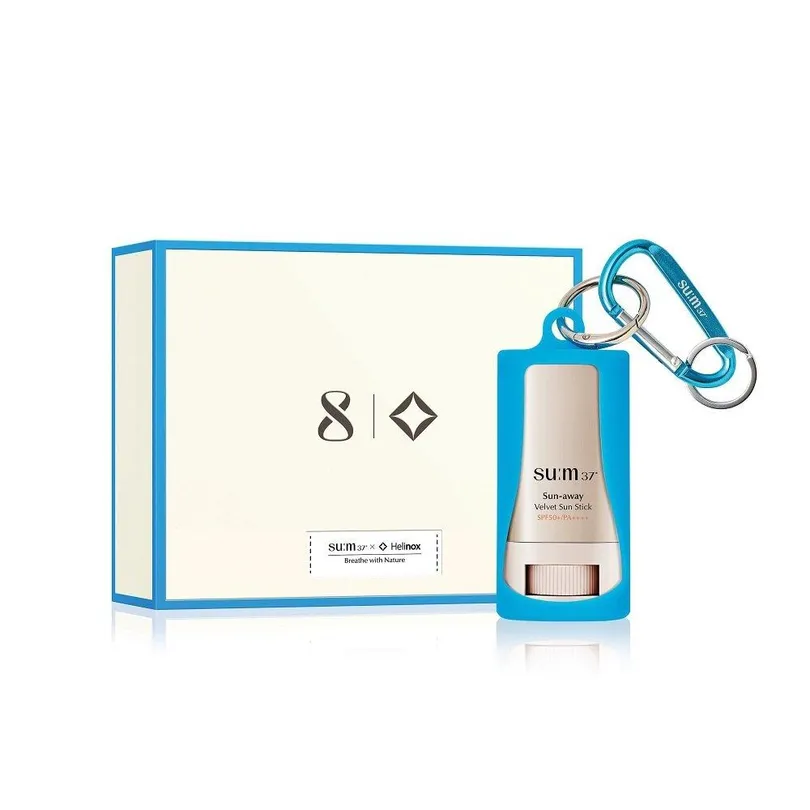
Sun-away Velvet Sun Stick Set
SUM37
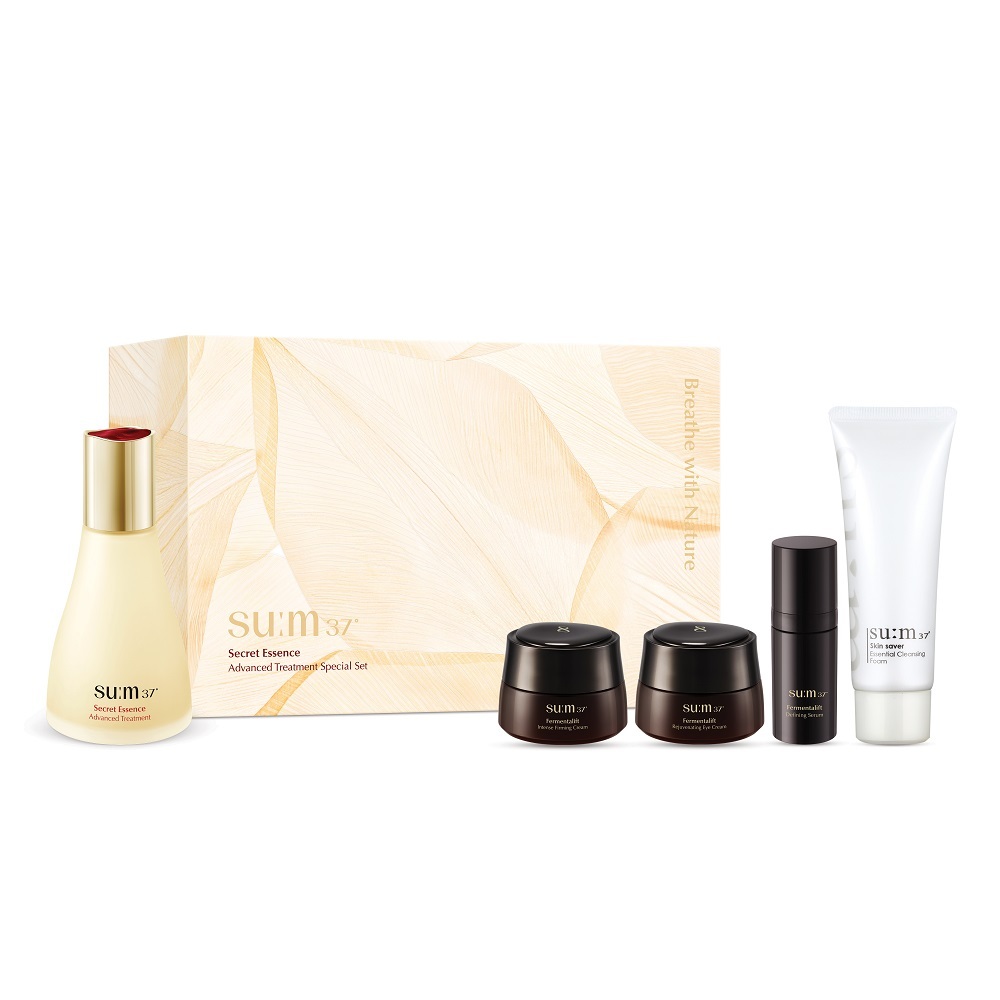
Secret Essence
SUM37
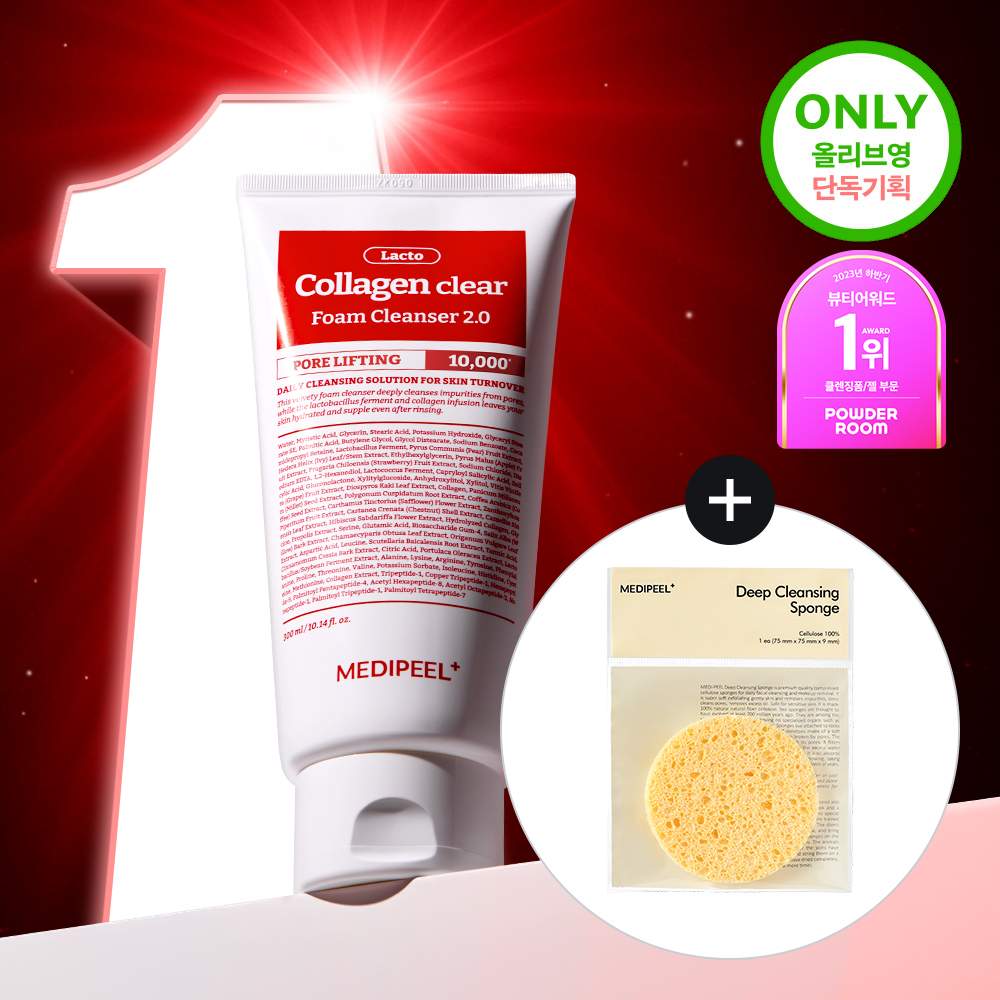
Red Lacto Collagen Clear 2.0 Special Set
Medi-Peel
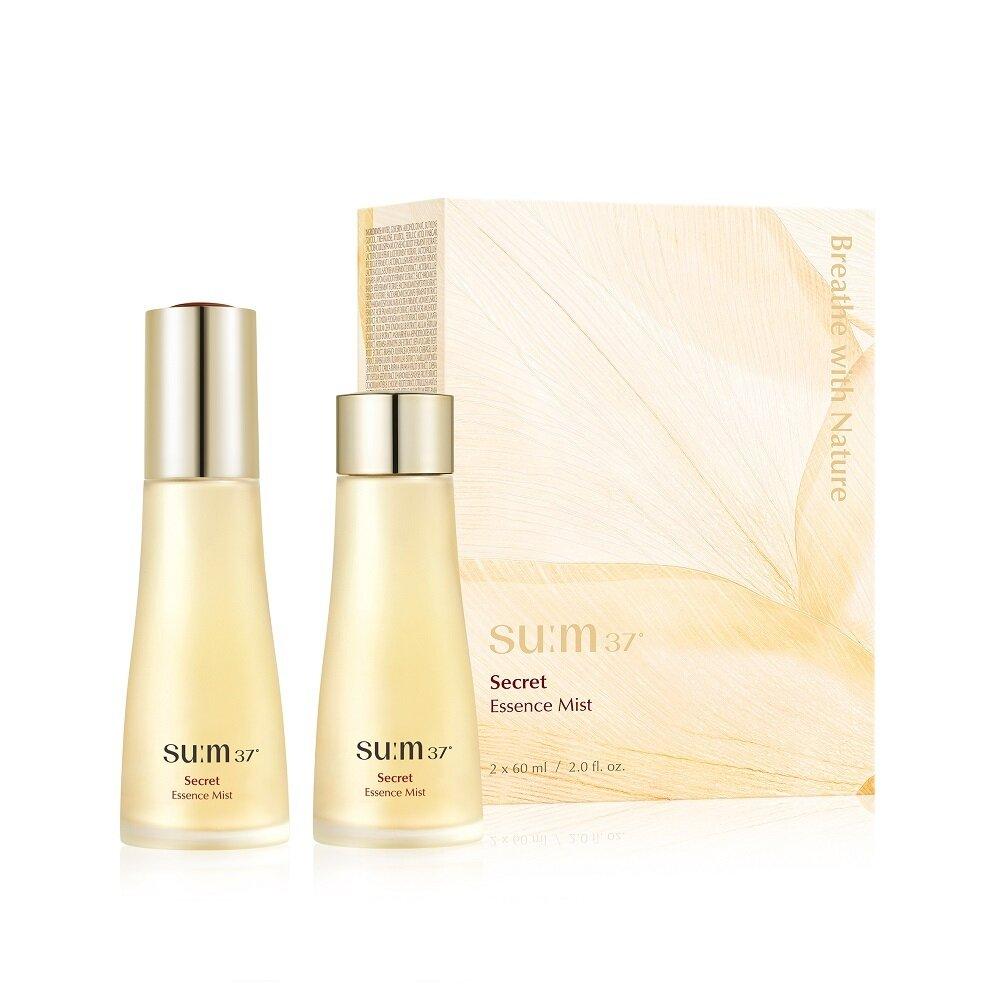
Secret Essence Mist
SUM37
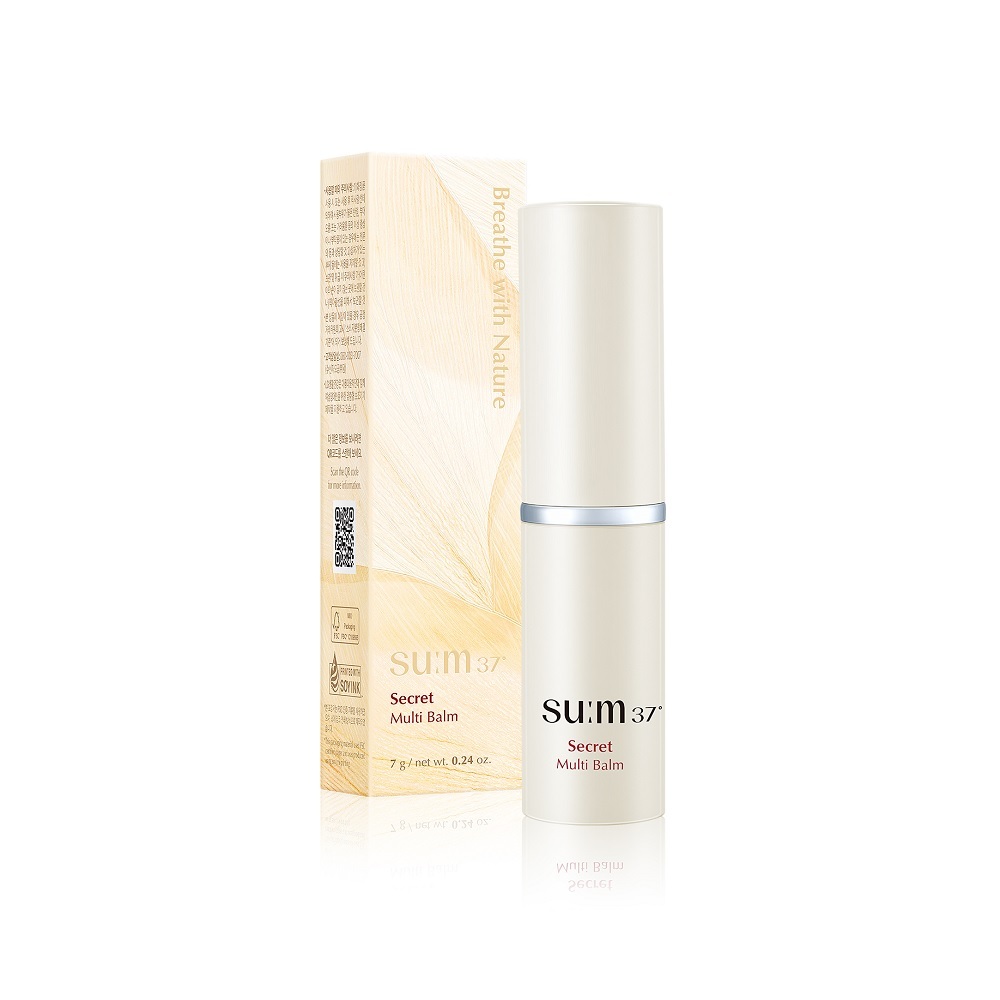
Secret Multi Balm
SUM37
Secret Essence
su:m37°
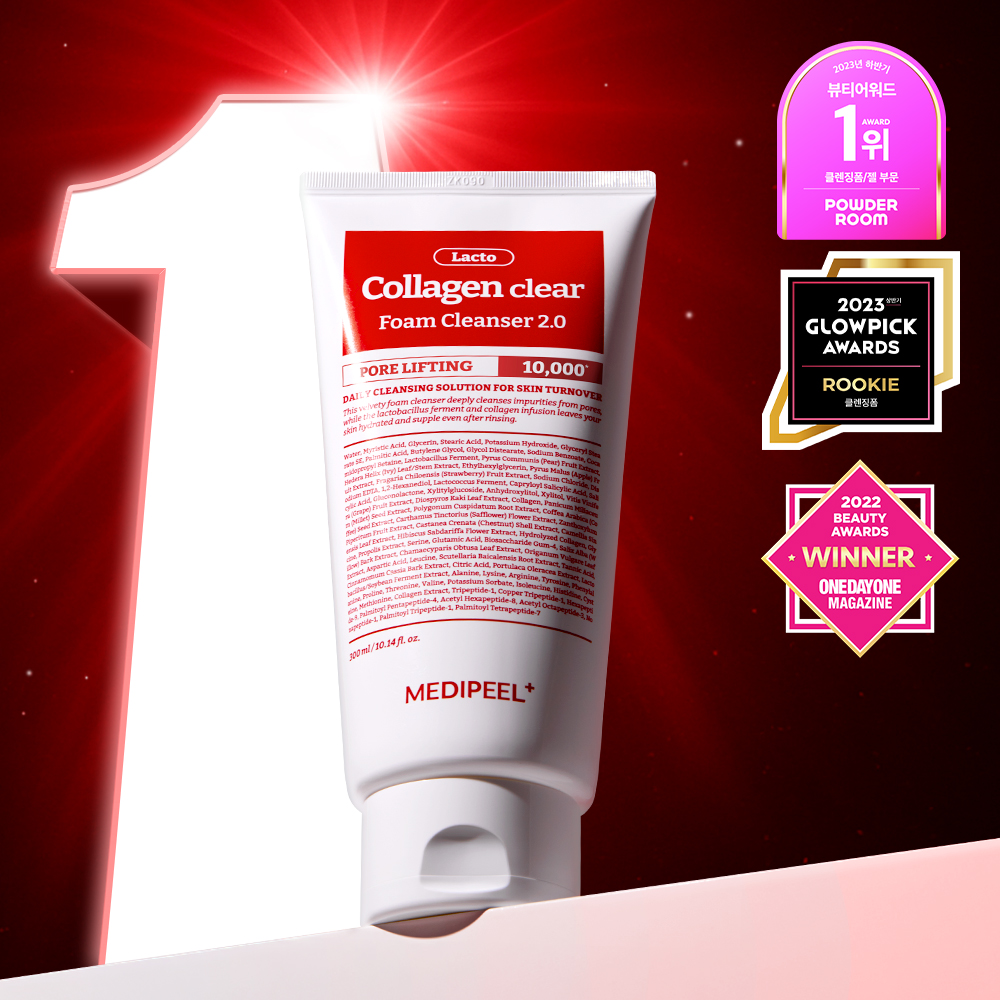
Red Lacto Collagen Clear 2.0
Medi-Peel
Secret Programming Essence
su:m37°
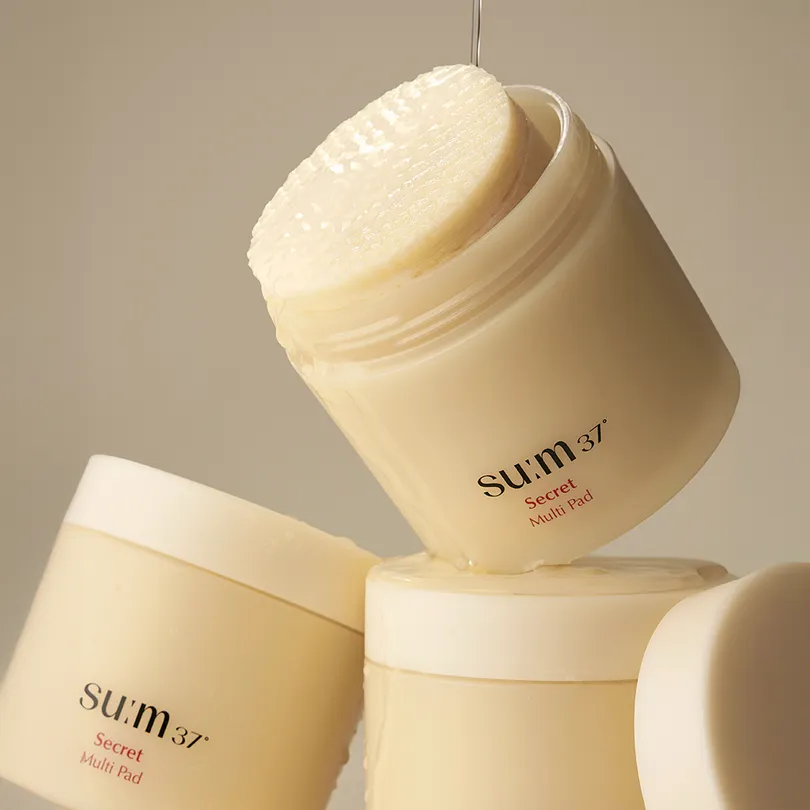
Secret Multi Pad
SUM37
Frequently Asked Questions
Is millet seed extract safe for people with gluten sensitivities?▼
How does millet seed extract compare to more common antioxidants like vitamin E?▼
Why is millet seed extract often found in fermented skincare products?▼
Can millet seed extract help with acne-prone skin given its low comedogenic rating?▼
How quickly can I expect to see results from products with millet seed extract?▼
Explore More
Want personalized ingredient advice?
Yuri, our AI beauty advisor, can tell you how Millet Seed Extract works with your specific skin type, routine, and concerns.
Ask Yuri, free