Provitamin B5
INCI: Panthenol (50,000ppm)
Humectant and skin barrier repair agent
About Provitamin B5
Provitamin B5, also known as panthenol, is a derivative of vitamin B5 (pantothenic acid) that converts into the active vitamin once absorbed into the skin. This powerhouse humectant has earned its place as a staple in K-beauty formulations for its exceptional ability to attract and retain moisture while supporting the skin's natural barrier function. Unlike many trending ingredients that promise dramatic overnight results, panthenol works through steady, reliable hydration that benefits virtually all skin types. In K-beauty, you'll often see it formulated at concentrations around 50,000ppm (5%), a sweet spot that maximizes its hydrating benefits without overwhelming the skin. What makes panthenol particularly valuable is its dual action: it doesn't just sit on the skin's surface like some occlusives, but actually penetrates into deeper layers where it can support barrier repair from within. This makes it especially useful in products designed for compromised or sensitized skin. Korean brands have embraced panthenol not only for its hydrating properties but also for its ability to soothe inflammation and reduce transepidermal water loss (TEWL), that invisible process where moisture evaporates from your skin throughout the day. Products like Some By Mi's Beta Panthenol Repair Cream (rated 4.9/5 on Seoul Sister) showcase how effective high-concentration panthenol can be when formulated thoughtfully. With a perfect safety rating of 5/5 and a comedogenic rating of 0/5, panthenol is one of the rare ingredients that truly works for everyone.
How Provitamin B5 Works
At the molecular level, panthenol functions through multiple mechanisms that work synergistically to improve skin health. When applied topically, panthenol penetrates the stratum corneum (your skin's outermost layer) and converts enzymatically into pantothenic acid, also known as vitamin B5. This conversion happens within skin cells, where pantothenic acid becomes a building block for coenzyme A, a molecule essential for cellular metabolism and the synthesis of lipids that make up your skin barrier. As a humectant, panthenol's molecular structure allows it to bind water molecules and pull moisture from the environment into the skin, increasing hydration levels in the epidermis. But unlike simpler humectants like glycerin, panthenol also stimulates fibroblast proliferation, the cells responsible for producing collagen and elastin. Studies have shown that panthenol can reduce transepidermal water loss by up to 50% in compromised skin barriers. Additionally, it exhibits anti-inflammatory properties by modulating the production of pro-inflammatory cytokines, which explains why it's so effective at calming redness and irritation. The ingredient's small molecular weight (around 205 Da) allows for deeper penetration compared to larger molecules, meaning it can work not just on the surface but in the living layers of skin where barrier repair actually happens.
Provitamin B5 by Skin Type
Oily Skin
Panthenol is excellent for oily skin because it provides lightweight hydration without adding greasiness or clogging pores (comedogenic rating: 0/5). Its ability to regulate moisture balance can actually help normalize sebum production, as skin that's adequately hydrated produces less excess oil to compensate for dehydration. The ingredient's soothing properties also help calm inflammation associated with acne-prone skin.
Dry Skin
This is where panthenol truly shines. Its dual action as both a humectant and barrier-repair agent makes it ideal for chronically dry skin that struggles to retain moisture. By reducing transepidermal water loss and supporting lipid synthesis, panthenol addresses the root causes of dryness rather than just temporarily masking it. Products like Bioheal BOH's Panthecell Repair Cica Cream (4.8/5) combine high-concentration panthenol with other barrier-supporting ingredients for maximum effect.
Combo Skin
Combination skin benefits from panthenol's balancing properties, as it hydrates dry areas without overwhelming oily zones. Because it's non-comedogenic and lightweight, it won't trigger breakouts in oilier areas like the T-zone, while still providing the moisture that drier cheeks and temples need. This makes it a safe bet in multi-step K-beauty routines where you're layering multiple products.
Sensitive Skin
Panthenol is a sensitive skin superstar thanks to its anti-inflammatory properties and gentle nature. It helps strengthen compromised barriers that make sensitive skin reactive in the first place, while simultaneously calming existing irritation and redness. The perfect 5/5 safety rating reflects its exceptional tolerance across all skin types, including those dealing with conditions like rosacea or eczema.
Normal Skin
Even normal skin benefits from panthenol's preventative properties. Regular use helps maintain optimal hydration levels and barrier integrity, preventing the moisture loss and environmental damage that can push normal skin toward dryness or sensitivity over time. It's an excellent maintenance ingredient that supports long-term skin health without causing any issues.
How to Use Provitamin B5
- 1Layer panthenol products before heavier creams or oils in your routine, as its humectant properties work best when they can pull moisture into skin before you seal everything in with occlusives.
- 2Panthenol works synergistically with other hydrating ingredients like hyaluronic acid and ceramides. Products like Numbuzin's No. 5 Glutathione Vitamin Concentrated Serum (4.8/5) combine panthenol with complementary actives for enhanced results.
- 3If you're using strong actives like retinoids or acids that can compromise your barrier, apply panthenol products immediately after to help counteract irritation and support barrier repair.
- 4Panthenol remains stable and effective in both leave-on and rinse-off products, though you'll see better results with serums and creams that stay on skin. Look for products listing panthenol or pantothenic acid in the first five ingredients for meaningful concentrations.
- 5Unlike some actives that require building tolerance, panthenol can be used morning and night from day one without any adjustment period, making it perfect for beginners or those with reactive skin.
Background
Panthenol's journey from laboratory curiosity to skincare staple began in the 1940s when scientists first synthesized this stable, water-soluble form of vitamin B5. The ingredient gained early traction in wound-healing applications after research showed its ability to accelerate tissue repair and reduce inflammation. By the 1970s and 1980s, panthenol had crossed over into cosmetic formulations, particularly in hair care products where it became beloved for its conditioning properties. Korean skincare brands began incorporating panthenol more prominently in the 2000s as the K-beauty philosophy shifted toward barrier-focused, gentle care rather than aggressive treatment. The ingredient aligned perfectly with the Korean skincare principle of "skin first, makeup second," emphasizing fundamental skin health over quick fixes. Today, panthenol appears across all categories of K-beauty, from toners to sleeping masks, with brands like Some By Mi and Bioheal BOH creating entire product lines centered around high-concentration panthenol formulations. Its rise mirrors the broader K-beauty trend toward science-backed, gentle ingredients that support the skin's natural functions rather than override them.
K-Beauty Products with Provitamin B5
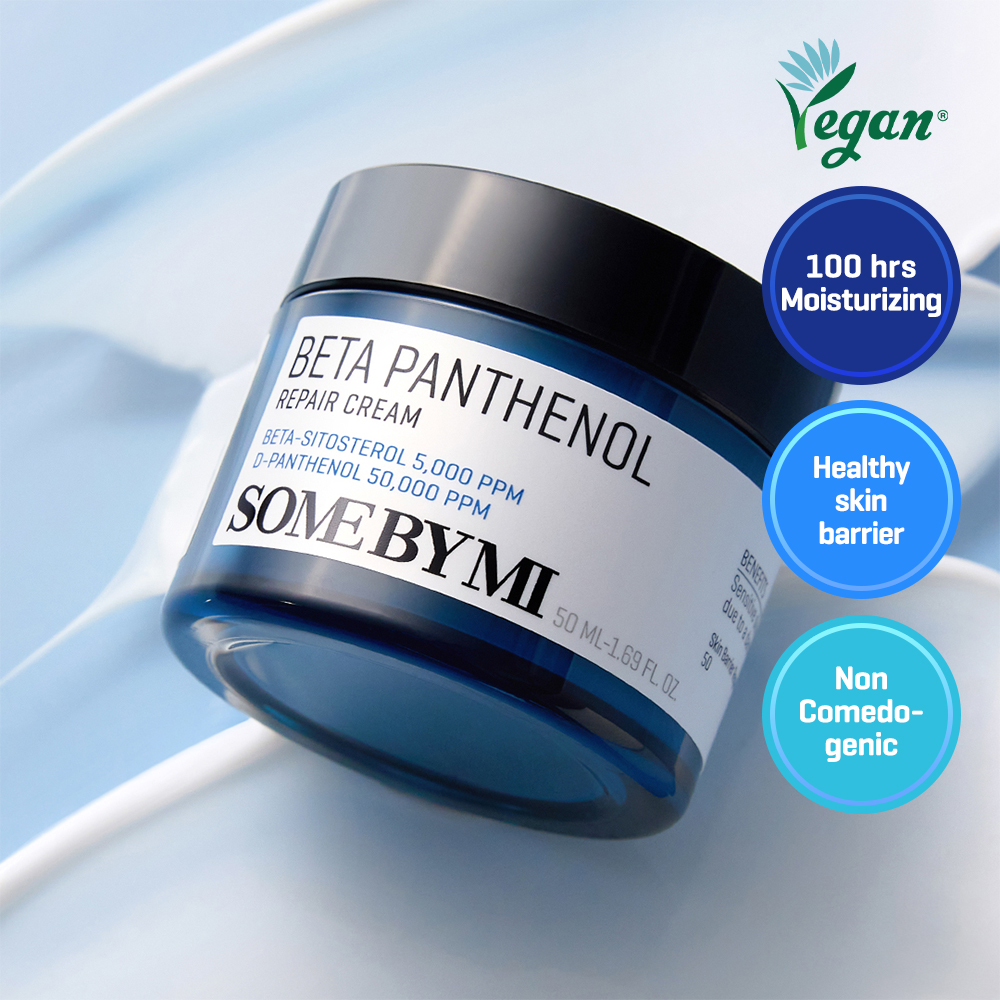
Beta Panthenol Repair Cream
Some By Mi
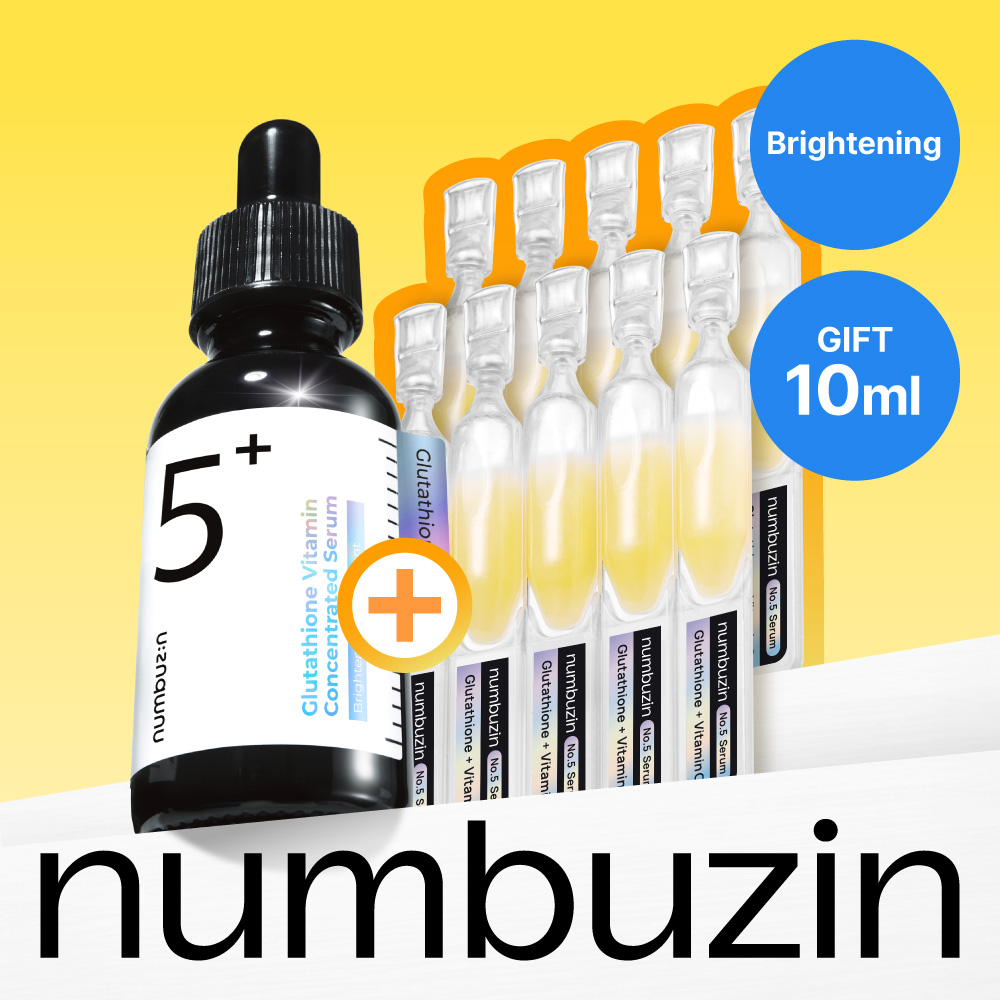
No. 5 Glutathione Vitamin Concentrated Serum
Numbuzin
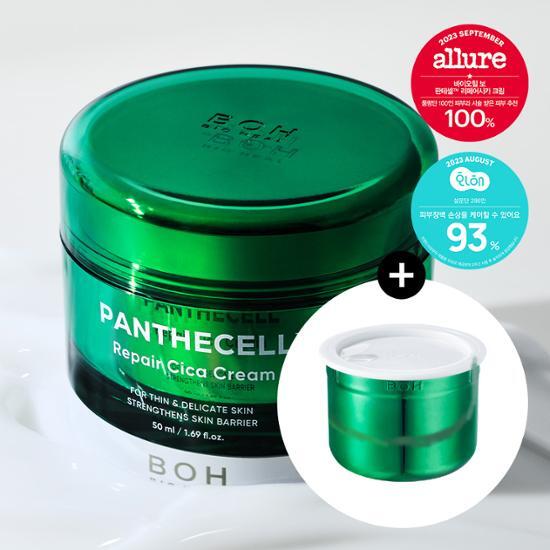
Panthecell Repair Cica Cream Special Set
Bioheal BOH
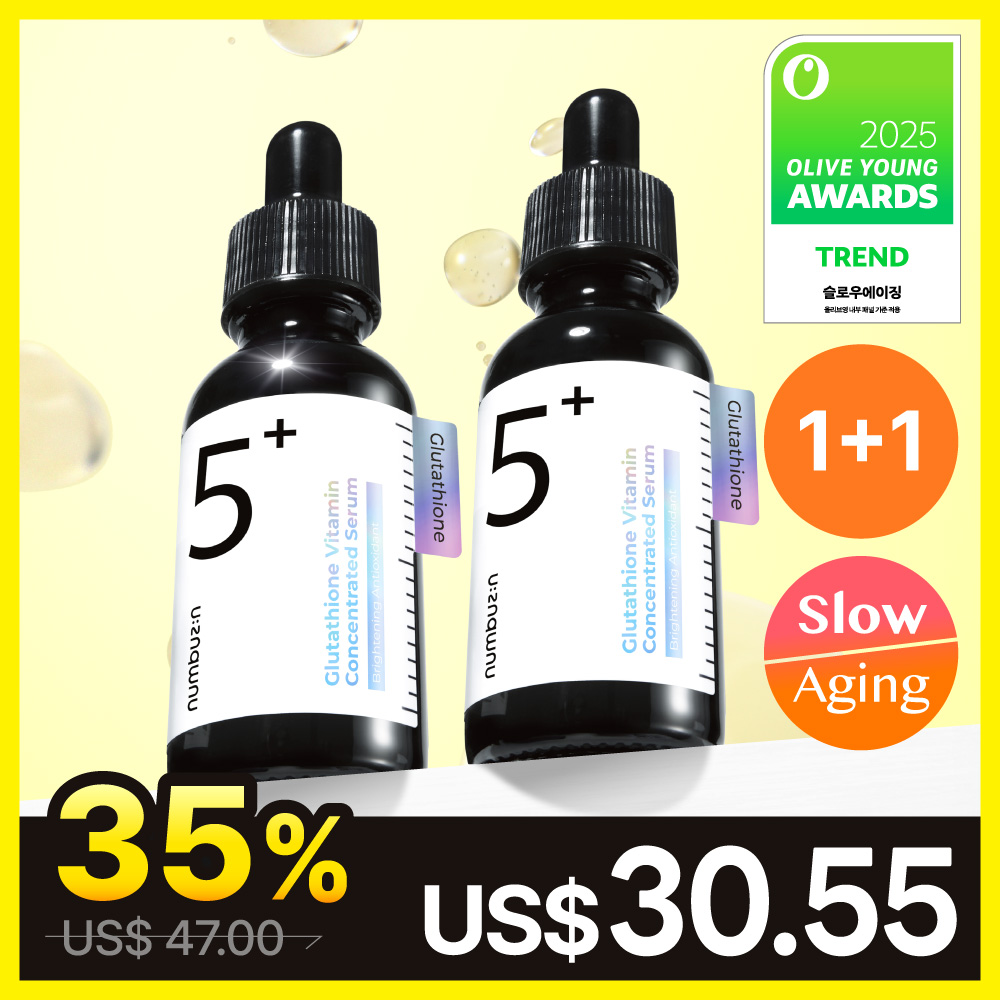
No.5+ Vitamin Concentrated Serum Duo Set
Numbuzin
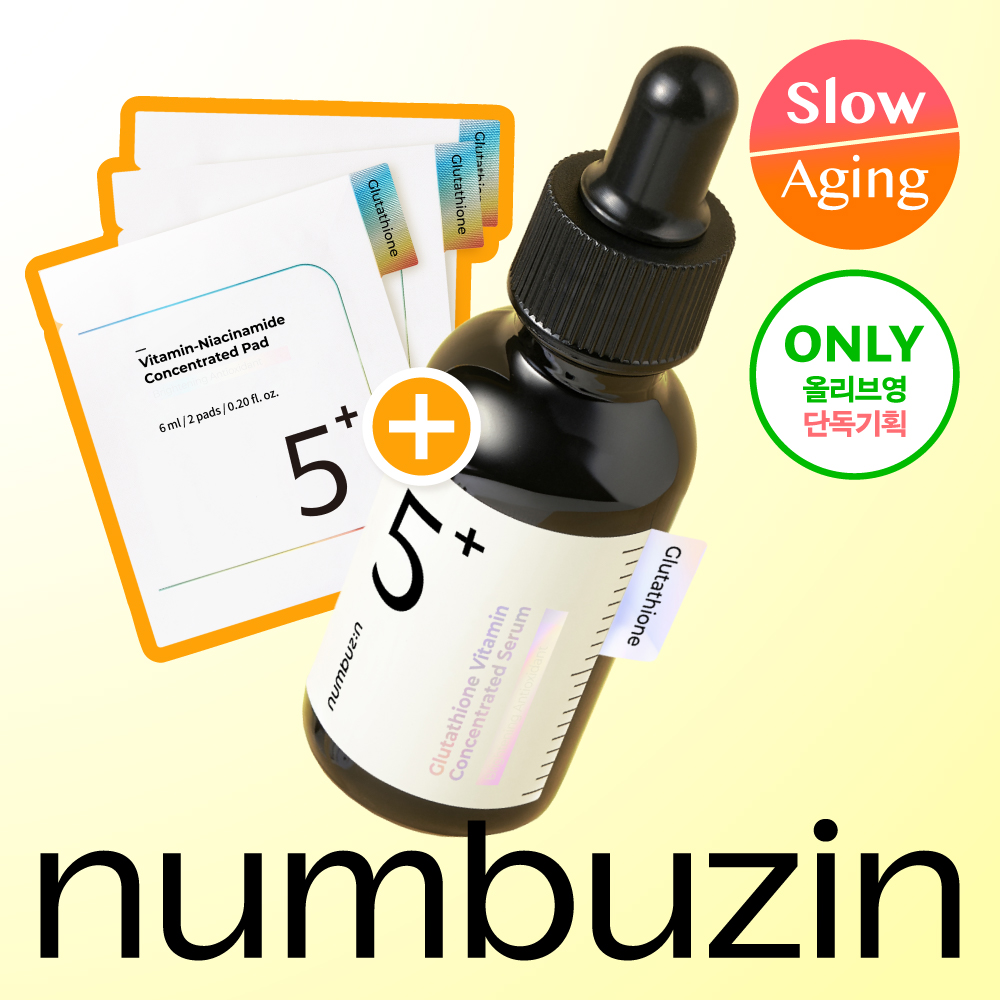
No.5+ Vitamin Concentrated Serum
Numbuzin
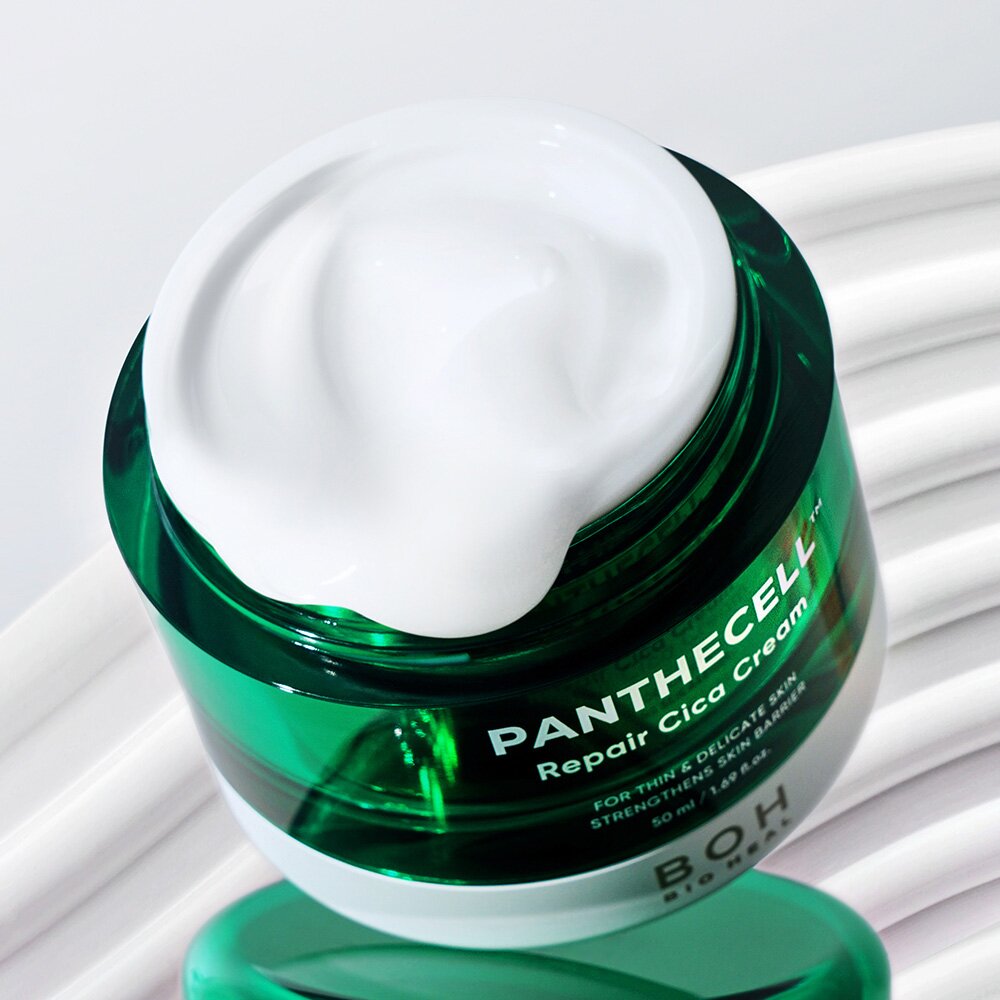
Panthecell Repair Cica Cream
Bioheal BOH
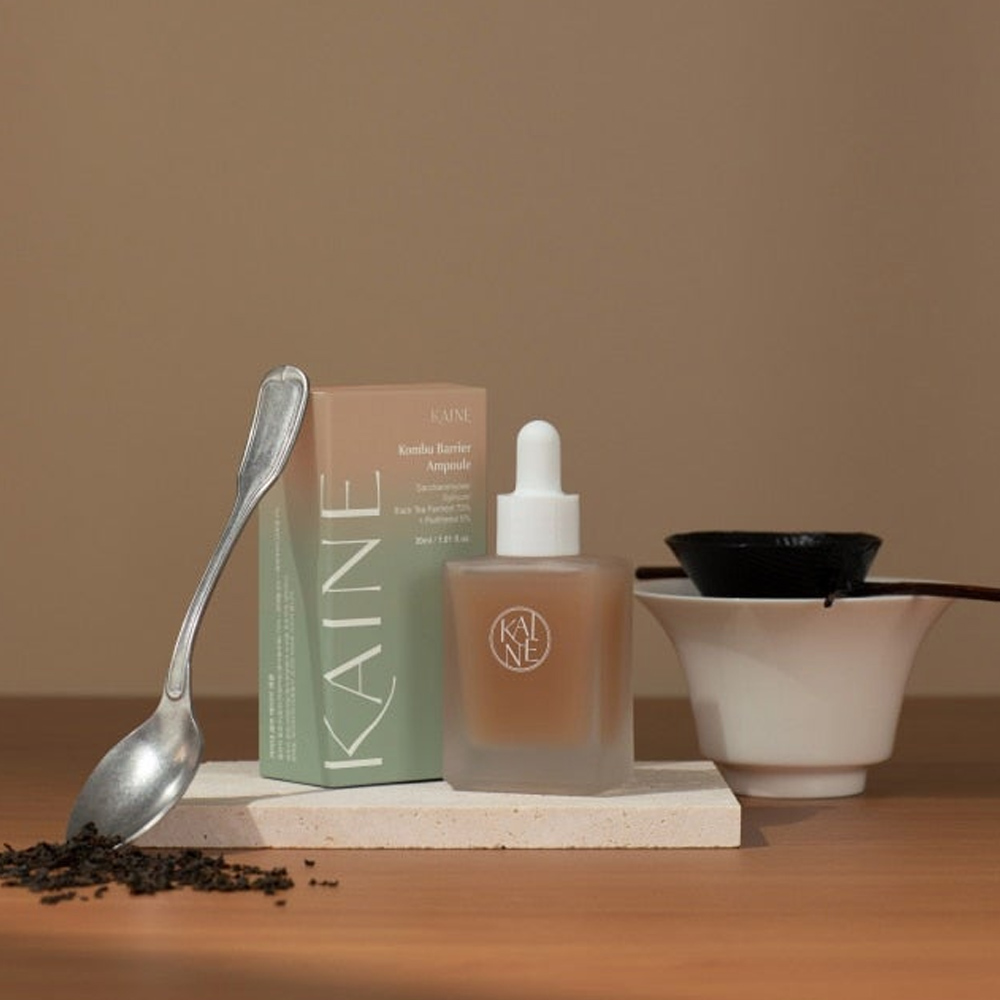
Kombu Barrier Ampoule
KAINE
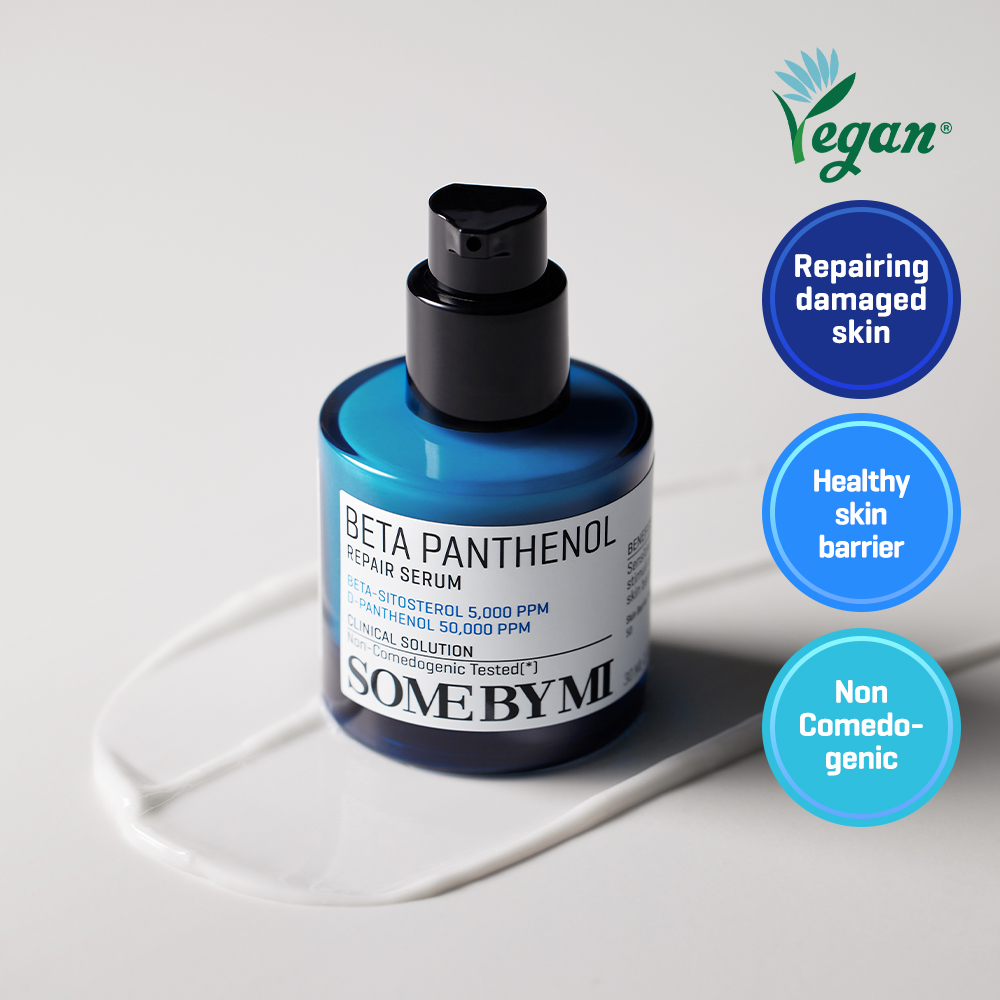
Beta Panthenol Repair Serum
Some By Mi
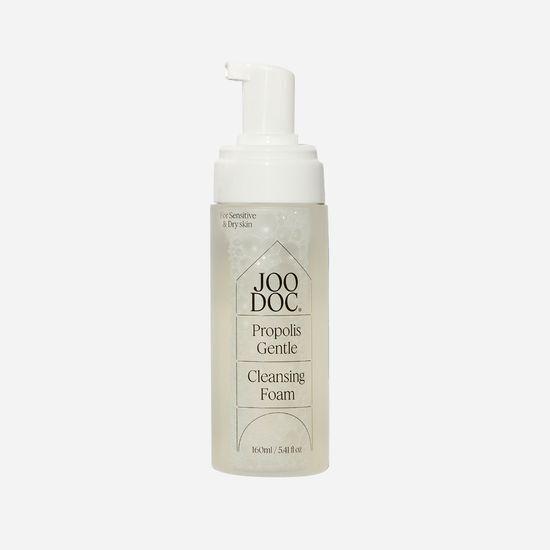
Propolis Gentle Cleansing Foam
Beplain
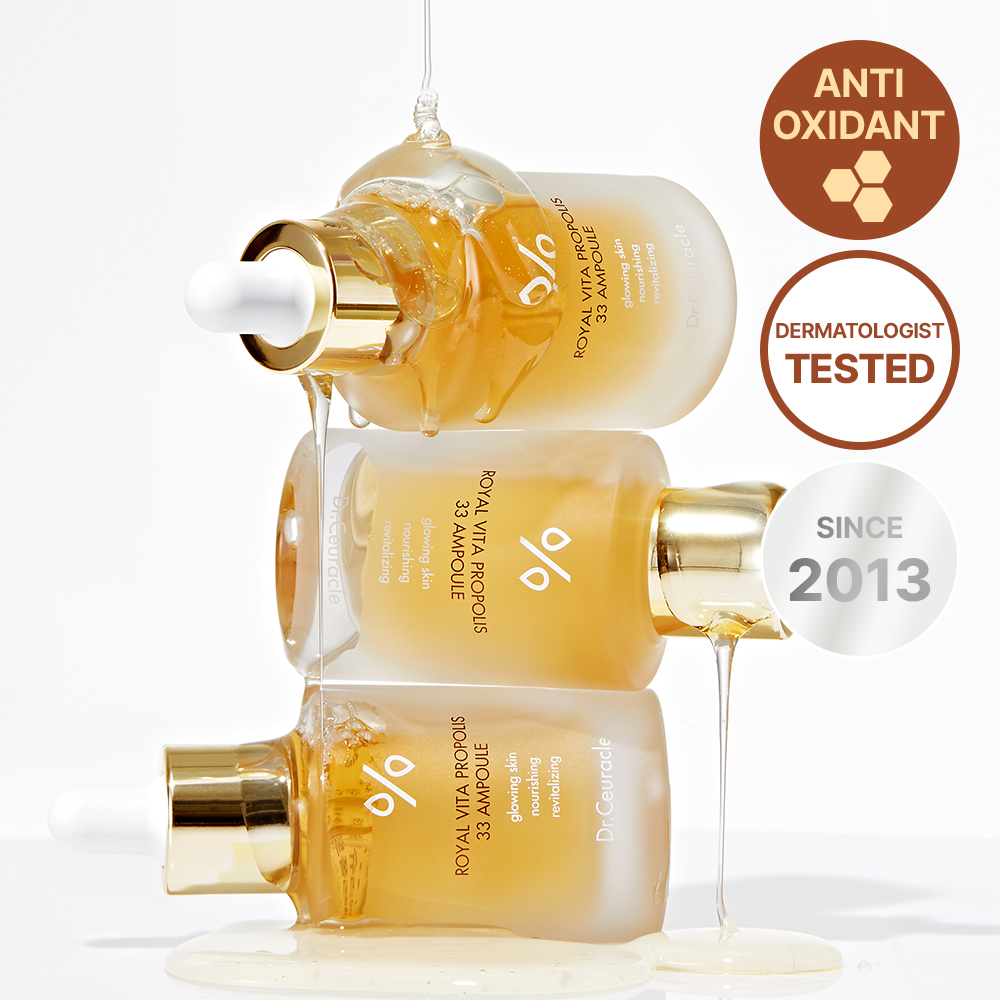
Royal Vita Propolis 33 Ampoule
Dr.Ceuracle
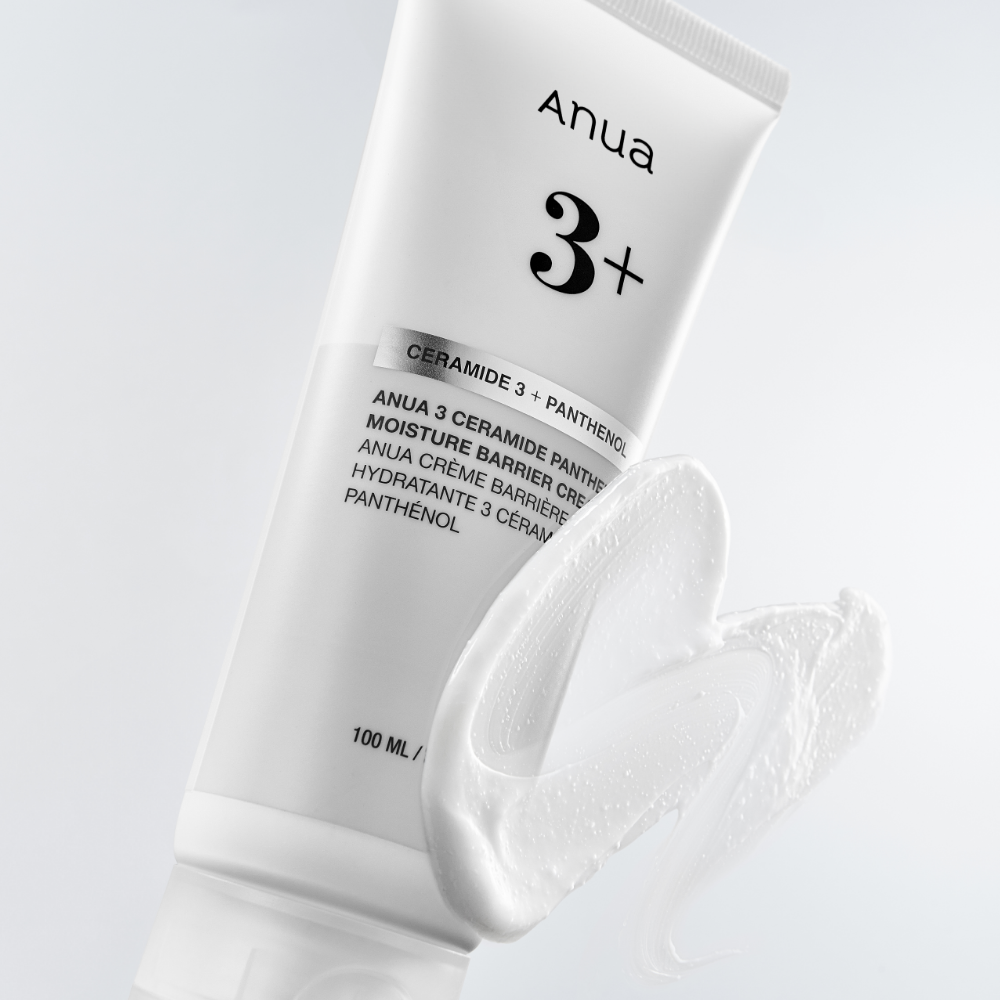
3 Ceramide Panthenol Moisture Barrier Cream
Anua
Frequently Asked Questions
Can I use panthenol if I have acne-prone skin?▼
What's the difference between panthenol and niacinamide?▼
How quickly will I see results from panthenol products?▼
Is 50,000ppm of panthenol too much for sensitive skin?▼
Can panthenol replace my moisturizer?▼
Explore More
Want personalized ingredient advice?
Yuri, our AI beauty advisor, can tell you how Provitamin B5 works with your specific skin type, routine, and concerns.
Ask Yuri, free