Papain
Enzymatic exfoliant that dissolves dead skin cells
About Papain
Papain is a proteolytic enzyme extracted from papaya fruit that functions as a gentle chemical exfoliant in K-beauty formulations. Unlike physical scrubs or harsh acids, papain works by breaking down the keratin protein bonds that hold dead skin cells together, allowing them to naturally slough away without abrasion. This makes it particularly valuable in Korean skincare, where the focus is on achieving glass skin through gentle, consistent exfoliation rather than aggressive treatments. With a comedogenic rating of 0/5, papain won't clog pores, making it suitable for acne-prone skin types. Found in 99 products on Seoul Sister, including top-rated formulations like Jumiso's D-Panthenol Barrier Soothing Cleansing Milk and Cell Fusion C's PHA Enzyme Granule Peels Powder (both rated 5.0/5), papain has become a go-to ingredient for achieving smooth, glowing skin without irritation. Its enzymatic action is pH-dependent and temperature-sensitive, which means it activates optimally at skin temperature and neutral pH levels. This self-regulating mechanism provides built-in safety, as the enzyme naturally slows its activity when the skin barrier is compromised. The ingredient's versatility shines in K-beauty products ranging from cleansing oils to exfoliating pads, where it delivers consistent results across different skin types and concerns.
How Papain Works
Papain functions as a cysteine protease enzyme that selectively targets the peptide bonds in keratin, the structural protein of dead skin cells. When applied to skin, the enzyme recognizes specific amino acid sequences (particularly those involving lysine and arginine residues) in the keratin matrix and catalyzes their hydrolysis. This breaks down the desmosomal connections that anchor corneocytes (dead skin cells) to the stratum corneum, allowing them to detach naturally. Unlike AHAs that work by dissolving the lipid cement between cells, papain directly digests the protein structure itself, which can be more selective and potentially gentler. The enzyme preferentially acts on damaged or already-loosening proteins rather than healthy, tightly-bound cellular structures, giving it an inherent safety mechanism. Its activity is optimal at neutral to slightly alkaline pH (around 6.5 to 7.5) and body temperature, conditions naturally present on skin's surface. This means papain self-regulates, becoming less active if skin pH drops due to barrier damage. Additionally, papain has mild anti-inflammatory properties due to its ability to break down inflammatory protein mediators, which explains why many papain-containing products like Purito Seoul's Peel Shot Exfoliating Pad (5.0/5 rating) are well-tolerated even by sensitive skin types.
Papain by Skin Type
Oily Skin
Papain excels for oily skin by addressing the accelerated cell turnover that often leads to pore congestion and rough texture. Its protein-digesting action helps prevent the buildup of excess keratin and sebum plugs that contribute to blackheads and enlarged pores, as seen in products like Banila Co's Pongdang Pore Deep Clean Cleansing Oil (5.0/5). The non-comedogenic nature (0/5 rating) ensures it won't add to oiliness or trigger breakouts.
Dry Skin
While dry skin can benefit from papain's gentle exfoliation to remove flaky patches, it should be used more cautiously and always followed with robust hydration. The enzyme helps improve product absorption by clearing away dead cell buildup, but overuse can compromise the already-fragile moisture barrier. Look for formulations like Jumiso's D-Panthenol Barrier Soothing Cleansing Milk (5.0/5) that pair papain with barrier-supporting ingredients like panthenol to prevent trans-epidermal water loss.
Combo Skin
Combination skin is ideal for papain-based treatments, as the enzyme can address congestion in oily zones (T-zone) while remaining gentle enough for drier areas. The self-regulating nature of enzymatic exfoliation means it adapts to different areas of the face based on local pH and protein availability. Products like Cell Fusion C's PHA Enzyme Granule Peels Powder (5.0/5) that combine papain with other gentle exfoliants work particularly well for balancing combination skin needs.
Sensitive Skin
Papain can work beautifully for sensitive skin when formulated correctly, as enzymatic exfoliation is generally gentler than acid-based alternatives. The enzyme's selective targeting of loosened proteins means it's less likely to over-exfoliate intact, healthy skin. However, the moderate safety rating (3/5) indicates potential for irritation in some individuals, particularly those with papaya allergies or compromised barriers. Start with leave-on formulations at lower concentrations before trying rinse-off enzyme masks.
Normal Skin
Normal skin can handle papain in various formats and concentrations, from daily gentle cleansers to weekly enzyme masks. The ingredient helps maintain the smooth, even texture characteristic of normal skin by preventing the micro-roughness that develops from irregular cell turnover. Products like Papa Recipe's Pack & Foam line (5.0/5) offer versatile options that leverage papain's exfoliating benefits while supporting overall skin health with complementary ingredients like centella or tea tree.
How to Use Papain
- 1Start with rinse-off products (cleansers, wash-off masks) before progressing to leave-on formulations to gauge your skin's tolerance to papain.
- 2Apply papain products to dry or slightly damp skin rather than soaking wet, as excessive water can dilute the enzyme and reduce its effectiveness.
- 3Use papain exfoliants 2-3 times per week maximum, never daily, and avoid combining with other active exfoliants (AHAs, BHAs, retinoids) in the same routine to prevent over-exfoliation.
- 4Always follow papain treatments with a hydrating toner or essence and sunscreen during the day, as exfoliation increases photosensitivity even though papain itself is gentler than acids.
- 5If you have a known latex allergy, patch test papain products carefully, as there can be cross-reactivity between latex proteins and papaya-derived enzymes.
Background
Papain has been extracted from unripe papaya (Carica papaya) latex for centuries, with indigenous peoples of Central and South America traditionally using papaya pulp as a topical treatment for skin conditions and wound healing. The enzyme was first isolated and named in 1879 by French chemist Adolphe Wurtz. Its use in skincare emerged in the mid-20th century when cosmetic chemists began exploring fruit enzymes as alternatives to harsh physical exfoliants. K-beauty brands embraced papain in the 2010s as part of the broader movement toward gentle, skin-barrier-friendly exfoliation methods. Korean formulations often combine papain with other botanical enzymes (like bromelain from pineapple) or pair it with soothing ingredients to create multi-functional products that exfoliate while calming skin. The ingredient's popularity surged as K-beauty philosophy emphasized consistent, mild exfoliation over aggressive treatments, making papain a cornerstone of the coveted glass skin routine.
K-Beauty Products with Papain
View all 100 →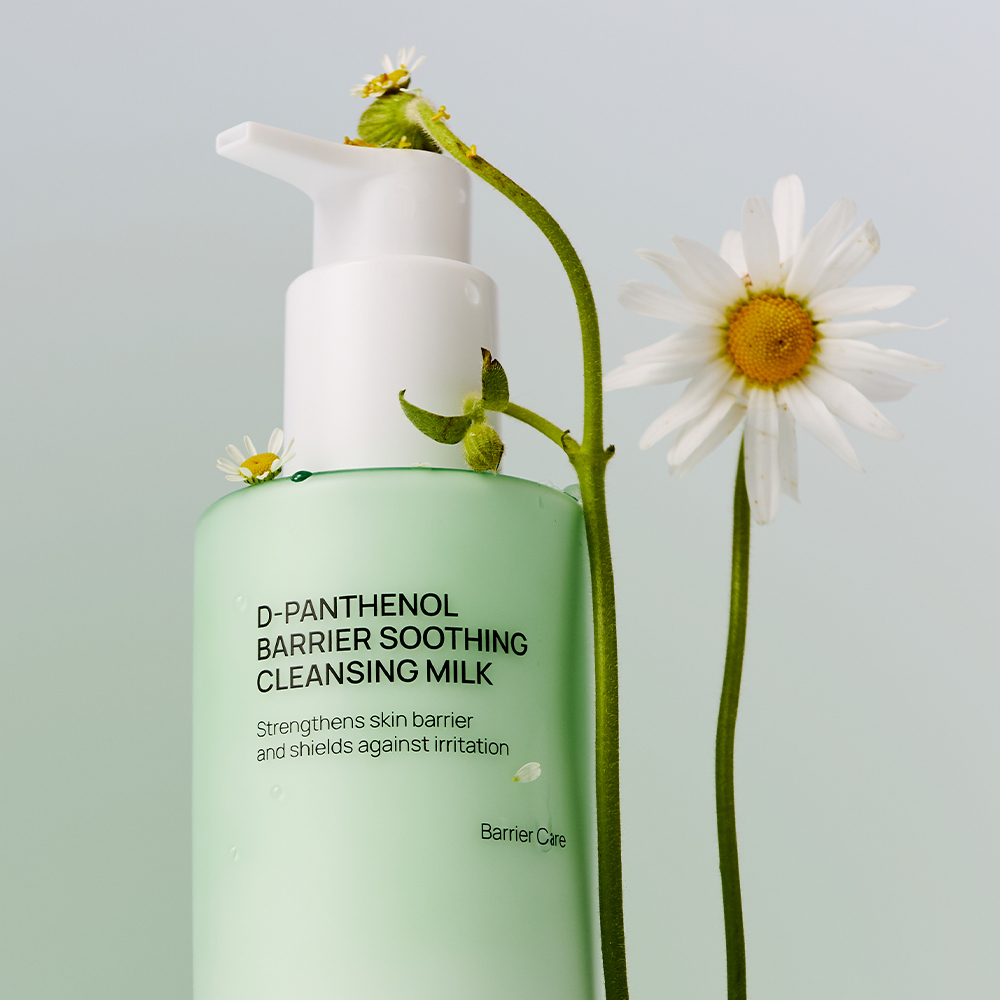
D-Panthenol Barrier Soothing Cleansing Milk
Jumiso
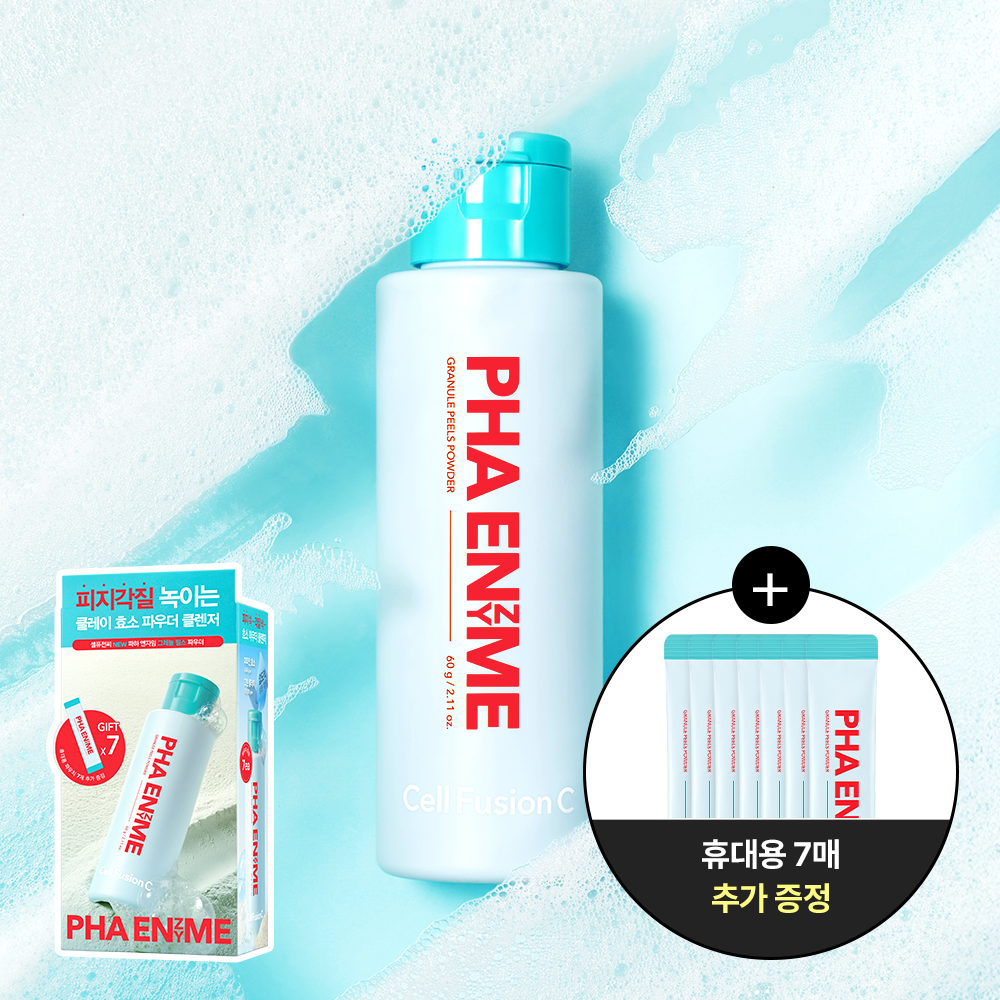
PHA Enzyme Granule Peels Powder
Cell Fusion C
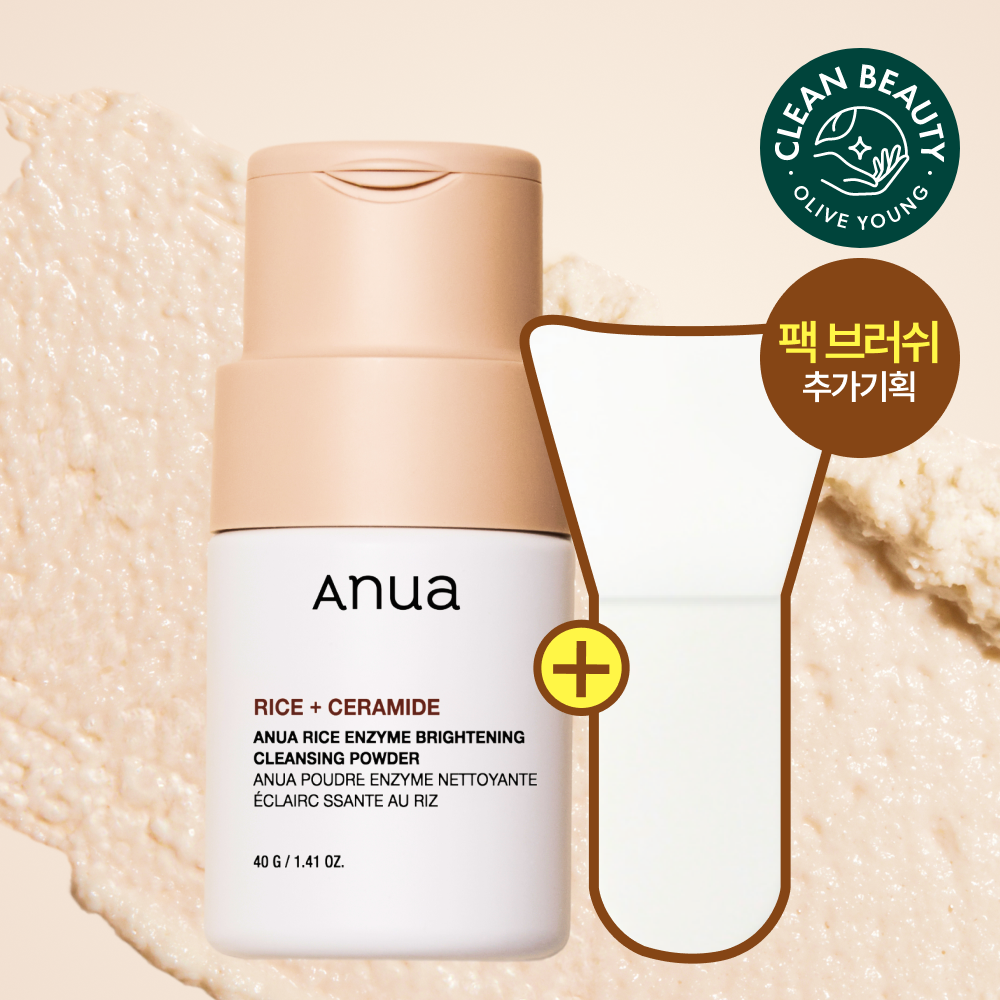
Rice Enzyme Brightening Cleansing Powder
Anua
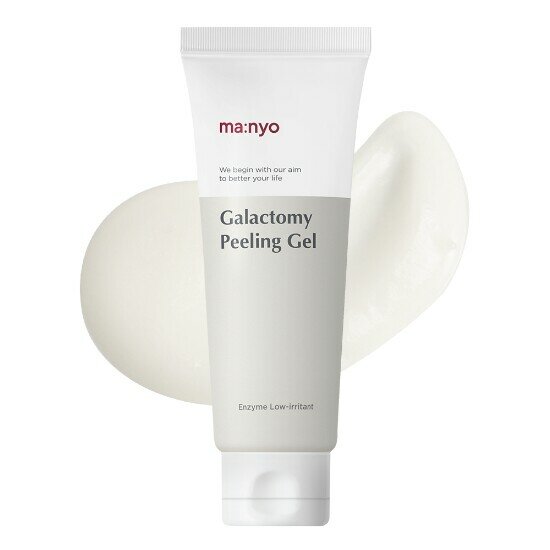
Galactomy Enzyme Peeling Gel
ma:nyo
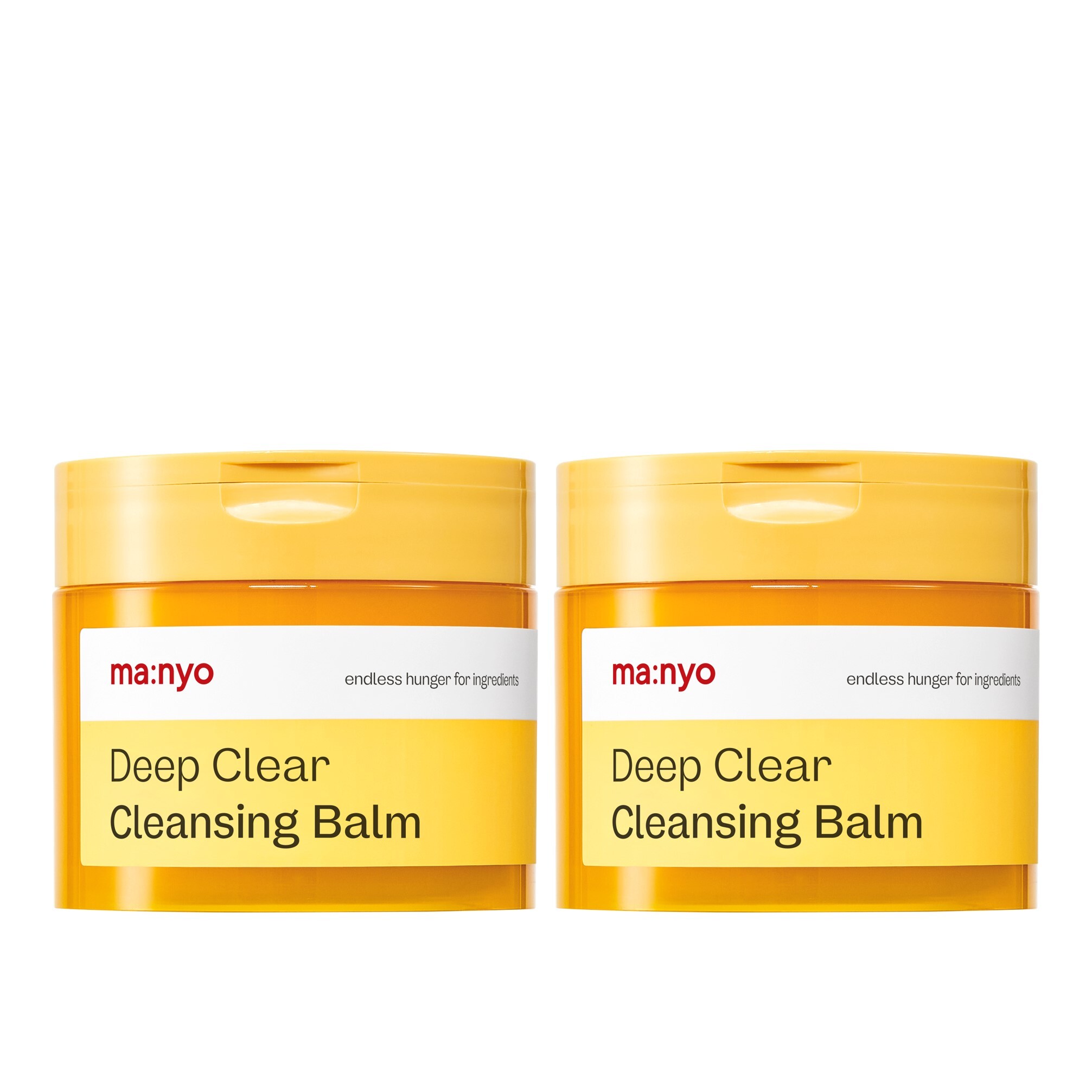
Deep Clear Cleansing Balm Double Pack
ma:nyo
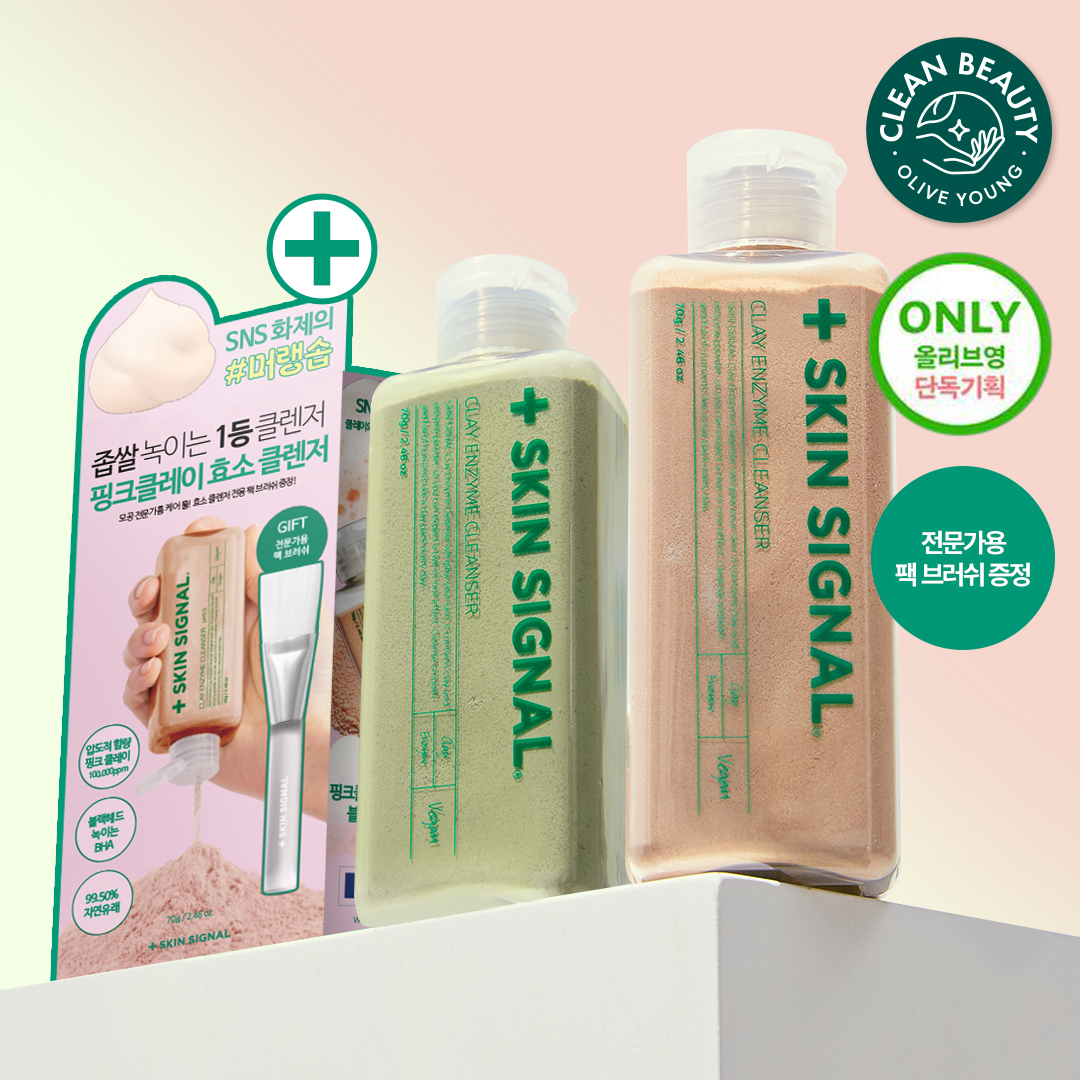
Clay Enzyme Cleanser #Green
Ilso
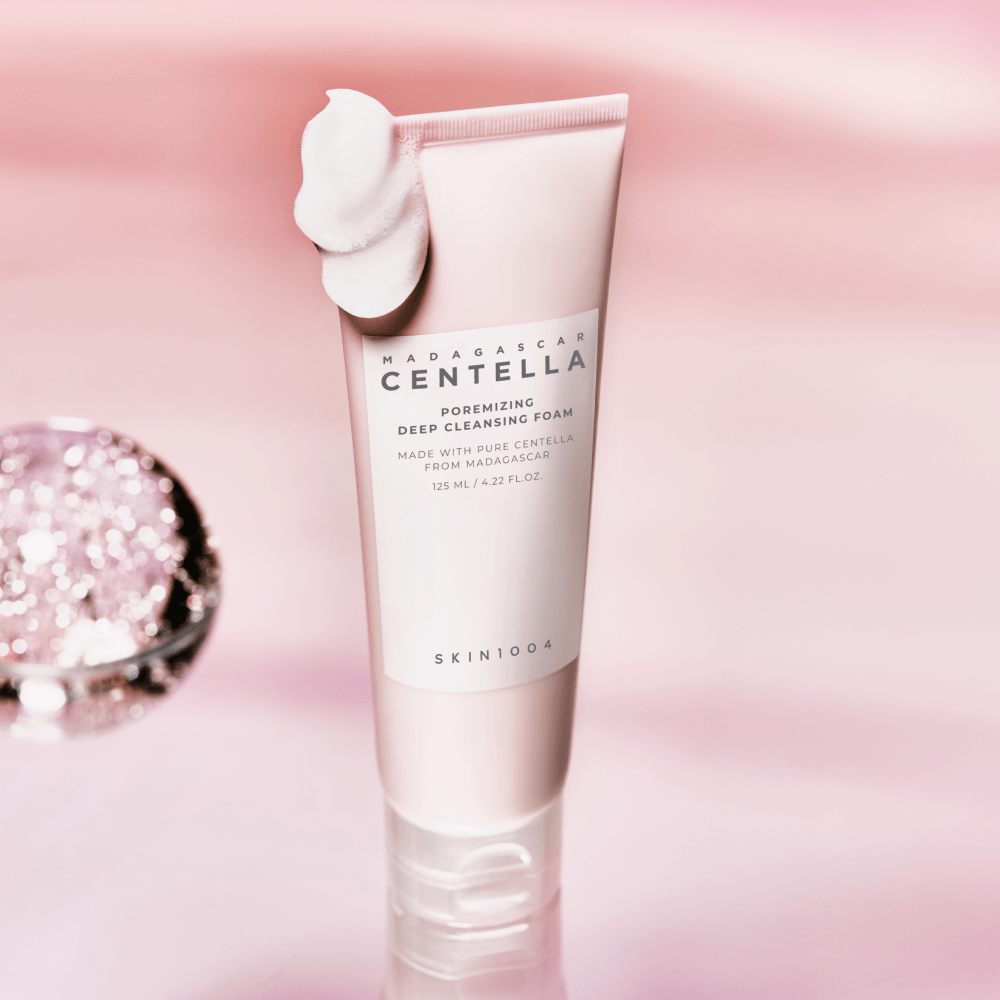
Madagascar Centella Poremizing Deep Cleansing Foam
SKIN1004

Super Melting Sebum Softener
Ilso
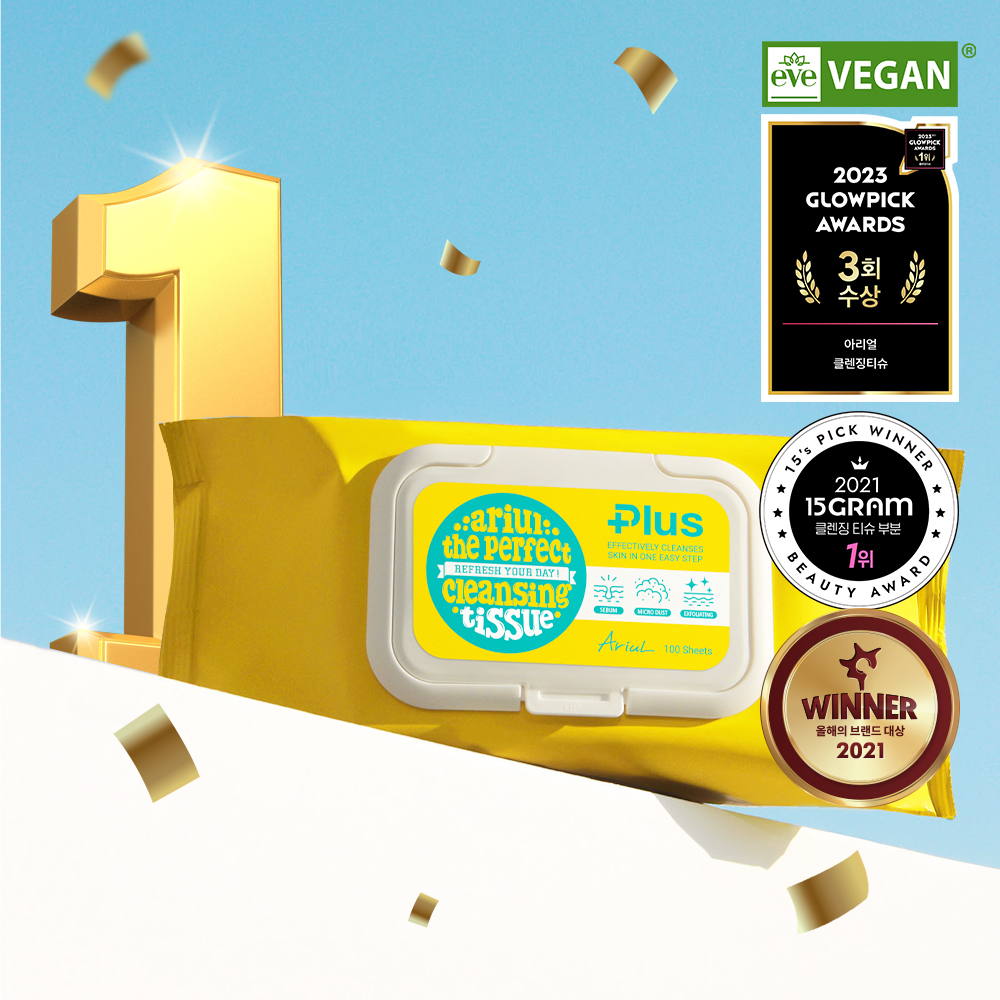
The Perfect Cleansing Tissue Plus
Ariul
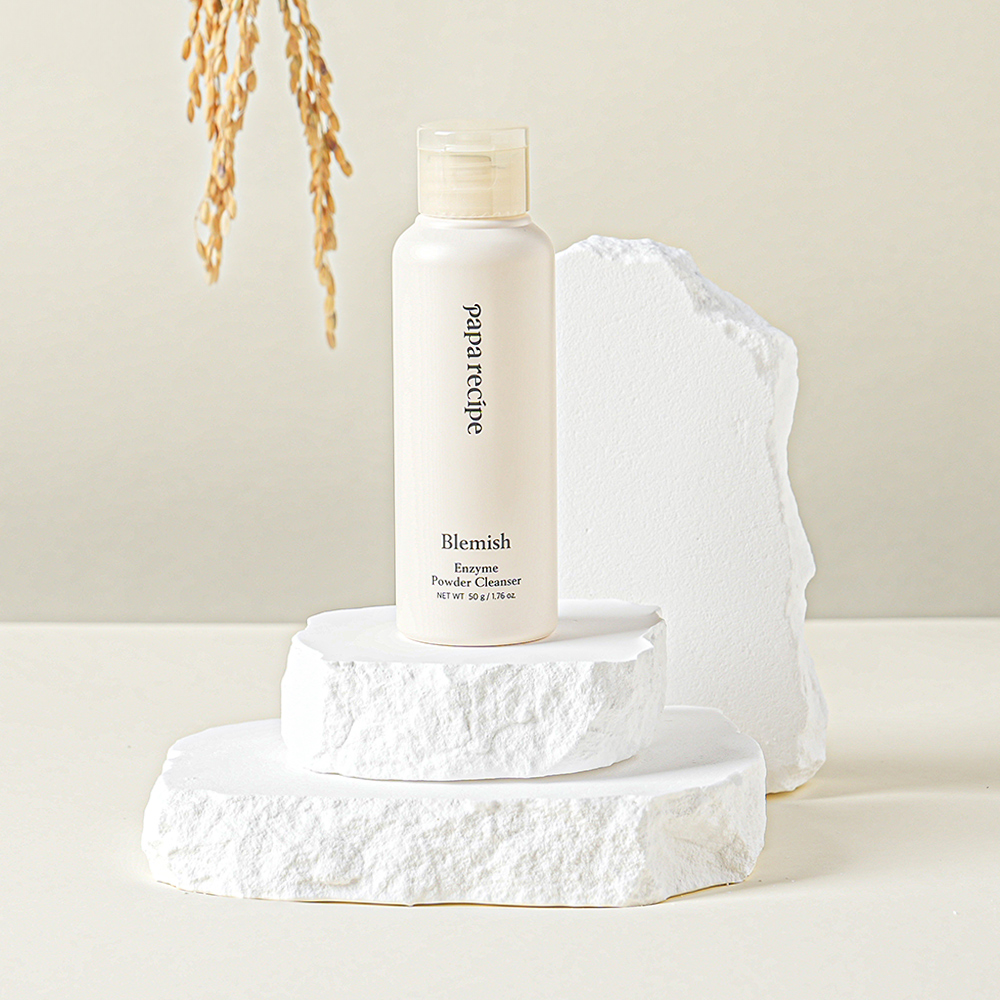
Blemish Enzyme Powder Cleanser
Papa Recipe
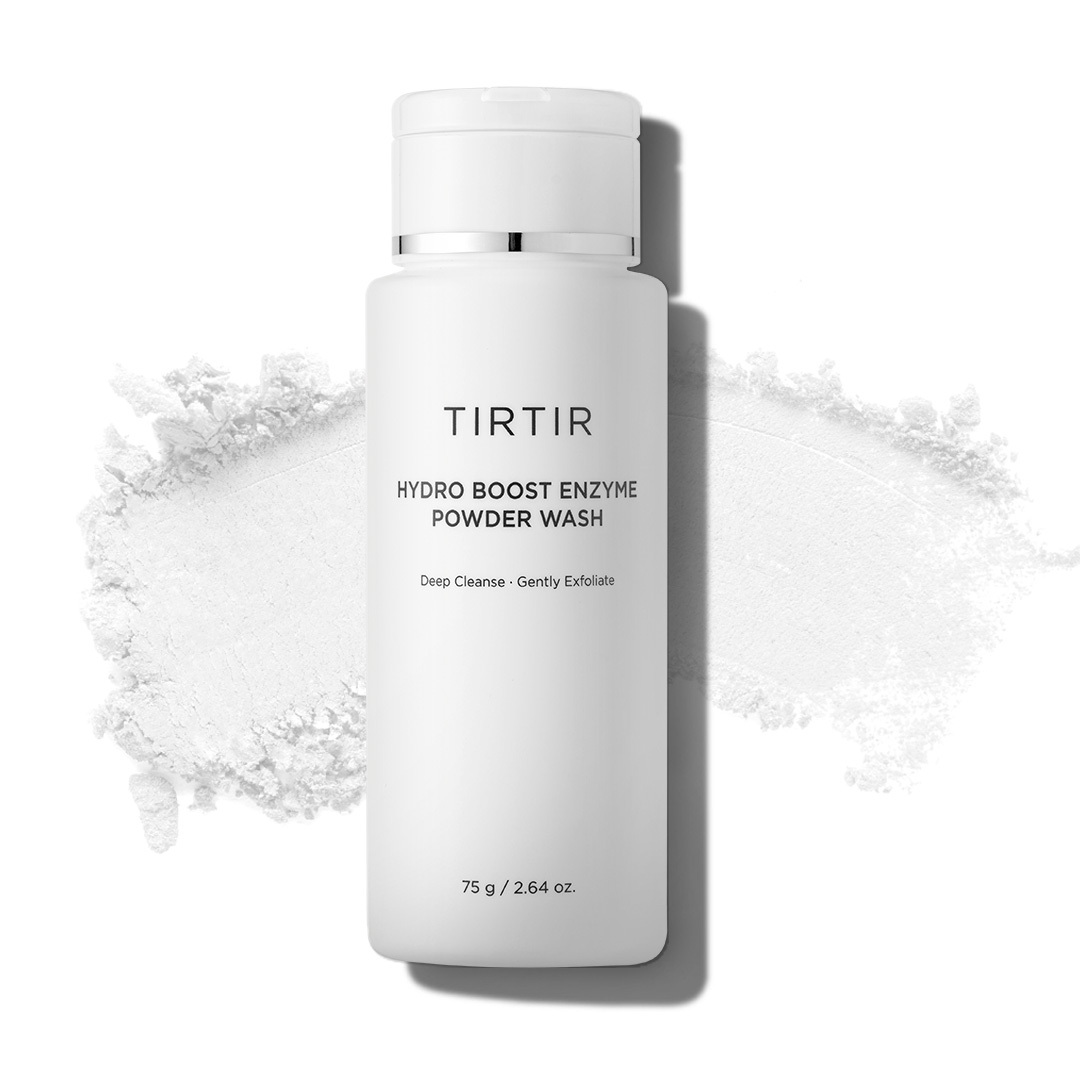
Hydro Boost Enzyme Powder Wash
TIRTIR
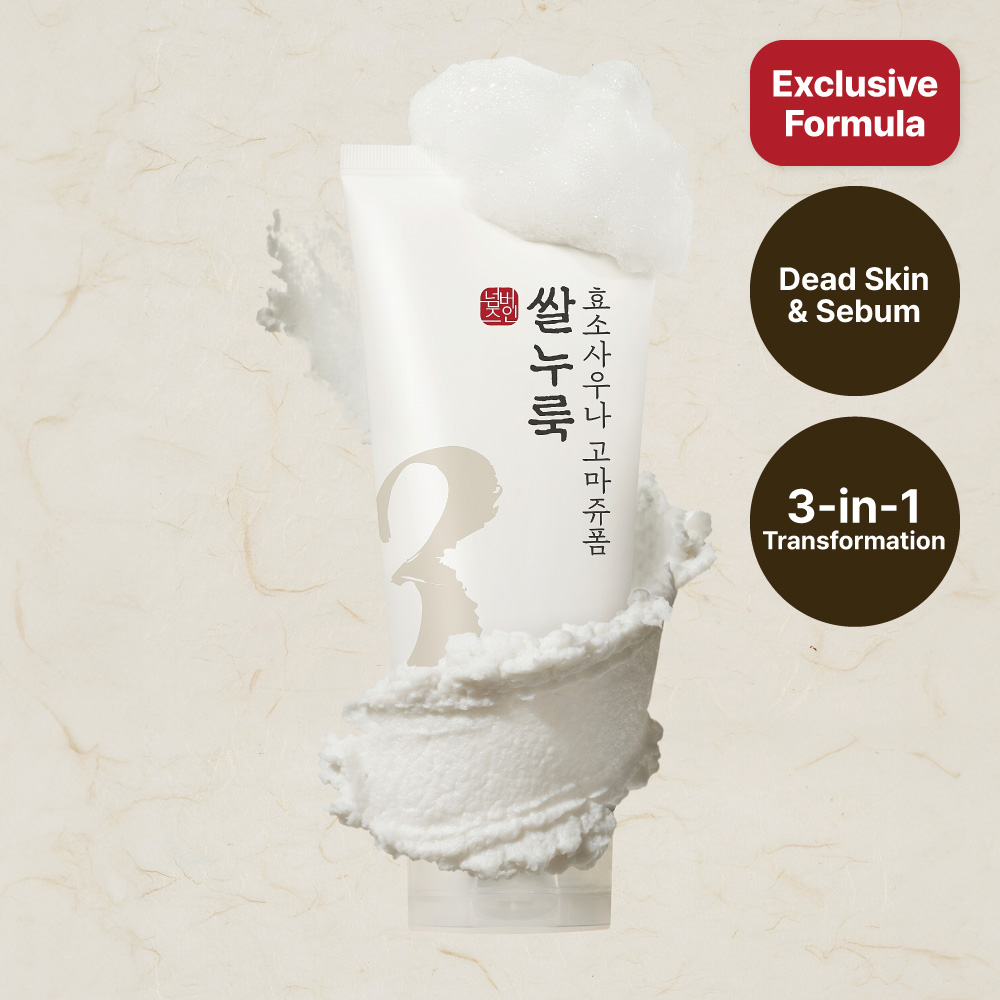
No. 3 Rice Yeast Enzyme Sauna Gommage Foam
Numbuzin
Frequently Asked Questions
Can I use papain if I have active acne or breakouts?▼
Why is papain's safety rating only 3/5 if it's supposed to be gentle?▼
What's the difference between papain and AHA/BHA exfoliation?▼
How long should I leave papain products on my skin?▼
Will papain help with hyperpigmentation or dark spots?▼
Explore More
Want personalized ingredient advice?
Yuri, our AI beauty advisor, can tell you how Papain works with your specific skin type, routine, and concerns.
Ask Yuri, free