Pyrrolidone Carboxylic Acid
INCI: PCA
Natural moisturizing factor that hydrates skin
About Pyrrolidone Carboxylic Acid
Pyrrolidone Carboxylic Acid, commonly known as PCA, is a naturally occurring amino acid derivative that serves as one of the skin's most effective Natural Moisturizing Factors (NMFs). Found in human skin as part of the stratum corneum, PCA makes up approximately 12% of the amino acids in your skin's outer layer. It's a humectant powerhouse that can attract and bind moisture from the environment to your skin's surface, helping maintain optimal hydration levels throughout the day. In K-beauty formulations, PCA is prized for its ability to improve skin texture and elasticity without feeling heavy or greasy. What makes PCA particularly valuable is its biomimetic nature—because it's already present in healthy skin, it works in harmony with your natural moisture barrier rather than disrupting it. Korean skincare brands often combine PCA with other hydrating ingredients like hyaluronic acid and ceramides to create comprehensive moisture delivery systems. With a perfect safety rating of 5/5 and zero comedogenic potential, PCA is suitable for all skin types, including acne-prone and sensitive complexions. Its presence in 26 K-beauty products on Seoul Sister, including top-rated formulas like Aestura's Cell In Shot EGF Allantenol Repair Cream (5.0/5) and The Ordinary's Natural Moisturizing Factors + HA (4.9/5), demonstrates its reliability as a hydration staple.
How Pyrrolidone Carboxylic Acid Works
PCA functions at the molecular level by attracting water molecules through its hygroscopic properties, meaning it actively pulls moisture from the surrounding environment into the skin. Its small molecular structure allows it to penetrate the stratum corneum easily, where it binds to water molecules and prevents transepidermal water loss (TEWL). Once in the skin, PCA helps maintain the delicate balance of the skin's moisture equilibrium by working alongside other NMF components like amino acids, urea, and lactic acid. The carboxylic acid group in its structure gives PCA a negative charge, which creates an electrostatic attraction to positively charged water molecules. This molecular interaction creates a moisture reservoir within your skin's upper layers. Additionally, PCA helps regulate the skin's pH balance, maintaining the slightly acidic environment necessary for optimal barrier function and enzyme activity. By supporting the skin's natural moisture retention mechanisms, PCA helps prevent the cascade of issues that follow dehydration, including increased sensitivity, compromised barrier function, and accelerated signs of aging.
Pyrrolidone Carboxylic Acid by Skin Type
Oily Skin
PCA is excellent for oily skin because it provides lightweight, non-greasy hydration that won't clog pores or trigger excess sebum production. Its zero comedogenic rating means you can layer it with other products without worrying about breakouts. By maintaining proper hydration levels, PCA actually helps regulate oil production, as skin often overproduces sebum when it's dehydrated.
Dry Skin
For dry skin, PCA is essential because it mimics the natural moisturizing factors your skin may be lacking. It works synergistically with other hydrating ingredients to build and maintain moisture reserves in the stratum corneum. Products like The Ordinary's Natural Moisturizing Factors + HA (4.9/5) combine PCA with complementary humectants for maximum hydration, making it ideal for chronically dry complexions.
Combo Skin
Combination skin benefits from PCA's balanced hydration approach—it moisturizes dry areas without making oily zones greasy. Its lightweight texture means you can use it across your entire face without customizing application. PCA helps normalize moisture levels across different skin zones, reducing the stark contrast between dry and oily areas over time.
Sensitive Skin
With a perfect 5/5 safety rating, PCA is one of the gentlest hydrating ingredients available for sensitive skin. Because it's naturally present in human skin, it rarely triggers irritation or allergic reactions. PCA supports barrier repair, which is crucial for sensitive skin types that often have compromised protective functions.
Normal Skin
Even normal skin benefits from PCA as a maintenance ingredient that preserves optimal hydration and barrier function. It works preventatively to keep your skin balanced and resilient against environmental stressors. Products like Aestura's Cell In Shot EGF Allantenol Repair Cream (5.0/5) use PCA to maintain skin health and prevent future concerns.
How to Use Pyrrolidone Carboxylic Acid
- 1Layer PCA-containing products under heavier creams or oils to maximize moisture retention, as humectants work best when sealed in with occlusive ingredients.
- 2Use PCA products in humid environments or after misting your face with water, as it needs moisture from the environment to pull into your skin.
- 3Apply PCA-based toners or essences immediately after cleansing on damp skin to lock in hydration when your skin is most receptive.
- 4Pair PCA with other NMF components like amino acids and hyaluronic acid for comprehensive barrier support, as seen in formulas like The Ordinary's Natural Moisturizing Factors + HA.
Background
PCA was first identified as a component of human skin in the 1960s when researchers were investigating what made healthy skin naturally moisturized. Scientists discovered that the stratum corneum contained a complex mixture of hygroscopic substances, collectively termed Natural Moisturizing Factors, with PCA being one of the most abundant and effective. It's derived from the amino acid glutamine through a natural enzymatic process called deamination that occurs during the final stages of skin cell maturation. In traditional Korean skincare philosophy, maintaining the skin's natural moisture balance has always been paramount, which is why K-beauty brands readily adopted PCA when it became available as a cosmetic ingredient in the 1980s. Today, PCA used in skincare is typically produced through fermentation or chemical synthesis to ensure purity and consistency, making it accessible across all price points from luxury to accessible brands like The Ordinary.
K-Beauty Products with Pyrrolidone Carboxylic Acid
View all 29 →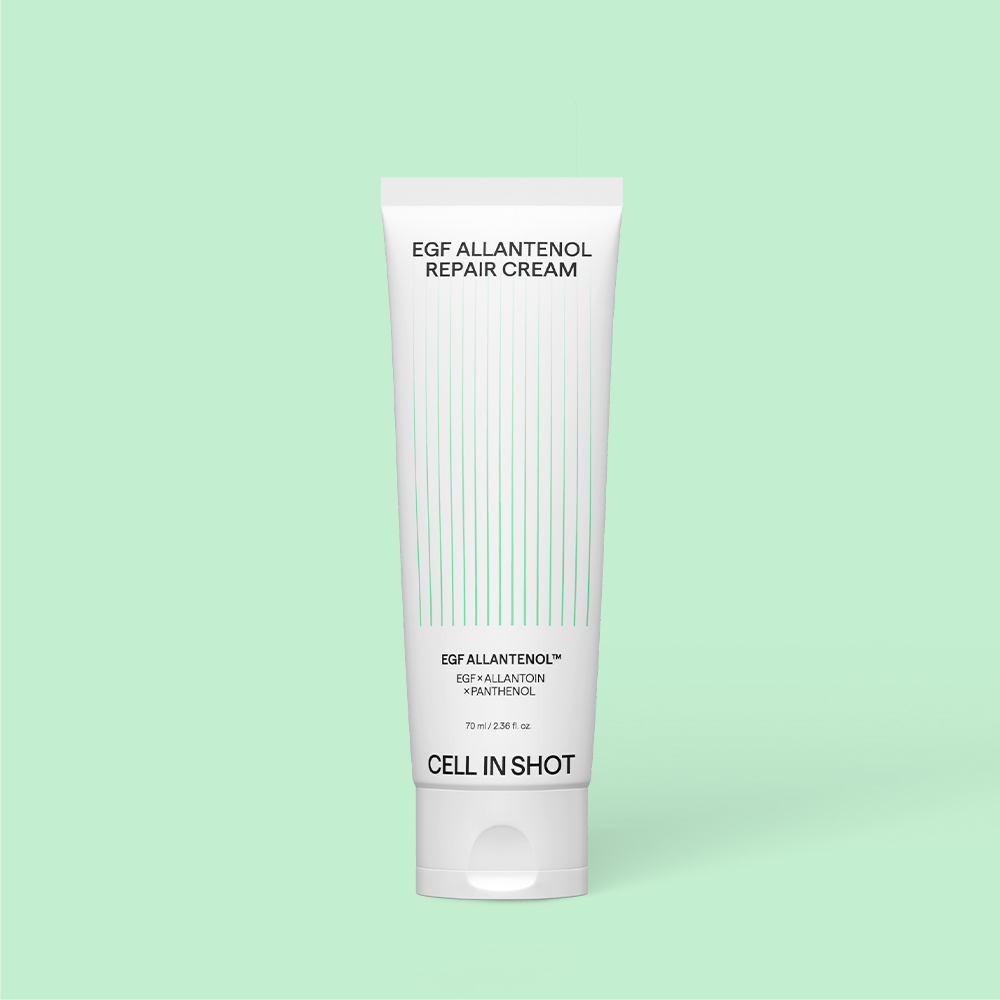
Cell In Shot EGF Allantenol Repair Cream
Aestura
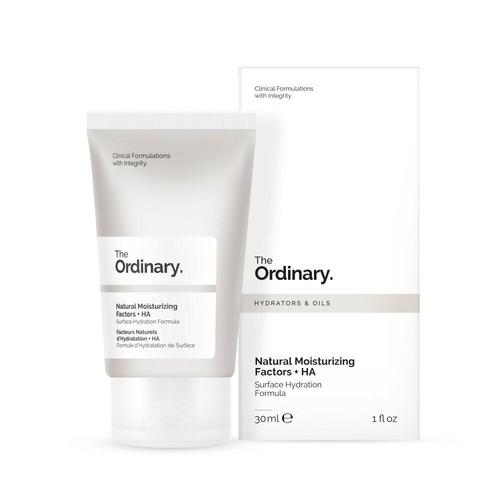
Natural Moisturizing Factors + HA
The Ordinary
Glycolic Acid 7% Exfoliating Toner
The Ordinary
The Peptide Lifting Glow Set
COSRX
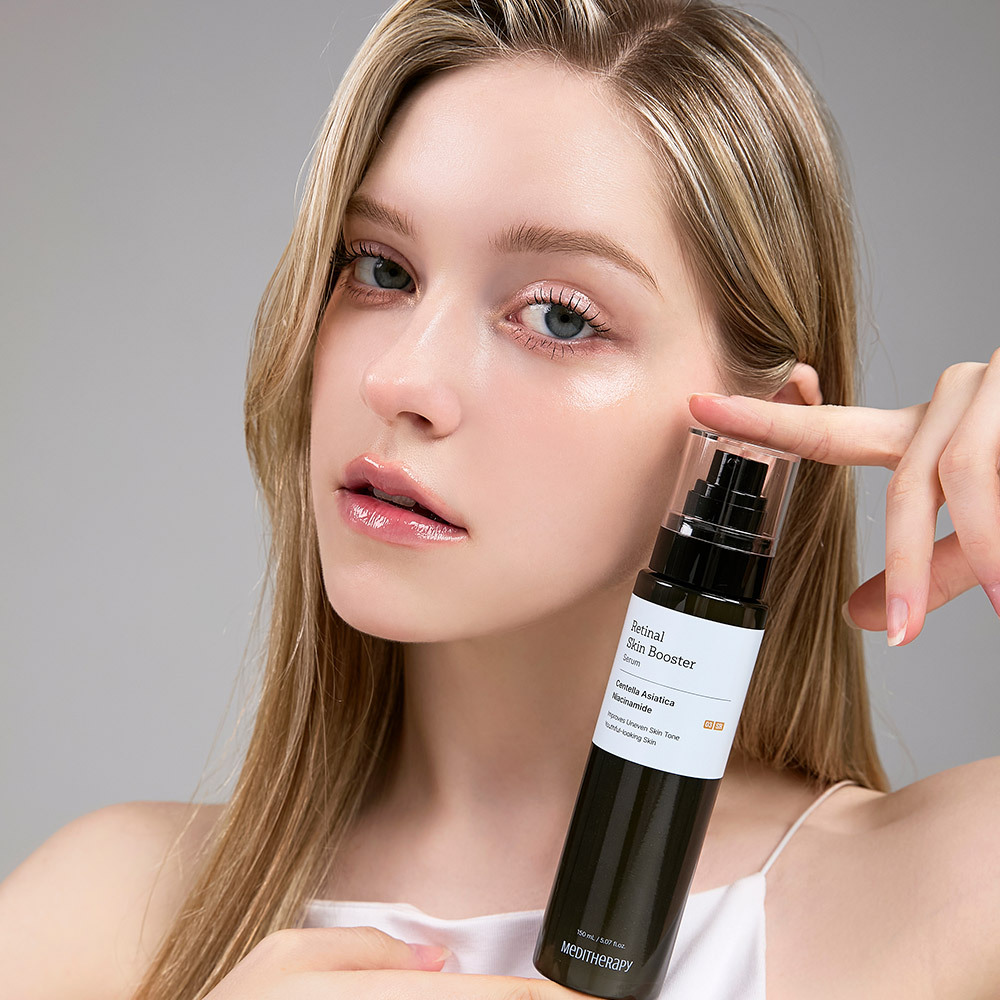
Retinal Skin Booster Serum
Anua
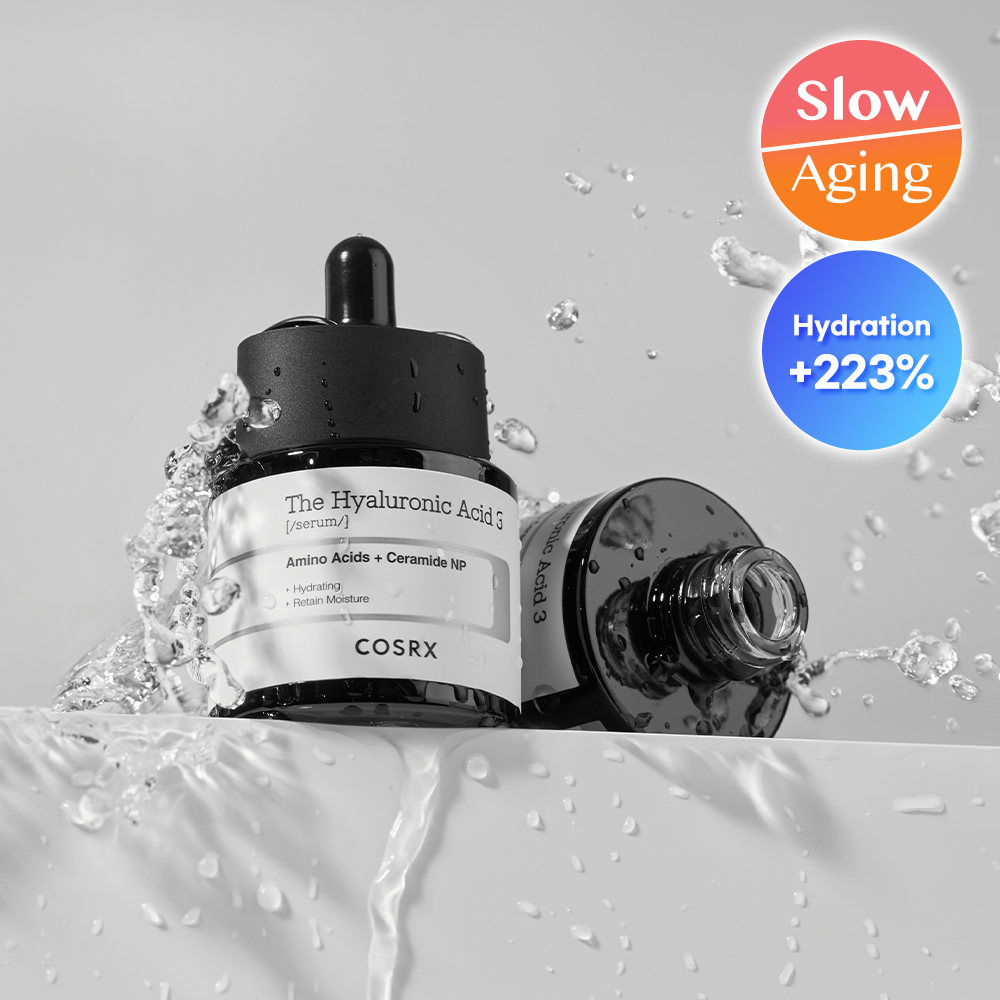
The Hyaluronic Acid 3 Serum
COSRX
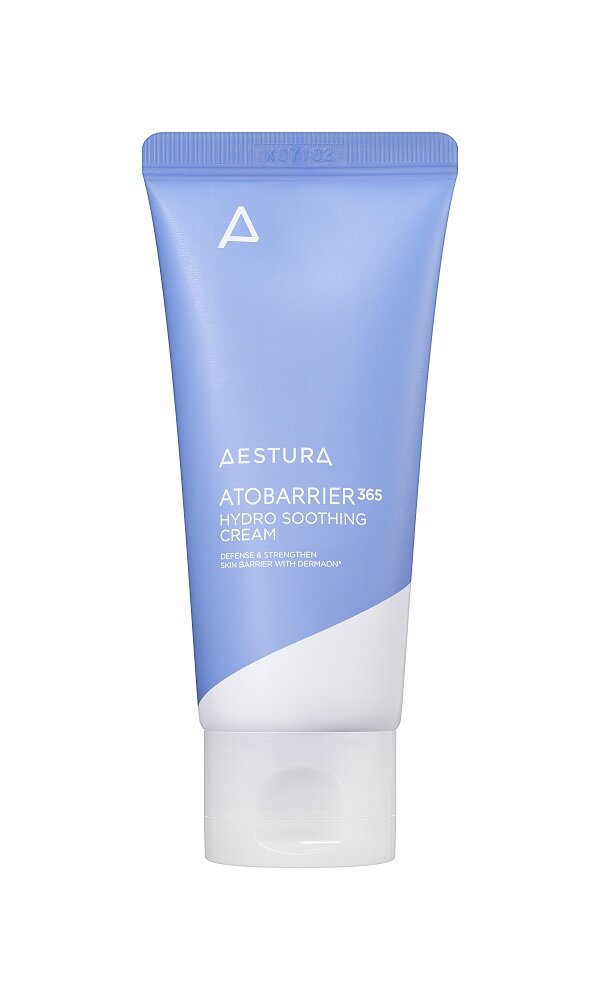
Atobarrier 365 Hydro Soothing Cream
Aestura
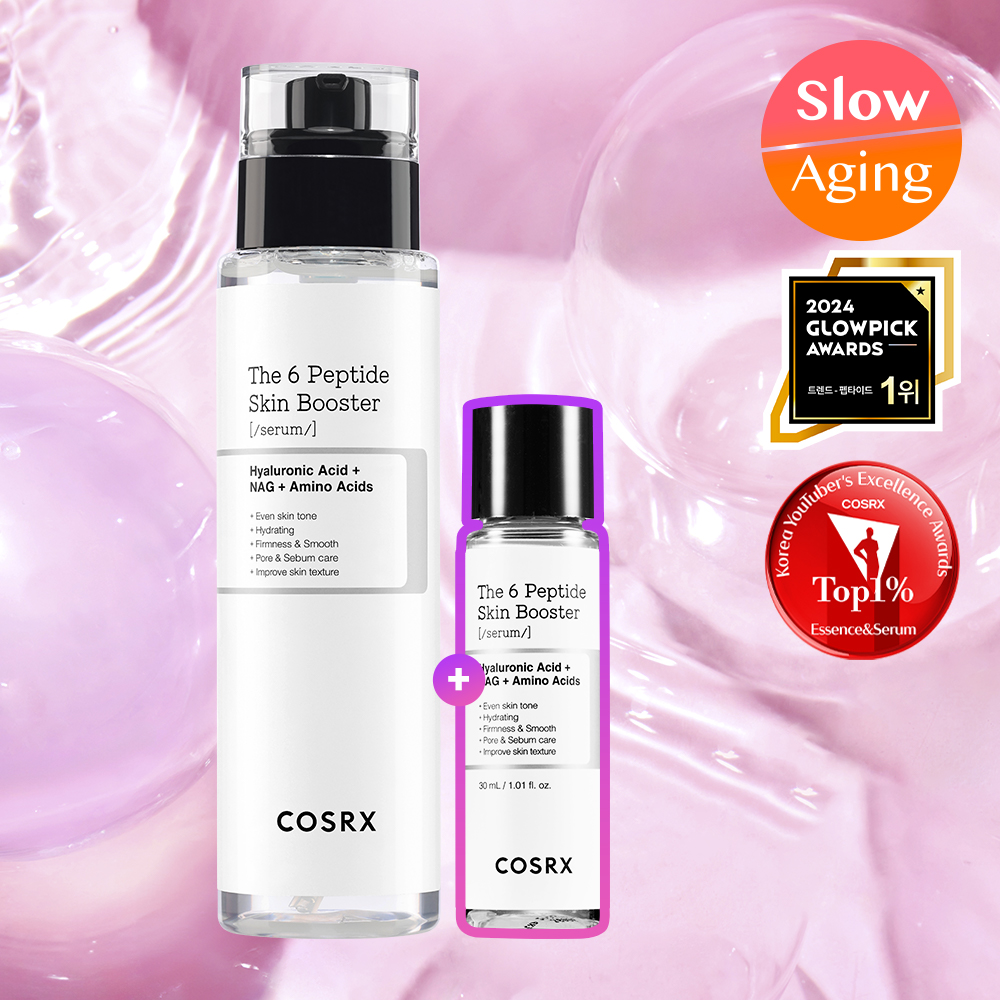
The 6 Peptide Skin Booster Serum
COSRX
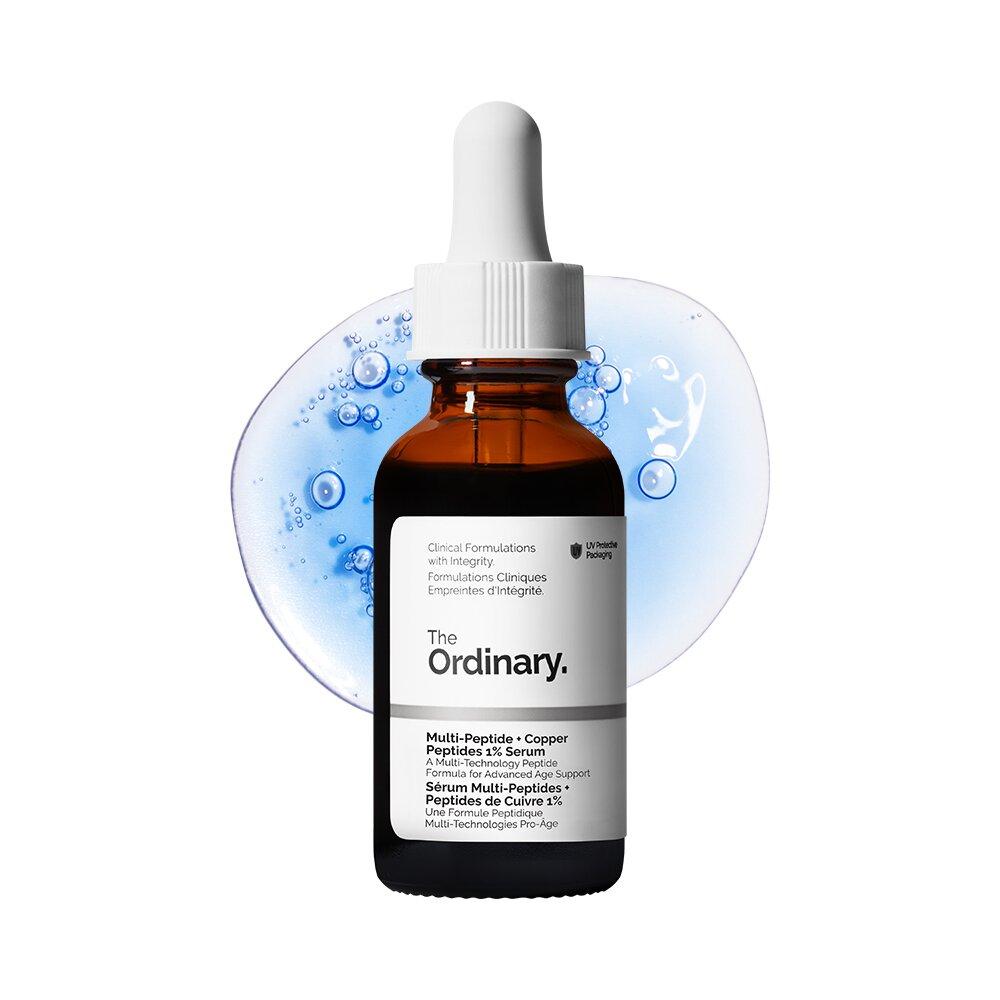
Multi-Peptide + Copper Peptides 1% Serum
The Ordinary
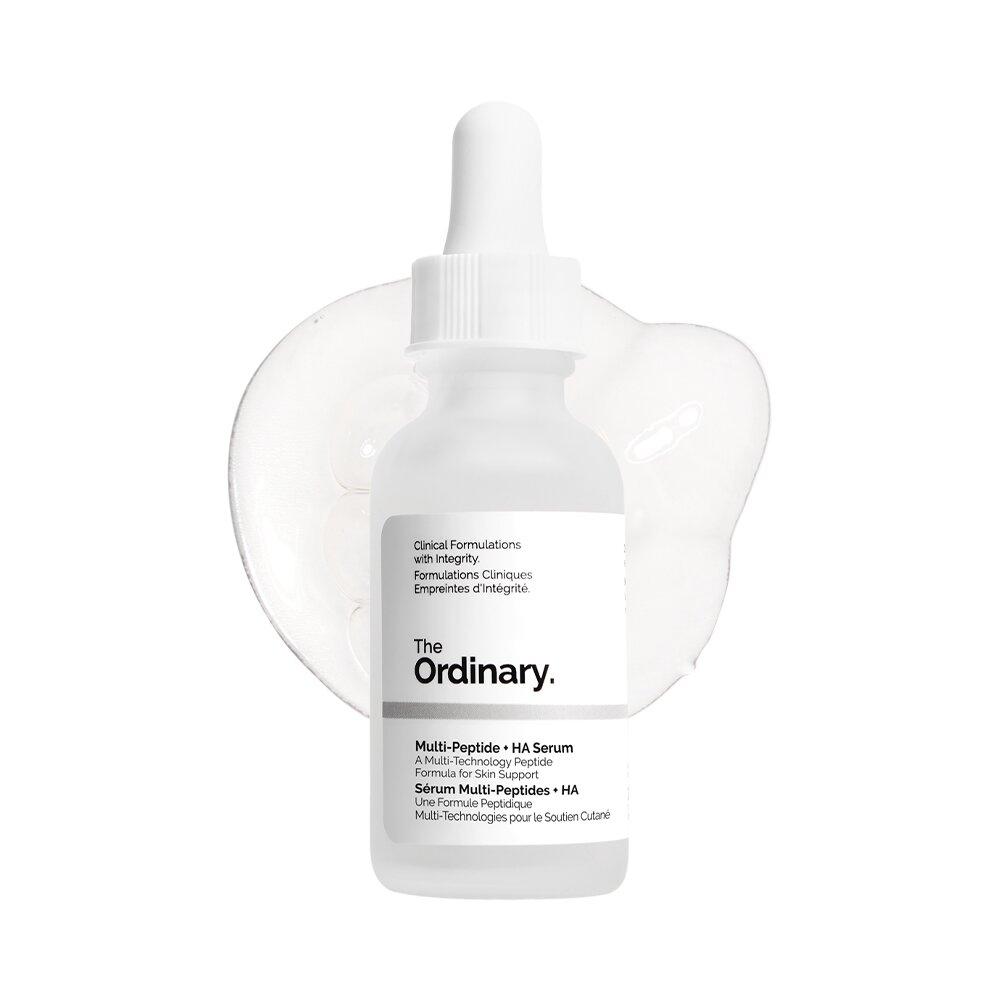
Multi-Peptide Serum + HA
The Ordinary
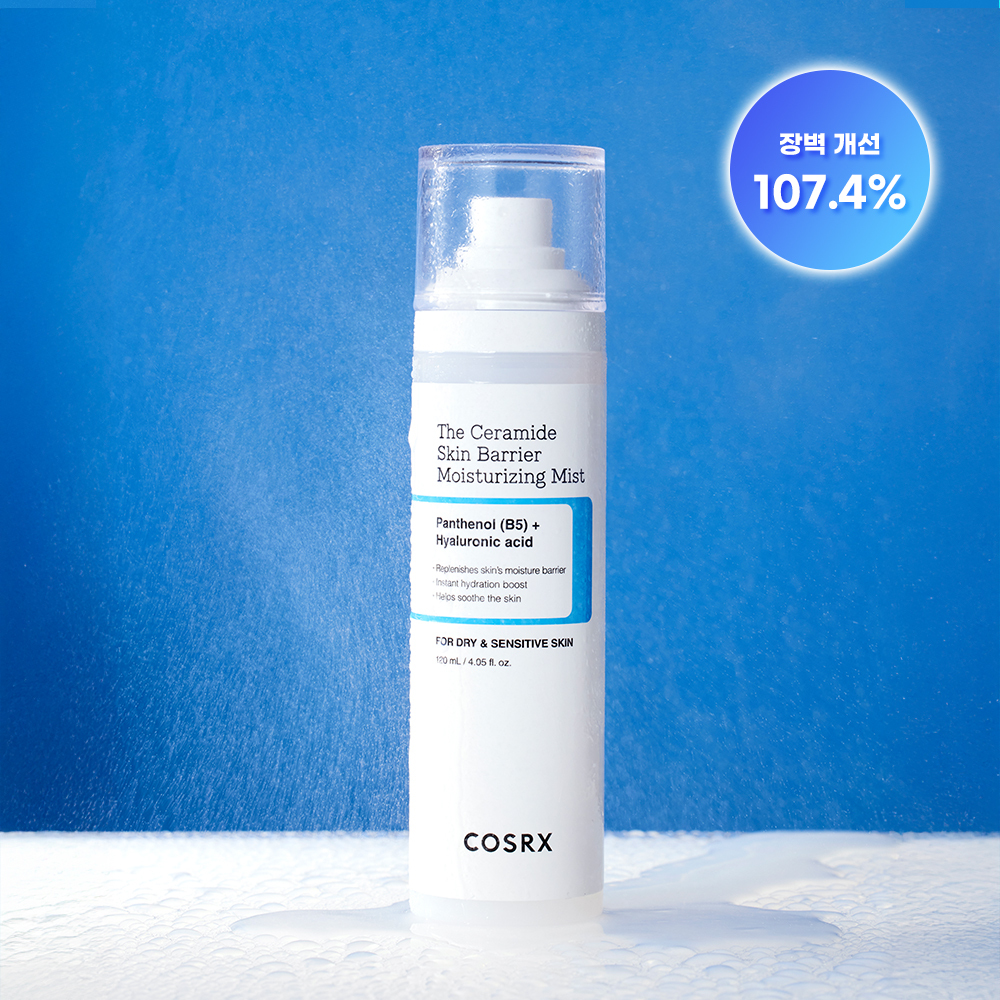
The Ceramide Skin Barrier Moisturizing Mist
COSRX
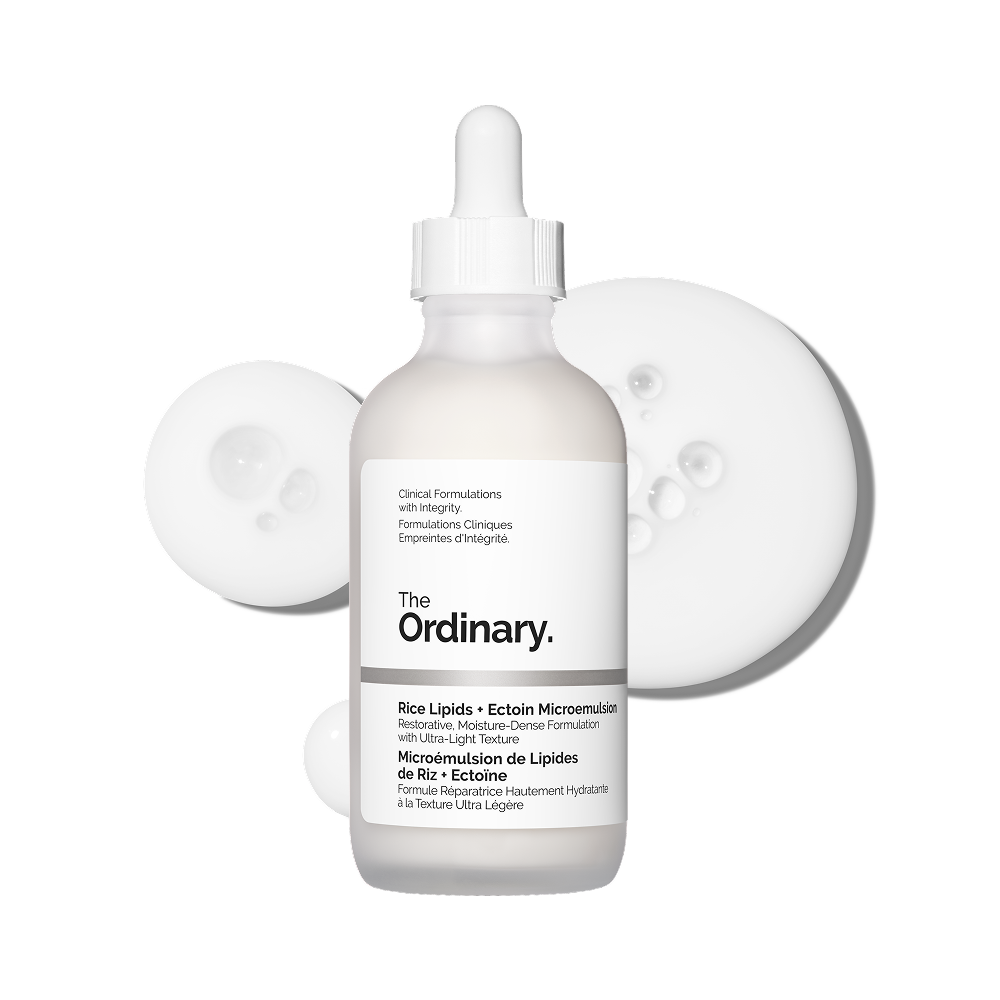
Rice Liquids + Ectoin Microemulsion
The Ordinary
Frequently Asked Questions
Can PCA work in dry climates or will it pull moisture from my skin?▼
How does PCA compare to hyaluronic acid for hydration?▼
Is PCA suitable for acne-prone skin?▼
Can I use PCA with exfoliating acids?▼
Articles About Pyrrolidone Carboxylic Acid
Dry Combo Skin With Acne + Scars? Start Here
Dry-but-breaking-out skin isn't a contradiction, and it isn't your fault, it usually means your barrier is stripped and overcompensating. Here's how to calm both problems at once without the harsh actives that made it worse.
Can Niacinamide Cause Acne? Why This K-Beauty Star Ingredient Might Be Breaking You Out
Niacinamide shows up in nearly every Korean skincare product, from serums to sunscreens. But for a surprising number of people, it triggers cystic acne and breakouts. Here's what's actually going on and how to build a K-beauty routine that works without it.
How to Get Glass Skin: A K-Beauty Routine That Works
Glass skin is that translucent, almost impossibly dewy look that keeps showing up on your feed. But getting there isn't about buying ten new products. It's about the right ingredients, correct layering, and understanding what your skin actually needs.
Explore More
Want personalized ingredient advice?
Yuri, our AI beauty advisor, can tell you how Pyrrolidone Carboxylic Acid works with your specific skin type, routine, and concerns.
Ask Yuri, free