Geranium Extract
INCI: Pelargonium Graveolens Extract
Antioxidant and skin-soothing botanical extract
About Geranium Extract
Geranium extract, derived from the Pelargonium graveolens plant (commonly known as rose geranium), is a multitasking botanical ingredient prized in K-beauty for its antioxidant properties and ability to calm irritated skin. Unlike synthetic actives that target a single pathway, geranium extract delivers a complex blend of naturally occurring compounds, including polyphenols, flavonoids, and essential oils that work synergistically to protect skin from environmental stress while reducing redness and inflammation. With a safety rating of 4/5 and a low comedogenic rating of 1/5, it's gentle enough for most skin types yet potent enough to deliver visible results. Korean formulators appreciate geranium extract for its versatility, incorporating it into everything from cleansing oils like Hanskin's Cleansing Oil & Blackhead to protective treatments like Rejuran's Healer Skin Protection Mask Sheet. The ingredient has gained particular traction in products designed for stressed, sensitive, or acne-prone skin because it soothes without clogging pores. Found in 13 products on Seoul Sister, geranium extract often appears alongside other botanical extracts and actives, enhancing their performance while providing its own skin-conditioning benefits. Its natural astringent properties make it especially valuable in toners and pads, where it helps refine pores and balance oil production without stripping the skin barrier.
How Geranium Extract Works
Geranium extract functions at multiple levels to improve skin health. Its polyphenolic compounds neutralize free radicals generated by UV exposure and pollution, preventing oxidative damage that leads to premature aging and hyperpigmentation. The extract's citronellol and geraniol components interact with skin cell receptors to modulate inflammatory responses, reducing the production of pro-inflammatory cytokines like IL-6 and TNF-alpha that cause redness, swelling, and discomfort. At the same time, geranium's natural tannins provide mild astringent action, temporarily tightening pores and regulating sebum production without disrupting the lipid barrier. The extract also supports the skin's natural healing process by promoting fibroblast activity, which aids in collagen synthesis and tissue repair. Unlike harsh astringents that can compromise barrier function, geranium extract works gently to balance skin pH and maintain optimal moisture levels. This makes it particularly effective in formulations targeting both inflammation and excess oil, a combination that's notoriously difficult to achieve without irritation.
Geranium Extract by Skin Type
Oily Skin
Geranium extract is highly beneficial for oily skin due to its natural sebum-regulating properties. The astringent compounds help minimize the appearance of enlarged pores while controlling shine without triggering compensatory oil production. Products like Celimax's Ji Woo Gae Cica BHA Blemish Toner Pad leverage geranium extract to balance oil while treating blemishes, making it an ideal ingredient for combination-oily and acne-prone complexions.
Dry Skin
While geranium extract is traditionally associated with oily skin care, it offers meaningful benefits for dry skin when formulated in nourishing bases. Its antioxidant properties protect compromised barriers from environmental stress, and its soothing action reduces inflammation that can worsen dryness. Products like d'Alba's Vita Toning Capsule Cream pair geranium extract with hydrating ingredients to deliver antioxidant protection without any drying effects.
Combo Skin
Geranium extract is particularly well-suited for combination skin, addressing multiple concerns without overwhelming either oily or dry zones. Its ability to balance sebum production in the T-zone while soothing drier cheek areas makes it a smart choice for this skin type. The ingredient's low comedogenic rating (1/5) ensures it won't clog pores in oilier areas while still providing antioxidant protection to drier regions.
Sensitive Skin
Sensitive skin can benefit significantly from geranium extract's anti-inflammatory and soothing properties, though patch testing is recommended for those with known fragrance sensitivities. The extract helps calm reactive skin and reduce redness without harsh chemical interventions. Formulations like Rejuran's Healer Skin Protection Mask Sheet demonstrate how geranium extract can support compromised or sensitized skin when combined with other calming botanicals.
Normal Skin
For normal skin, geranium extract provides preventive antioxidant benefits that help maintain skin health over time. Its gentle astringent properties keep pores refined and skin texture smooth without causing imbalance. The ingredient works particularly well in maintenance routines, offering protective benefits without introducing unnecessary actives that normal skin doesn't need.
How to Use Geranium Extract
- 1Look for geranium extract in toners and essences where its pore-refining and balancing properties can work immediately after cleansing to prepare skin for subsequent products.
- 2If you have fragrance sensitivities, introduce geranium extract gradually, as the natural essential oil components can occasionally trigger reactions in highly reactive skin despite the low concentration in most formulations.
- 3Pair geranium extract with other antioxidants like vitamin C or niacinamide for enhanced environmental protection, as seen in d'Alba's Vita Toning Capsule Cream formulations.
- 4Use geranium extract-containing products in both morning and evening routines, as the antioxidant benefits provide daytime protection while the soothing properties support overnight skin repair.
- 5Consider geranium extract as a bridge ingredient when transitioning from harsh acne treatments to gentler routines, as it addresses oil and blemishes while supporting barrier recovery.
Background
Pelargonium graveolens, native to South Africa, has been used in traditional medicine for centuries to treat wounds, inflammation, and skin conditions. The plant was introduced to Europe in the 17th century and became popular in perfumery due to its rose-like scent. Korean skincare formulators began incorporating geranium extract in the early 2000s as part of the broader K-beauty movement toward botanical ingredients with scientific backing. Unlike Western formulations that often used geranium primarily for fragrance, Korean brands recognized and leveraged its functional benefits, particularly its antioxidant and sebum-regulating properties. The ingredient gained particular prominence in the 2010s as K-beauty emphasized gentler alternatives to harsh astringents and synthetic anti-acne ingredients. Today, geranium extract represents the K-beauty philosophy of harnessing traditional botanicals through modern extraction technology to deliver both sensorial and functional benefits.
K-Beauty Products with Geranium Extract
View all 13 →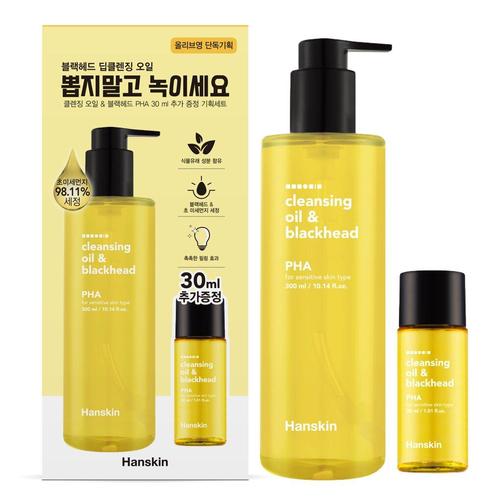
Cleansing Oil & Blackhead
Hanskin
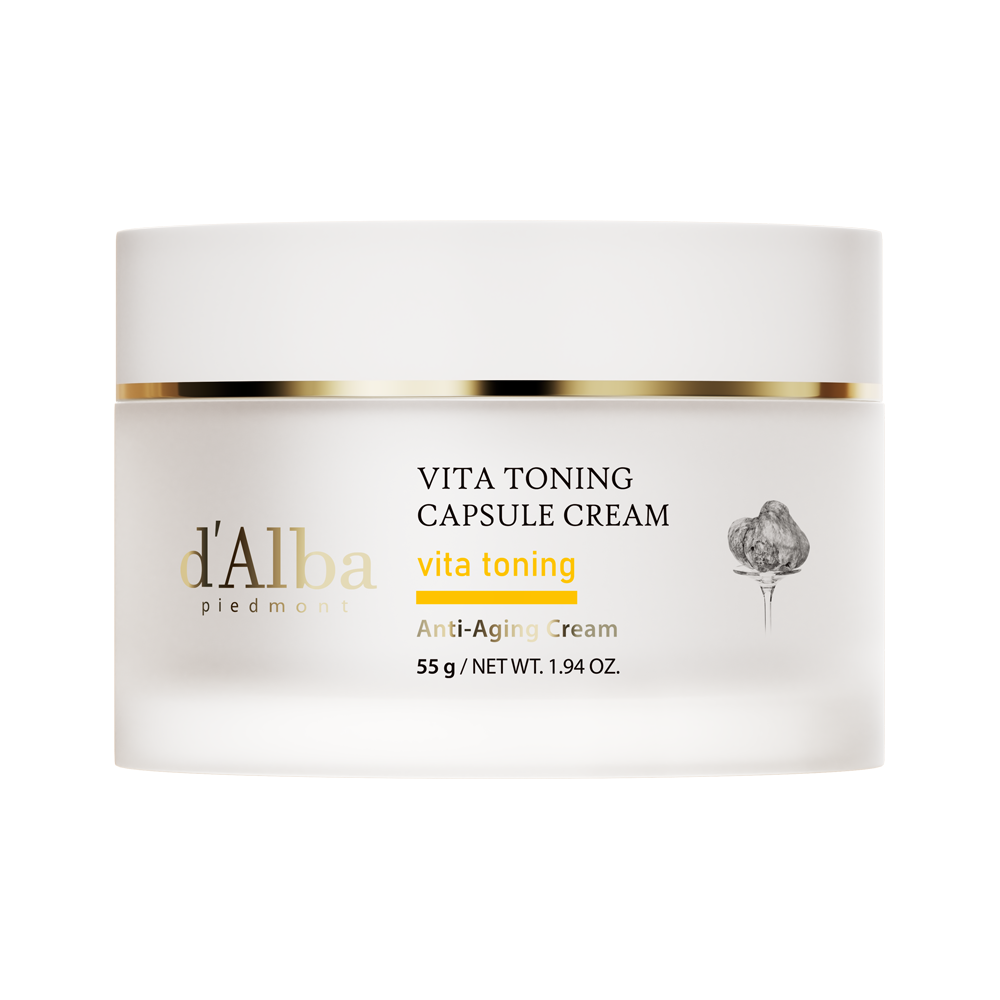
Vita Toning Capsule Cream Double Pack
d'Alba
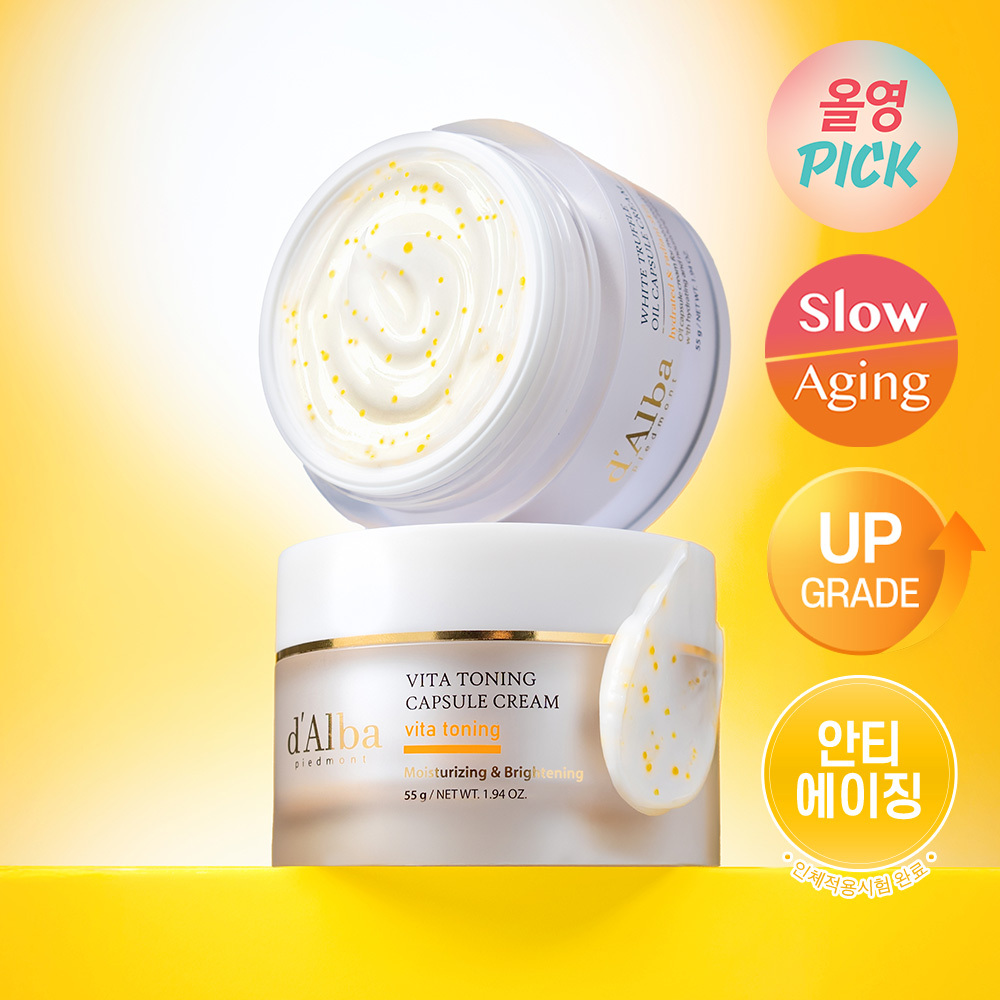
Vita Toning Capsule Cream
d'Alba
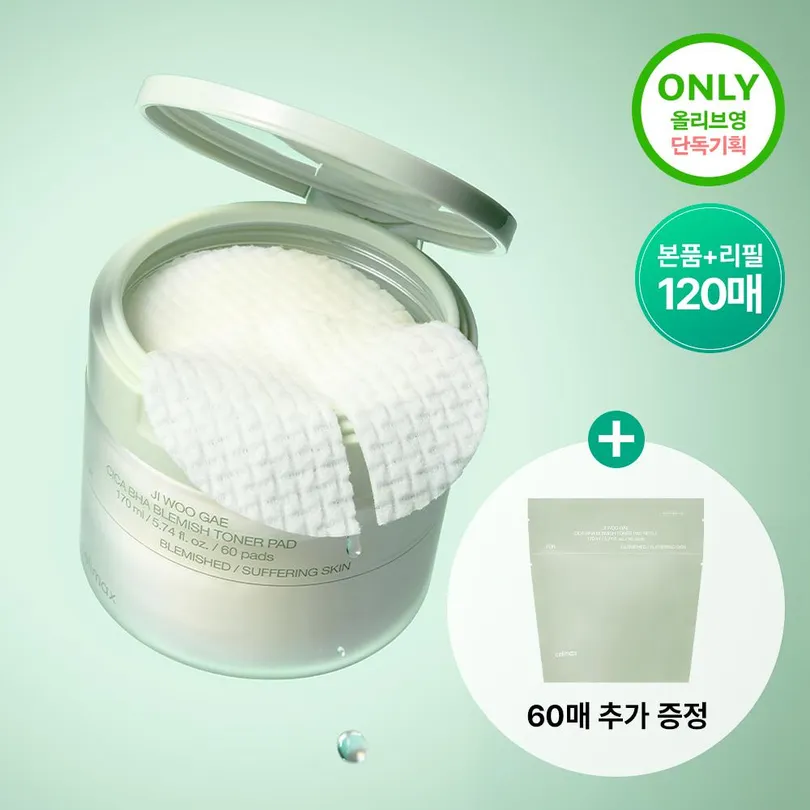
Ji Woo Gae Cica BHA Blemish Toner Pad
Celimax
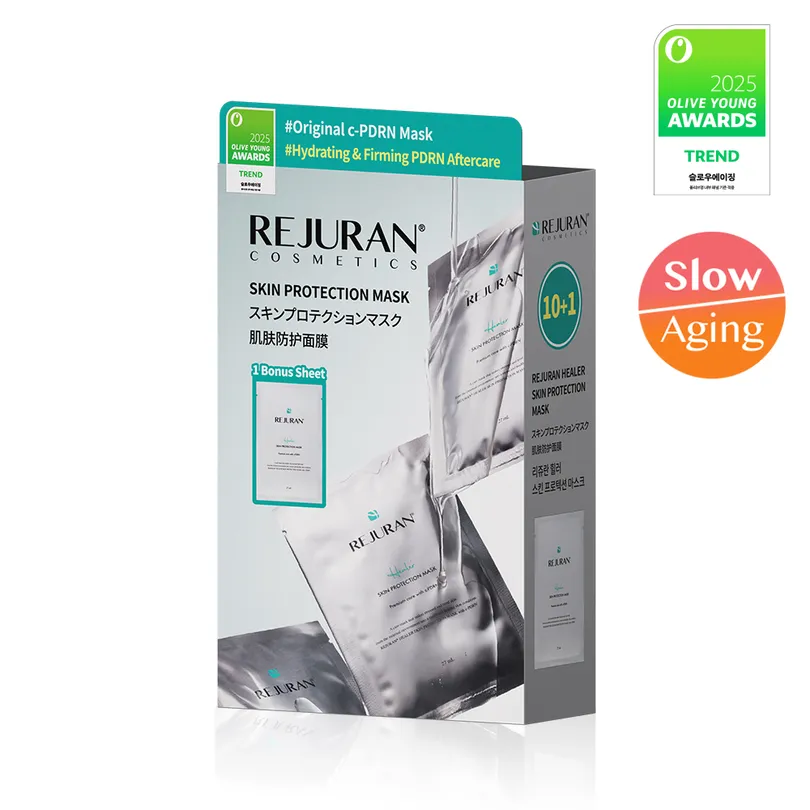
Healer Skin Protection Mask Sheet
Rejuran
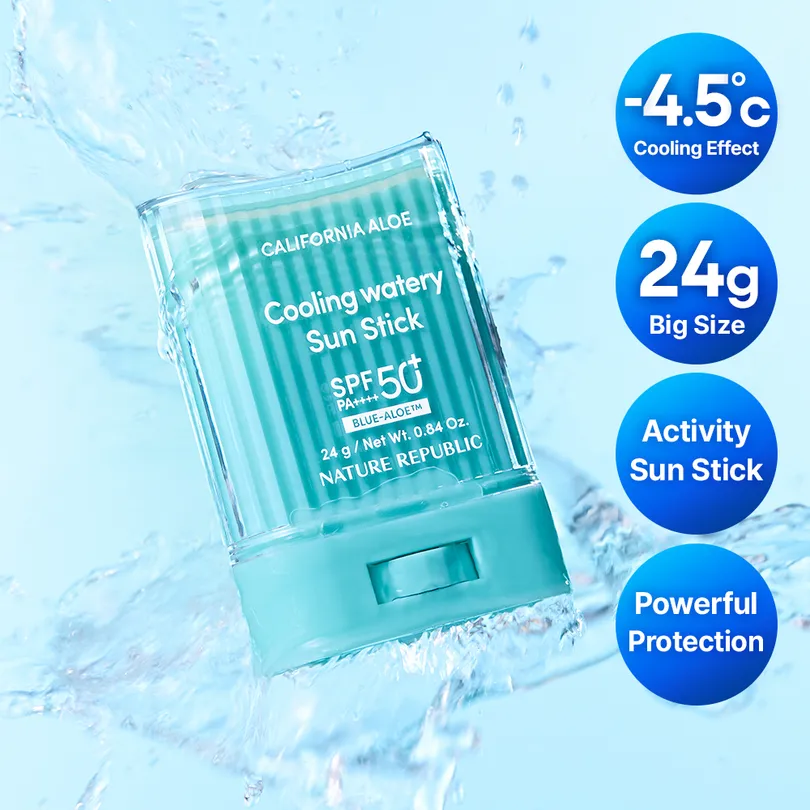
California Aloe Cooling Watery Sun Stick
Nature Republic

Mela TXA Sun Serum
AROCELL
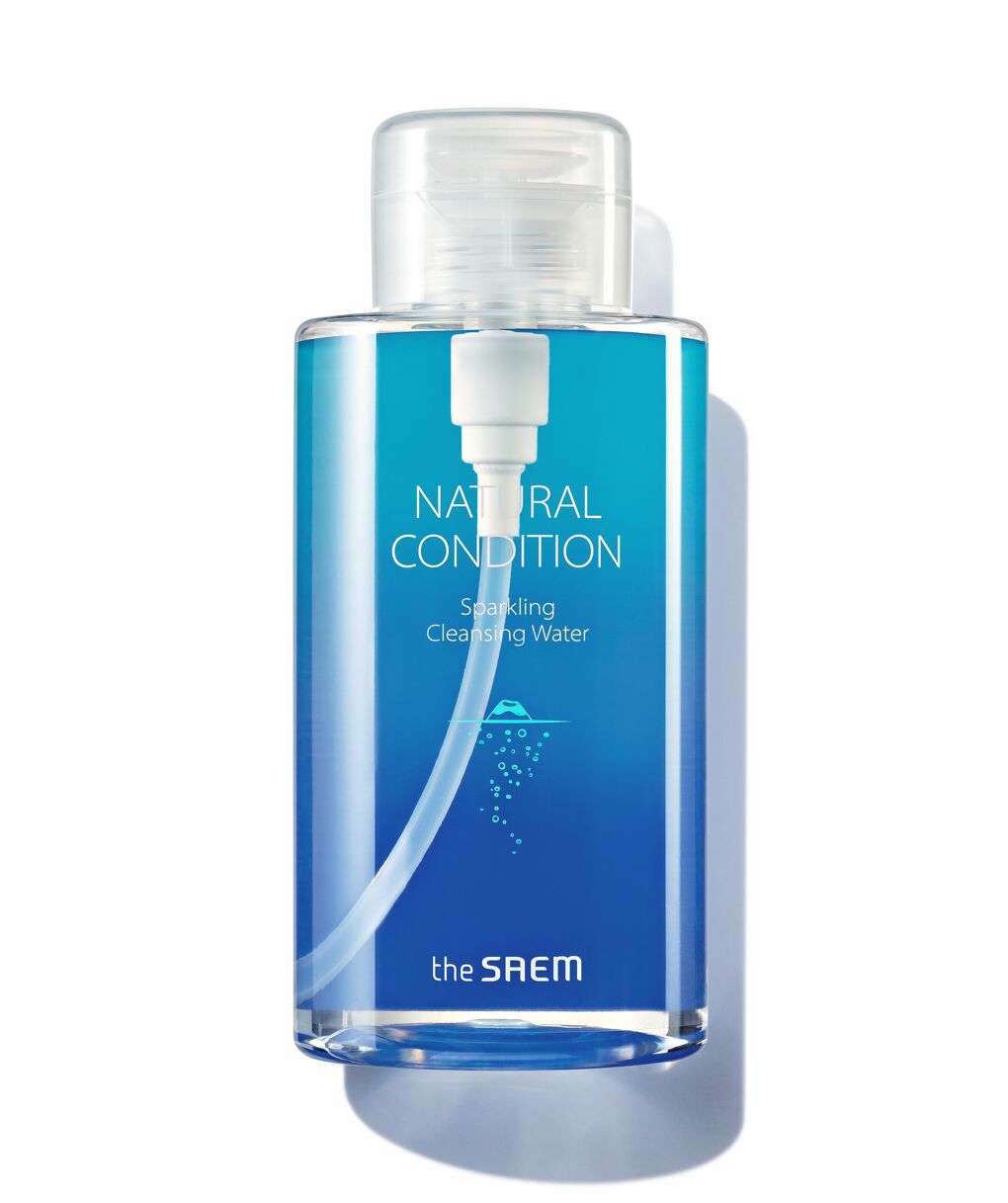
Natural Condition Sparkling Cleansing Water
The Saem
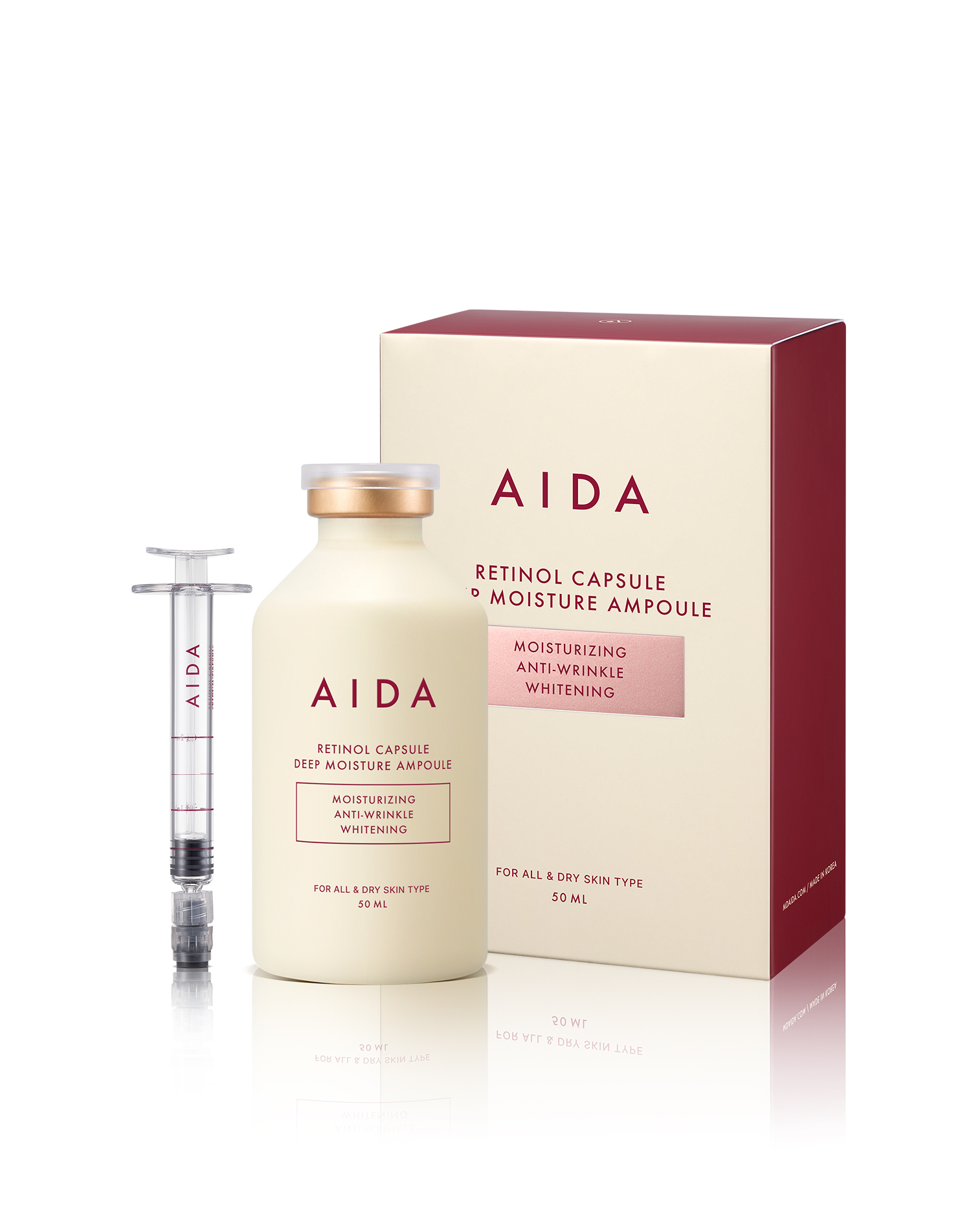
Retinol Capsule Deep Moisture Ampoule
Anua
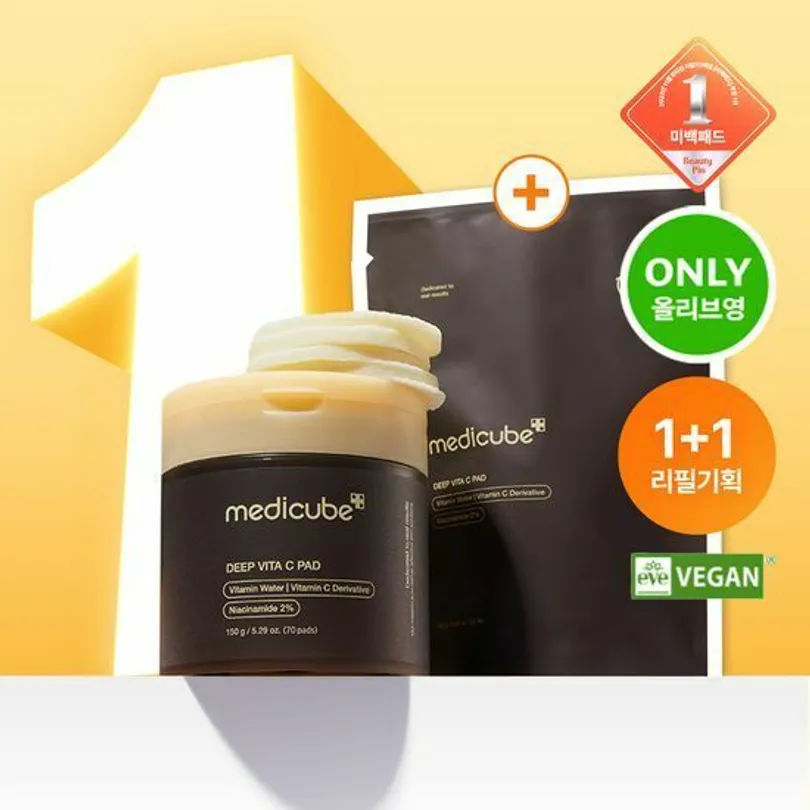
Deep Vita C Pad 70P Set (+ Refill 70P)
Medicube
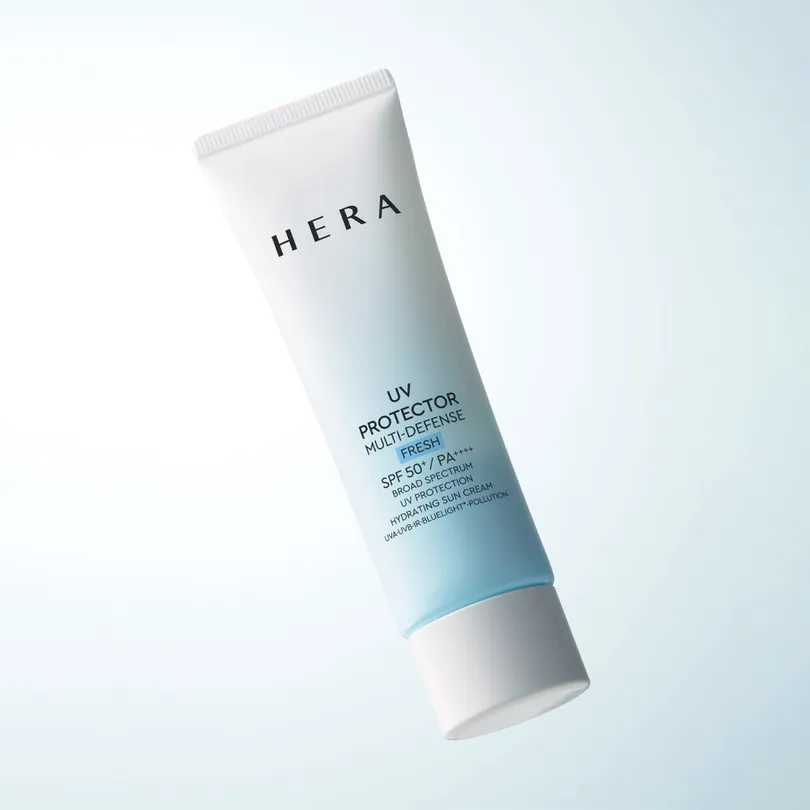
UV Protector Multi-Defense Fresh SPF50+ PA++++
HERA
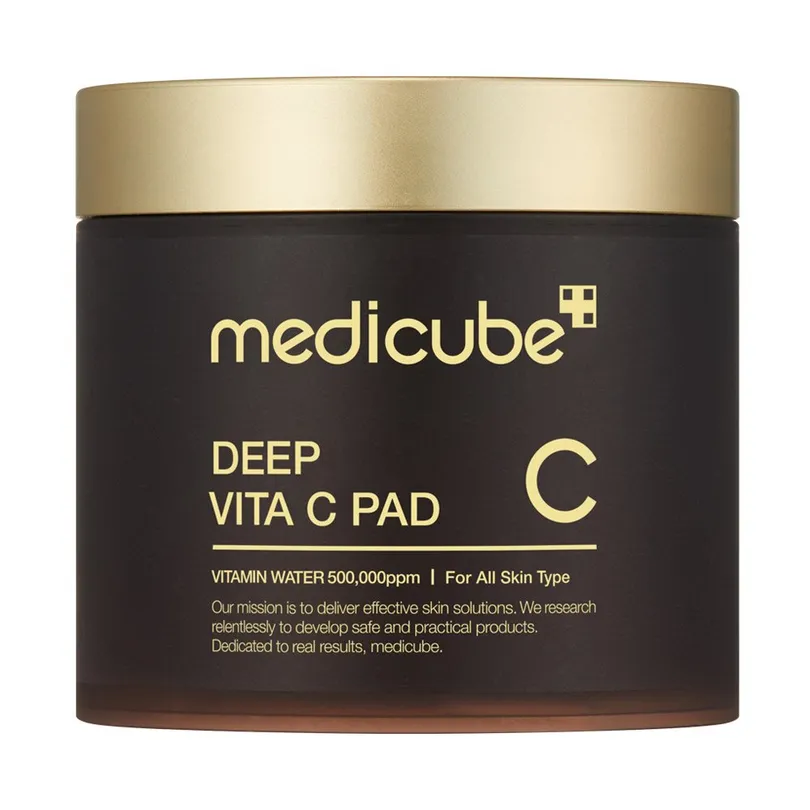
Deep Vita C Pad
Medicube
Frequently Asked Questions
Is geranium extract safe for acne-prone skin?▼
Can geranium extract cause skin irritation?▼
Does geranium extract help with redness and inflammation?▼
How does geranium extract compare to tea tree oil for oily skin?▼
Can I use geranium extract products during pregnancy?▼
Explore More
Want personalized ingredient advice?
Yuri, our AI beauty advisor, can tell you how Geranium Extract works with your specific skin type, routine, and concerns.
Ask Yuri, free