Pentapeptide-3
Peptide that supports collagen synthesis
About Pentapeptide-3
Pentapeptide-3 is a synthetic peptide composed of five amino acids that acts as a signal molecule to stimulate collagen production in the skin. In K-beauty formulations, this ingredient has gained traction for its ability to address signs of aging without the irritation often associated with more aggressive anti-aging actives like retinoids. The peptide works by mimicking natural cellular communication signals that tell fibroblasts (collagen-producing cells) to ramp up their activity. With a safety rating of 4/5 and a comedogenic rating of 0/5, pentapeptide-3 is suitable for most skin types, including acne-prone and sensitive skin. You'll find it in 36 K-beauty products on Seoul Sister, often paired with other skin-repairing ingredients in premium serums and essences. Brands like Bioheal BOH have made it a cornerstone of their Probioderm line, which focuses on structural skin support and lifting effects. The ingredient's non-irritating profile makes it an excellent option for those who want anti-aging benefits but can't tolerate stronger actives, or for layering with other treatments in a comprehensive routine.
How Pentapeptide-3 Works
Pentapeptide-3 functions as a signaling peptide that penetrates the upper layers of skin and communicates with fibroblasts in the dermis. When fibroblasts receive these peptide signals, they interpret them as instructions to increase production of collagen type I and type III, the structural proteins that give skin its firmness and resilience. The five amino acids in pentapeptide-3 are arranged in a specific sequence that mimics fragments of naturally occurring proteins involved in wound healing and tissue repair. This biomimicry tricks the skin into thinking it needs to rebuild and strengthen its extracellular matrix. Unlike ingredients that work by causing controlled damage (like certain acids or retinoids), pentapeptide-3 operates through positive signaling, making it gentler on the skin barrier. The peptide also supports the production of glycosaminoglycans, sugar molecules that help skin retain moisture and maintain its plump appearance. Because it works at a cellular communication level rather than through exfoliation or irritation, results tend to be cumulative and appear gradually over weeks of consistent use.
Pentapeptide-3 by Skin Type
Oily Skin
Pentapeptide-3 is excellent for oily skin because it's completely non-comedogenic and typically formulated in lightweight serums that won't add excess oil. The collagen-boosting benefits help maintain skin structure without clogging pores, and many K-beauty formulations pair it with pore-refining ingredients for a balanced approach to aging concerns in oily skin types.
Dry Skin
This peptide works beautifully for dry skin, especially when formulated alongside hydrating ingredients like hyaluronic acid or glycerin. By supporting collagen production and glycosaminoglycan synthesis, pentapeptide-3 helps improve the skin's moisture-retention capacity over time. Products like Bioheal BOH's Probioderm line often combine it with emollients for enhanced barrier support.
Combo Skin
Combination skin benefits from pentapeptide-3's non-greasy, targeted action. It addresses aging concerns in dry areas while remaining lightweight enough not to overwhelm oily zones. The ingredient's ability to support overall skin structure makes it valuable for balancing texture differences across combination skin.
Sensitive Skin
With its gentle, non-irritating mechanism of action, pentapeptide-3 is one of the safer anti-aging options for sensitive skin. It doesn't cause the redness, peeling, or stinging associated with stronger actives, making it ideal for building collagen support without compromising the skin barrier. Its 4/5 safety rating reflects its generally well-tolerated nature.
Normal Skin
Normal skin can use pentapeptide-3 as a preventative anti-aging measure or to address early signs of collagen loss. The ingredient integrates easily into existing routines and pairs well with other actives, making it a versatile choice for maintaining skin health and structure over time.
How to Use Pentapeptide-3
- 1Apply pentapeptide-3 serums after cleansing and toning but before heavier creams to ensure optimal absorption of the peptide into skin.
- 2Use consistently for at least 8-12 weeks to see visible improvements in skin firmness, as collagen synthesis is a gradual process that requires sustained signaling.
- 3Layer with complementary ingredients like niacinamide, hyaluronic acid, or vitamin C, which won't interfere with peptide function and may enhance overall results.
- 4Store peptide products away from extreme heat and direct sunlight to maintain the stability of the amino acid chains.
- 5Apply morning and evening for best results, as continuous signaling to fibroblasts produces more consistent collagen synthesis than sporadic use.
Background
Pentapeptide-3 emerged from advances in peptide synthesis technology in the late 1990s and early 2000s, when cosmetic chemists began exploring how short chains of amino acids could influence skin behavior. The development built on research into wound healing, where scientists observed that certain peptide fragments accelerated tissue repair and collagen formation. K-beauty brands were relatively early adopters of peptide technology, recognizing that the Korean consumer's preference for gentle, layerable products aligned perfectly with peptides' non-irritating profiles. By the 2010s, peptides like pentapeptide-3 had become fixtures in premium K-beauty anti-aging lines, particularly in brands focused on skin remodeling and lifting effects. The ingredient's compatibility with other actives made it ideal for the elaborate, multi-step routines popular in Korean skincare culture. Today, it appears in everything from essences to ampoules, often combined with probiotics or other biotechnology-derived ingredients that reflect K-beauty's science-forward approach.
K-Beauty Products with Pentapeptide-3
View all 38 →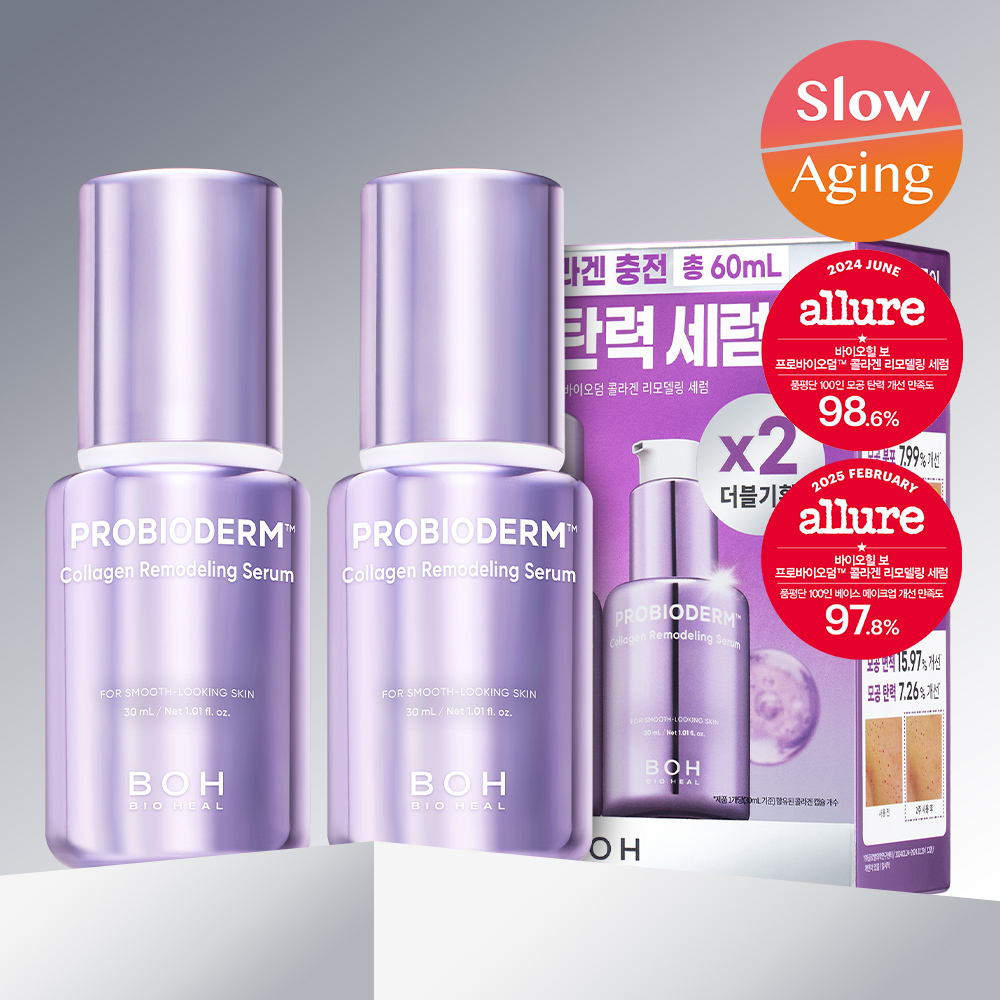
Probioderm Collagen Remodeling Serum
Bioheal BOH
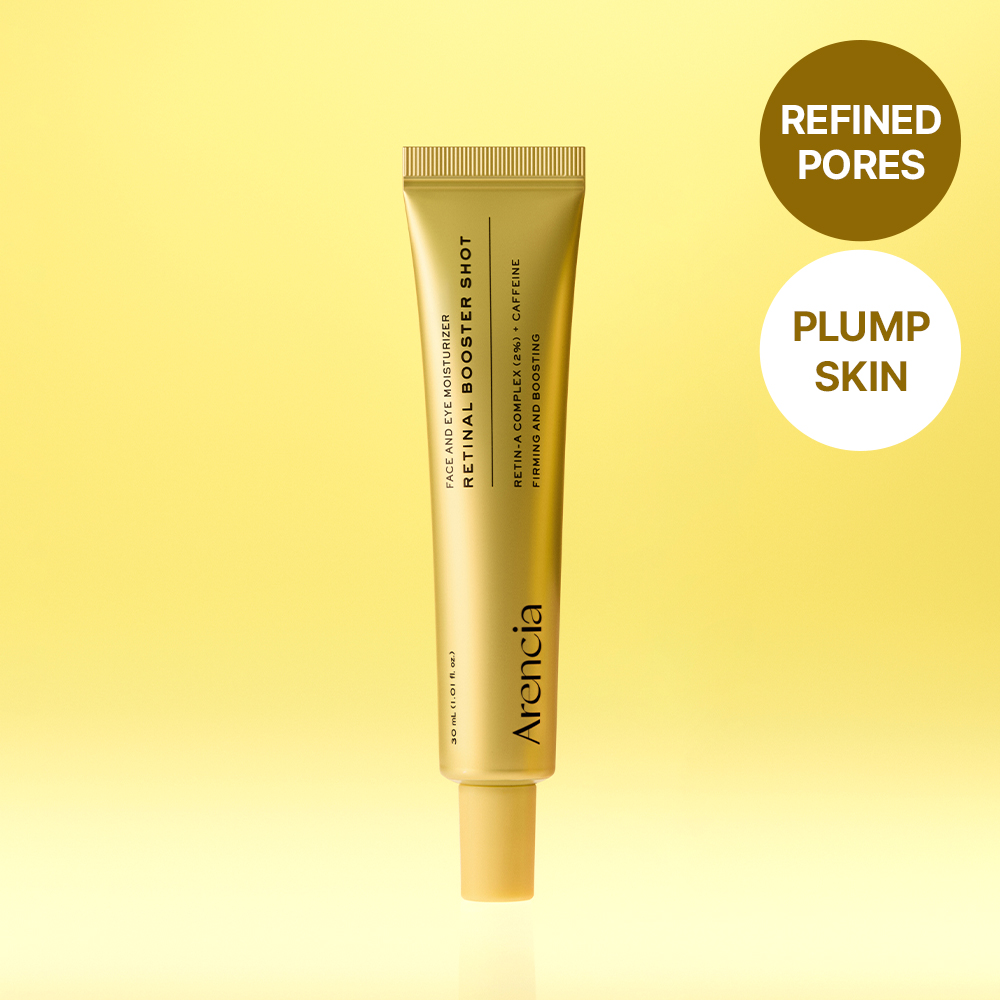
Retinal Booster Shot
Arencia
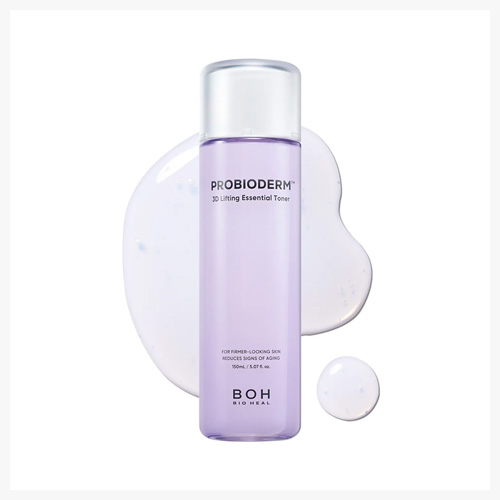
Probioderm 3D Lifting Essential Toner
Bioheal BOH
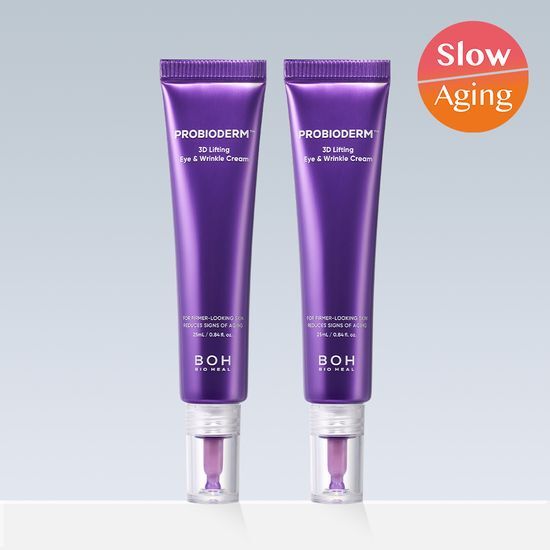
Probioderm 3D Lifting Eye & Wrinkle Cream Double Pack
Bioheal BOH
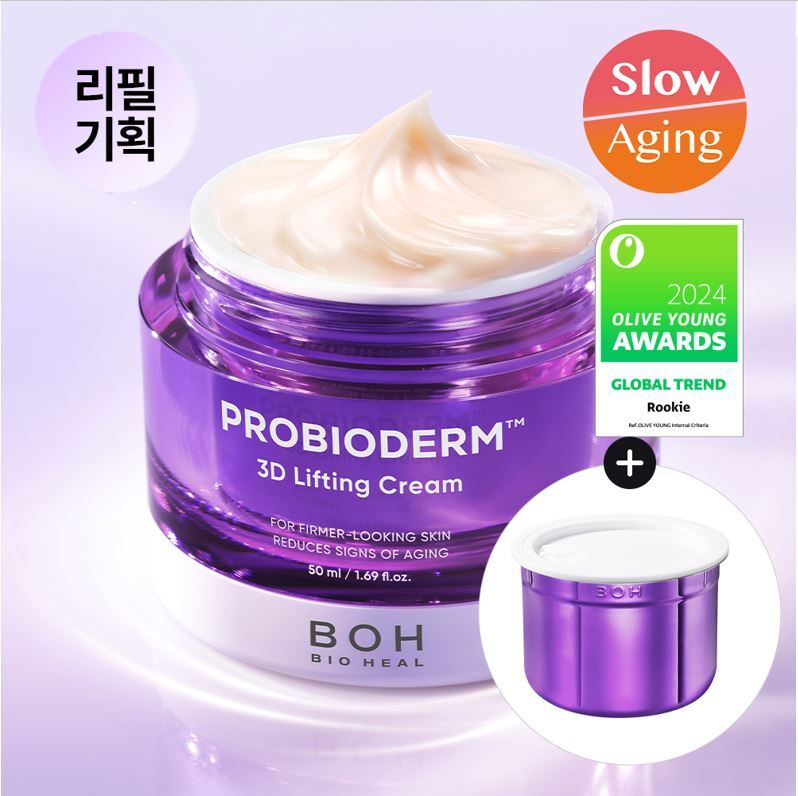
Probioderm 3D Lifting Cream
Bioheal BOH
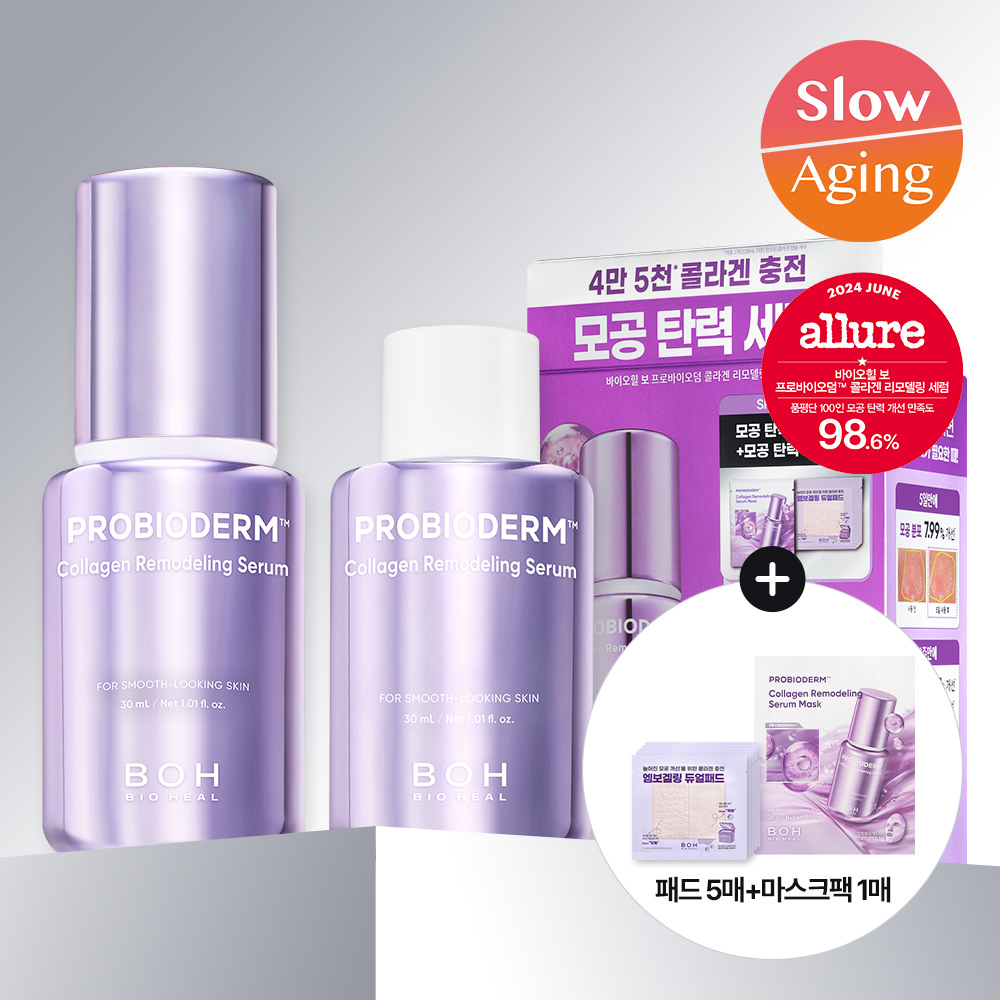
Probioderm Collagen Remodelling Serum Refill Set
Bioheal BOH
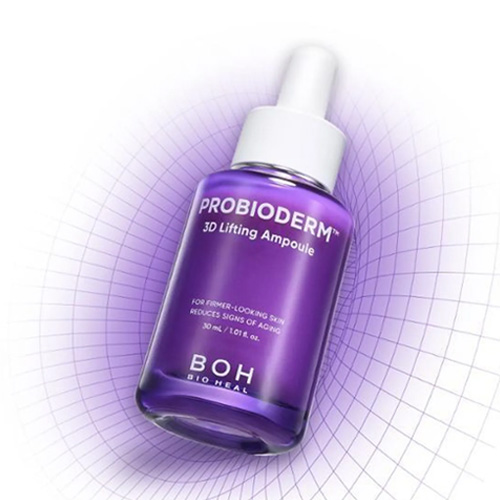
Probioderm 3D Lifting Ampoule
Bioheal BOH
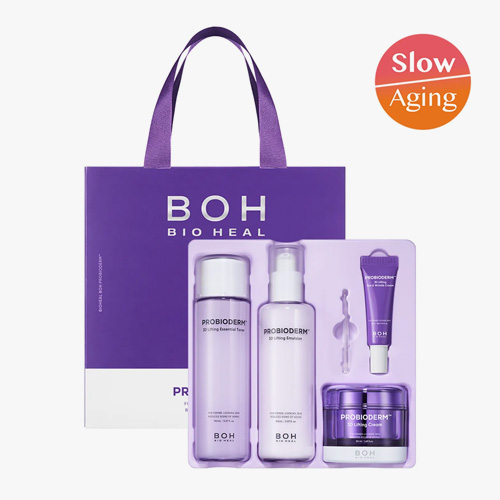
Probioderm 3D Lifting Skincare 3P Set
Bioheal BOH

Probioderm 3D Lifting Cream Mist
Bioheal BOH
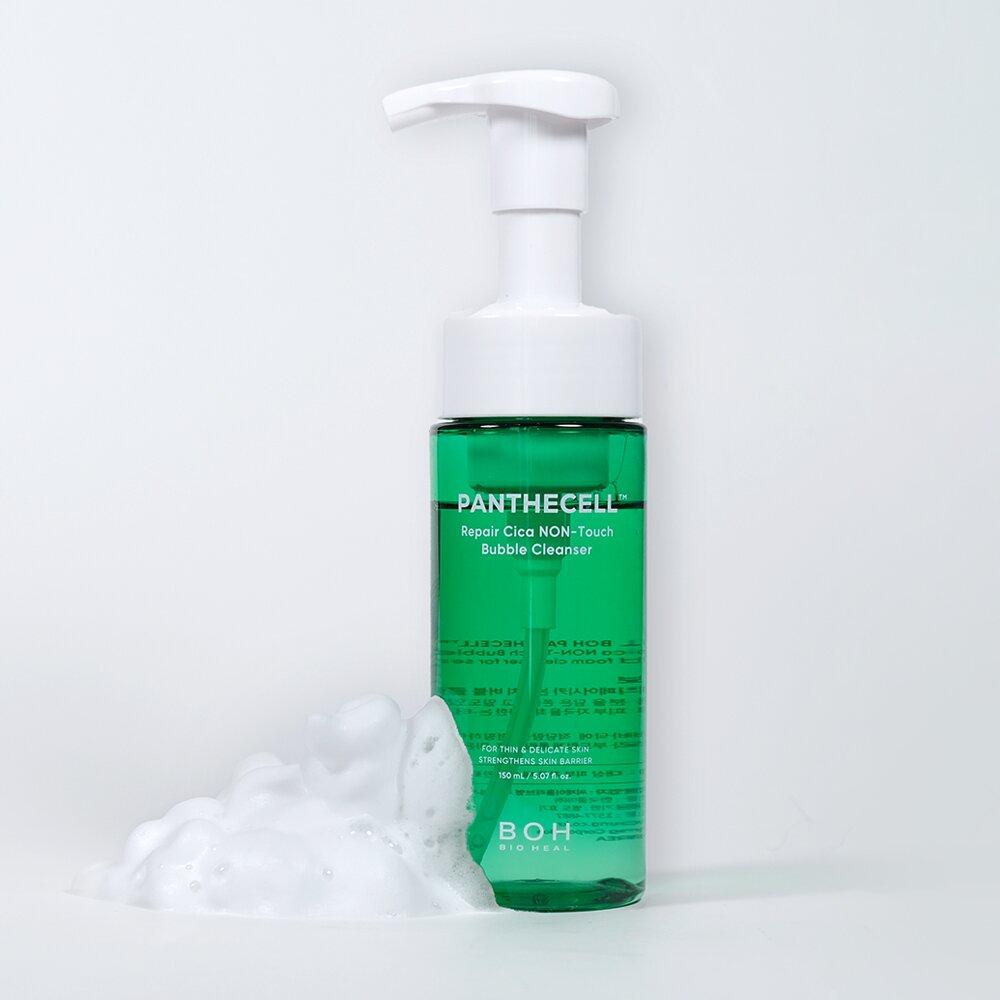
Panthecell Repair Cica NON-Touch Bubble Cleanser
Bioheal BOH
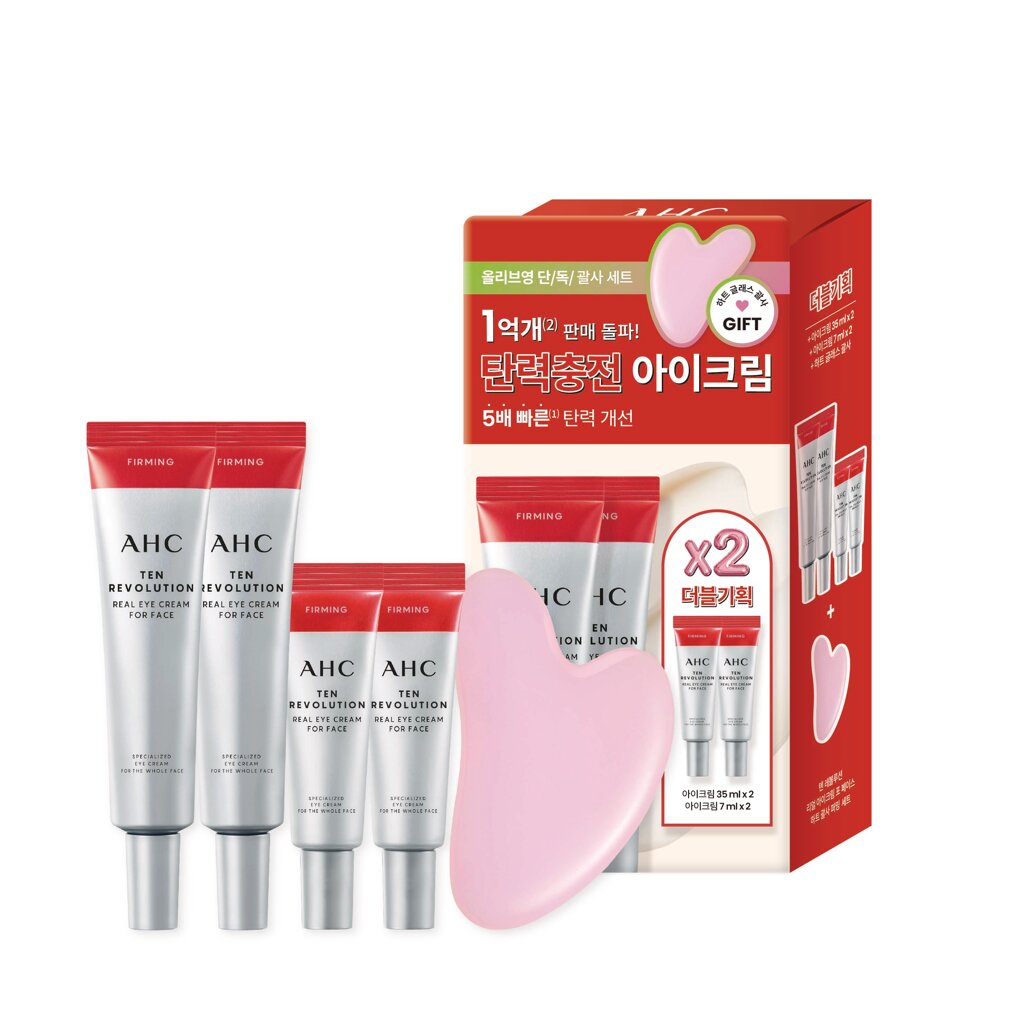
10 Revolution Real Eye Cream For Face
AHC
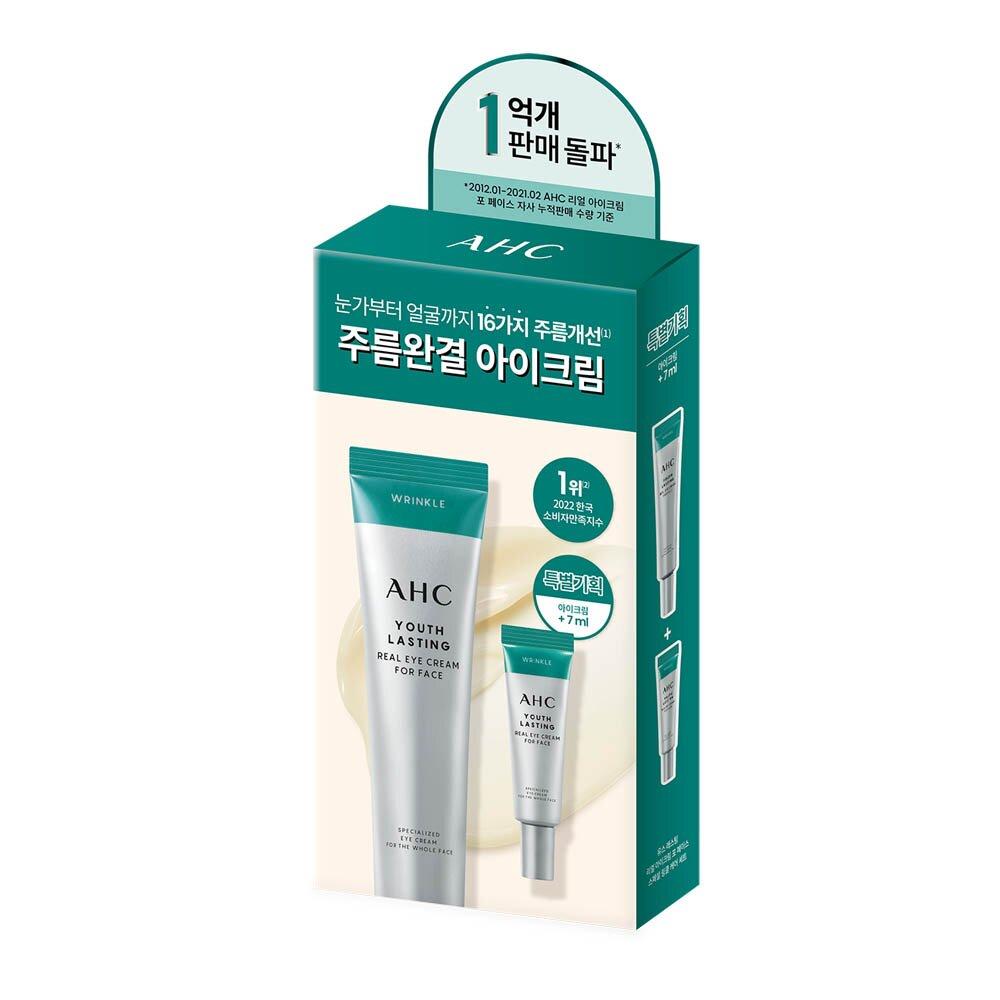
Youth Lasting Real Eye Cream For Face Special Wrinkle Care Set
AHC
Frequently Asked Questions
How long does it take to see results from pentapeptide-3?▼
Can I use pentapeptide-3 with retinol or vitamin C?▼
Is pentapeptide-3 suitable for acne-prone skin?▼
What's the difference between pentapeptide-3 and other peptides in skincare?▼
Explore More
Want personalized ingredient advice?
Yuri, our AI beauty advisor, can tell you how Pentapeptide-3 works with your specific skin type, routine, and concerns.
Ask Yuri, free