Mung Bean Extract
INCI: Phaseolus Radiatus Seed Extract
Antioxidant and skin brightening agent
About Mung Bean Extract
Mung bean extract, derived from the seeds of Phaseolus radiatus, is a nutrient-rich botanical ingredient that has been gaining momentum in K-beauty formulations for its dual-action approach to skin brightening and antioxidant protection. This East Asian legume contains high concentrations of vitamins A, B, C, and E, along with essential minerals like zinc and potassium, plus phytochemicals including flavonoids and phenolic acids that work synergistically to improve skin health. In Korean skincare philosophy, mung bean has traditionally been valued for its cooling and clarifying properties, often used in hanbang (traditional herbal medicine) preparations to calm irritated skin and reduce excess sebum. Modern research has validated these traditional uses, showing that mung bean extract can help inhibit tyrosinase activity (the enzyme responsible for melanin production), making it effective for addressing hyperpigmentation and uneven skin tone. With a comedogenic rating of just 1 out of 5, it's exceptionally skin-friendly and unlikely to clog pores, which explains its presence in 31 K-beauty products on Seoul Sister, ranging from cleansing balms to advanced serums. The ingredient's mild nature and broad compatibility make it particularly popular in calming and comforting formulations, as seen in products from brands like YUNJAC and UIQ, where it contributes to barrier support while delivering gentle brightening effects.
How Mung Bean Extract Works
At the cellular level, mung bean extract functions through multiple complementary mechanisms. Its high concentration of vitexin, a flavonoid compound, acts as a potent free radical scavenger that neutralizes reactive oxygen species (ROS) before they can damage cellular structures like lipids, proteins, and DNA. This antioxidant activity helps prevent oxidative stress that accelerates aging and triggers inflammatory responses. For skin brightening, the extract's polyphenolic compounds inhibit tyrosinase, the rate-limiting enzyme in melanin synthesis, by binding to the enzyme's active site and preventing it from converting tyrosine into melanin precursors. Unlike harsh brightening agents, mung bean works gradually and gently. The extract also contains enzymes and amino acids that support the skin's natural exfoliation process, helping to slough off dead cells containing melanin deposits for a more even complexion. Additionally, the mineral content (particularly zinc) helps regulate sebum production and supports wound healing processes, while the B vitamins contribute to cellular energy metabolism and skin barrier function. This multi-targeted approach means mung bean extract simultaneously addresses several skin concerns without overwhelming or sensitizing the skin.
Mung Bean Extract by Skin Type
Oily Skin
Mung bean extract is particularly beneficial for oily skin types due to its natural astringent properties and ability to regulate sebum production through its zinc content. The lightweight, non-comedogenic nature (rated 1/5) means it won't contribute to clogged pores or breakouts, while the gentle exfoliating enzymes help keep pores clear and refined.
Dry Skin
For dry skin, mung bean extract offers antioxidant protection and brightening benefits without stripping moisture. Its vitamin E content supports the skin barrier, and when formulated in hydrating bases like the cleansing balms and toners found in Seoul Sister's product database, it can deliver its active compounds while maintaining skin comfort and hydration levels.
Combo Skin
Combination skin benefits from mung bean extract's balanced approach, as it can help normalize sebum production in oily zones while providing antioxidant support to drier areas. The ingredient's non-irritating profile and low comedogenic rating make it ideal for managing the different needs of combination skin without causing imbalance in either direction.
Sensitive Skin
With a safety rating of 4 out of 5 and traditional use for calming irritated skin, mung bean extract is generally well-tolerated by sensitive skin types. Its anti-inflammatory properties, derived from flavonoid compounds, can help soothe redness and reactivity. The presence of mung bean in calming-focused products like YUNJAC's Calming & Comforting line validates its gentle, non-sensitizing nature.
Normal Skin
Normal skin can use mung bean extract as a preventative measure against environmental stressors and premature aging. Its antioxidant properties protect against daily oxidative damage from UV exposure and pollution, while the brightening effects help maintain an even, radiant complexion over time without disrupting the skin's natural balance.
How to Use Mung Bean Extract
- 1Look for mung bean extract in your cleansing step for gentle daily brightening without irritation, as demonstrated in high-rated products like UIQ's Biome Barrier Collagen Firming Cleansing Balm (5.0/5).
- 2Layer products containing mung bean extract under vitamin C serums or niacinamide treatments for enhanced brightening effects, as the ingredient's tyrosinase inhibition works synergistically with other melanin-targeting actives.
- 3Use mung bean extract products in your morning routine to take advantage of its antioxidant protection against daytime environmental stressors like UV radiation and pollution.
- 4If you're dealing with post-inflammatory hyperpigmentation from acne, incorporate mung bean extract early in your routine (toner or essence stage) and use consistently for 6-8 weeks to see visible improvement in dark spots.
Background
Mung beans (Phaseolus radiatus) have been cultivated in India and Southeast Asia for over 4,000 years, initially valued as a food source rich in protein and nutrients. In traditional Korean medicine and skincare practices, mung beans were ground into powder and mixed with water to create facial masks, particularly during summer months, as the ingredient was believed to have cooling properties that could reduce heat-related skin issues. Korean women would use mung bean paste to cleanse the face and body, noting its ability to clarify the complexion and reduce oiliness. This traditional use laid the groundwork for modern extraction technologies that isolate the active compounds in mung bean seeds. The ingredient gained renewed attention in K-beauty during the 2010s wave of interest in hanbang ingredients, as brands sought to validate traditional botanicals with scientific research. Today, mung bean extract represents the fusion of ancestral Korean skincare wisdom with contemporary dermatological science.
K-Beauty Products with Mung Bean Extract
View all 38 →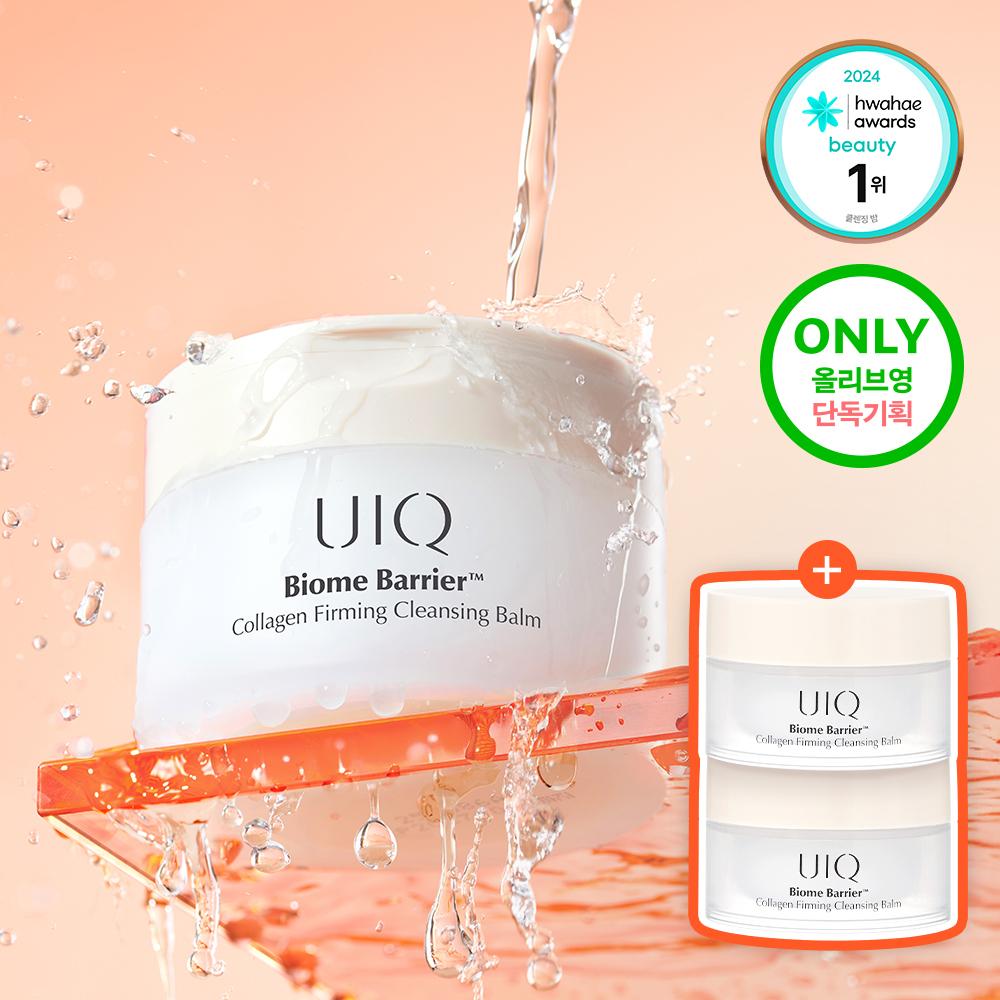
Biome Barrier Collagen Firming Cleansing Balm
UIQ
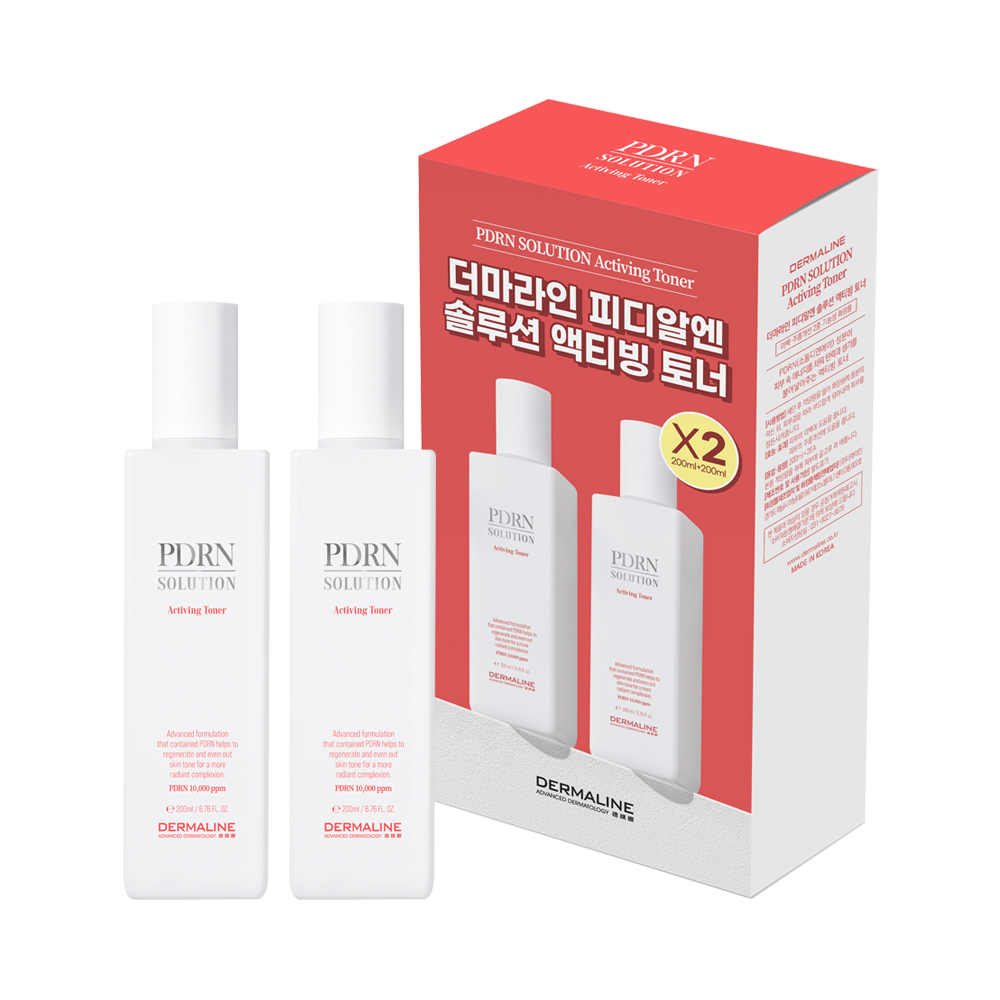
PDRN Solution Activating Toner Double Set
DERMALINE
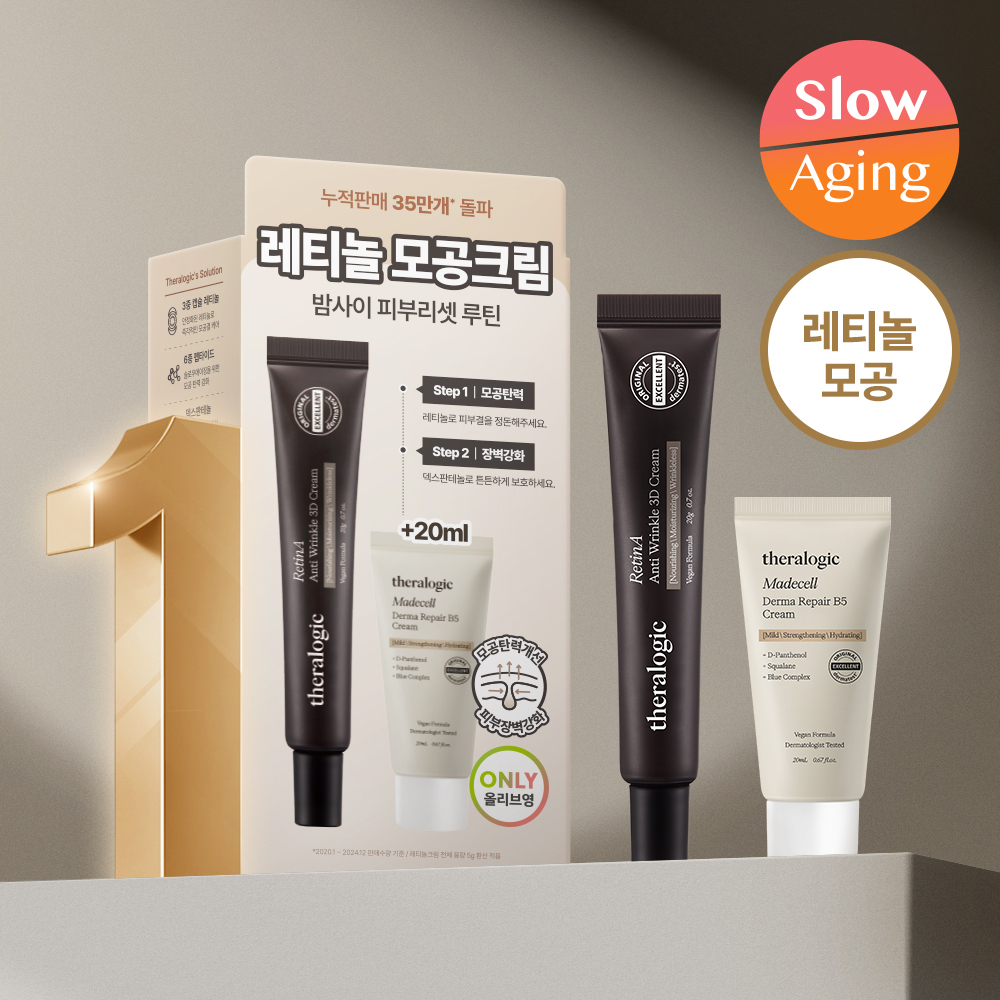
RetinA Anti Wrinkle 3D Cream Set
Theralogic
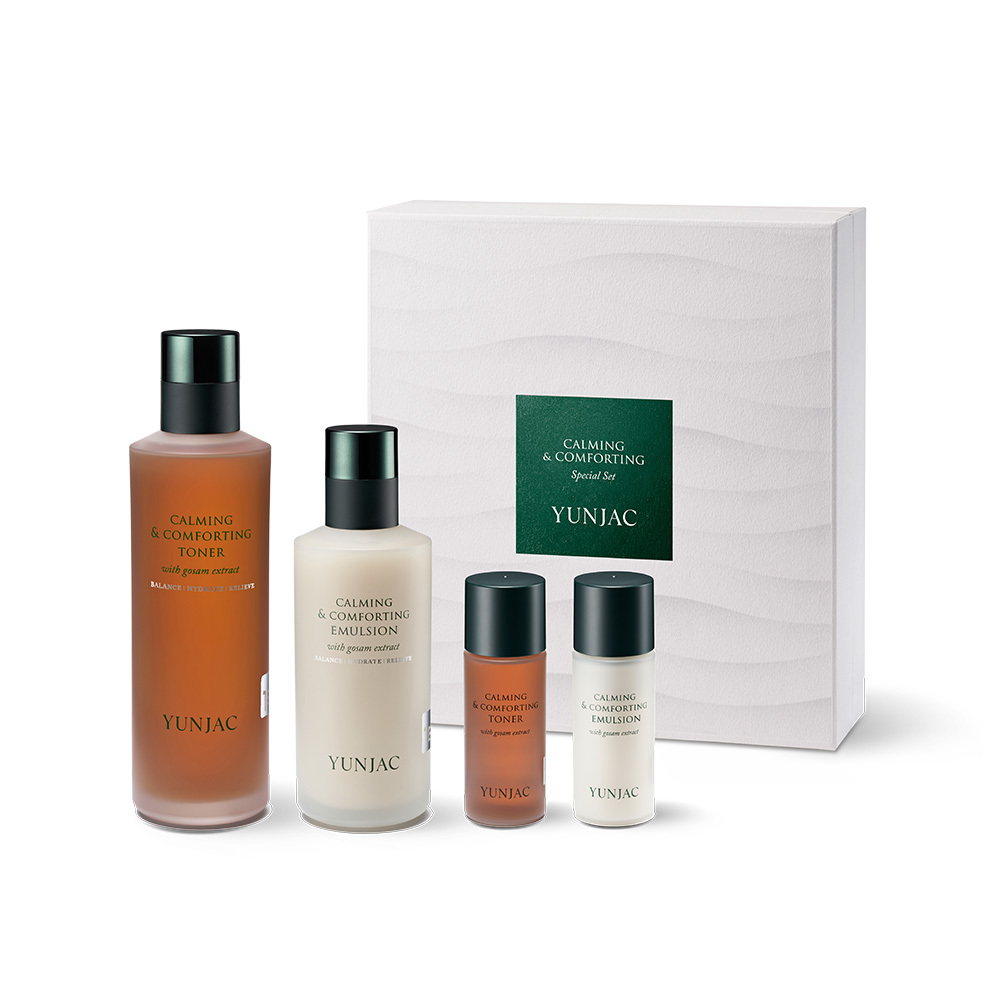
Calming & Comforting Special Set
YUNJAC
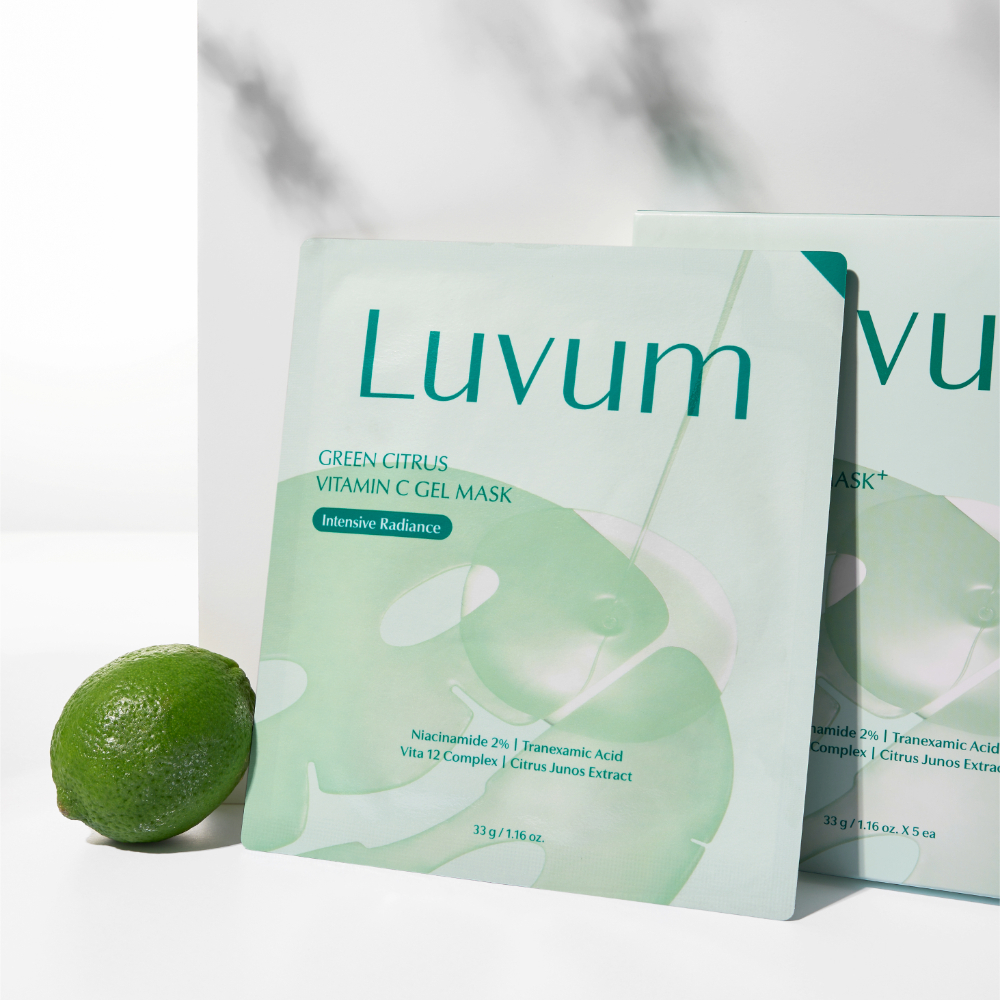
Green Citrus Vitamin C Gel Mask+ 5ea
Luvum
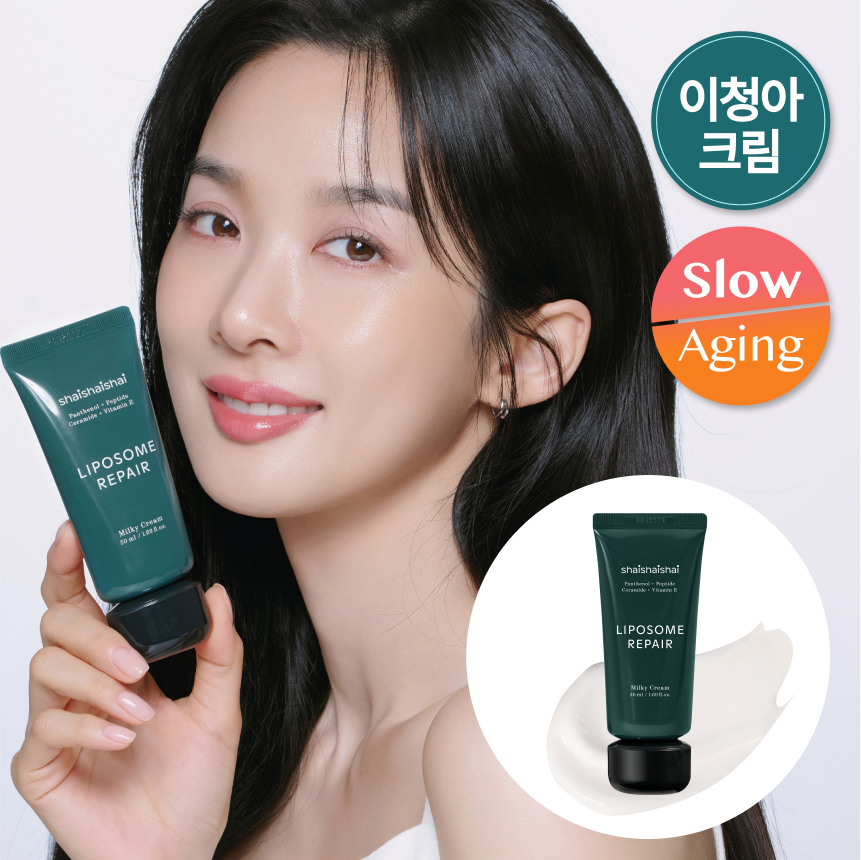
Liposome Repair Milky Cream
Shaishaishai
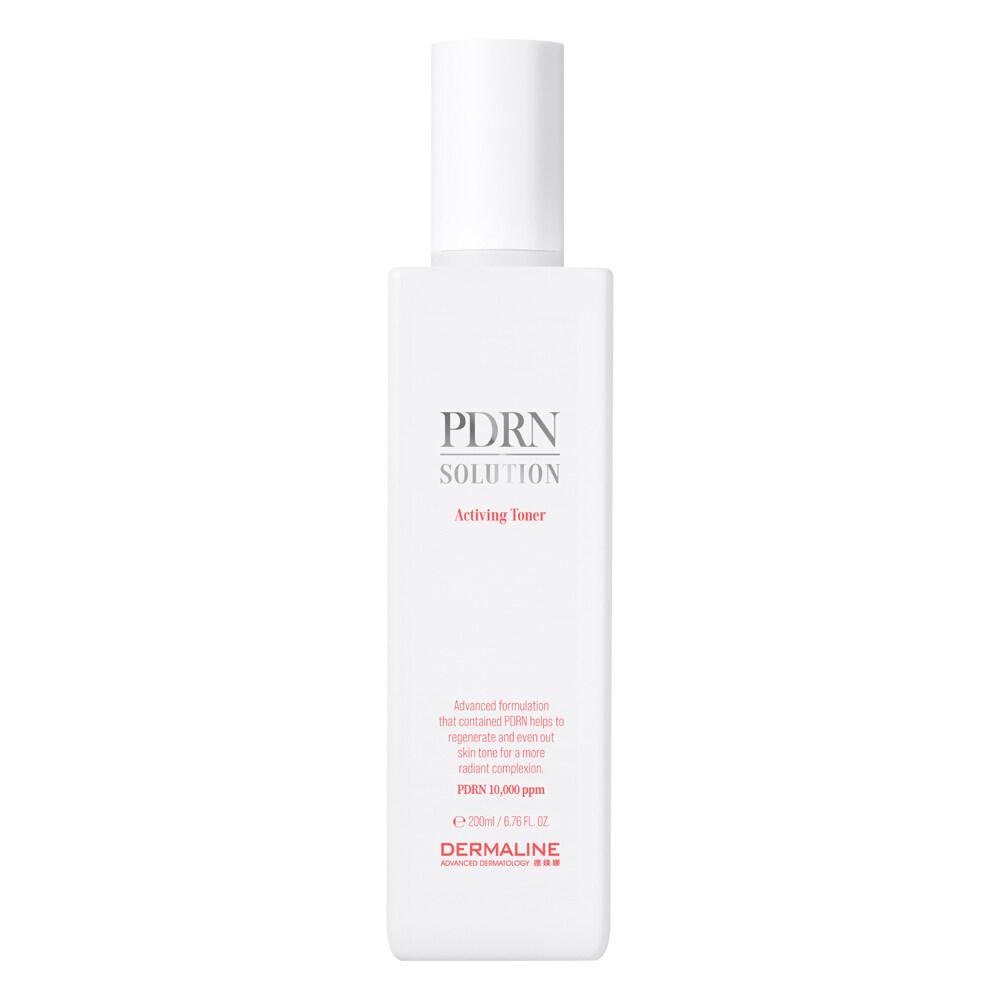
D'LEXO PDRN Solution Activating Toner
DERMALINE
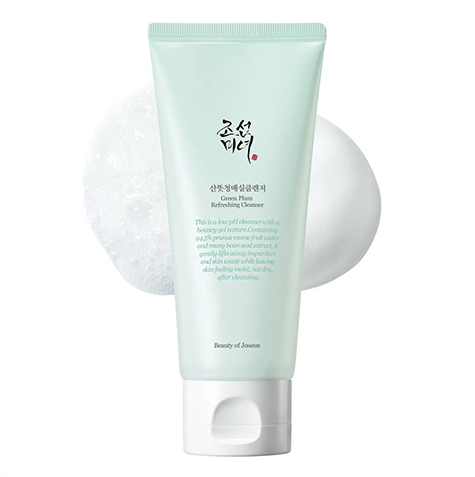
Green Plum Refreshing Cleanser
Beauty of Joseon
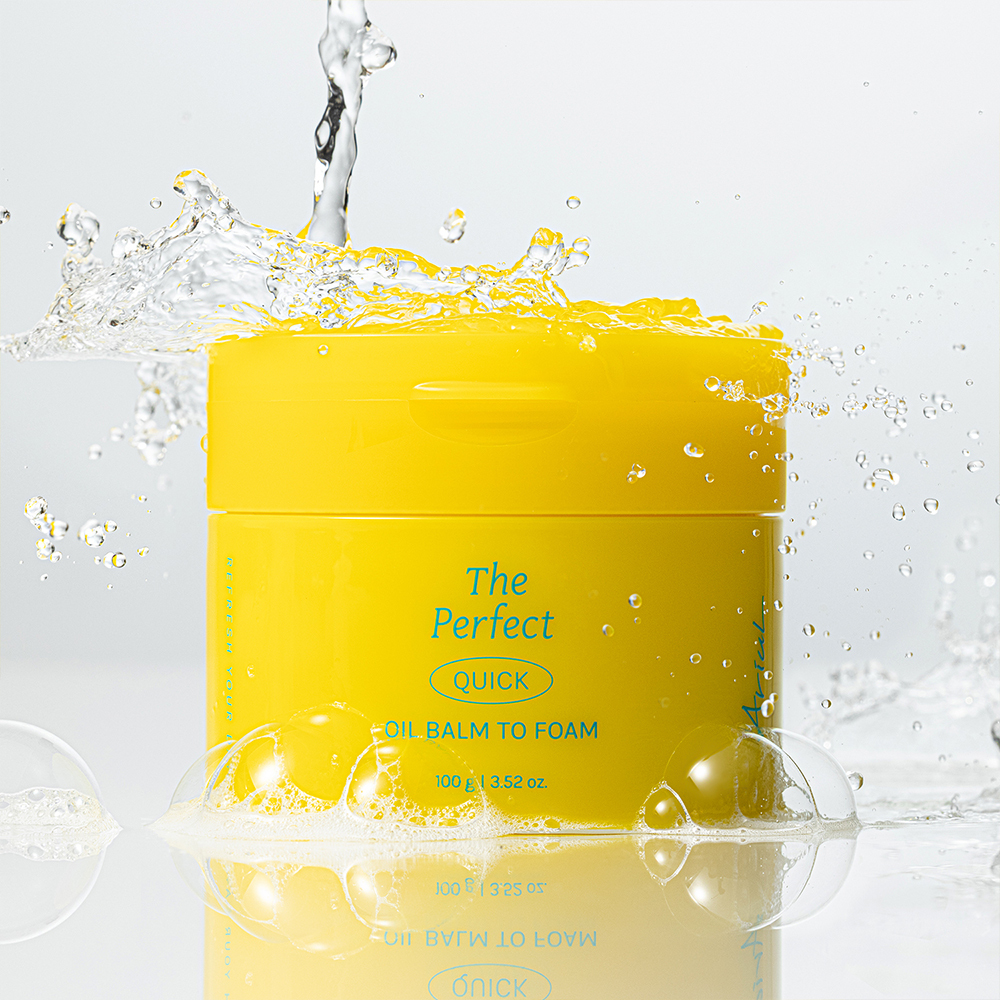
The Perfect Oil Balm To Foam
Ariul
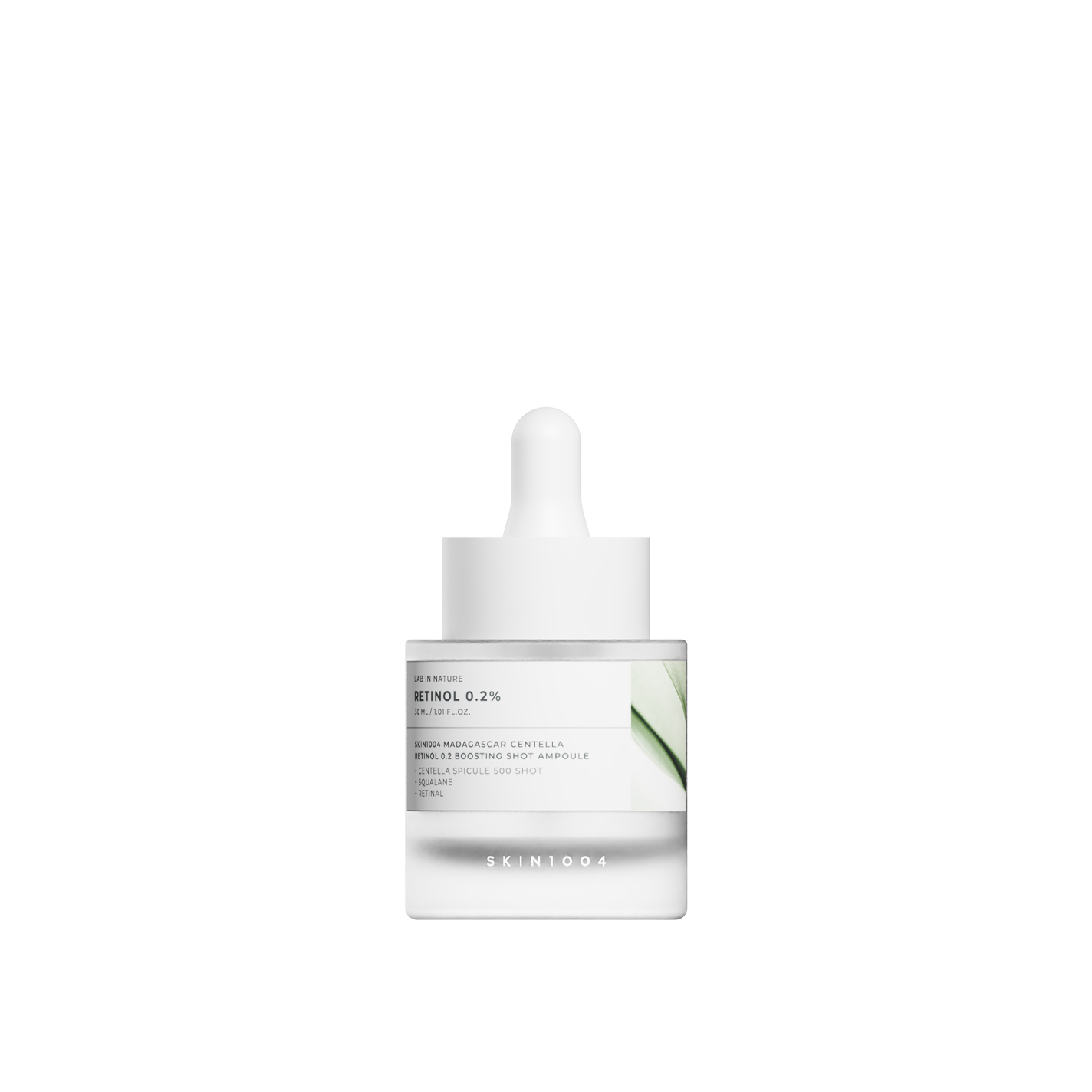
Madagascar Centella Retinol 0.2 Boosting Shot Ampoule
SKIN1004
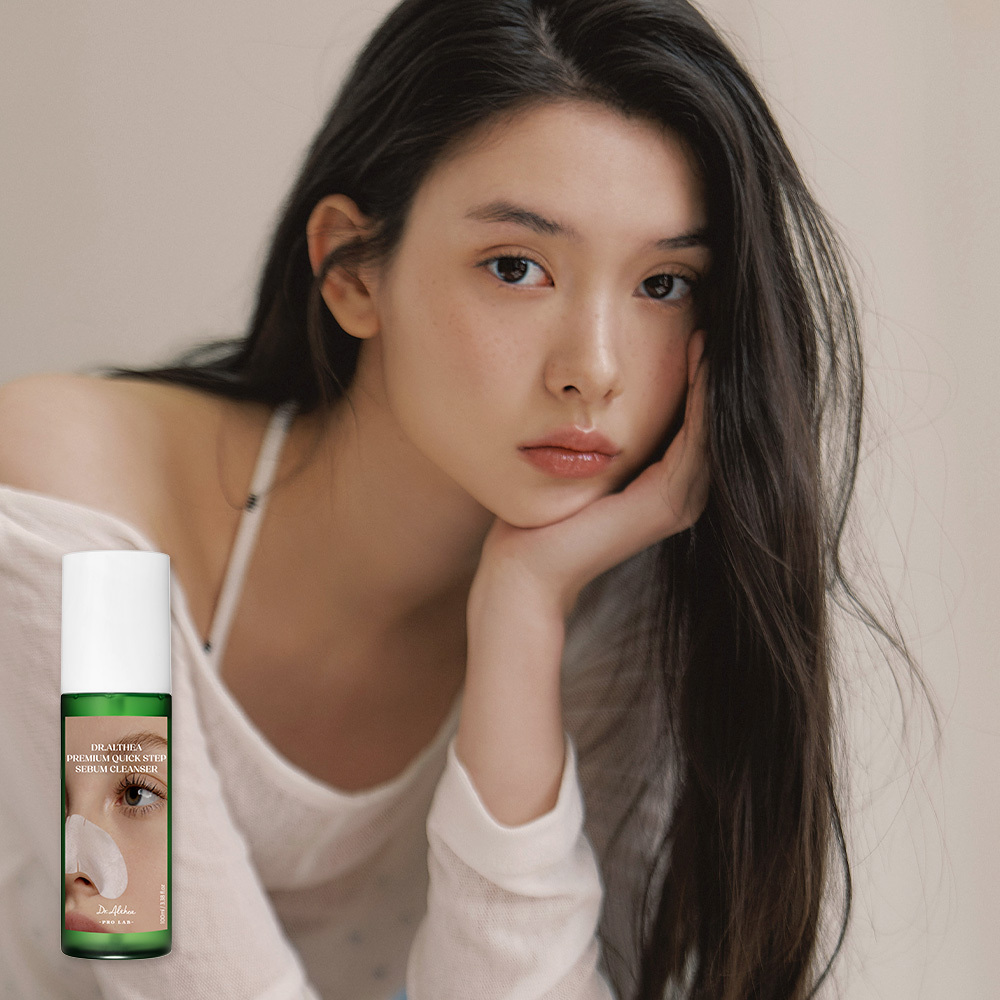
Premium Quick Step Sebum Cleanser
Dr. Althea
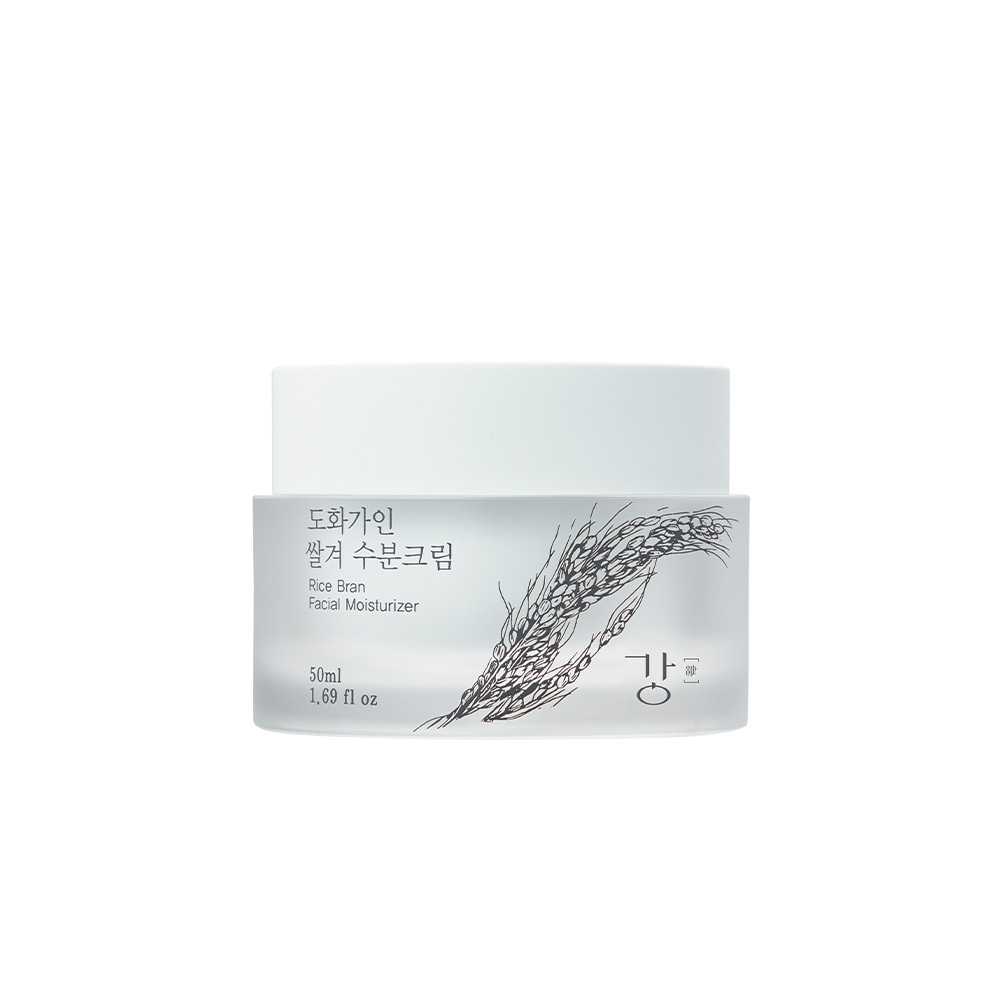
Rice Bran Facial Moisturizer
House of Dohwa
Frequently Asked Questions
How long does it take to see brightening results from mung bean extract?▼
Can I use mung bean extract if I'm pregnant or breastfeeding?▼
Does mung bean extract conflict with retinoids or AHAs?▼
Why is mung bean extract popular in K-beauty cleansing products?▼
Is mung bean extract effective for acne-prone skin?▼
Articles About Mung Bean Extract
Explore More
Want personalized ingredient advice?
Yuri, our AI beauty advisor, can tell you how Mung Bean Extract works with your specific skin type, routine, and concerns.
Ask Yuri, free