Mung Bean Sprout Extract
INCI: Phaseolus Radiatus Sprout Extract
Antioxidant and skin brightening agent
About Mung Bean Sprout Extract
Mung bean sprout extract is derived from the young shoots of Phaseolus radiatus, the same legume that gives us mung beans used in Asian cuisine. In K-beauty, this ingredient has gained recognition for its potent antioxidant properties and natural skin brightening capabilities. The extract is particularly rich in vitamins C and E, along with enzymes and amino acids that work synergistically to protect skin from environmental stressors while promoting a more even, luminous complexion. What makes mung bean sprout extract especially valuable is its gentle yet effective approach to brightening. Unlike some harsh chemical brighteners, it works by inhibiting tyrosinase, the enzyme responsible for melanin production, while simultaneously providing antioxidant protection against free radical damage. This dual action makes it a smart choice for those seeking to address hyperpigmentation, dark spots, and overall skin dullness without irritation. Korean skincare brands have embraced this ingredient not just for its efficacy but also for its natural origin and compatibility with sensitive skin. With a non-comedogenic rating of 0/5, it works beautifully across product categories, from cleansers like the Wonder Bath Super Vegitoks Packcleanser to sunscreens like Beplain's Mung Bean Cooling Moisture Sunscreen, both rated 5.0/5 on Seoul Sister.
How Mung Bean Sprout Extract Works
At the cellular level, mung bean sprout extract functions through multiple pathways. Its primary brightening mechanism involves the inhibition of tyrosinase, the rate-limiting enzyme in melanin synthesis. The extract contains natural compounds that compete with tyrosine (the melanin precursor) for binding sites on the tyrosinase enzyme, effectively slowing down the production of new pigment. Simultaneously, the high concentration of vitamin C and E provides robust antioxidant activity by neutralizing reactive oxygen species (ROS) that can trigger inflammatory hyperpigmentation and accelerate skin aging. The extract also contains vitexin and isovitexin, flavonoid compounds that strengthen this antioxidant network while supporting the skin's natural repair processes. Additionally, the amino acids present in the sprouts support protein synthesis and barrier function, helping skin maintain proper hydration and resilience. This multi-targeted approach means you're not just preventing new dark spots but also protecting existing skin cells from the oxidative stress that can lead to premature aging and uneven texture.
Mung Bean Sprout Extract by Skin Type
Oily Skin
Mung bean sprout extract is ideal for oily skin thanks to its zero comedogenic rating and lightweight nature. The antioxidants help control inflammation that can trigger excess sebum production, while the brightening properties address post-acne marks without adding heaviness or clogging pores.
Dry Skin
This ingredient works well for dry skin when formulated in hydrating bases like the S.Nature Aqua Squalane Moisturizing Cream Wrapping Mask (5.0/5). The amino acids support barrier repair and moisture retention, while the antioxidants protect compromised skin from environmental damage that can worsen dryness.
Combo Skin
Combination skin benefits from mung bean sprout extract's balanced profile. It addresses brightness and texture concerns in the T-zone without aggravating dryness on cheeks, making it perfect for products like the Heartleaf Essence Pad Clear Touch by Abib (4.9/5) that need to work across multiple skin zones.
Sensitive Skin
With a safety rating of 4/5 and plant-based origins, mung bean sprout extract is generally well-tolerated by sensitive skin. Its gentle brightening action provides an alternative to potentially irritating ingredients like high-percentage vitamin C or hydroquinone, though those with legume allergies should patch test first.
Normal Skin
Normal skin types can fully leverage mung bean sprout extract's preventative benefits. Regular use helps maintain even tone, protects against environmental aging, and supports overall skin health without disrupting the balanced state that normal skin naturally maintains.
How to Use Mung Bean Sprout Extract
- 1Layer mung bean sprout extract products in the serum or essence step of your routine for maximum absorption and brightening impact.
- 2Pair with sunscreen (like Beplain's Mung Bean Cooling Moisture Sunscreen) since antioxidants and SPF work synergistically to prevent new pigmentation.
- 3Use consistently for 4-6 weeks to see visible brightening results, as tyrosinase inhibition works gradually to reduce existing pigmentation.
- 4Combine with other gentle brightening ingredients like niacinamide or licorice root for enhanced effects without irritation.
- 5Apply to clean skin immediately after cleansing when using essence pads or toners containing this ingredient for better penetration.
Background
Mung beans have been cultivated in Asia for over 4,000 years, with ancient Ayurvedic and Traditional Chinese Medicine texts documenting their use for detoxification and skin health. In TCM, mung beans are considered cooling foods that clear heat and toxins from the body, and this philosophy extended to topical applications for inflamed or troubled skin. Korean beauty brands began extracting and isolating compounds from mung bean sprouts in the early 2000s as the industry shifted toward botanical actives with scientific backing. The sprouts, rather than the mature beans, became preferred sources because the germination process increases the bioavailability of vitamins, enzymes, and antioxidant compounds. This ingredient represents K-beauty's signature approach of taking traditional ingredients and validating them through modern cosmetic science, creating products that honor heritage while delivering measurable results.
K-Beauty Products with Mung Bean Sprout Extract
View all 28 →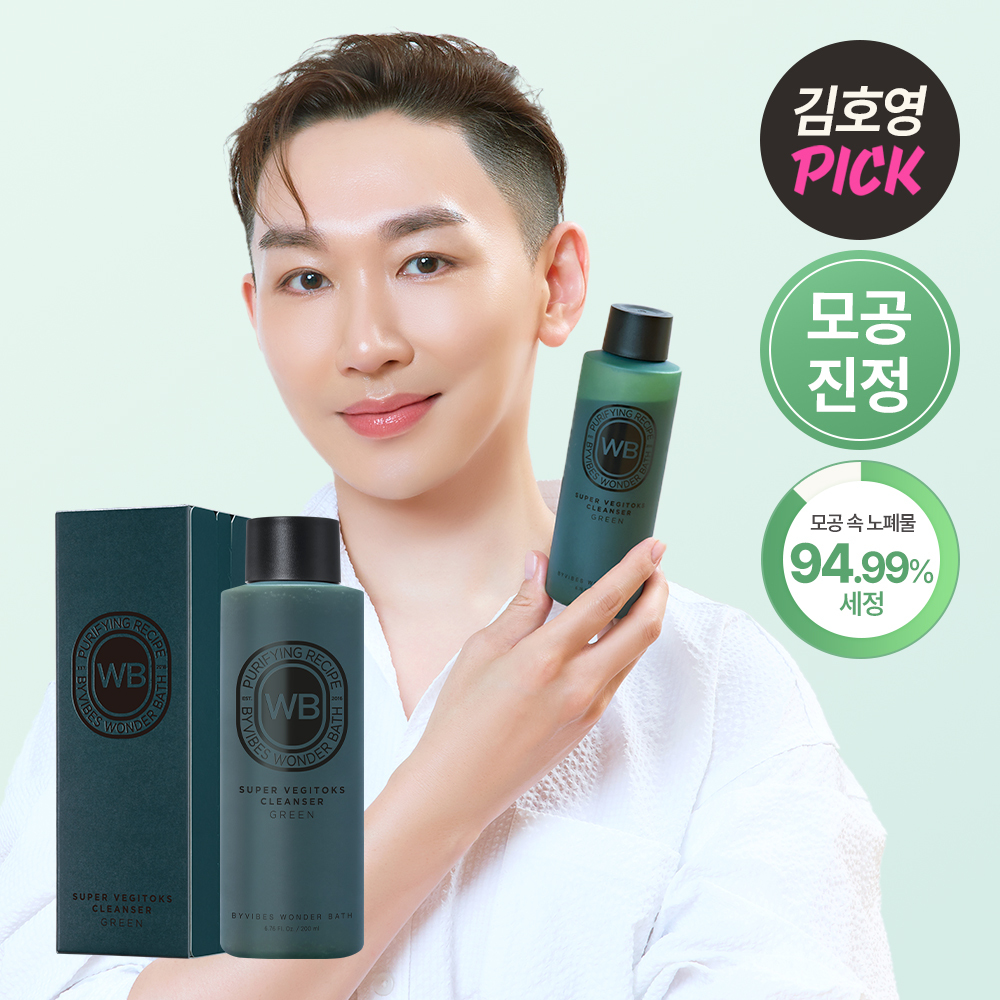
Wonder Bath Super Vegitoks Packcleanser
Chosungah Beauty
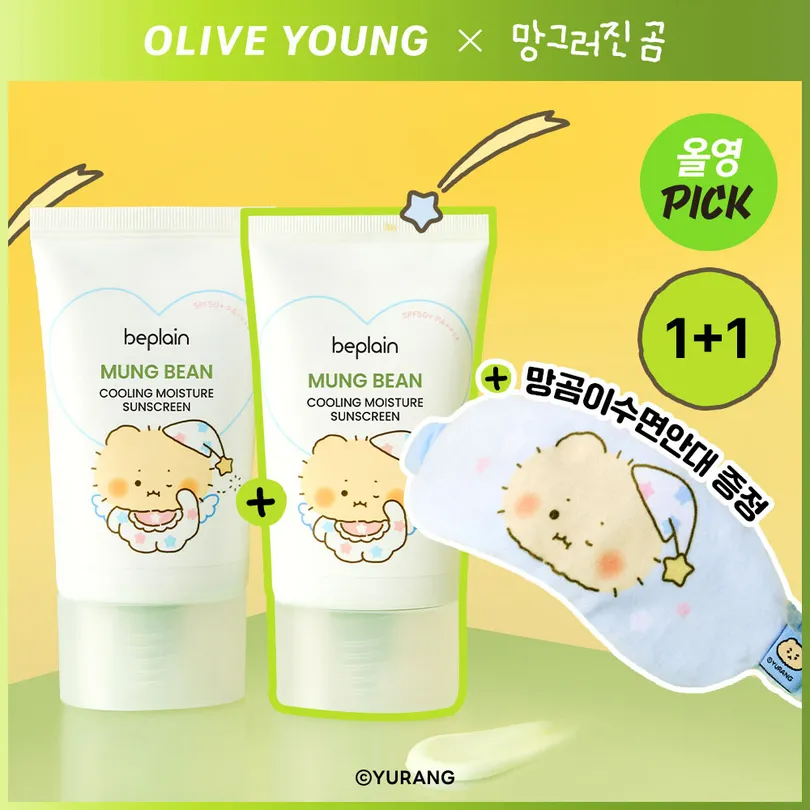
Mung Bean Cooling Moisture Sunscreen
Beplain
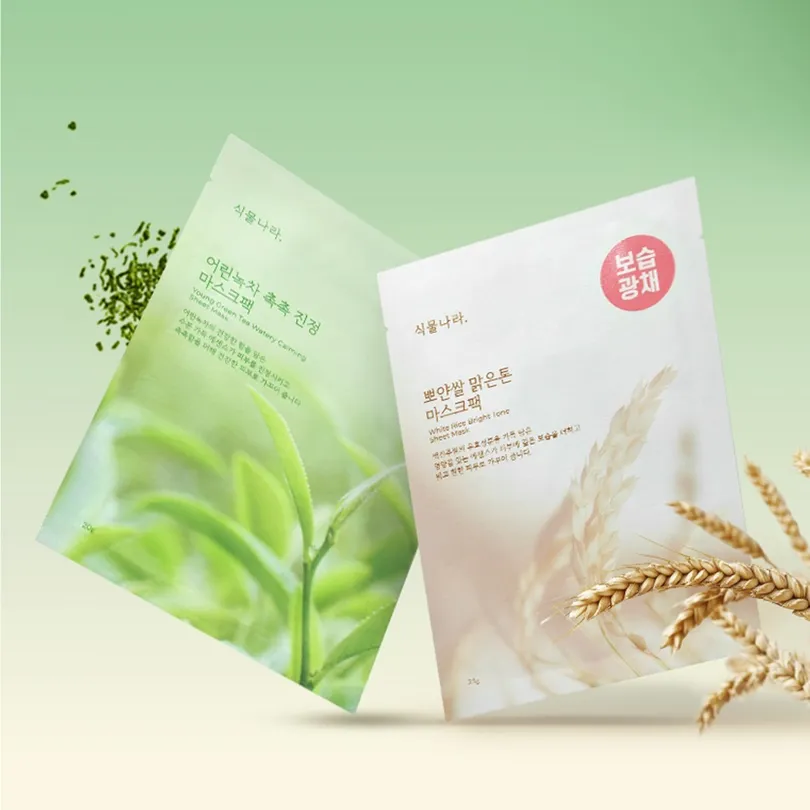
White Rice Bright Tone Sheet Mask
Shingmulnara
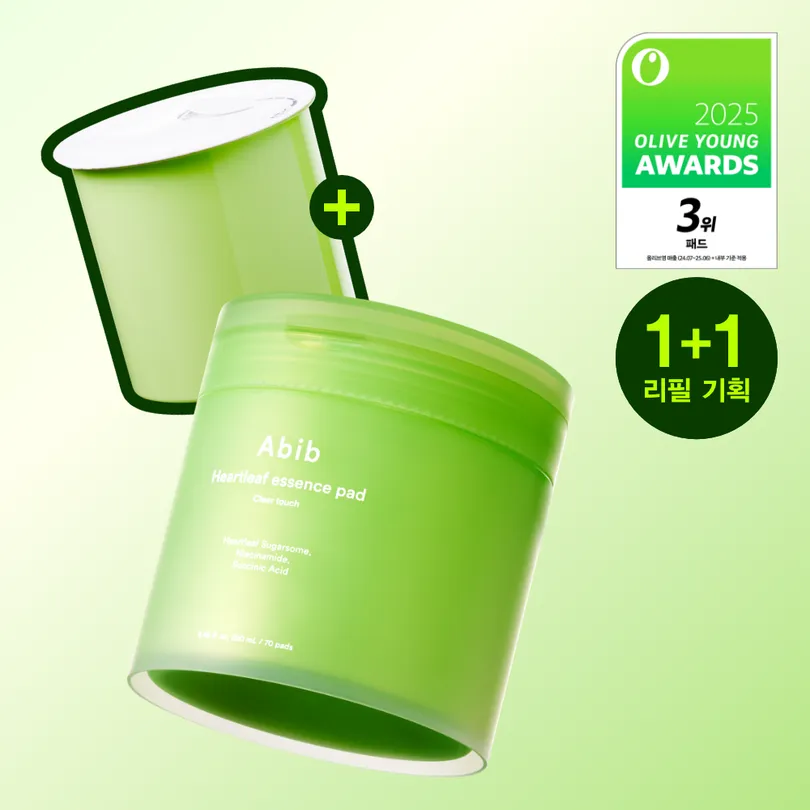
Heartleaf Essence Pad Clear Touch 70P Refill Set
Abib
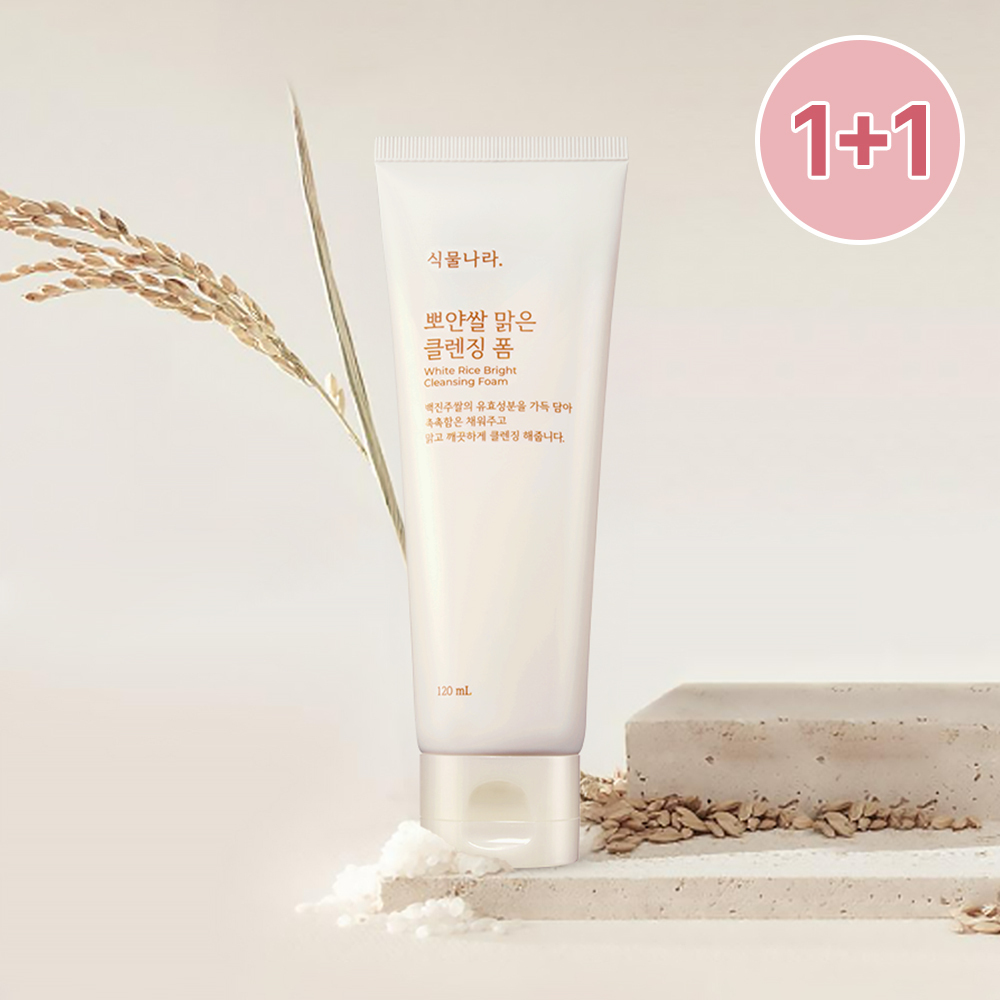
White Rice Bright Cleansing Foam
Shingmulnara
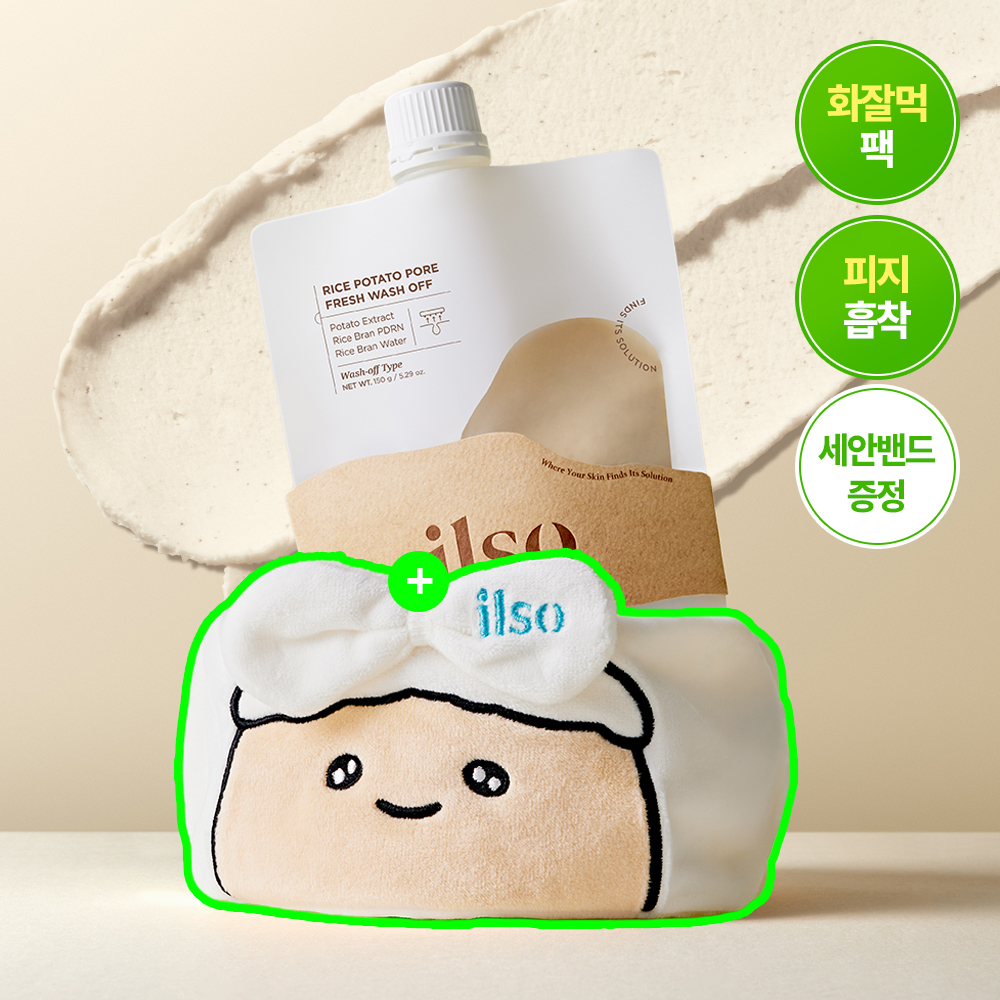
Rice Potato Pore Fresh Wash Off Mask
Ilso
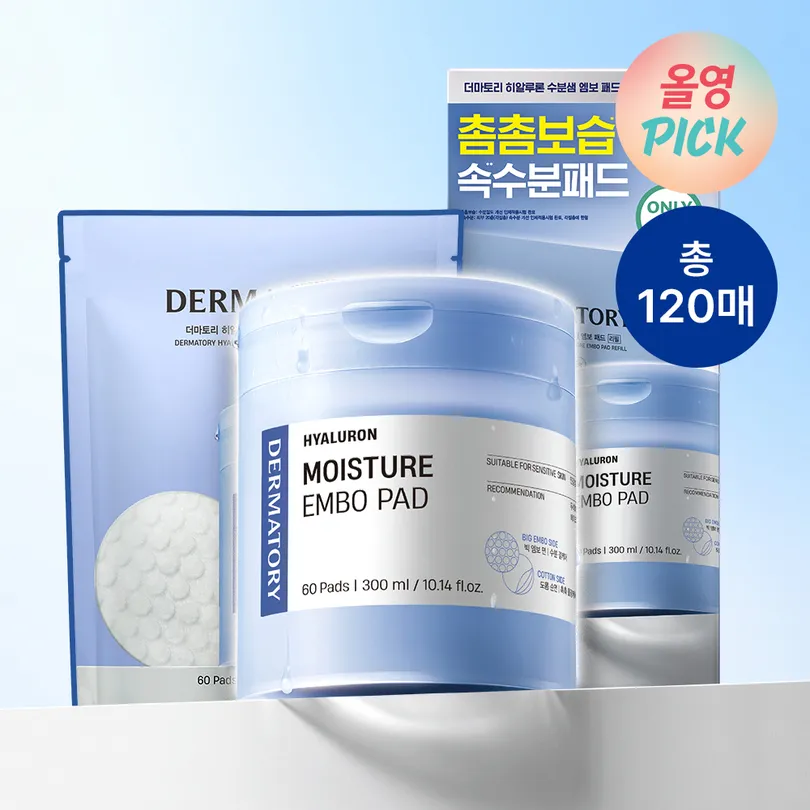
Hyalluron Moisture Embo Pad 60P Set + Refill 60P
Dermatory
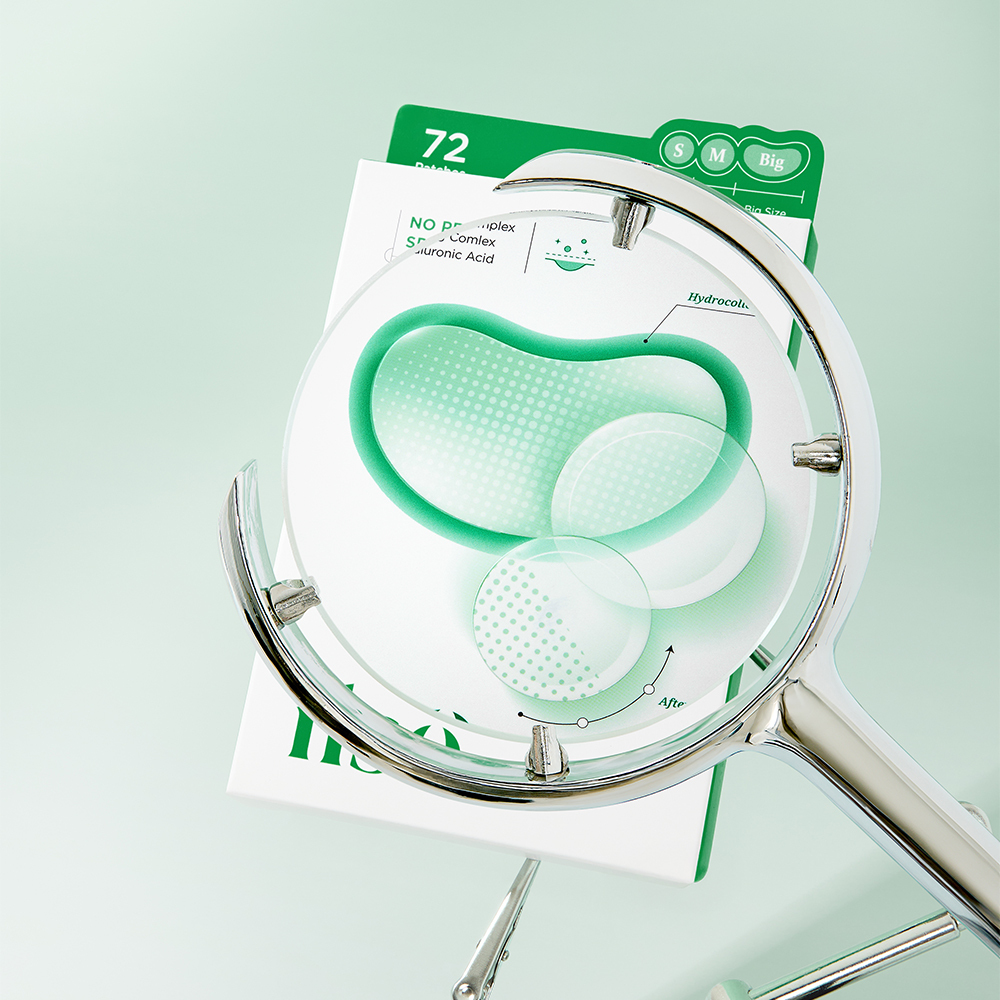
No Problem Spot Patch 72P
Ilso
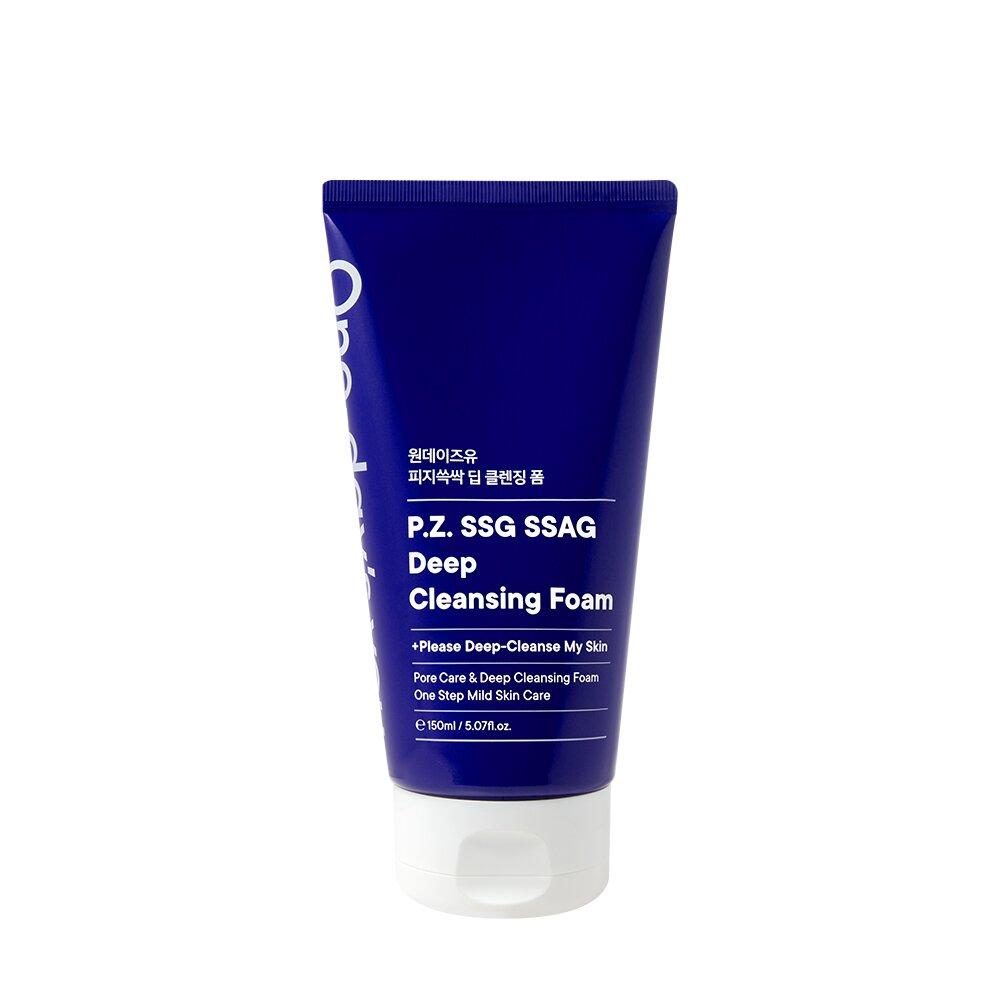
P.Z. SSG SSAG Deep Cleansing Foam
Beplain
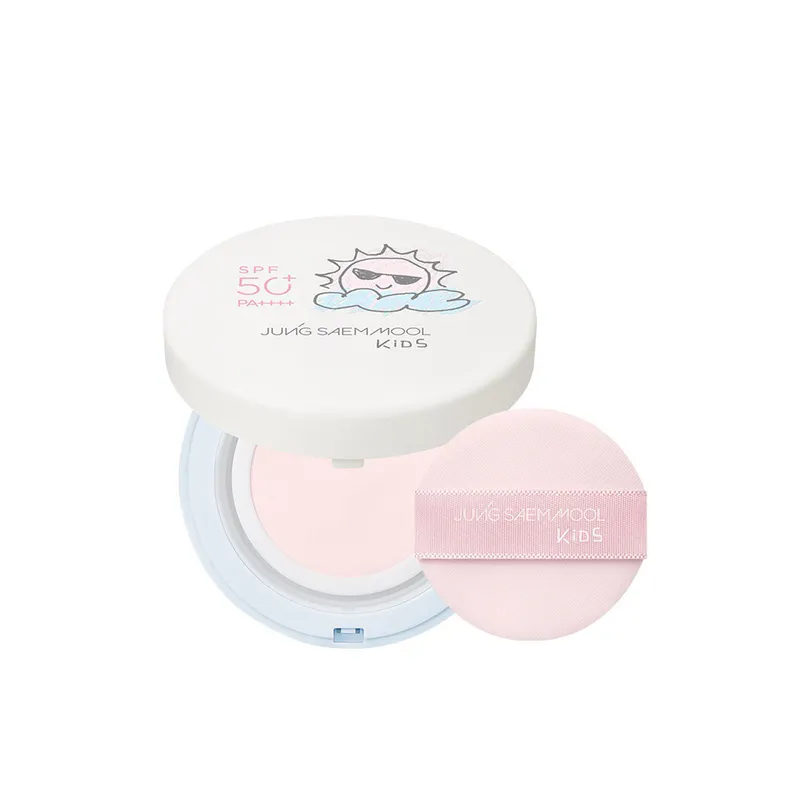
Kids Mild Sun Cushion
JUNGSAEMMOOL
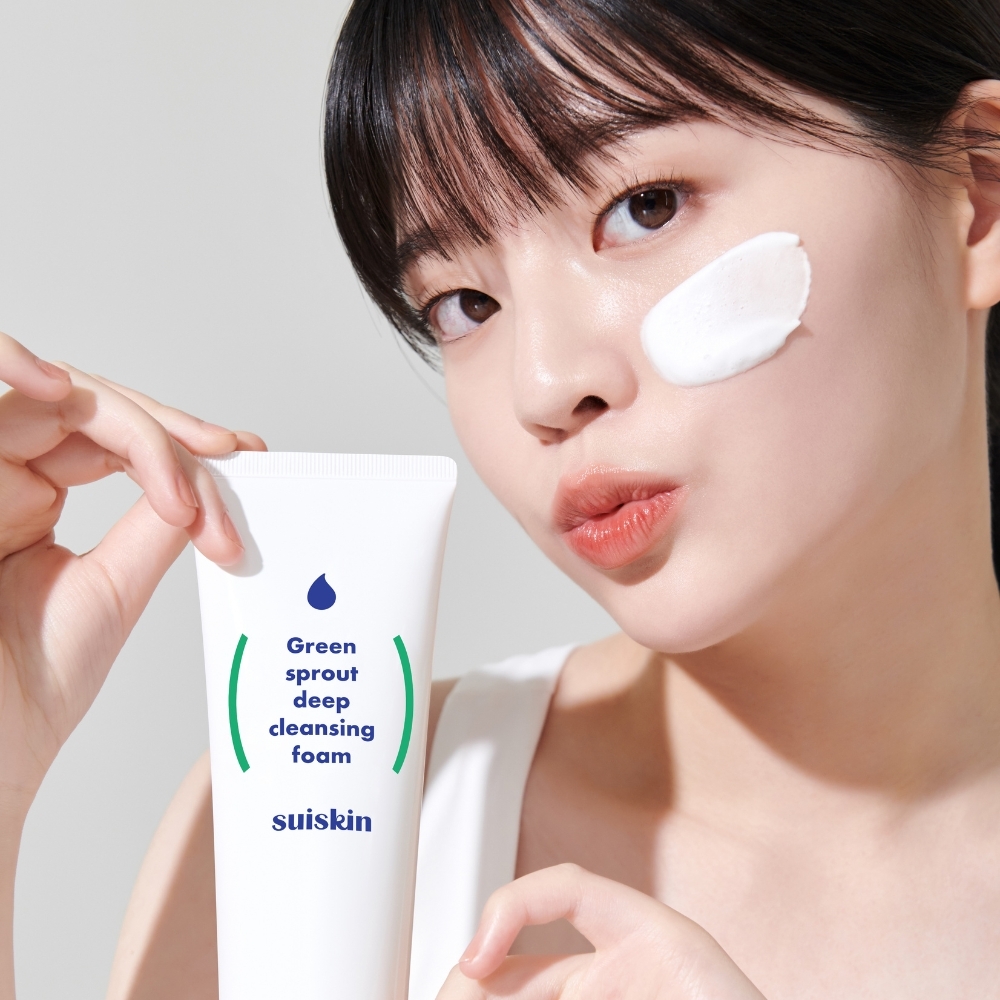
Green Sprout Deep Cleansing Foam
Suiskin
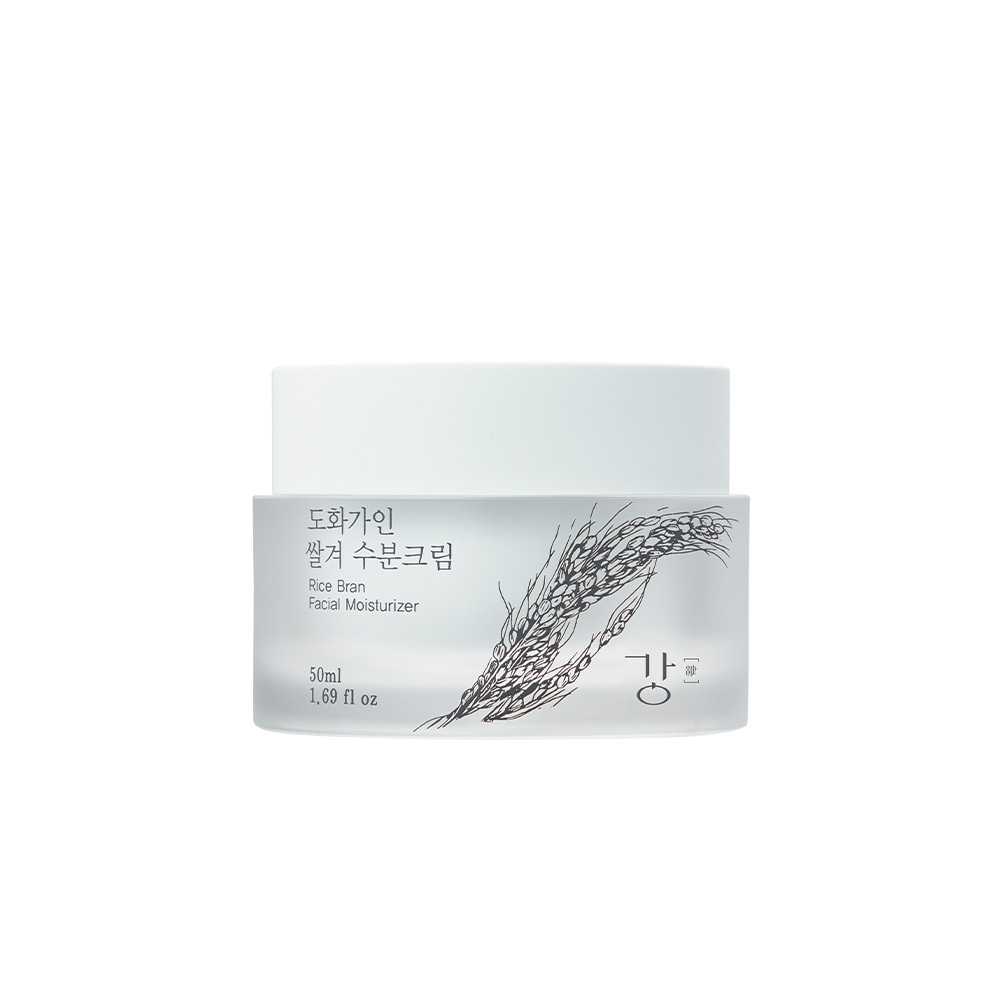
Rice Bran Facial Moisturizer
House of Dohwa
Frequently Asked Questions
Is mung bean sprout extract safe if I have a soy or legume allergy?▼
How does mung bean sprout extract compare to vitamin C for brightening?▼
Can I use mung bean sprout extract products every day?▼
Will this ingredient help with acne scars and dark spots?▼
Explore More
Want personalized ingredient advice?
Yuri, our AI beauty advisor, can tell you how Mung Bean Sprout Extract works with your specific skin type, routine, and concerns.
Ask Yuri, free