Phenylalanine
INCI: phenylalanine
Amino acid for skin conditioning
About Phenylalanine
Phenylalanine is an essential amino acid that plays a surprisingly important role in K-beauty formulations, particularly in products focused on brightening and skin barrier support. As one of the nine amino acids your body cannot produce on its own, phenylalanine must be obtained through diet or topical application. In skincare, it functions as both a skin conditioning agent and a precursor to tyrosine, another amino acid crucial for melanin production. This dual role makes phenylalanine particularly interesting in Korean beauty formulations, where it appears in 177 products across the Seoul Sister database, often in cleansers and essences. While it doesn't have the star power of niacinamide or vitamin C, phenylalanine works quietly behind the scenes to support skin's natural moisture retention, improve texture, and help maintain the amino acid balance essential for healthy skin function. Korean brands have embraced this ingredient as part of the broader trend toward biomimetic skincare, formulations that mirror the skin's natural composition to achieve better compatibility and results.
How Phenylalanine Works
At the molecular level, phenylalanine contributes to skin health through multiple pathways. As an amino acid building block, it integrates into the skin's natural moisturizing factor (NMF), a complex mixture of water-binding compounds in the stratum corneum that keeps skin hydrated and supple. When applied topically, phenylalanine can be absorbed into the upper layers of skin where it helps reinforce the barrier function by supporting the production of structural proteins. Additionally, phenylalanine serves as a precursor to tyrosine, which is then converted to melanin through enzymatic processes. This connection to melanin synthesis is why some formulations use phenylalanine derivatives in brightening treatments, where controlled melanin production is desired. The amino acid also demonstrates humectant properties, attracting and binding water molecules to the skin surface, which explains its prevalence in cleansing formulations where maintaining moisture during the cleansing process is critical.
Phenylalanine by Skin Type
Oily Skin
Phenylalanine works well for oily skin types, particularly in the amino acid-based cleansers where it frequently appears. With a comedogenic rating of 0/5, it won't clog pores or contribute to breakouts. Its presence in high-rated cleansers like the Lacto Soy Enzyme Deep Cleansing Foam (4.9/5) suggests it helps remove excess oil while maintaining skin's moisture balance.
Dry Skin
This ingredient is especially beneficial for dry skin because of its role in the natural moisturizing factor. Phenylalanine helps attract and retain water in the skin's upper layers, supporting hydration without heavy occlusives. Its appearance in products like the Secret Rice Nuruk Daily Exfoliating Cleanser (5.0/5) indicates it can help prevent the tight, stripped feeling that dry skin types often experience after cleansing.
Combo Skin
Combination skin benefits from phenylalanine's balanced approach to hydration. It provides moisture where needed without overloading oilier zones. The ingredient's non-comedogenic nature means it won't exacerbate oil production in the T-zone while still supporting barrier function in drier areas like the cheeks.
Sensitive Skin
With a solid safety rating of 4/5, phenylalanine is generally well-tolerated by sensitive skin. As a naturally occurring component of skin's amino acid profile, it's recognized by the body and less likely to trigger irritation compared to synthetic alternatives. Its conditioning properties help soothe and support compromised barriers often seen in sensitive skin types.
Normal Skin
Normal skin types can use phenylalanine-containing products to maintain their balanced state. The amino acid supports the skin's existing healthy barrier function and moisture levels, helping to preserve that coveted equilibrium. Its presence across multiple product categories means normal skin can benefit from it in various steps of a routine.
How to Use Phenylalanine
- 1Look for phenylalanine in cleansers if you're concerned about maintaining hydration during the cleansing step, as 5 of the top-rated products containing this ingredient are cleansing formulations.
- 2Amino acids like phenylalanine work synergistically with other NMF components (like glycerin, hyaluronic acid, and other amino acids), so consider layering products that contain complementary humectants.
- 3Morning application in a cleanser or essence can help set a hydrated foundation for the rest of your routine, as amino acids support skin's moisture retention throughout the day.
- 4If you're using products with phenylalanine derivatives for brightening purposes, consistency is key—amino acid benefits build over time rather than providing instant results.
Background
Phenylalanine was first isolated from a natural source in 1879 by German chemist Schulze and Barbieri, who extracted it from lupine seedlings. As one of the first amino acids to be discovered, it has a long history in biochemistry research. The transition to skincare came much later, as cosmetic scientists in the 1980s and 1990s began exploring how amino acids could support skin barrier function. Korean beauty brands, with their emphasis on biomimetic formulations and gentle yet effective ingredients, incorporated phenylalanine into cleansers and treatment products as part of the broader amino acid trend in the 2010s. The ingredient gained particular traction in Japan and Korea, where fermentation-based skincare traditions aligned well with amino acid technology. Today, phenylalanine appears in sophisticated formulations that recognize skin as a complex ecosystem requiring a full spectrum of amino acids for optimal function.
K-Beauty Products with Phenylalanine
View all 193 →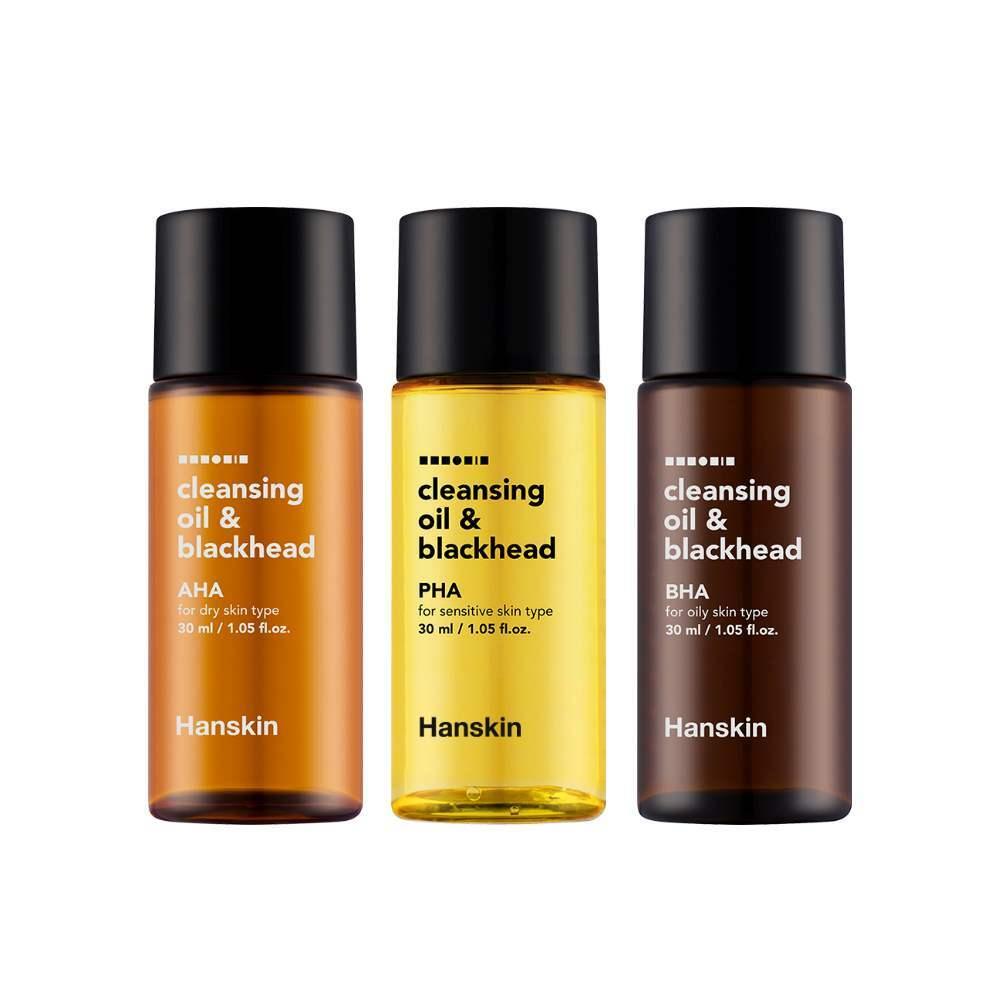
Cleansing Oil & Blackhead 3P Travel Kit
Hanskin
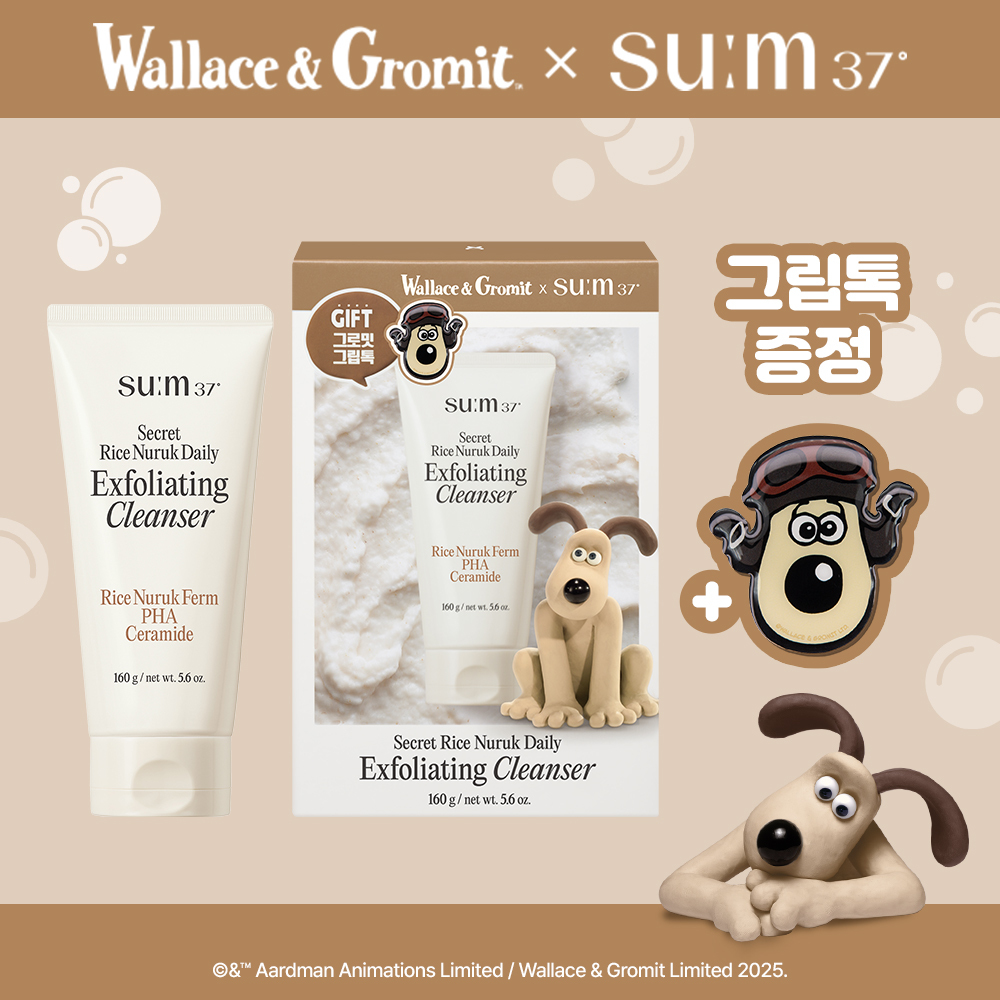
Secret Rice Nuruk Daily Exfoliating Cleanser
SUM37
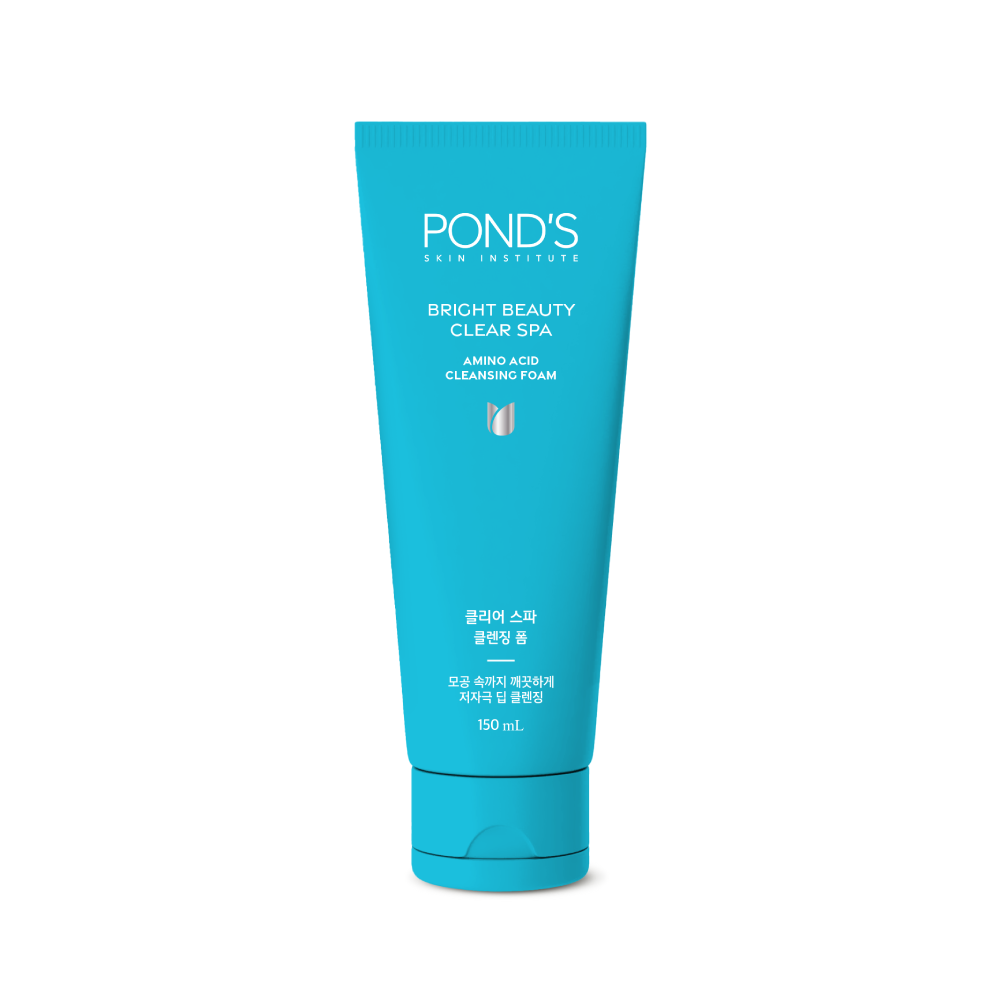
Bright Beauty Clear Spa Amino Acid Cleansing Foam
Pond's

Reedle Shot 100 Essence Double Pack
VT
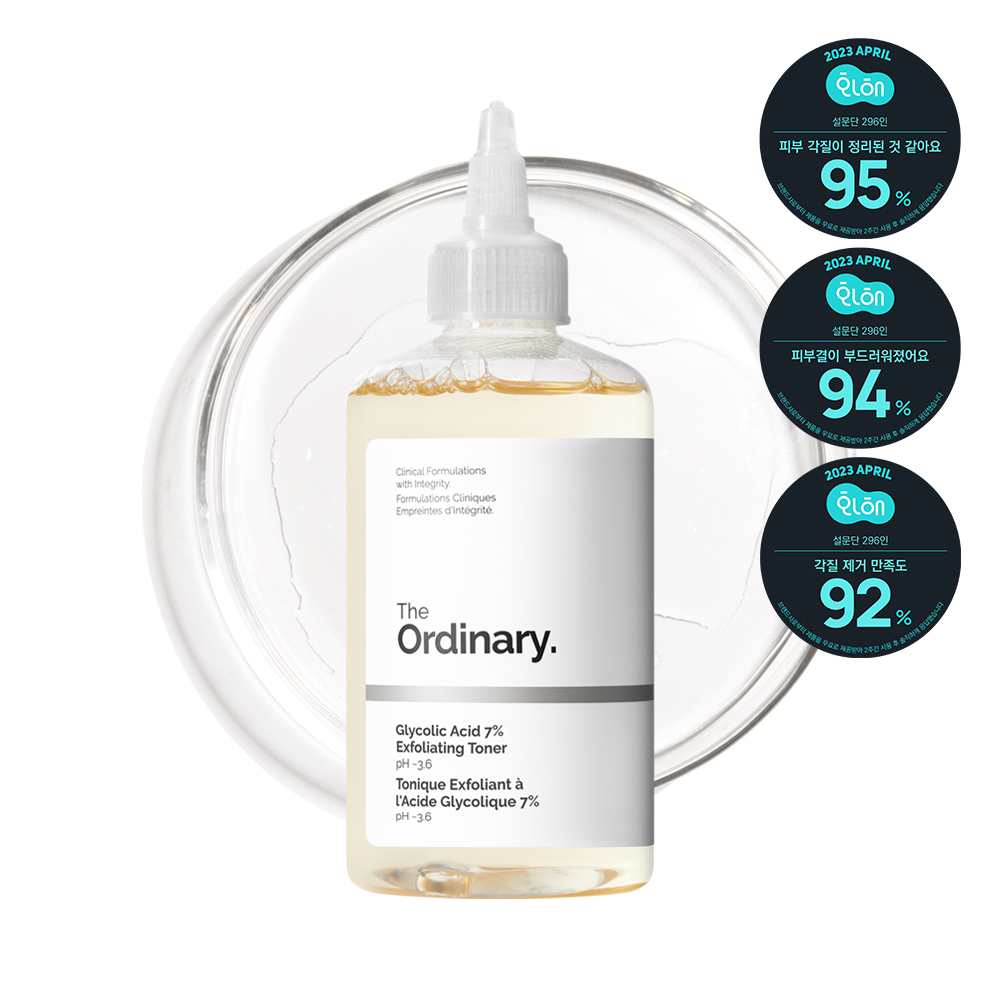
Glycolic Acid 7% Exfoliating Toner
The Ordinary
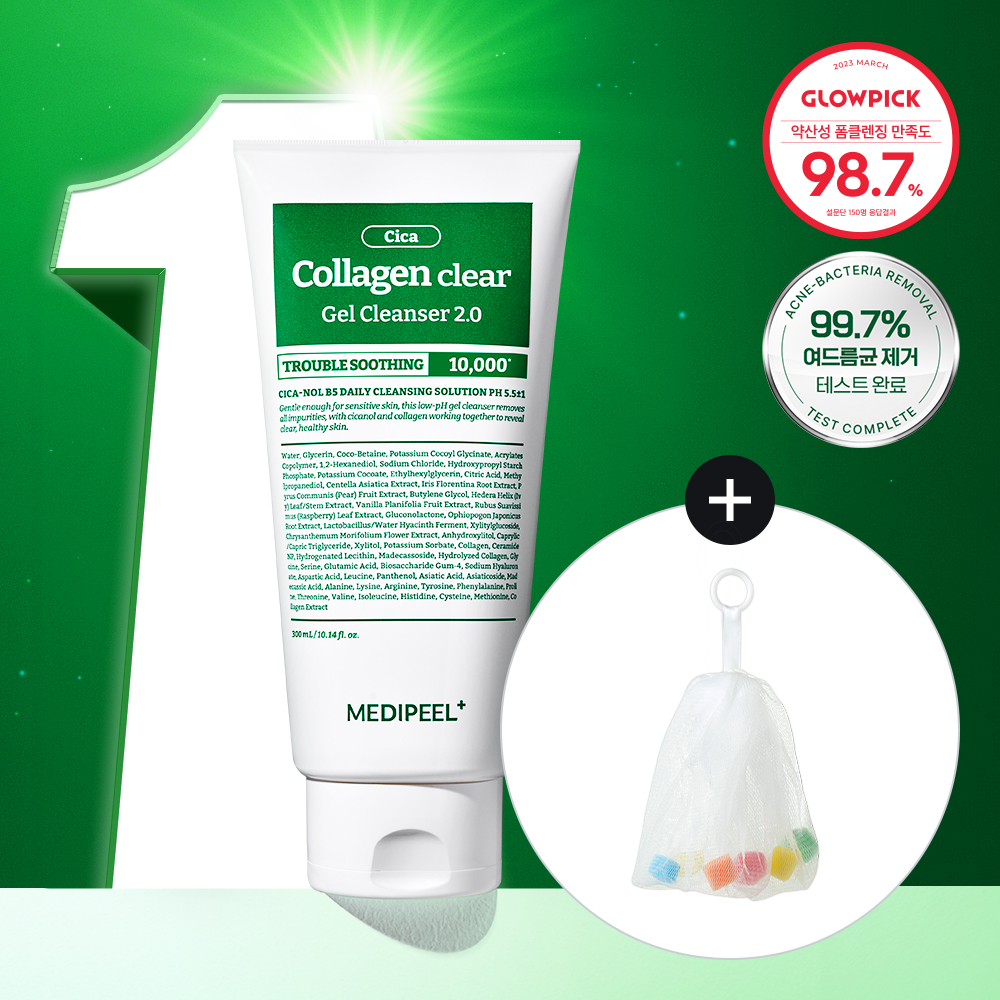
Green Cica Collagen Clear 2.0 Special Set
Medi-Peel
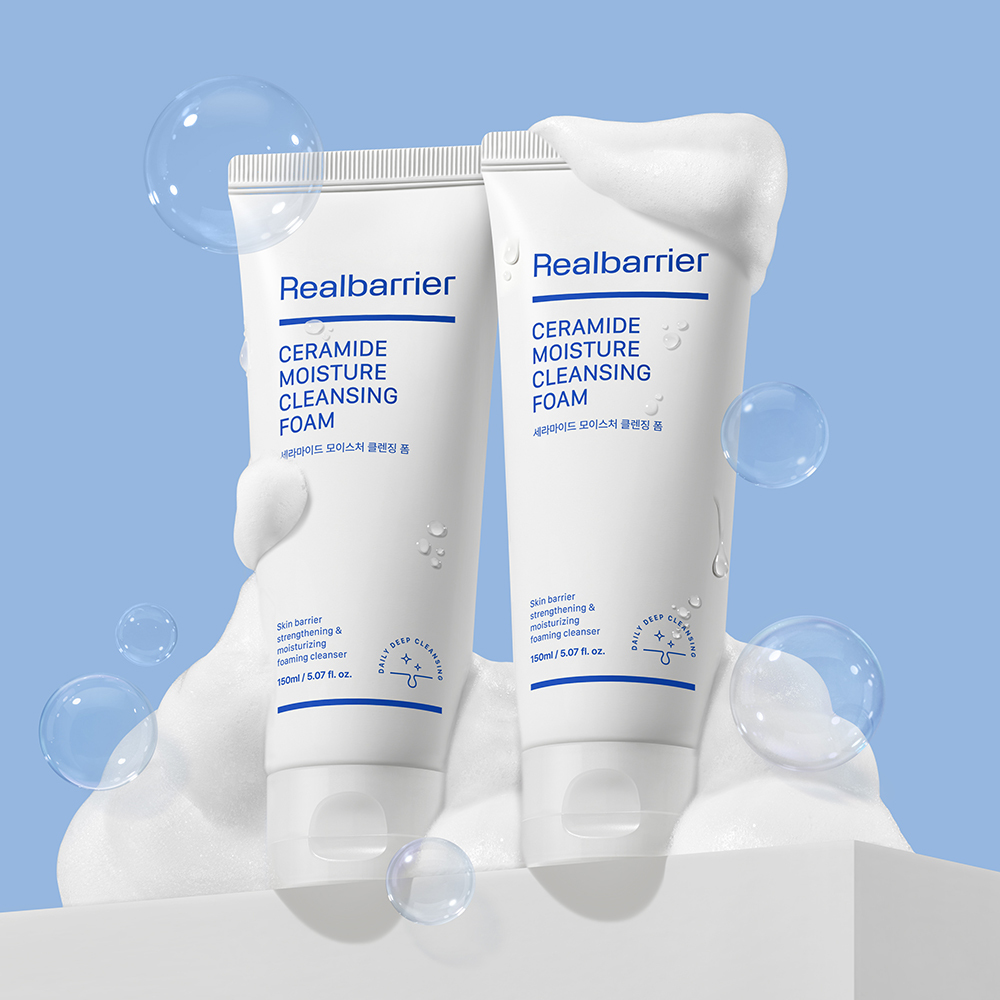
Ceramide Moisture Cleansing Foam
Real Barrier
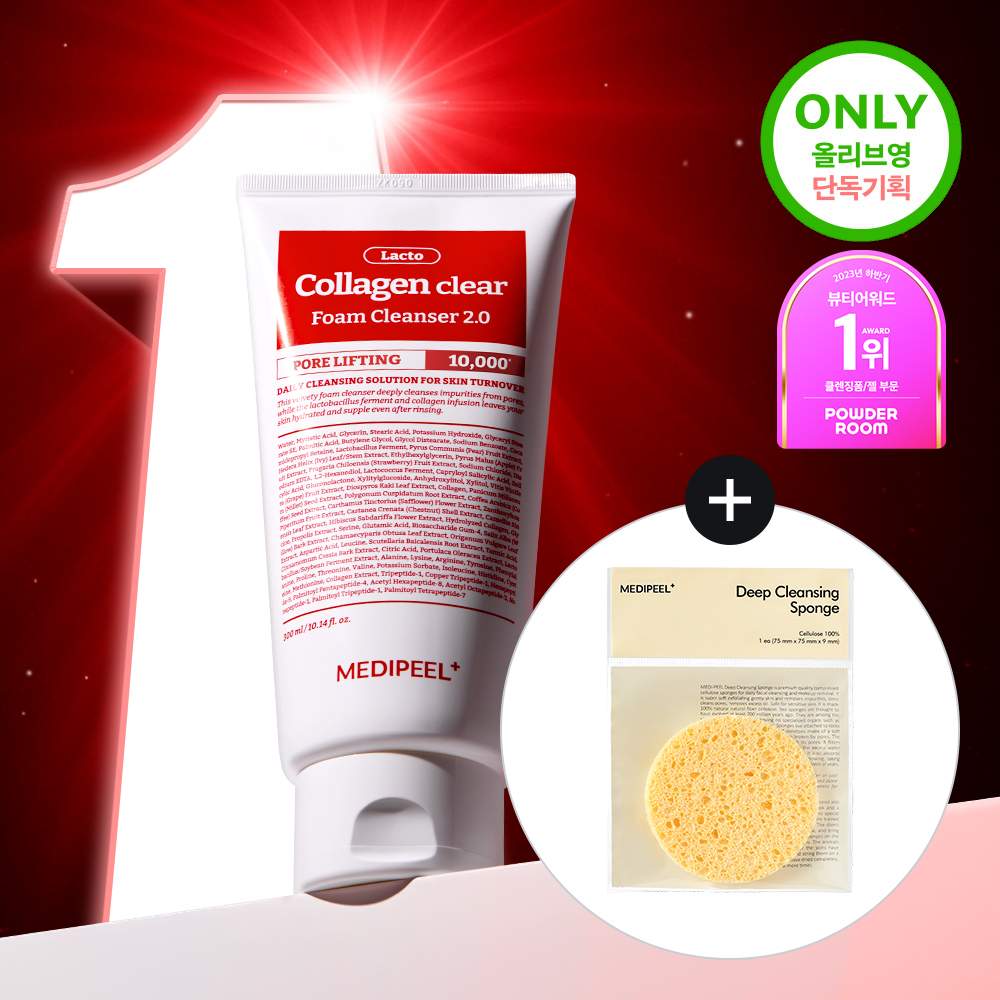
Red Lacto Collagen Clear 2.0 Special Set
Medi-Peel

Reedle Shot 300 Essence
VT
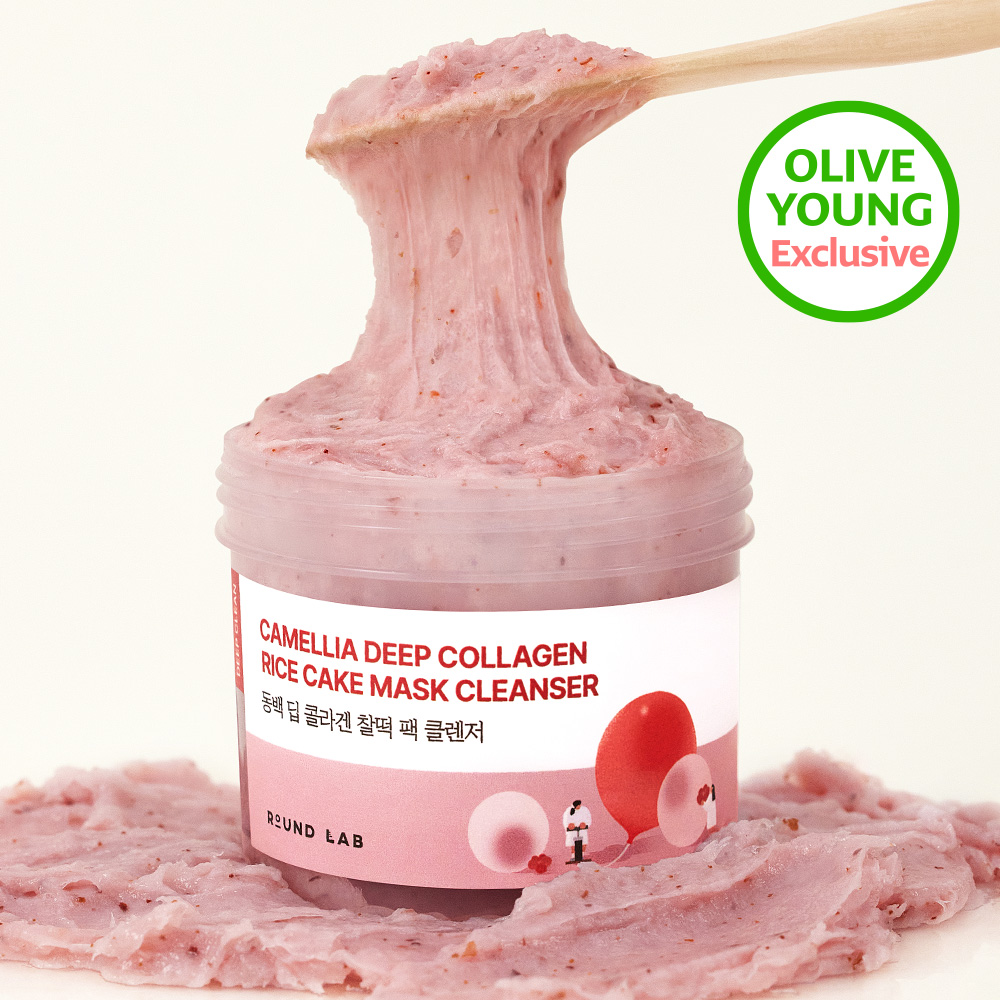
Camellia Deep Collagen Rice Cake Mask Cleanser
Round Lab
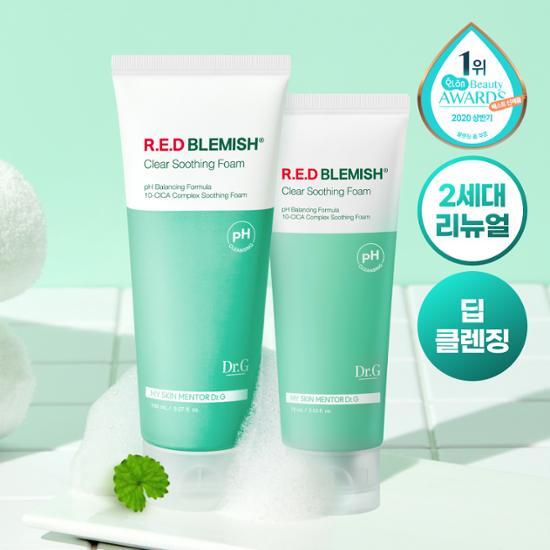
pH Cleansing Red Blemish Clear Soothing Foam Duo Set
Dr.G
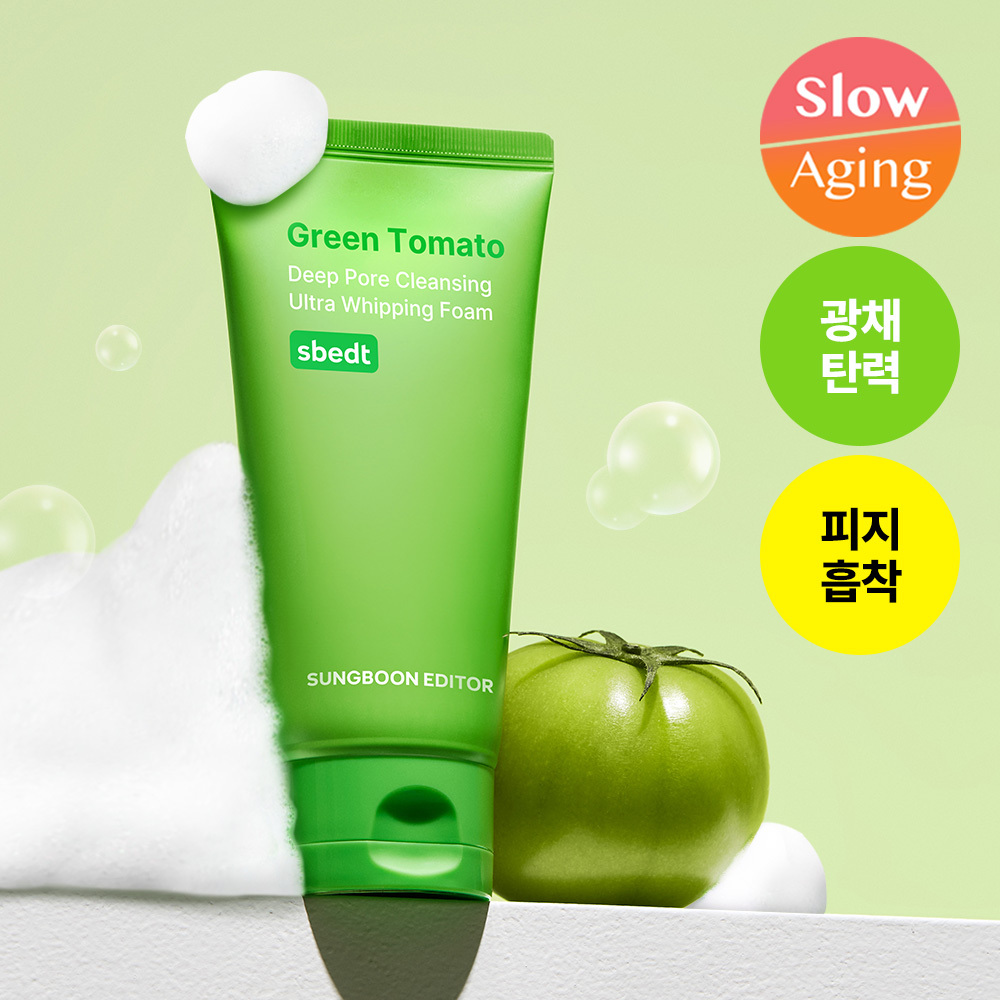
Green Tomato Deep Pore Cleansing Ultra Whipping Foam
Sungboon Editor
Frequently Asked Questions
Is phenylalanine safe for daily use in skincare?▼
Will phenylalanine clog my pores?▼
Can I use phenylalanine if I have phenylketonuria (PKU)?▼
Why is phenylalanine so common in K-beauty cleansers?▼
Explore More
Want personalized ingredient advice?
Yuri, our AI beauty advisor, can tell you how Phenylalanine works with your specific skin type, routine, and concerns.
Ask Yuri, free