Phloretin
Antioxidant and skin brightening agent
About Phloretin
Phloretin is a naturally occurring antioxidant derived from apple tree bark and the skin of apples, belonging to a class of compounds called dihydrochalcones. In K-beauty formulations, it's prized for its dual action as both a potent antioxidant and a skin brightening agent. Unlike some brightening ingredients that can be harsh or unstable, phloretin offers a gentler approach to evening skin tone while simultaneously protecting against environmental damage. It works by inhibiting tyrosinase, the enzyme responsible for melanin production, making it effective for addressing hyperpigmentation, dark spots, and uneven skin tone. What makes phloretin particularly appealing in Korean skincare is its ability to enhance the absorption and effectiveness of other antioxidants, especially vitamin C and ferulic acid. This synergistic quality explains why you'll often find it in advanced serums and ampoules alongside these complementary ingredients. With a safety rating of 4/5 and a non-comedogenic profile (0/5), phloretin is suitable for most skin types, including acne-prone and sensitive skin. Its presence in 23 K-beauty products on Seoul Sister, including top-rated formulations like The Face Shop's Alltimate Multi Vita 10% Serum and MISSHA's Atelo Collagen line, demonstrates its growing recognition as a sophisticated ingredient for those seeking visible brightening and anti-aging results without irritation.
How Phloretin Works
At the molecular level, phloretin functions through multiple pathways to improve skin appearance and health. Its primary mechanism involves competitive inhibition of tyrosinase, the copper-containing enzyme that catalyzes the rate-limiting step in melanin synthesis. By binding to tyrosinase's active site, phloretin prevents the conversion of tyrosine to melanin precursors, effectively reducing the formation of new pigmentation. Simultaneously, phloretin acts as a powerful free radical scavenger, neutralizing reactive oxygen species (ROS) that cause oxidative stress and accelerate skin aging. Its phenolic structure allows it to donate hydrogen atoms to stabilize free radicals before they can damage cellular components like lipids, proteins, and DNA. Phloretin also demonstrates the ability to inhibit glucose transporters in cell membranes, which may reduce glycation-related aging and inflammation. Additionally, it enhances the stability and penetration of other antioxidants by creating a protective network at the skin's surface. This multi-targeted approach means phloretin doesn't just address one skin concern but works systemically to improve overall skin quality, brightness, and resilience against environmental stressors.
Phloretin by Skin Type
Oily Skin
Phloretin is excellent for oily skin types because it's completely non-comedogenic and won't clog pores or contribute to breakouts. Its antioxidant properties help protect sebum from oxidative damage, which can prevent the formation of inflammatory acne lesions. The brightening effect is particularly beneficial for addressing post-acne hyperpigmentation that commonly affects oily, acne-prone skin.
Dry Skin
Dry skin benefits from phloretin's antioxidant protection, which helps prevent moisture loss caused by environmental damage to the skin barrier. While phloretin itself isn't hydrating, it's typically formulated in nourishing serums and ampoules (like MISSHA's Atelo Collagen Emulsion) that provide the moisture dry skin needs. The anti-glycation properties may also help maintain skin elasticity and prevent the stiffness associated with dehydrated skin.
Combo Skin
Combination skin types find phloretin ideal because it addresses multiple concerns without causing imbalance. It brightens uneven tone in the t-zone while providing antioxidant protection to drier cheek areas, all without adding excess oil or causing dryness. The non-comedogenic profile means it won't aggravate oilier areas, while its presence in well-formulated products ensures adequate support for all zones.
Sensitive Skin
Sensitive skin generally tolerates phloretin well due to its gentle brightening mechanism and anti-inflammatory antioxidant activity. Unlike some brightening agents that can cause irritation, phloretin works without triggering sensitivity in most users. However, those with extremely reactive skin should introduce it gradually, as it's often paired with other active ingredients like vitamin C that may require an adjustment period.
Normal Skin
Normal skin is the perfect canvas for phloretin's preventative and corrective benefits. It helps maintain even tone, prevents future sun damage and age spots, and works synergistically with other ingredients to optimize overall skin health. Products like Wellage's Real Hyaluronic Blue 100 Ampoule pair phloretin with hydrating ingredients to enhance normal skin's natural resilience and radiance without disruption.
How to Use Phloretin
- 1Apply phloretin serums in the morning under sunscreen for maximum antioxidant protection against daytime environmental stressors and UV-induced pigmentation.
- 2Layer phloretin products before heavier creams but after toners or essences to ensure optimal absorption into the skin.
- 3Pair with vitamin C and ferulic acid when possible, as phloretin enhances their stability and creates a more powerful antioxidant network than any ingredient alone.
- 4Start with every other day application if you're new to active brightening ingredients, then increase to daily use as your skin builds tolerance.
- 5Store phloretin products away from direct sunlight and heat to maintain ingredient stability and potency over time.
Background
Phloretin has its roots in traditional medicine, where apple extracts were used for their healing and protective properties for centuries. The compound was first isolated from apple tree bark in the early 20th century, but it wasn't until advanced extraction and stabilization techniques emerged that it became viable for cosmetic use. Korean skincare brands were among the innovators who recognized phloretin's potential beyond simple antioxidant activity, identifying its ability to work synergistically with other brightening agents. The ingredient gained scientific credibility through research at Duke University and other institutions, which demonstrated its effectiveness in combination antioxidant formulations. K-beauty's emphasis on gentle yet effective brightening solutions, combined with advanced formulation technology, helped phloretin transition from a niche ingredient to a sought-after component in premium serums and ampoules. Today, it represents the Korean beauty industry's philosophy of harnessing natural compounds through scientific refinement.
K-Beauty Products with Phloretin
View all 23 →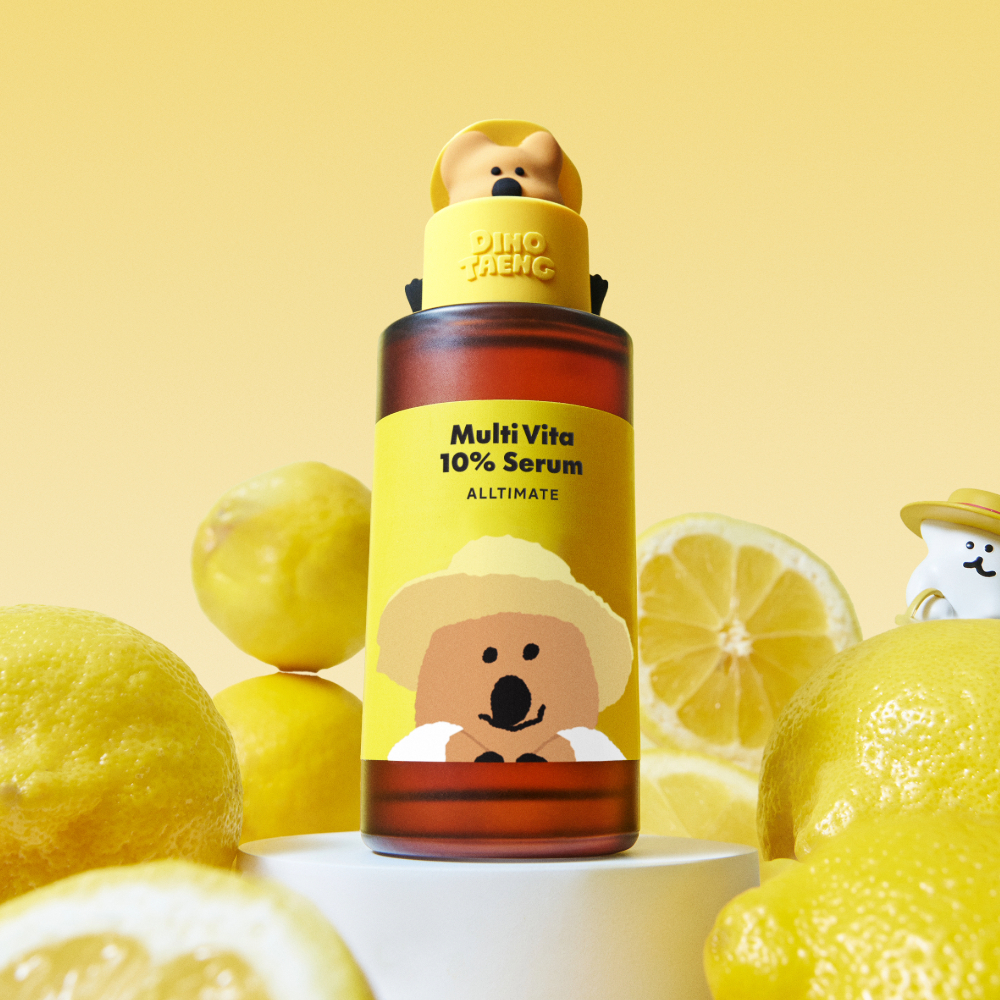
Alltimate Multi Vita 10% Serum
The Face Shop
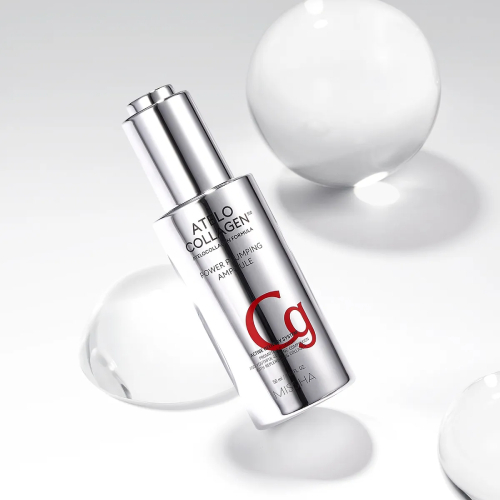
Atelo Collagen 500 Power Plumping Ampoule
MISSHA
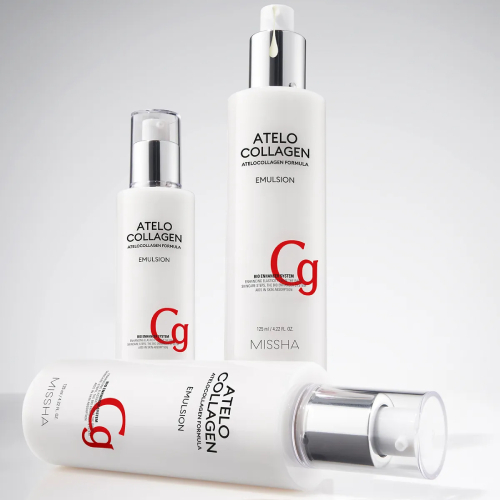
Atelo Collagen Emulsion
MISSHA
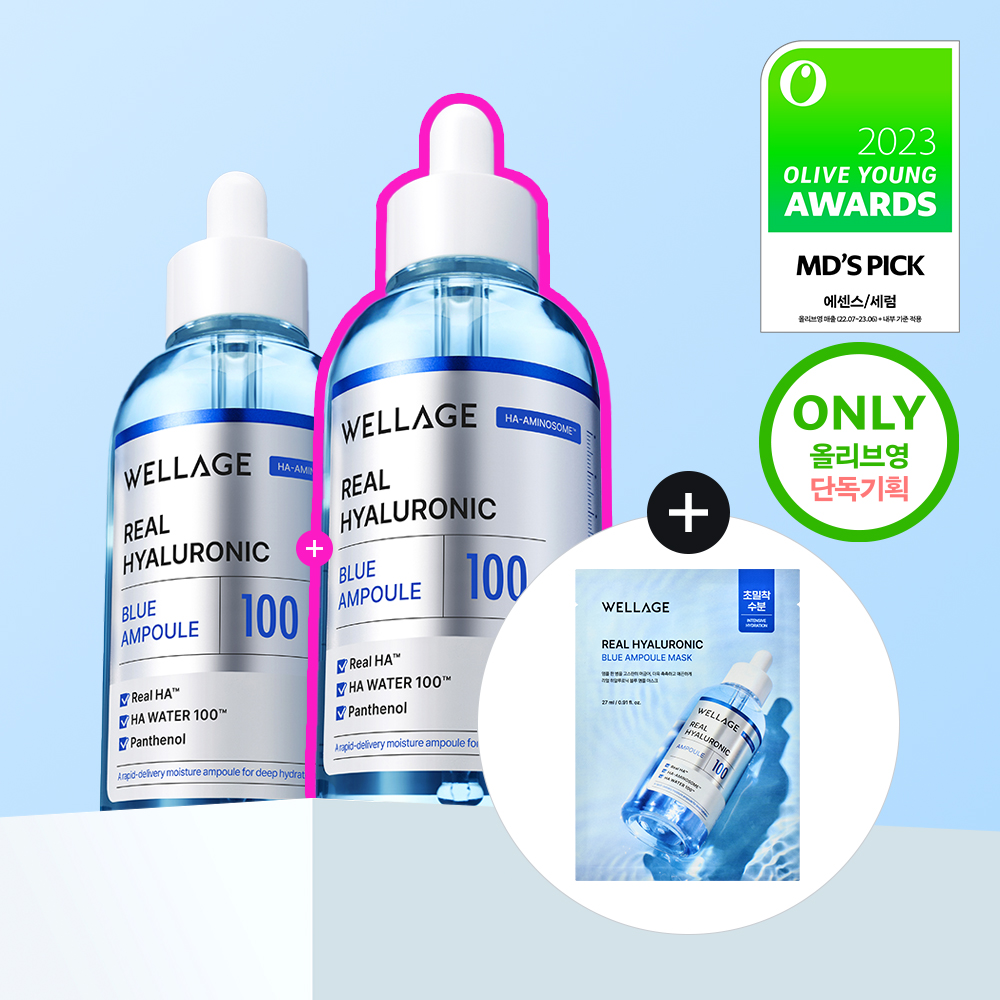
Real Hyaluronic Blue 100 Ampoule Double Pack
Wellage
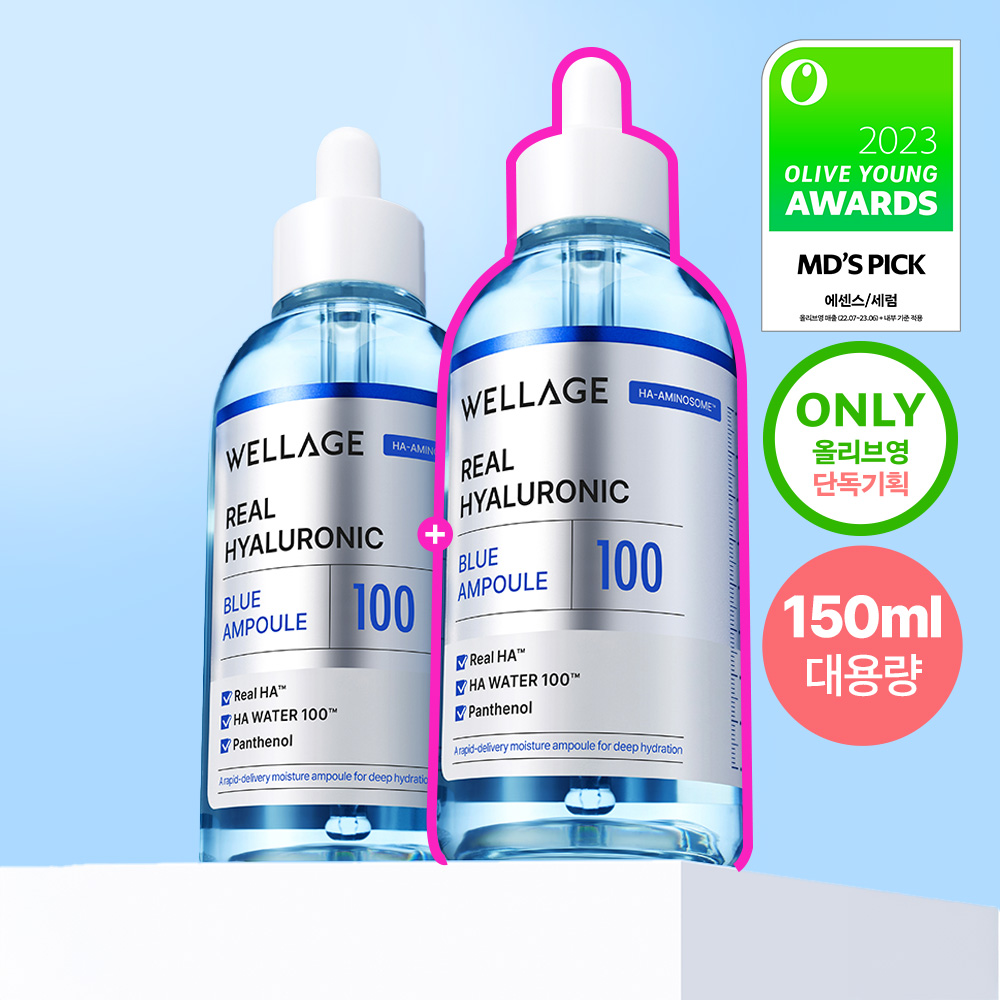
Real Hyaluronic Blue 100 Ampoule
Wellage
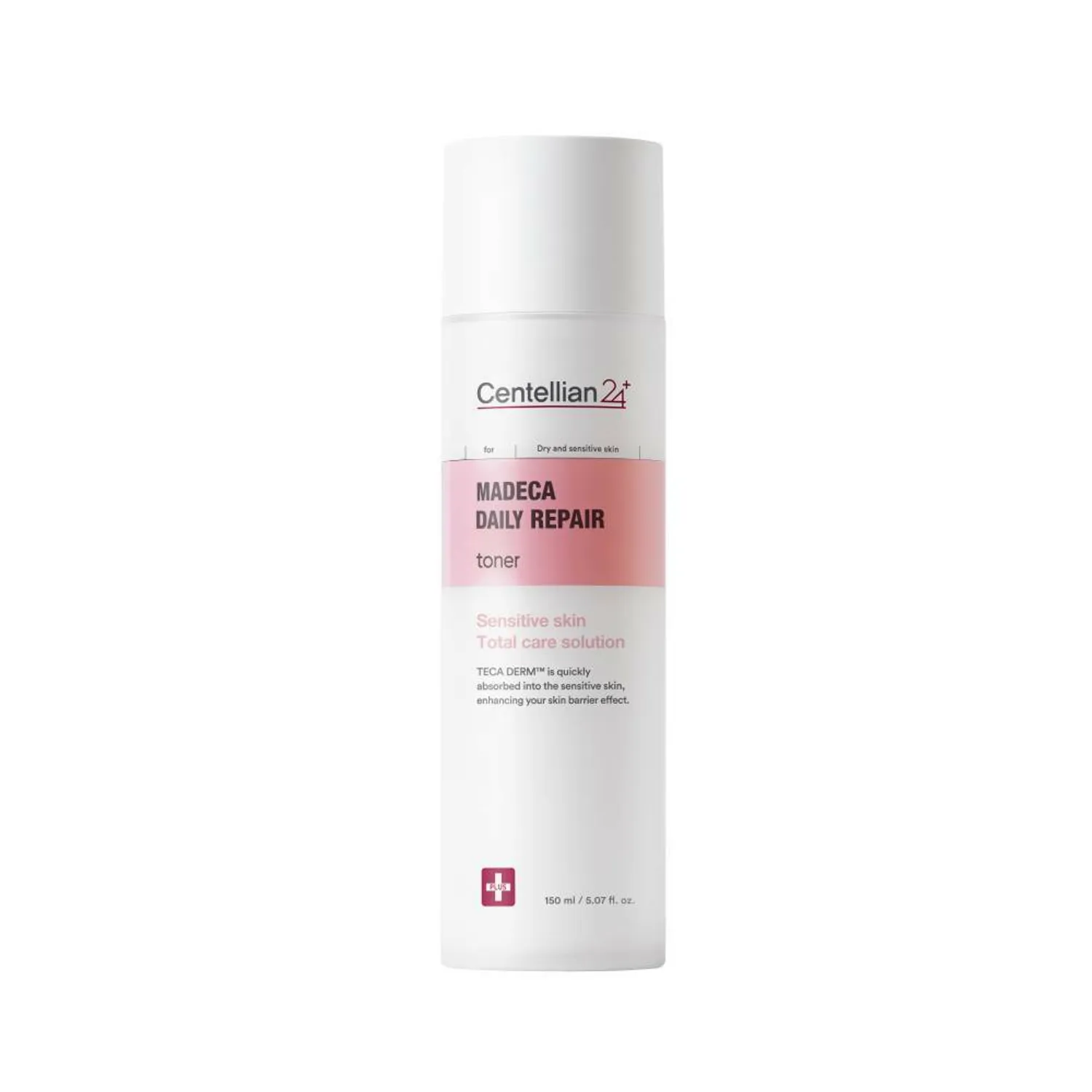
Madeca Daily Repair Toner Special Set
Centellian24
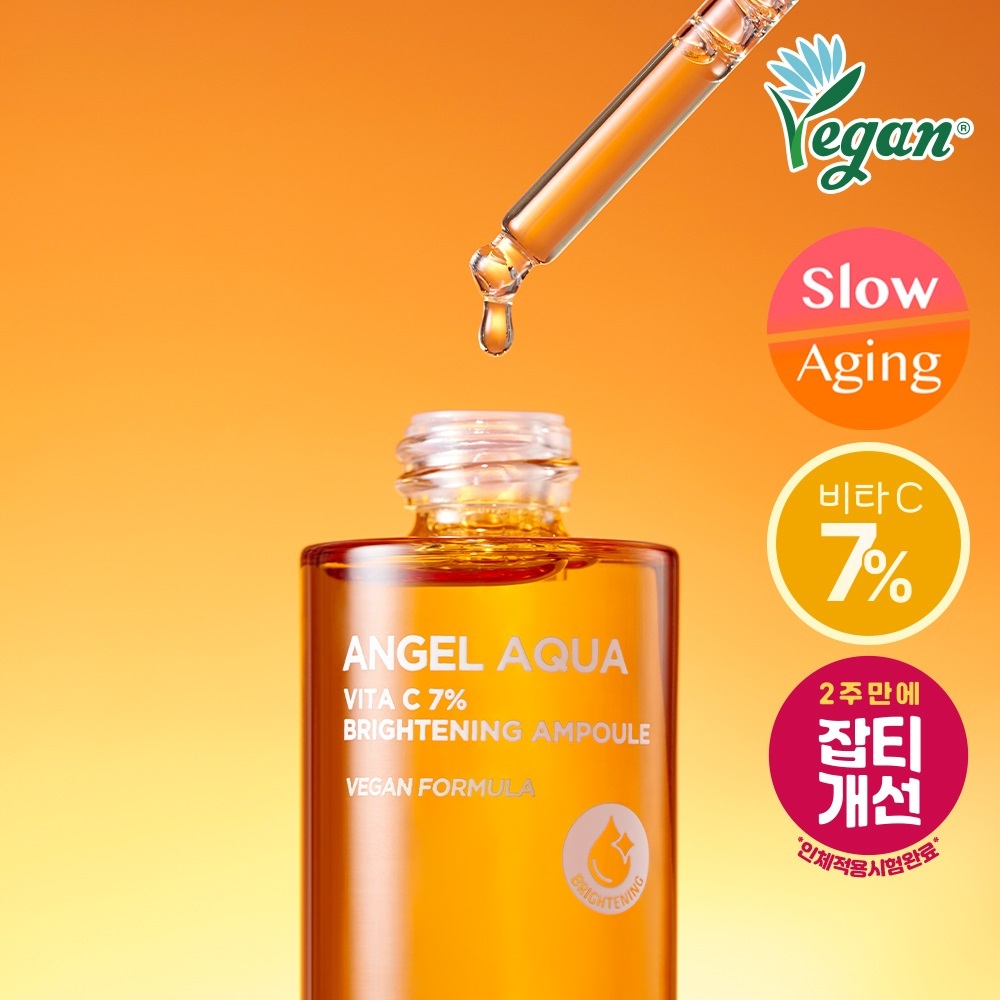
Angel Aqua Vita C 7% Brightening Ampoule
Beyond
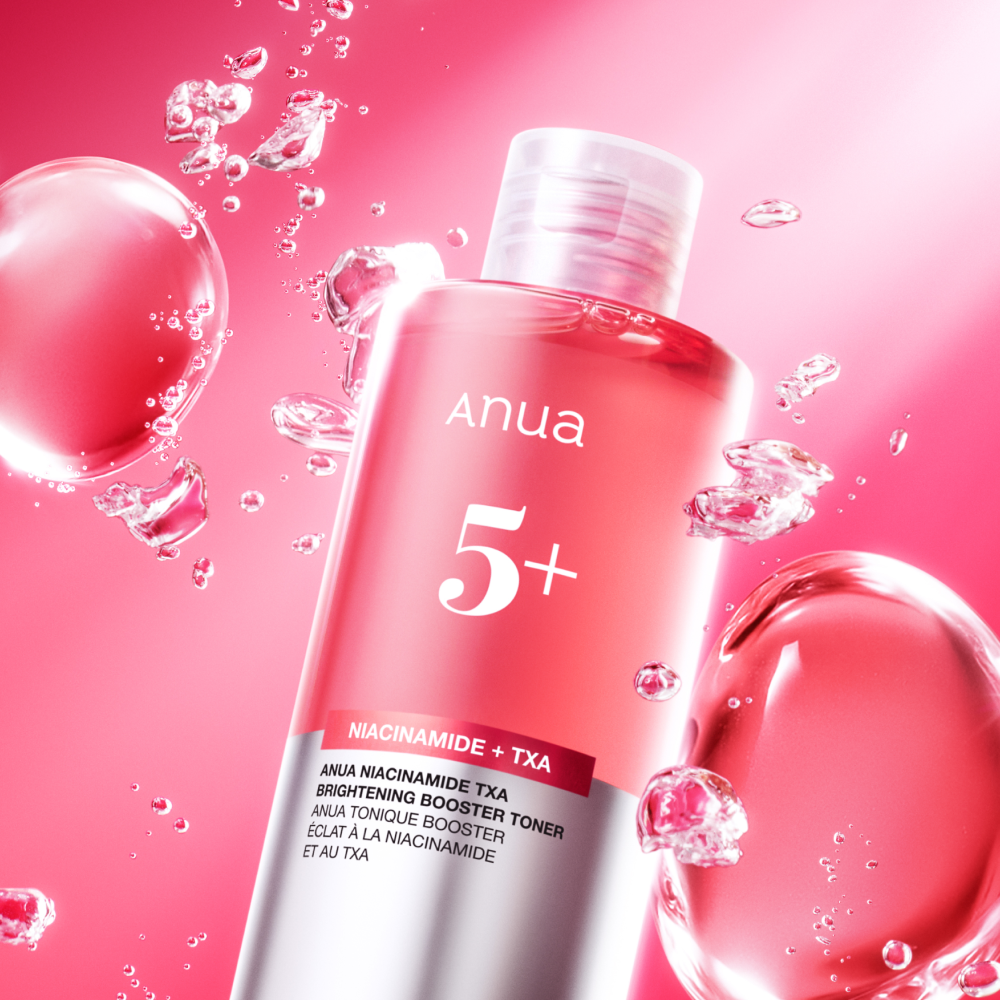
Niacinamide TXA Brightening Booster Toner
Anua
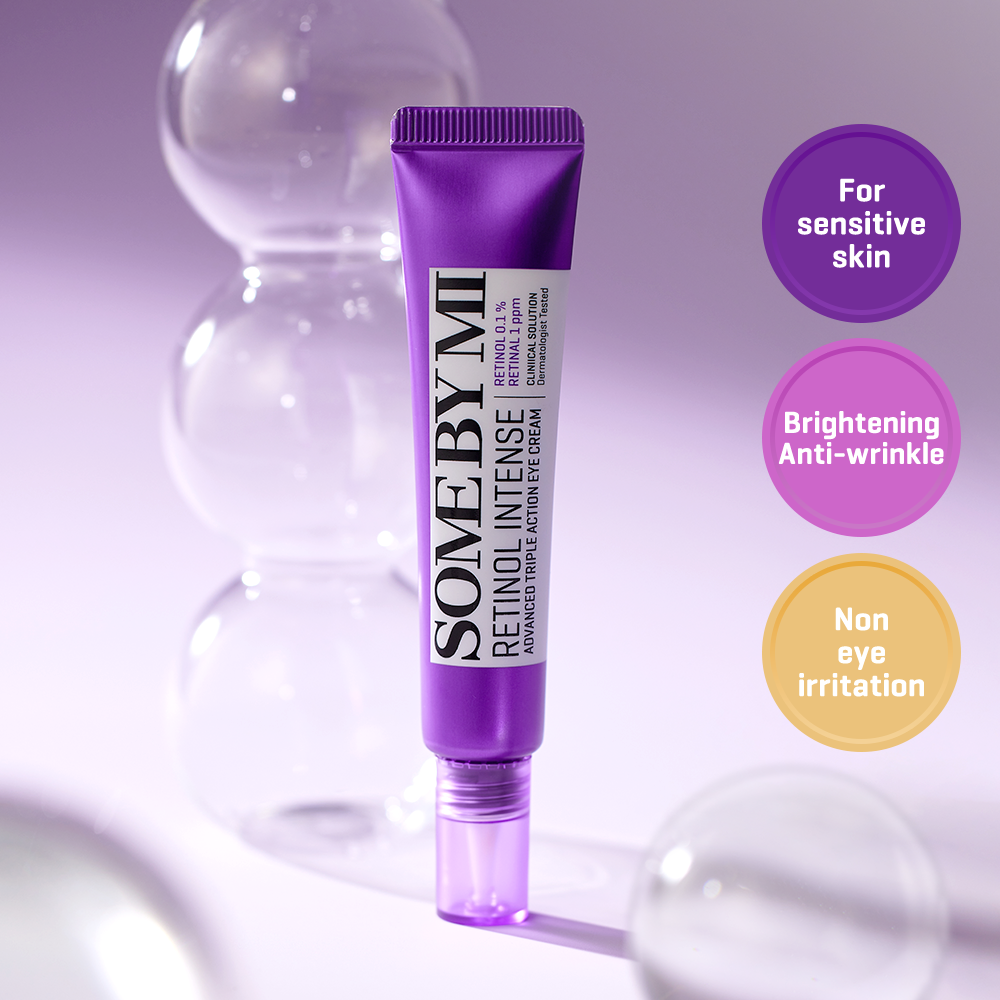
Retinol Intense Advanced Triple Action Eye Cream
Some By Mi
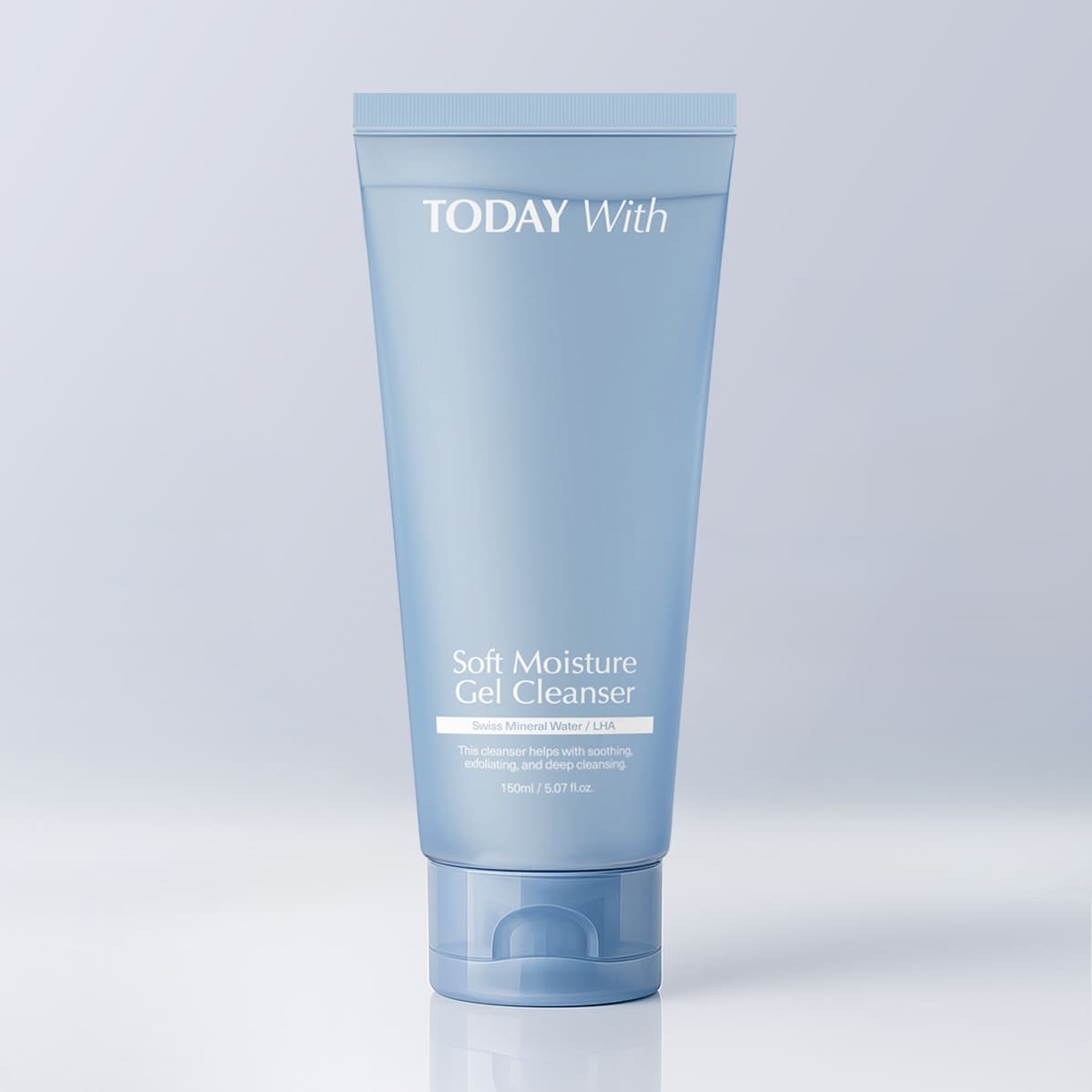
Soft Moisture Gel Cleanser
TODAYWITH
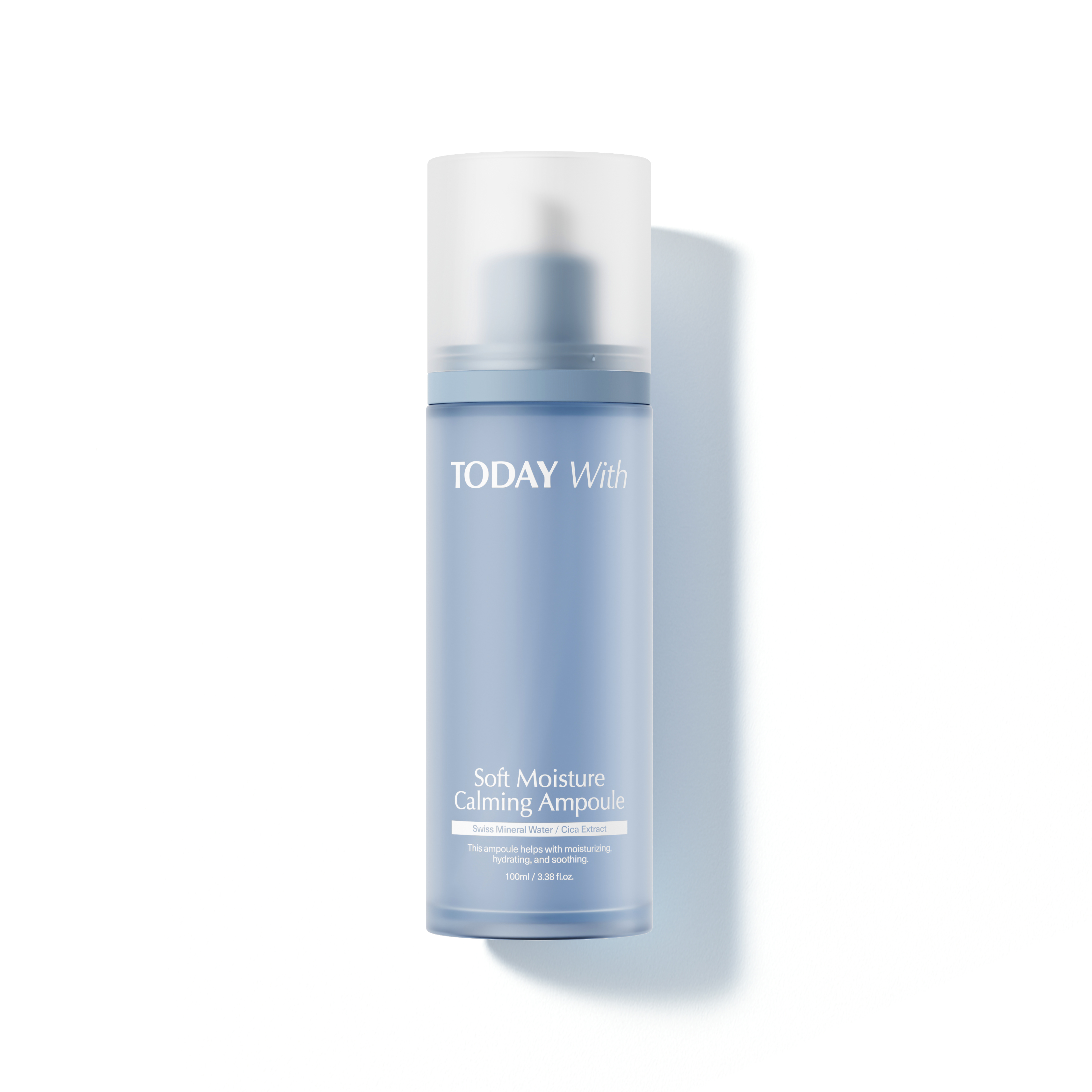
Soft Moisture Calming Ampoule
TODAYWITH
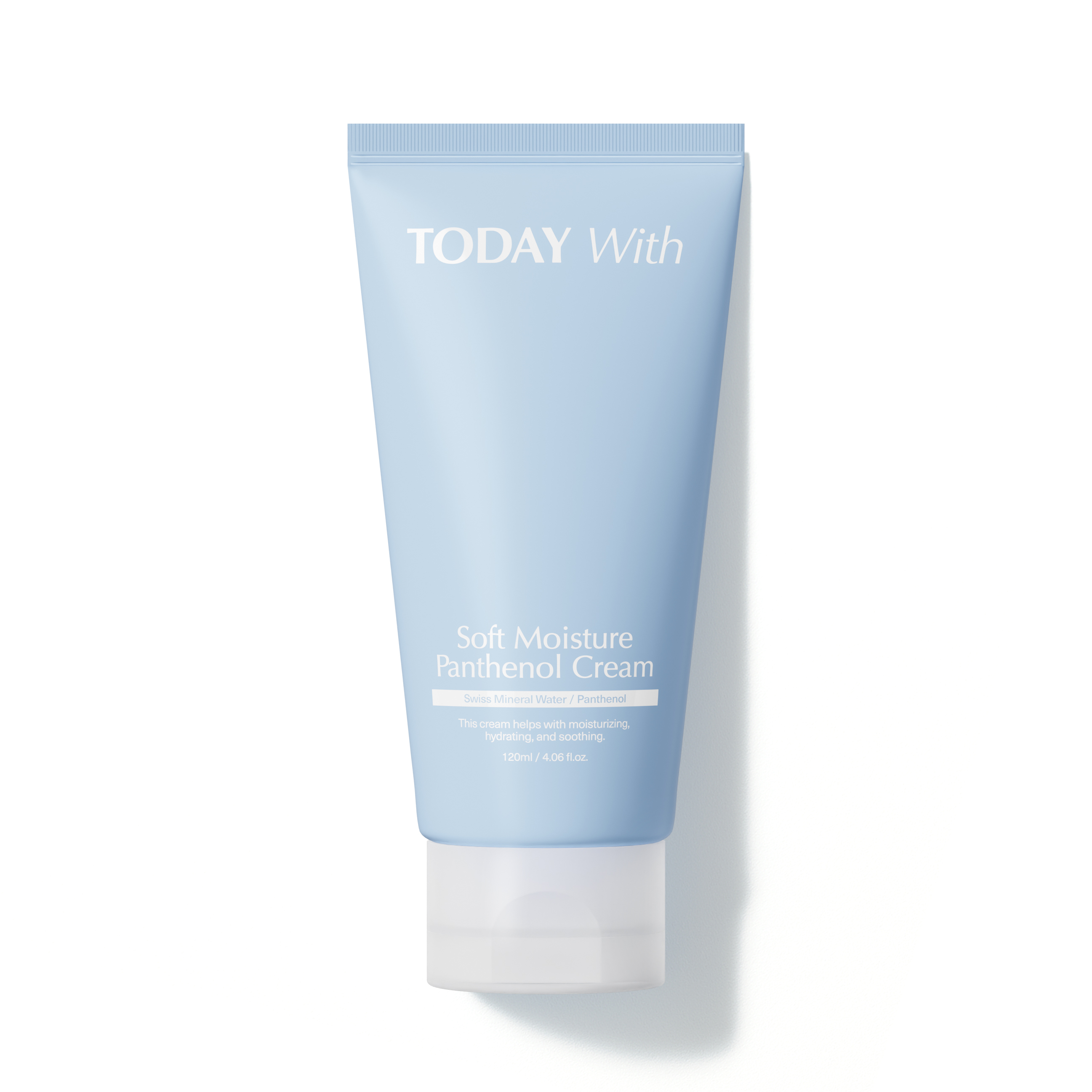
Soft Moisture Panthenol Cream
TODAYWITH
Frequently Asked Questions
Can I use phloretin with vitamin C and retinol?▼
How long does it take to see brightening results from phloretin?▼
Is phloretin safe during pregnancy?▼
Why is phloretin often combined with ferulic acid?▼
Can phloretin help with melasma or stubborn dark spots?▼
Explore More
Want personalized ingredient advice?
Yuri, our AI beauty advisor, can tell you how Phloretin works with your specific skin type, routine, and concerns.
Ask Yuri, free