Phosphatidylcholine
Emollient and skin barrier repair lipid
About Phosphatidylcholine
Phosphatidylcholine is a phospholipid naturally found in cell membranes throughout the human body, including skin cells. In K-beauty formulations, it functions as both an emollient and a structural component for barrier repair, making it a go-to ingredient for formulas focused on hydration and resilience. Unlike simple occlusives that sit on skin's surface, phosphatidylcholine integrates into the lipid bilayer of your stratum corneum, the outermost layer of skin that acts as your protective barrier. This integration helps restore the cement between skin cells, reducing transepidermal water loss and improving overall barrier function. Korean skincare brands have embraced phosphatidylcholine for its dual action: it delivers immediate softening and smooth texture while supporting long-term barrier health. You'll find it in 54 K-beauty products on Seoul Sister, ranging from gentle cleansers like Round Lab's 1025 Dokdo line to treatment creams like ONE THING's Peptide Retinal Cream. Its low comedogenic rating (1/5) makes it suitable for most skin types, including acne-prone skin. The ingredient also acts as a delivery system, helping other actives penetrate more effectively, which is why it appears in multi-functional products that combine multiple treatment benefits in one formula.
How Phosphatidylcholine Works
Phosphatidylcholine works by mimicking the natural phospholipids that make up your skin's lipid matrix. Your barrier is composed of a brick-and-mortar structure where cells are the bricks and lipids (ceramides, cholesterol, and fatty acids) are the mortar. Phosphatidylcholine slots directly into this mortar, filling gaps and restoring cohesion between cells. At a molecular level, it's amphiphilic, meaning one end loves water while the other loves oil. This dual nature allows it to form liposomes (tiny spheres) that can encapsulate and transport other ingredients deeper into skin. When applied topically, phosphatidylcholine reorganizes into lamellar structures that mirror your skin's natural architecture, providing both immediate occlusion to prevent water loss and structural repair over time. It also supports the natural moisture factor by helping skin retain water molecules within the epidermis. Additionally, phosphatidylcholine has been shown to support skin's natural repair processes by providing building blocks that cells can use to regenerate damaged membrane structures, making it particularly valuable in formulas designed for compromised or stressed skin.
Phosphatidylcholine by Skin Type
Oily Skin
Oily skin benefits from phosphatidylcholine's lightweight barrier support without the heavy, greasy feel of traditional emollients. Its low comedogenic rating (1/5) means it won't clog pores or trigger breakouts, while still providing the barrier repair that oily skin often needs after over-cleansing or using harsh acne treatments. Look for it in gel-creams and lightweight serums that balance hydration with a clean finish.
Dry Skin
Phosphatidylcholine is particularly valuable for dry skin because it addresses both symptoms and root causes. It provides immediate emollient comfort while repairing the compromised barrier that allows moisture to escape. Products like Bringgreen's Bamboo Hyalu Water Boosting Cream combine phosphatidylcholine with humectants for comprehensive hydration that both attracts water and prevents its loss.
Combo Skin
Combination skin gets the best of both worlds with phosphatidylcholine: barrier repair without excess oil. It normalizes skin function across different zones, helping oily areas regulate sebum production while providing moisture to dry patches. The ingredient's ability to deliver other actives also means combination skin can use targeted treatments without irritation.
Sensitive Skin
Sensitive skin responds well to phosphatidylcholine because it's a biomimetic ingredient that your skin already recognizes. Rather than introducing foreign substances, you're supplementing what your compromised barrier is missing. This reduces the risk of irritation while actively strengthening skin against future sensitivity triggers. Its presence in gentle products like Round Lab's Dokdo Cleanser shows how K-beauty uses it to make even cleansing less stripping.
Normal Skin
Normal skin can use phosphatidylcholine as preventive maintenance, supporting healthy barrier function before problems develop. It enhances skin's natural resilience against environmental stressors and helps maintain the balanced, smooth texture that defines normal skin. Products combining phosphatidylcholine with actives like retinol (see Dr.G's Black Snail Retinol 3P Set) help normal skin tolerate stronger treatments without compromising barrier health.
How to Use Phosphatidylcholine
- 1Layer phosphatidylcholine products after water-based serums but before heavier occlusives to maximize its barrier-integrating benefits
- 2Use it in your PM routine after actives like retinol or acids to support barrier recovery overnight
- 3In cleansers (like Round Lab's Dokdo line), phosphatidylcholine helps prevent the stripping effect of surfactants, so double cleansing becomes less harsh
- 4Pair with ceramides and cholesterol for complete lipid barrier restoration, as all three work synergistically in your skin's natural structure
Background
Phosphatidylcholine was first isolated from egg yolk in 1847 by French chemist Theodore Gobley, who called it lecithin. For over a century, it was primarily studied for its role in cell biology and metabolism rather than skincare. The cosmetic application emerged in the 1980s when researchers discovered that topical phospholipids could integrate into skin's barrier structure. Korean skincare scientists embraced phosphatidylcholine in the 2010s as the K-beauty philosophy shifted toward barrier-focused formulations and biomimetic ingredients. Unlike the West's focus on aggressive treatments, K-beauty recognized that supporting skin's natural structures produces better long-term results. Today, phosphatidylcholine is extracted from soybeans or synthesized to ensure purity and is a staple in Korean formulations that prioritize skin health over quick fixes. Its role in liposomal delivery systems has also made it valuable for enhancing the penetration of other K-beauty hero ingredients.
K-Beauty Products with Phosphatidylcholine
View all 59 →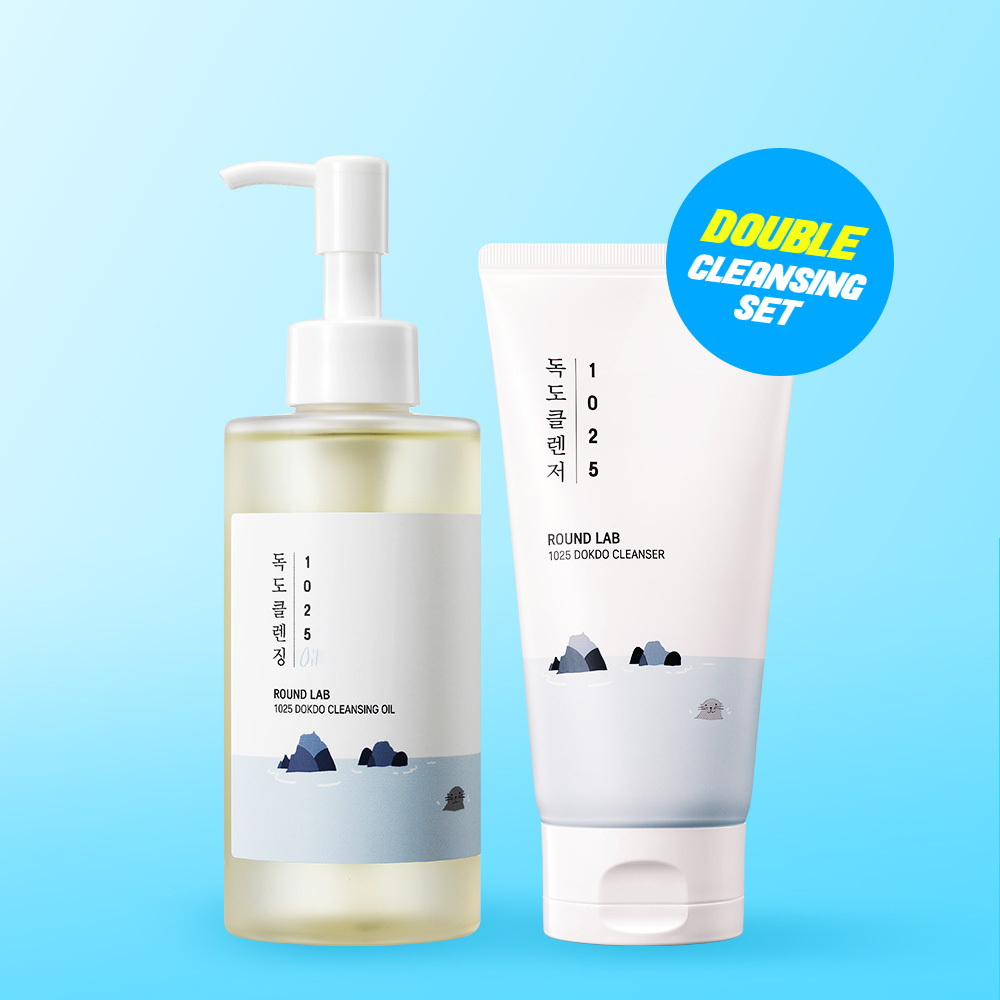
1025 Dokdo Cleansing Oil 200ml + Dokdo Cleanser 150ml Set
Round Lab
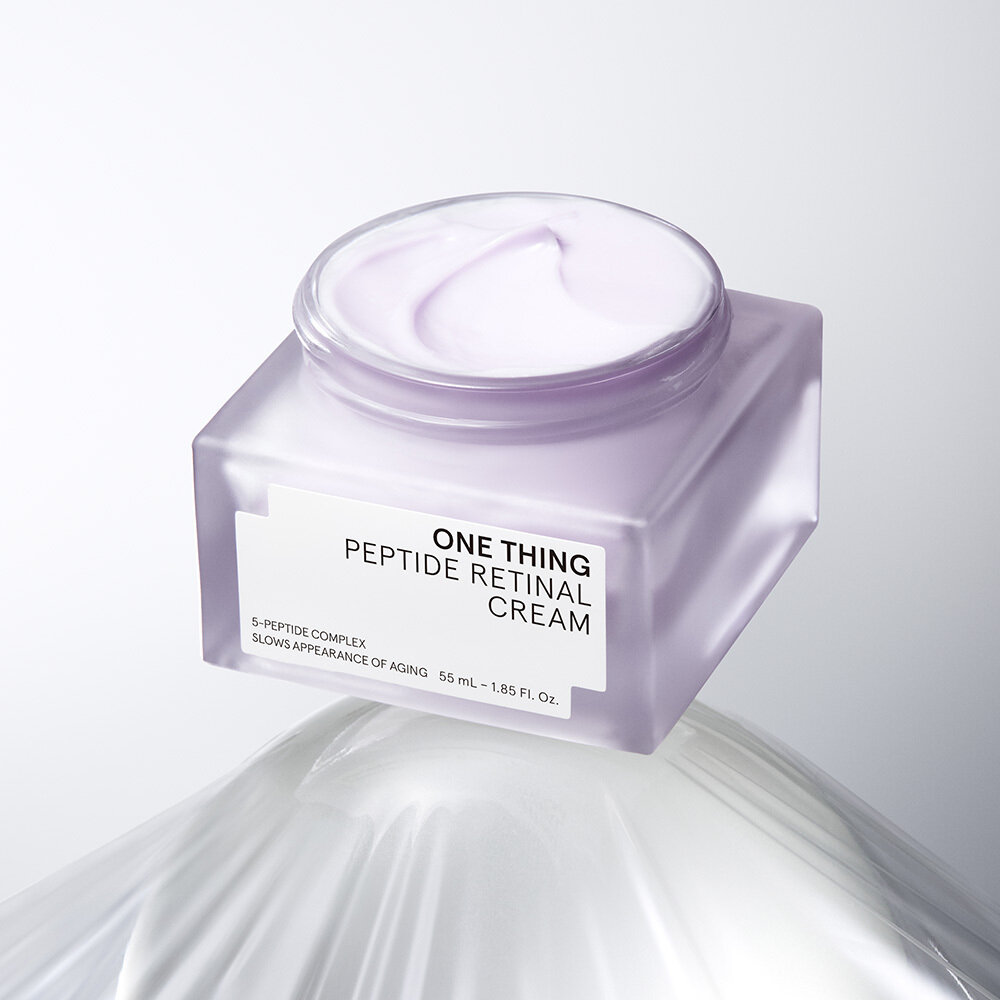
Peptide Retinal Cream
ONE THING
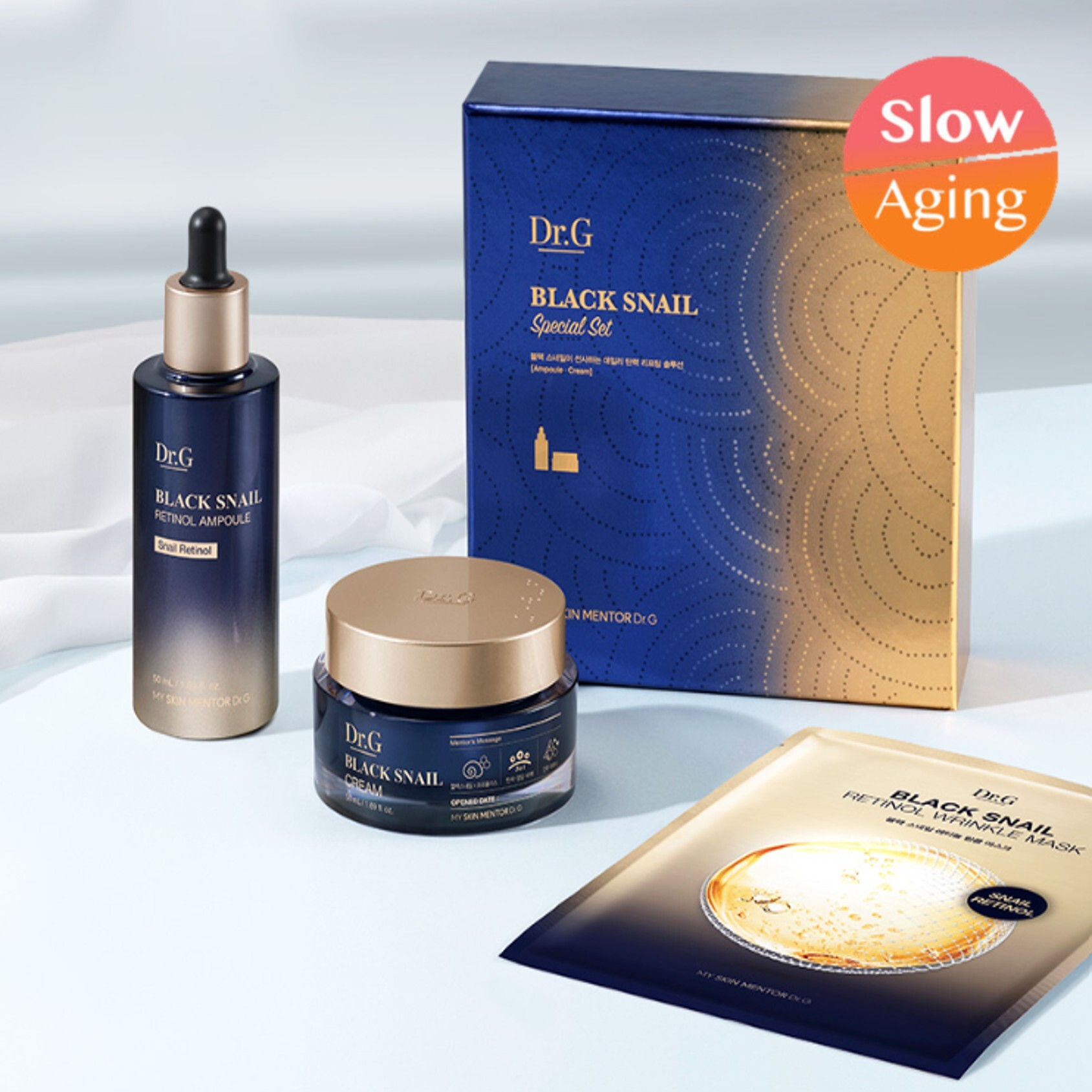
Black Snail Retinol 3P Set (Cream 50ml + Ampoule 50ml + Wrinkle Mask Sheet 1ea)
Dr.G
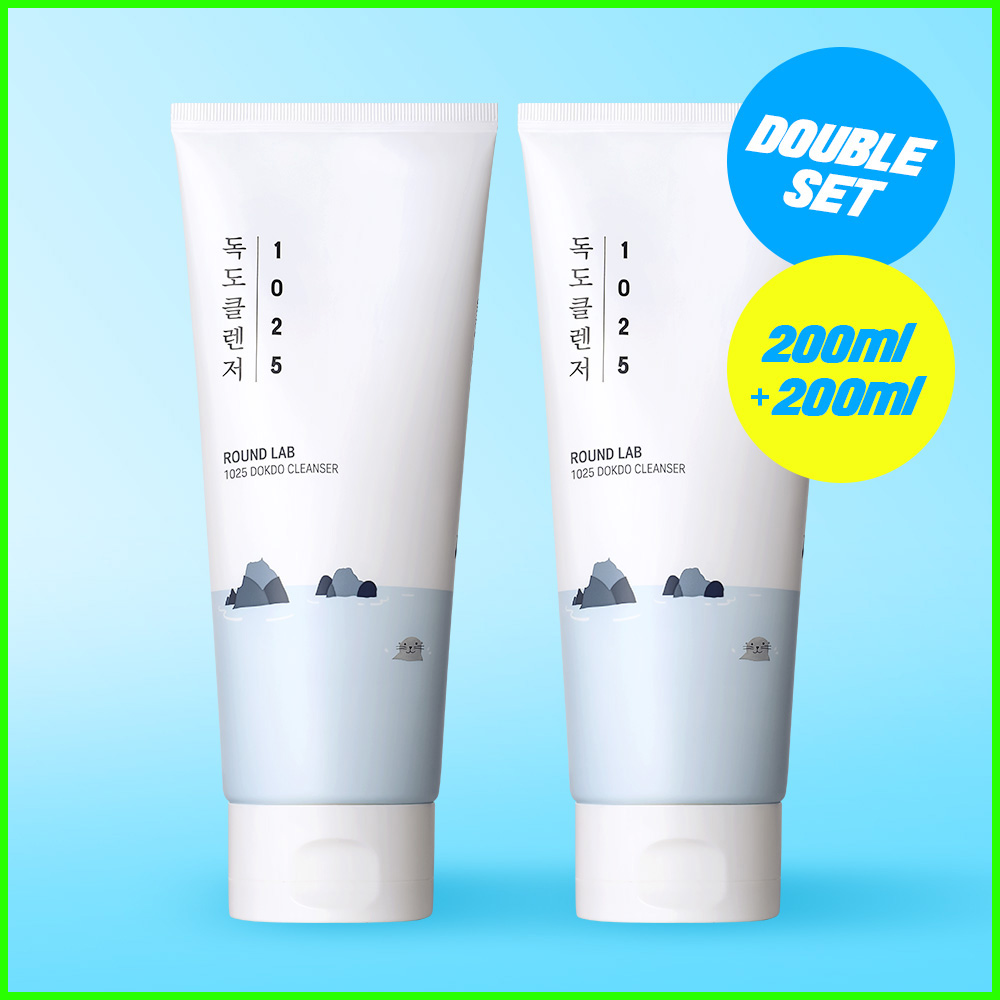
1025 Dokdo Cleanser
Round Lab
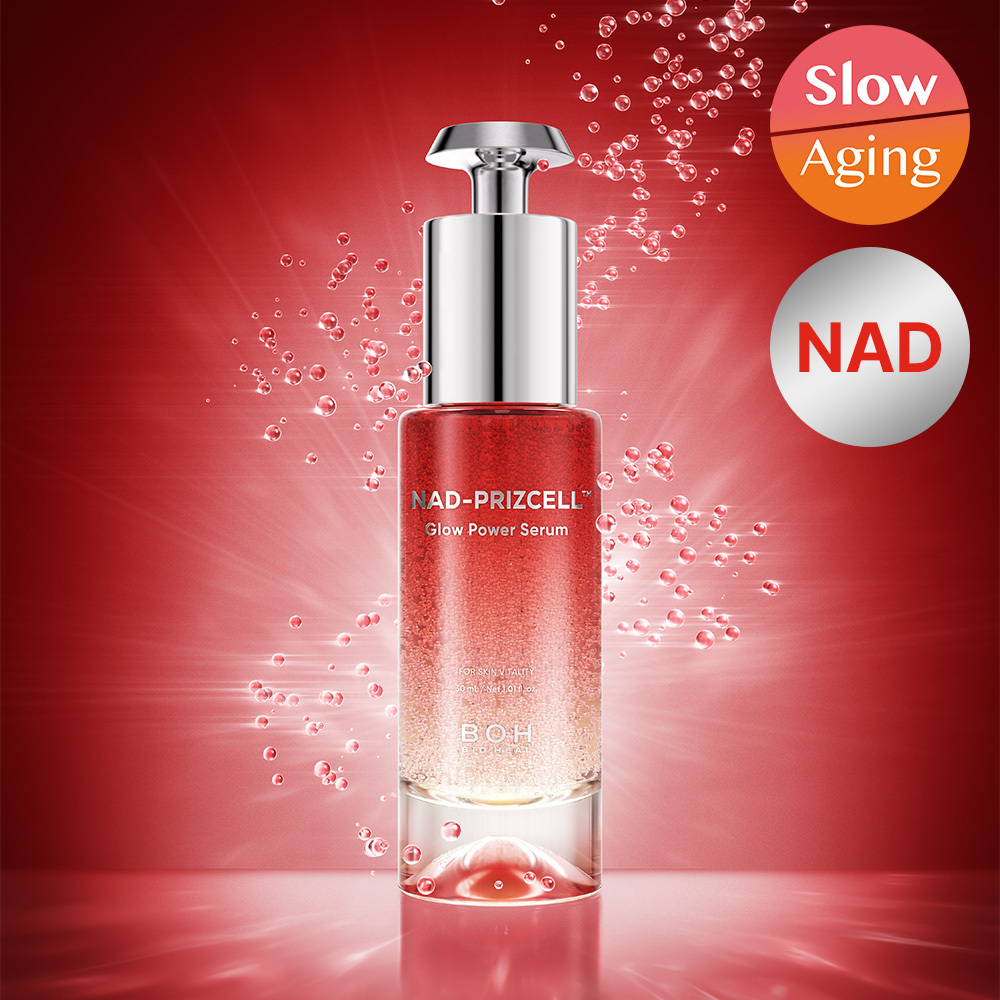
NAD-Prizcell Glow Power Serum
Bioheal BOH
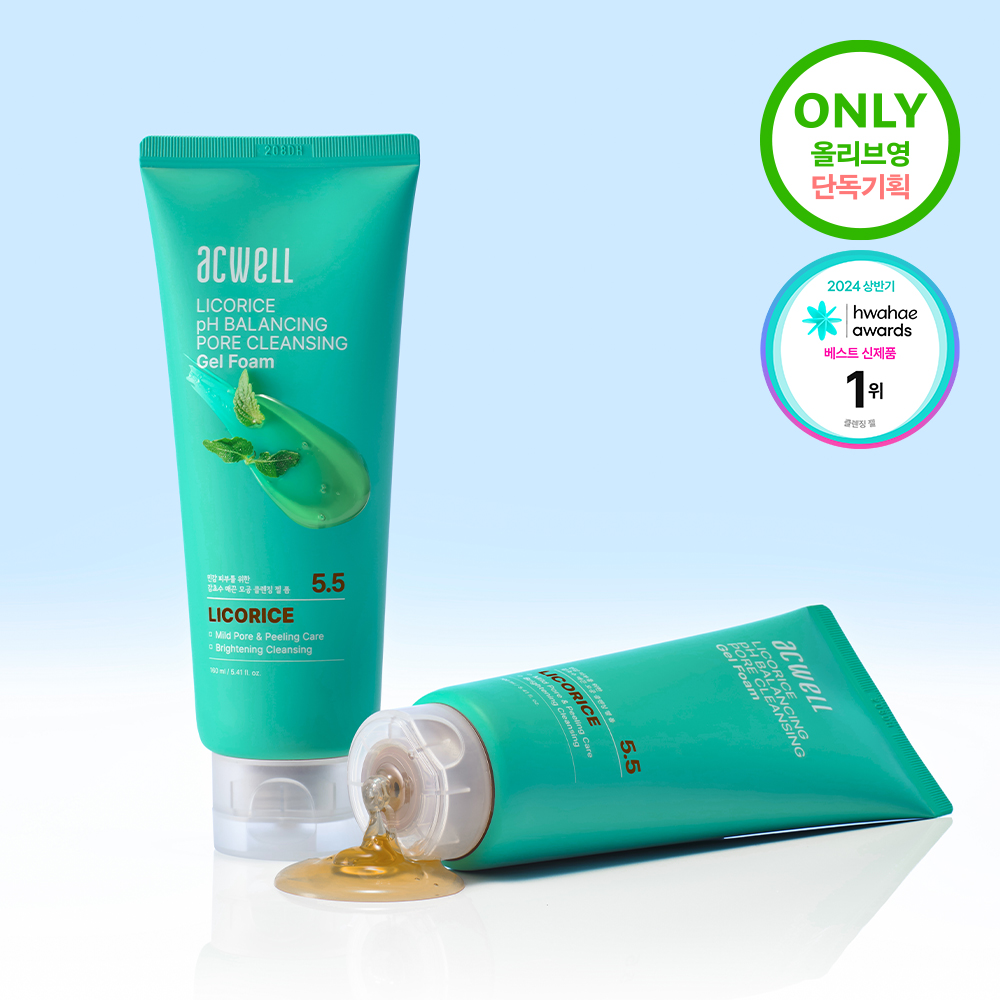
Licorice pH Balancing Pore Cleansing Gel Foam Double Set
Acwell
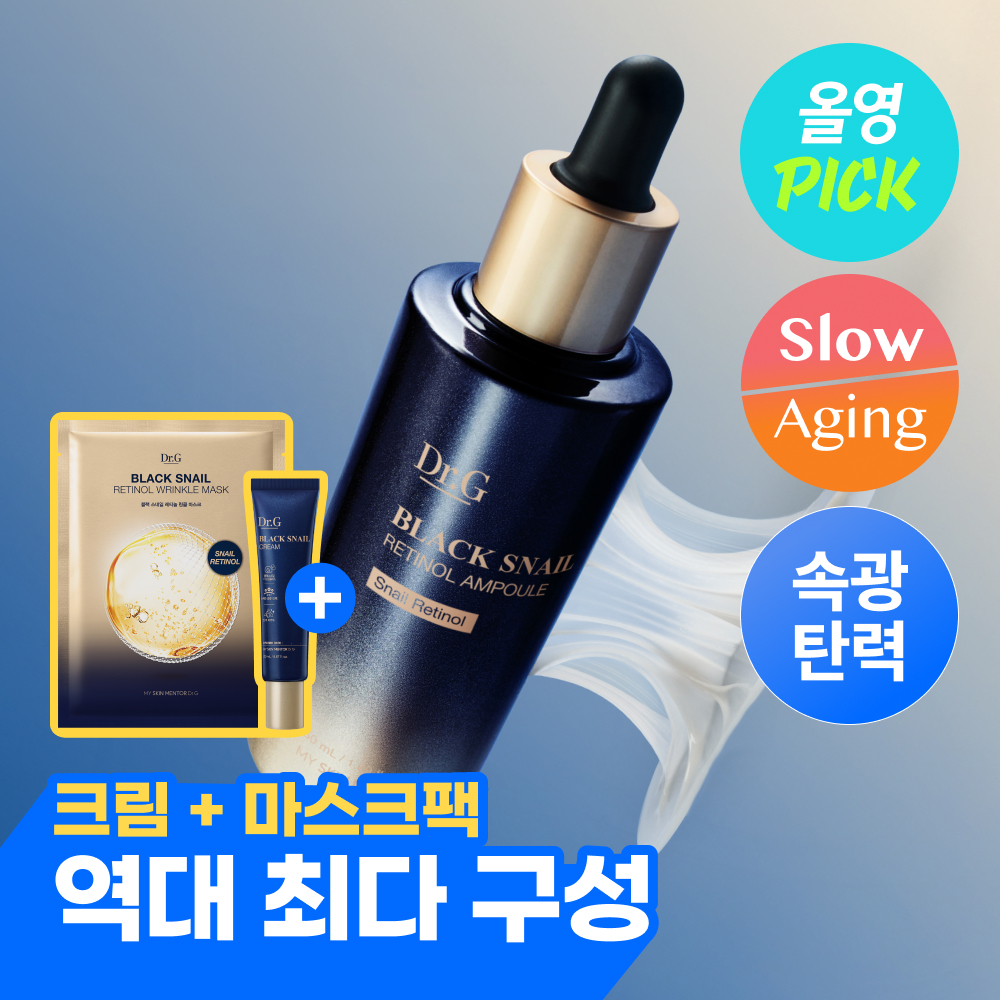
Black Snail Retinol Ampoule Set
Dr.G
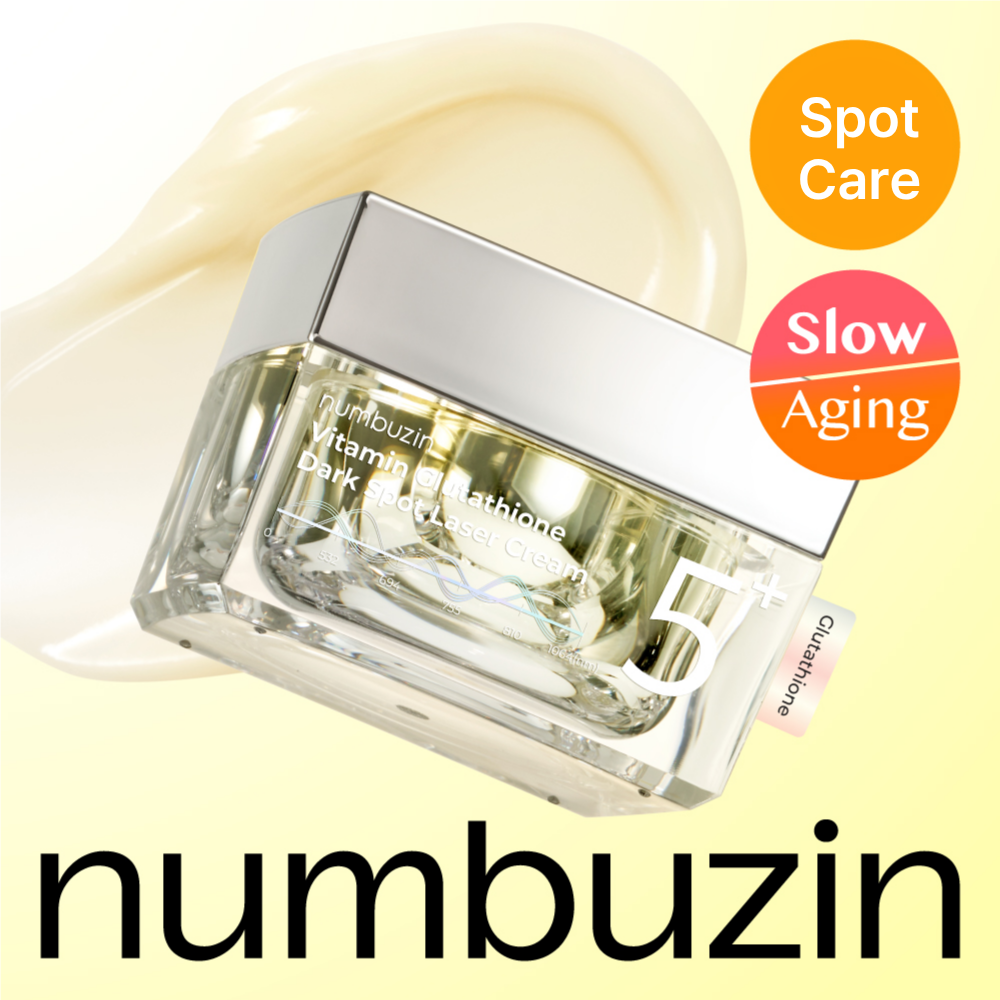
No. 5 Vitamin Glutathione Dark Spot Laser Cream
Numbuzin
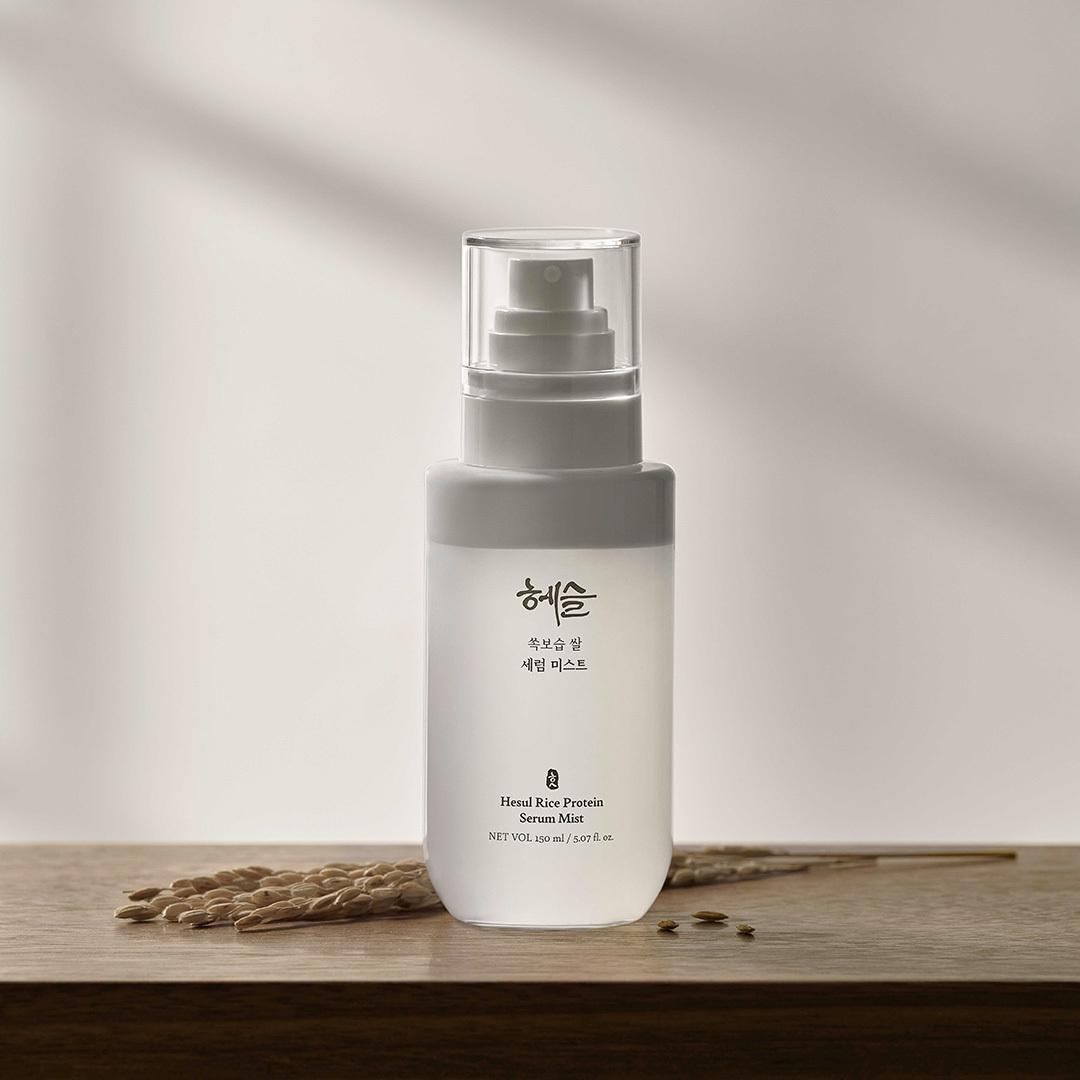
Hesul Rice Protein Serum Mist
Medicube
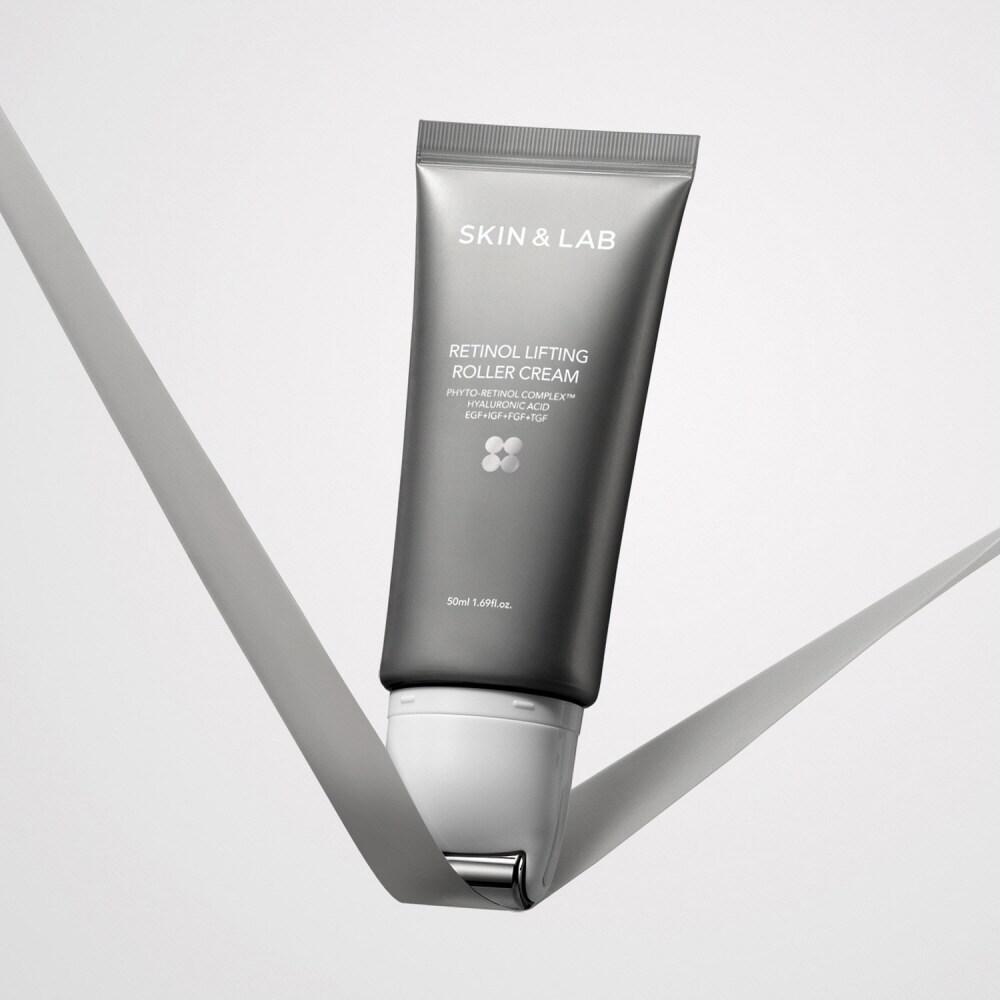
Retinol Lifting Roller Cream
Skin&Lab
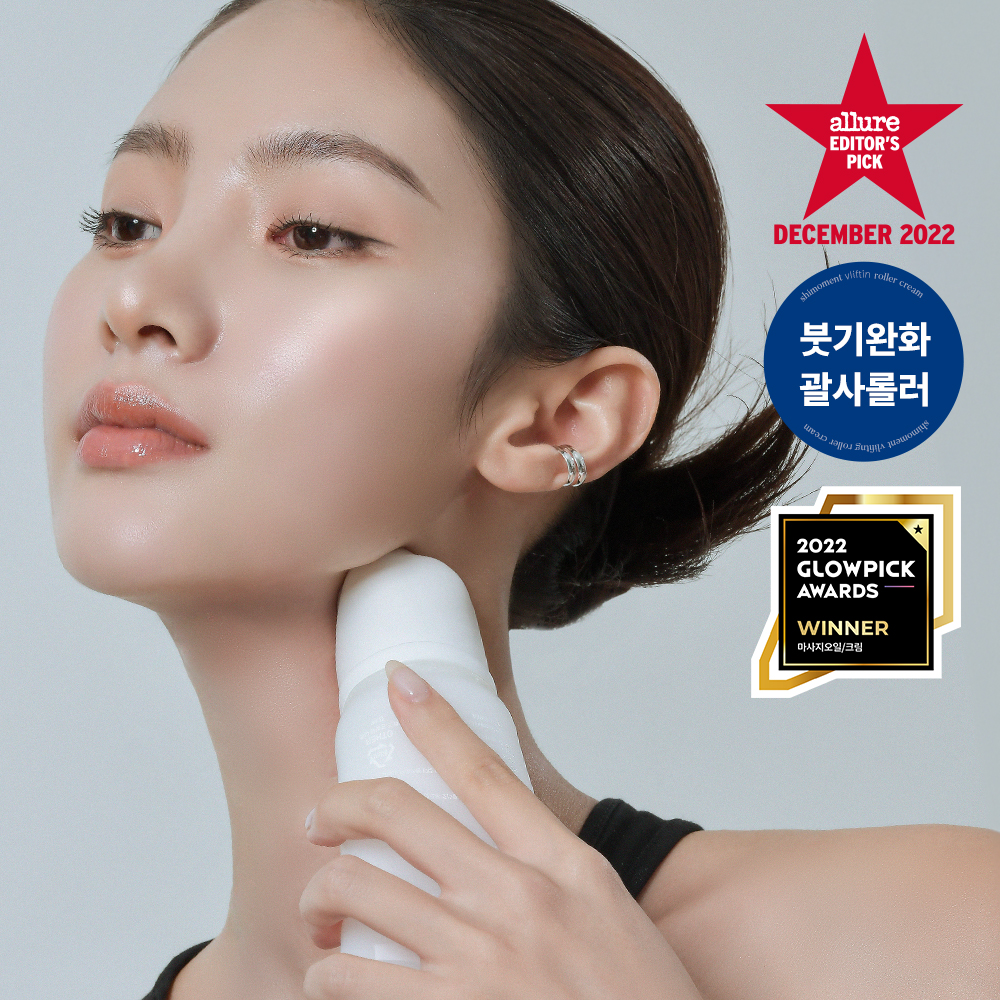
Shimoment V-Lifting Roller Cream (Refill)
Centellian24
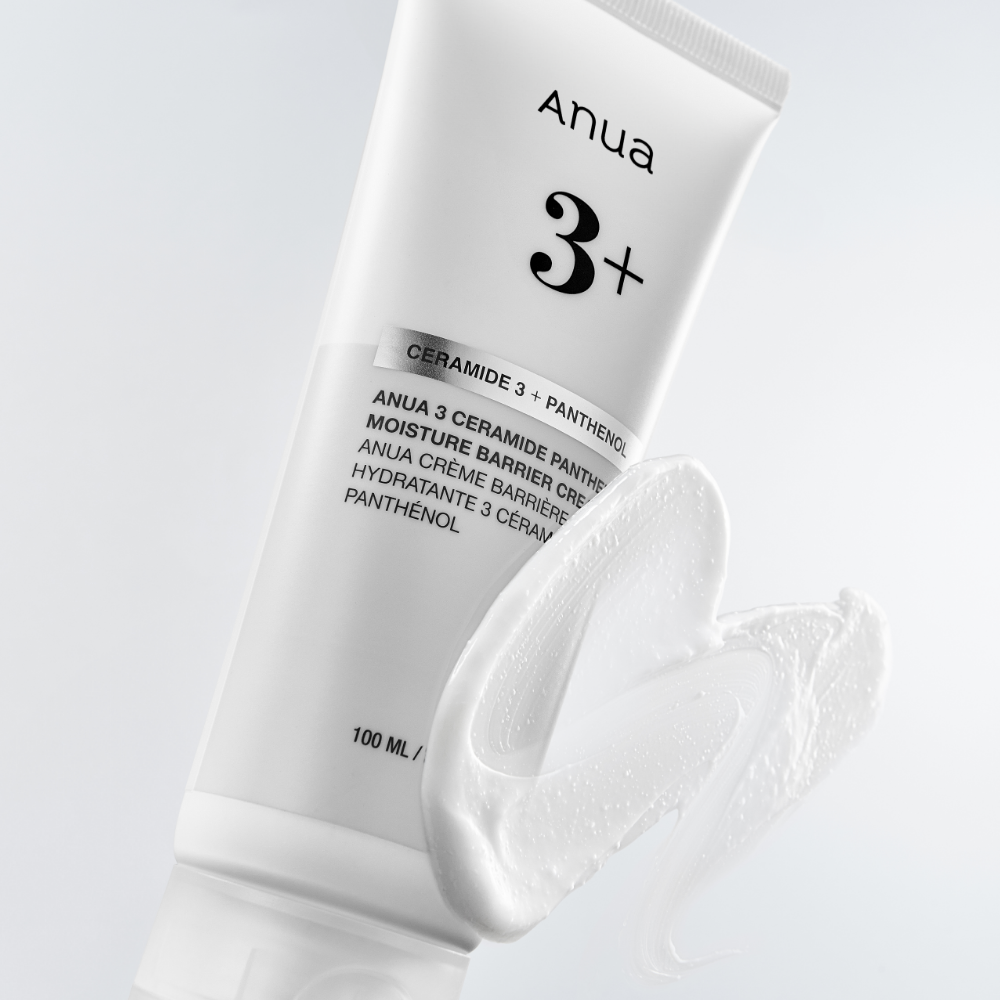
3 Ceramide Panthenol Moisture Barrier Cream
Anua
Frequently Asked Questions
Is phosphatidylcholine the same as lecithin?▼
Can I use phosphatidylcholine with retinol or acids?▼
Will phosphatidylcholine clog my pores?▼
How long does it take to see barrier repair results?▼
Explore More
Want personalized ingredient advice?
Yuri, our AI beauty advisor, can tell you how Phosphatidylcholine works with your specific skin type, routine, and concerns.
Ask Yuri, free