Indian Gooseberry Extract
INCI: Phyllanthus Emblica Fruit Extract
Antioxidant and skin brightening agent
About Indian Gooseberry Extract
Indian Gooseberry Extract, derived from the fruit of Phyllanthus emblica (also known as amla), is a powerhouse antioxidant that has earned its place in modern K-beauty formulations. This ingredient delivers an impressive concentration of vitamin C (up to 20 times more than oranges by weight), along with polyphenols, tannins, and ellagic acid that work synergistically to brighten skin and combat oxidative stress. In Korean skincare, Indian gooseberry appears in premium formulations like Anua's Sea Grape Pore Lifting Retinol Ampoule and Isoi's Brightening Tonic Essence, where it functions as both a protective antioxidant and active brightening agent. What makes this extract particularly valuable is its stability compared to pure ascorbic acid. The naturally occurring vitamin C in amla comes bound with protective compounds that prevent rapid oxidation, allowing formulations to maintain potency longer. Korean brands have recognized this advantage, incorporating the extract into serums, ampoules, and creams designed to address hyperpigmentation, dullness, and environmental damage. With a safety rating of 4/5 and a non-comedogenic profile (0/5), Indian gooseberry extract suits most skin types without clogging pores or causing irritation. Its appearance in 22 products on Seoul Sister, particularly in high-rated items from brands like Aestura and Anua, reflects its growing recognition as a reliable, multifunctional ingredient that bridges traditional Ayurvedic wisdom with contemporary skincare science.
How Indian Gooseberry Extract Works
Indian gooseberry extract operates through multiple complementary mechanisms at the cellular level. Its high concentration of ascorbic acid and ascorbic acid derivatives inhibits tyrosinase, the enzyme responsible for melanin production, which directly addresses hyperpigmentation and uneven skin tone. The polyphenolic compounds, particularly ellagic acid and gallic acid, neutralize free radicals by donating electrons to unstable molecules, preventing oxidative damage to cell membranes and DNA. This antioxidant activity helps protect fibroblasts (the cells that produce collagen) from environmental stressors like UV radiation and pollution. The tannins in the extract provide astringent properties that can help refine pore appearance and control excess sebum, while also supporting the skin's natural barrier function. Additionally, Indian gooseberry demonstrates anti-inflammatory effects by modulating cytokine production, which helps calm reactive skin and reduce redness. The synergistic action of these compounds creates a protective shield against photoaging while actively working to reverse existing damage, making it particularly effective when combined with other actives like retinol (as seen in Anua's formulation) or niacinamide.
Indian Gooseberry Extract by Skin Type
Oily Skin
Indian gooseberry extract works exceptionally well for oily skin due to its natural astringent properties and non-comedogenic rating of 0/5. The tannins help regulate sebum production without stripping the skin, while the antioxidants protect against oxidative stress that can worsen breakouts. Its appearance in pore-focused products like Anua's Sea Grape Pore Lifting Retinol Ampoule speaks to its effectiveness for this skin type.
Dry Skin
For dry skin, Indian gooseberry extract provides crucial antioxidant protection while supporting barrier repair through its anti-inflammatory properties. While not a primary humectant, it works synergistically with hydrating ingredients in formulations like Aestura's Etsere Melacare Creme to protect moisture-retaining cellular structures from environmental damage. The gentle nature of this extract makes it suitable even for compromised dry skin.
Combo Skin
Combination skin benefits significantly from Indian gooseberry extract's balanced approach. It addresses excess oil in the T-zone through mild astringency while providing antioxidant protection to drier areas without causing further dehydration. Products like Isoi's Brightening Tonic Essence leverage this versatility, making it ideal for those dealing with mixed skin concerns across different facial zones.
Sensitive Skin
Indian gooseberry extract's anti-inflammatory properties make it generally well-tolerated by sensitive skin, though its safety rating of 4/5 (not perfect 5/5) suggests some individuals may experience mild reactions. The extract's ability to calm cytokine activity helps reduce reactivity, and its stable form of vitamin C is typically gentler than pure ascorbic acid. Always patch test, particularly if you have known sensitivities to fruit extracts.
Normal Skin
Normal skin types can use Indian gooseberry extract as a preventative antioxidant to maintain skin health and brightness. It provides comprehensive protection against environmental aggressors while gently enhancing radiance without disrupting the skin's balanced state. The extract works beautifully in maintenance routines, as evidenced by its inclusion in complete systems like Isoi's Brightening Set.
How to Use Indian Gooseberry Extract
- 1Apply products containing Indian gooseberry extract in the morning to maximize antioxidant protection against daytime environmental stressors like UV and pollution.
- 2Layer this ingredient before heavier creams, as it typically appears in lightweight serums and essences that absorb better on clean, slightly damp skin.
- 3Pair with sunscreen always, as vitamin C and brightening agents make skin more receptive to UV damage if left unprotected.
- 4Combine with other antioxidants like vitamin E or ferulic acid for enhanced stability and synergistic protection (many K-beauty formulations already do this).
- 5If using with retinol (like in Anua's ampoule), start with every other night application to assess tolerance before daily use.
Background
Indian gooseberry, or amla, has been a cornerstone of Ayurvedic medicine for over 5,000 years, revered as a rasayana (rejuvenating) herb in ancient Indian texts. The small, sour fruit grows on trees native to the Indian subcontinent and has traditionally been consumed internally for immune support and longevity, while also being applied topically for hair and skin health. Its Sanskrit name, amalaki, translates to "the sustainer," reflecting its reputation as a comprehensive wellness ingredient. Korean beauty brands began incorporating amla extract around the mid-2010s as the industry expanded its botanical repertoire beyond traditional Korean herbs. The ingredient gained traction as consumers sought natural, stable alternatives to synthetic vitamin C derivatives. Today, brands like Isoi, Anua, and Aestura feature Indian gooseberry in their brightening and anti-aging lines, recognizing its scientific validation and cultural heritage as complementary strengths that appeal to modern skincare enthusiasts seeking both efficacy and authenticity.
K-Beauty Products with Indian Gooseberry Extract
View all 22 →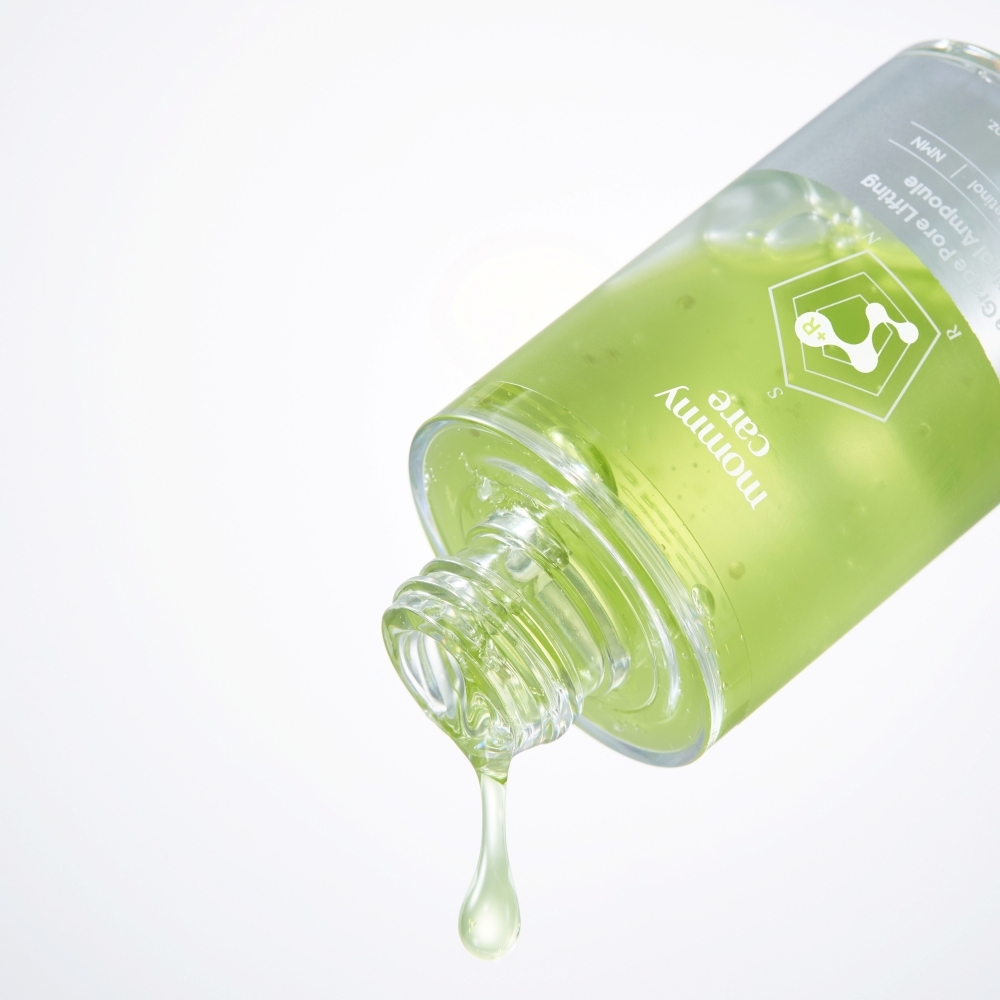
Sea Grape Pore Lifting Retinol Ampoule
Anua
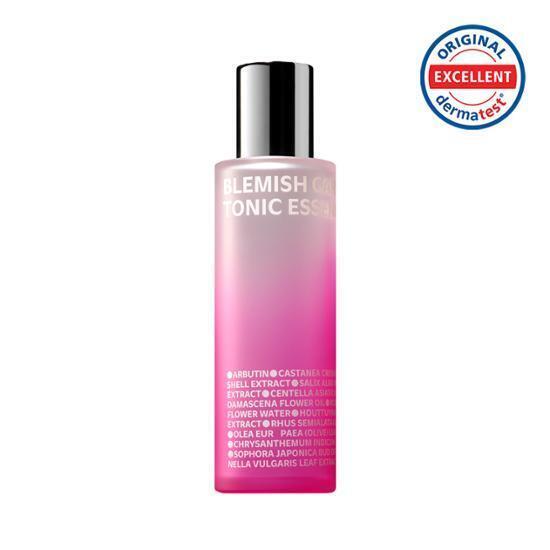
Brightening Tonic Essence
Isoi
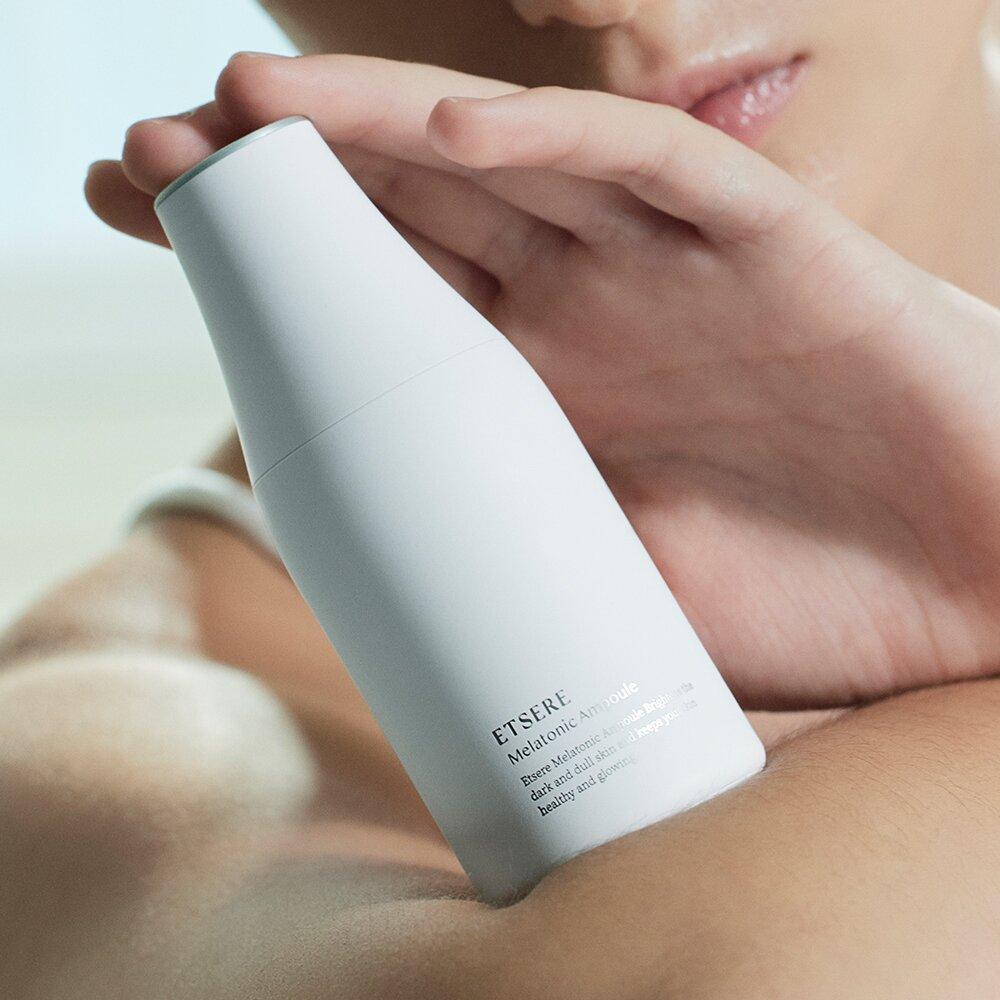
Etsere Melatonic Ampoule
Anua
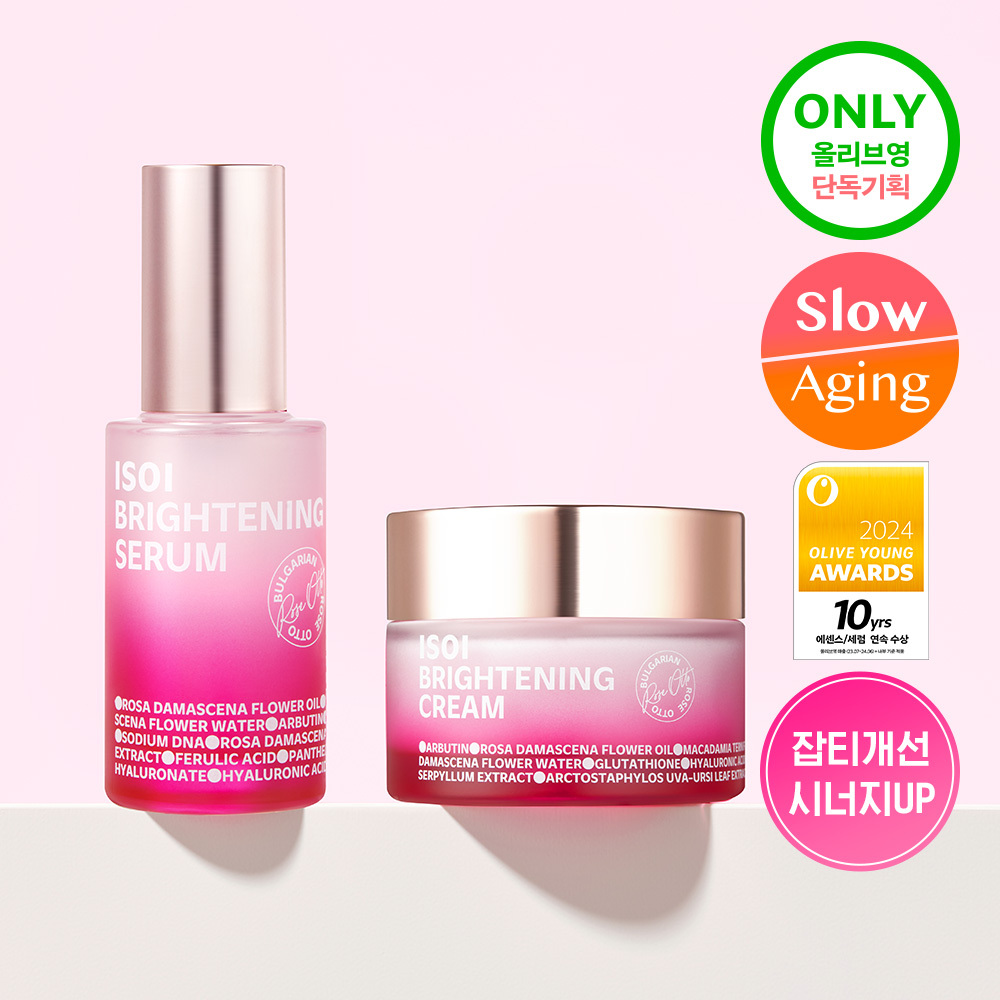
Brightening Set (Serum 20ml + Cream 35ml)
Isoi
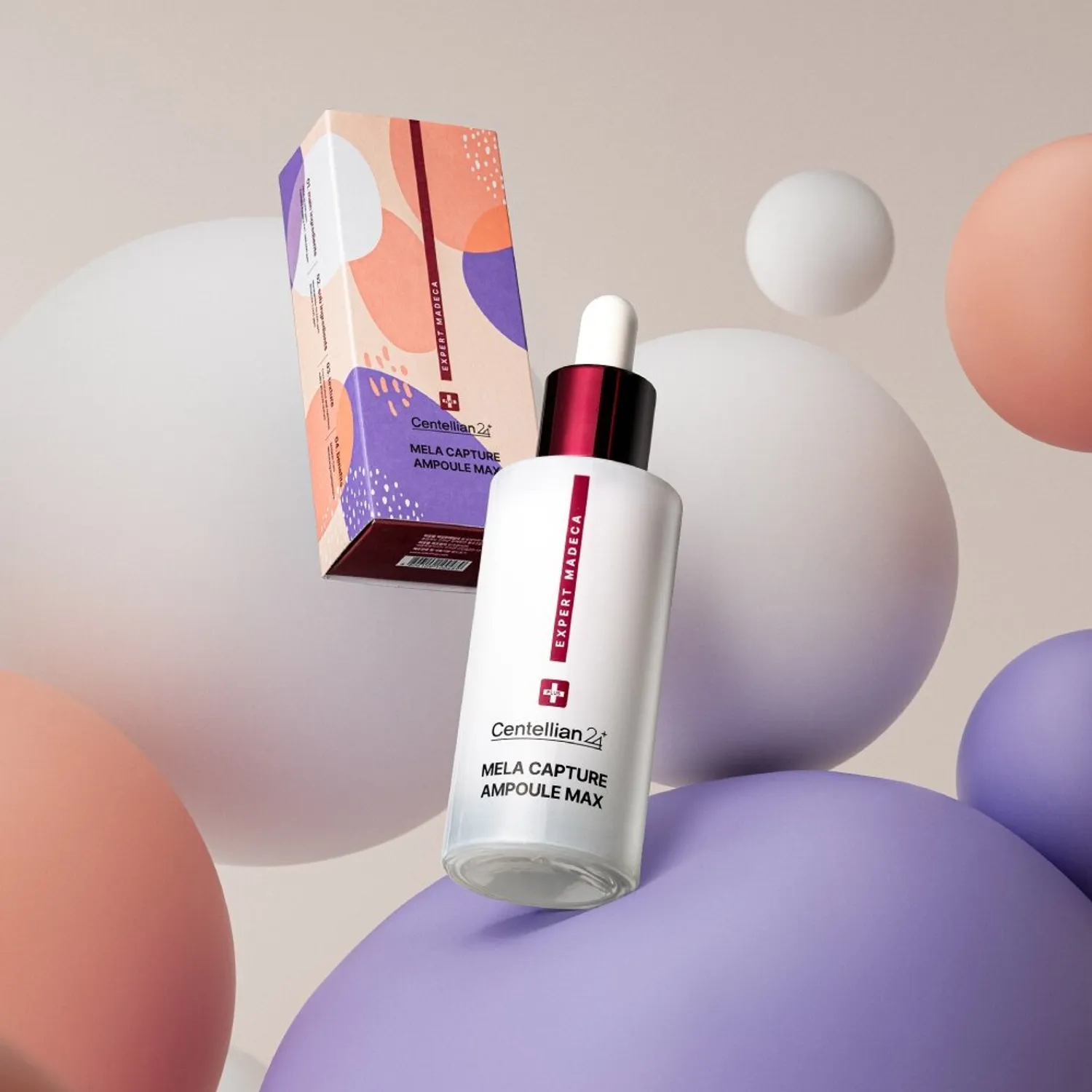
Expert Madeca Mela Capture Ampoule Max
Centellian24
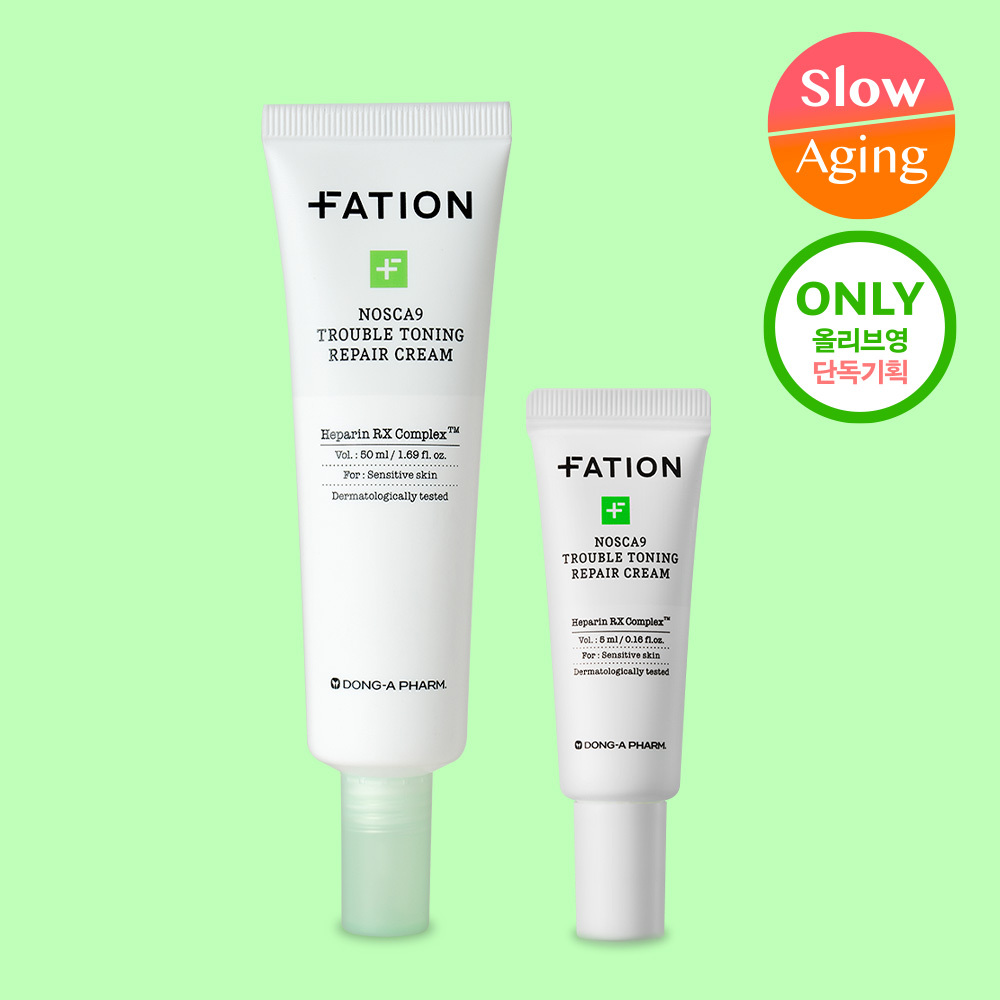
Nosca9 Trouble Toning Repair Cream Set
Fation
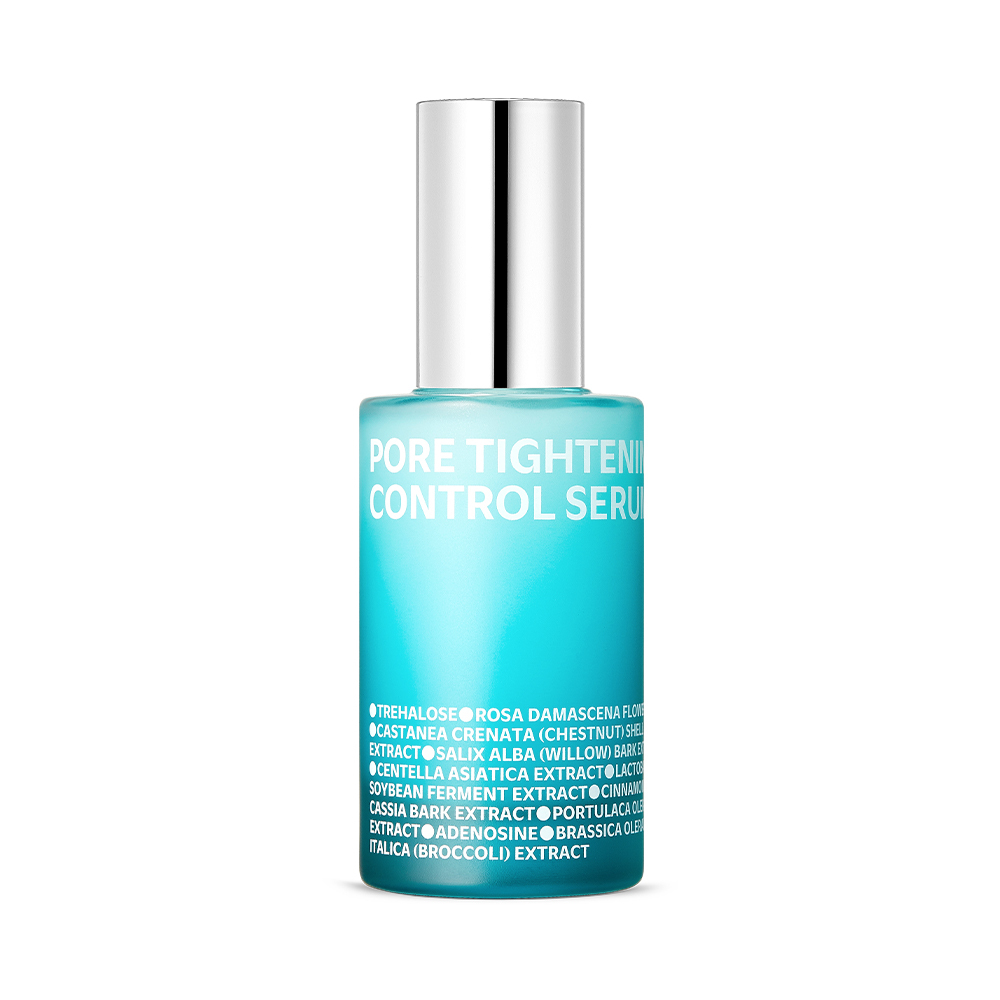
Pore Tightening Control Serum Special Set
Isoi
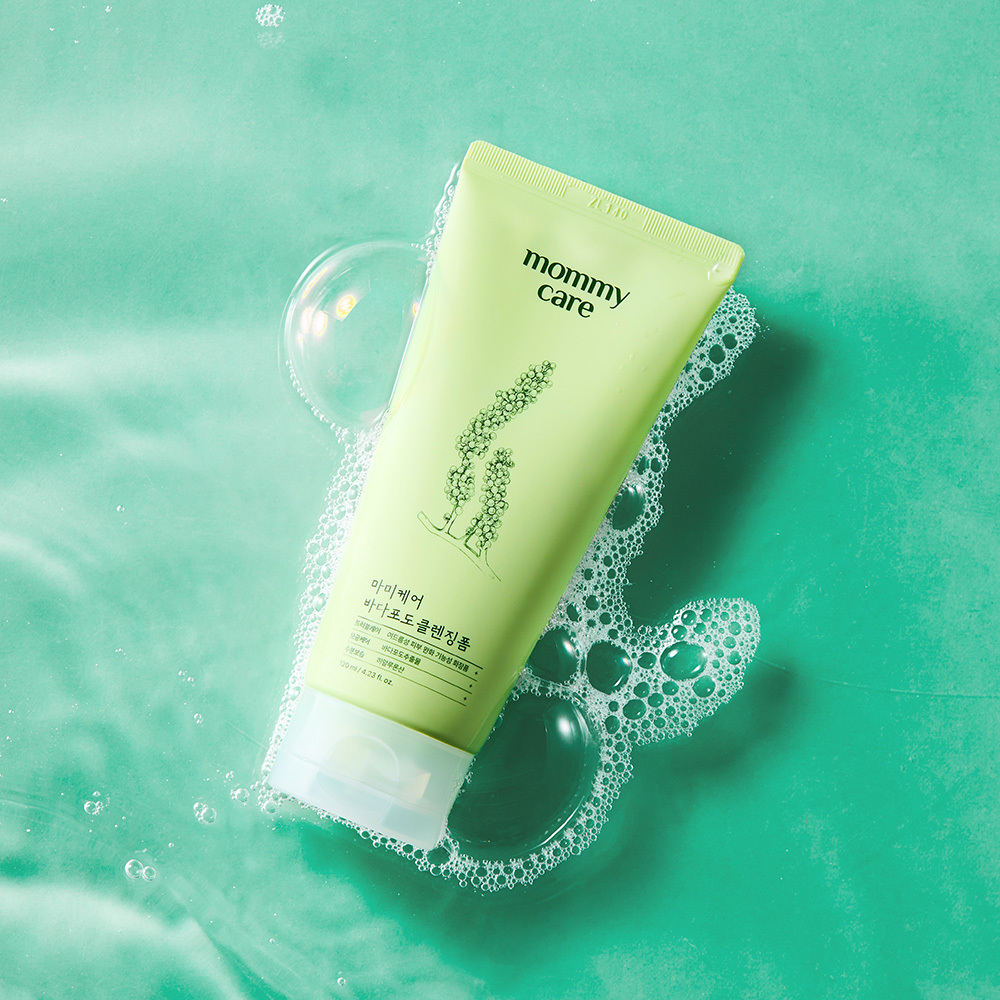
Sea Grape Cleansing Foam
Beplain
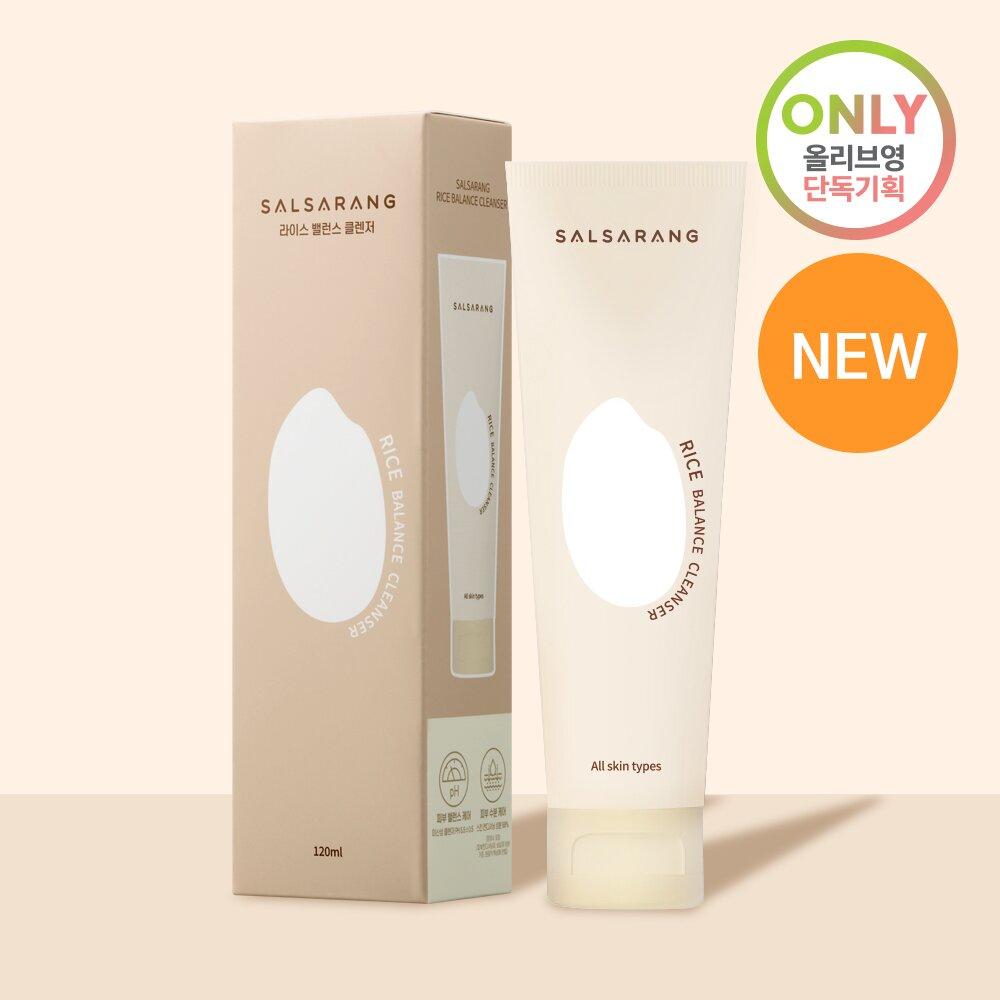
Rice Balance Cleanser
Beplain
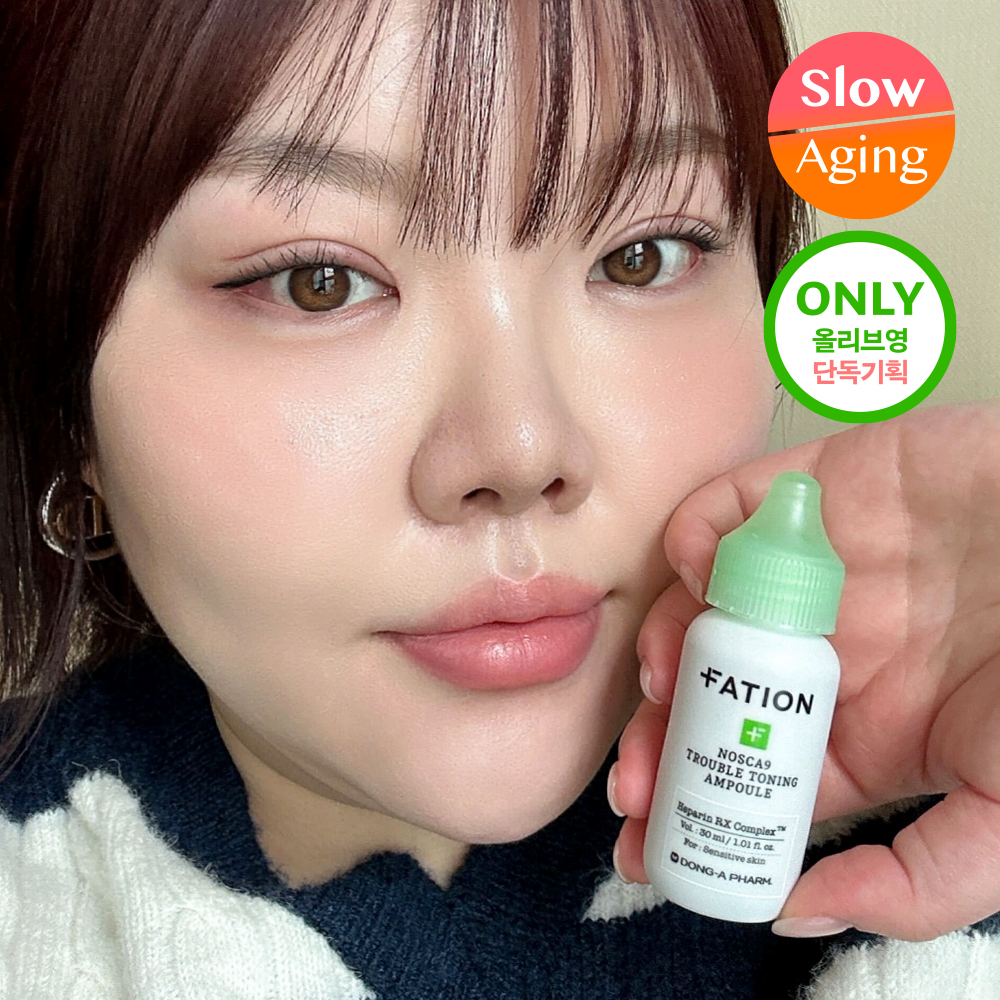
Nosca9 Trouble Toning Ampoule
Fation
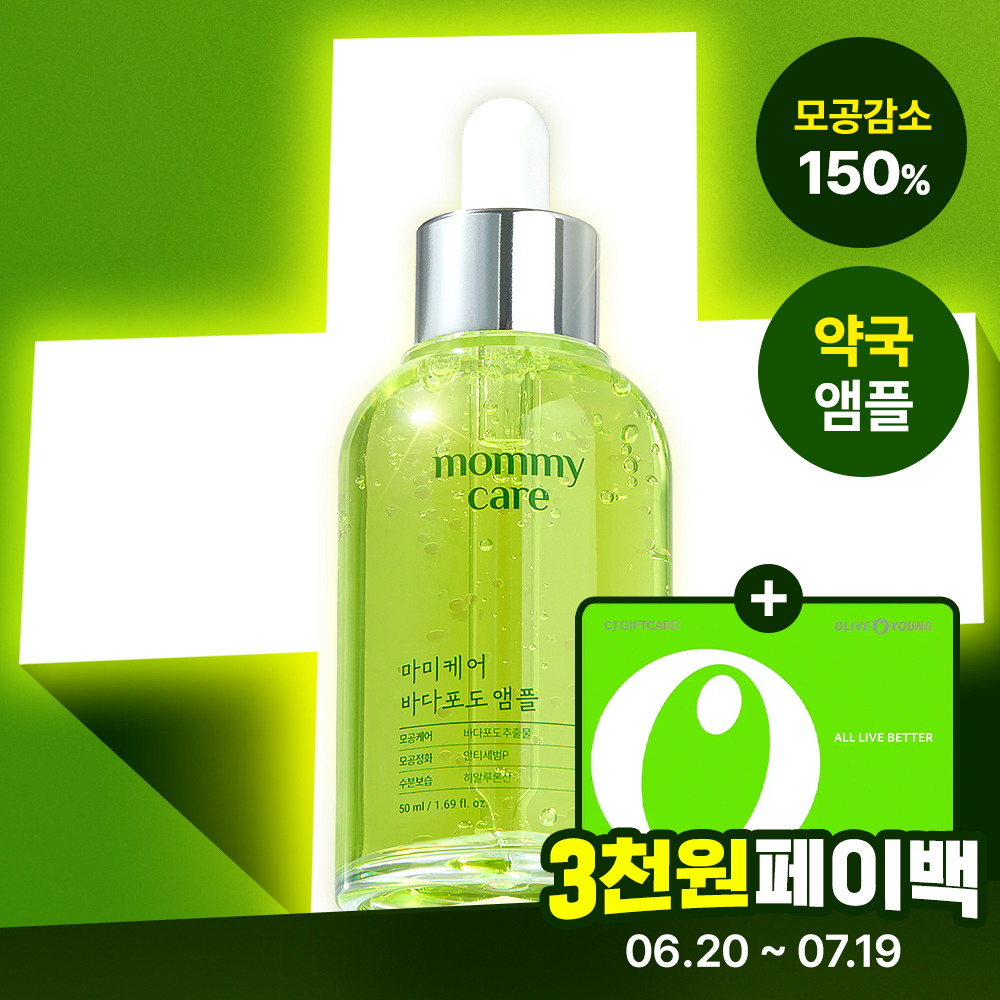
Sea Grape Ampoule
Anua
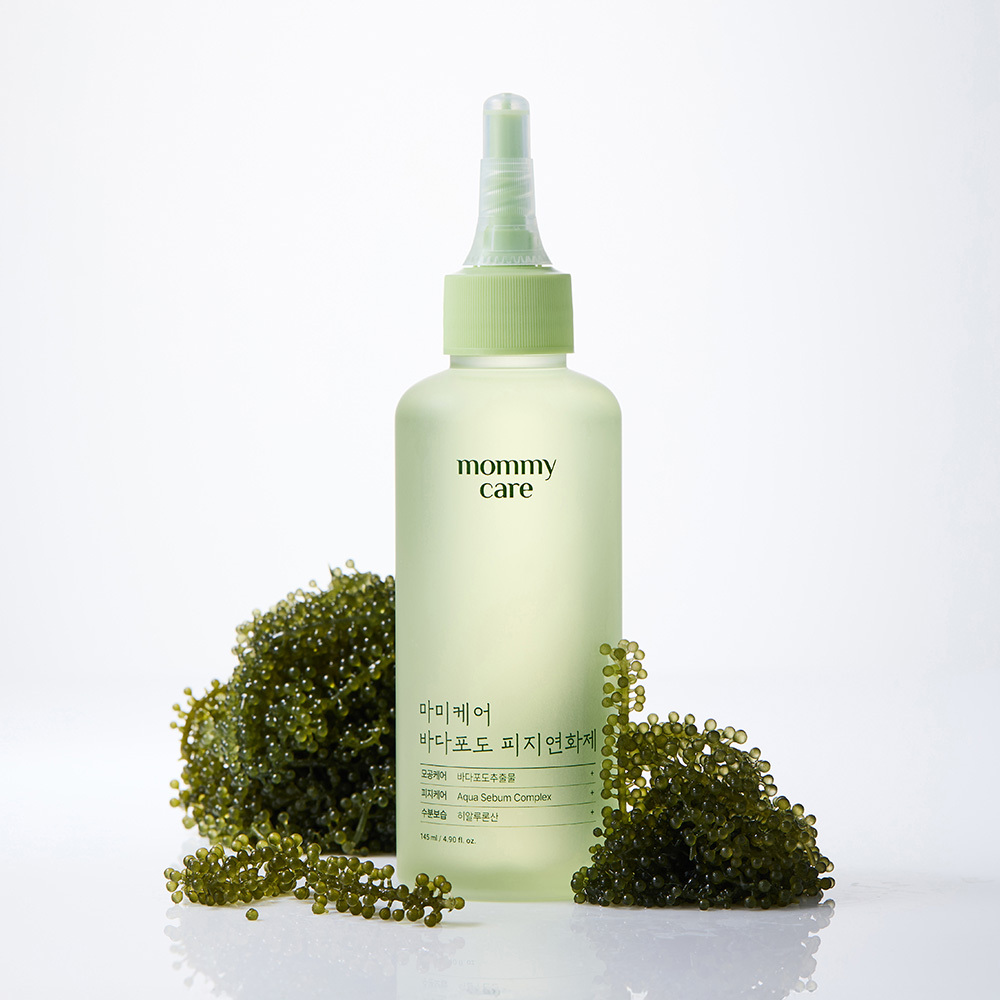
Sea Grape Aqua Sebum Softener
Ilso
Frequently Asked Questions
Is Indian gooseberry extract safe to use during pregnancy?▼
How does Indian gooseberry compare to other vitamin C sources in skincare?▼
Can I use Indian gooseberry extract with other acids like AHAs or BHAs?▼
Why do high-rated products like Anua's retinol ampoule include Indian gooseberry extract?▼
Will Indian gooseberry extract clog my pores?▼
Explore More
Want personalized ingredient advice?
Yuri, our AI beauty advisor, can tell you how Indian Gooseberry Extract works with your specific skin type, routine, and concerns.
Ask Yuri, free