Phytosphingosine
Antimicrobial lipid that strengthens skin barrier
About Phytosphingosine
Phytosphingosine is a naturally occurring lipid molecule found in the outermost layer of skin, where it plays a crucial role in maintaining the skin barrier's integrity and defending against microbial threats. Unlike typical antimicrobial ingredients that simply kill bacteria on contact, phytosphingosine works by reinforcing your skin's own defense mechanisms while simultaneously exhibiting antimicrobial properties. This dual action makes it particularly valuable in K-beauty formulations, where barrier health is considered foundational to all other skincare goals. Korean brands have embraced phytosphingosine as a sophisticated alternative to harsher acne-fighting ingredients, incorporating it into everything from gentle cleansers to barrier-repair essences. With a comedogenic rating of 0/5, it won't clog pores despite being a lipid, making it suitable for acne-prone skin. Seoul Sister data shows phytosphingosine appears in 293 K-beauty products, many of which focus on sensitive or compromised skin barriers. The ingredient has gained particular traction in products addressing both barrier damage and breakouts simultaneously, a combination that traditionally proved challenging to formulate.
How Phytosphingosine Works
Phytosphingosine functions at the cellular level by integrating directly into the lipid bilayer of your stratum corneum, the skin's outermost protective layer. Once incorporated, it strengthens intercellular connections between skin cells, reducing transepidermal water loss and improving barrier resilience. Its antimicrobial activity stems from its ability to disrupt the cell membranes of harmful bacteria, particularly Cutibacterium acnes (the bacteria associated with breakouts) and Malassezia (linked to fungal acne and seborrheic dermatitis). What makes phytosphingosine unique is its selective targeting. It affects pathogenic microbes while preserving beneficial skin flora, maintaining the healthy microbiome balance that K-beauty philosophy emphasizes. Additionally, phytosphingosine modulates inflammatory responses by influencing cytokine production, which helps calm reactive skin without suppressing the immune system entirely. This anti-inflammatory action explains why products containing phytosphingosine, like the Black Rice Probiotics Barrier Essence by Haruharu Wonder (rated 4.9/5 on Seoul Sister), effectively address both barrier damage and inflammation-related concerns.
Phytosphingosine by Skin Type
Oily Skin
Phytosphingosine is highly beneficial for oily skin, particularly when dealing with acne or congestion. Its antimicrobial properties target breakout-causing bacteria without the harsh drying effects of traditional acne ingredients like benzoyl peroxide. The non-comedogenic nature (0/5 rating) means it strengthens your barrier without adding to oiliness or clogging pores, which is why it appears in top-rated cleansers like the z+piderm EGF Skin Barrier Cleansing Foam by Beplain.
Dry Skin
For dry skin, phytosphingosine addresses the root cause of moisture loss by reinforcing the lipid barrier that prevents water evaporation. By integrating into the skin's natural lipid matrix, it improves the barrier's ability to retain hydration without feeling heavy or greasy. This makes it ideal for dry skin that also experiences sensitivity or occasional breakouts, a combination that many barrier-focused products on Seoul Sister specifically target.
Combo Skin
Combination skin benefits significantly from phytosphingosine's balanced approach to skin health. It manages oiliness and potential breakouts in the T-zone through its antimicrobial action while simultaneously supporting barrier function in drier cheek areas. Products like the Barrierderm Mild Foam Cleanser by Skin&Lab (5.0/5) demonstrate this versatility, cleansing without disrupting the varying needs of combination skin zones.
Sensitive Skin
Sensitive skin types find phytosphingosine particularly valuable because it strengthens barrier defenses that are often compromised in reactive skin. Its anti-inflammatory properties help reduce redness and irritation without introducing potentially sensitizing actives. The ingredient's natural presence in healthy skin means it's well-tolerated even by highly reactive complexions, which explains its prevalence in gentle, barrier-focused Korean formulations designed for sensitive skin.
Normal Skin
Normal skin can use phytosphingosine as a preventative measure to maintain optimal barrier health and ward off potential imbalances. It helps preserve the skin's natural resilience against environmental stressors and keeps the microbiome balanced. Regular use in maintenance products helps normal skin stay that way, preventing the transition to sensitivity or breakout-prone states that can result from barrier degradation.
How to Use Phytosphingosine
- 1Look for phytosphingosine in leave-on products like essences and serums for maximum barrier-building benefits, though it also appears effectively in well-formulated cleansers that maintain contact time with skin.
- 2Pair phytosphingosine products with ceramides and cholesterol for a complete lipid barrier complex, as Korean brands often do in their barrier repair formulations.
- 3Use phytosphingosine-containing products consistently for at least 4-6 weeks to see measurable improvements in barrier function and reduction in breakouts.
- 4If dealing with both barrier damage and acne, phytosphingosine products offer a gentler alternative to harsh spot treatments while addressing both concerns simultaneously.
Background
Phytosphingosine was first identified in plants (hence the 'phyto' prefix) and later discovered to be a natural component of human skin's lipid barrier. While sphingolipids have been studied in dermatology since the 1980s, phytosphingosine's specific antimicrobial and barrier-strengthening properties weren't fully appreciated until the early 2000s. Korean skincare researchers were among the first to recognize its potential for addressing the intersection of barrier damage and microbial imbalance, two conditions that Western skincare often treated separately. The ingredient gained prominence in K-beauty during the barrier repair movement of the 2010s, when Korean brands began formulating products that addressed skin health holistically rather than targeting single concerns. Today, phytosphingosine represents K-beauty's sophisticated approach to problem-solving, offering multi-functional benefits that align with the Korean philosophy of skin health as a foundation for beauty.
K-Beauty Products with Phytosphingosine
View all 329 →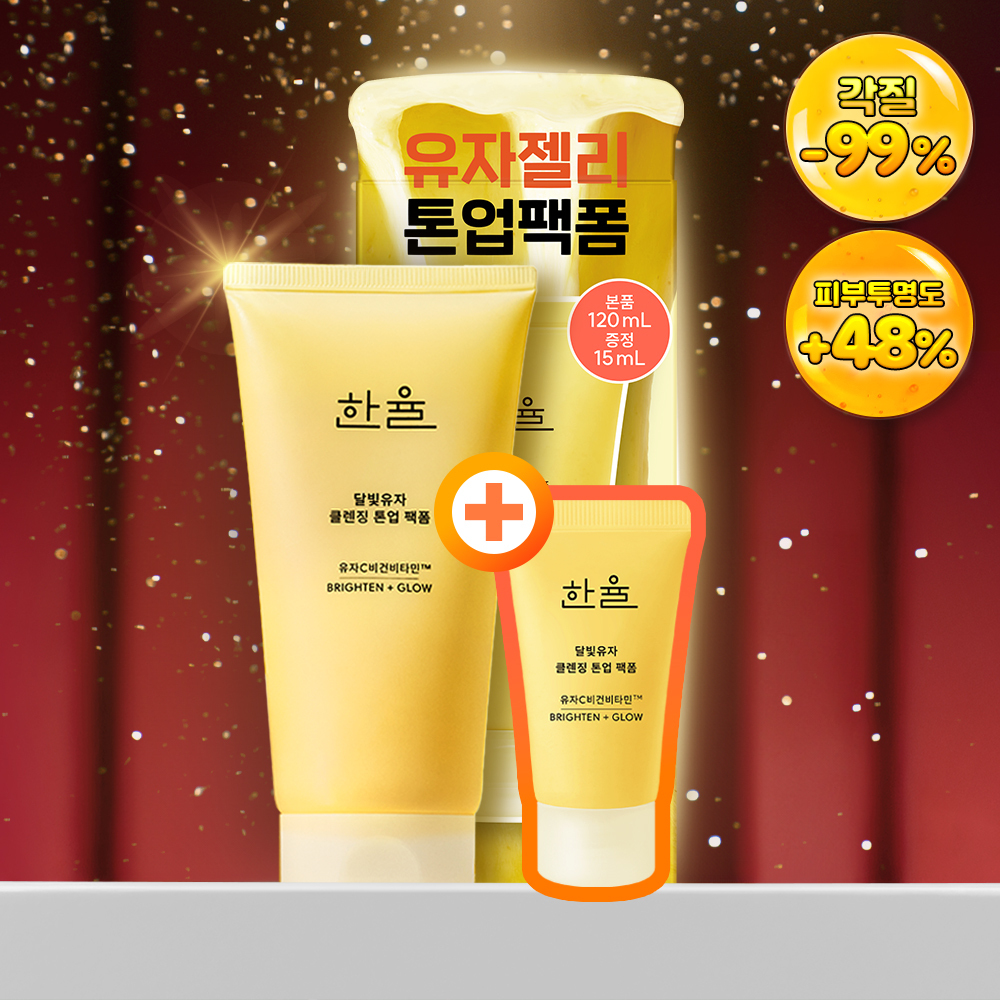
Yuja Cleansing Tone Up Pack Foam Set
Hanyul
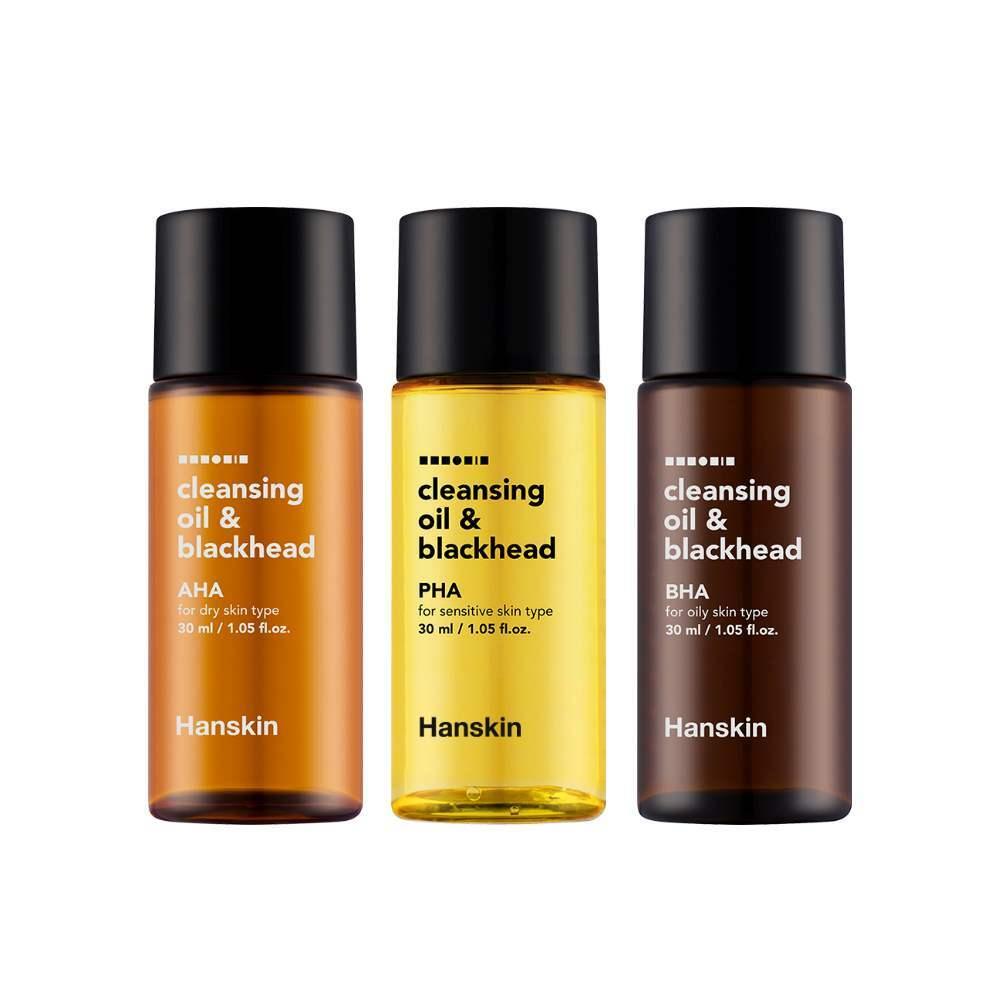
Cleansing Oil & Blackhead 3P Travel Kit
Hanskin
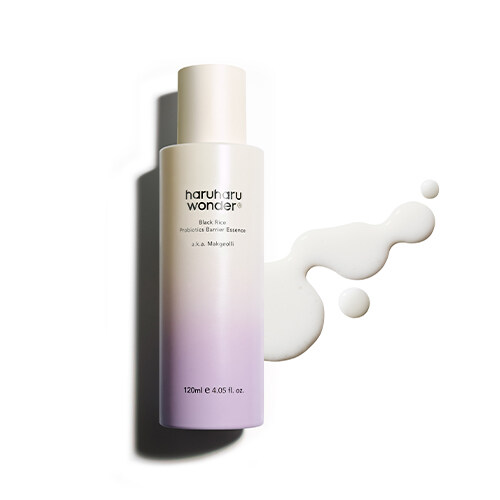
Black Rice Probiotics Barrier Essence
Haruharu Wonder
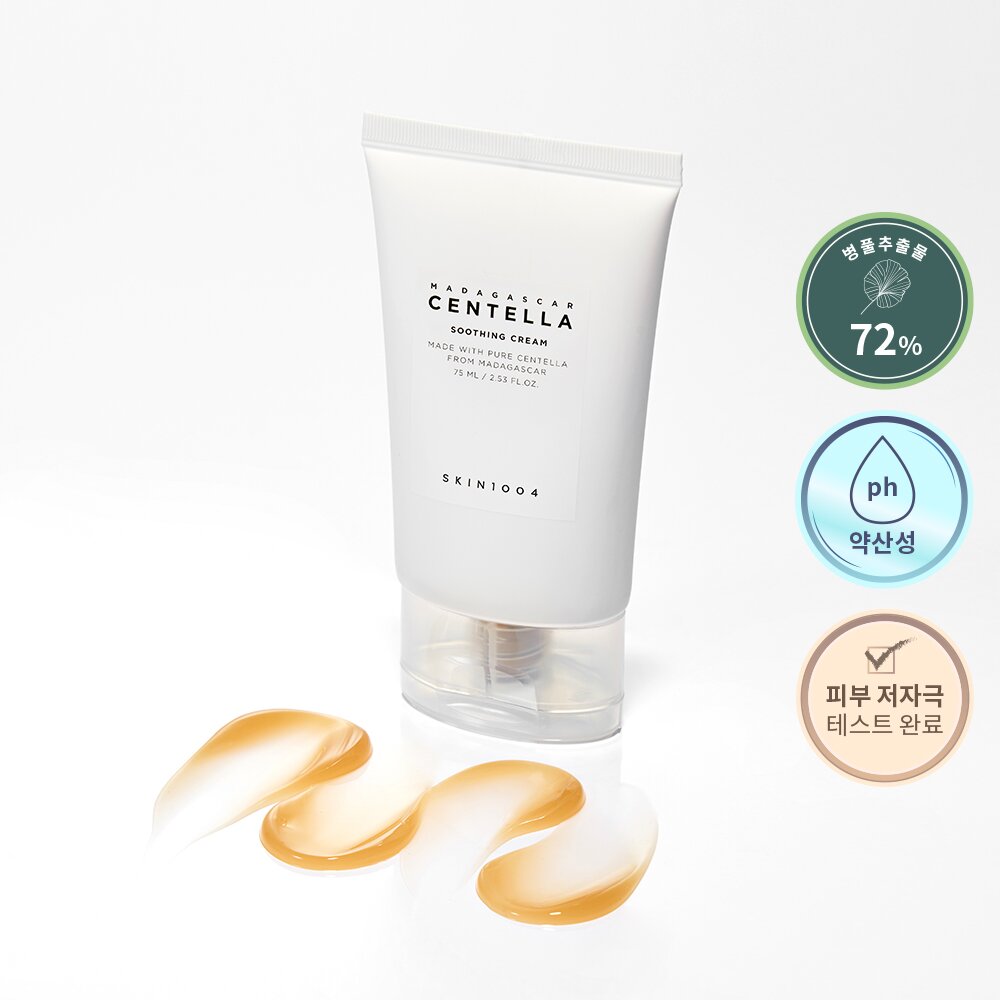
Madagascar Centella Soothing Cream
SKIN1004

Madagascar Centella Probio-Cica Enrich Cream
SKIN1004
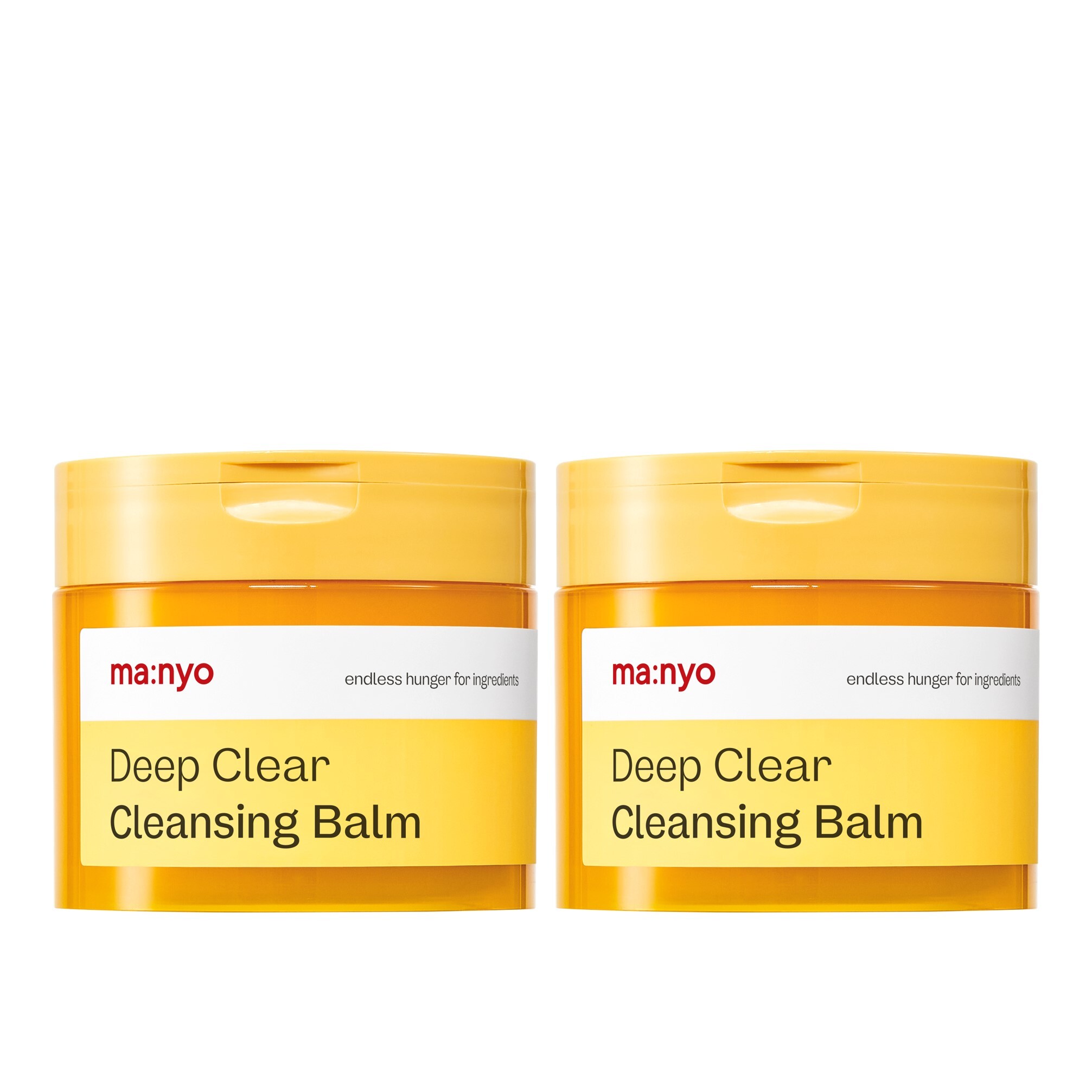
Deep Clear Cleansing Balm Double Pack
ma:nyo
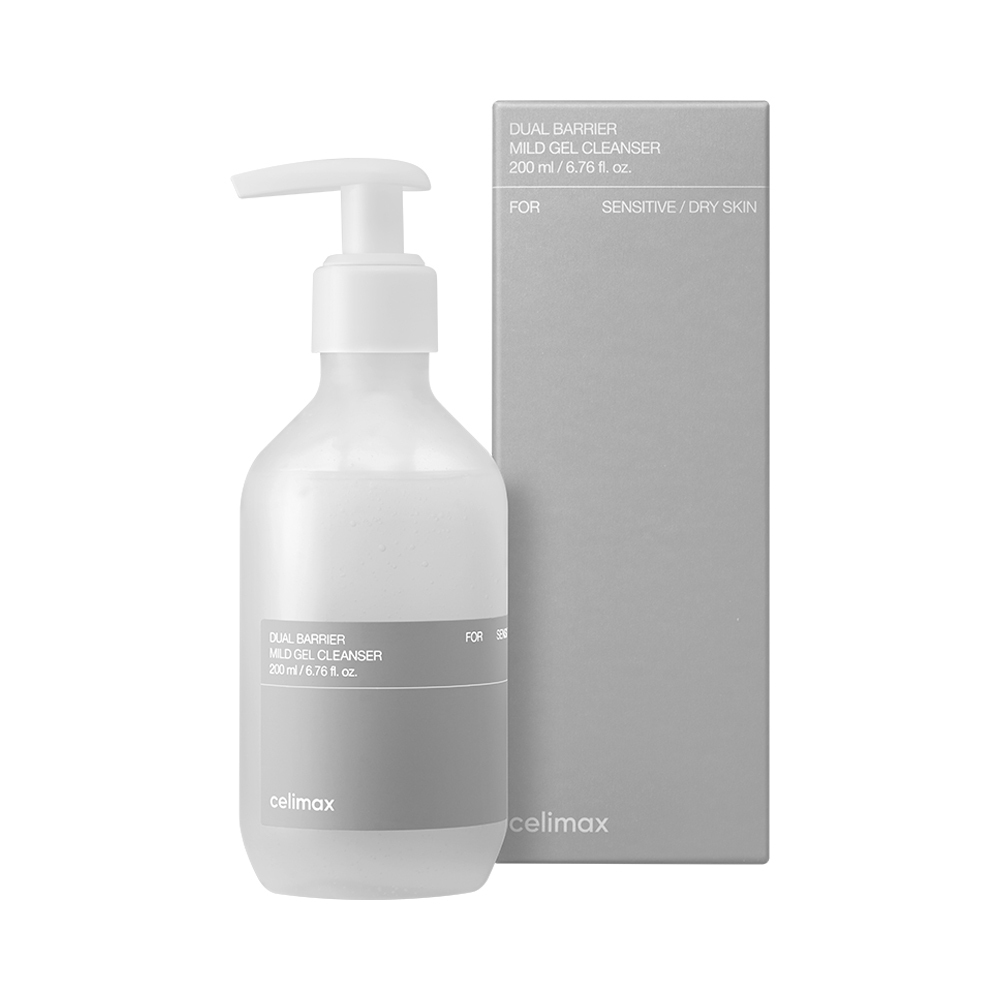
Dual Barrier Mild Gel Cleanser
Celimax
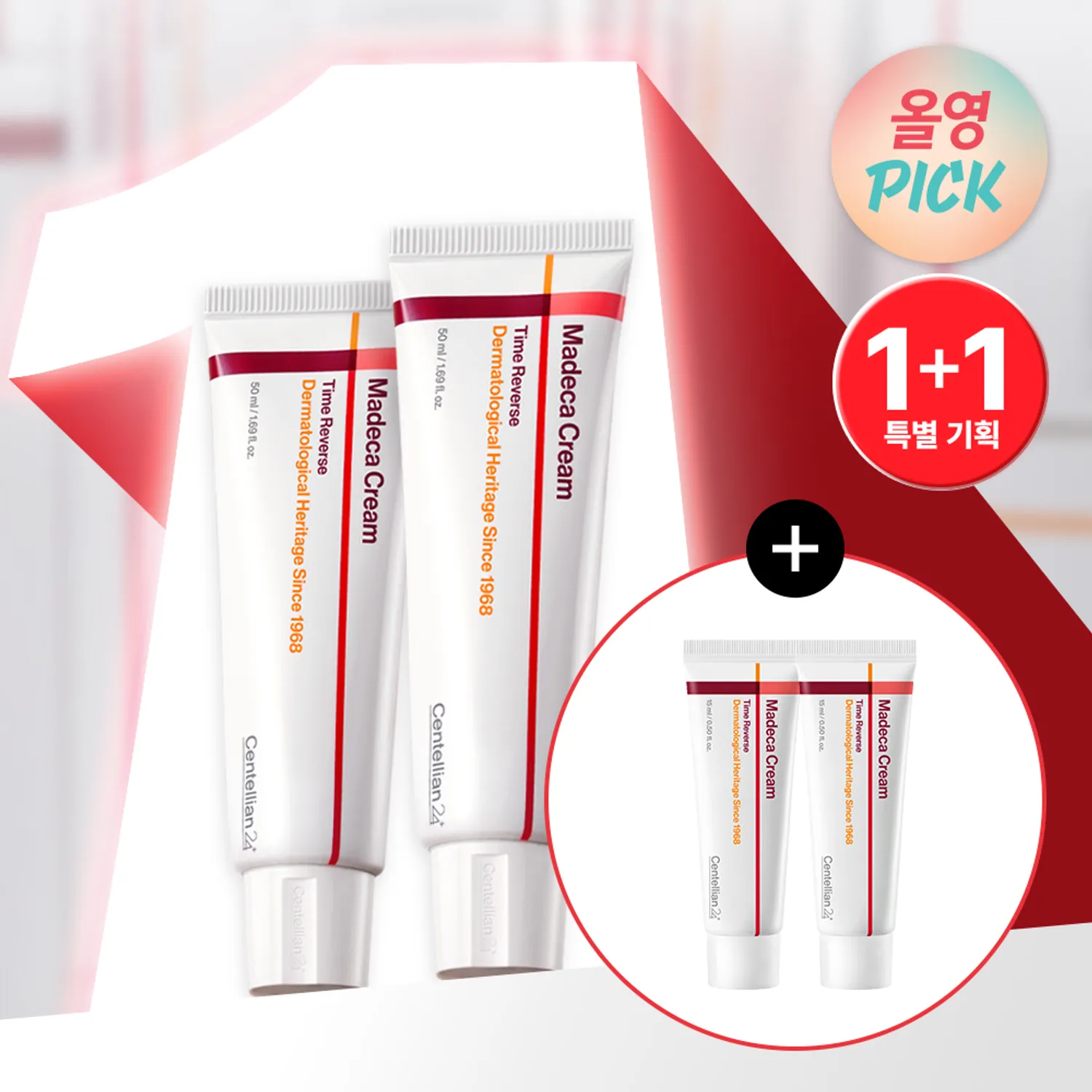
Madeca Cream Time Reverse Double Pack
Centellian24

PDRN Reedle Shot Eye Lifter
VT
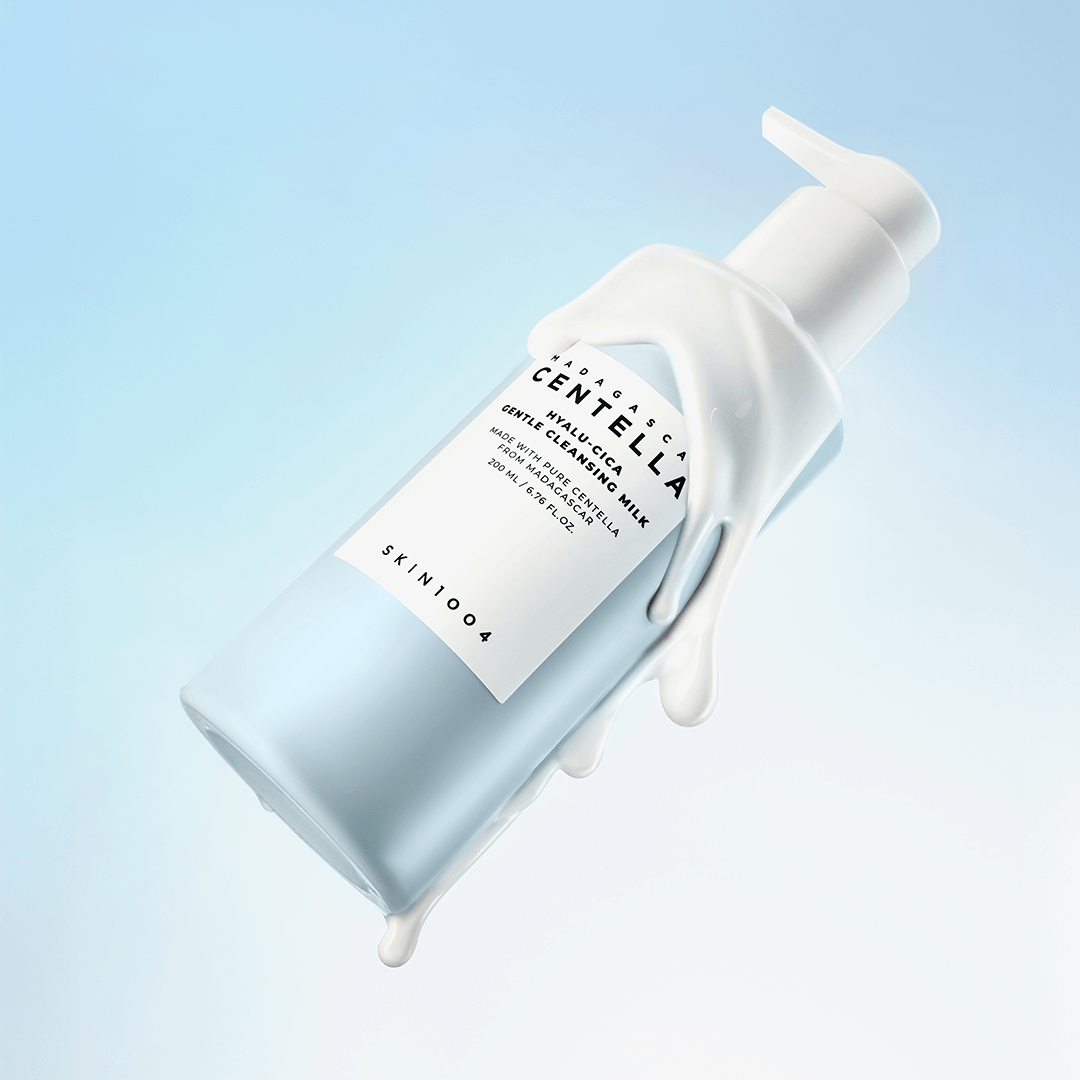
Madagascar Centella Hyalu-Cica Gentle Cleansing Milk
SKIN1004
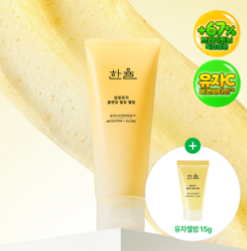
Yuja Cleansing Peeling Gel Balm
Hanyul
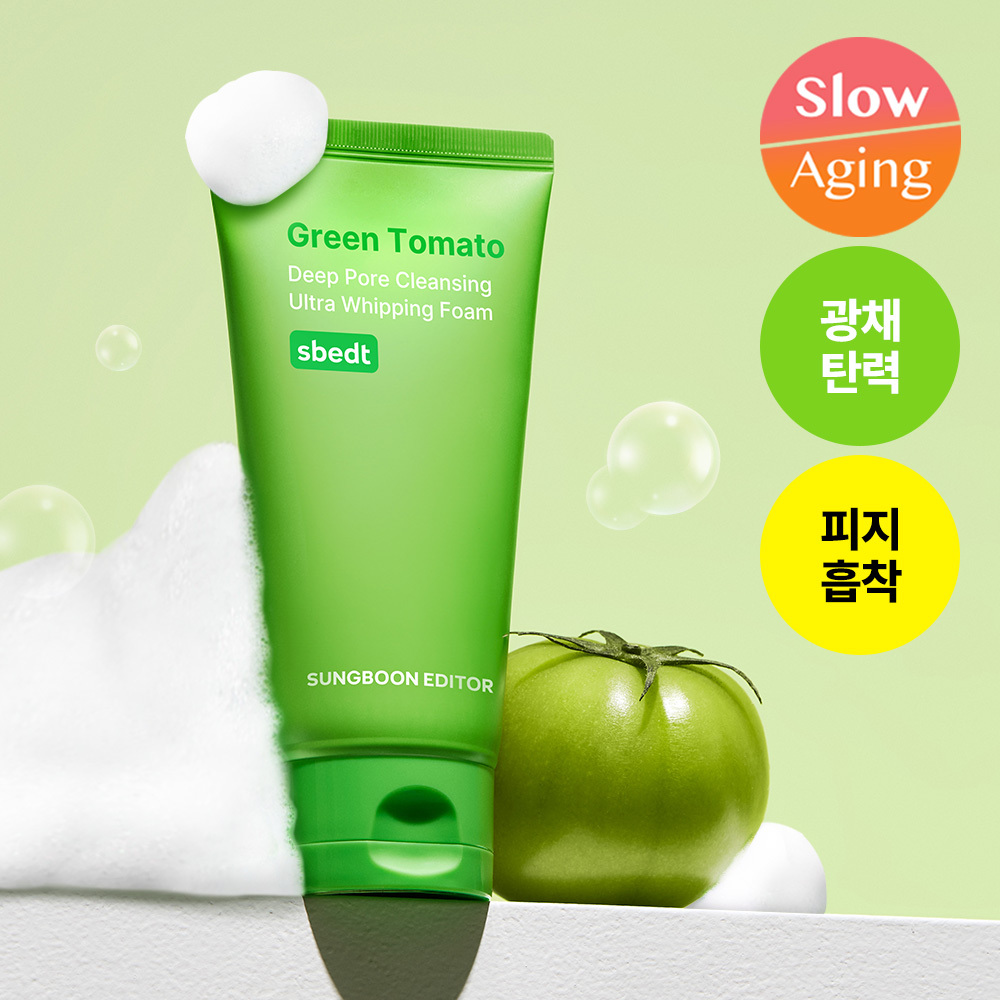
Green Tomato Deep Pore Cleansing Ultra Whipping Foam
Sungboon Editor
Frequently Asked Questions
Is phytosphingosine safe to use with other acne-fighting ingredients?▼
Can phytosphingosine help with fungal acne?▼
Why do so many Korean cleansers contain phytosphingosine?▼
How long does it take to see results from phytosphingosine products?▼
Explore More
Want personalized ingredient advice?
Yuri, our AI beauty advisor, can tell you how Phytosphingosine works with your specific skin type, routine, and concerns.
Ask Yuri, free