Phytosterols
Skin barrier repair and anti-inflammatory agent
About Phytosterols
Phytosterols are plant-derived lipids that structurally mimic cholesterol in human skin, making them exceptional at repairing and reinforcing the skin barrier. Found naturally in plants like soybeans, wheat germ, and rice bran, phytosterols (also called plant sterols) integrate seamlessly into the lipid matrix between skin cells, helping to restore moisture retention and protect against environmental stressors. In K-beauty formulations, phytosterols serve a dual purpose: they strengthen compromised barriers while simultaneously calming inflammation, making them particularly valuable in products targeting sensitive or reactive skin. Their effectiveness is reflected in their inclusion across 192 products on Seoul Sister, from lightweight serums to rich barrier creams. What makes phytosterols especially appealing is their biomimetic nature. Because they closely resemble the sterols naturally present in skin, they don't just sit on the surface but actively participate in skin repair processes. K-beauty brands have embraced this ingredient in everything from cleansing oils to advanced treatment creams, recognizing its ability to deliver results without irritation. With a low comedogenic rating of 1/5, phytosterols work across all skin types, though their barrier-repairing properties make them particularly transformative for those dealing with dryness, sensitivity, or compromised skin from over-exfoliation or harsh climate conditions.
How Phytosterols Works
At the molecular level, phytosterols integrate into the stratum corneum, the outermost layer of skin where they become part of the lipid bilayer structure that holds skin cells together. This lipid matrix is composed of ceramides, cholesterol, and free fatty acids, and phytosterols can substitute for or supplement cholesterol in this arrangement. By filling gaps in a damaged barrier, they reduce transepidermal water loss (TEWL), which is the rate at which moisture evaporates from skin. Beyond structural support, phytosterols exhibit anti-inflammatory properties by inhibiting the production of pro-inflammatory cytokines and reducing the activity of enzymes that break down collagen. They also interfere with the absorption of cholesterol in skin (similar to their function in cardiovascular health when consumed orally), which can help regulate sebum production and reduce inflammation associated with excess lipid oxidation. The most commonly used phytosterols in skincare include beta-sitosterol, campesterol, and stigmasterol, each contributing to both the physical reinforcement of the barrier and the biochemical signaling that calms irritation and supports skin regeneration.
Phytosterols by Skin Type
Oily Skin
Phytosterols work well for oily skin because they help regulate barrier function without adding heavy occlusion. Their anti-inflammatory properties can reduce the redness and irritation that often accompany acne-prone skin. With a comedogenic rating of just 1/5, they're unlikely to clog pores even when used in richer formulations.
Dry Skin
This is where phytosterols truly shine. By reinforcing the lipid barrier and reducing transepidermal water loss, they help dry skin retain moisture more effectively than humectants alone. Products like Mediheal's PDRN Lifting Derma Cream (4.9/5) combine phytosterols with other barrier-supporting ingredients to deliver lasting hydration and comfort to chronically dehydrated skin.
Combo Skin
Combination skin benefits from phytosterols' balanced approach to barrier repair without excess oil. They strengthen dry zones (typically cheeks and under-eyes) while their low comedogenic profile keeps T-zone congestion at bay. Look for lightweight serums that deliver phytosterols without heavy textures.
Sensitive Skin
Phytosterols are particularly valuable for sensitive skin due to their dual action: barrier repair and inflammation reduction. They help rebuild compromised barriers that make skin reactive while actively calming irritation. Products like Beplain's Cicaffeine Trouble Reset Cleansing Foam (5.0/5) leverage phytosterols to cleanse without further sensitizing already reactive skin.
Normal Skin
Even balanced skin benefits from phytosterols as a preventative measure against barrier damage from UV exposure, pollution, and seasonal changes. They maintain optimal barrier function and support skin's natural resilience. Incorporating them into your routine helps keep normal skin normal, especially during environmental stressors.
How to Use Phytosterols
- 1Layer phytosterol-containing products after lighter serums but before occlusives to allow them to integrate properly into the skin barrier
- 2For compromised barriers, use phytosterol products twice daily for at least 4-6 weeks to see meaningful barrier repair, as lipid layer regeneration takes time
- 3Pair phytosterols with ceramides and niacinamide for synergistic barrier support (the lipid-identical combination is more effective than any single ingredient)
- 4Cleansing oils with phytosterols, like those in Hanskin's Cleansing Oil & Blackhead 3P Travel Kit (5.0/5), can cleanse while simultaneously supporting barrier function rather than stripping it
Background
Phytosterols have been used in traditional medicine for centuries, particularly in Asian cultures where plant-based remedies have long been valued for healing and skin protection. However, their scientific identification and isolation didn't occur until the 18th century, and their application in modern skincare is relatively recent, gaining traction in the 1990s as research revealed their structural similarity to human skin lipids. K-beauty's focus on barrier science and gentle, plant-derived actives made phytosterols a natural fit for the industry's philosophy. Korean skincare brands began incorporating concentrated phytosterol extracts from traditional sources like rice bran and soybeans into advanced formulations in the early 2000s. Today, they're recognized as evidence-based barrier repair agents, featured prominently in products targeting everything from sensitivity to aging, reflecting K-beauty's commitment to ingredients that work with skin's natural biology rather than against it.
K-Beauty Products with Phytosterols
View all 214 →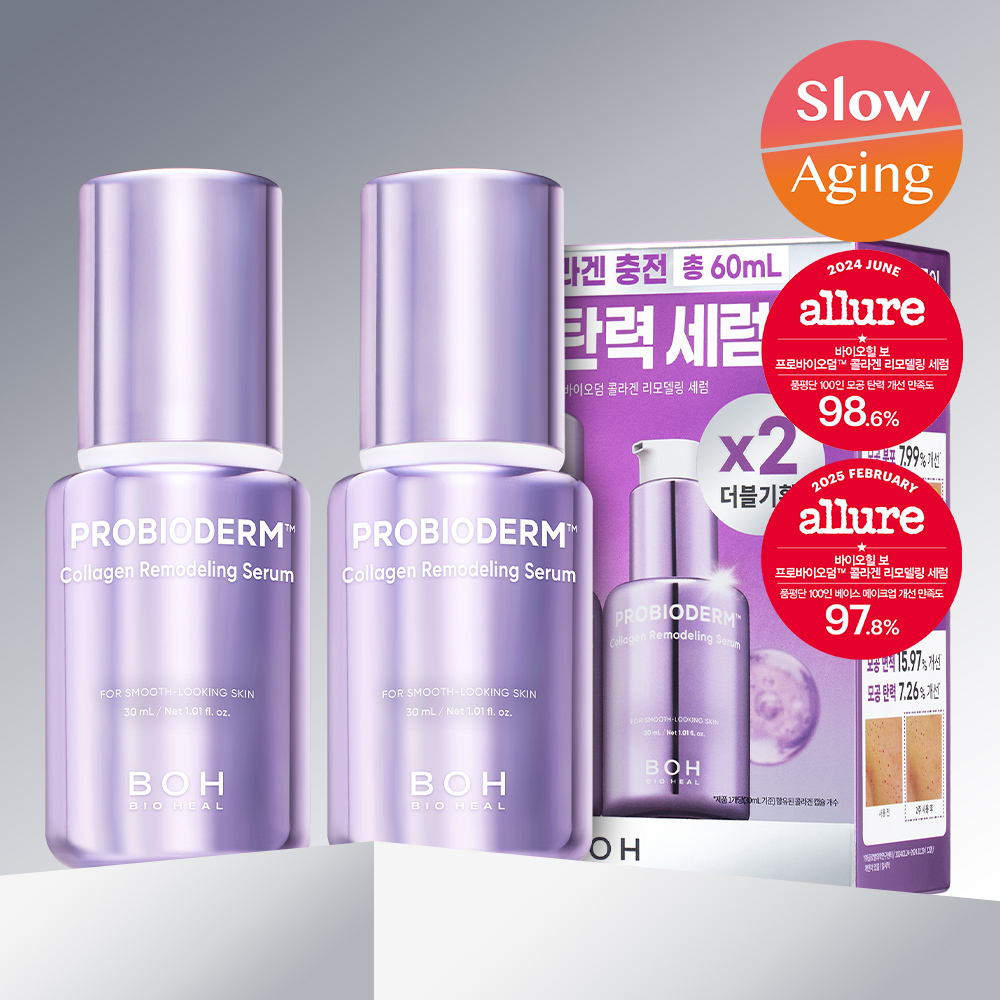
Probioderm Collagen Remodeling Serum
Bioheal BOH
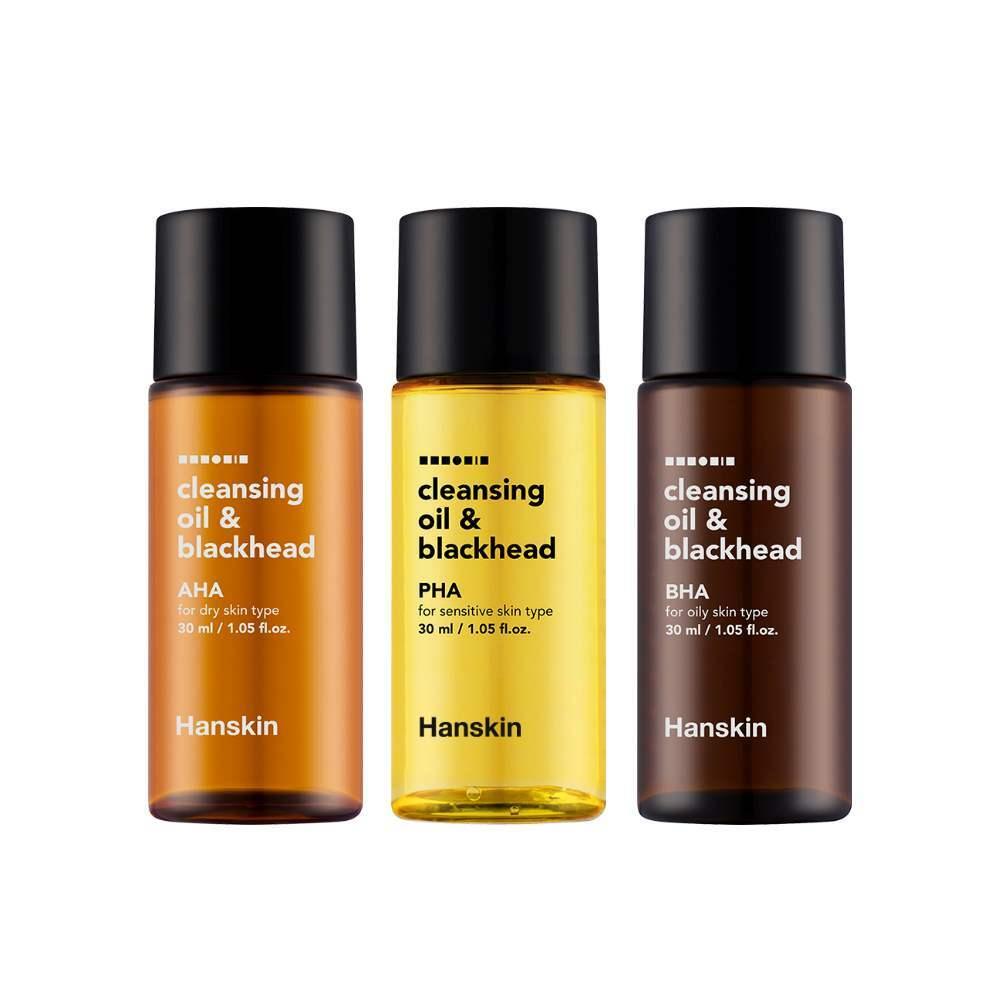
Cleansing Oil & Blackhead 3P Travel Kit
Hanskin
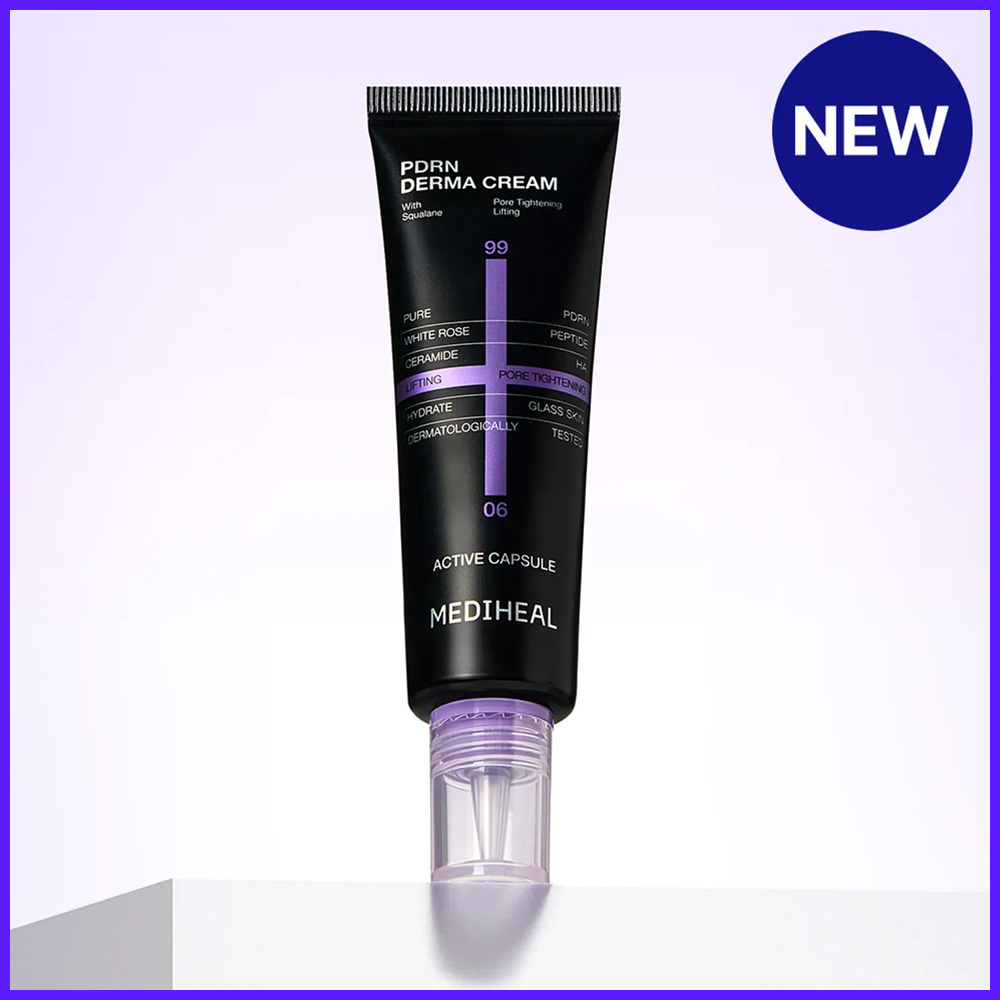
PDRN Lifting Derma Cream
Mediheal
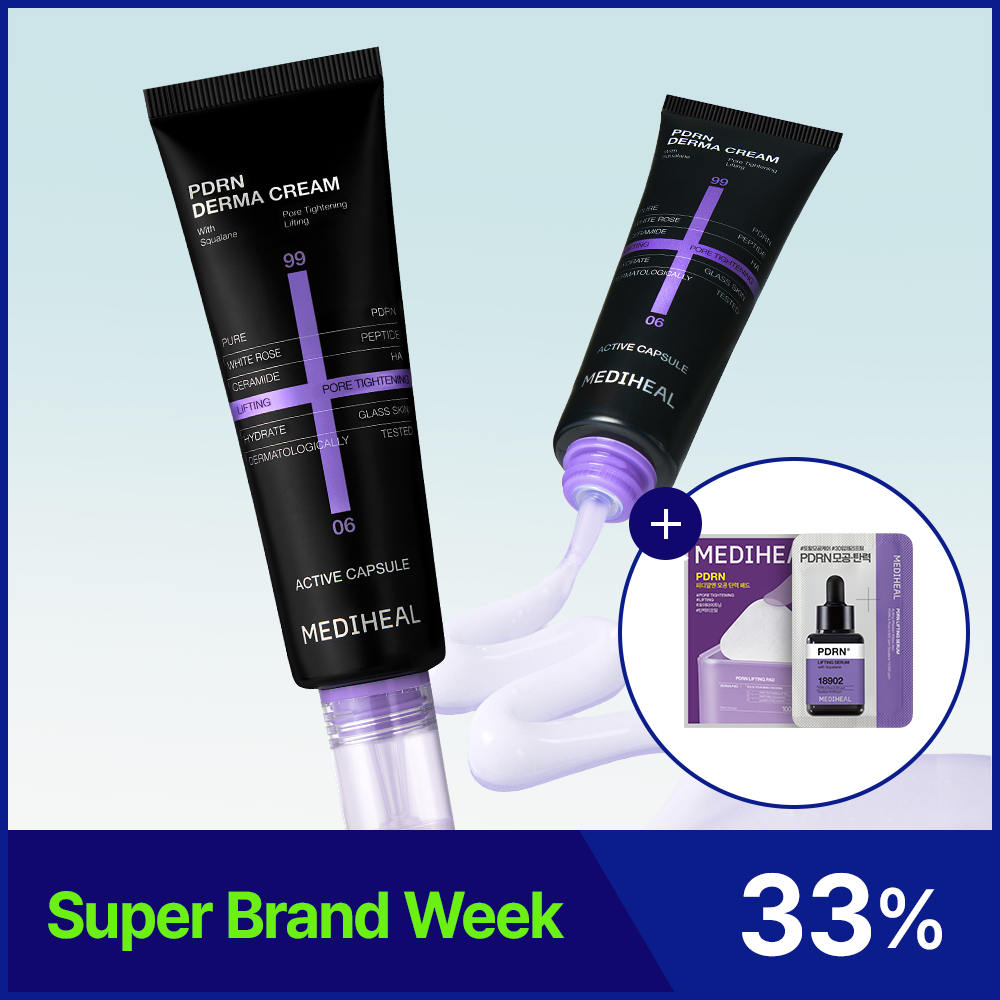
PDRN Cream
Mediheal
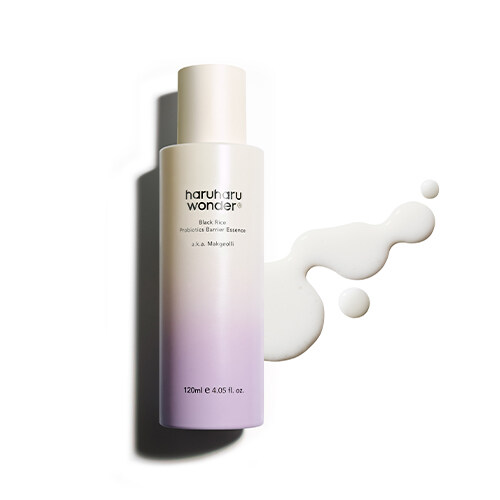
Black Rice Probiotics Barrier Essence
Haruharu Wonder

Madagascar Centella Probio-Cica Enrich Cream
SKIN1004
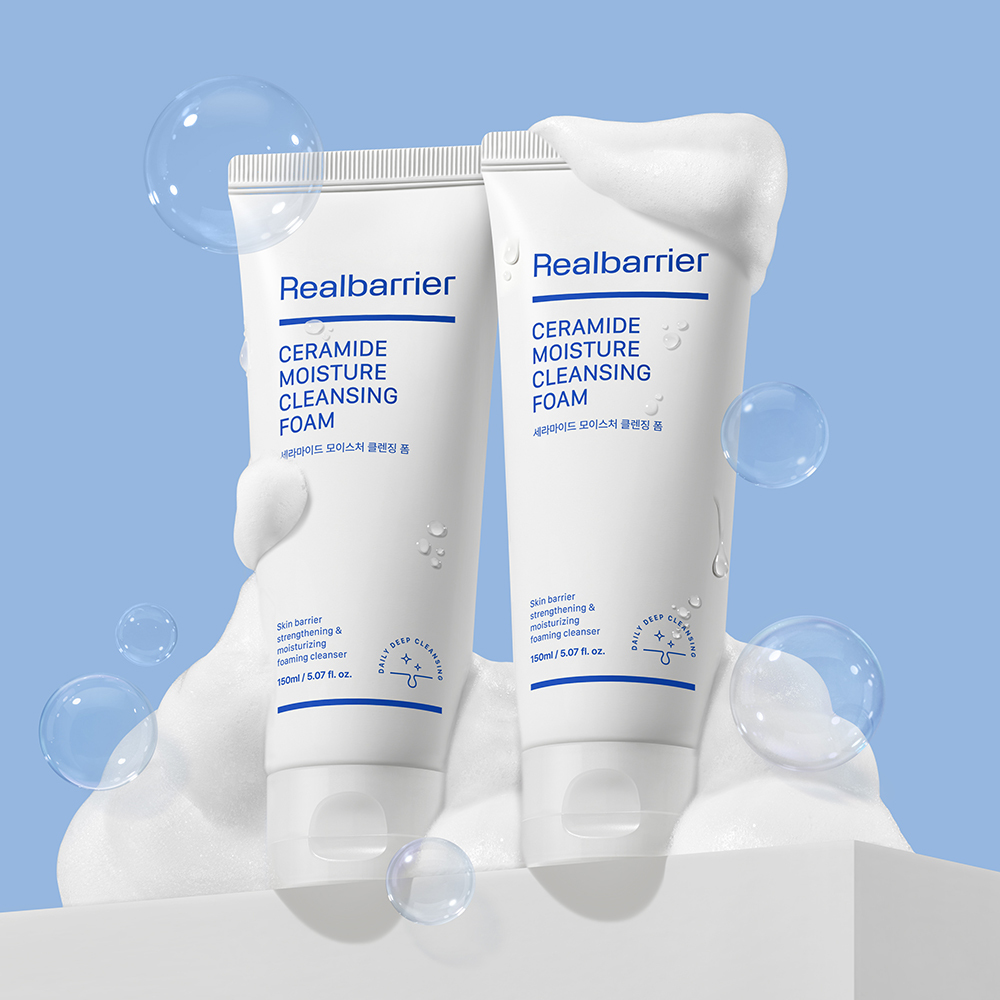
Ceramide Moisture Cleansing Foam
Real Barrier

Super Melting Sebum Softener
Ilso
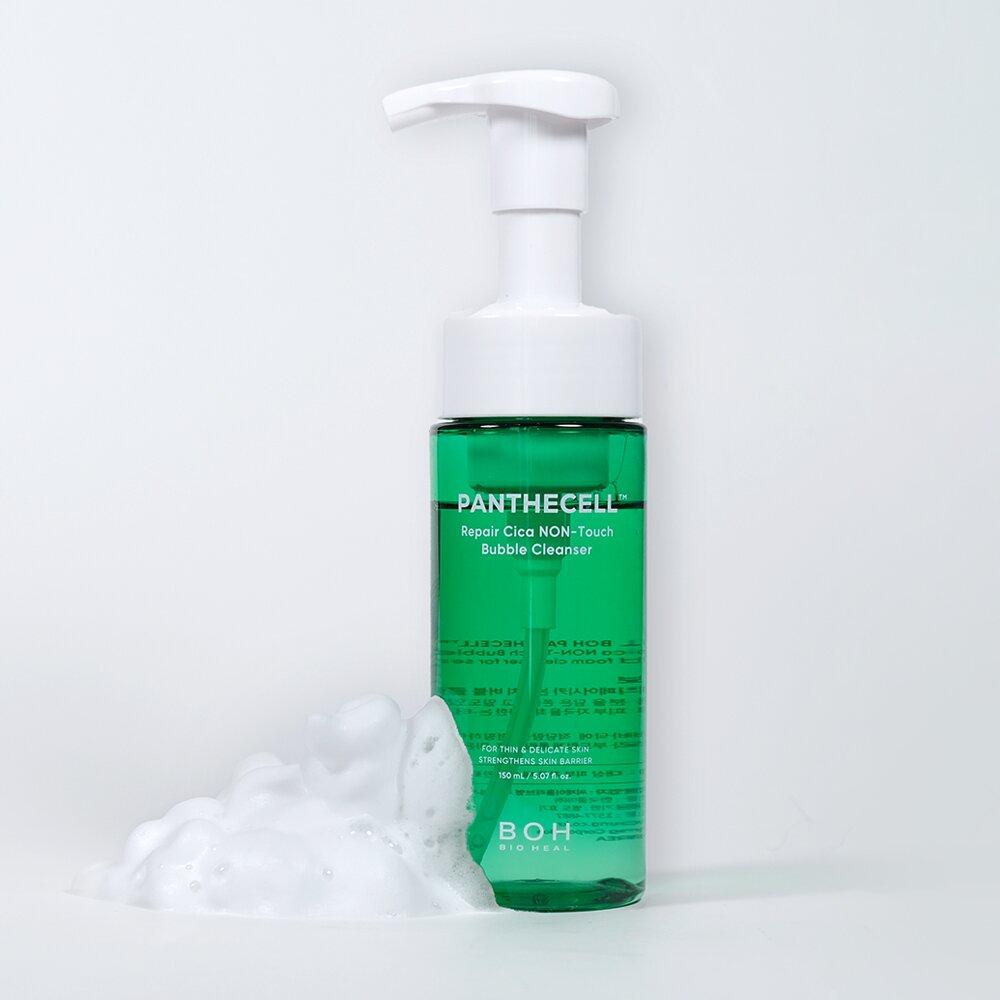
Panthecell Repair Cica NON-Touch Bubble Cleanser
Bioheal BOH
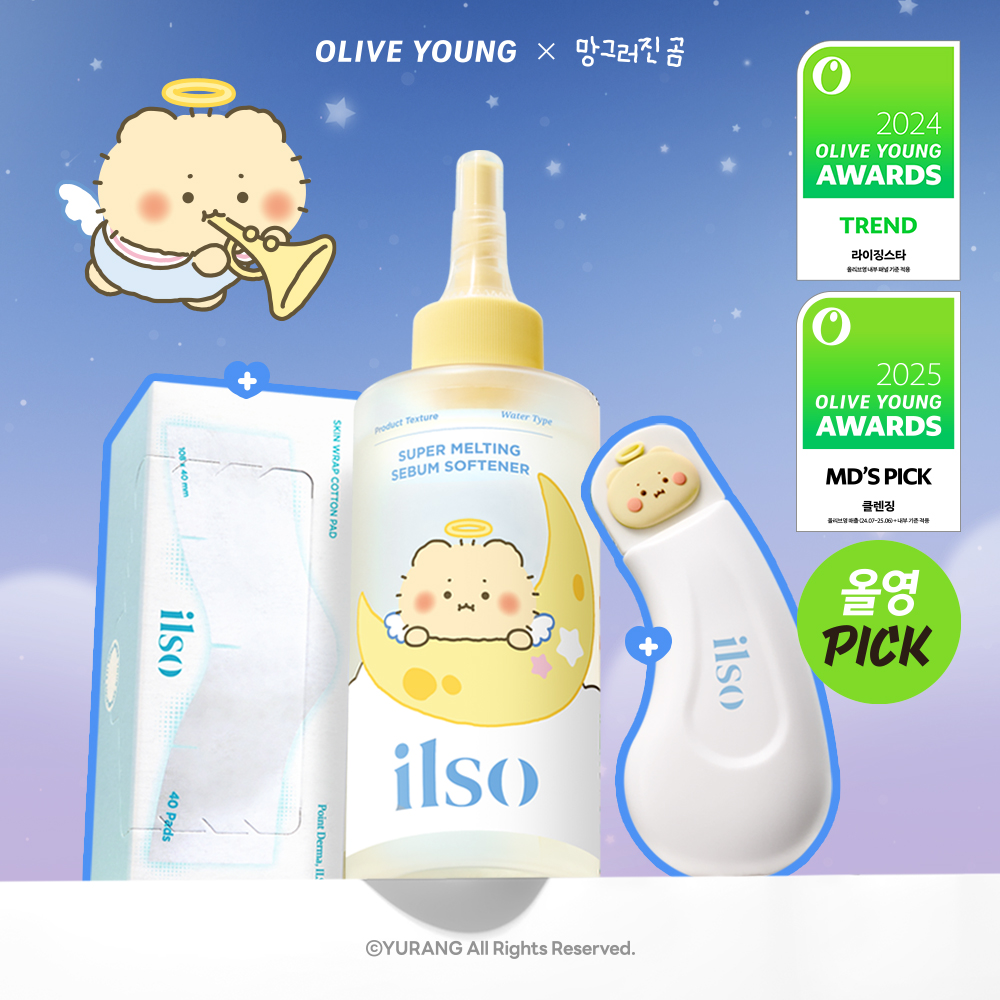
Super Melting Sebum Softener Set
Ilso
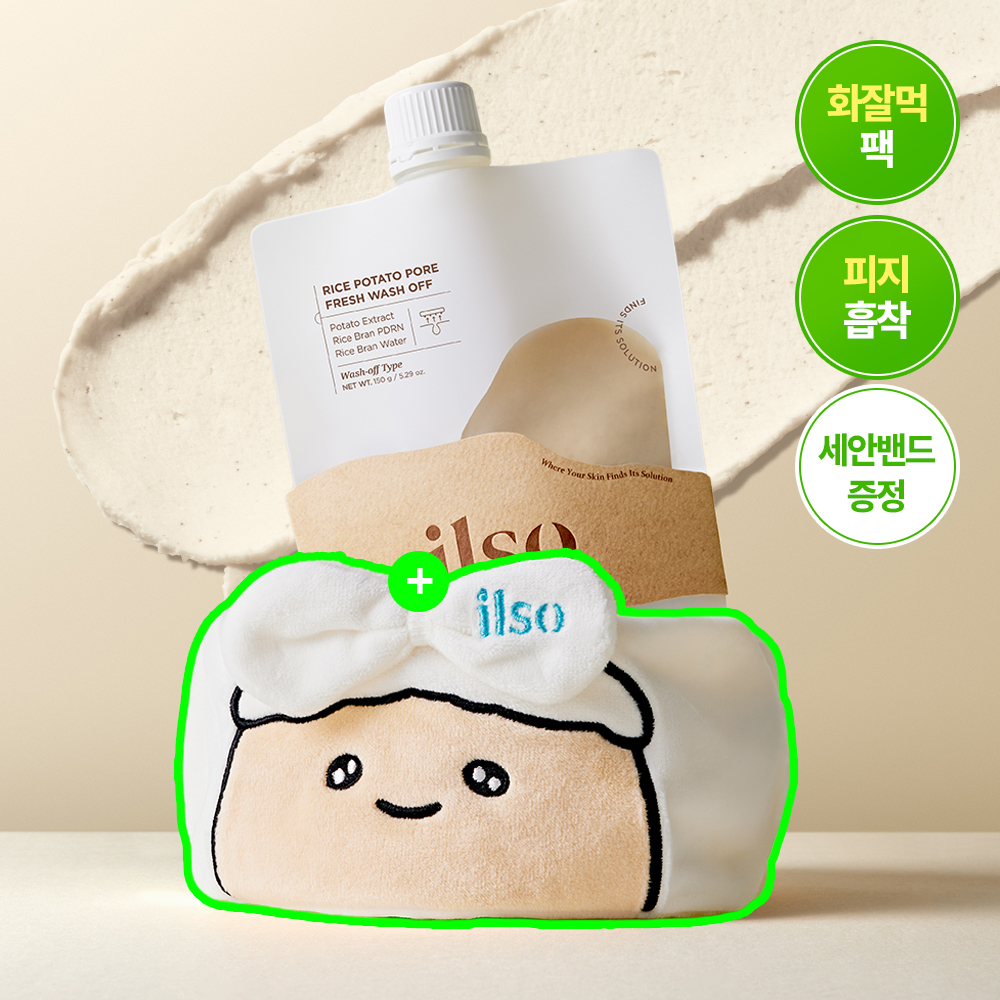
Rice Potato Pore Fresh Wash Off Mask
Ilso
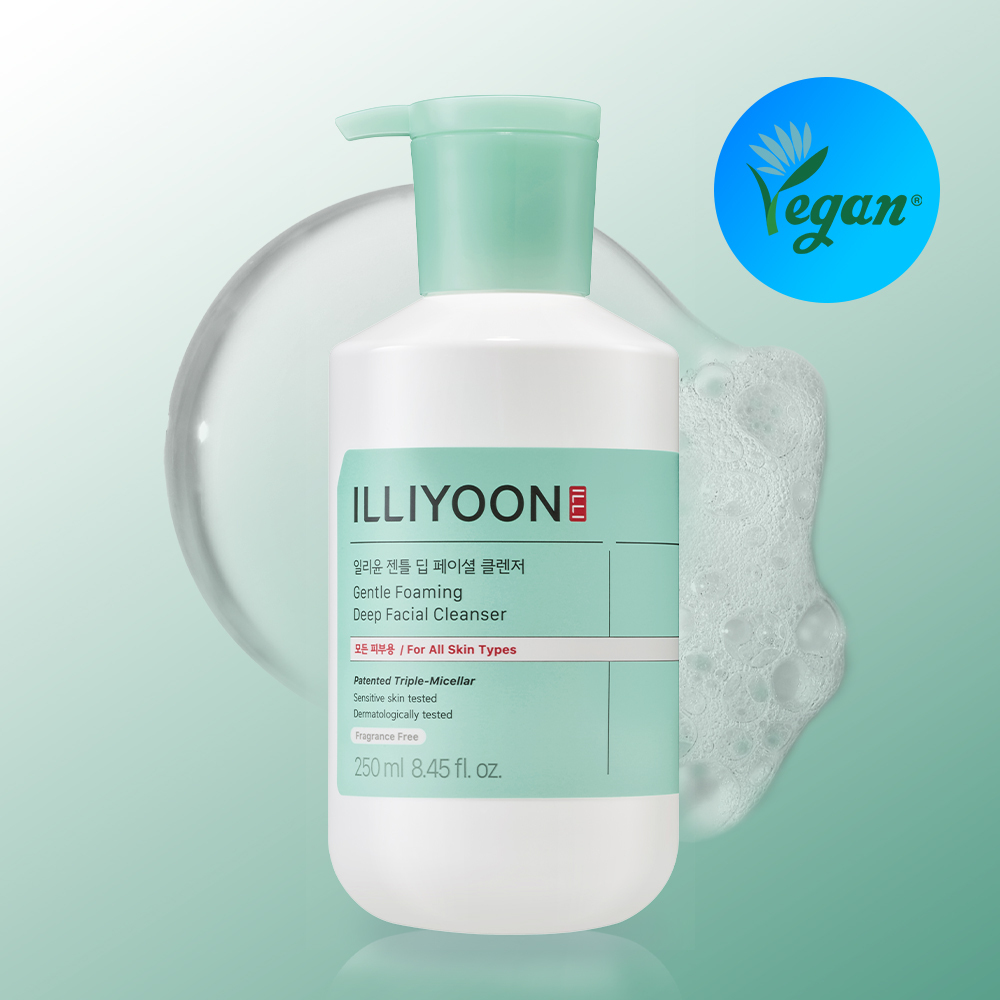
Gentle Foaming Deep Facial Cleanser
Illiyoon
Frequently Asked Questions
Can phytosterols clog pores or cause breakouts?▼
How long does it take to see results from phytosterols?▼
Are phytosterols safe to use with retinoids or acids?▼
What's the difference between phytosterols and ceramides?▼
Can phytosterols help with eczema or rosacea?▼
Explore More
Want personalized ingredient advice?
Yuri, our AI beauty advisor, can tell you how Phytosterols works with your specific skin type, routine, and concerns.
Ask Yuri, free