Phytosteryl Macadamiate
Emollient and skin barrier enhancer
About Phytosteryl Macadamiate
Phytosteryl Macadamiate is a sophisticated ester derived from phytosterols (plant-based compounds structurally similar to cholesterol) and macadamia nut oil fatty acids. This hybrid molecule combines the skin barrier-repairing properties of plant sterols with the deeply moisturizing qualities of macadamia oil, creating an ingredient that mimics the skin's natural lipid structure. In K-beauty formulations, it's valued for delivering rich emolliency without the heavy, greasy feel typically associated with occlusive ingredients. With a safety rating of 4/5 and moderate comedogenicity (2/5), it strikes a balance between effectiveness and tolerability. The ingredient appears in 13 products on Seoul Sister, including highly-rated formulations like Hanskin's Cleansing Oil & Blackhead 3P Travel Kit and Aestura's Angelcica Calming-aging Fit Cream, both scoring perfect 5.0 ratings. Korean formulators particularly appreciate Phytosteryl Macadamiate for its ability to reinforce the skin's lipid barrier while providing a silky, skin-like finish. It's especially popular in products targeting barrier repair, anti-aging concerns, and sensitive skin calming, as seen in the diverse product range from rich creams to lip balms. The ingredient's biomimetic nature means it integrates seamlessly into the skin's existing structure rather than sitting on top, making it a smart choice for layering-focused K-beauty routines.
How Phytosteryl Macadamiate Works
Phytosteryl Macadamiate works by integrating directly into the lipid bilayer of the stratum corneum, the skin's outermost protective layer. The phytosterol component mimics the structure of skin cholesterol, one of three essential lipids (along with ceramides and fatty acids) that form the mortar between skin cells. When applied topically, these plant sterols slot into gaps in the barrier, reinforcing its structure and reducing transepidermal water loss. The macadamiate portion, derived from macadamia oil's fatty acids (particularly oleic and palmitoleic acid), provides occlusive properties that seal in moisture while delivering additional fatty acids the skin can use for barrier synthesis. Palmitoleic acid is particularly notable because it naturally occurs in youthful skin but decreases with age, making this ingredient's delivery of it especially relevant for mature skin. At a cellular level, phytosterols have been shown to modulate inflammatory pathways and stimulate keratinocyte differentiation, supporting healthy skin turnover. The ester formation between phytosterol and macadamia fatty acids creates a larger molecule that spreads beautifully on skin, providing sensory benefits while maintaining the functional advantages of both parent compounds.
Phytosteryl Macadamiate by Skin Type
Oily Skin
Oily skin can benefit from Phytosteryl Macadamiate's barrier-supporting properties, but the moderate comedogenic rating (2/5) means caution is warranted. Use it in lighter formulations like serums or gel creams rather than heavy occlusives. The ingredient can actually help regulate sebum production long-term by repairing barrier damage that triggers compensatory oil production.
Dry Skin
This is where Phytosteryl Macadamiate truly excels. Dry skin lacks adequate lipids in the barrier, and this ingredient delivers exactly what's missing in a form the skin readily recognizes and uses. The rich emolliency provides immediate comfort while the barrier-repairing action addresses the root cause of dryness. Products like Aestura's Angelcica Calming-aging Fit Cream leverage this benefit perfectly.
Combo Skin
Combination skin can use Phytosteryl Macadamiate strategically, applying it more generously to dry cheek areas while using lighter amounts on the T-zone. The ingredient's non-greasy finish makes this selective application practical. It won't overload oily zones if used in balanced formulations like the all-in-one products it appears in.
Sensitive Skin
Sensitive skin responds well to Phytosteryl Macadamiate's calming properties. The phytosterol component has documented anti-inflammatory effects, while barrier repair reduces sensitivity triggers. With a 4/5 safety rating and presence in sensitive-focused products like Aestura's calming line and Makeprem's soothing formulas, it's a reliable choice for reactive skin types.
Normal Skin
Normal skin can use Phytosteryl Macadamiate preventatively to maintain barrier health and protect against environmental stressors. The ingredient's presence in diverse products from cleansing oils to lip balms (like Liplief's Steaming Lip Balm) shows its versatility for maintenance routines that keep normal skin balanced.
How to Use Phytosteryl Macadamiate
- 1Layer Phytosteryl Macadamiate products after water-based serums but before sunscreen, as its emollient nature helps seal in hydrating ingredients while its barrier-repairing benefits protect against UV-induced lipid damage
- 2For maximum barrier repair, use products containing this ingredient both morning and night, as lipid synthesis in skin occurs continuously and benefits from consistent lipid availability
- 3If you have combination skin, consider using Phytosteryl Macadamiate-rich products as a sleeping mask on dry areas only, allowing targeted barrier repair without overwhelming oily zones
- 4Pair with ceramide-containing products for synergistic barrier support, as phytosterols, ceramides, and fatty acids work together in the optimal 1:1:1 ratio your skin barrier needs
Background
Phytosterols have been used in skincare since the 1950s when researchers first identified their structural similarity to skin cholesterol, but the specific esterification with macadamia fatty acids is a more modern innovation driven by clean beauty trends. Macadamia oil itself has roots in Australian Aboriginal skincare traditions, prized for its high palmitoleic acid content. Korean cosmetic chemists began incorporating Phytosteryl Macadamiate in the 2010s as part of the broader K-beauty movement toward biomimetic ingredients that work with skin's natural processes rather than against them. The ingredient gained prominence as barrier-focused skincare became central to Korean beauty philosophy, particularly following increased awareness of how harsh climates, pollution, and over-exfoliation compromise skin health. Its appearance in premium lines like Theralogic's Phytocera Pro series reflects K-beauty's evolution toward scientifically sophisticated ingredients that deliver both immediate sensory pleasure and long-term skin health benefits.
K-Beauty Products with Phytosteryl Macadamiate
View all 13 →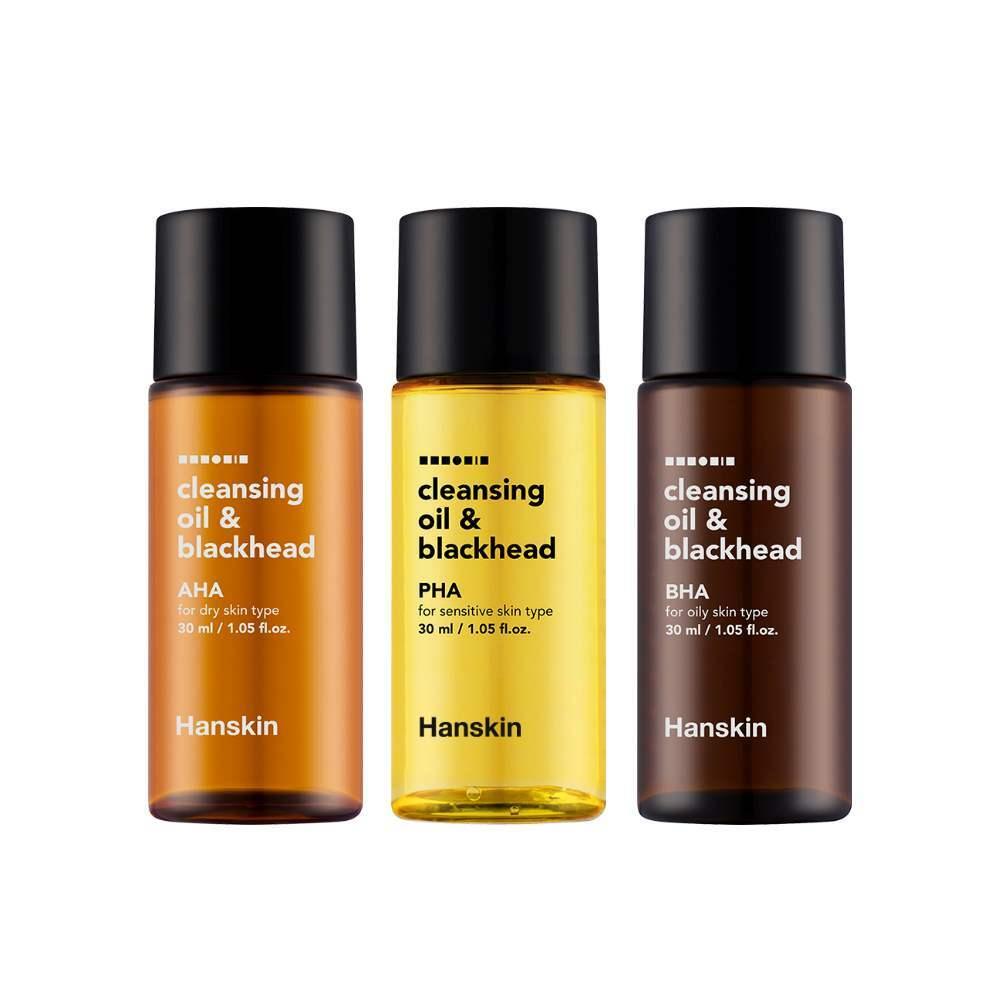
Cleansing Oil & Blackhead 3P Travel Kit
Hanskin
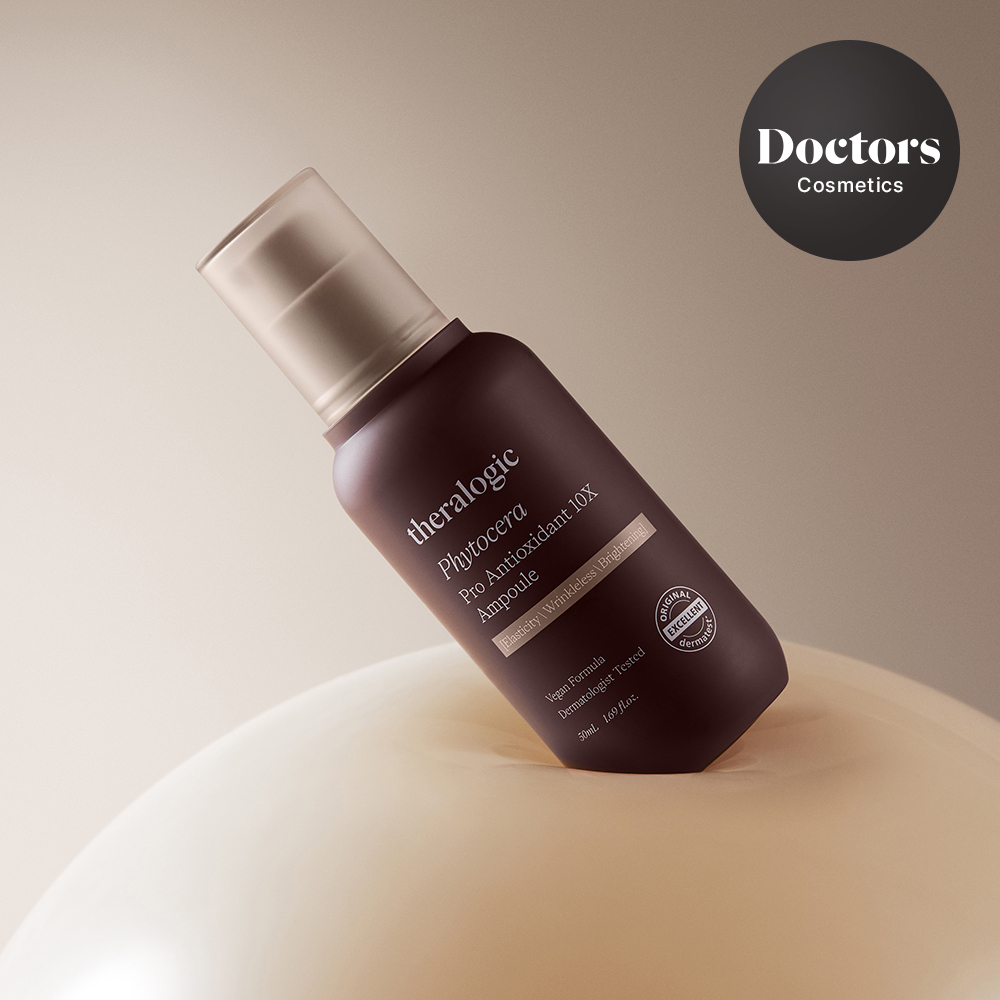
Phytocera Pro Antioxidant 10X Ampoule
Theralogic
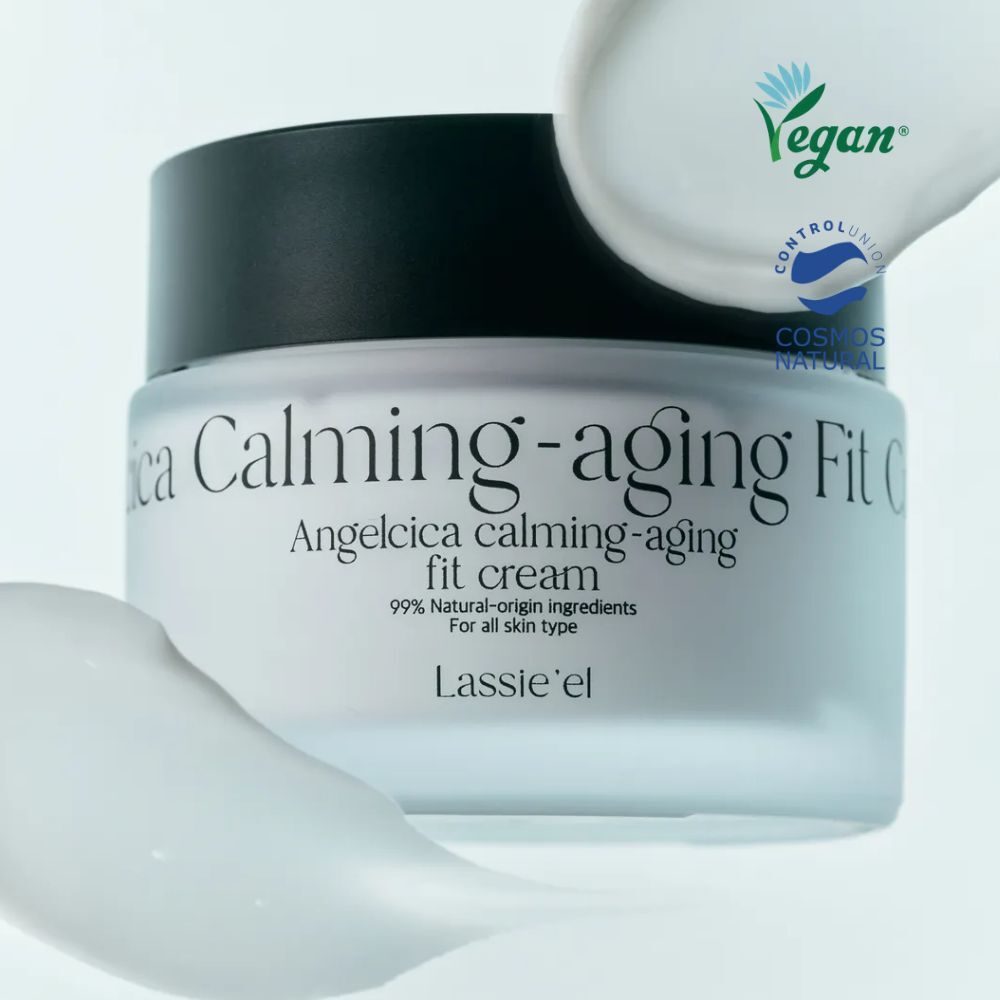
Angelcica Calming-aging Fit Cream
Aestura
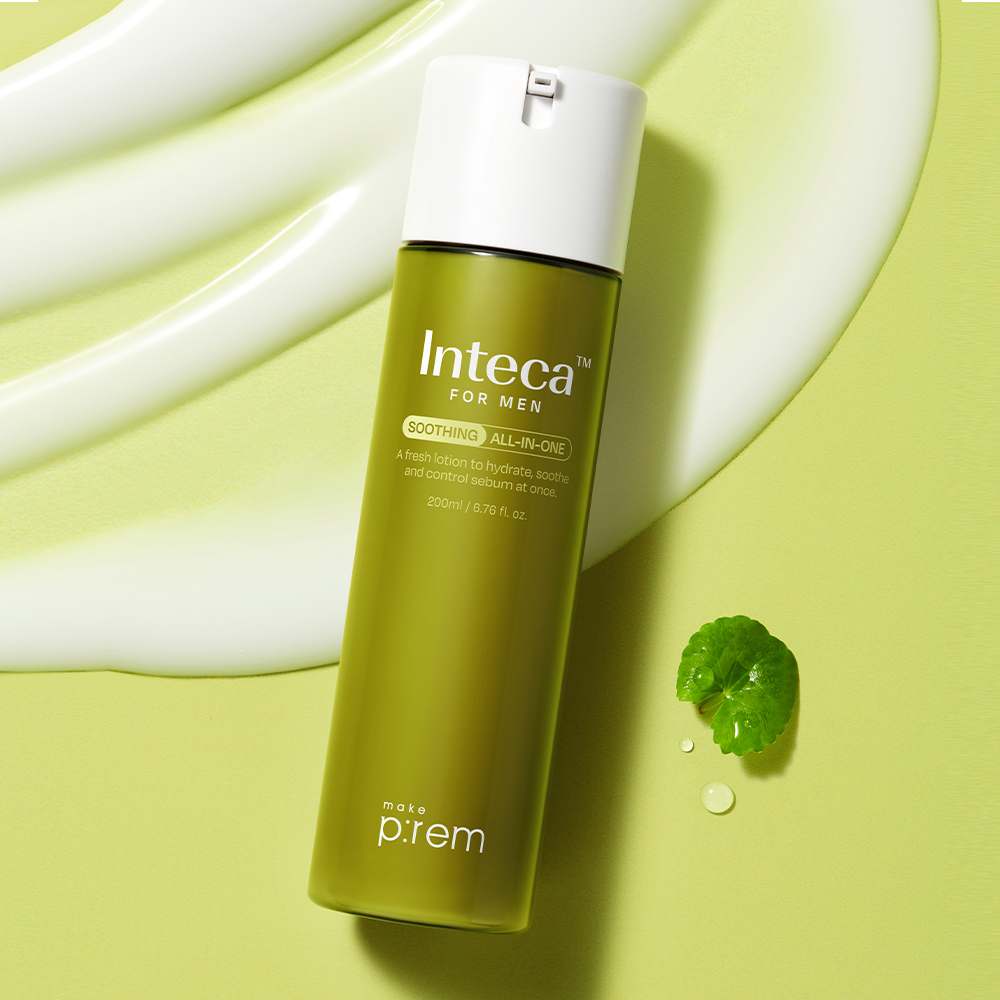
Inteca For Men Soothing All-In-One
Makeprem
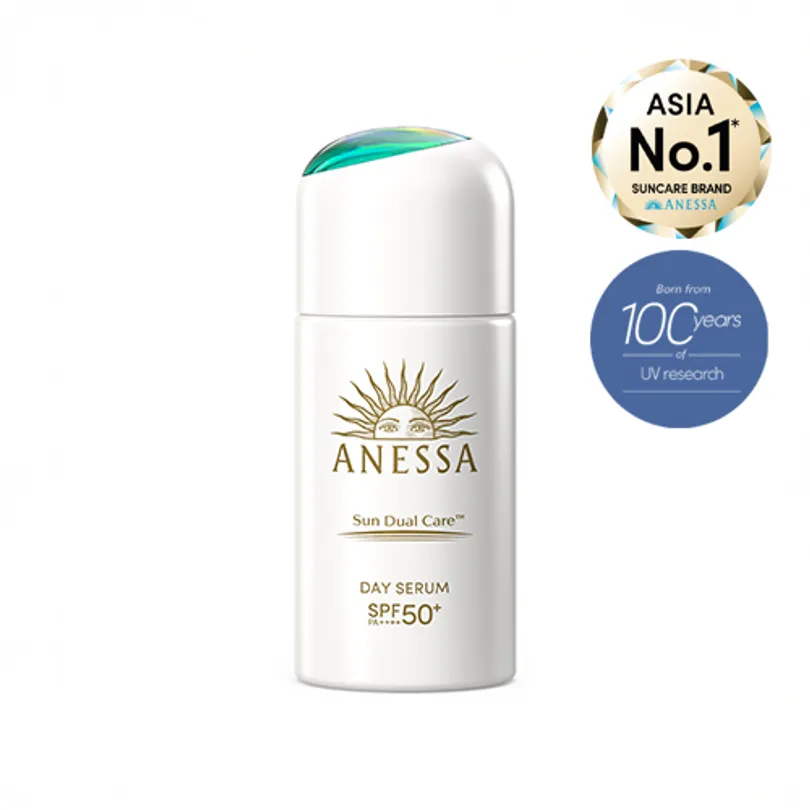
Day Serum N
ANESSA
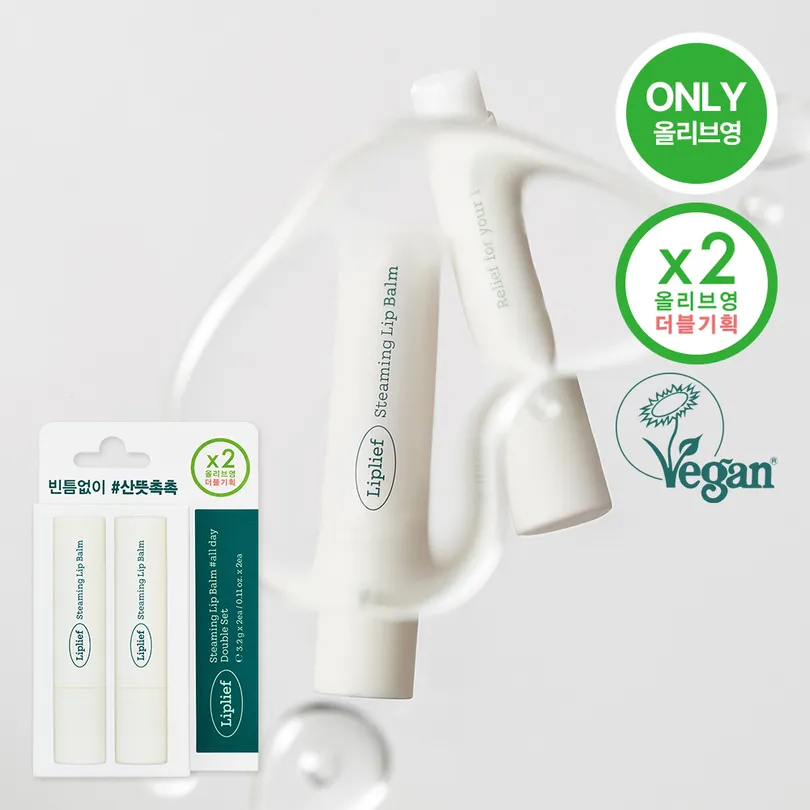
Steaming Lip Balm All Day Double Pack
Liplief
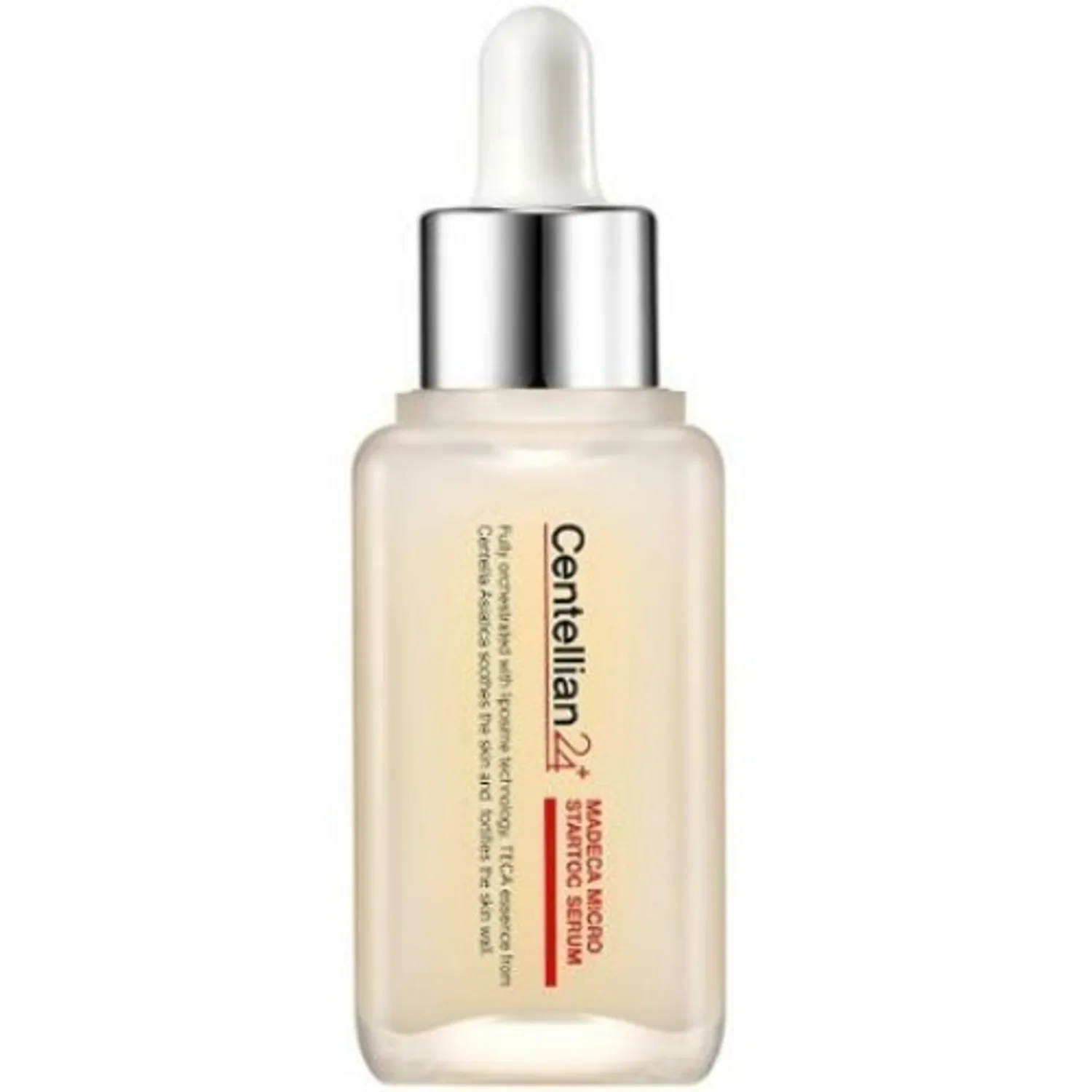
Madeca Micro Startoc Serum
Centellian24
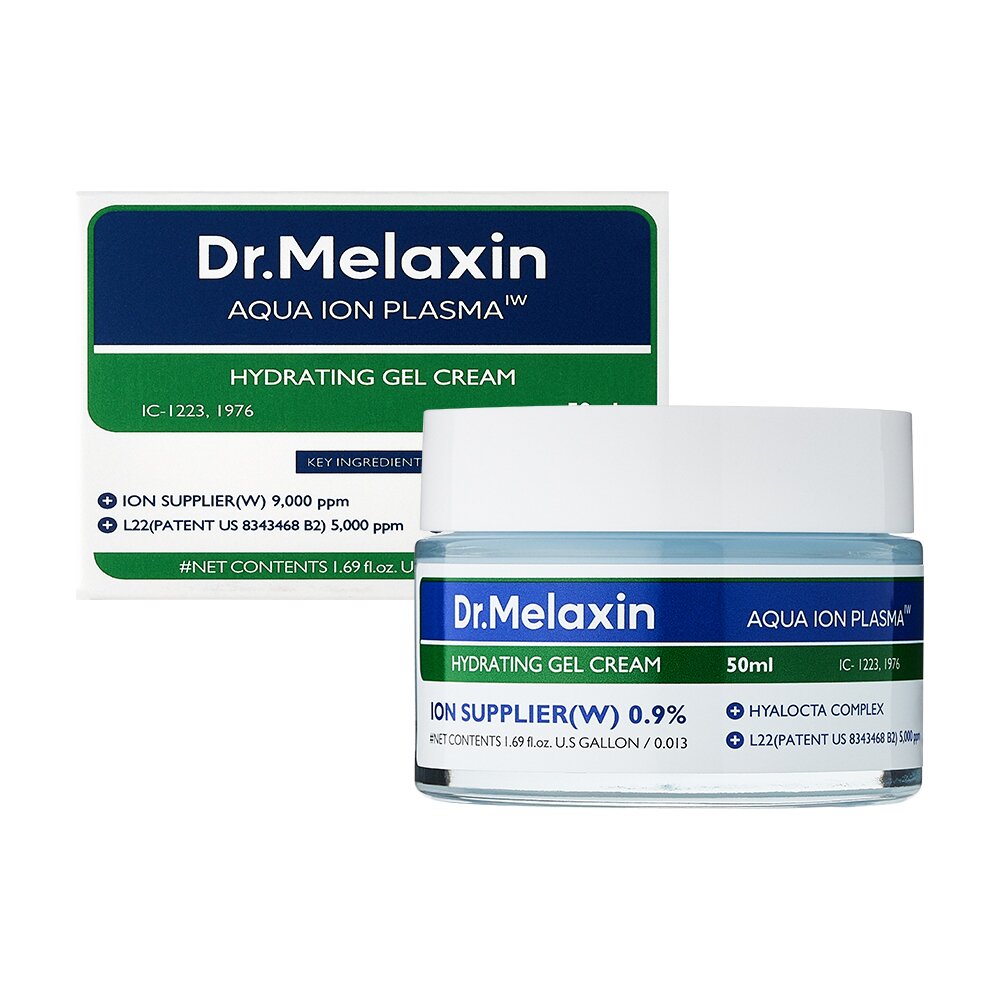
Aqua Ion Plasma Hydrating Gel Cream
Dr.Melaxin
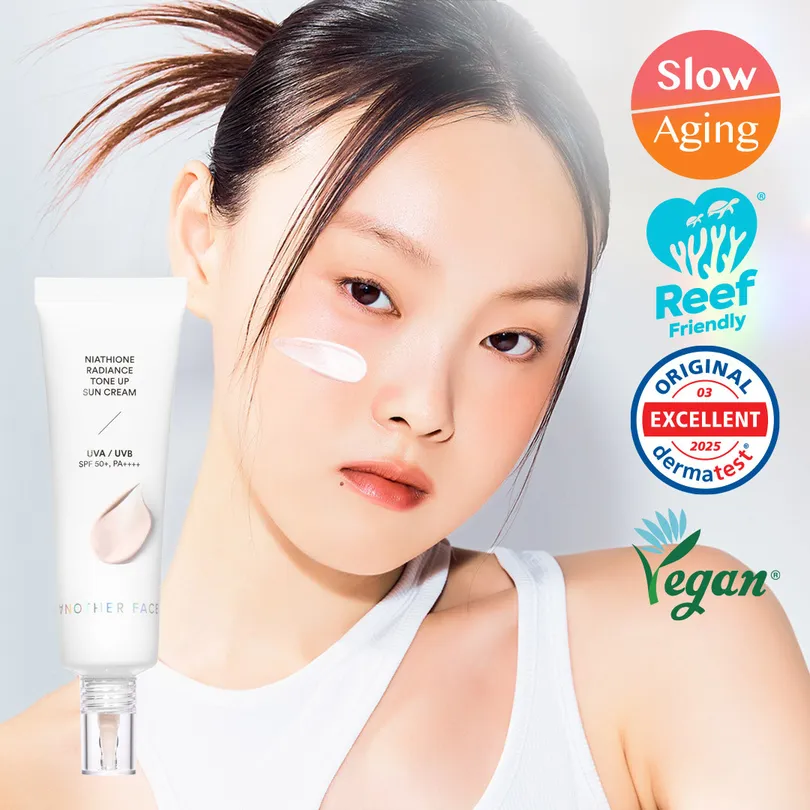
Niathione Radiance Tone Up Sun Cream
Anotherface
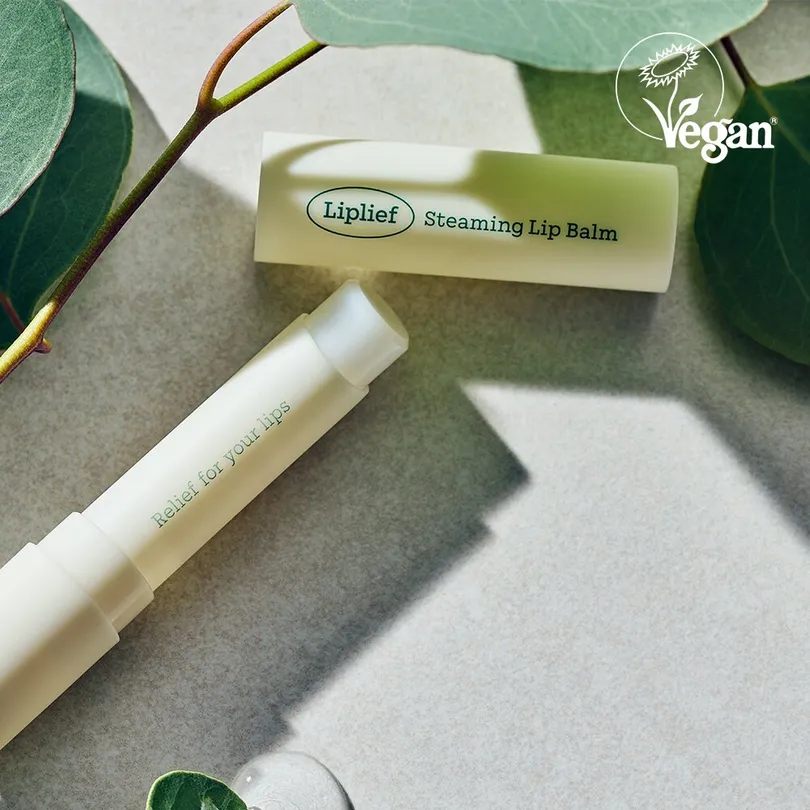
Steaming Lip Balm
Liplief
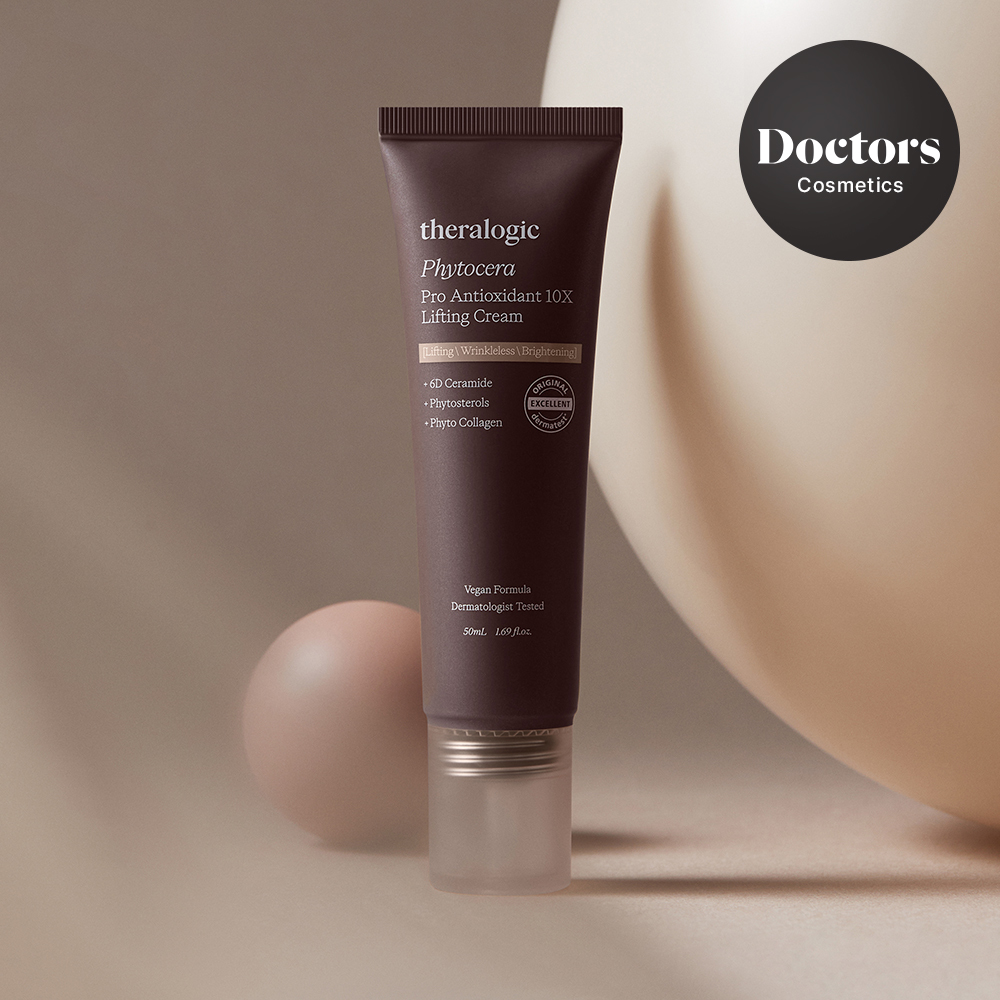
Phytocera Pro Antioxidant 10X Lifting Cream
Theralogic
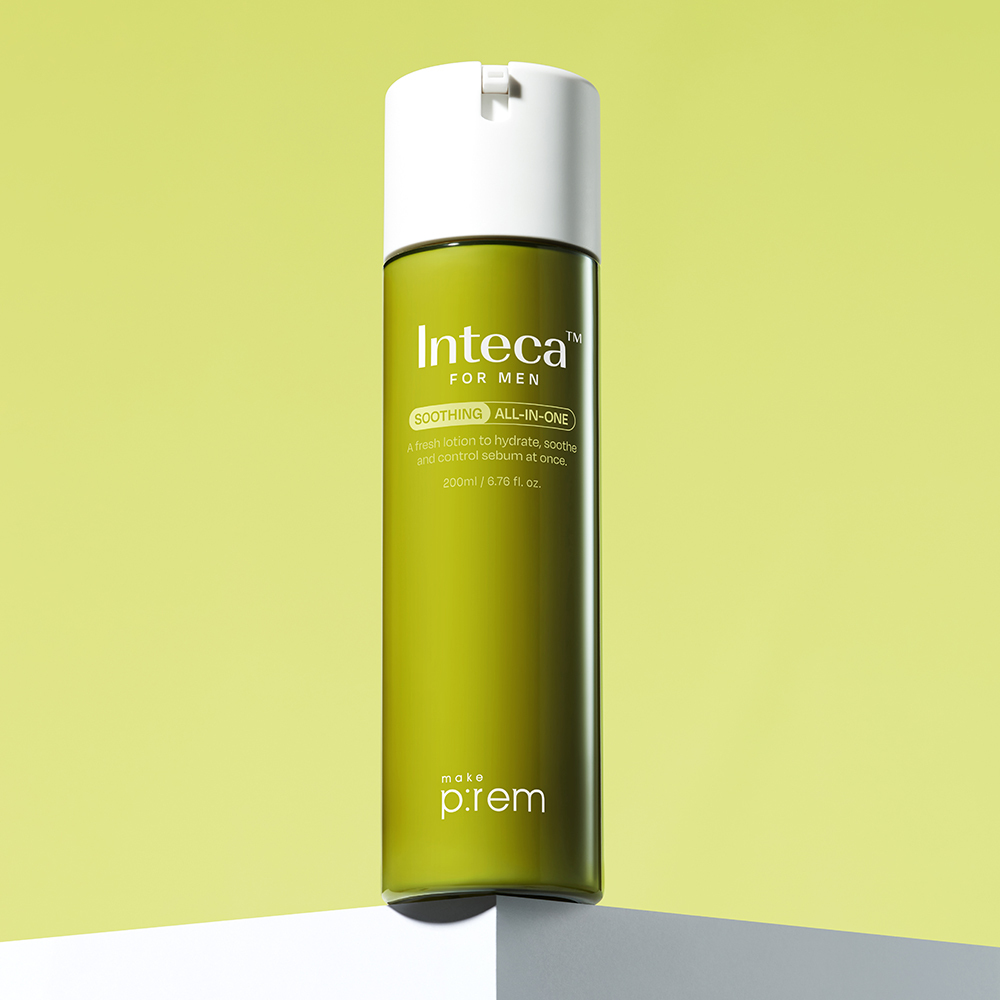
Inteca For Men Soothing All-In-One Set
Makeprem
Frequently Asked Questions
Will Phytosteryl Macadamiate clog my pores with a comedogenic rating of 2/5?▼
Can I use Phytosteryl Macadamiate if I have a nut allergy?▼
How is Phytosteryl Macadamiate different from regular macadamia oil in skincare?▼
Why do Korean brands use Phytosteryl Macadamiate in everything from cleansing oils to lip balms?▼
Explore More
Want personalized ingredient advice?
Yuri, our AI beauty advisor, can tell you how Phytosteryl Macadamiate works with your specific skin type, routine, and concerns.
Ask Yuri, free