Japanese Red Pine Leaf Extract
INCI: Pinus Densiflora Leaf Extract
Antioxidant and skin soothing botanical extract
About Japanese Red Pine Leaf Extract
Japanese Red Pine Leaf Extract, derived from Pinus densiflora (also called Korean red pine), is a powerhouse botanical ingredient treasured in K-beauty for its dual action as both an antioxidant and soothing agent. This extract contains high concentrations of polyphenols, flavonoids, and proanthocyanidins that neutralize free radicals while calming inflammation and redness. What makes it particularly valuable in Korean skincare is its ability to protect skin from environmental stressors like pollution and UV damage without causing irritation, making it suitable even for reactive skin types. Found in 57 products on Seoul Sister, it appears across multiple categories from cleansers to creams, demonstrating its versatility. The ingredient has earned a respectable 4/5 safety rating and, notably, a 0/5 comedogenic rating, meaning it won't clog pores or trigger breakouts. Korean formulators favor Japanese Red Pine because it aligns with the K-beauty philosophy of gentle yet effective care, offering protective benefits without the harshness of some synthetic antioxidants. Its presence in top-rated products like Banila Co's Pongdang Pore Deep Clean Cleansing Oil (5.0/5) and Numbuzin's No. 1 Pantothenic B5 Active Soothing Cream (5.0/5) speaks to its proven effectiveness in real-world formulations.
How Japanese Red Pine Leaf Extract Works
At the cellular level, Japanese Red Pine Leaf Extract works by interrupting oxidative stress cascades that damage skin cells and accelerate aging. The polyphenolic compounds in the extract donate electrons to unstable free radicals, neutralizing them before they can attack lipid membranes, collagen fibers, or DNA. This protective action helps preserve skin's structural integrity and prevents the breakdown of elastin and collagen. Simultaneously, the extract modulates inflammatory pathways by inhibiting pro-inflammatory cytokines like IL-6 and TNF-alpha, which are responsible for redness, swelling, and discomfort. The proanthocyanidins specifically strengthen capillary walls, reducing visible redness and helping skin maintain its barrier function. Unlike some antioxidants that lose potency upon air exposure, pine extract's stable molecular structure maintains efficacy throughout product shelf life. The soothing mechanism also involves calming mast cells that release histamine during irritation responses, making it particularly effective for skin that reacts to environmental triggers or harsh ingredients.
Japanese Red Pine Leaf Extract by Skin Type
Oily Skin
Japanese Red Pine Leaf Extract is excellent for oily skin because its 0/5 comedogenic rating means zero pore-clogging risk. The antioxidant properties help control sebum oxidation, which is what causes that unpleasant oily smell and contributes to acne formation. Its anti-inflammatory action can reduce the redness often associated with active breakouts without adding heaviness.
Dry Skin
For dry skin, this extract provides antioxidant protection while supporting barrier repair through its anti-inflammatory properties. It works well in richer formulas like Numbuzin's Pantothenic B5 Active Soothing Cream (5.0/5), where it protects compromised skin from environmental damage during the healing process. The soothing benefits also calm the irritation that often accompanies dryness and flaking.
Combo Skin
Combination skin benefits from Japanese Red Pine's balanced profile. It addresses excess oil in the T-zone without drying out other areas, and its non-comedogenic nature means it won't cause congestion in oilier zones. The antioxidant protection works across all facial areas regardless of sebum levels, making it ideal for products meant to be used on the entire face.
Sensitive Skin
This is where Japanese Red Pine truly shines. Its strong anti-inflammatory properties actively calm reactive skin, while the antioxidant action protects against the environmental triggers that often cause sensitivity flare-ups. The high safety rating (4/5) and gentle nature make it suitable for even highly reactive skin, which is why it appears in soothing-focused products across multiple K-beauty brands.
Normal Skin
Normal skin can use Japanese Red Pine Leaf Extract as preventative care, building up antioxidant reserves to delay visible aging and maintain healthy barrier function. It provides daily protection against pollution and UV-generated free radicals without disrupting skin's natural balance. The extract works well in both morning and evening routines as part of a comprehensive skincare regimen.
How to Use Japanese Red Pine Leaf Extract
- 1Look for this ingredient in cleansers like Banila Co's Pongdang Pore Deep Clean Cleansing Oil (5.0/5) for antioxidant protection even during the cleansing step, when skin is most vulnerable.
- 2Layer products containing Japanese Red Pine under sunscreen in your morning routine for enhanced photoprotection, as antioxidants work synergistically with UV filters.
- 3If using actives like retinol or acids, products with this extract (like VT's Reedle Shot 100M+ For Men, 5.0/5) can help buffer irritation without compromising effectiveness.
- 4The ingredient is stable and plays well with other antioxidants like vitamin C or niacinamide, so don't worry about conflicts when building your routine.
- 5For acne-prone skin, choose products that combine this extract with salicylic acid or tea tree oil, as the soothing properties will calm inflammation while other actives target breakouts.
Background
Pinus densiflora has been used in traditional Korean and Japanese medicine for centuries, with historical records documenting its use for respiratory ailments and as an anti-inflammatory remedy. The pine tree itself is culturally significant in Korea, symbolizing longevity and resilience, often depicted in traditional paintings and planted near temples. Korean herbalists traditionally used pine needles in teas and poultices for their healing properties. Modern extraction of the leaf's beneficial compounds for skincare began in the 1990s as Korean cosmetic scientists investigated traditional botanicals with proven medicinal histories. The ingredient gained traction in K-beauty formulations during the early 2010s green beauty movement, when brands sought effective plant-based alternatives to synthetic antioxidants. Today, it represents K-beauty's signature approach of combining traditional wisdom with modern dermatological science, offering gentle yet scientifically validated skin benefits.
K-Beauty Products with Japanese Red Pine Leaf Extract
View all 62 →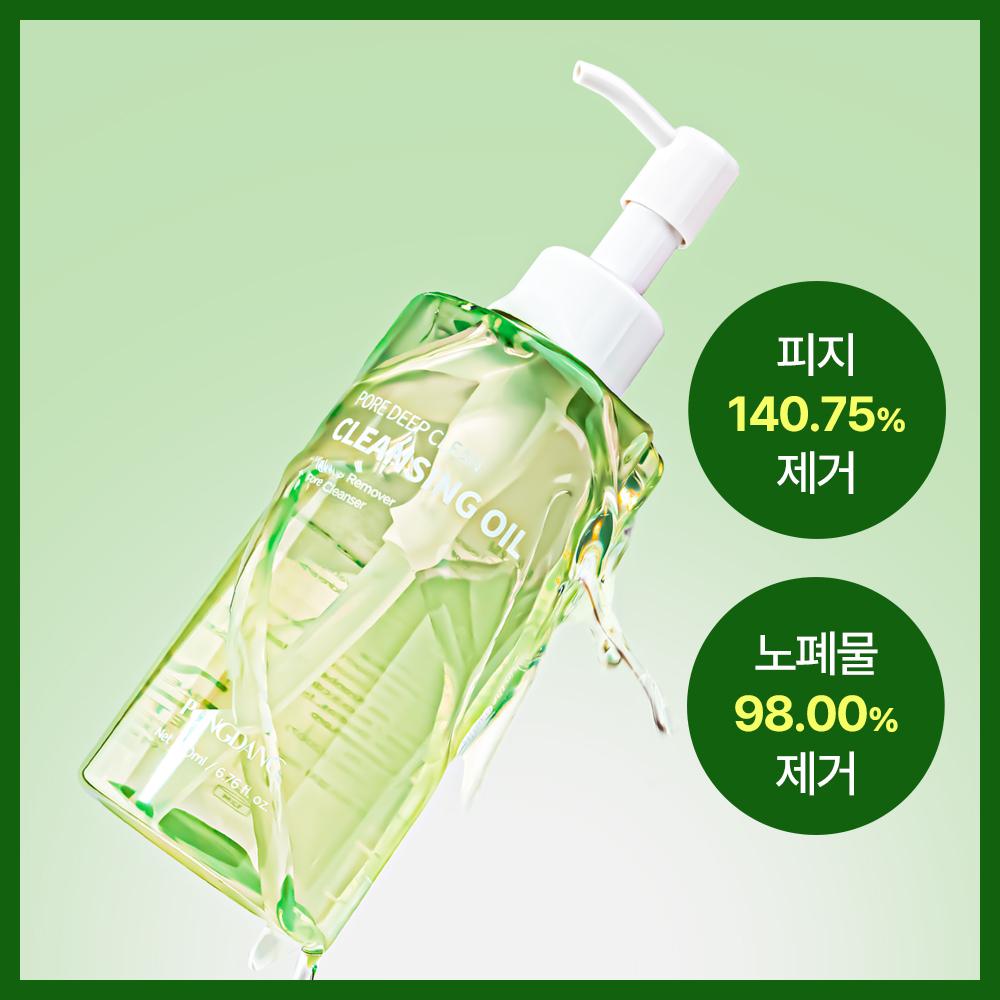
Pongdang Pore Deep Clean Cleansing Oil
Banila Co
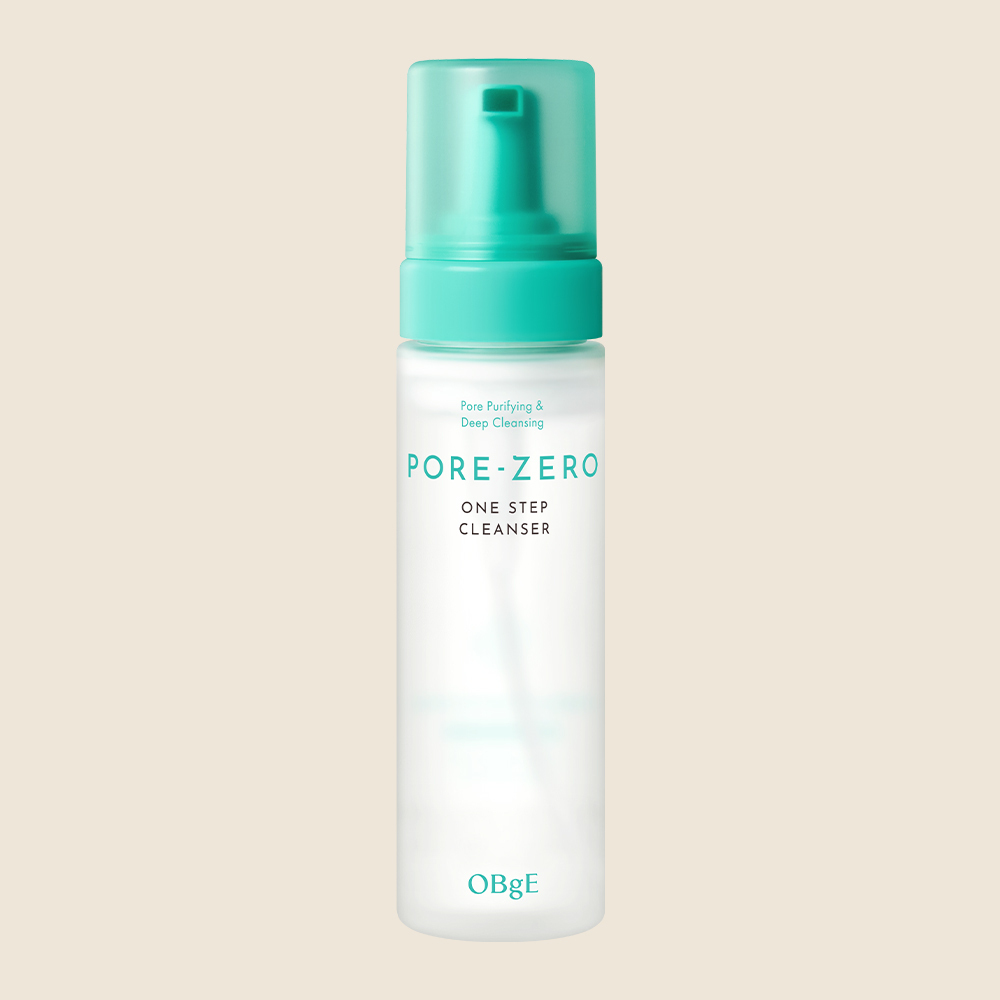
Pore Zero One Step Cleanser
OBgE
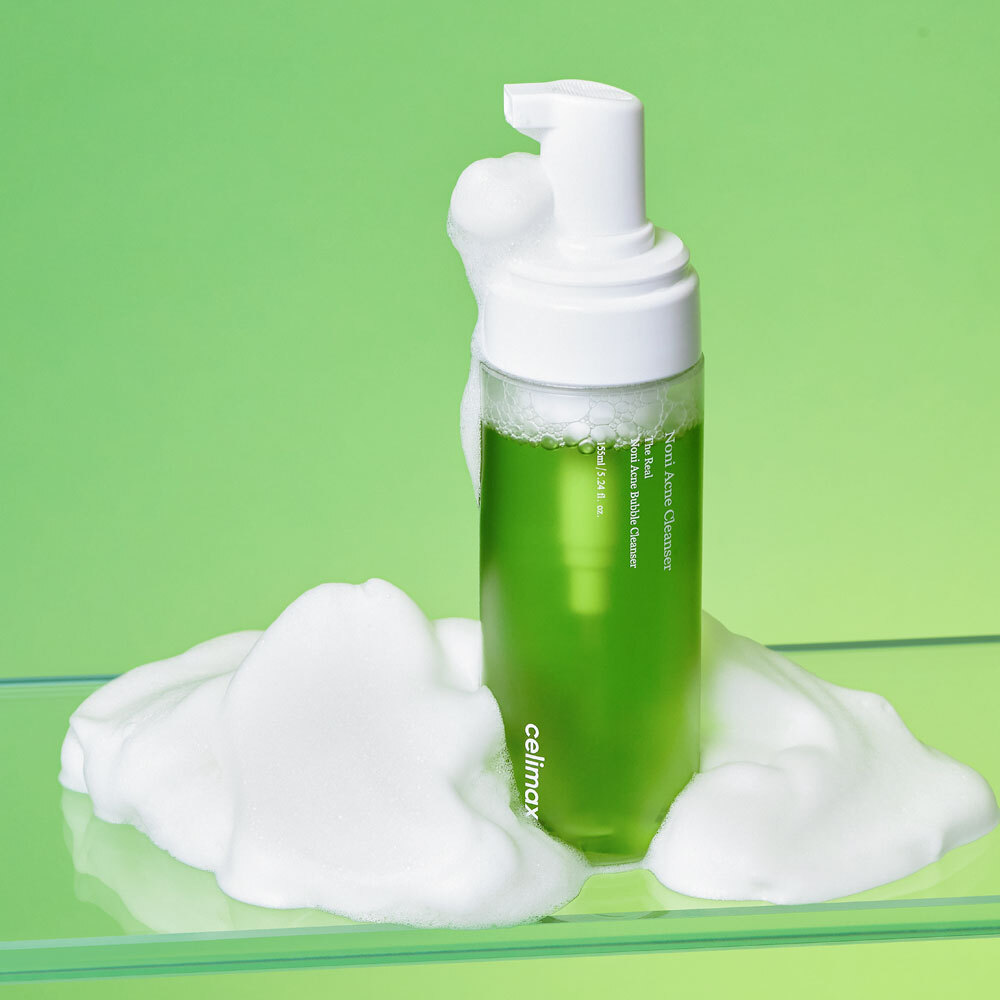
The Real Noni Acne Bubble Cleanser
Celimax
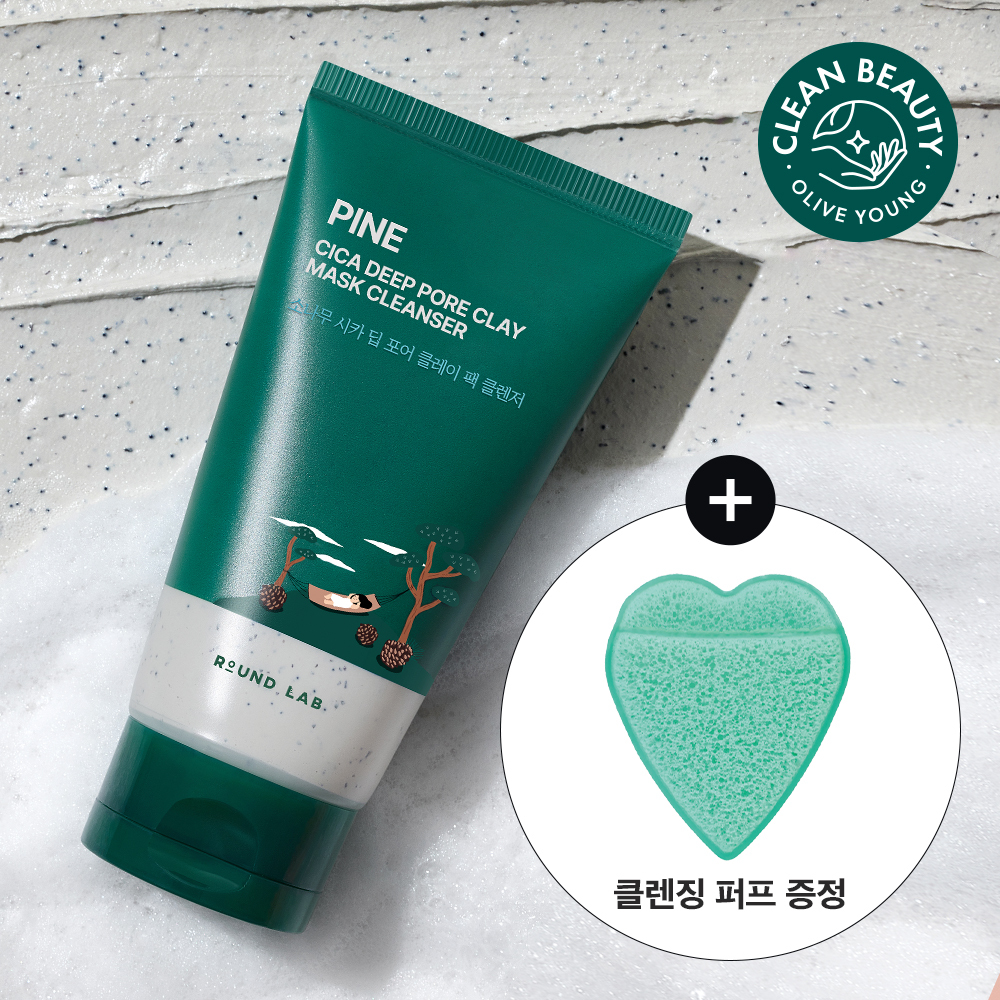
Cica Deep Pore Clay Mask Cleanser
Round Lab
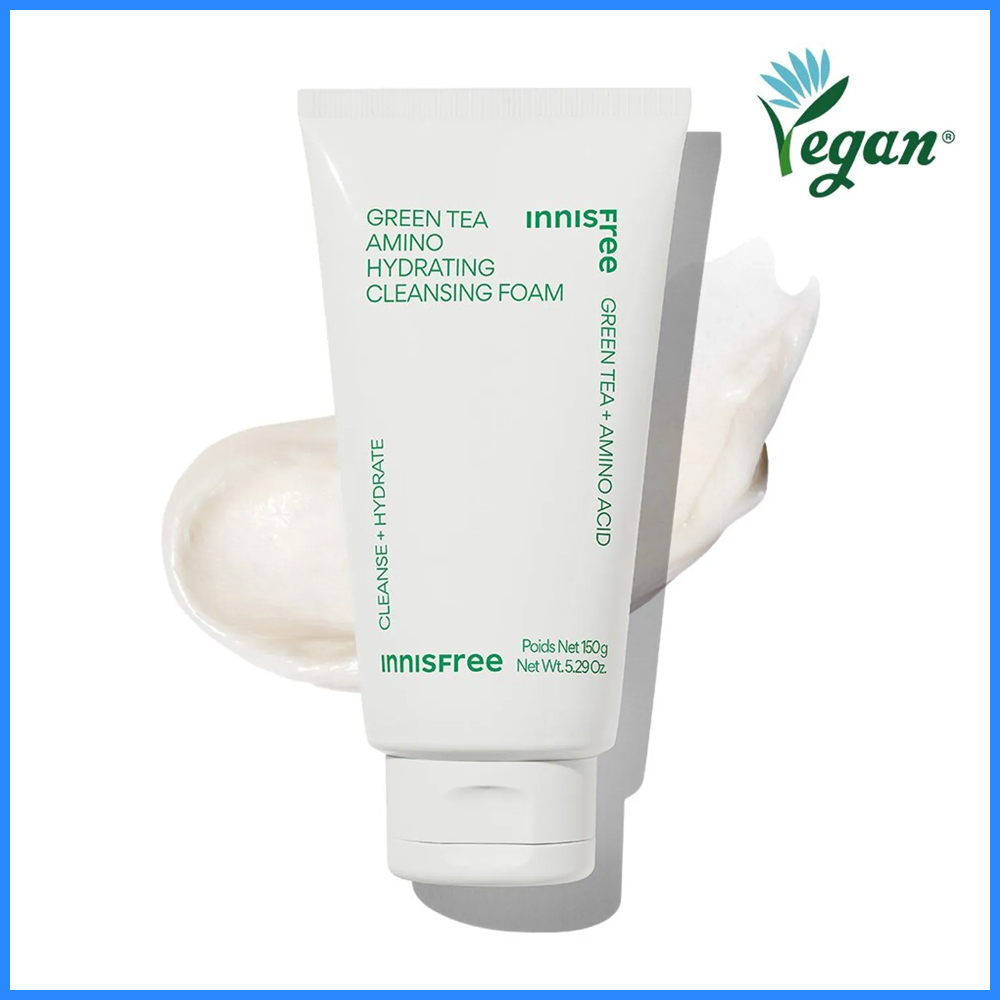
Green Tea Amino Hydrating Cleansing Foam
Innisfree
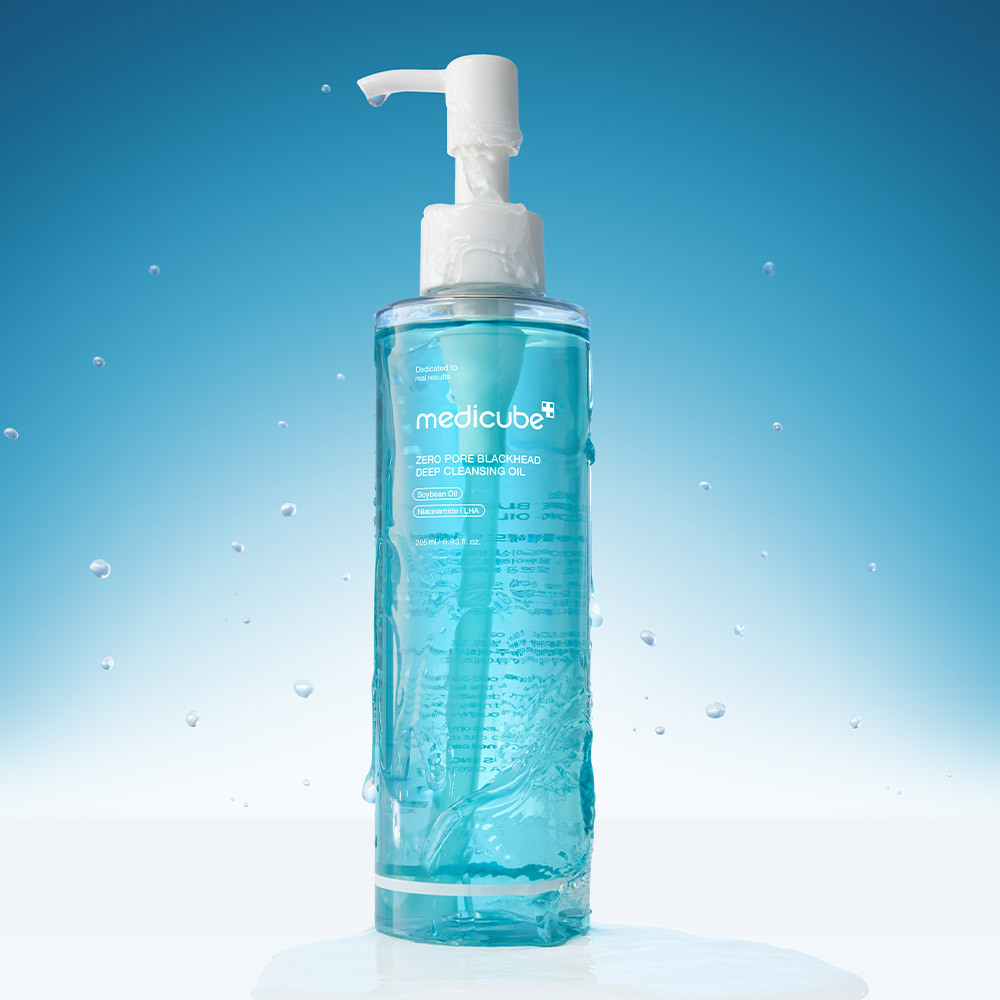
Zero Pore Blackhead Deep Cleansing Oil
Medicube
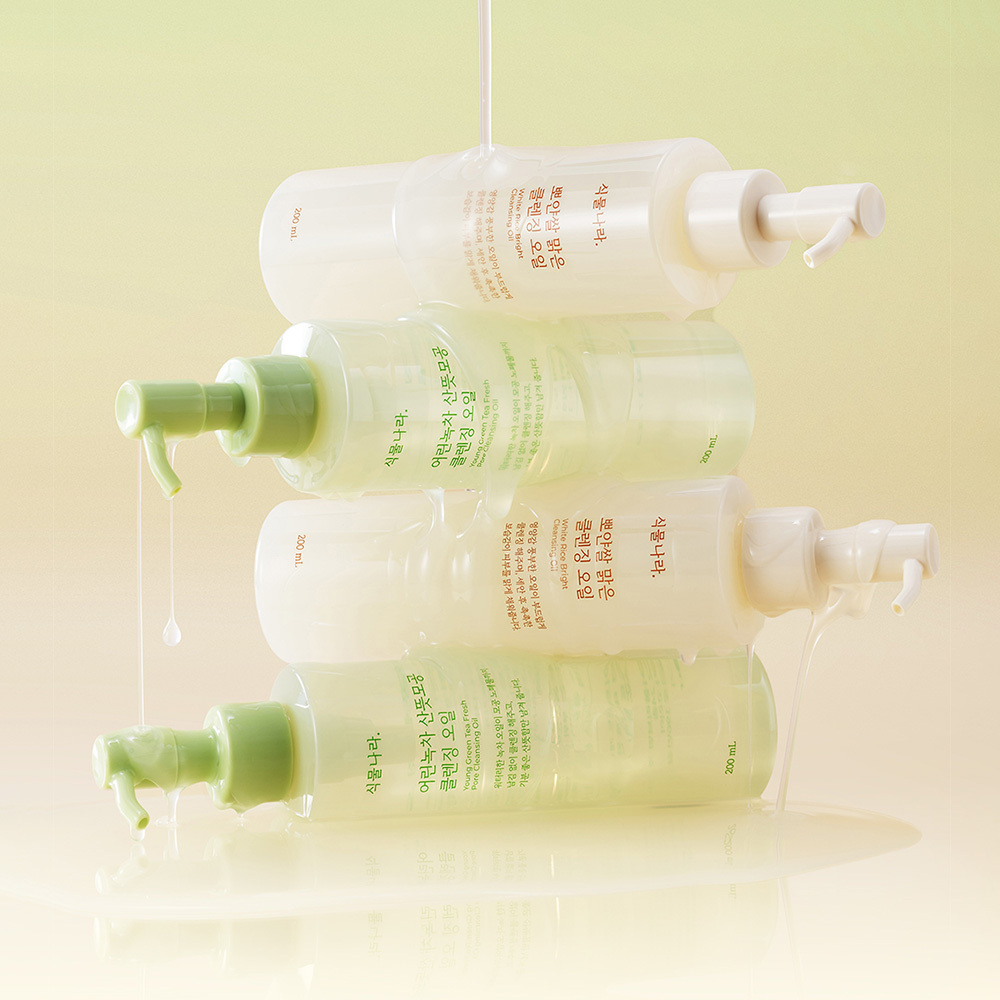
Cleansing Oil
Shingmulnara
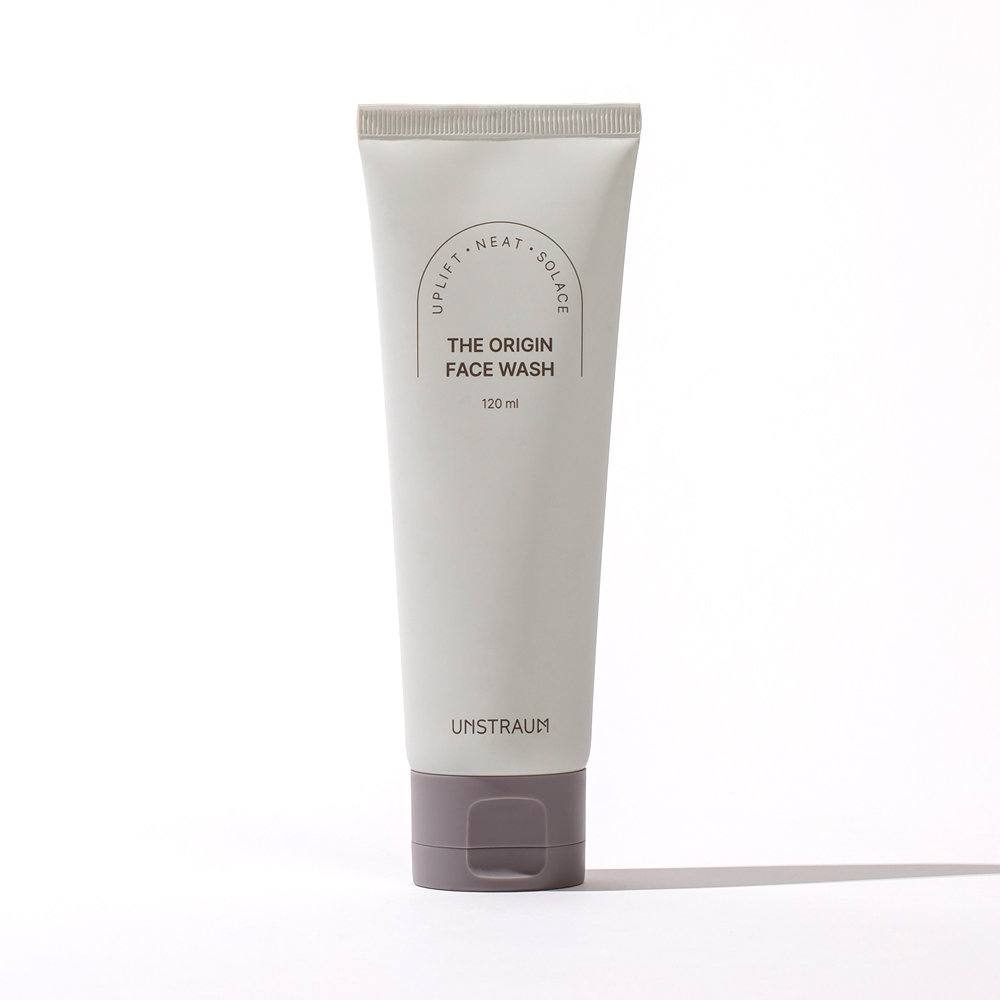
Unstraum The Original Face Wash
Beplain
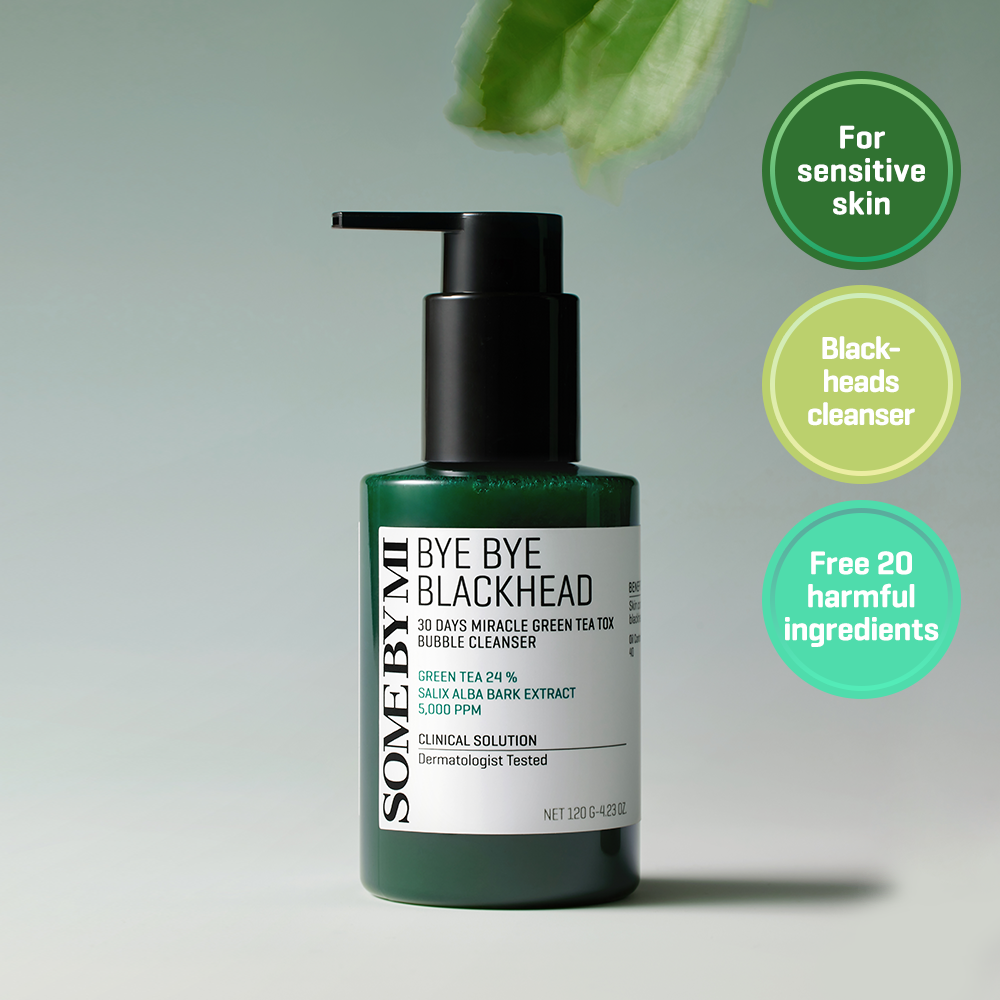
Bye Bye Blackhead 30 Days Miracle Green Tea Tox Bubble Cleanser
Some By Mi

Extra Super 9+ Active Stick
Medi-Peel
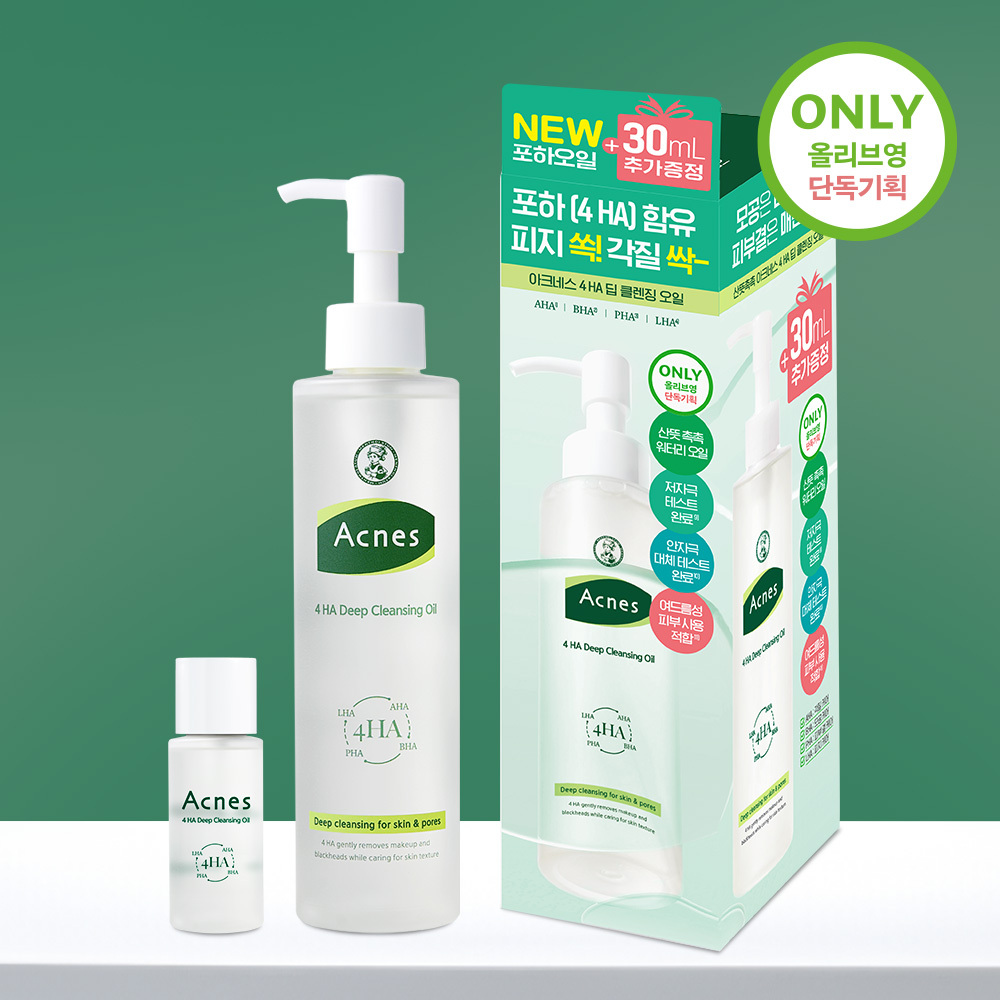
4HA Deep Cleansing Oil Set
Acnes
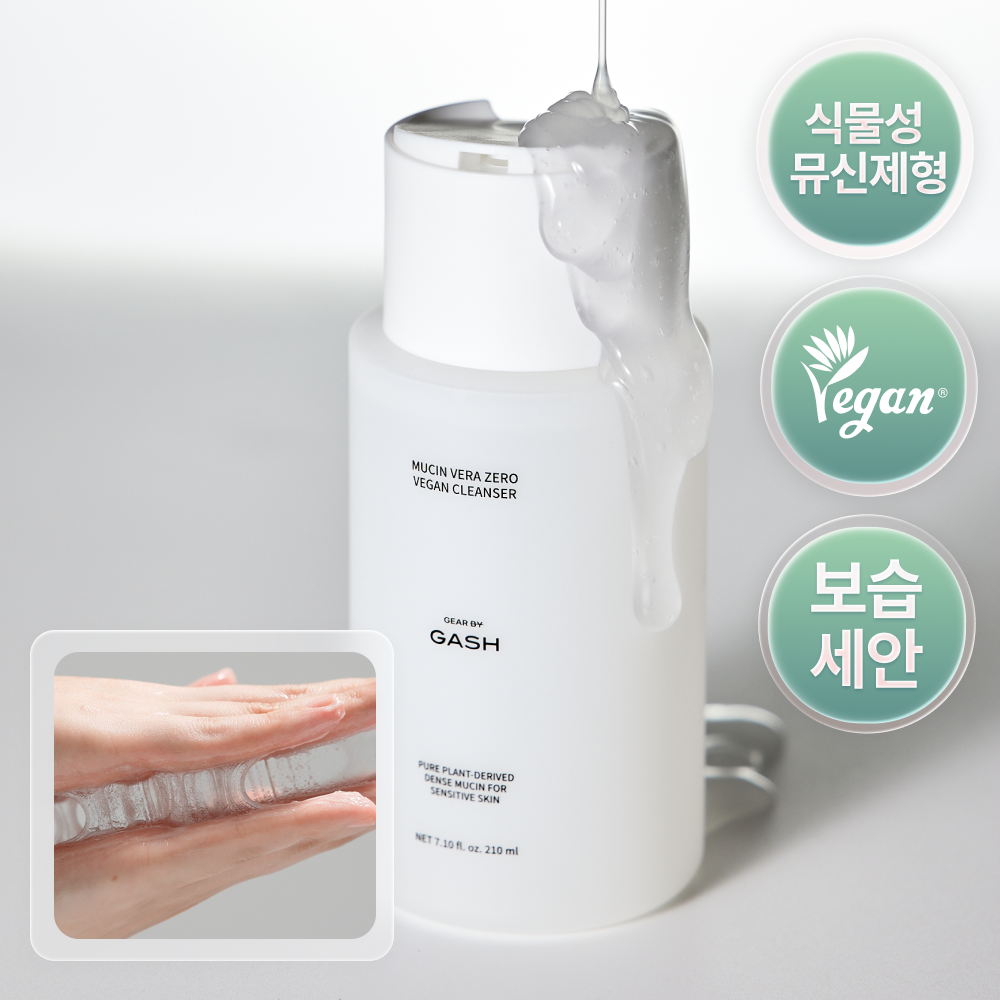
Mucin Vera Zero Vegan Cleanser
Beplain
Frequently Asked Questions
Is Japanese Red Pine Leaf Extract safe for acne-prone skin?▼
Can I use products with this ingredient if I have sensitive skin?▼
How does Japanese Red Pine compare to other antioxidants like vitamin C?▼
Will this ingredient help with redness and visible capillaries?▼
Is this ingredient effective in cleansers or does it need to stay on skin?▼
Explore More
Want personalized ingredient advice?
Yuri, our AI beauty advisor, can tell you how Japanese Red Pine Leaf Extract works with your specific skin type, routine, and concerns.
Ask Yuri, free