Pollen Extract
Antioxidant and nutrient-rich skin conditioner
About Pollen Extract
Pollen extract is a nutrient-dense botanical ingredient harvested from flower pollen grains, packed with vitamins, minerals, amino acids, and flavonoids that deliver antioxidant and skin-conditioning benefits. In K-beauty formulations, pollen extract serves as a multitasking ingredient that protects skin from environmental stressors while providing nourishment and supporting barrier function. The extract contains high concentrations of B vitamins, vitamin E, carotenoids, and polyphenols that work synergistically to defend against free radical damage and premature aging. Korean skincare brands particularly value pollen extract for its ability to deliver phytonutrients in bioavailable forms that penetrate effectively into skin. You'll find it in products ranging from gentle cleansers to intensive moisturizers, where it complements other botanical ingredients common in K-beauty like rice bran and fermented extracts. The ingredient appears across multiple product categories on Seoul Sister, including highly-rated formulations from Dr.G and Ilso that combine pollen extract with barrier-supporting and enzymatic ingredients. While pollen extract offers impressive antioxidant capacity, it does carry moderate comedogenic potential (rated 2/5) and a safety rating of 3/5, primarily due to possible allergenic reactions in individuals sensitive to pollen or bee-derived products.
How Pollen Extract Works
At the cellular level, pollen extract functions primarily through its rich antioxidant profile, which neutralizes reactive oxygen species (ROS) that damage cellular structures and accelerate skin aging. The flavonoids and phenolic compounds in pollen extract donate electrons to unstable free radicals, stabilizing them before they can trigger oxidative chain reactions in lipid membranes and DNA. Meanwhile, the amino acids and peptides present in pollen provide building blocks that support collagen synthesis and cellular repair processes. The B vitamins, particularly niacin and pantothenic acid, enhance cellular energy metabolism and improve barrier lipid production, helping skin retain moisture more effectively. Vitamin E works synergistically with other antioxidants in pollen to regenerate oxidized molecules, extending the protective effect. The mineral content, including zinc and selenium, acts as cofactors for endogenous antioxidant enzymes like superoxide dismutase, amplifying the skin's natural defense systems. This multi-pathway approach makes pollen extract particularly effective at protecting skin from UV-induced damage, pollution, and inflammatory stress.
Pollen Extract by Skin Type
Oily Skin
Pollen extract can benefit oily skin through its antioxidant protection and nutrient delivery, but the comedogenic rating of 2/5 means it requires thoughtful formulation. In the lightweight textures preferred for oily skin, like the pH Cleansing Gel Foam by Dr.G (4.8/5 rating), pollen extract is well-tolerated and rinses away without leaving pore-clogging residue. Choose water-based or gel formulations over heavy creams.
Dry Skin
Pollen extract excels for dry skin by delivering skin-conditioning nutrients that support barrier repair and moisture retention. The amino acids and B vitamins help strengthen the skin's lipid barrier, while antioxidants protect compromised skin from environmental stress. Products like Dermoisture Barrier.D Intense Cream by Dr.G (4.8/5) leverage pollen extract alongside barrier-focused ingredients to provide comprehensive hydration and protection for dry, dehydrated skin types.
Combo Skin
Combination skin can benefit from pollen extract's balanced nutrient profile, though placement matters due to the moderate comedogenic rating. The ingredient works well in toners and lighter formulations like Dermoisture Barrier.D Liquid Toner by Dr.G (4.9/5), where it delivers antioxidants without overloading the T-zone. Apply heavier pollen-containing creams only to dry areas, or choose gel-based formulations for all-over application.
Sensitive Skin
Sensitive skin should approach pollen extract with caution, as the safety rating of 3/5 reflects potential for allergic reactions, particularly in individuals with pollen allergies or sensitivities to bee products. If you have seasonal allergies or known pollen sensitivities, patch test carefully before use. However, for non-allergic sensitive skin, the anti-inflammatory antioxidants can actually help calm reactive skin and reduce oxidative stress that triggers sensitivity.
Normal Skin
Normal skin types can enjoy the full spectrum of pollen extract's benefits without significant concerns. The antioxidant protection helps maintain skin health and prevent premature aging, while the nutrient-rich profile supports optimal cellular function. Products across categories from cleansers like Ilso's Rice Bran Enzyme Powder Wash (4.8/5) to moisturizers effectively deliver pollen extract's benefits for normal skin without disrupting its balanced state.
How to Use Pollen Extract
- 1If you have known pollen allergies, hay fever, or bee product sensitivities, perform a 48-hour patch test before incorporating pollen extract into your routine.
- 2Start with rinse-off products like the pH Cleansing Gel Foam or enzyme powder washes to test tolerance before moving to leave-on formulations.
- 3For oily or acne-prone skin, prefer pollen extract in toners, essences, or gel formulations rather than heavy creams to minimize comedogenic risk.
- 4Layer pollen extract products under sunscreen during the day to maximize antioxidant protection against UV-induced free radical damage.
- 5Pair pollen extract with other barrier-supporting ingredients like ceramides or hyaluronic acid for enhanced moisture retention, as seen in Dr.G's Dermoisture Barrier.D line.
Background
Pollen has been valued for its nutritional and medicinal properties for thousands of years, with ancient Egyptian, Chinese, and Greek texts documenting its use for health and vitality. Bee pollen, collected by honeybees from flowering plants, became particularly prized in traditional medicine systems for its concentrated nutrient profile. The transition to skincare applications emerged in the late 20th century as researchers identified pollen's exceptional antioxidant capacity and bioactive compound diversity. Korean beauty brands embraced pollen extract as part of the broader hanbang (traditional herbal medicine) revival and the K-beauty philosophy of ingredient synergy, combining it with rice, ferments, and other botanical actives. The ingredient gained traction in barrier-focused and antioxidant-rich formulations, reflecting K-beauty's emphasis on prevention and skin health rather than merely treating existing concerns.
K-Beauty Products with Pollen Extract
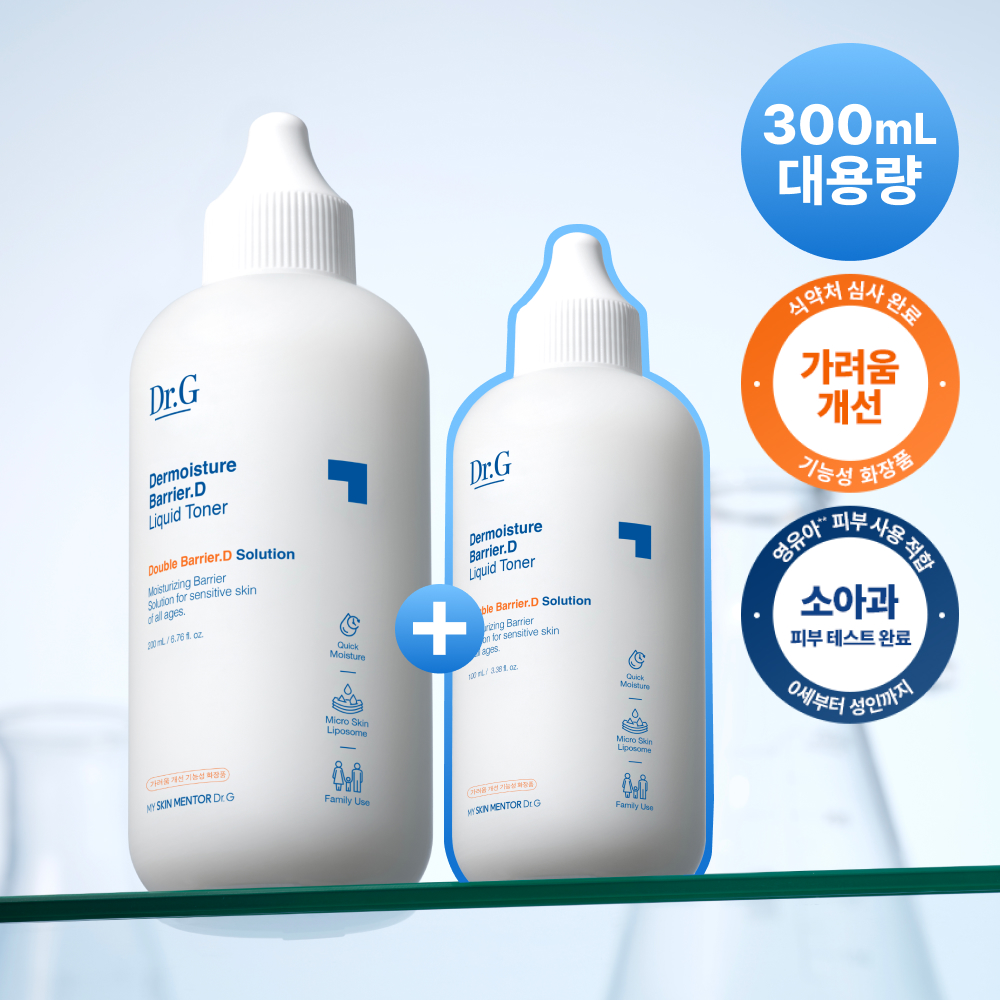
Dermoisture Barrier. D Liquid Toner Special Set
Dr.G
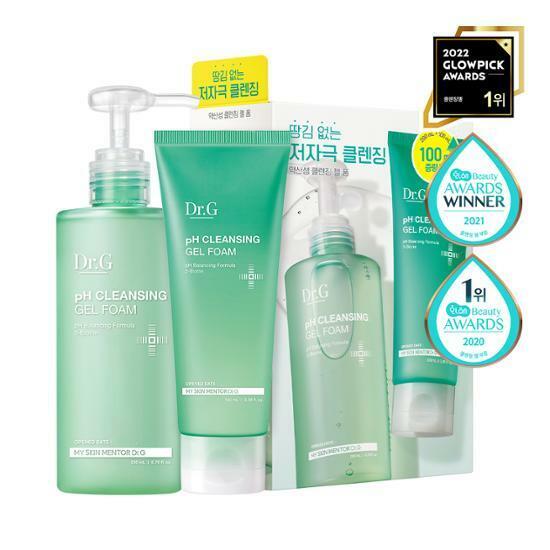
pH Cleansing Gel Foam Special Set
Dr.G
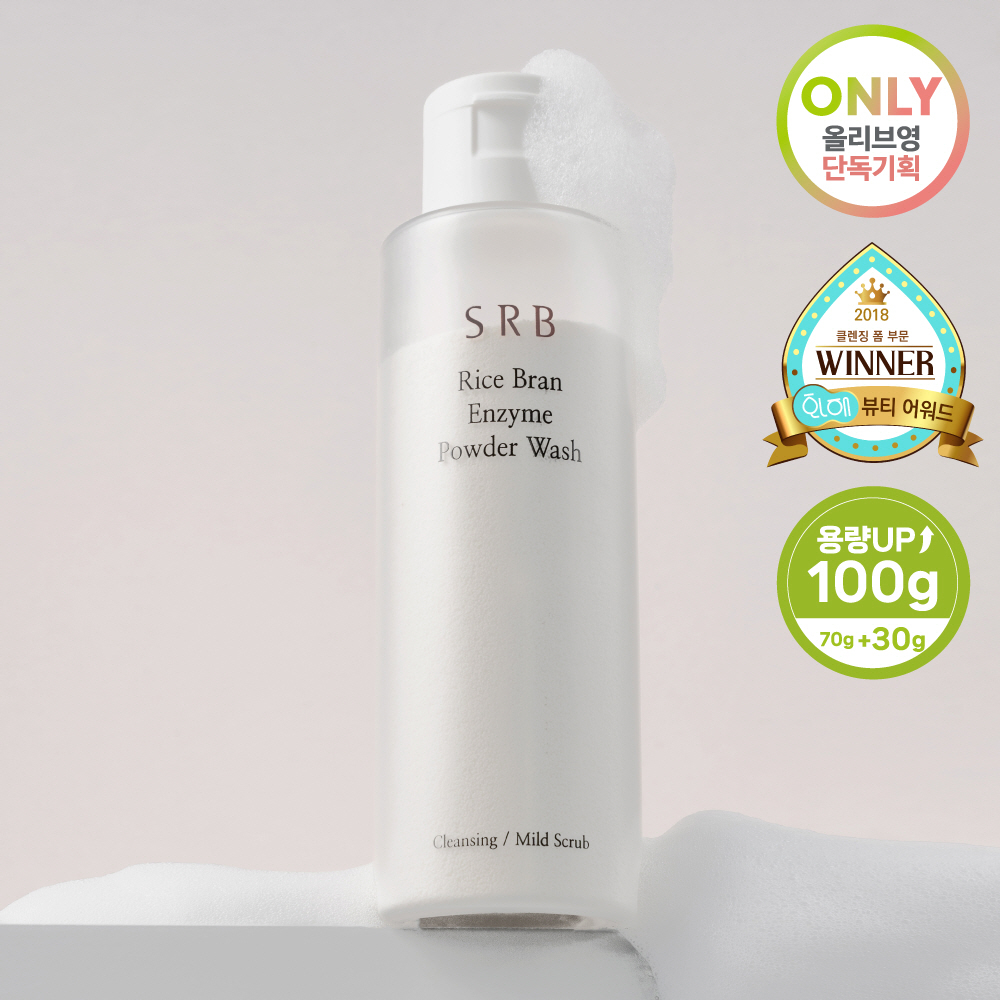
Rice Bran Enzyme Powder Wash
Ilso
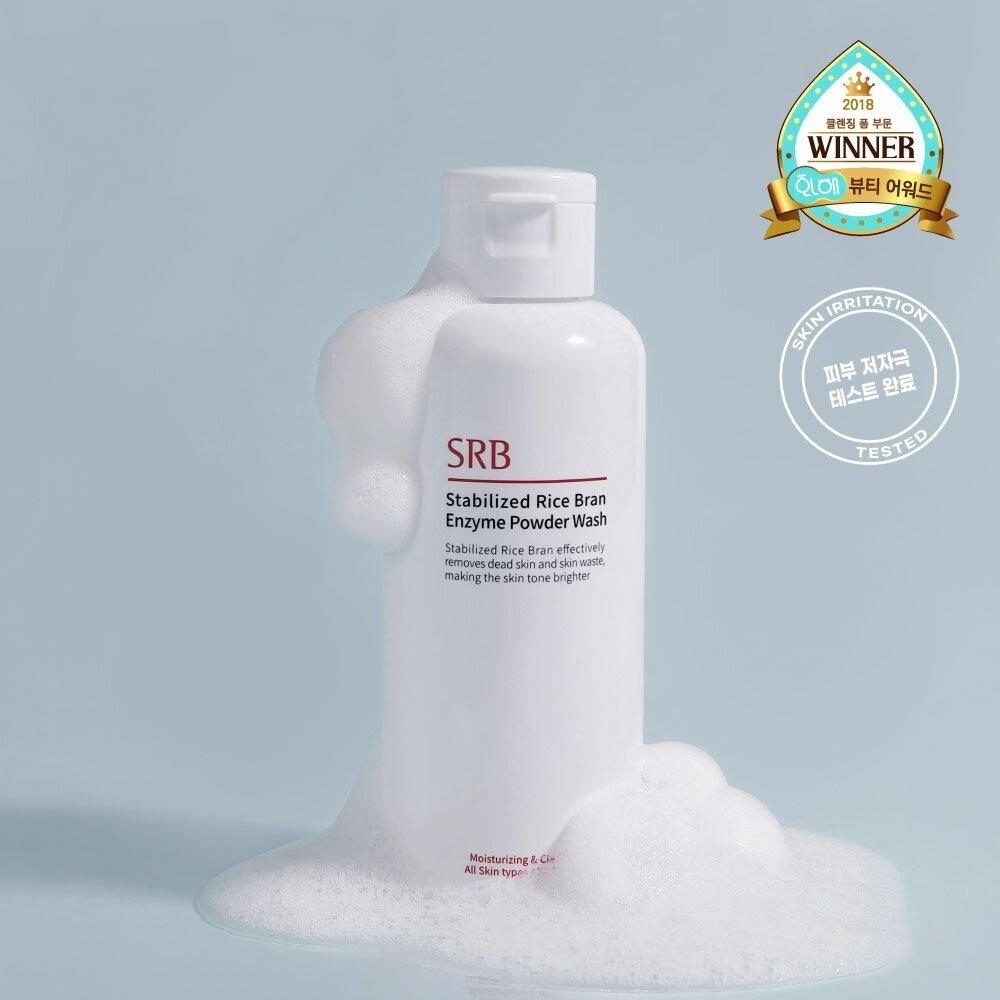
Stabilized Rice Bran Enzyme Powder Wash
Ilso
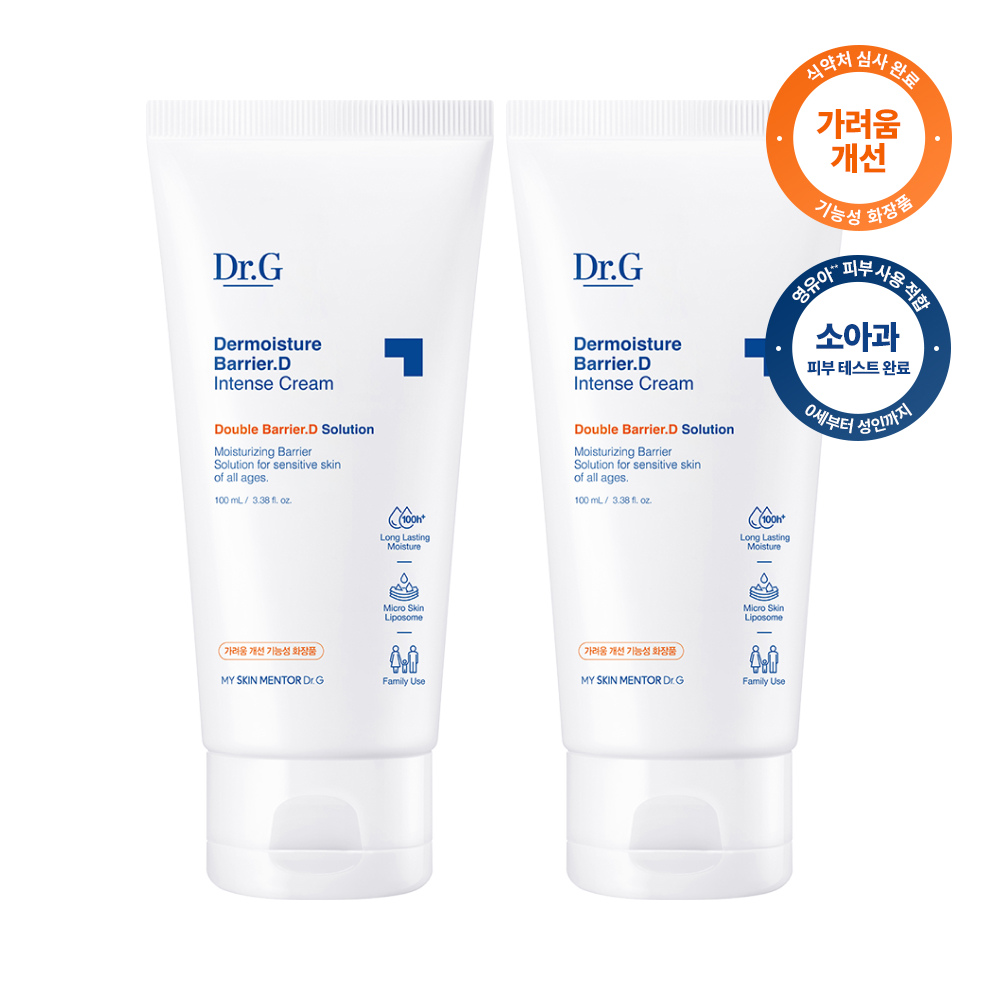
Dermoisture Barrier.D Intense Cream
Dr.G
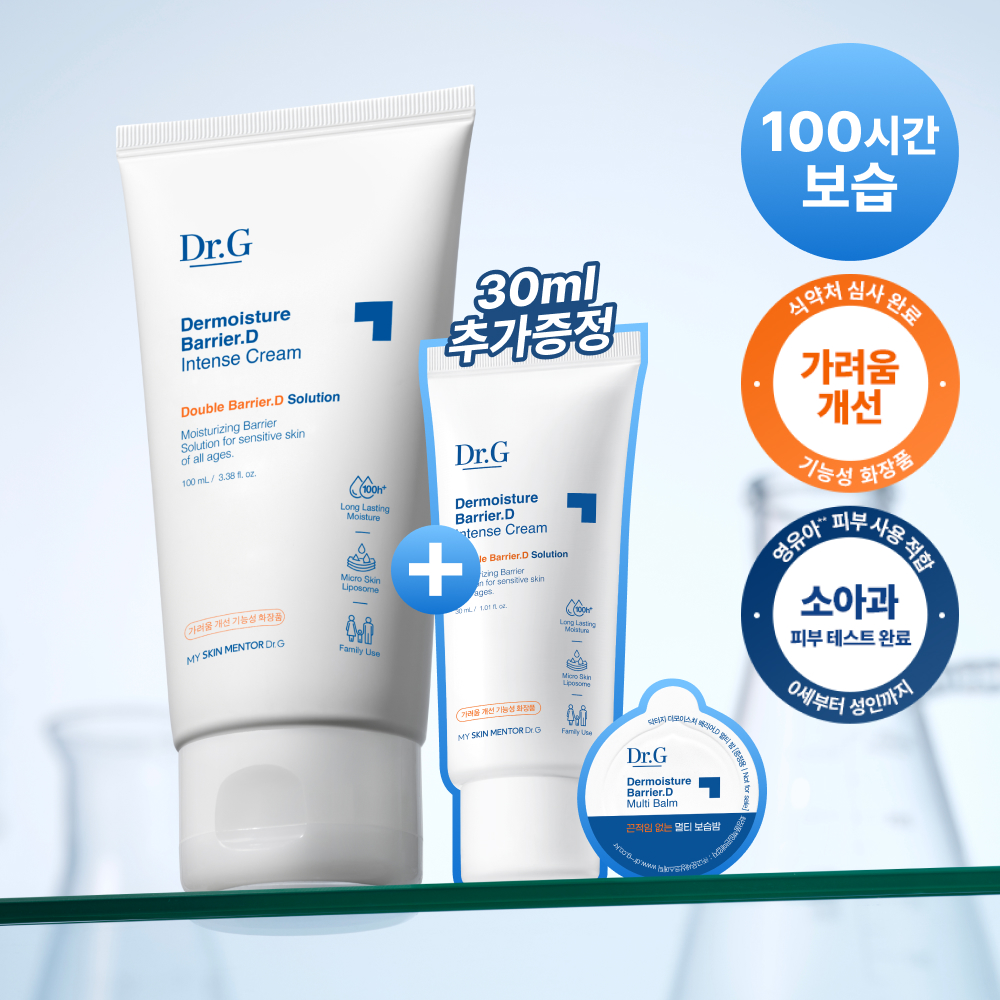
Dermoisture Barrier D Intense Cream
Dr.G
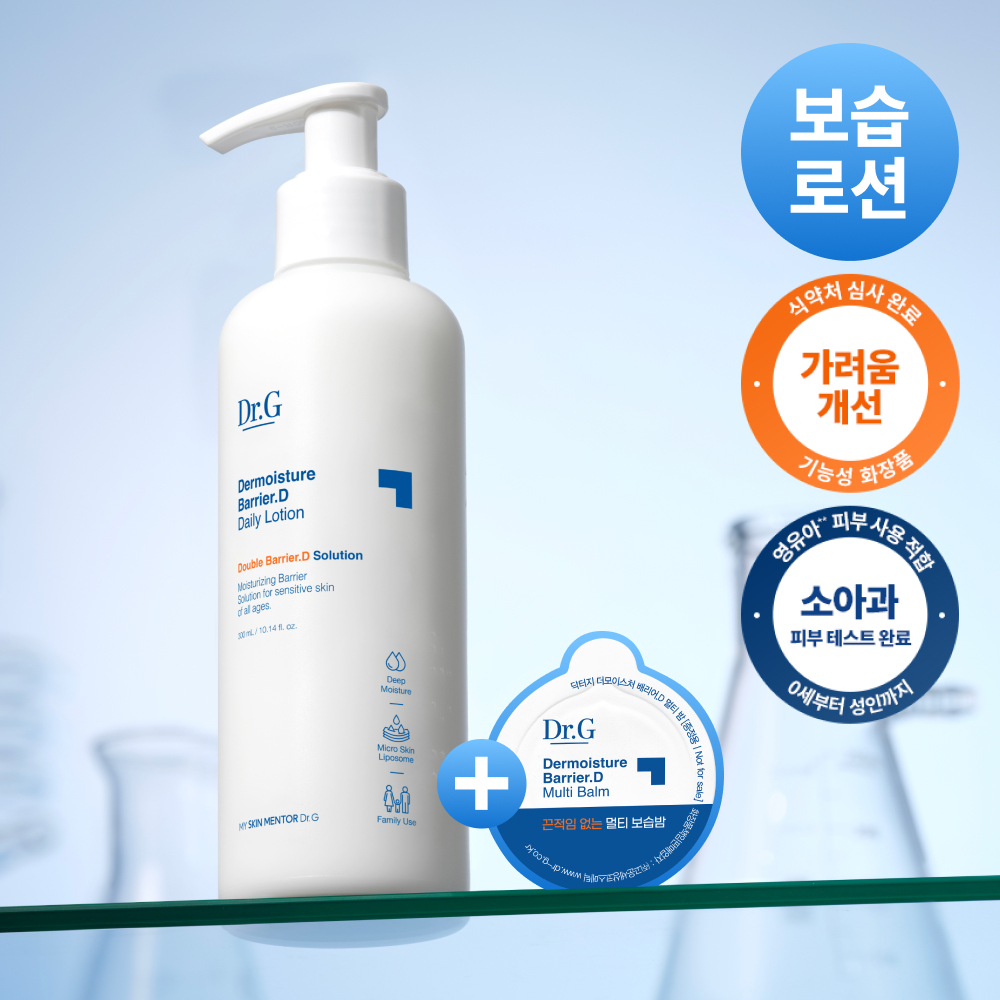
Dermoisture Barrier D Lotion Special Set
Dr.G

Dermoisture Barrier.D Multi Balm
Dr.G
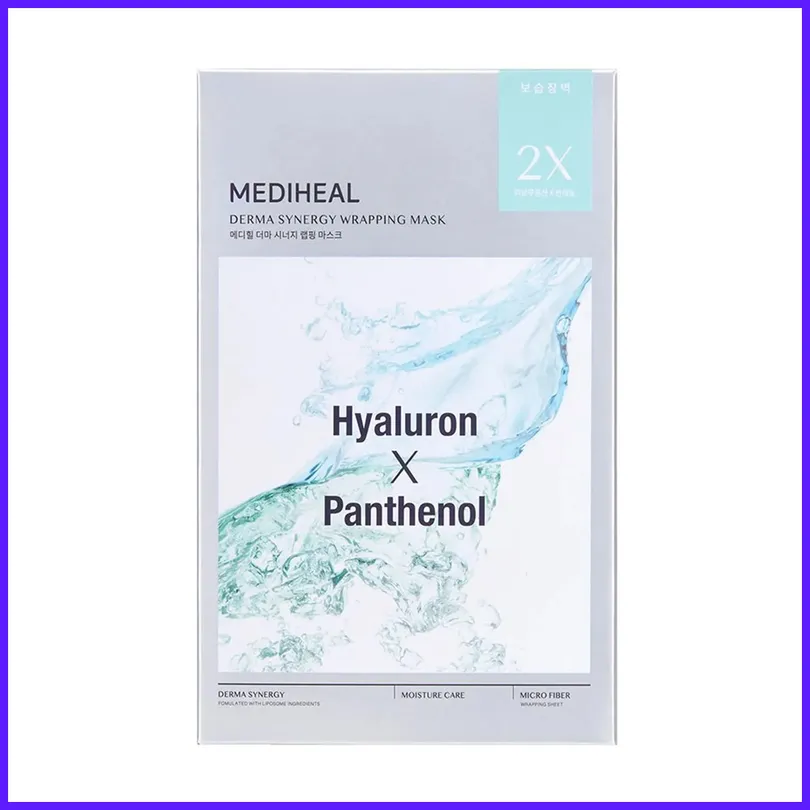
Derma Synergy Wrapping Mask Sheet
Mediheal
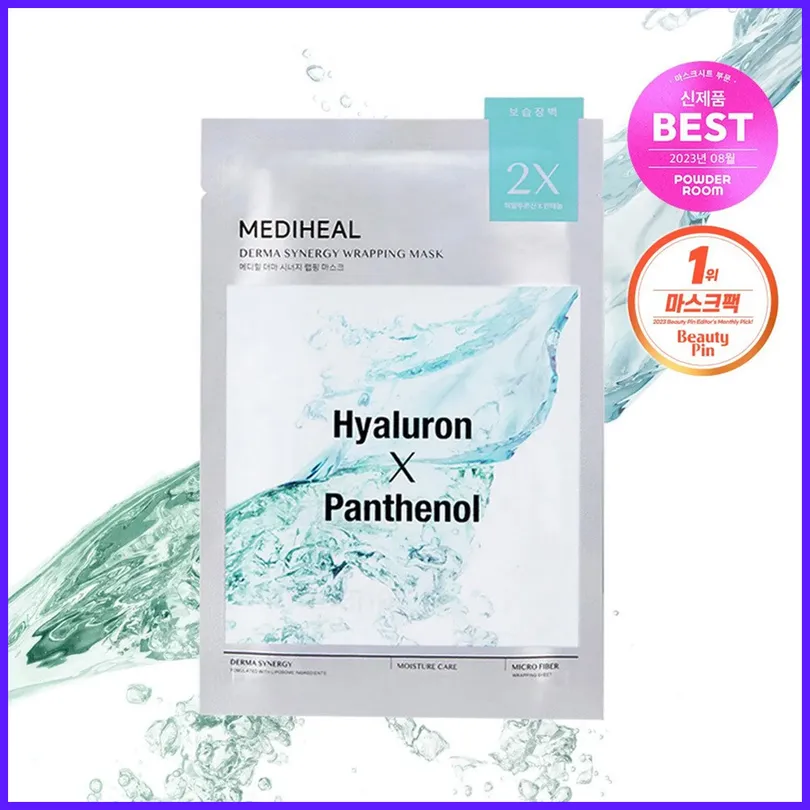
Derma Synergy Wrapping Mask Sheet - Moisture
Mediheal
Dermoist Barrier.D Intense Cream
Dr.G
Bee Pollen Renew Ampouler
MISSHA
Frequently Asked Questions
Can I use pollen extract if I have pollen allergies?▼
Will pollen extract clog my pores?▼
What makes pollen extract effective as an antioxidant?▼
Is pollen extract the same as bee pollen?▼
Explore More
Want personalized ingredient advice?
Yuri, our AI beauty advisor, can tell you how Pollen Extract works with your specific skin type, routine, and concerns.
Ask Yuri, free