Polyglucuronic Acid
Humectant and skin barrier strengthening agent
About Polyglucuronic Acid
Polyglucuronic acid is a next-generation humectant that's quietly revolutionizing Korean skincare formulations, particularly in high-performance serums and ampoules. This biopolymer, derived from fermented glucose, functions as both a powerful moisture magnet and a skin barrier fortifier. While hyaluronic acid gets most of the spotlight in hydration conversations, polyglucuronic acid offers a different approach: it creates a breathable, film-forming network on skin that holds water without the heavy, sticky feeling some people experience with traditional humectants. What makes this ingredient particularly relevant in K-beauty is its synergy with advanced actives like PDRN (polydeoxyribonucleotide). You'll notice it frequently appears in VT's premium PDRN line, where it enhances the delivery and stability of these regenerative ingredients. Beyond hydration, polyglucuronic acid supports the skin's natural barrier function by promoting ceramide synthesis and reducing transepidermal water loss. Its low molecular weight allows for better penetration than some larger humectants, while its film-forming properties create an occlusive layer that seals in moisture. For those dealing with compromised skin barriers, dryness, or irritation from active ingredients, polyglucuronic acid offers a gentler alternative that doesn't sacrifice effectiveness. With a comedogenic rating of 0/5, it's suitable for all skin types, including acne-prone and sensitive skin.
How Polyglucuronic Acid Works
At the molecular level, polyglucuronic acid functions through a dual-action mechanism. First, its abundant hydroxyl groups act as binding sites for water molecules, allowing it to attract and retain moisture in the stratum corneum (the outermost layer of skin). Unlike hyaluronic acid, which can sometimes draw water from deeper skin layers in low-humidity environments, polyglucuronic acid forms a more stable moisture reservoir. Second, it creates a three-dimensional network on the skin's surface that functions as a semi-occlusive barrier. This breathable film reduces transepidermal water loss while still allowing skin to release heat and metabolic byproducts. Research suggests polyglucuronic acid also stimulates fibroblast activity, encouraging the production of collagen, elastin, and ceramides, the lipids that form your skin's protective barrier. This makes it not just a passive hydrator but an active barrier-repair agent. When formulated with other actives like PDRN or peptides, polyglucuronic acid appears to enhance their stability and penetration, possibly by creating an optimal microenvironment for these sensitive ingredients to work.
Polyglucuronic Acid by Skin Type
Oily Skin
Polyglucuronic acid works exceptionally well for oily skin because it provides substantial hydration without any greasiness or pore-clogging (comedogenic rating: 0/5). The lightweight, film-forming texture absorbs quickly and doesn't interfere with sebum control products. Its barrier-strengthening properties can help regulate oil production over time by ensuring skin isn't overcompensating for dehydration.
Dry Skin
This is where polyglucuronic acid truly shines. It addresses both immediate and long-term dryness by pulling moisture into skin while simultaneously repairing the barrier that prevents water loss. The film-forming properties create an extra layer of protection against environmental moisture depletion. When combined with PDRN (as seen in VT's top-rated products), it provides clinical-level hydration that rivals prescription barrier repair treatments.
Combo Skin
Combination skin benefits from polyglucuronic acid's balanced approach to hydration. It delivers moisture to dry zones without overloading oily areas, thanks to its non-greasy, breathable formula. The barrier-strengthening effect helps normalize skin function across different zones, potentially reducing the severity of combination patterns over time.
Sensitive Skin
With a safety rating of 4/5, polyglucuronic acid is generally well-tolerated by sensitive skin. Its barrier-repair properties are particularly valuable for compromised or reactive skin, as a stronger barrier means better defense against irritants and allergens. The ingredient's soothing, film-forming nature can help calm inflammation and reduce sensitivity to other actives in your routine.
Normal Skin
For normal skin, polyglucuronic acid acts as preventative maintenance, fortifying an already-healthy barrier and providing optimal hydration. It's especially useful during seasonal transitions or when introducing new actives that might temporarily stress the skin. The lightweight texture integrates seamlessly into any routine without disrupting skin's natural balance.
How to Use Polyglucuronic Acid
- 1Layer polyglucuronic acid products after light serums but before heavier creams to maximize its film-forming benefits and lock in previous layers.
- 2Pair with PDRN-containing products (like VT's PDRN line) for enhanced regenerative effects, as polyglucuronic acid appears to boost the stability and penetration of these sensitive molecules.
- 3Apply to damp skin when possible, as the ingredient works more effectively when there's ambient moisture to bind and seal in.
- 4If you're using strong actives like retinoids or acids, apply polyglucuronic acid products afterward to buffer potential irritation and support barrier recovery.
- 5Store products containing polyglucuronic acid in cool, dry places, as extreme heat can potentially affect the polymer's structure and effectiveness.
Background
Polyglucuronic acid emerged from biotechnology research in the early 2000s, initially explored for medical applications like wound healing and drug delivery systems. Korean skincare researchers recognized its potential for cosmetic use around 2015, particularly as the industry shifted focus from aggressive exfoliation to barrier repair and gentle hydration. The ingredient is typically produced through bacterial fermentation of glucose, a process that yields a biocompatible, sustainable polymer. Its adoption in K-beauty accelerated around 2020-2022, coinciding with the rise of premium ampoule formulations and the PDRN trend. Brands like VT championed polyglucuronic acid as a supporting player in their advanced formulations, recognizing that cutting-edge actives need equally sophisticated delivery systems. Unlike trendy plant extracts that come and go, polyglucuronic acid represents K-beauty's evolution toward biotech-derived, clinically-proven ingredients that offer measurable results.
K-Beauty Products with Polyglucuronic Acid
View all 14 →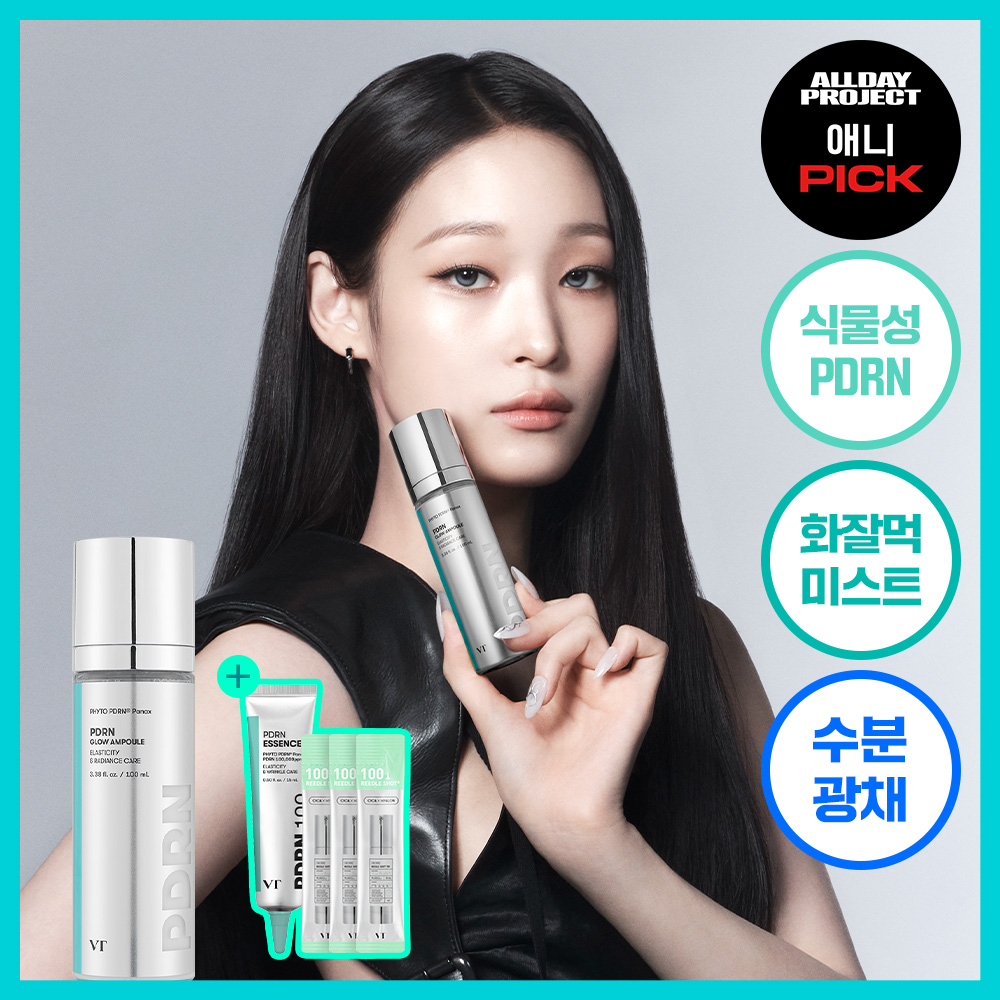
PDRN Glow Ampoule Mist
VT

PDRN Essence 100
VT
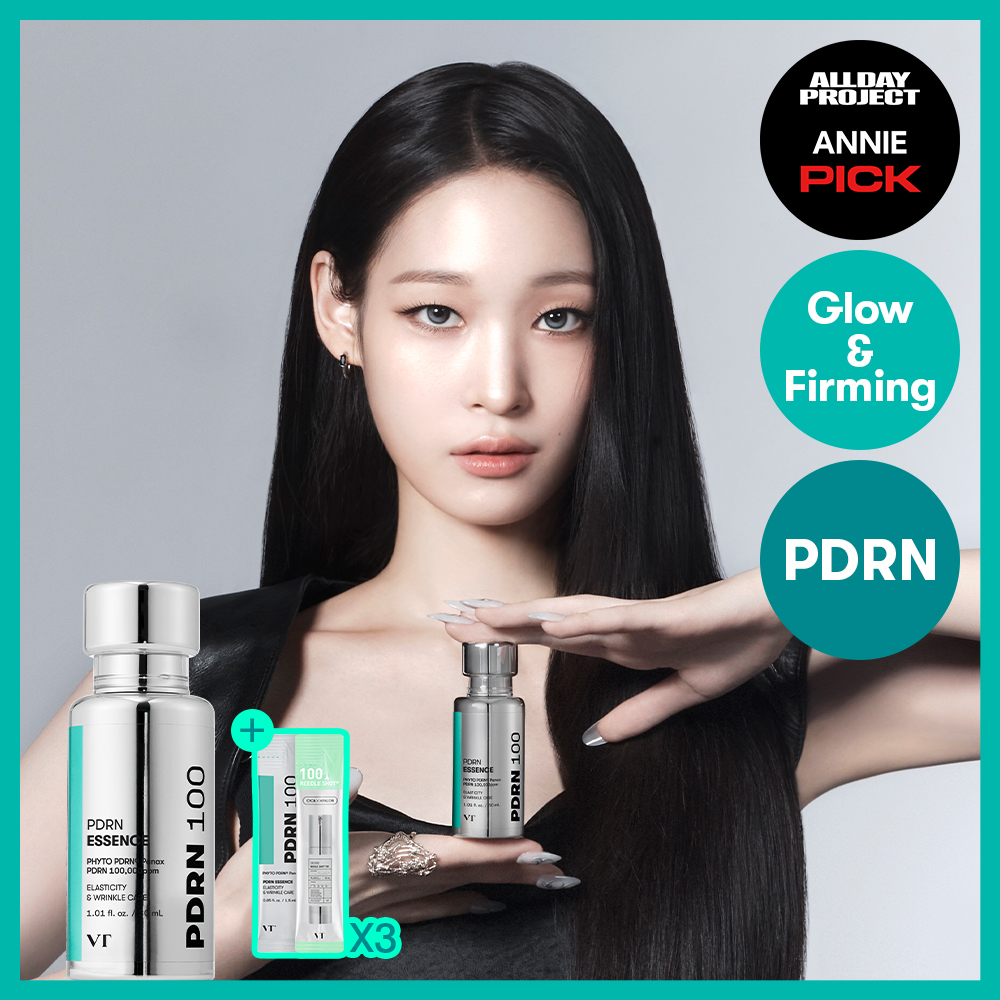
PDRN Essence 100 Double Set
VT
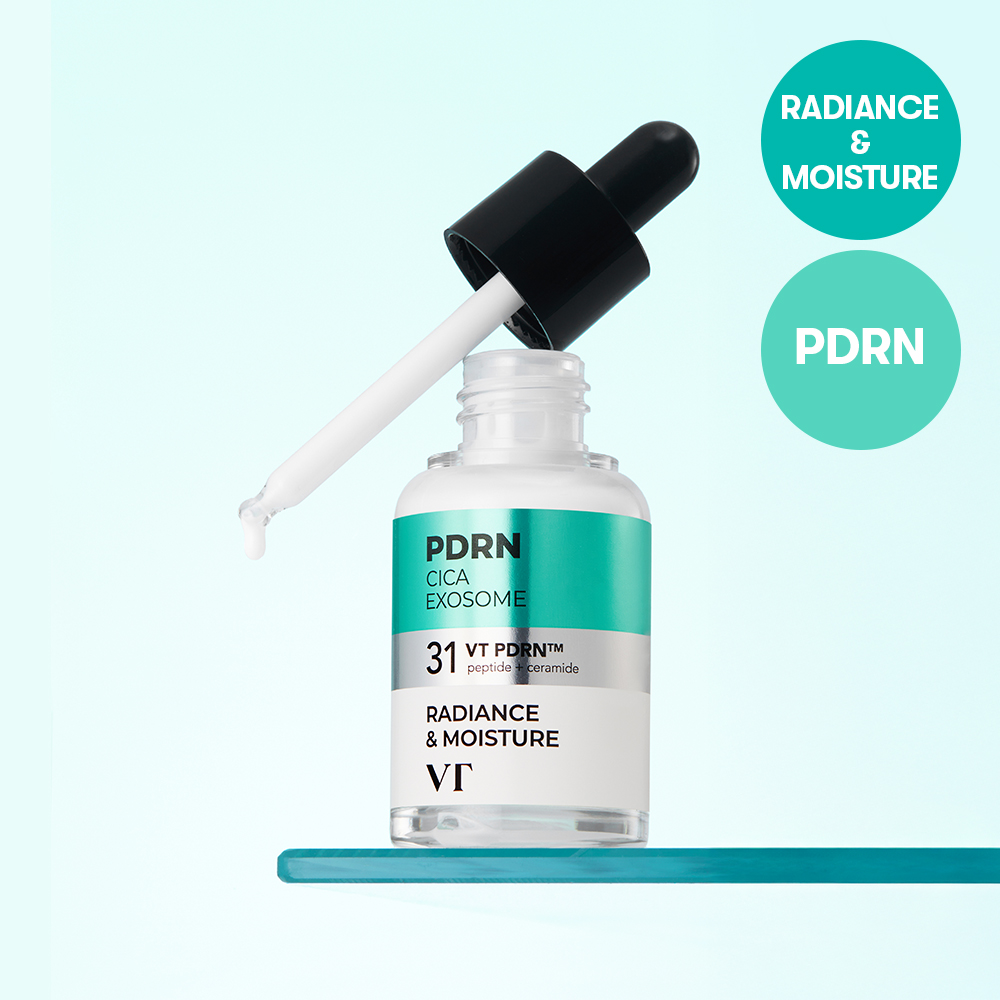
R5 Firming Ampoule
VT
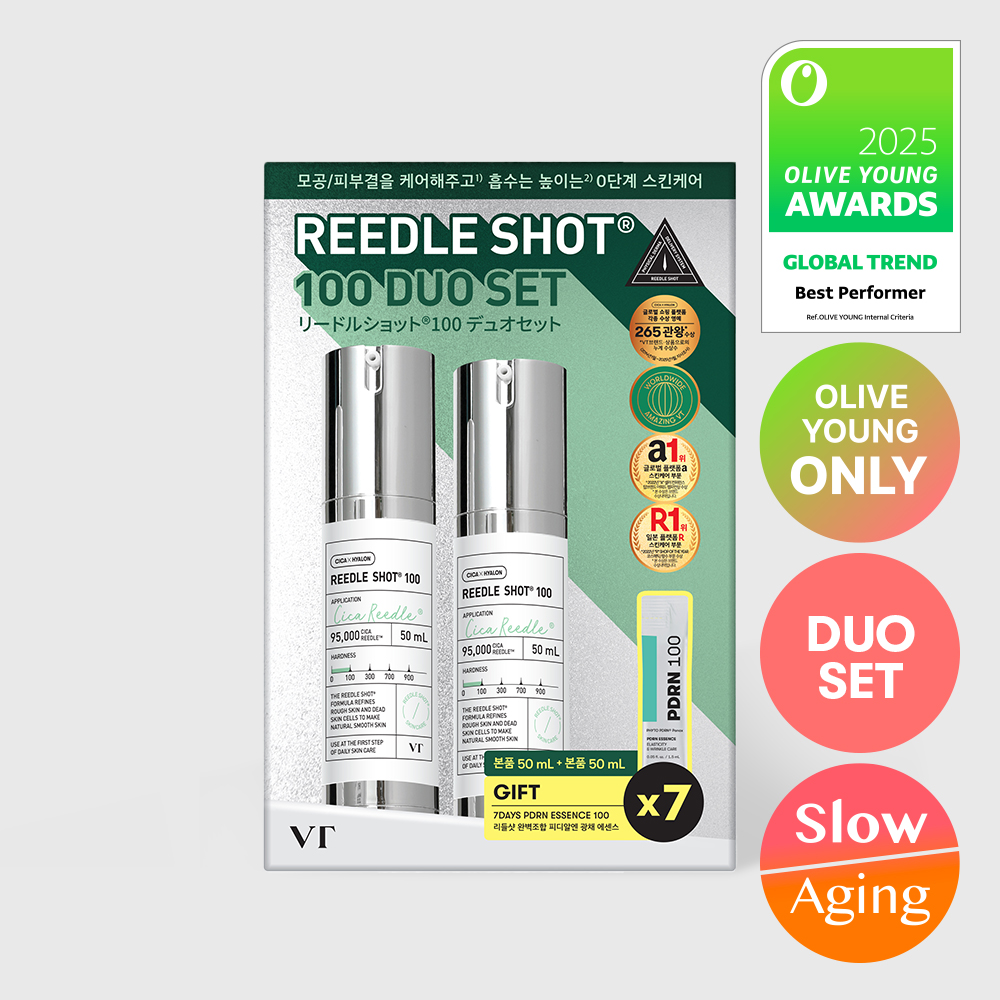
Reedle Shot 100 Double Pack
VT
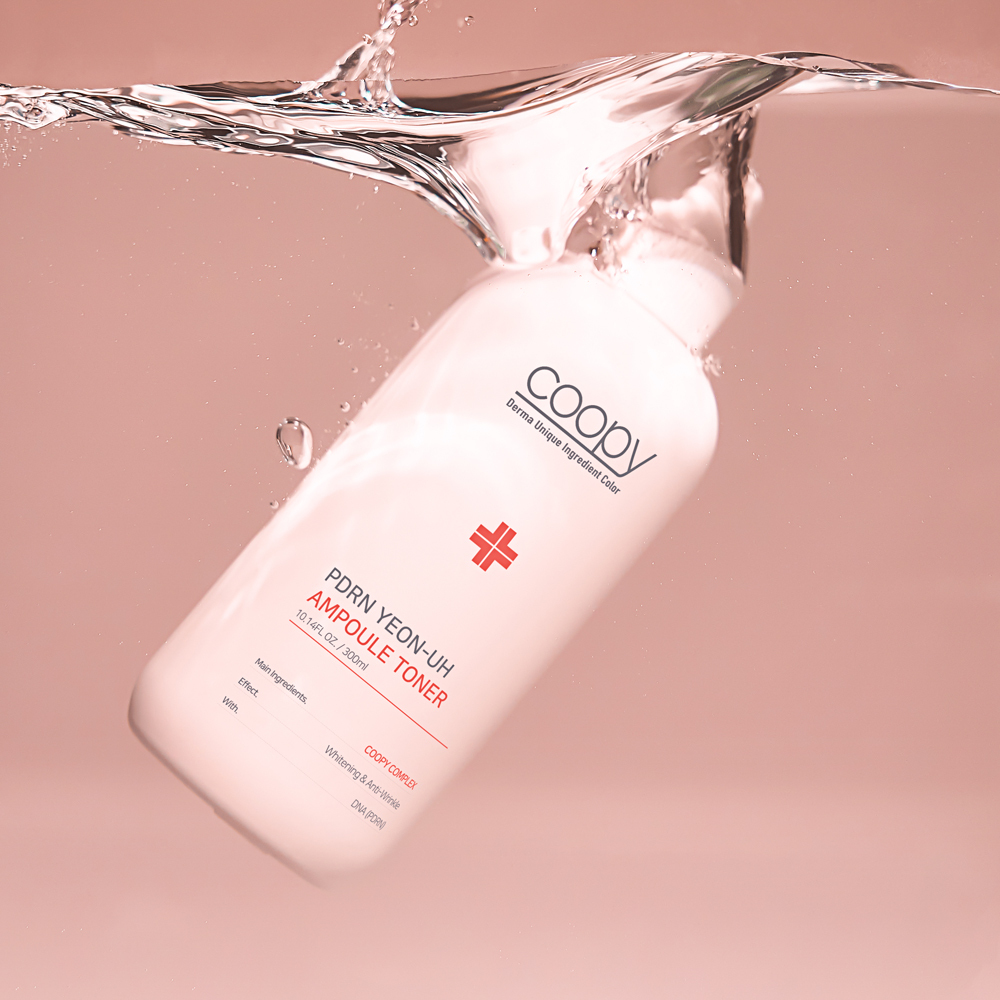
PDRN Yeon-Uh Ampoule Toner
Anua
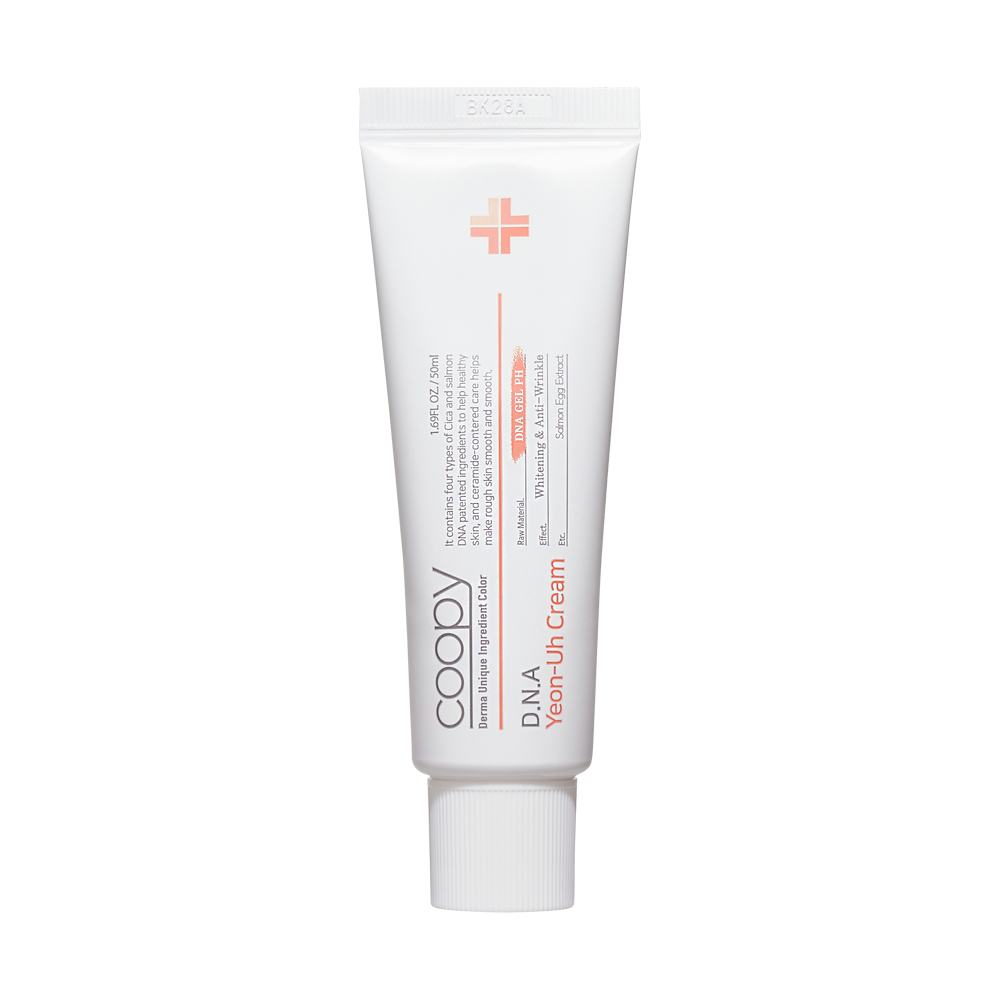
DNA Yeon-Uh Cream
Centellian24
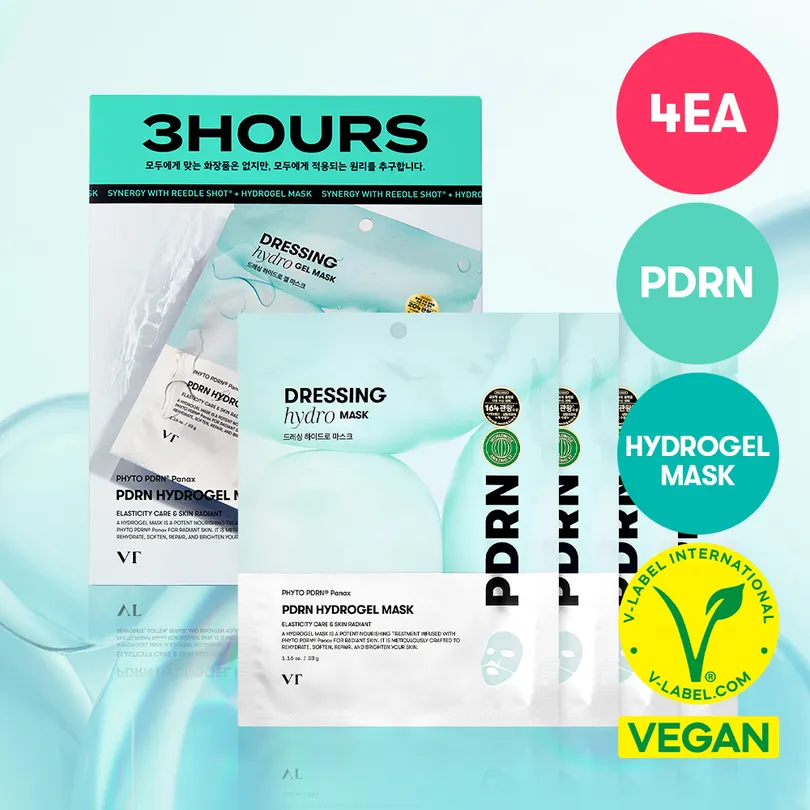
PDRN Hydrogel Mask Sheet 4ea
VT
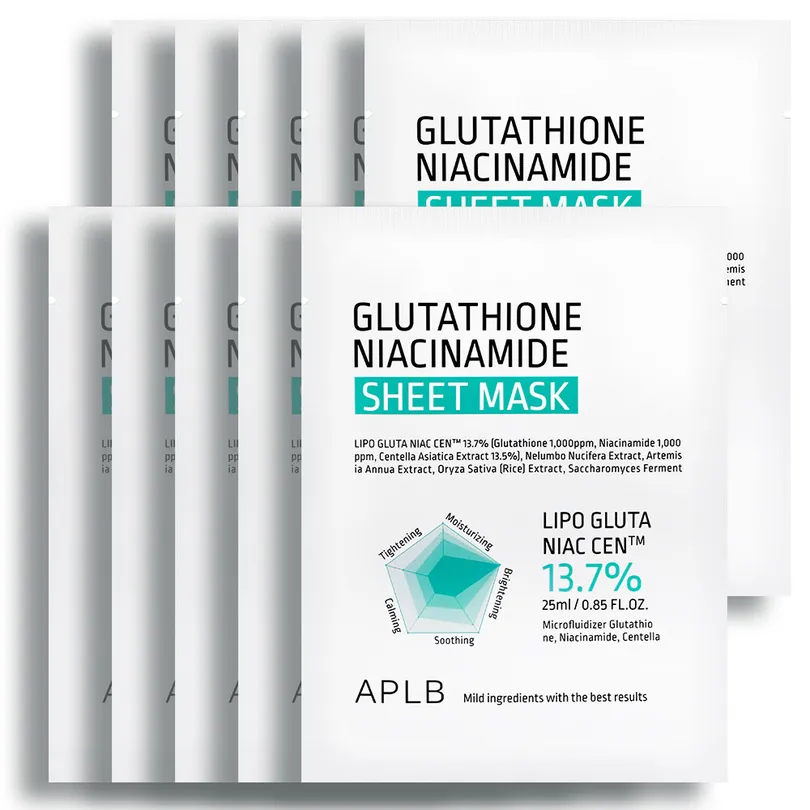
Glutathione Niacinamide Sheet Mask
APLB
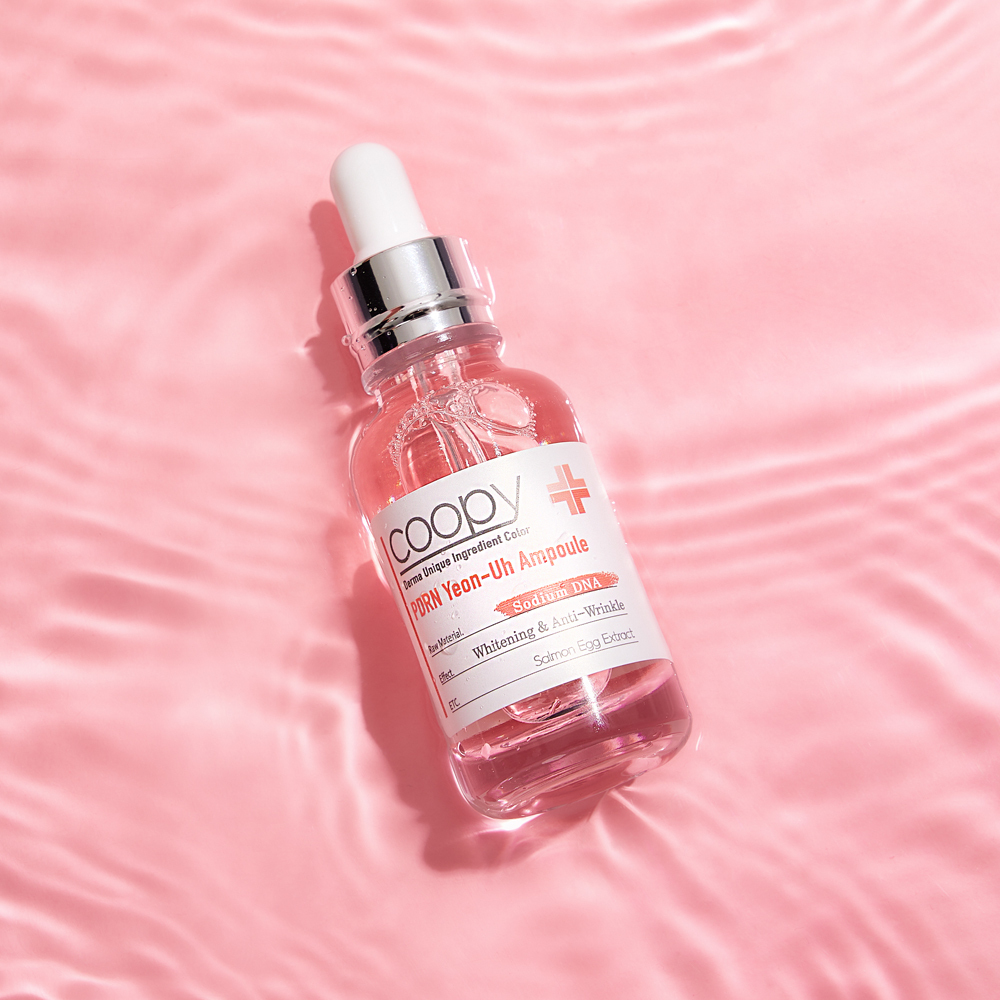
PDRN Yeon-Uh Ampoule
Anua
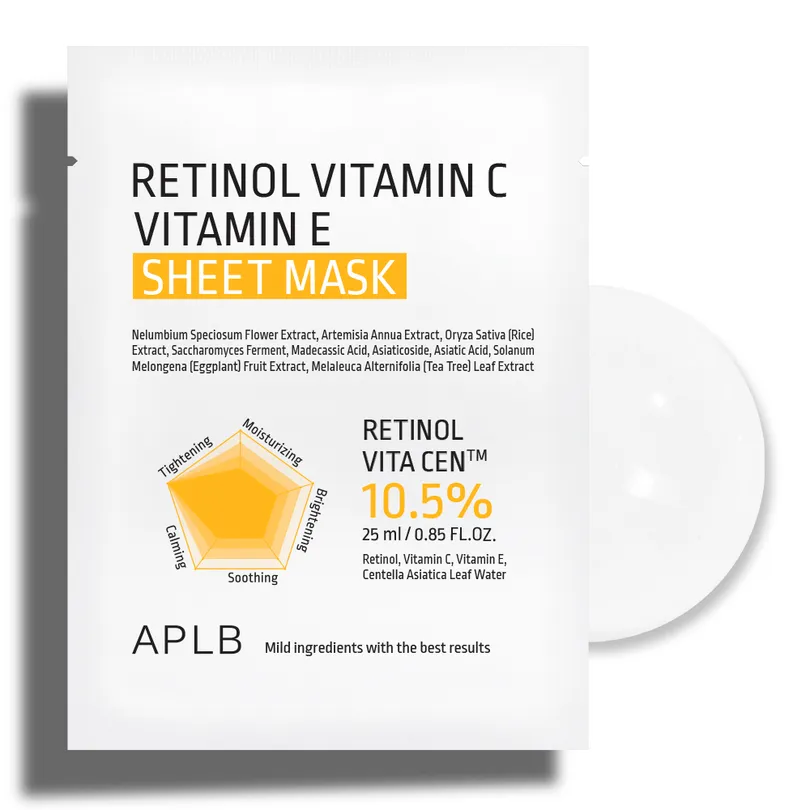
Retinol Vitamin C Vitamin E Sheet Mask
APLB
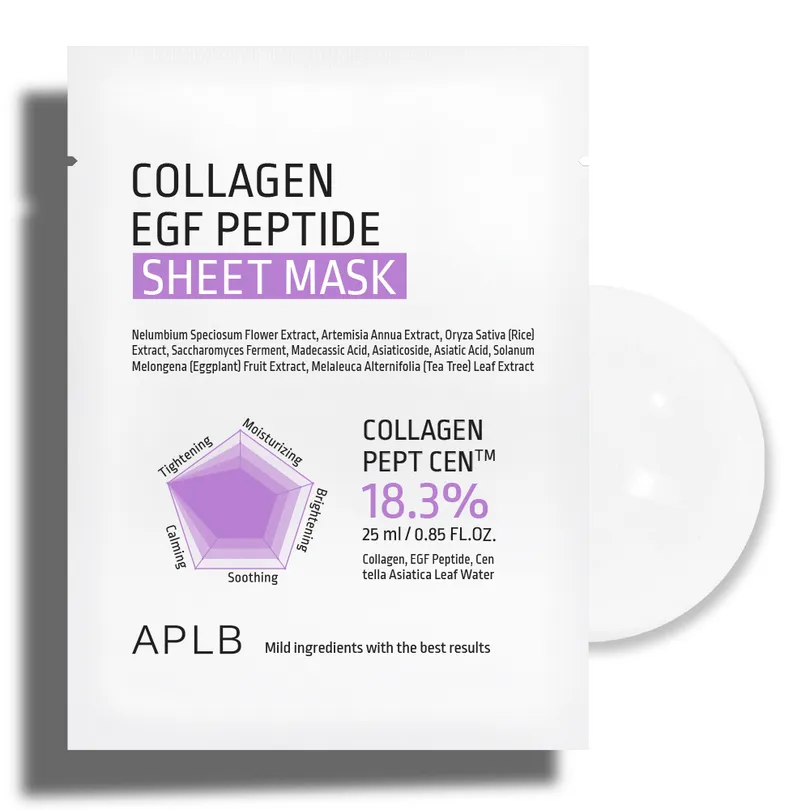
Collagen EGF Peptide Sheet Mask
APLB
Frequently Asked Questions
Is polyglucuronic acid better than hyaluronic acid?▼
Why do so many VT products contain polyglucuronic acid?▼
Can polyglucuronic acid cause breakouts?▼
How long does it take to see results from polyglucuronic acid?▼
Is polyglucuronic acid safe during pregnancy?▼
Explore More
Want personalized ingredient advice?
Yuri, our AI beauty advisor, can tell you how Polyglucuronic Acid works with your specific skin type, routine, and concerns.
Ask Yuri, free