Polylactic Acid
Physical exfoliant and biodegradable scrub particles
About Polylactic Acid
Polylactic Acid (PLA) is a biodegradable polymer derived from renewable plant sources like corn starch or sugarcane, making it one of the most eco-conscious physical exfoliants in modern skincare. Unlike plastic microbeads that pollute waterways, PLA naturally breaks down into lactic acid, water, and carbon dioxide, leaving no environmental footprint. In K-beauty formulations, PLA appears as tiny spherical particles that gently polish away dead skin cells without the harsh abrasion associated with traditional scrubs like walnut shells or apricot kernels. With a non-comedogenic rating of 0/5, it's safe for even acne-prone skin types. What makes PLA particularly interesting is its dual action: while physically buffing the skin's surface, it eventually degrades into lactic acid, a gentle alpha hydroxy acid that provides mild chemical exfoliation. This two-phase action explains why PLA appears in 14 products on Seoul Sister, ranging from cleansing foams like Beplain's z+piderm EGF Skin Barrier Cleansing Foam (5.0/5 rating) to overnight treatments like Numbuzin's No. 2 Rose PDRN Collagen Wrapping Film Pack (4.9/5). Korean brands favor PLA because it aligns with the K-beauty philosophy of gentle yet effective care, offering visible results without disrupting the skin barrier. Its spherical shape ensures uniform exfoliation without creating microtears, making it suitable for those transitioning from chemical-only exfoliation routines.
How Polylactic Acid Works
Polylactic Acid functions through mechanical exfoliation at the skin's surface. The smooth, spherical PLA particles roll across the epidermis during application, physically dislodging dead corneocytes (skin cells) from the stratum corneum without penetrating deeper layers. Unlike jagged exfoliants that can create microscopic tears, PLA's uniform geometry distributes pressure evenly, minimizing inflammation. The magic happens post-rinse: in the presence of moisture and skin enzymes, PLA gradually hydrolyzes over several hours to days, converting into L-lactic acid molecules. These molecules then provide secondary benefits by loosening the bonds between dead skin cells (desmosomes), promoting gentle chemical exfoliation long after the initial physical action. Lactic acid also acts as a humectant, attracting water molecules to the skin surface for improved hydration. This delayed breakdown means PLA doesn't alter skin pH dramatically during use, unlike direct acid applications. The result is smoother texture, improved product penetration for subsequent skincare steps, and a brighter complexion without compromising the lipid barrier. Because PLA doesn't dissolve oils or disrupt the skin's natural moisture factor during mechanical action, it's particularly compatible with barrier-supporting ingredients like the EGF complexes found in top-rated PLA products on Seoul Sister.
Polylactic Acid by Skin Type
Oily Skin
Polylactic Acid is excellent for oily skin types who need regular exfoliation to prevent pore congestion. Its 0/5 comedogenic rating means it won't contribute to breakouts, while its physical action helps remove excess sebum and dead cells that can make pores appear larger. The gradual lactic acid conversion provides ongoing pore-refining benefits between exfoliation sessions.
Dry Skin
Dry skin benefits from PLA's gentle approach to exfoliation, which removes flaky patches without stripping natural oils. The eventual breakdown into lactic acid provides humectant properties that actually draw moisture into the skin. However, those with very dry skin should limit use to 1-2 times weekly and always follow with a rich moisturizer to prevent any temporary tightness from the exfoliation process.
Combo Skin
Combination skin finds an ideal balance with PLA, as it can be applied all over or targeted to specific zones. Use more pressure and circular motions on oily T-zone areas, and gentler application on drier cheeks. The non-stripping nature means it won't over-dry already balanced areas, and products like Aestura's Aepiderm EGF Skin Barrier Hydrating Cream (4.9/5) combine PLA with barrier-supporting ingredients for this skin type.
Sensitive Skin
Sensitive skin types can generally tolerate PLA better than most physical exfoliants due to its smooth, uniform particles and lack of sharp edges. With a 4/5 safety rating, it's considered quite gentle, though those with conditions like rosacea or active eczema should introduce it cautiously, starting with once-weekly use. The eventual lactic acid conversion is mild enough for most sensitive individuals, though anyone with known AHA sensitivity should patch test first.
Normal Skin
Normal skin can use PLA-containing products 2-3 times weekly to maintain smooth texture and radiance without risk of over-exfoliation. This skin type gets the full benefit of PLA's dual-action mechanism, enjoying immediate polish plus the ongoing glow from the lactic acid phase. It's an excellent maintenance ingredient for those who want consistent results without complicated routines.
How to Use Polylactic Acid
- 1Apply PLA exfoliants to damp, not soaking wet, skin for better particle suspension and more effective mechanical action without excessive slipping.
- 2Use gentle circular motions for 30-60 seconds maximum. PLA is effective without aggressive scrubbing, and over-working the product can lead to unnecessary irritation.
- 3Follow immediately with hydrating toners or essences to take advantage of the increased absorption created by fresh exfoliation, as seen in multi-step routines featuring products like Anua's P.CALM Retinolagen Ampoule (4.9/5).
- 4If using PLA in a morning routine, always apply broad-spectrum SPF afterward, as any form of exfoliation increases photosensitivity temporarily.
- 5Avoid combining PLA physical exfoliation with strong chemical exfoliants (like high-percentage AHAs or BHAs) in the same routine to prevent barrier damage, though the mild lactic acid it converts to is generally well-tolerated.
Background
Polylactic Acid emerged from the bioplastics industry in the 1990s as companies sought sustainable alternatives to petroleum-based polymers. Initially used in medical applications like dissolvable sutures due to its biocompatibility and predictable degradation, PLA caught the attention of cosmetic chemists around 2005-2010 when environmental concerns about plastic microbeads peaked. South Korean brands were early adopters, integrating PLA into cleansers and scrubs as part of the broader K-beauty commitment to skin-friendly, earth-friendly formulations. The ingredient gained momentum after several countries began banning plastic microbeads in personal care products between 2015-2018. Korean formulators appreciated that PLA aligned with traditional K-beauty values of gentle care, similar to how rice bran and adzuki beans were historically used for physical exfoliation in Korean beauty rituals. Today, PLA represents the modern evolution of these practices, offering the effectiveness consumers expect with the sustainability the planet requires. Its presence in premium barrier-care lines like Z+Piderm's EGF collection shows how K-beauty has successfully merged cutting-edge biotechnology with environmental responsibility.
K-Beauty Products with Polylactic Acid
View all 14 →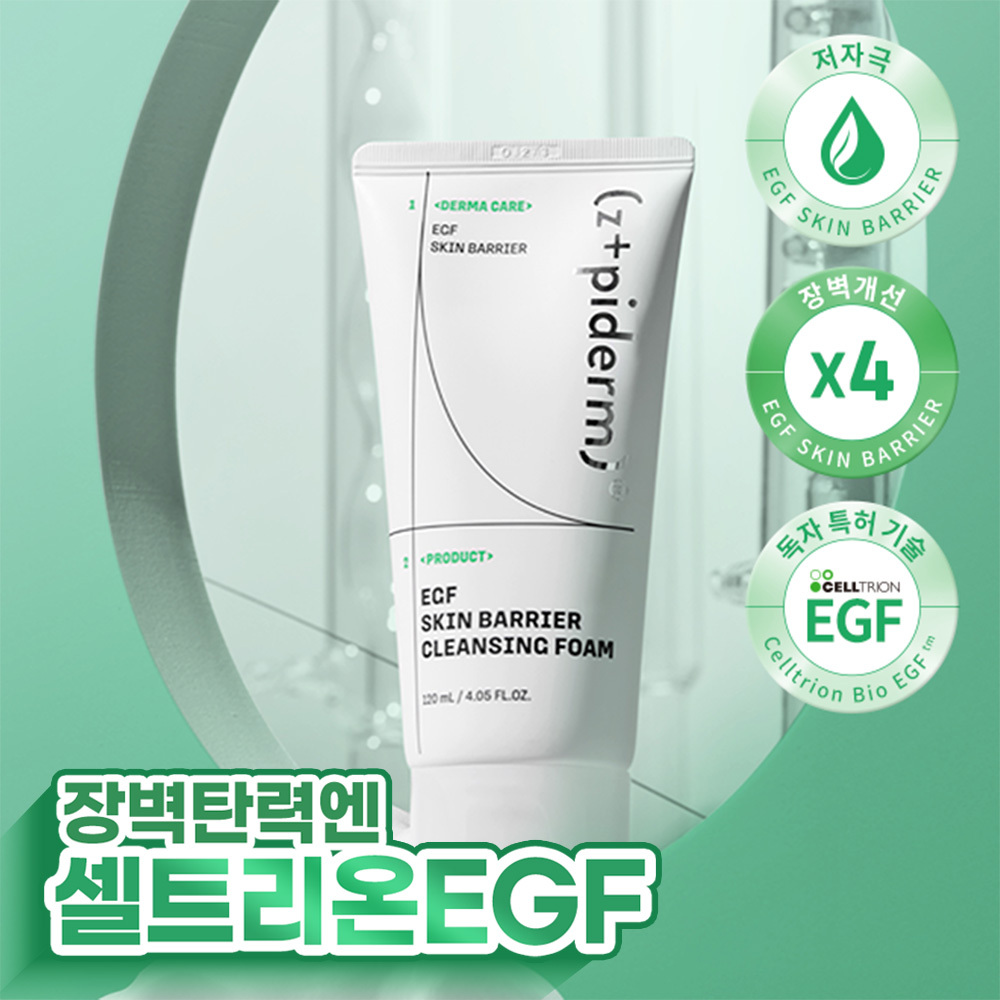
z+piderm EGF Skin Barrier Cleansing Foam
Beplain
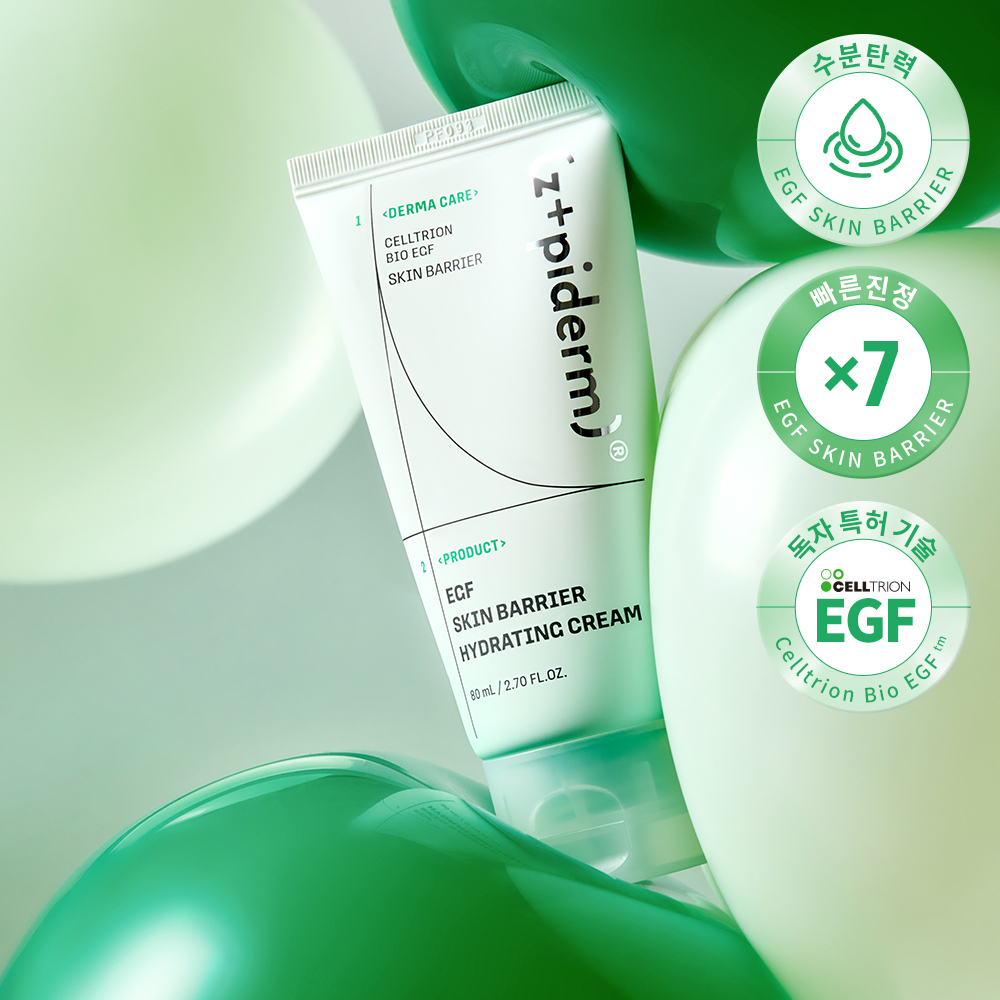
Aepiderm EGF Skin Barrier Hydrating Cream
Aestura
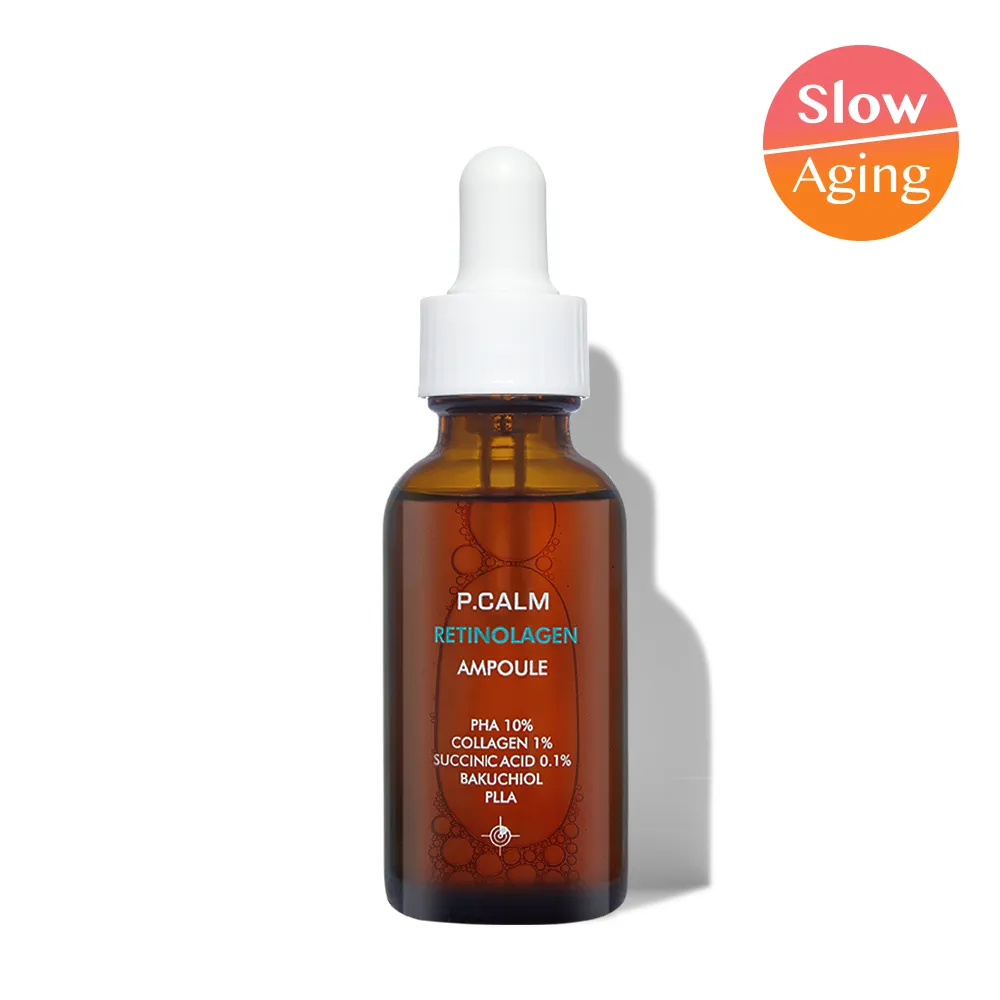
P.CALM Retinolagen Ampoule
Anua
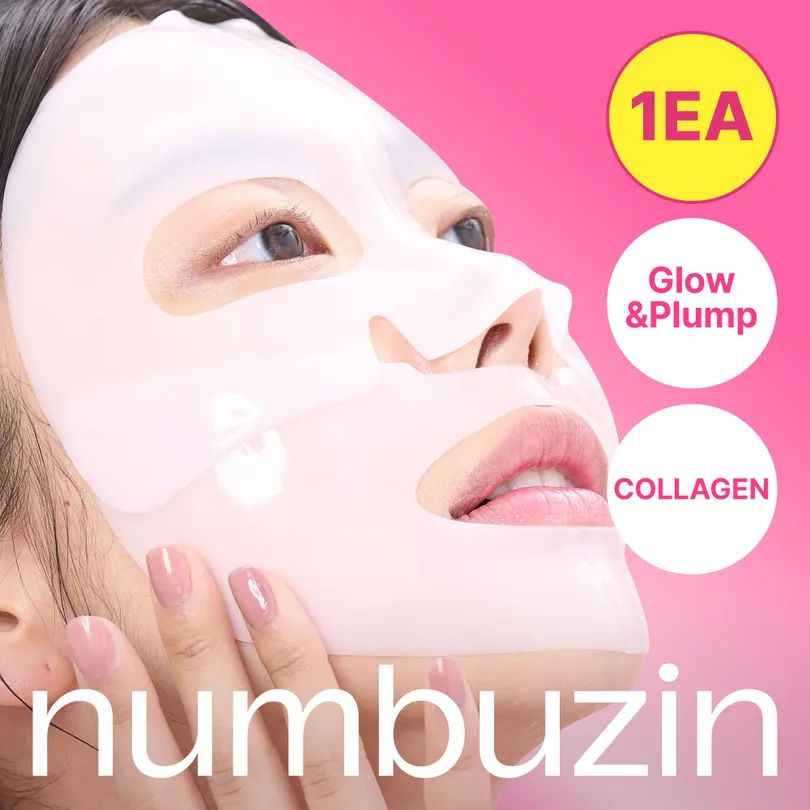
No. 2 Rose PDRN Collagen Wrapping Overnight Film Pack
Numbuzin
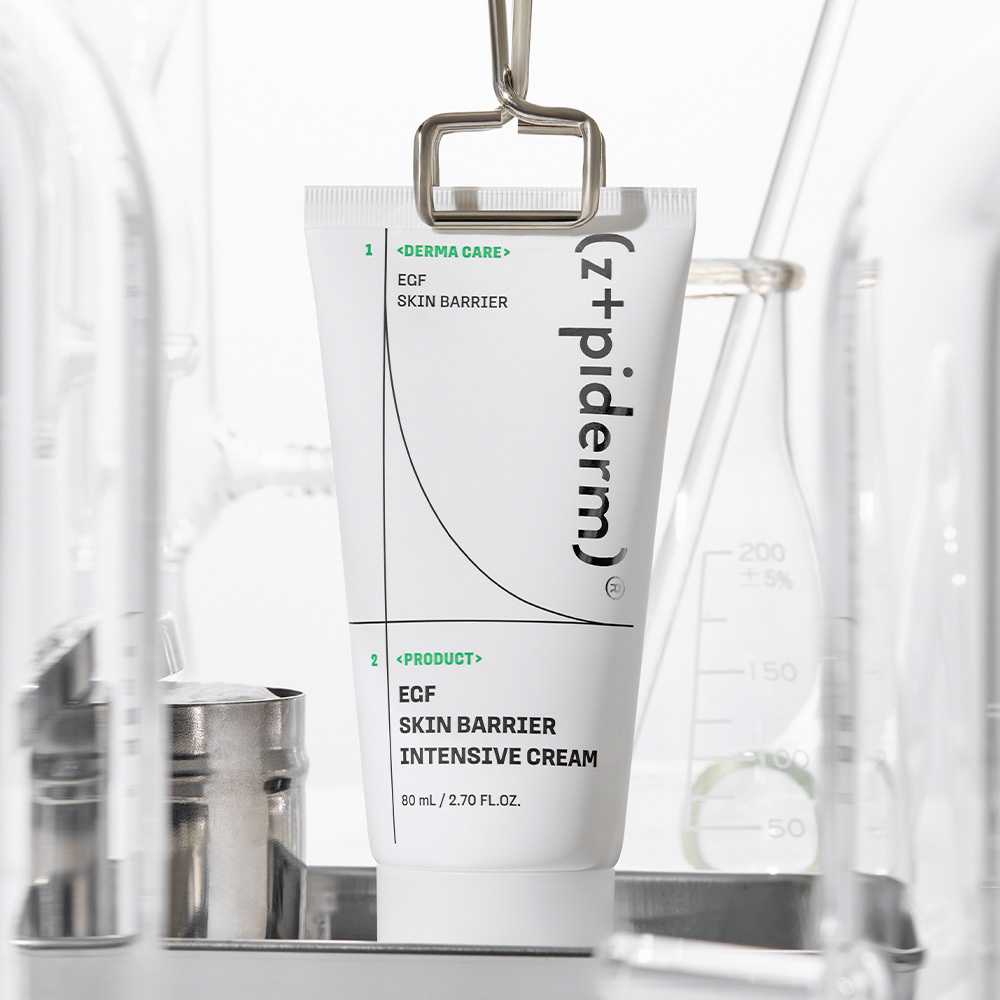
z+piderm EGF Skin Barrier Intensive Cream
Aestura
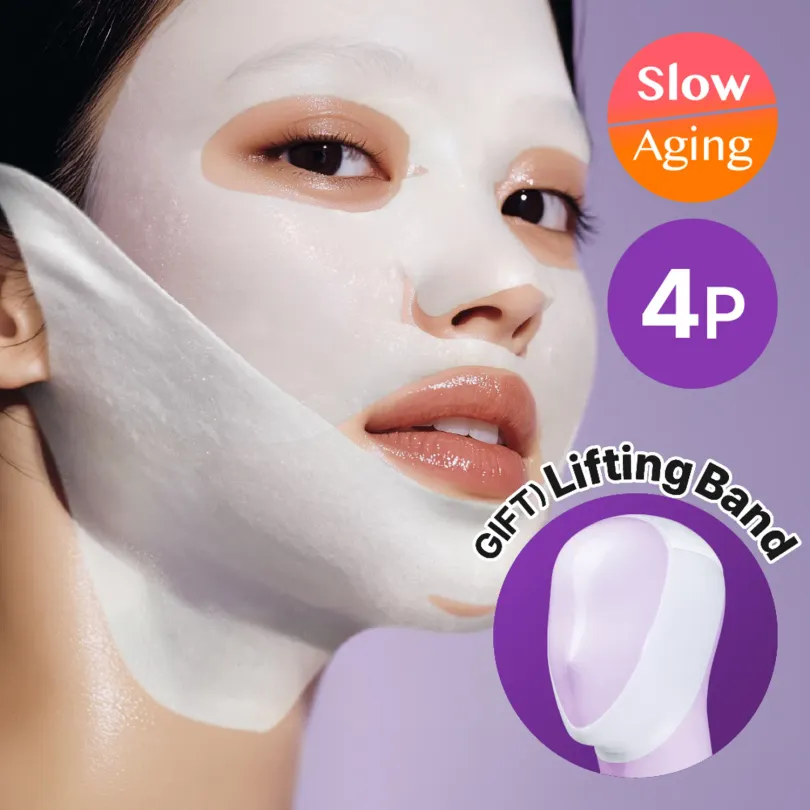
No. 9 NAD Bio Lifting-sil Full Face Pack Sheet 4ea Set
Numbuzin
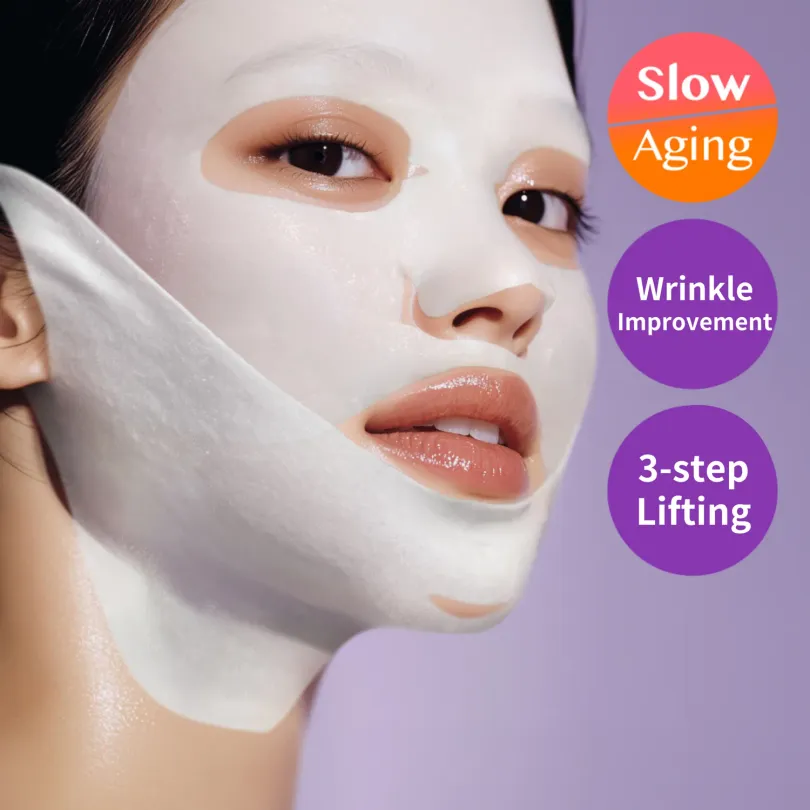
No. 9 NAD Bio Lifting-sil Full Face Pack Sheet
Numbuzin
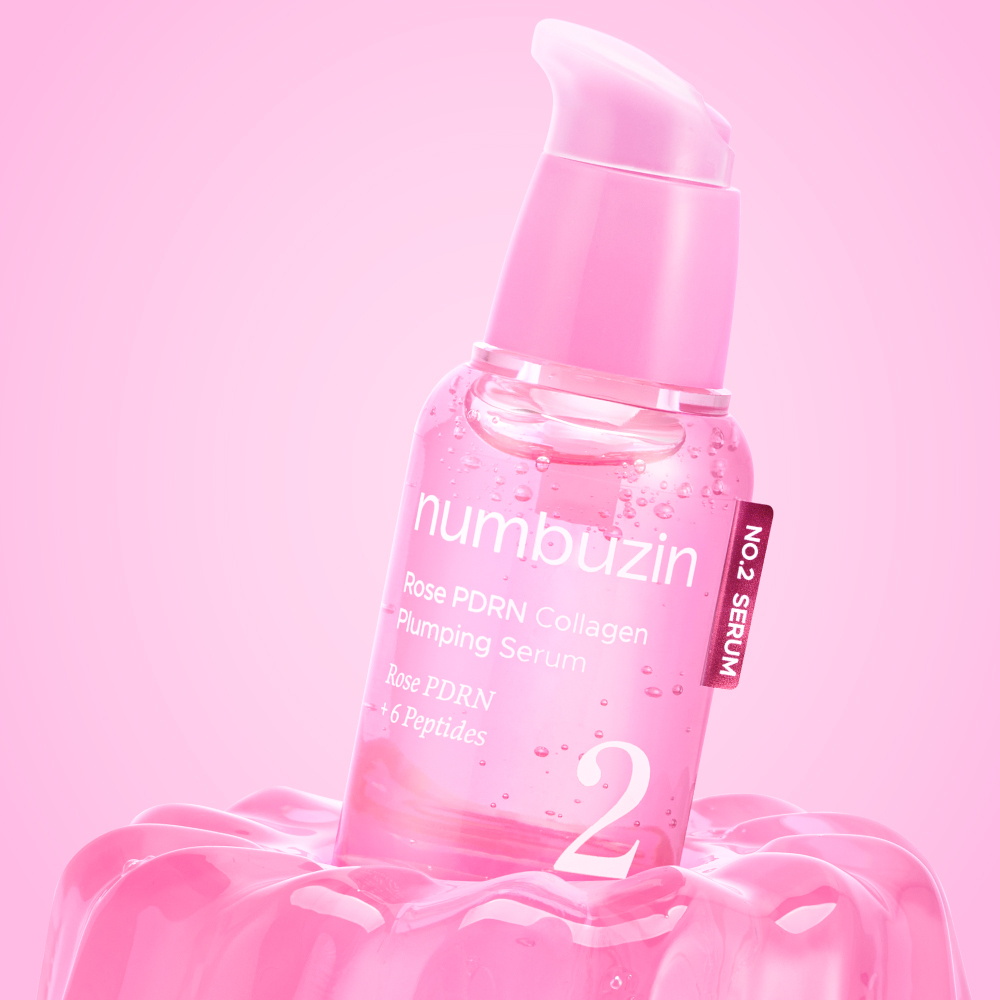
No. 2 PDRN Collagen Plumping Serum
Numbuzin
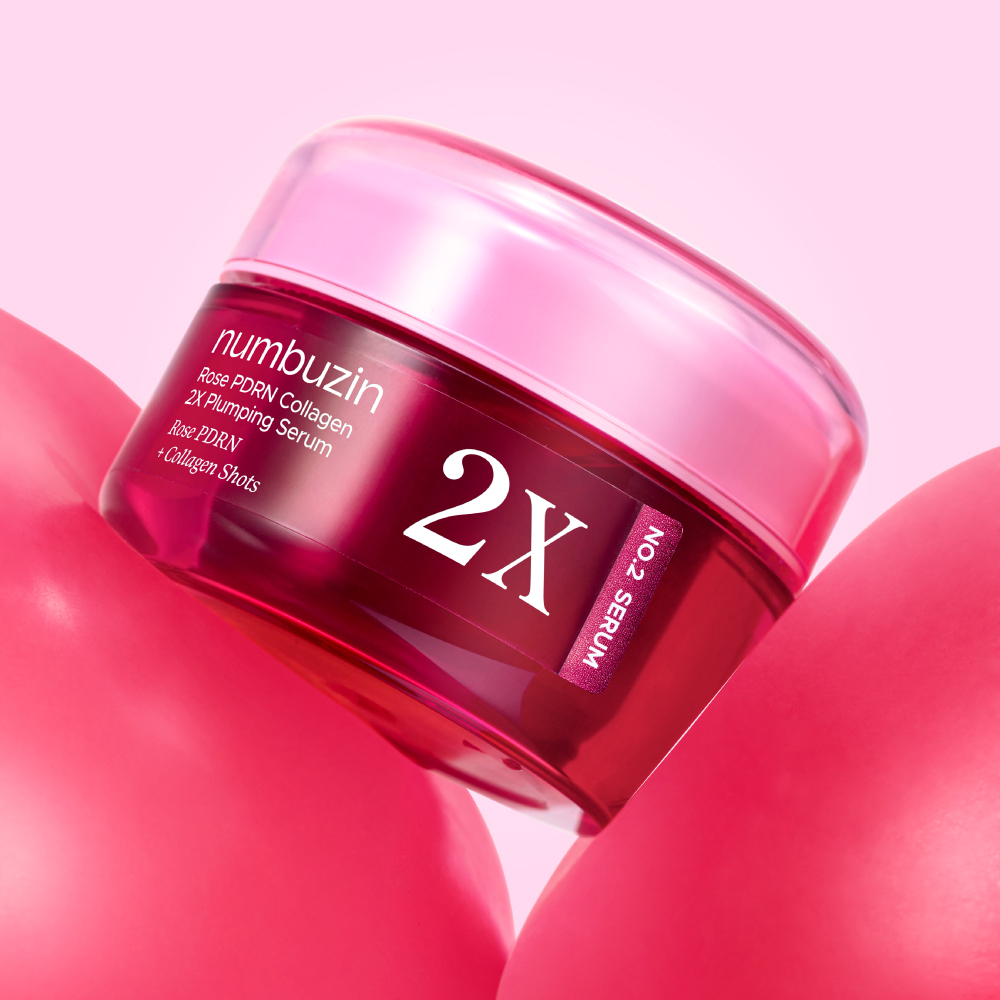
No. 2 Rose PDRN Collagen 2X Plumping Serum
Numbuzin
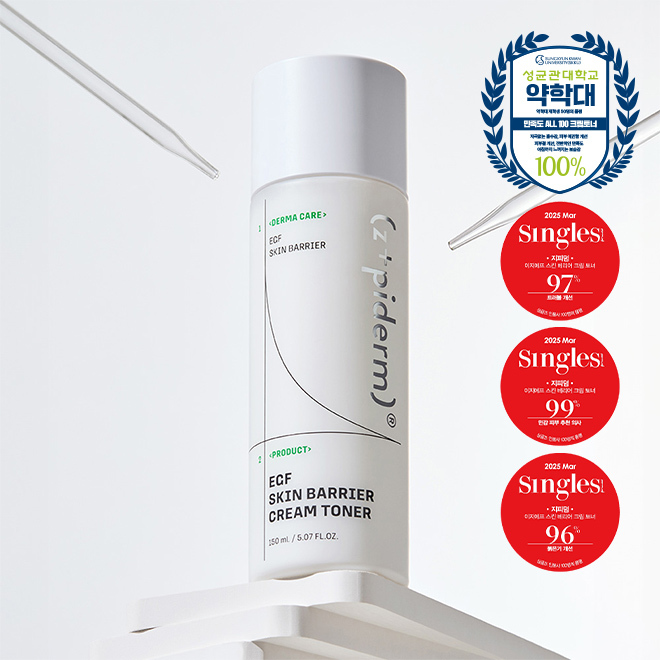
z+piderm EGF Skin Barrier Cream Toner
Anua

No. 2 Rose PDRN Collagen Plumping Serum Duo
Numbuzin
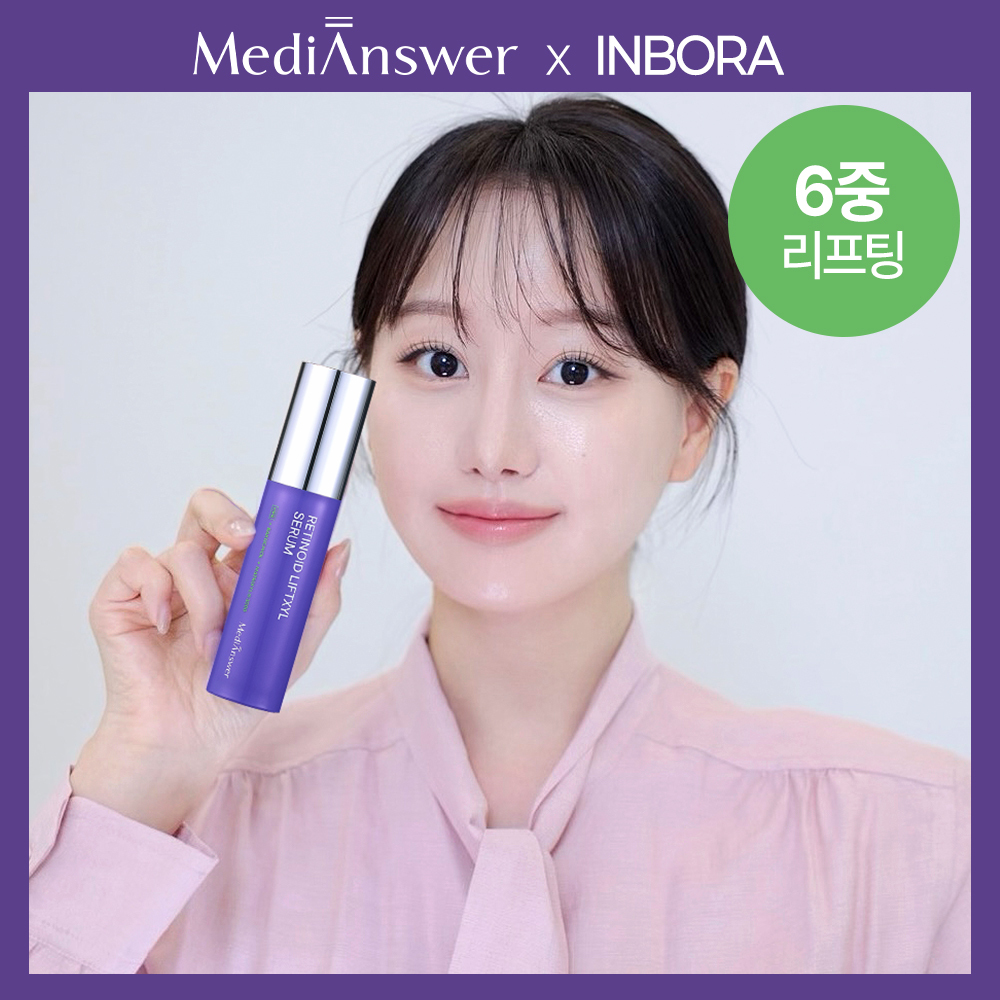
Retinoid Liftxyl Serum
MediAnswer
Frequently Asked Questions
Is Polylactic Acid the same as lactic acid?▼
How often should I use products with Polylactic Acid?▼
Will Polylactic Acid clog my pores or cause breakouts?▼
Can I use Polylactic Acid with retinol or vitamin C?▼
Is Polylactic Acid really biodegradable and environmentally safe?▼
Explore More
Want personalized ingredient advice?
Yuri, our AI beauty advisor, can tell you how Polylactic Acid works with your specific skin type, routine, and concerns.
Ask Yuri, free