Polysilicone-15
UV filter that protects against UVB radiation
About Polysilicone-15
Polysilicone-15 is a synthetic UV filter specifically designed to protect skin against UVB radiation, the wavelength responsible for sunburn and a major contributor to skin cancer. Unlike many chemical sunscreen ingredients that can feel heavy or greasy, polysilicone-15 has a unique silicone-based structure that creates an incredibly lightweight, breathable film on skin. This makes it a favorite in K-beauty sun care formulations, particularly in those elegant, non-greasy textures that Korean sunscreens are famous for. With a comedogenic rating of just 1 out of 5, it's suitable for virtually all skin types, including acne-prone and oily complexions. You'll find it in 158 K-beauty products on Seoul Sister, often paired with other UV filters to create broad-spectrum protection. High-rated products like Anua's Slowpure Glow Up Fluid Sun Serum and Heartleaf Silky Moisture Sun Cream showcase how this ingredient enables that coveted 'skincare-sunscreen hybrid' texture that applies like a serum but protects like a proper SPF. The ingredient's strong safety rating (4 out of 5) reflects its well-established track record in cosmetic formulations, though as with all chemical UV filters, some individuals with extremely reactive skin may experience sensitivity.
How Polysilicone-15 Works
Polysilicone-15 functions as an organic (chemical) UV filter that absorbs UVB rays before they penetrate the skin's surface. When UVB photons hit the polysilicone-15 molecules, they're absorbed and converted into harmless heat energy that dissipates from the skin. The ingredient's molecular structure features UV-absorbing chromophores attached to a silicone backbone, which is what gives it that distinctive lightweight feel compared to traditional chemical filters. This silicone base also helps the ingredient spread evenly across skin and resist water and sweat, improving sunscreen longevity. Polysilicone-15 primarily covers the UVB spectrum (290-320 nm), so it's almost always combined with UVA filters like avobenzone or newer generation filters to achieve broad-spectrum protection. The silicone structure also creates a smooth, non-tacky finish that layers well under makeup, which is why you'll see it in those hybrid Korean sun essences and fluid formulas that feel nothing like traditional sunscreen.
Polysilicone-15 by Skin Type
Oily Skin
Polysilicone-15 is excellent for oily skin types because its silicone base creates a matte, non-greasy finish that controls shine rather than adding to it. The low comedogenic rating (1/5) means it won't clog pores or trigger breakouts, making it safe for acne-prone skin. Products like Anua's Slowpure Glow Up Fluid Sun Serum achieve their lightweight, oil-free textures partly through this ingredient.
Dry Skin
While polysilicone-15 itself isn't moisturizing, it works well in formulations for dry skin when combined with hydrating ingredients. The silicone structure actually helps lock in moisture and creates a smooth, comfortable film that doesn't emphasize dry patches or flaking. Look for products that pair this UV filter with humectants or emollients for optimal results on dry skin.
Combo Skin
This ingredient is ideal for combination skin because it provides sun protection without the heavy, greasy feel that can make T-zone oiliness worse. The lightweight texture means you can apply adequate sun protection to your entire face without your oily zones feeling suffocated or your dry areas feeling stripped. It's particularly good in those Korean fluid and serum sunscreens that balance multiple skin concerns.
Sensitive Skin
Polysilicone-15 has a good safety profile (4/5 rating) and is generally well-tolerated by sensitive skin, especially compared to some older-generation chemical UV filters. However, individuals with extremely reactive skin or specific sensitivities to chemical sunscreen ingredients should patch test first. The ingredient's presence in gentle formulations like Anua's Heartleaf line (rated 4.9/5) suggests it can work well when paired with soothing ingredients.
Normal Skin
Normal skin types can use polysilicone-15 without concerns. It provides effective UVB protection without disrupting skin's natural balance, and its lightweight texture means you'll actually want to reapply throughout the day. The ingredient's versatility is showcased across the 158 K-beauty products containing it, from everyday sun essences to sport-specific formulas like Bushman's Waterproof Surfing Sun Stick.
How to Use Polysilicone-15
- 1Always pair products with polysilicone-15 with additional UVA filters for complete broad-spectrum protection, as this ingredient primarily targets UVB rays.
- 2Apply the standard 1/4 teaspoon for your face and reapply every two hours when outdoors, even with water-resistant formulas.
- 3Layer this ingredient under makeup without worry, as its silicone base creates a smooth, non-pilling surface that works well with primers and foundations.
- 4If you're using multiple sun protection products (like a sun stick for touch-ups), check that they contain complementary UV filters rather than just polysilicone-15 alone.
Background
Polysilicone-15 was developed in the late 1990s by Coppertone scientists as part of the cosmetic industry's push to create more elegant, consumer-friendly sunscreen formulations. Traditional chemical UV filters often felt heavy and greasy, which made people reluctant to wear adequate sun protection daily. By attaching UV-absorbing groups to a silicone polymer backbone, chemists created a filter that maintained effectiveness while dramatically improving texture. The ingredient gained particular popularity in Asian beauty markets, especially Korea, where the daily sunscreen category exploded in the 2010s. K-beauty brands recognized that consumers wanted sun protection that felt like skincare rather than sunscreen, and polysilicone-15's lightweight, non-greasy properties made it perfect for achieving those innovative textures. Today, it's a staple in Korean sun essences, fluid creams, and stick formulas, representing the evolution from thick, white zinc oxide creams to the sophisticated, wearable sun care we see dominating the market.
K-Beauty Products with Polysilicone-15
View all 165 →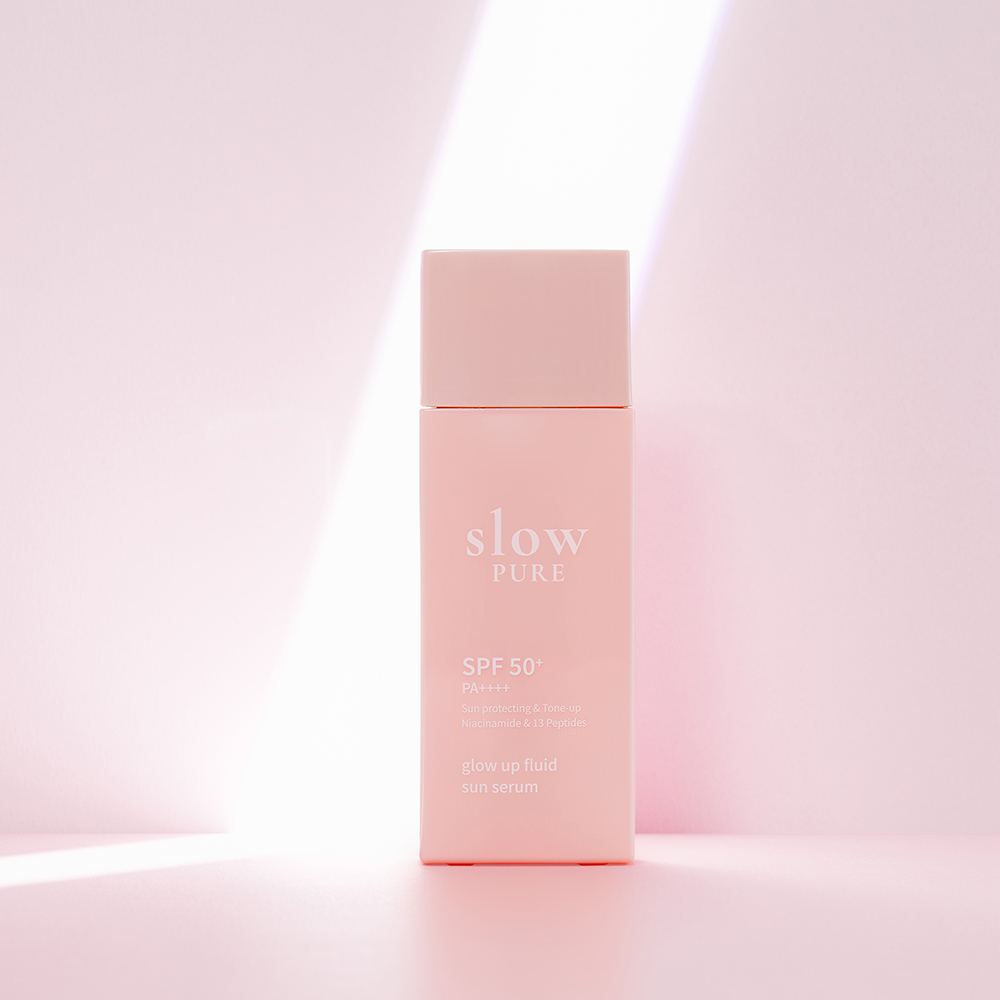
Slowpure Glow Up Fluid Sun Serum
Anua

Waterproof Surfing Sun Stick 20g Set
Bushman
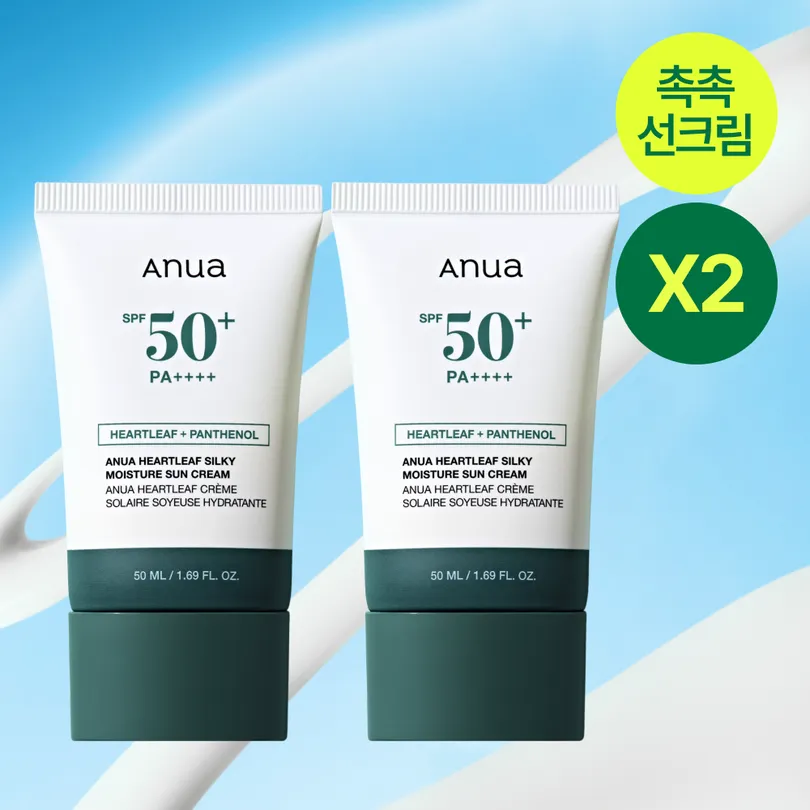
Heartleaf Silky Moisture Sun Cream Double Pack
Anua
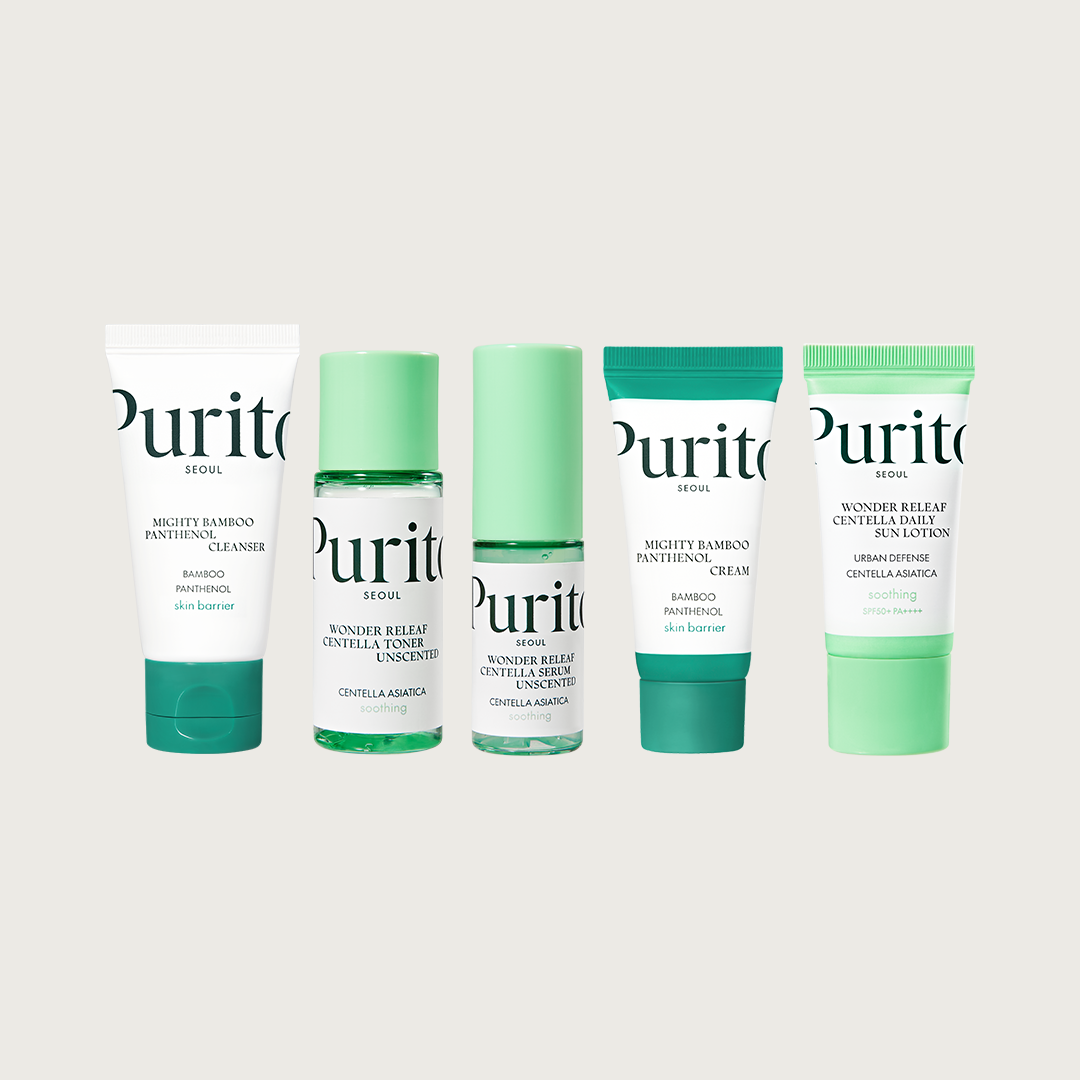
Best Kit 5P
Purito Seoul
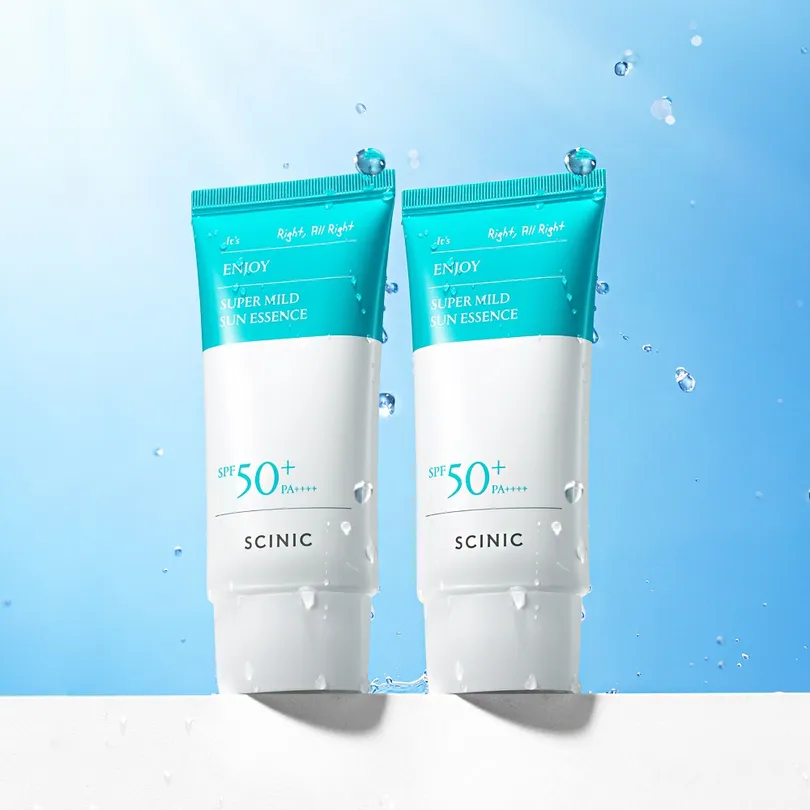
Enjoy Super Mild Sun Essence Special Set
Scinic
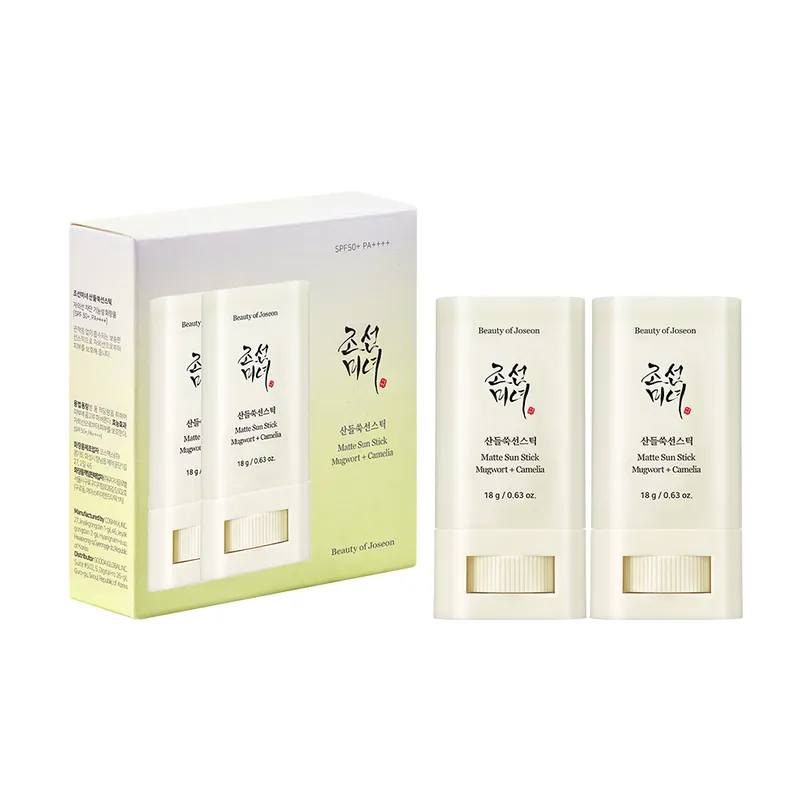
Matte Sun Stick: Mugwort + Camelia Double Pack
Beauty of Joseon
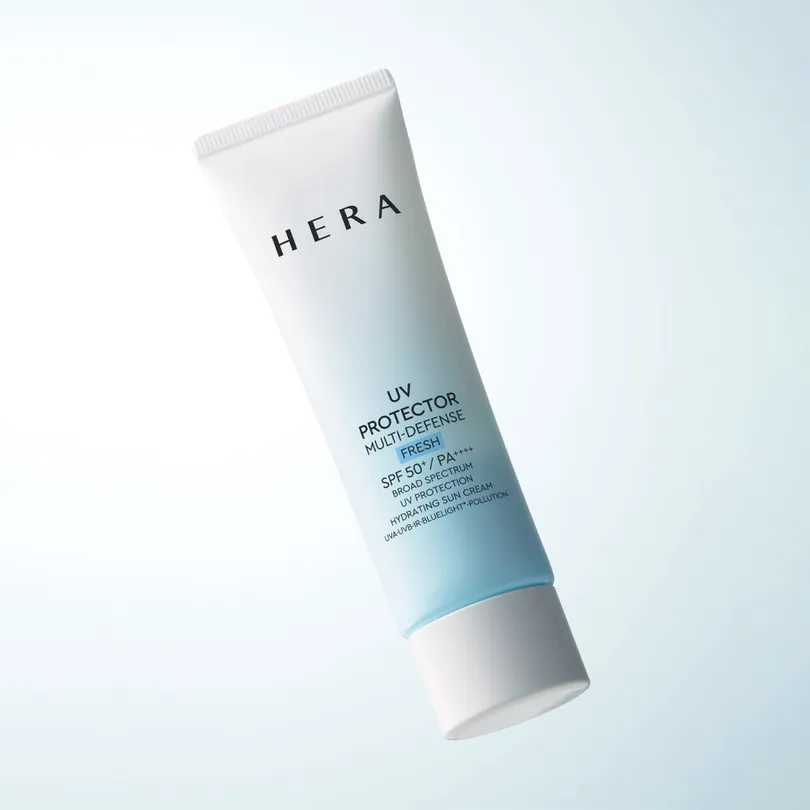
UV Protector Multi-Defense Fresh SPF50+ PA++++
HERA
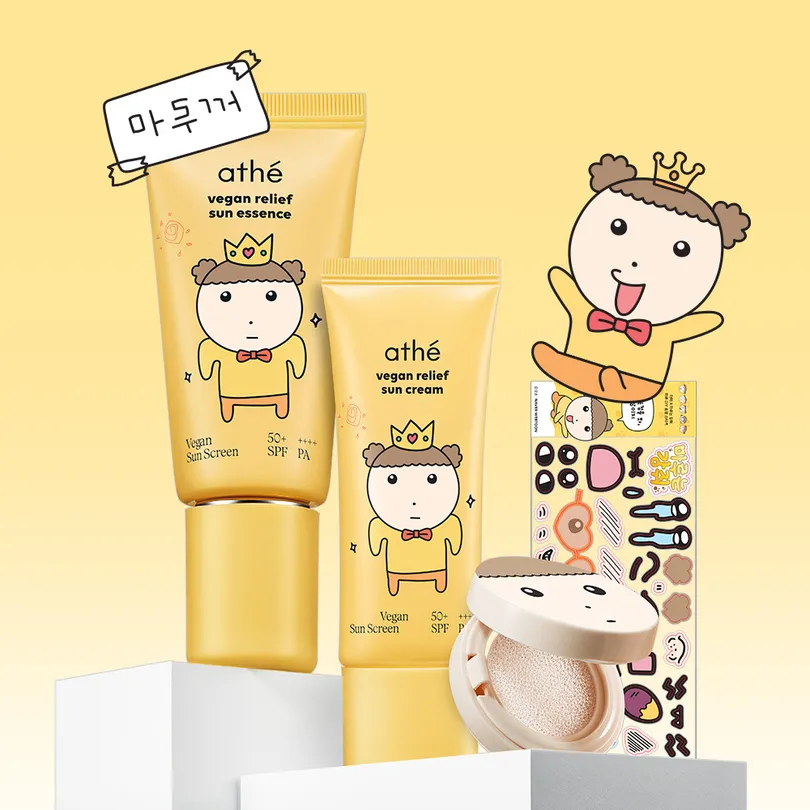
Vegan Relief Sun Essence EX SPF50+ PA++++ Set
Athe
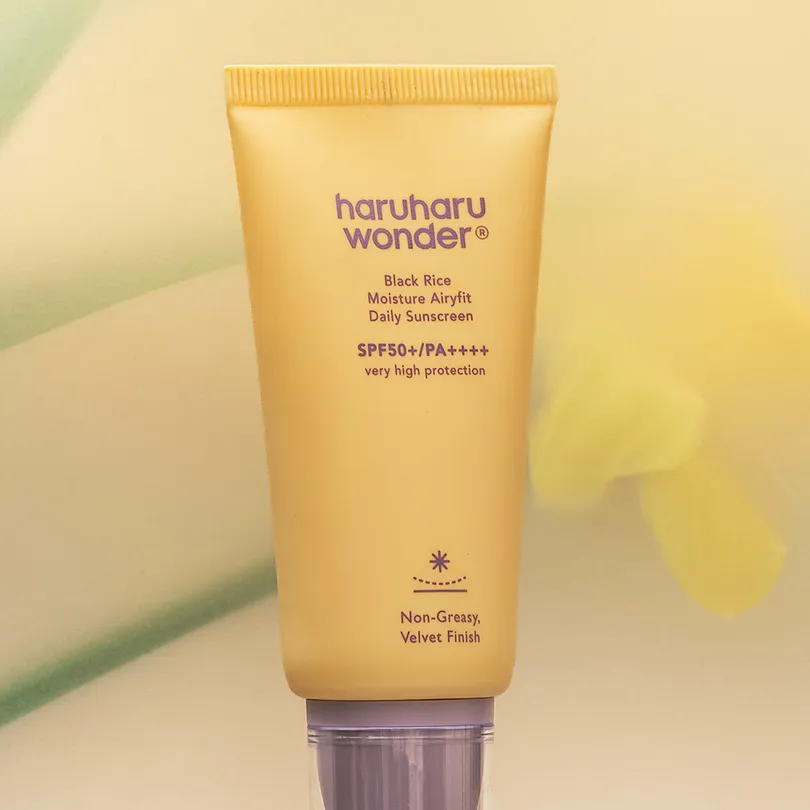
Black Rice Moisture Airy Fit Daily Sunscreen
Haruharu Wonder
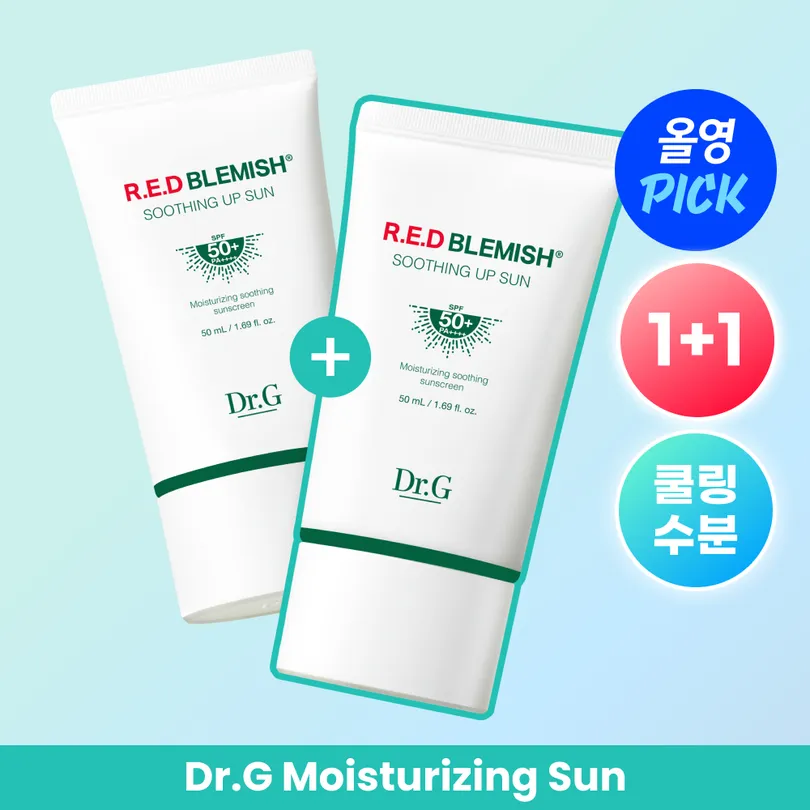
Red Blemish Soothing Up Sun
Dr.G
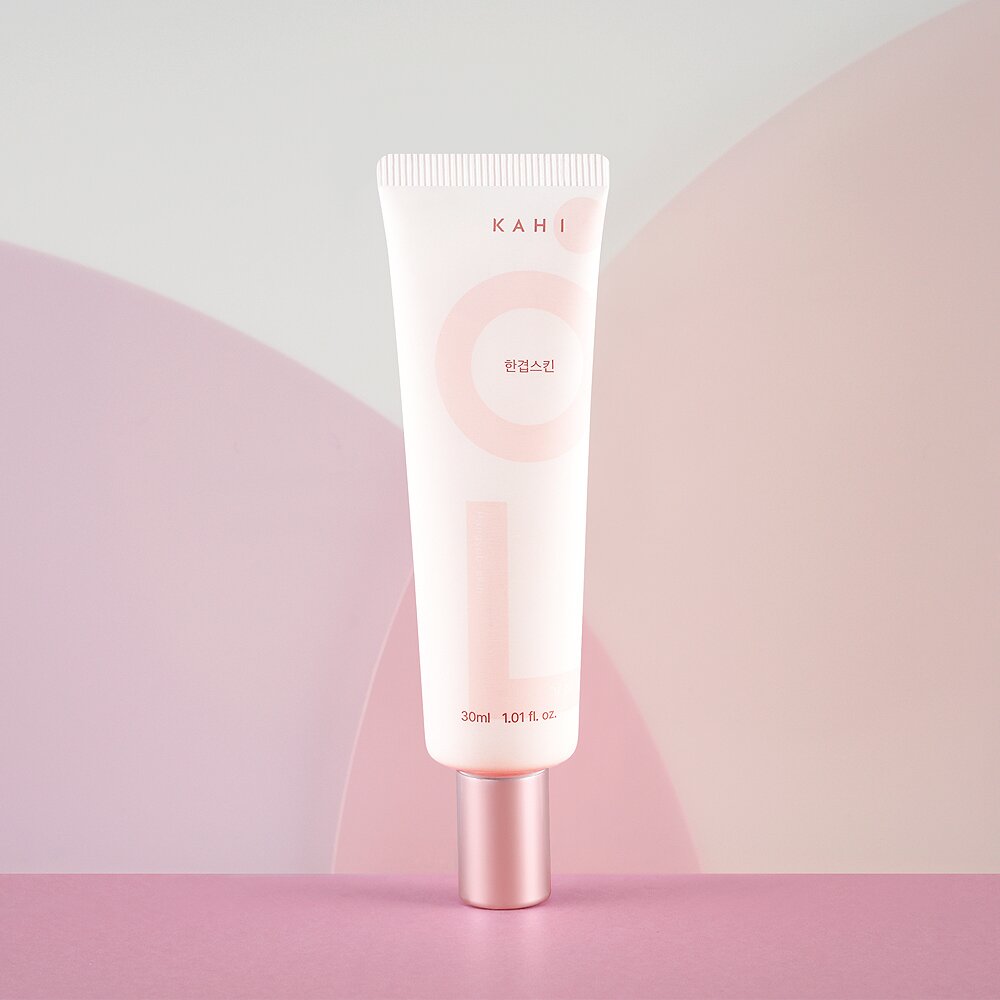
Han Gyob Skin
KAHI
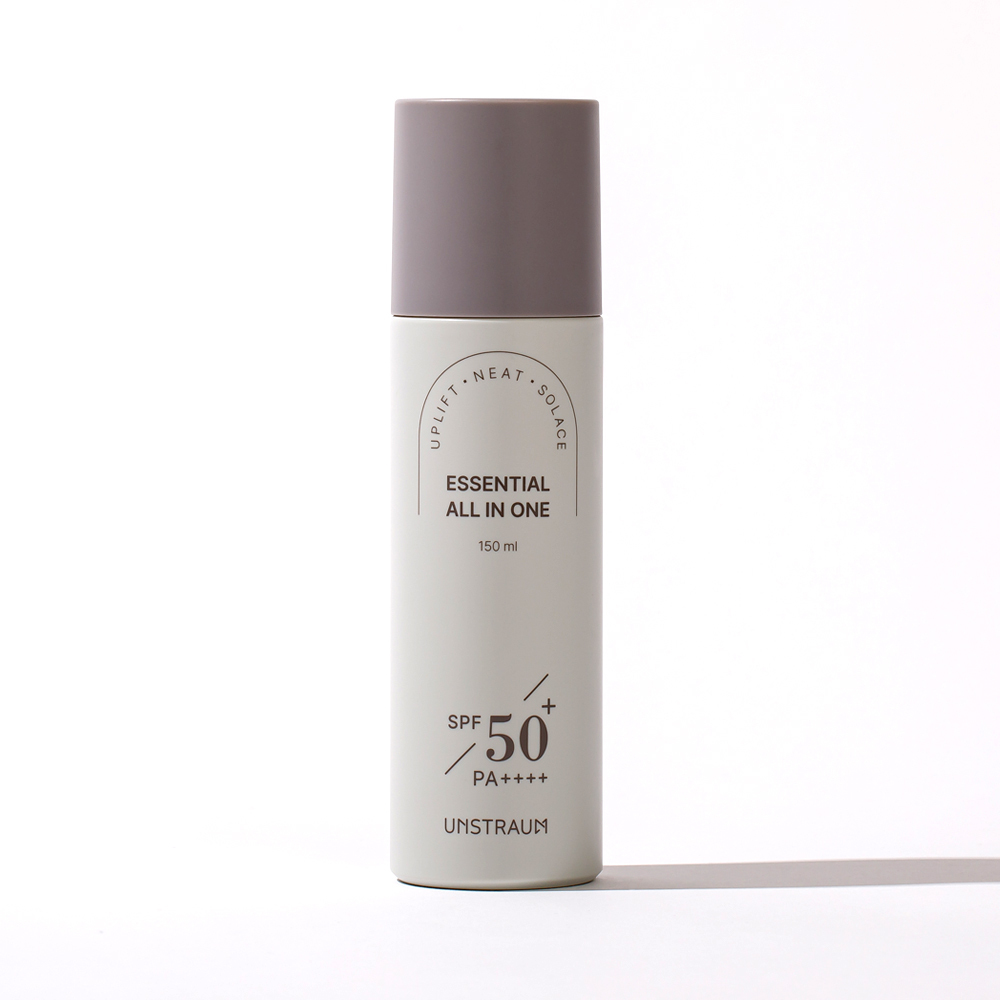
Essential All In One
BOHO
Frequently Asked Questions
Is polysilicone-15 reef-safe?▼
Can I use polysilicone-15 sunscreens if I'm pregnant?▼
Why do Korean sunscreens with polysilicone-15 feel so much lighter than Western sunscreens?▼
Does polysilicone-15 protect against UVA rays?▼
Will polysilicone-15 break me out?▼
Explore More
Want personalized ingredient advice?
Yuri, our AI beauty advisor, can tell you how Polysilicone-15 works with your specific skin type, routine, and concerns.
Ask Yuri, free