Potassium Hyaluronate
Humectant that deeply hydrates and plumps skin
About Potassium Hyaluronate
Potassium Hyaluronate is a next-generation form of hyaluronic acid that has become a cornerstone ingredient in K-beauty hydration products. While traditional hyaluronic acid is already celebrated for its moisture-binding abilities, potassium hyaluronate takes things further with its smaller molecular size and enhanced stability. This salt form of hyaluronic acid can hold up to 1,000 times its weight in water, making it one of the most effective humectants available in skincare. What makes it particularly appealing to Korean skincare formulators is its superior penetration compared to standard hyaluronic acid. The smaller molecular structure allows it to dive deeper into the skin's layers, delivering hydration where it's needed most rather than just sitting on the surface. You'll find it in 542 K-beauty products on Seoul Sister, from lightweight toners to rich creams, often paired with other molecular weights of hyaluronic acid for multi-level hydration. K-beauty brands have embraced potassium hyaluronate because it aligns perfectly with the Korean skincare philosophy of layering lightweight, water-based products that deliver visible plumping and dewiness without heaviness. Products like VT's PDRN Capsule Cream 100 (rated 5.0/5) and Anua's Heartleaf 77 Hyaluron Soothing Toner (4.9/5) showcase how this ingredient can provide both immediate moisture and long-term skin barrier support.
How Potassium Hyaluronate Works
At the molecular level, potassium hyaluronate functions as a humectant by attracting and binding water molecules from both the environment and deeper skin layers. Its smaller molecular weight (typically under 10 kDa compared to standard hyaluronic acid's 1,000-2,000 kDa) allows it to penetrate through the stratum corneum into the epidermis. Once there, it creates a moisture reservoir that gradually releases hydration throughout the day. The potassium salt component enhances the molecule's stability and solubility, making it less susceptible to degradation from heat or pH changes during formulation. When applied topically, potassium hyaluronate signals fibroblasts in the dermis to increase their own hyaluronic acid production, creating a compounding hydration effect. It also supports the skin's natural moisture barrier by filling in the spaces between skin cells, reducing transepidermal water loss. Unlike occlusive ingredients that create a physical barrier, potassium hyaluronate works from within the skin structure itself, which is why it creates such a natural, bouncy plumpness rather than a greasy or coated feeling.
Potassium Hyaluronate by Skin Type
Oily Skin
Potassium hyaluronate is excellent for oily skin because it provides intense hydration without adding oil or weight. When oily skin is dehydrated, it often overproduces sebum to compensate, so this ingredient helps break that cycle by delivering water-based moisture that absorbs quickly and doesn't clog pores (0/5 comedogenic rating).
Dry Skin
This is one of the best ingredients for dry skin, as it addresses dehydration at multiple skin layers simultaneously. The deep penetration means moisture reaches the dermis while also plumping the surface, and it works synergistically with occlusives in creams to lock in that hydration for extended relief from tightness and flaking.
Combo Skin
Perfect for combination skin because it targets hydration needs without disrupting the skin's varied oil production zones. It hydrates dry patches on cheeks while keeping the T-zone comfortable and non-greasy, making it ideal for the layering approach that combination skin often requires.
Sensitive Skin
Potassium hyaluronate is highly suitable for sensitive skin with its 5/5 safety rating and gentle, non-irritating nature. It actually helps calm inflammation by maintaining optimal hydration levels, and because it's naturally found in the body, the risk of sensitivity reactions is minimal. Products like Anua's Heartleaf line pair it with soothing ingredients for enhanced tolerance.
Normal Skin
Normal skin benefits from potassium hyaluronate as a preventative measure, maintaining optimal hydration levels that keep skin resilient and youthful. It enhances the skin's natural moisture balance and creates that coveted Korean glass skin effect without requiring heavy products or complicated routines.
How to Use Potassium Hyaluronate
- 1Apply potassium hyaluronate products to damp skin, not dry skin. The ingredient works by drawing in moisture, so having water on your skin's surface gives it something to grab and pull into deeper layers.
- 2Layer it under occlusive moisturizers or facial oils to lock in the hydration. Used alone in very dry climates, humectants can actually draw moisture from your skin if there's none in the air, so seal it in with a cream.
- 3Use it twice daily for best results. Morning application helps create a plump, smooth canvas for makeup, while nighttime use supports the skin's natural repair processes when hydration needs peak.
- 4Don't skip it even if you have oily skin. Many people with oily skin avoid hydrating products, but potassium hyaluronate can actually help regulate oil production by ensuring skin doesn't overproduce sebum to compensate for dehydration.
Background
Hyaluronic acid was first isolated in 1934 from the vitreous humor of cow eyes by German scientists, but it took decades before skincare applications emerged. The development of potassium hyaluronate as a stabilized salt form came much later, driven by the cosmetic industry's need for more stable, penetrating versions of hyaluronic acid. Korean skincare researchers were among the first to extensively study and commercialize lower molecular weight forms in the early 2000s, recognizing that smaller molecules could address Korea's humid climate needs differently than heavy occlusives. The ingredient gained massive popularity in K-beauty around 2015-2017 during the hydration-focused "glass skin" trend, when consumers began seeking multiple molecular weights of hyaluronic acid in their routines. Korean brands pioneered the practice of combining potassium hyaluronate with other molecular sizes for comprehensive hydration, an approach now standard in products like Torriden's Dive-In line.
K-Beauty Products with Potassium Hyaluronate
View all 572 →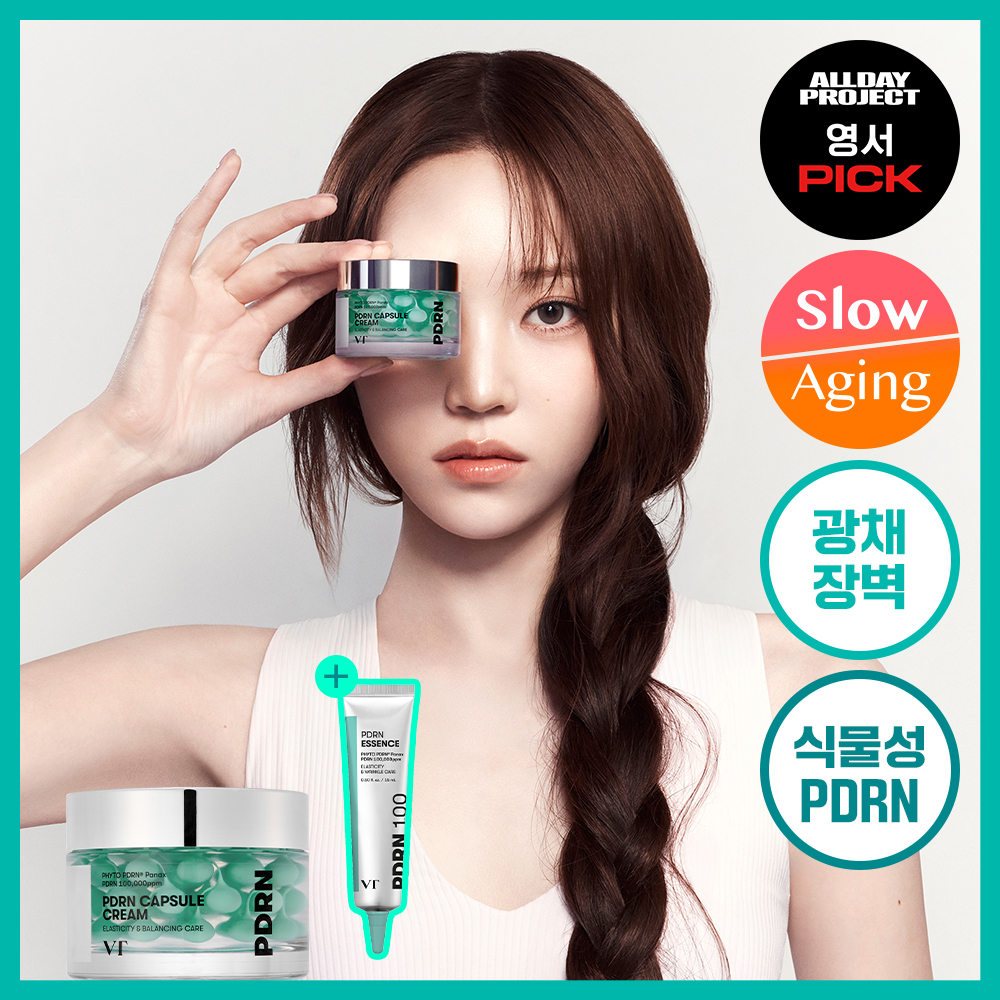
PDRN Capsule Cream 100
VT
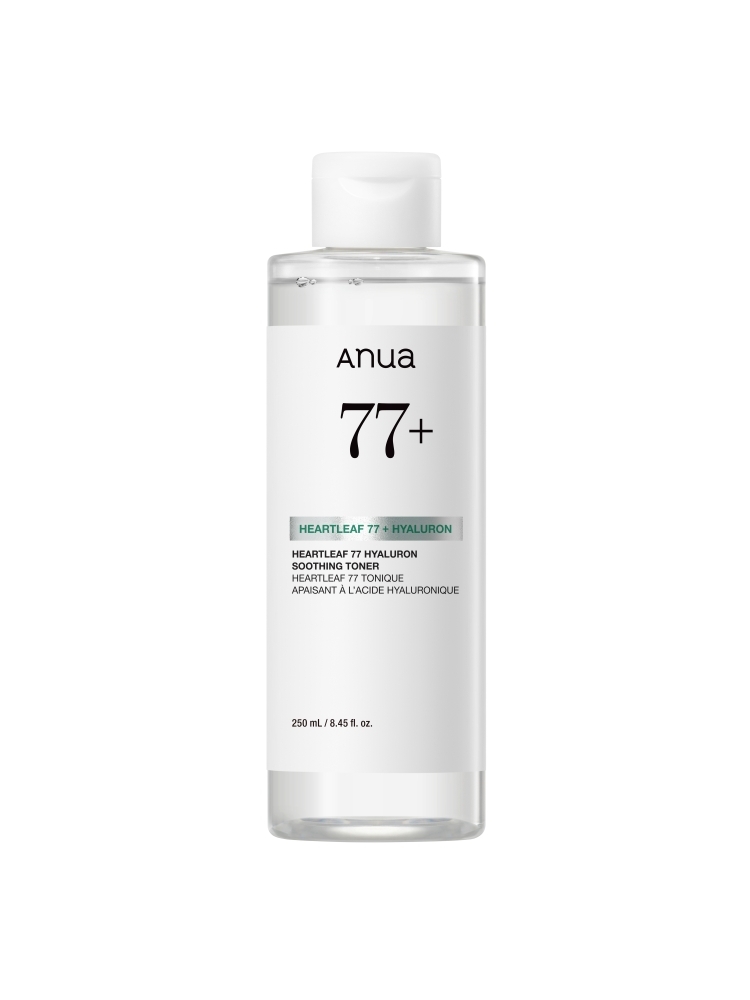
Heartleaf 77 Hyaluron Soothing Toner Double Pack
Anua
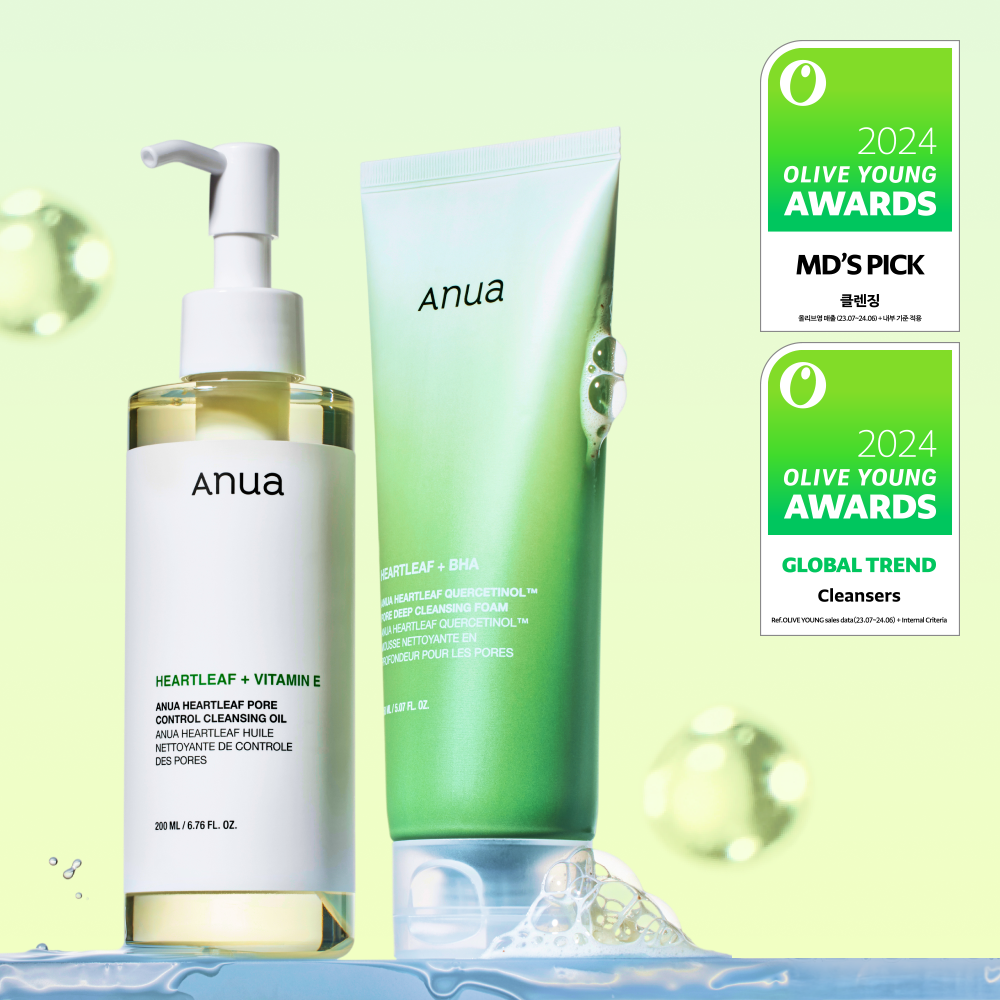
Heartleaf Double Cleansing Set
Anua
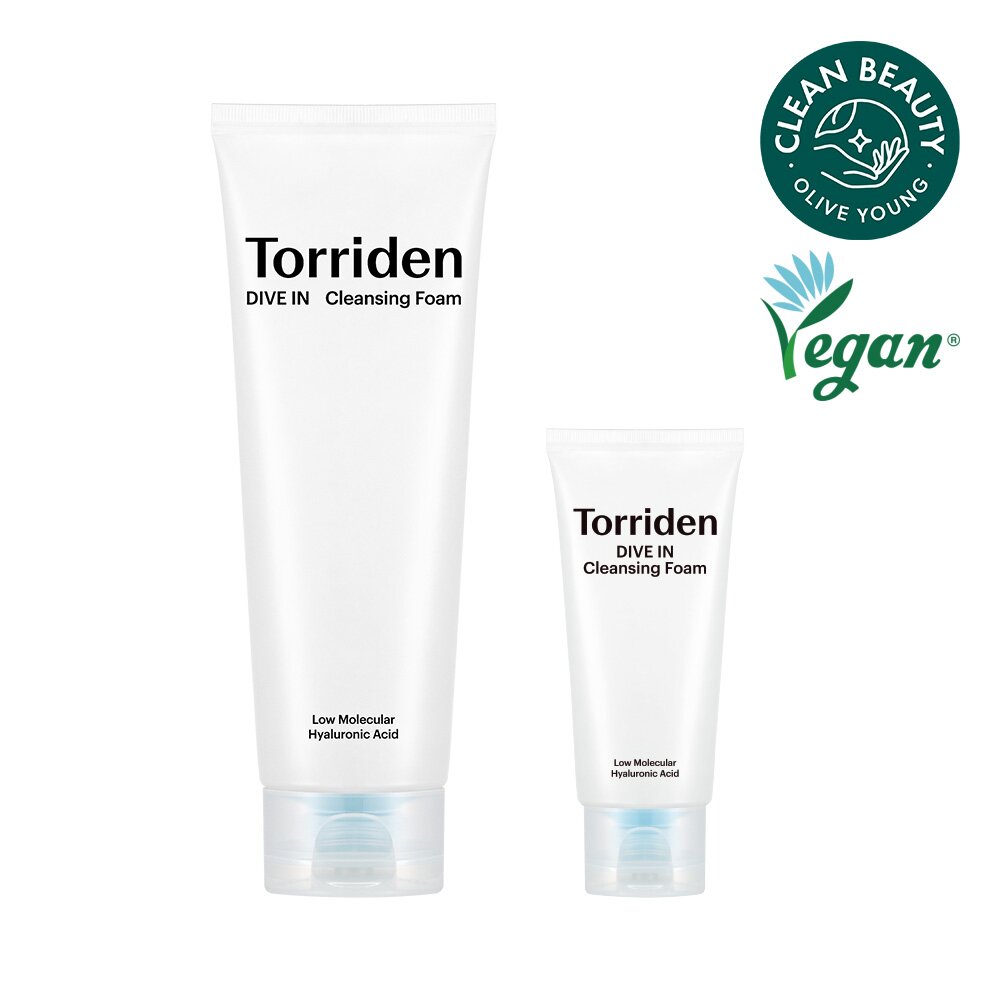
Dive-In Low Molecule Hyaluronic Acid Cleansing Foam
Torriden

PDRN Hyaluronic Capsule 100 Serum Refill Set
Anua

PDRN Hyaluronic Acid 100 Moisturizing Cream
Anua
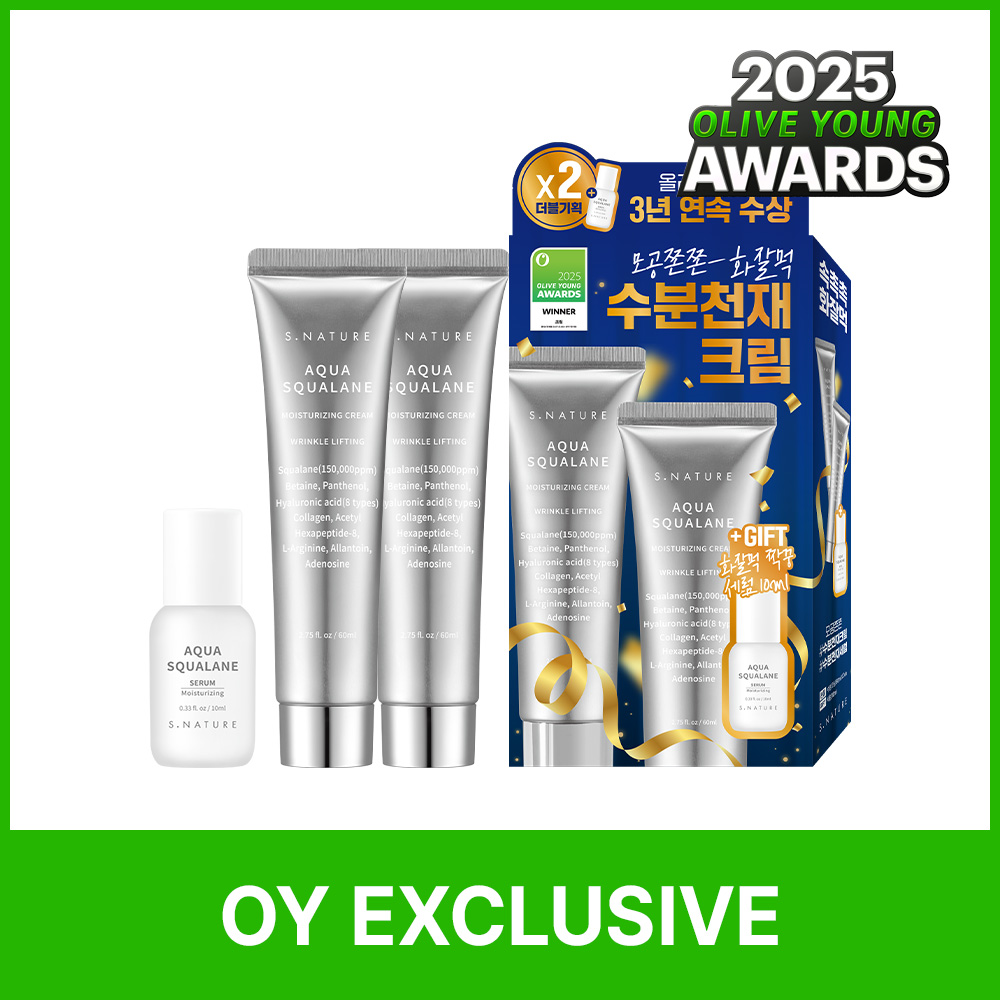
Aqua Squalane Moisturizing Cream
S.Nature
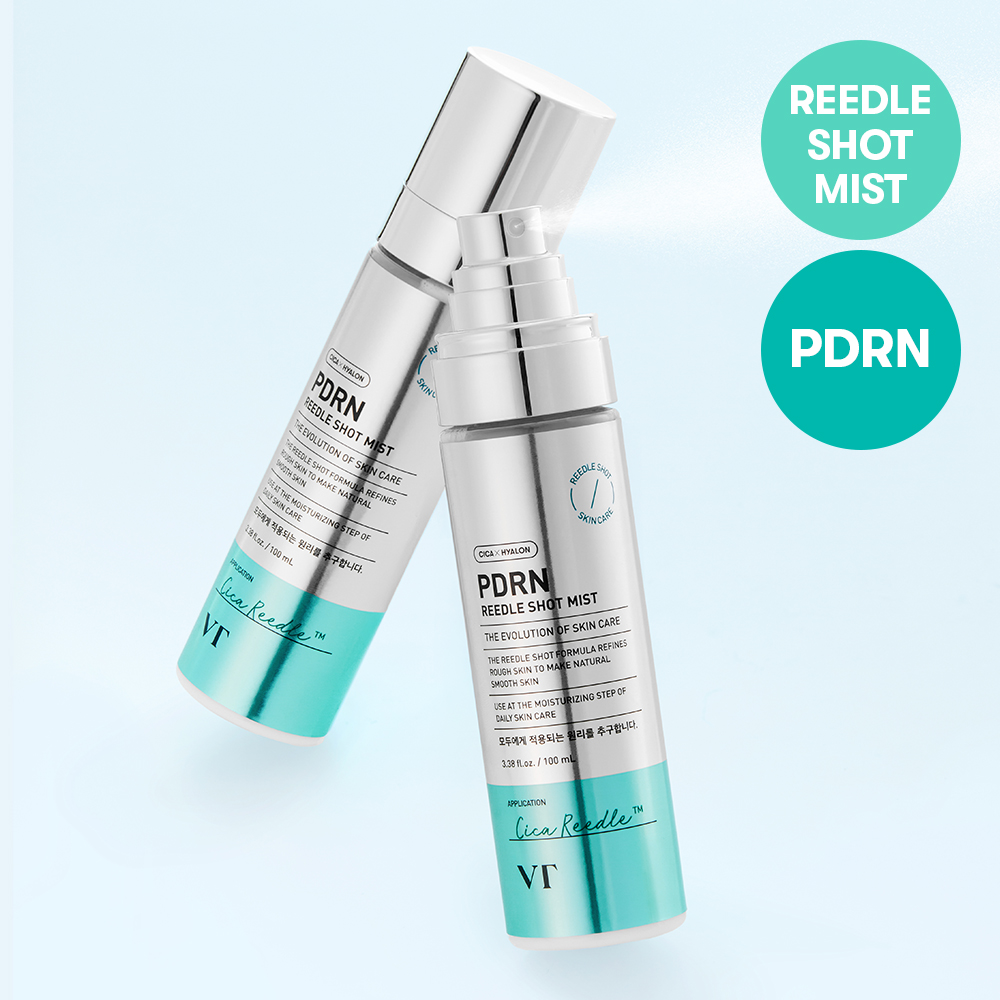
PDRN Reedle Shot Mist
VT
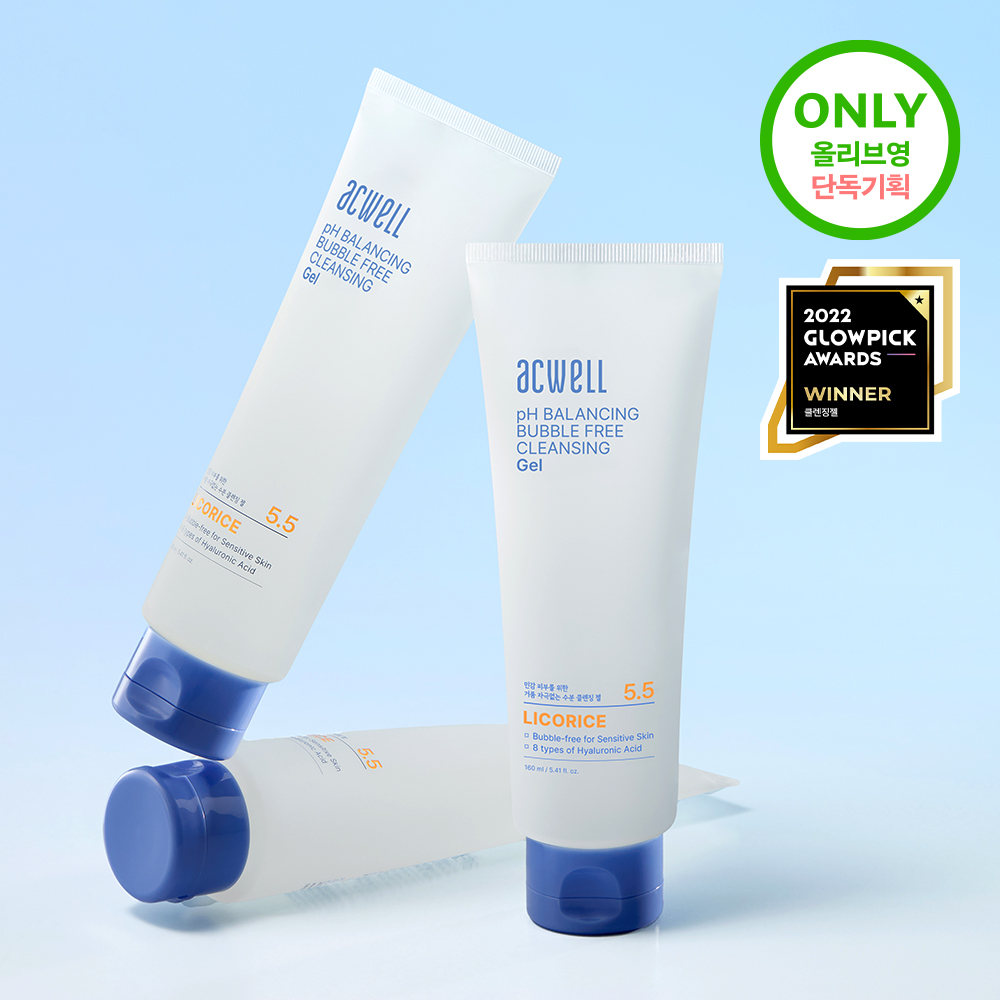
pH Balancing Bubble Free Cleansing Gel
Acwell

Niacinamide 10% + TXA 4% Dark Spot Correcting Serum
Anua
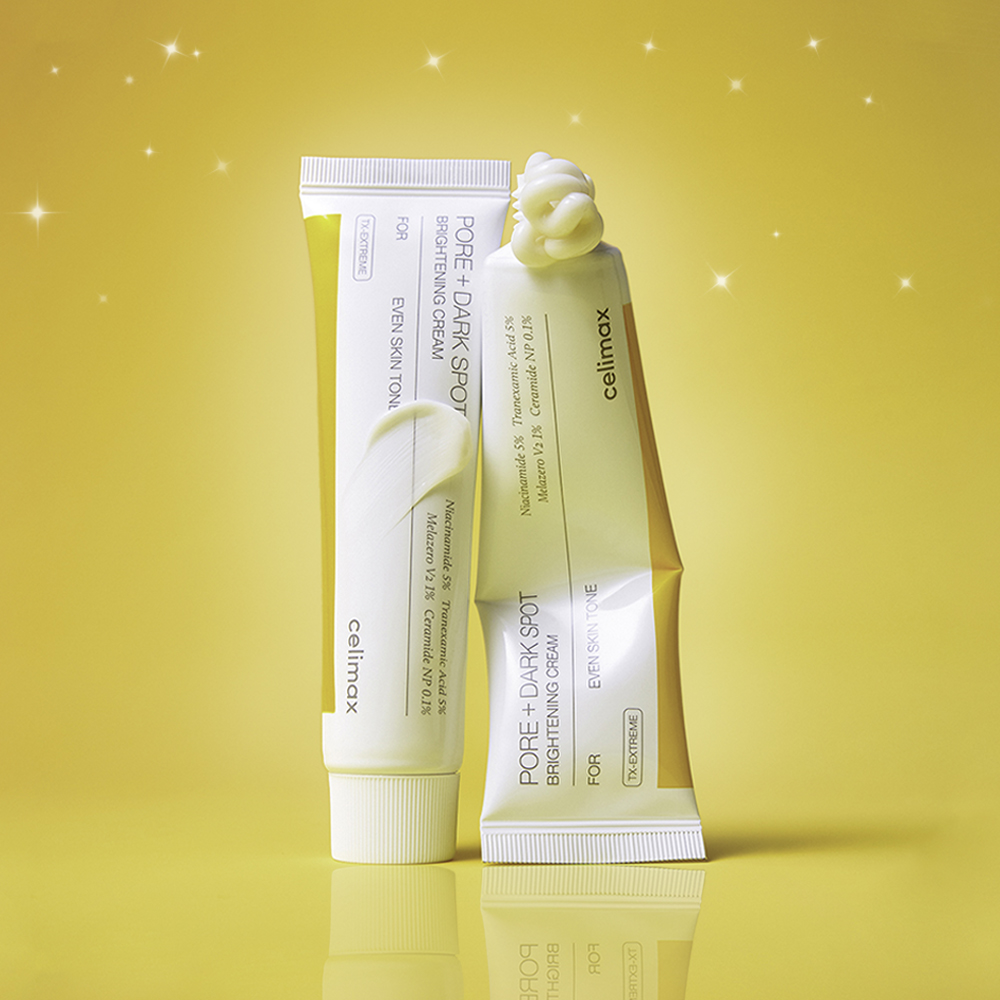
Pore + Dark Spot Brightening Cream
Celimax

147 Barrier Cream
Dr. Althea
Frequently Asked Questions
What's the difference between potassium hyaluronate and regular hyaluronic acid?▼
Can potassium hyaluronate cause breakouts?▼
How long does it take to see results from potassium hyaluronate?▼
Should I use potassium hyaluronate if I live in a dry climate?▼
Can I use potassium hyaluronate with other active ingredients?▼
Explore More
Want personalized ingredient advice?
Yuri, our AI beauty advisor, can tell you how Potassium Hyaluronate works with your specific skin type, routine, and concerns.
Ask Yuri, free