Proline
Amino acid for hydration and collagen support
About Proline
Proline is a non-essential amino acid that plays a surprisingly essential role in skin health, particularly when it comes to maintaining hydration and supporting the skin's structural integrity. As one of the building blocks of collagen (making up about 17% of this crucial protein), proline is directly involved in keeping skin firm, elastic, and resilient. In K-beauty formulations, proline is valued not just for its collagen-boosting potential but also for its ability to act as a natural humectant, drawing moisture into the skin and helping to maintain the barrier function that keeps irritants out and hydration in. Unlike some amino acids that primarily work on the surface, proline can penetrate into deeper layers of the skin where collagen synthesis actually occurs. This makes it particularly valuable in products designed for aging skin or anyone looking to maintain a plump, hydrated complexion. Korean skincare brands have incorporated proline extensively in cleansing formulas (it appears in 218 K-beauty products on Seoul Sister), where its gentle, hydrating properties help counteract the drying effects of surfactants. The ingredient's perfect safety rating (5/5) and zero comedogenic rating make it suitable for literally every skin type, which explains its widespread use in everything from foaming cleansers to treatment serums. What makes proline especially interesting is its synergy with other amino acids and peptides, often working as part of a complex to deliver both immediate hydration and long-term anti-aging benefits.
How Proline Works
At the molecular level, proline functions through two primary mechanisms. First, it serves as a precursor for collagen synthesis, meaning your skin cells (fibroblasts) use proline molecules to construct new collagen fibers. Proline's unique ring structure allows it to introduce bends and flexibility into collagen's triple helix configuration, which is what gives this structural protein its characteristic strength and elasticity. When applied topically, proline can signal to fibroblasts that building materials are available, potentially upregulating collagen production. Second, proline acts as a humectant through its hydrophilic (water-loving) properties. The molecule attracts water molecules from the surrounding environment and binds them to the skin's surface, creating a moisture reservoir that keeps the stratum corneum (outermost skin layer) hydrated and supple. This hydration effect isn't just superficial. Proline also supports the skin's natural moisturizing factor (NMF), a collection of water-soluble compounds that maintain skin hydration from within. By contributing to both structural support and moisture retention, proline addresses two of the most fundamental aspects of healthy, youthful-looking skin.
Proline by Skin Type
Oily Skin
Proline is excellent for oily skin precisely because it provides lightweight hydration without adding oil or heaviness. The amino acid helps balance skin by ensuring adequate moisture levels, which can actually reduce excess sebum production (skin often overproduces oil when it's dehydrated). Its zero comedogenic rating means it won't clog pores or contribute to breakouts.
Dry Skin
For dry skin, proline is a powerhouse ingredient that addresses dehydration at multiple levels. It draws water into the skin and helps prevent transepidermal water loss, while simultaneously supporting the collagen structure that keeps skin plump and resilient. Look for proline in combination with other humectants like hyaluronic acid or glycerin for maximum hydration benefits.
Combo Skin
Combination skin benefits from proline's balanced approach to hydration. It provides moisture where needed (typically the cheeks and dry patches) without overwhelming oily zones like the T-zone. Because it's so lightweight and non-greasy, proline works well in formulas designed for combination skin that need to hydrate without adding shine.
Sensitive Skin
Proline is ideal for sensitive skin, with its perfect 5/5 safety rating reflecting its gentle nature. As a naturally occurring component of skin, it's well-tolerated and non-irritating. The ingredient actually supports skin barrier function, which is often compromised in sensitive skin types, helping to reduce reactivity over time.
Normal Skin
Normal skin can use proline as a preventive measure to maintain its balanced state. The ingredient supports ongoing collagen production and hydration, helping to preserve skin's healthy appearance and potentially delaying visible signs of aging. It's particularly useful in daily cleansers where it can offset any drying effects from surfactants.
How to Use Proline
- 1Look for proline in cleansing products (as seen in top-rated options like the Round Lab 1025 Dokdo Cleansing Oil and Pond's Bright Beauty Clear Spa Amino Acid Cleansing Foam) where it helps maintain hydration during the cleansing process, preventing that tight, stripped feeling.
- 2Proline works synergistically with other amino acids, so products containing amino acid complexes or blends will give you more comprehensive benefits than proline alone.
- 3For anti-aging concerns, use proline-containing products consistently, as collagen support is a long-term game that requires sustained signal to skin cells rather than sporadic treatment.
- 4Proline is stable in most formulations and plays well with other active ingredients, including vitamin C (which also supports collagen synthesis), making it easy to layer into any routine without conflict concerns.
Background
Proline was first isolated in 1900 by German chemist Richard Willstätter, who obtained it from casein (a milk protein). The name comes from pyrrolidine, referring to its distinctive ring structure that sets it apart from other amino acids. While proline has been used in medical and nutritional contexts for over a century, its incorporation into skincare is relatively recent, gaining traction in the 1990s as scientists better understood the amino acid composition of skin and how topical application could support barrier function. Korean skincare brands were early adopters of amino acid technology in cleansers, recognizing that these gentle, skin-identical molecules could clean effectively without disrupting the skin barrier. The rise of "low pH cleansers" in K-beauty around 2014-2015 coincided with increased use of amino acid-based surfactants and supportive ingredients like proline. Today, proline represents K-beauty's broader philosophy of using biomimetic ingredients that work with skin's natural processes rather than against them.
K-Beauty Products with Proline
View all 242 →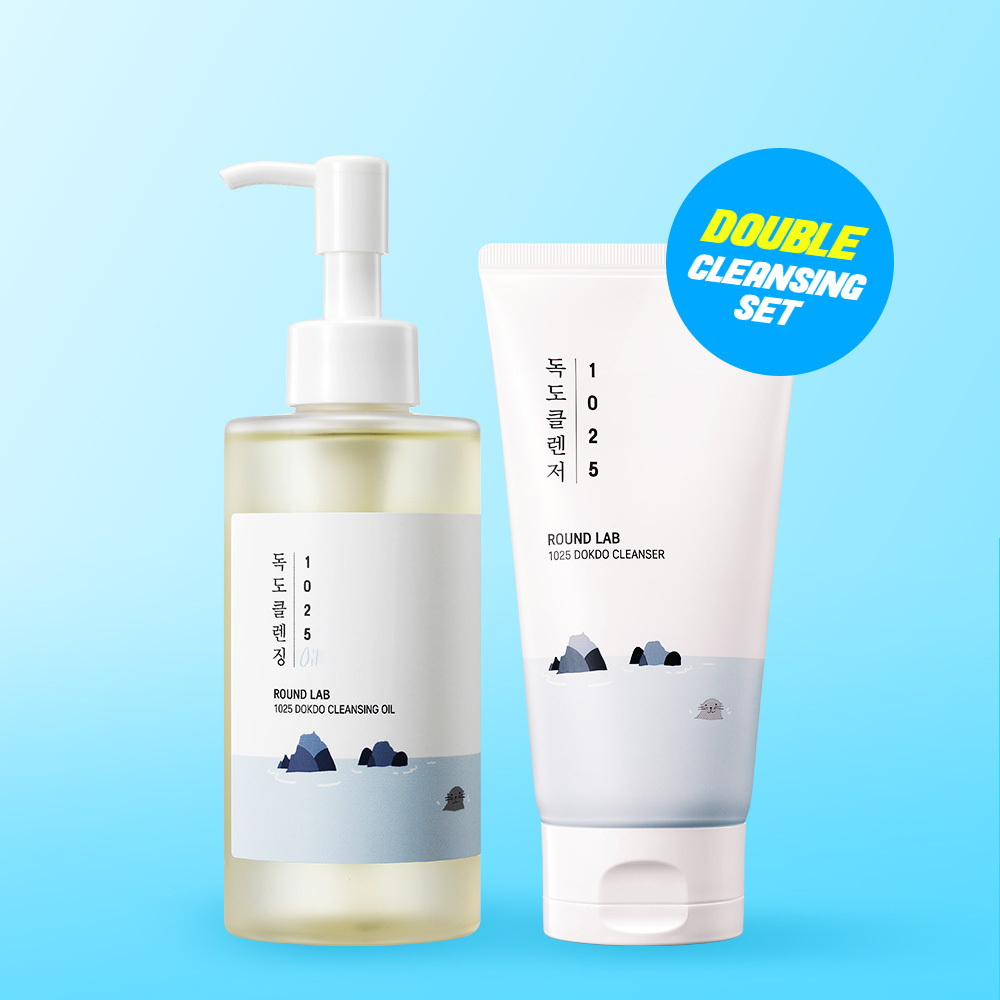
1025 Dokdo Cleansing Oil 200ml + Dokdo Cleanser 150ml Set
Round Lab
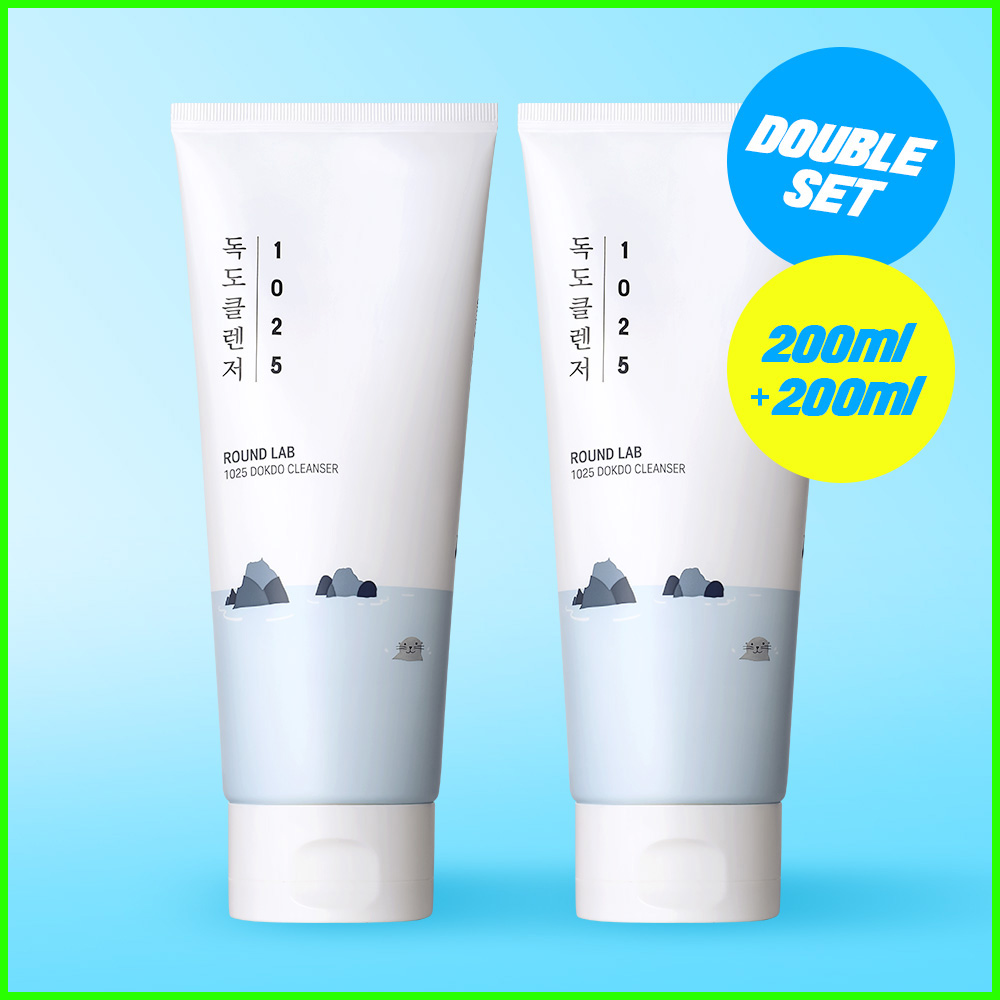
1025 Dokdo Cleanser
Round Lab

Reedle Shot 100 Essence Double Pack
VT
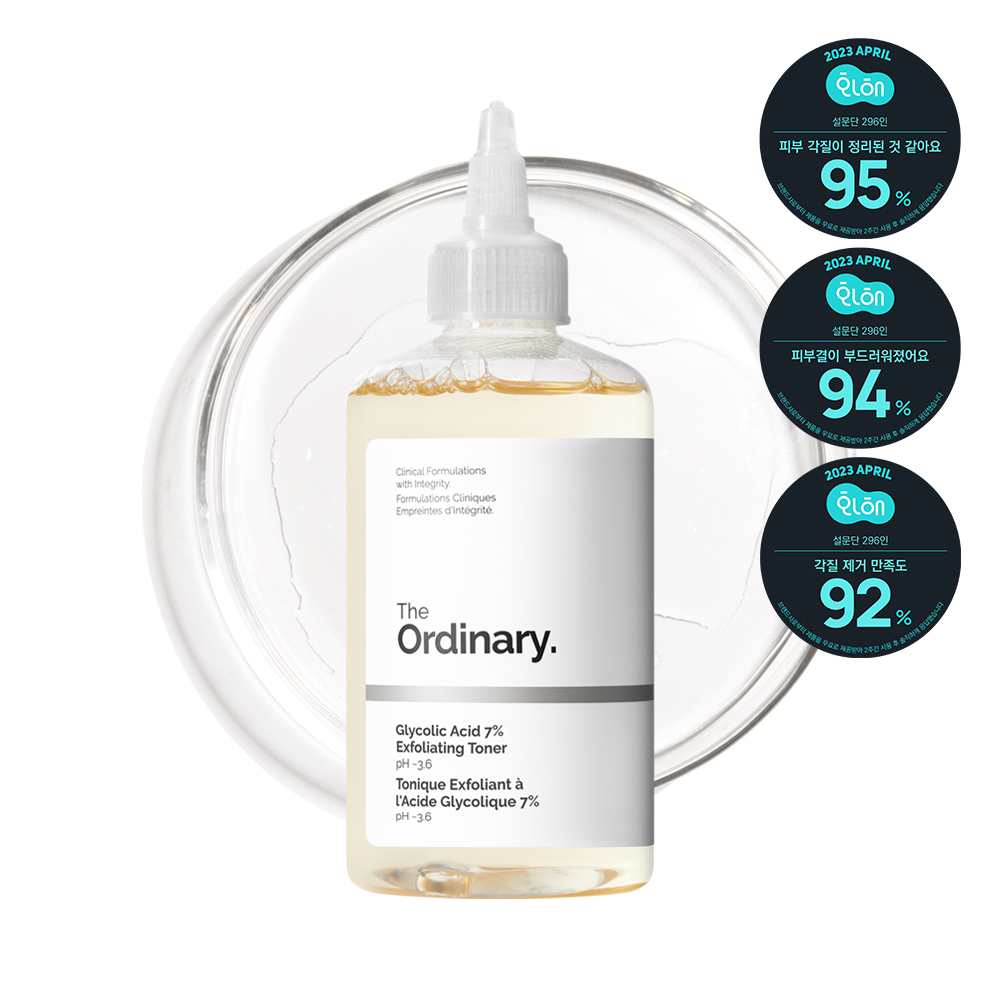
Glycolic Acid 7% Exfoliating Toner
The Ordinary
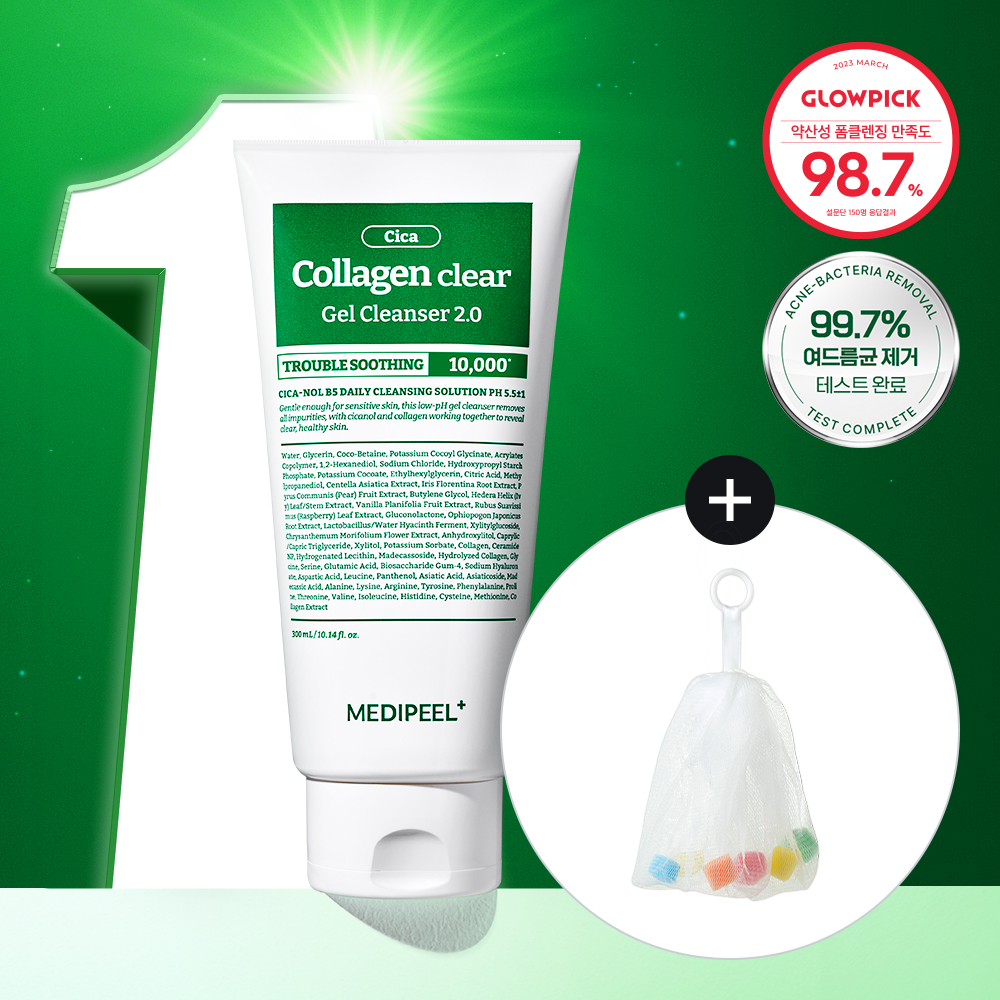
Green Cica Collagen Clear 2.0 Special Set
Medi-Peel
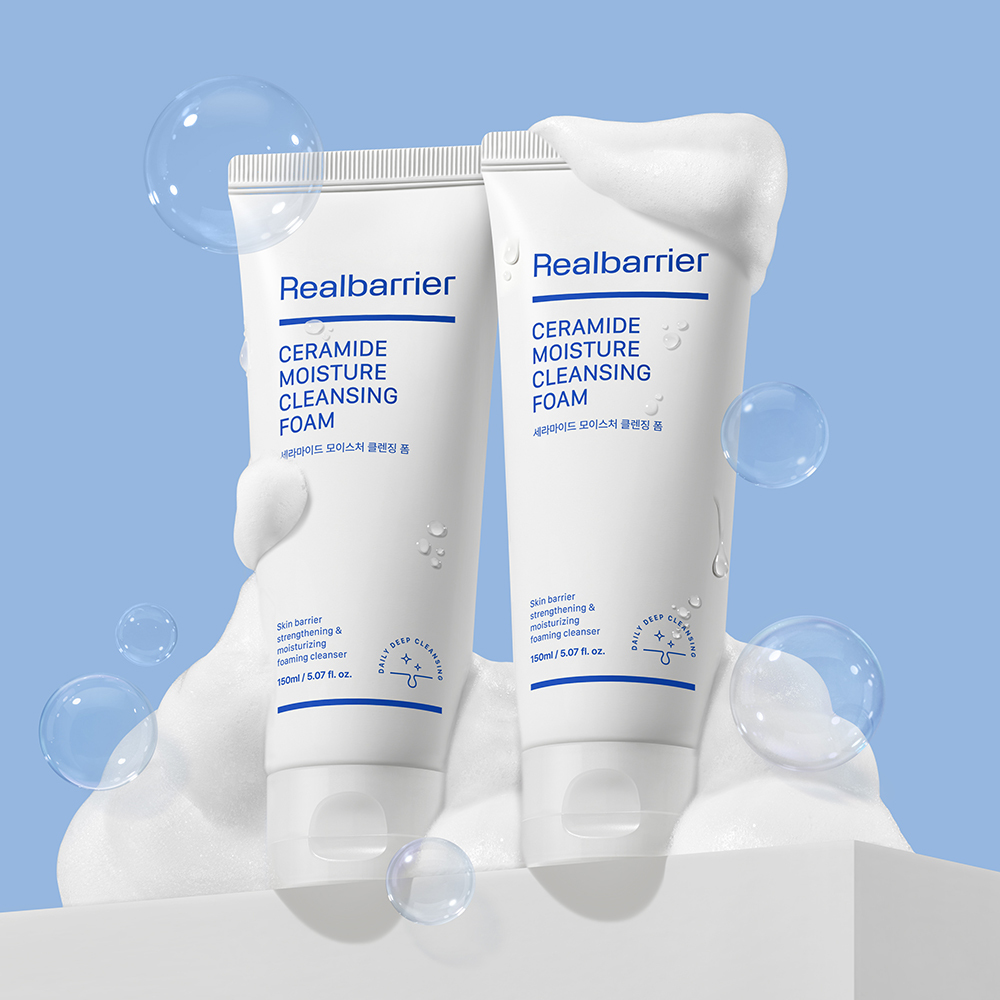
Ceramide Moisture Cleansing Foam
Real Barrier
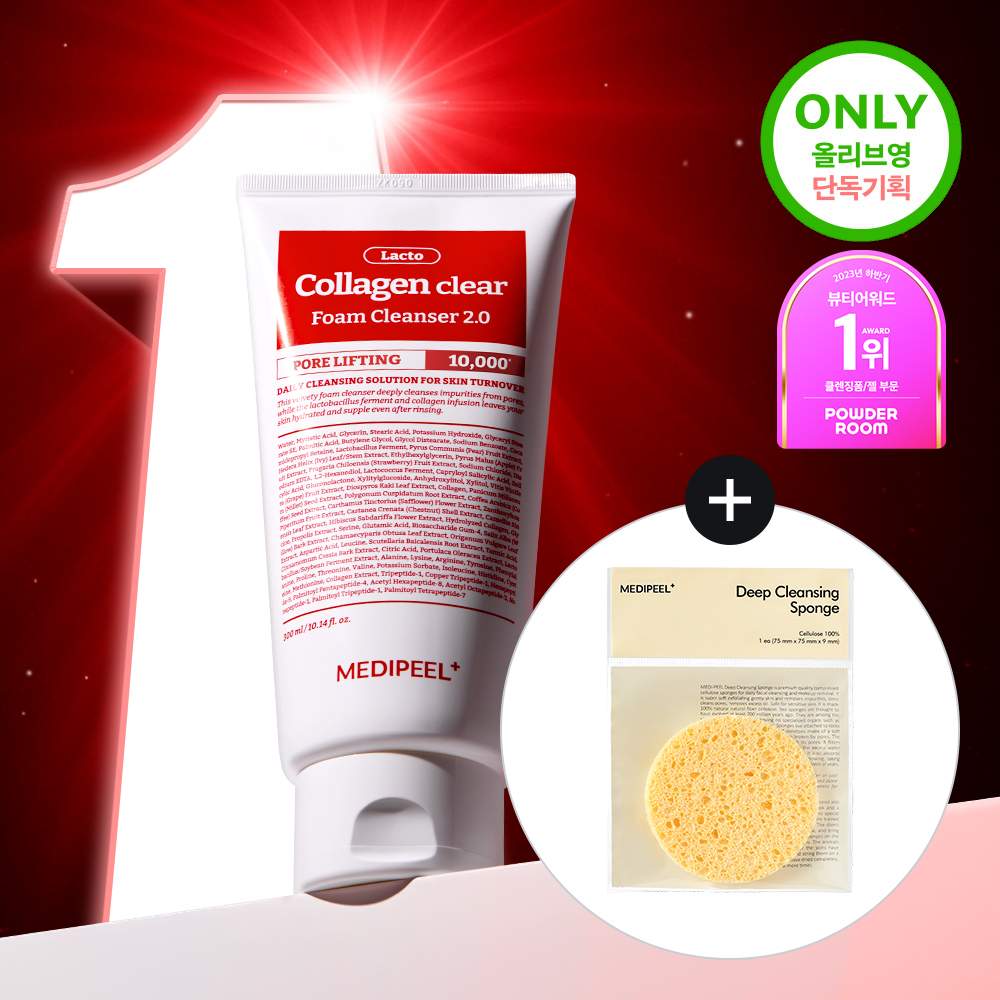
Red Lacto Collagen Clear 2.0 Special Set
Medi-Peel

Reedle Shot 300 Essence
VT
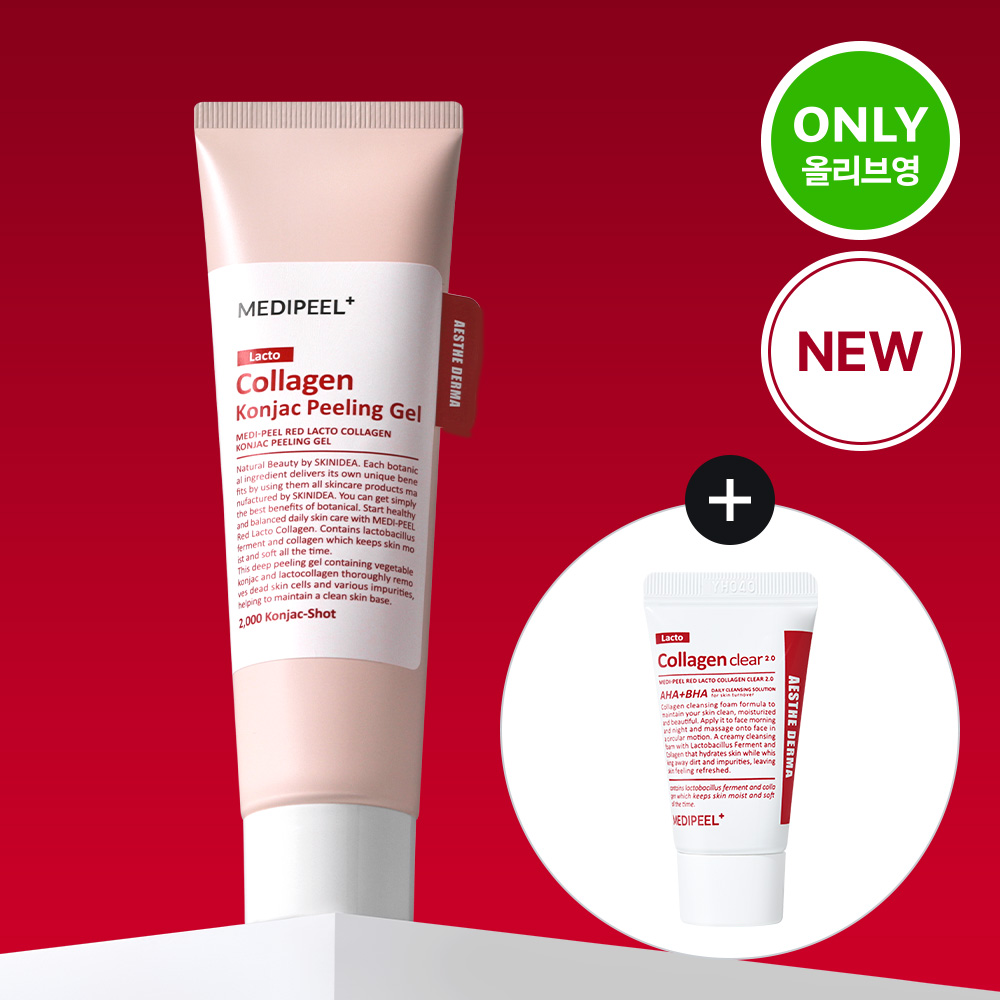
Red Lacto Collagen Konjac Peeling Gel
Medi-Peel
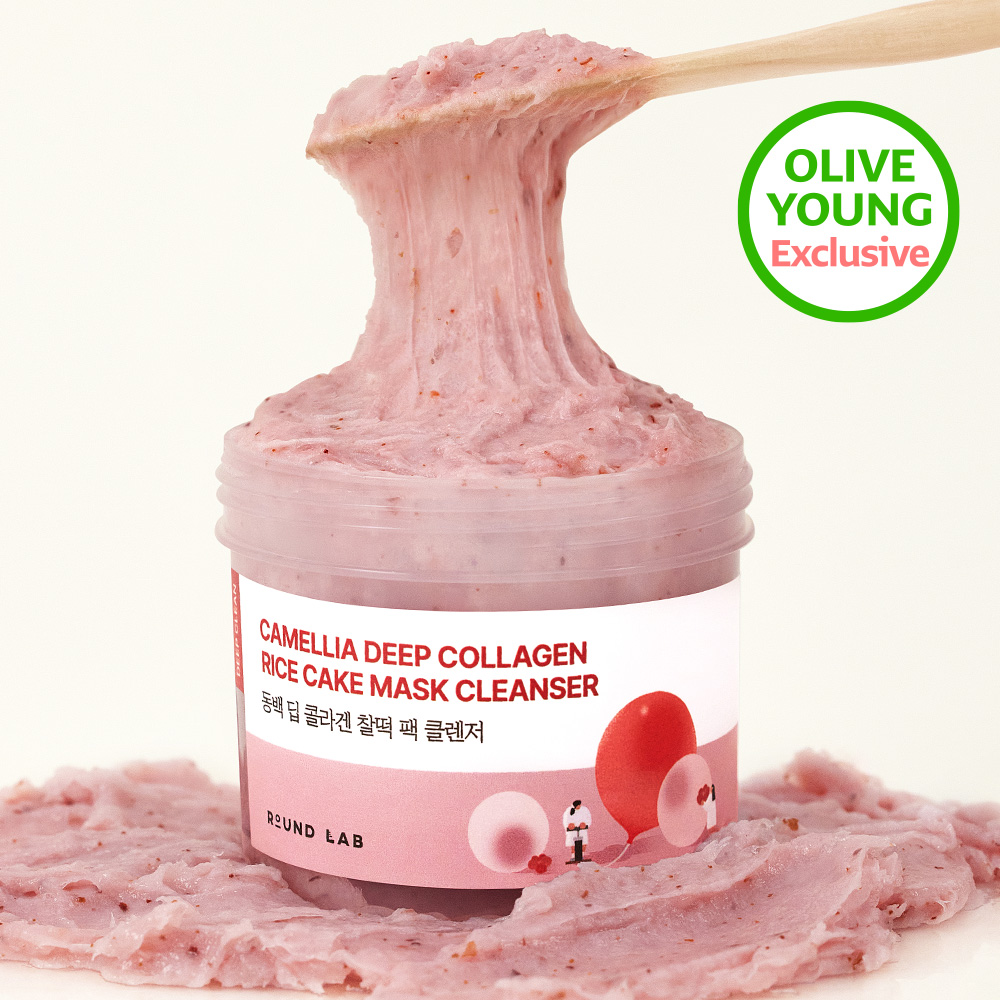
Camellia Deep Collagen Rice Cake Mask Cleanser
Round Lab
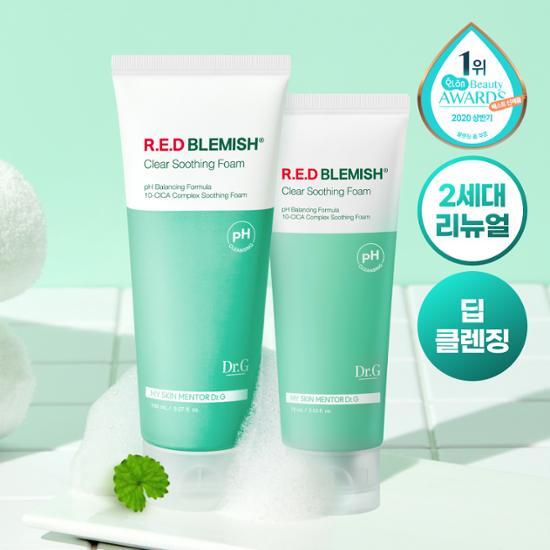
pH Cleansing Red Blemish Clear Soothing Foam Duo Set
Dr.G
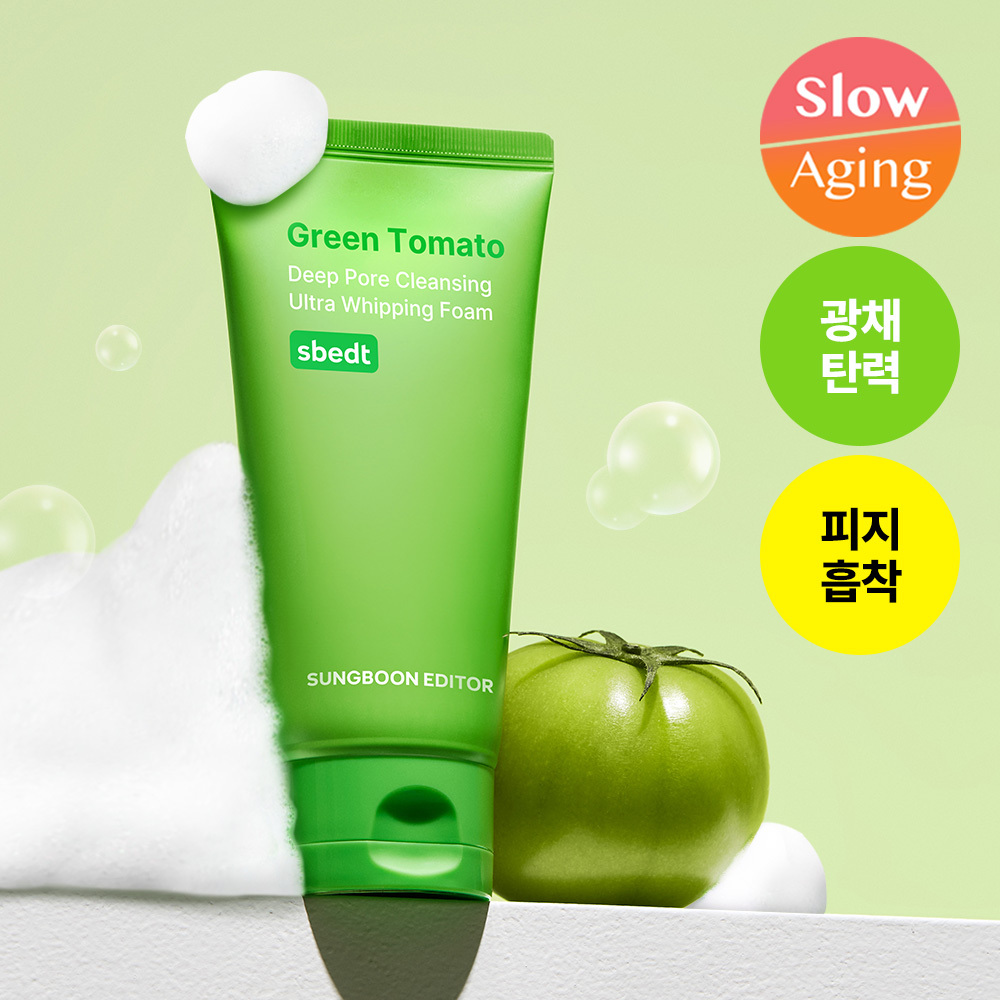
Green Tomato Deep Pore Cleansing Ultra Whipping Foam
Sungboon Editor
Frequently Asked Questions
Can proline actually boost collagen production when applied topically?▼
Why is proline so common in K-beauty cleansers specifically?▼
Is there anyone who should avoid proline?▼
Does proline work better in leave-on products or cleansers?▼
Explore More
Want personalized ingredient advice?
Yuri, our AI beauty advisor, can tell you how Proline works with your specific skin type, routine, and concerns.
Ask Yuri, free