Protease
Enzyme that breaks down proteins for gentle exfoliation
About Protease
Protease is an enzyme that catalyzes the breakdown of protein bonds, making it a highly effective yet gentle exfoliant in K-beauty formulations. Unlike physical scrubs that rely on abrasion or chemical acids that dissolve the intercellular glue holding dead skin cells together, protease works by specifically targeting and digesting keratin proteins that make up the outermost layer of dead skin. This precision makes it exceptionally gentle, earning it a stellar 4/5 safety rating while maintaining a 0/5 comedogenic score, meaning it won't clog pores. Found in 92 K-beauty products on Seoul Sister, protease has become a go-to for brands seeking to offer effective exfoliation without irritation. It's particularly popular in cleansers and wash-off treatments where the enzyme can work its magic during application before being rinsed away. The enzyme's ability to selectively break down only dead protein cells, leaving living tissue untouched, makes it suitable for even sensitive skin types that typically can't tolerate traditional exfoliants. K-beauty brands have embraced protease in everything from powder cleansers to cleansing balms, recognizing that modern consumers want visible results without the inflammation or barrier damage associated with aggressive exfoliation methods.
How Protease Works
Protease functions through enzymatic hydrolysis, a process where the enzyme acts as a biological catalyst to break peptide bonds that link amino acids together in protein chains. When applied to skin, protease specifically targets keratin, the structural protein found in dead corneocytes (skin cells) that accumulate on the skin's surface. The enzyme recognizes specific amino acid sequences in these proteins and cleaves them at precise points, essentially digesting the dead cells into smaller fragments that can be easily rinsed away. This process is highly selective because protease only works on already-dead keratin that lacks the protective mechanisms of living cells. The activity of protease is influenced by pH and temperature, which is why many protease-containing products are formulated at specific pH levels and why the enzyme becomes more active when mixed with water at body temperature during cleansing. Unlike acids that work by lowering pH and dissolving cellular cement, or physical exfoliants that scrape away everything in their path, protease offers a targeted approach that removes dead buildup while preserving the skin's moisture barrier and living cell layers.
Protease by Skin Type
Oily Skin
Protease is excellent for oily skin because it helps clear away the excess dead cells and protein buildup that can mix with sebum to clog pores and create congestion. The enzyme's ability to deeply clean without stripping makes it ideal for managing shine while preventing the rebound oil production that harsh exfoliants can trigger. Products like Banila Co's Pongdang Pore Deep Clean Cleansing Oil (5.0/5 on Seoul Sister) combine protease with oil-based formulas to tackle both surface protein buildup and sebum.
Dry Skin
Dry skin benefits from protease's gentle exfoliation without the moisture-stripping effects of acids or harsh scrubs. By removing only dead protein cells, protease allows hydrating ingredients to penetrate more effectively while maintaining the skin's natural barrier function. However, those with severely compromised moisture barriers should introduce protease gradually and follow with substantial hydration.
Combo Skin
Combination skin thrives with protease because the enzyme addresses congestion in oily zones without over-exfoliating or irritating drier areas. The selective nature of enzymatic exfoliation means it works where needed (on dead cell buildup) without affecting areas that are already balanced. Products like UIQ's Biome Barrier Collagen Firming Cleansing Balm (5.0/5) offer protease in nourishing bases suitable for mixed skin concerns.
Sensitive Skin
Protease is one of the best exfoliation options for sensitive skin, with a 4/5 safety rating that reflects its gentle action. Because it only targets dead proteins and doesn't involve harsh mechanical action or pH manipulation, it typically causes minimal irritation. The enzyme works at skin temperature and neutral pH, making it less likely to trigger reactivity compared to acids or retinoids.
Normal Skin
Normal skin can use protease regularly to maintain smooth texture and healthy cell turnover without risking over-exfoliation. The enzyme helps keep skin looking fresh and luminous while supporting the natural renewal process. Products like Chosungah Beauty's Wonder Bath Lemon Chung Pack Cleanser (5.0/5) offer protease in formulas designed for regular maintenance.
How to Use Protease
- 1Apply protease-containing cleansers to damp skin and let sit for 30-60 seconds before rinsing to give the enzyme time to work on breaking down dead proteins.
- 2Use lukewarm water rather than cold when cleansing with protease, as enzyme activity increases at body temperature for more effective exfoliation.
- 3Start with 2-3 times per week if new to enzymatic exfoliation, then adjust frequency based on your skin's response and tolerance.
- 4Avoid combining protease with strong acids or retinoids in the same routine, as this can lead to over-exfoliation even though the enzyme itself is gentle.
- 5Store powder cleansers containing protease in a dry place and keep the container tightly sealed, as moisture exposure can prematurely activate the enzymes.
Background
Protease enzymes have been used in skincare for decades, but their origins trace back much further to traditional medicine practices. Papain from papaya and bromelain from pineapple are naturally occurring proteases that have been used for centuries in tropical regions to tenderize meat and treat skin conditions. The cosmetic application of purified protease enzymes gained scientific backing in the 1970s and 1980s when dermatologists recognized their potential for non-irritating exfoliation. K-beauty brands adopted protease enthusiastically in the 2000s as part of the movement toward gentle, pH-balanced skincare that delivers results without compromising the moisture barrier. The enzyme fit perfectly into K-beauty's philosophy of layered, consistent care over aggressive treatments. Today, protease appears in 92 products on Seoul Sister, from cult-favorite powder cleansers like thelavicos' Charcoal Enzyme Washing Powder (5.0/5) to cleansing balms and foams, representing the industry's commitment to effective yet skin-respecting formulations.
K-Beauty Products with Protease
View all 95 →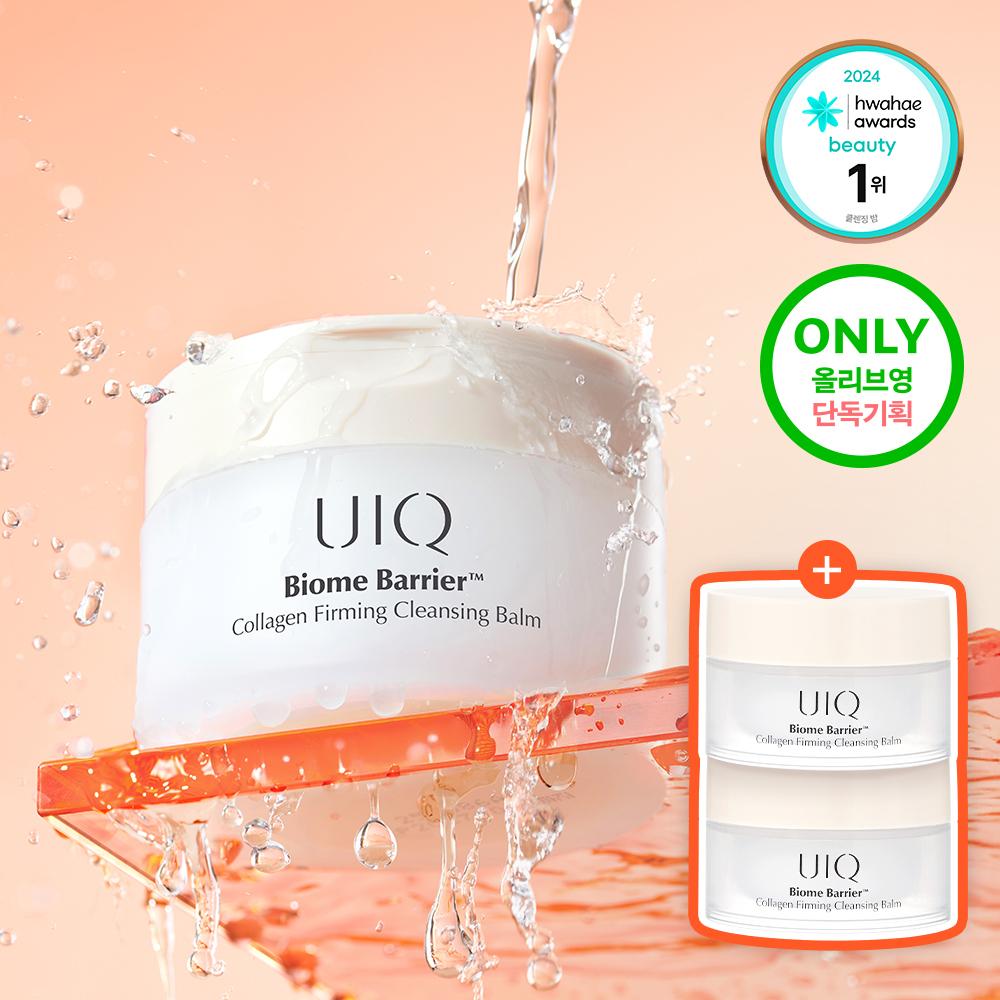
Biome Barrier Collagen Firming Cleansing Balm
UIQ
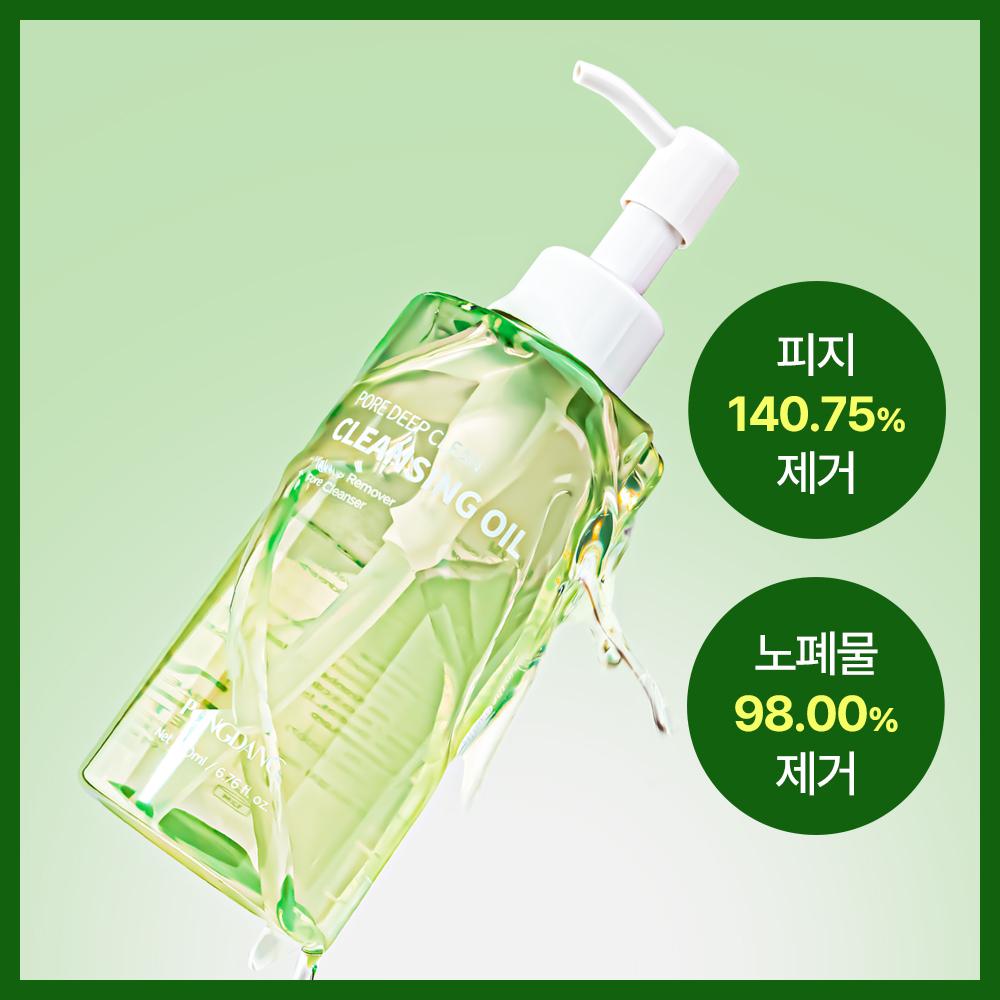
Pongdang Pore Deep Clean Cleansing Oil
Banila Co
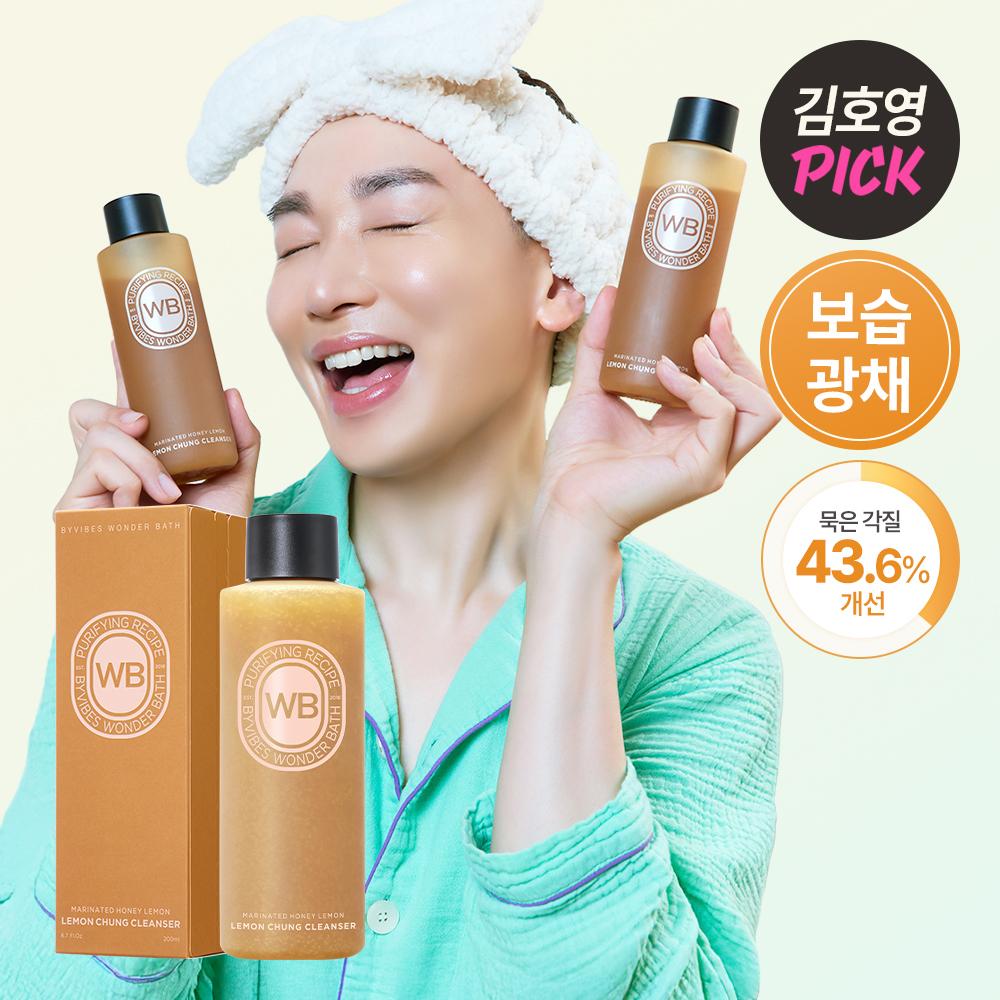
Wonder Bath Lemon Chung Pack Cleanser
Chosungah Beauty
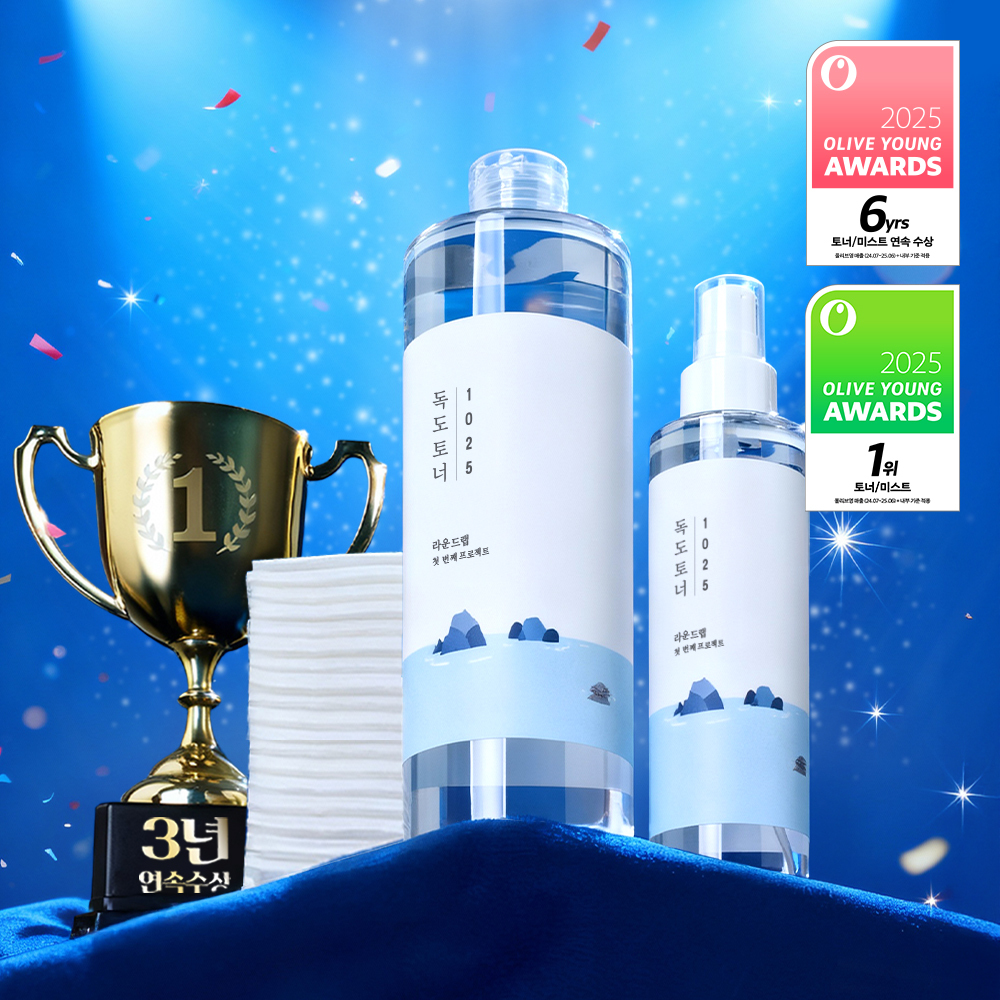
1025 Dokdo Toner
Round Lab
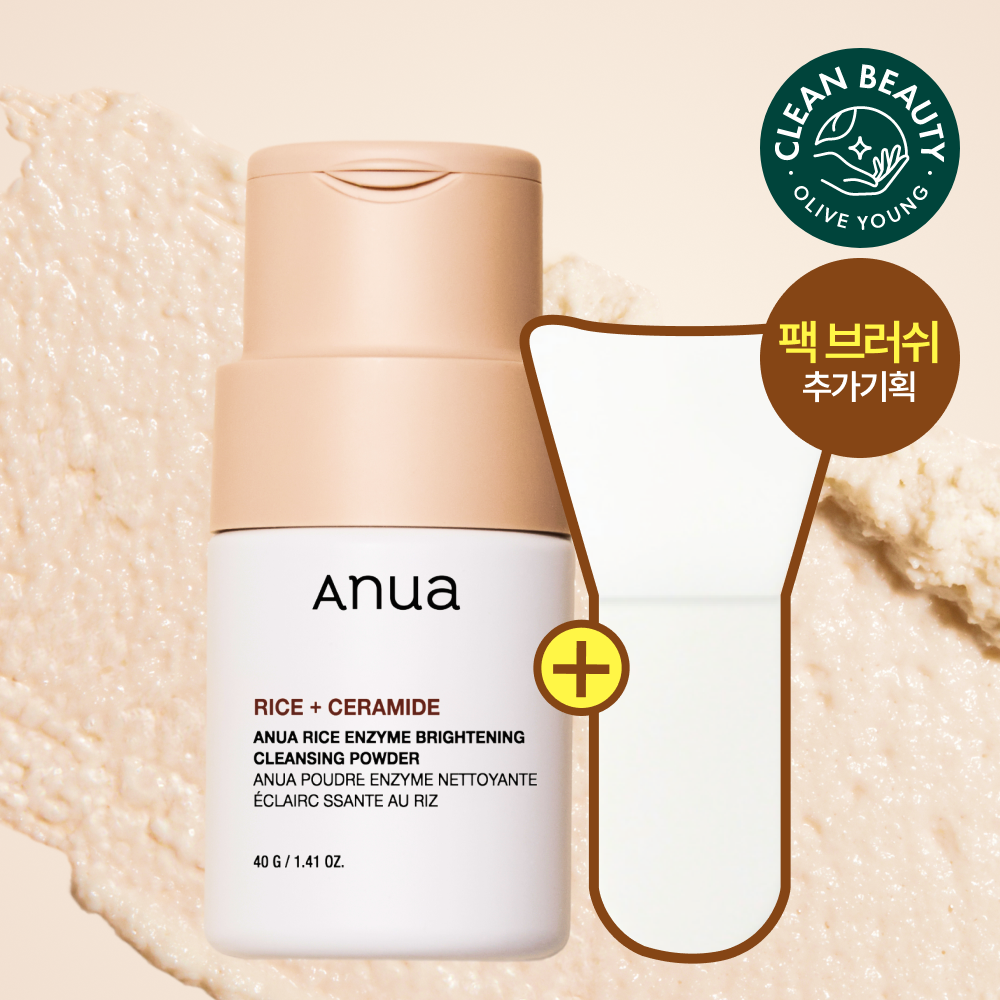
Rice Enzyme Brightening Cleansing Powder
Anua
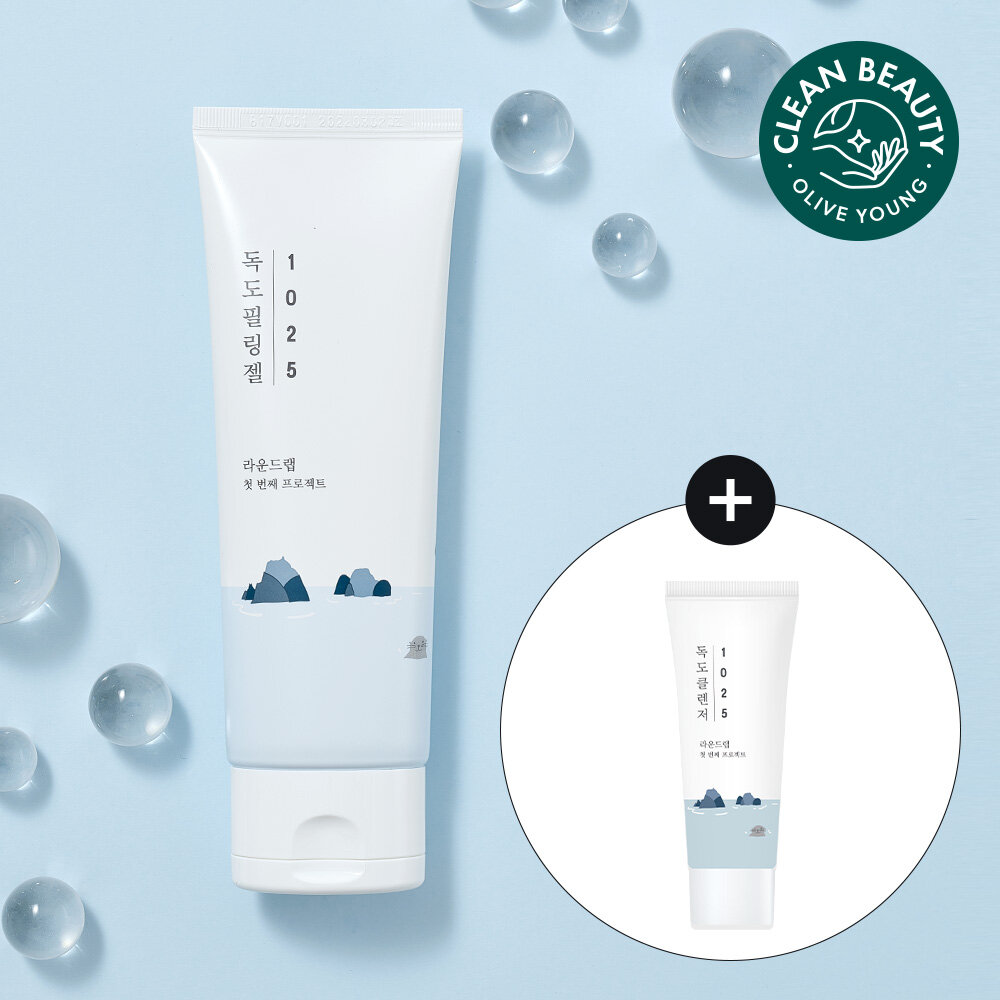
1025 Dokdo Peeling Gel
Round Lab
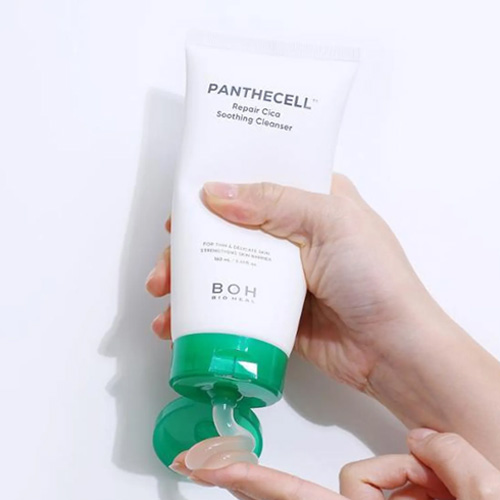
Panthecell Repair Cica Soothing Cleanser Double Pack
Bioheal BOH

Heartleaf Succinic Moisture Cleansing Foam
Anua
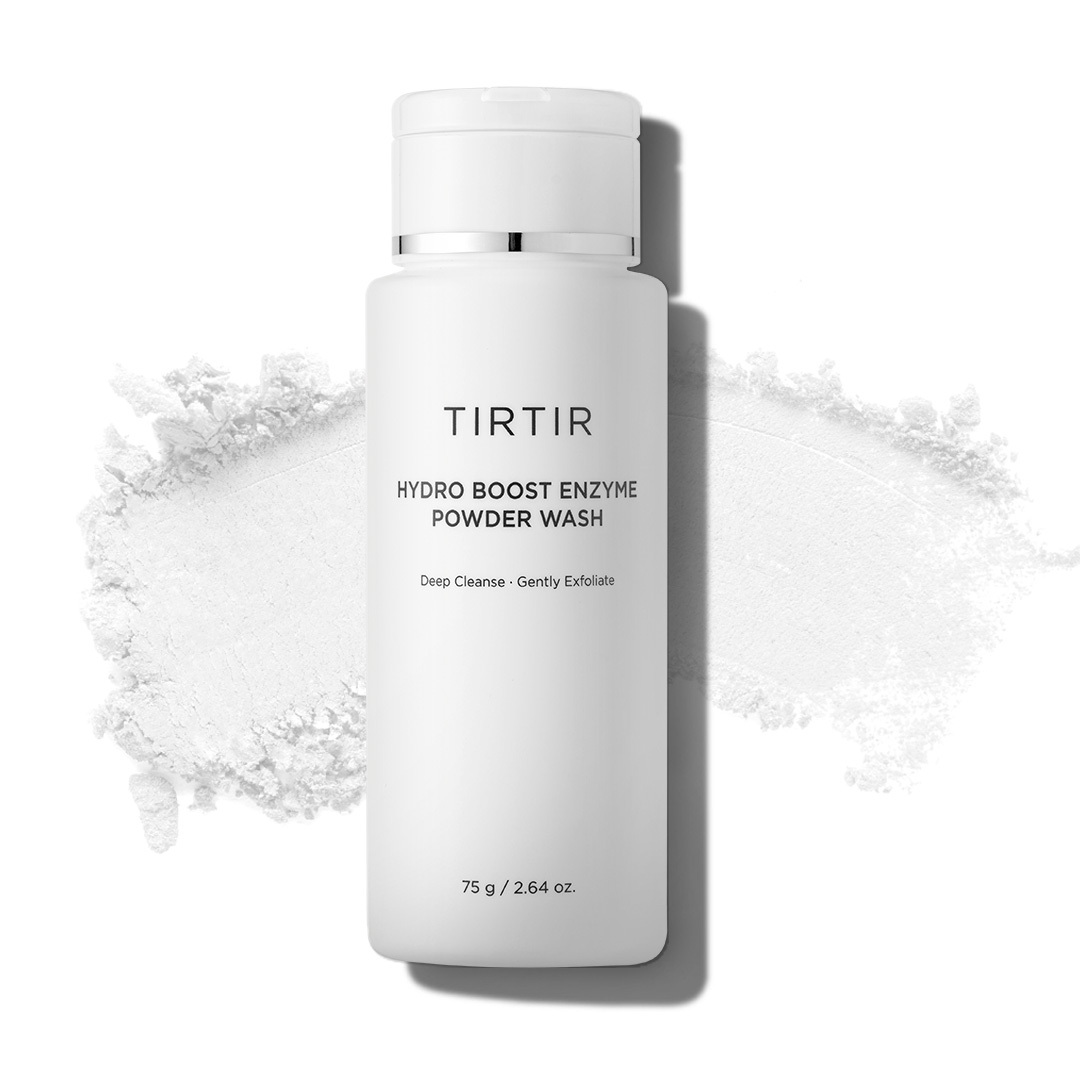
Hydro Boost Enzyme Powder Wash
TIRTIR
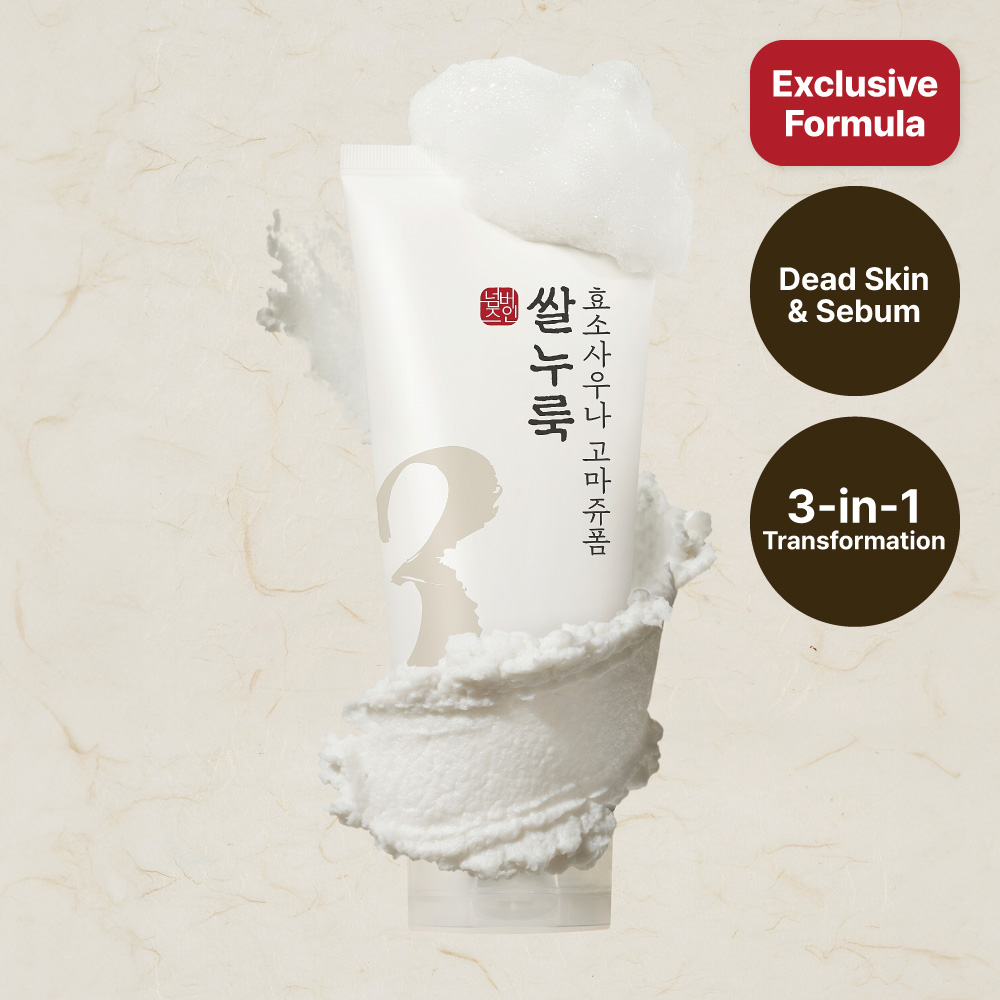
No. 3 Rice Yeast Enzyme Sauna Gommage Foam
Numbuzin

Tea Tree Cica Deep Cleansing Foam
Bringgreen
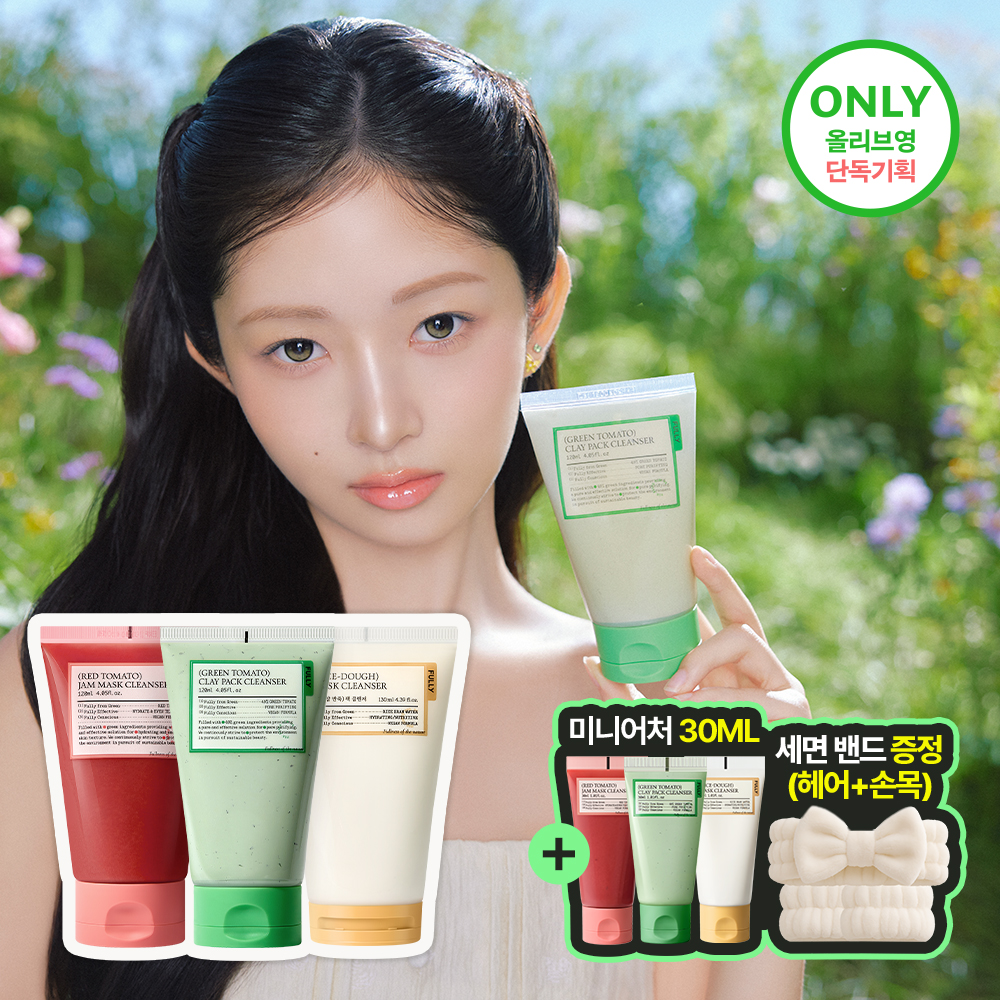
Pack Cleanser Set - Green Tomato / Red Tomato / Rice Dough
Fully
Frequently Asked Questions
Is protease better than AHA or BHA for exfoliation?▼
Can I use protease every day?▼
Why do some protease cleansers come in powder form?▼
Will protease help with closed comedones and congestion?▼
Does protease lose effectiveness in cleansers since it gets rinsed off?▼
Explore More
Want personalized ingredient advice?
Yuri, our AI beauty advisor, can tell you how Protease works with your specific skin type, routine, and concerns.
Ask Yuri, free