Self-Heal Extract
INCI: Prunella Vulgaris Extract
Antioxidant and soothing botanical extract
About Self-Heal Extract
Self-heal extract, derived from the flowering plant Prunella vulgaris, is a traditional medicinal botanical that has earned its place in modern K-beauty formulations through its proven antioxidant and anti-inflammatory properties. This purple-flowered herb contains bioactive compounds including rosmarinic acid, ursolic acid, and flavonoids that work synergistically to protect skin from environmental stressors while calming irritation. In K-beauty, self-heal extract appears most frequently in advanced anti-aging formulations, particularly those featuring PDRN (polydeoxyribonucleotide) technology, where it complements cellular repair mechanisms with its own protective benefits. Its non-comedogenic profile (0/5 rating) makes it universally compatible across skin types, while its antioxidant capacity helps neutralize free radicals that accelerate visible aging. The ingredient's appearance in high-performing products like VT's PDRN Reedle Shot Eye Lifter (4.8/5) and Medicube's PDRN Pink Hyaluronic Moisturizing Cream (4.8/5) demonstrates its effectiveness when paired with cutting-edge Korean skincare technologies. Unlike some botanical extracts that primarily offer marketing appeal, self-heal has documented anti-inflammatory effects that make it particularly valuable for urban dwellers facing pollution and blue light exposure. Its traditional use as a wound-healing herb translates into modern skincare as an ingredient that supports skin barrier recovery and reduces redness without the irritation potential of stronger actives.
How Self-Heal Extract Works
Self-heal extract functions through multiple pathways at the cellular level. Its high concentration of rosmarinic acid acts as a potent antioxidant by donating electrons to unstable free radicals, effectively neutralizing reactive oxygen species (ROS) that damage cellular DNA, lipids, and proteins. This antioxidant action helps prevent the breakdown of collagen and elastin fibers that leads to wrinkles and sagging. The extract's ursolic acid content works differently, inhibiting inflammatory enzymes like cyclooxygenase-2 (COX-2) and reducing the production of pro-inflammatory cytokines. This dual mechanism addresses both the cause (oxidative stress) and effect (inflammation) of environmental skin damage. At the skin barrier level, self-heal's flavonoids help strengthen tight junctions between keratinocytes, improving barrier integrity and reducing transepidermal water loss. The extract also demonstrates mild antimicrobial properties without disrupting the skin's beneficial microbiome, making it particularly useful in formulations designed for sensitive or compromised skin. When combined with modern actives like PDRN, as seen in several Seoul Sister top-rated products, self-heal provides a protective environment that allows cellular repair mechanisms to work more efficiently.
Self-Heal Extract by Skin Type
Oily Skin
Self-heal extract works exceptionally well for oily skin thanks to its zero comedogenic rating and anti-inflammatory properties that can help reduce the redness often associated with acne-prone complexions. Its antioxidant content protects sebum from oxidation, which is important because oxidized sebum triggers inflammatory responses that worsen breakouts. The lightweight nature of the extract means it won't add heaviness to formulations designed for oily skin types.
Dry Skin
For dry skin, self-heal extract provides crucial antioxidant protection without adding hydration directly, so it works best in formulations paired with humectants and emollients like those found in Medicube's PDRN Pink Hyaluronic Moisturizing Cream (4.8/5). Its barrier-supporting properties help prevent moisture loss by strengthening the connections between skin cells. The anti-inflammatory benefits also calm the irritation that often accompanies chronic dryness.
Combo Skin
Combination skin benefits from self-heal's balanced profile, as it addresses multiple concerns without tipping the scales toward either dryness or oiliness. The extract's ability to regulate inflammatory responses helps normalize skin function across different zones of the face. Its non-comedogenic nature means it won't congest pores in oilier areas while its soothing properties calm any dry, reactive patches.
Sensitive Skin
Self-heal extract is particularly well-suited for sensitive skin, earning a solid 4/5 safety rating thanks to its gentle, anti-inflammatory nature. The extract's ability to reduce redness and calm irritation without causing additional reactivity makes it a smart choice for those prone to sensitivities. Its appearance in advanced formulations with PDRN (like the O HUI Prime Advancer mask, 5.0/5) shows it can be successfully combined with potent actives without compromising tolerability.
Normal Skin
Normal skin types can use self-heal extract as a preventative measure against future damage, leveraging its antioxidant properties to maintain skin health over time. The extract supports the skin's natural functions without disrupting balance or causing unwanted changes. It's an excellent everyday ingredient that works quietly in the background to protect against environmental stressors like pollution and UV exposure.
How to Use Self-Heal Extract
- 1Look for self-heal extract in serums and creams that you'll use consistently, as its antioxidant benefits accumulate over time with regular application rather than providing instant results.
- 2Self-heal pairs exceptionally well with advanced anti-aging technologies like PDRN and peptides, as evidenced by its presence in multiple high-rated products on Seoul Sister, so consider it as part of a comprehensive anti-aging routine.
- 3Apply products containing self-heal extract in the morning to take advantage of its protective antioxidant properties throughout the day when your skin faces environmental stressors.
- 4If you're dealing with active inflammation or redness, self-heal extract can be layered under other treatments to provide a calming base that enhances tolerance of stronger actives.
Background
Prunella vulgaris, commonly known as self-heal or heal-all, has been used in Traditional Chinese Medicine (TCM) for over 2,000 years, where it's called Xia Ku Cao and prescribed for clearing heat and reducing inflammation. The plant's English name comes from its historical use in European folk medicine to treat wounds and burns, with herbalists applying crushed leaves directly to injuries. Self-heal's transition into K-beauty represents the Korean skincare industry's broader trend of validating traditional botanicals through modern scientific research and incorporating them into advanced formulations. Korean cosmetic chemists became particularly interested in self-heal after studies confirmed its rosmarinic acid content rivals that of rosemary, another popular skincare botanical, while offering additional bioactive compounds not found in other extracts. Its integration into premium anti-aging products alongside cutting-edge ingredients like PDRN demonstrates how K-beauty bridges ancient wisdom with contemporary dermatological science, creating formulations that honor traditional knowledge while meeting modern efficacy standards.
K-Beauty Products with Self-Heal Extract
View all 22 →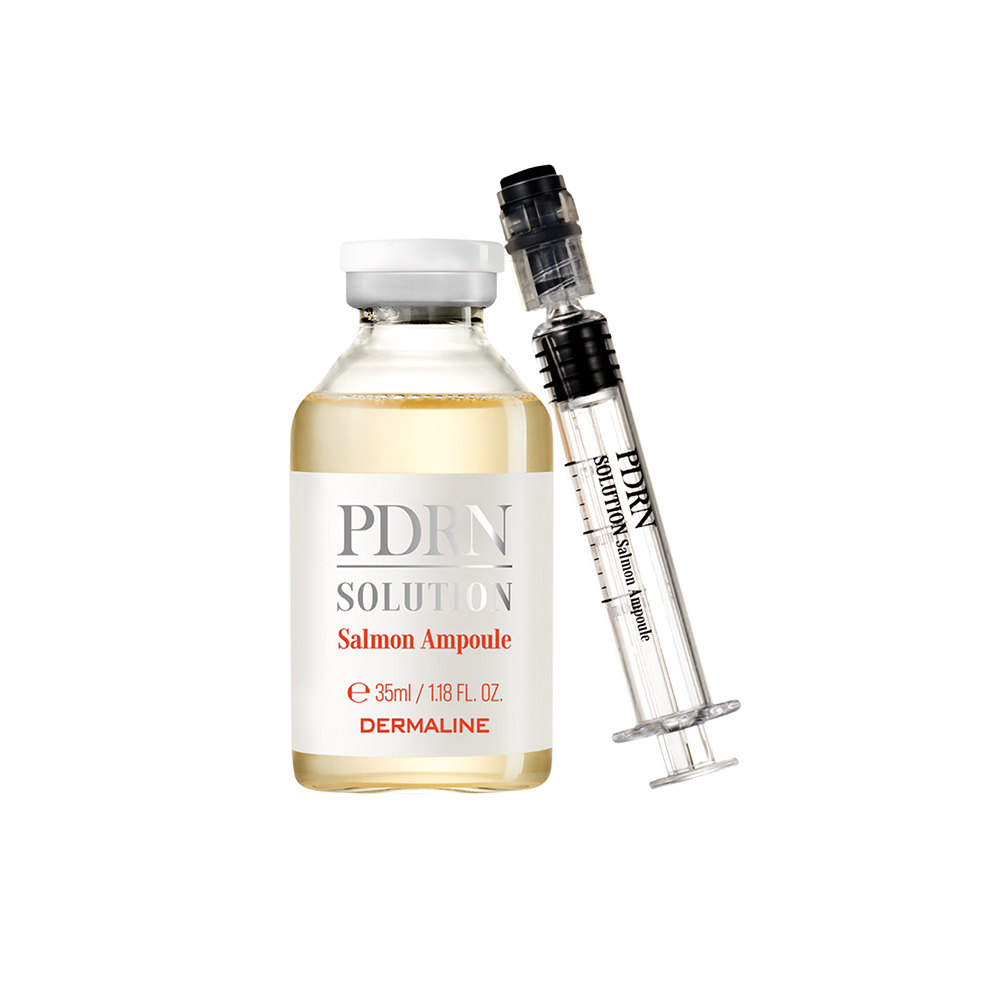
D'LEXO PDRN Solution Salmon Ampoule
DERMALINE

PDRN Reedle Shot Eye Lifter
VT
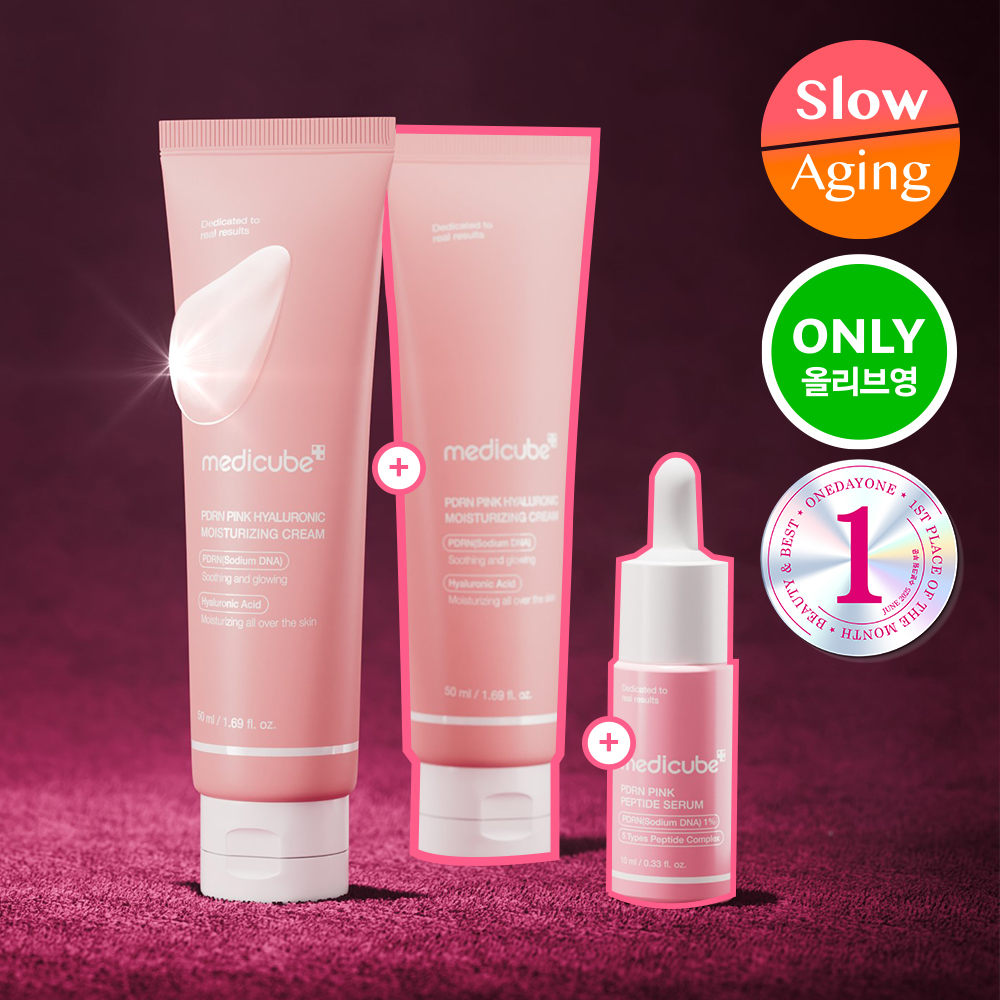
PDRN Pink Hyaluronic Moisturizing Cream Double Pack
Medicube
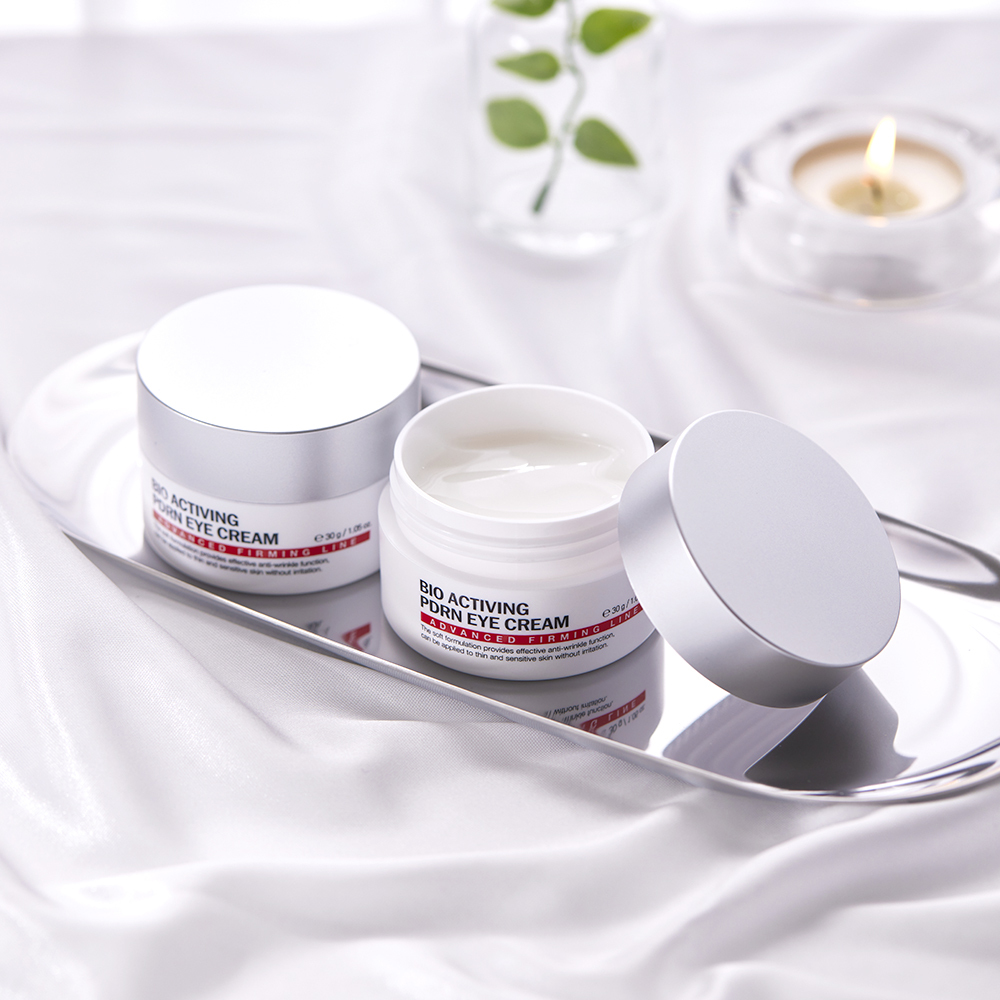
Bio Activing PDRN Eye Cream
DERMALINE
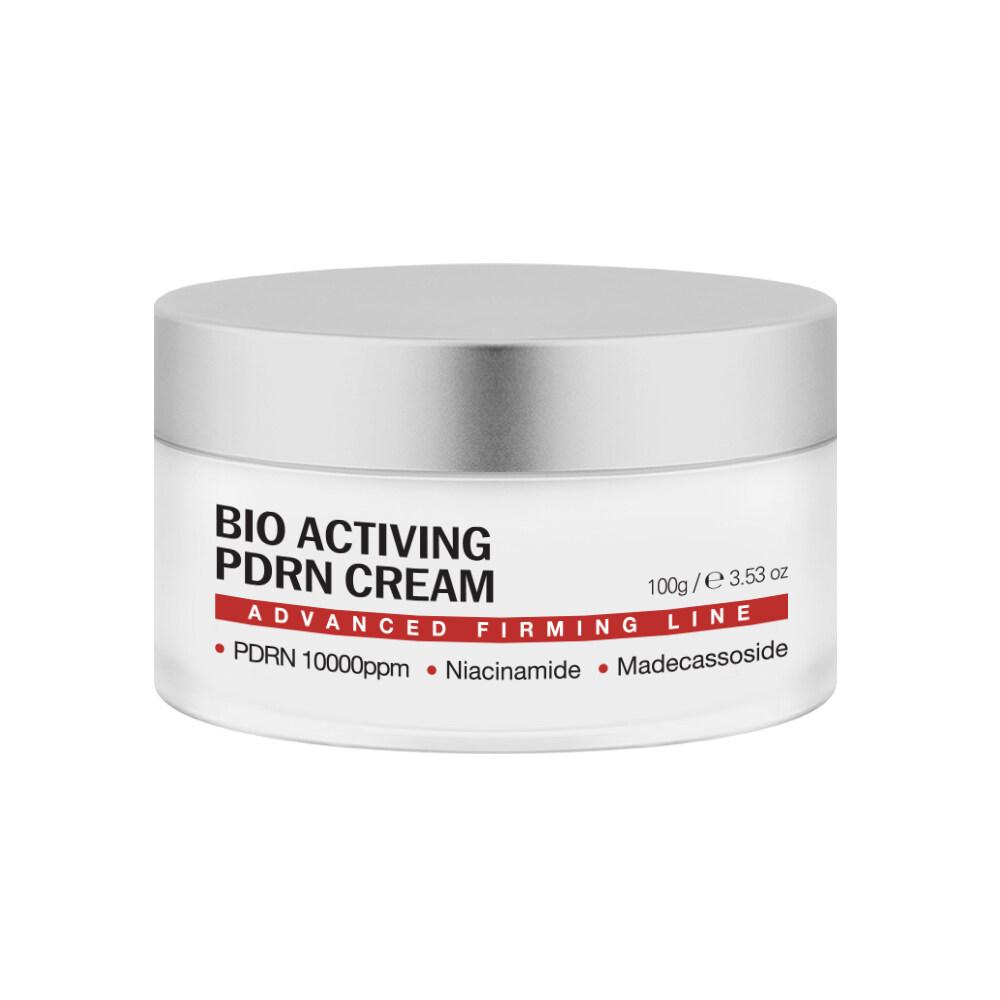
D'LEXO BioActive PDRN Cream
DERMALINE
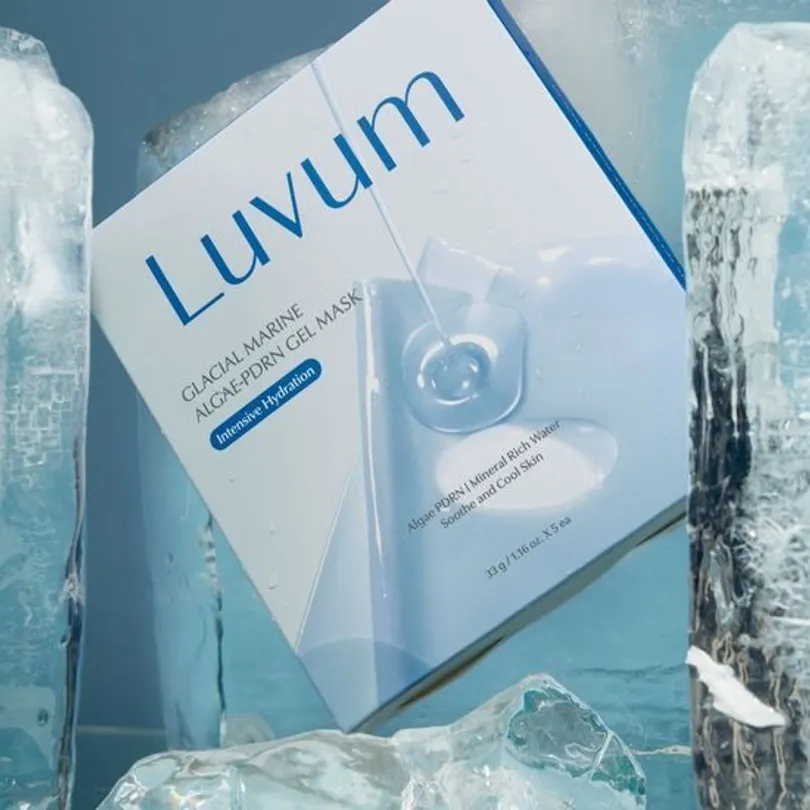
Glacial Marine Algae-PDRN Gel Mask Sheet 5ea
Luvum
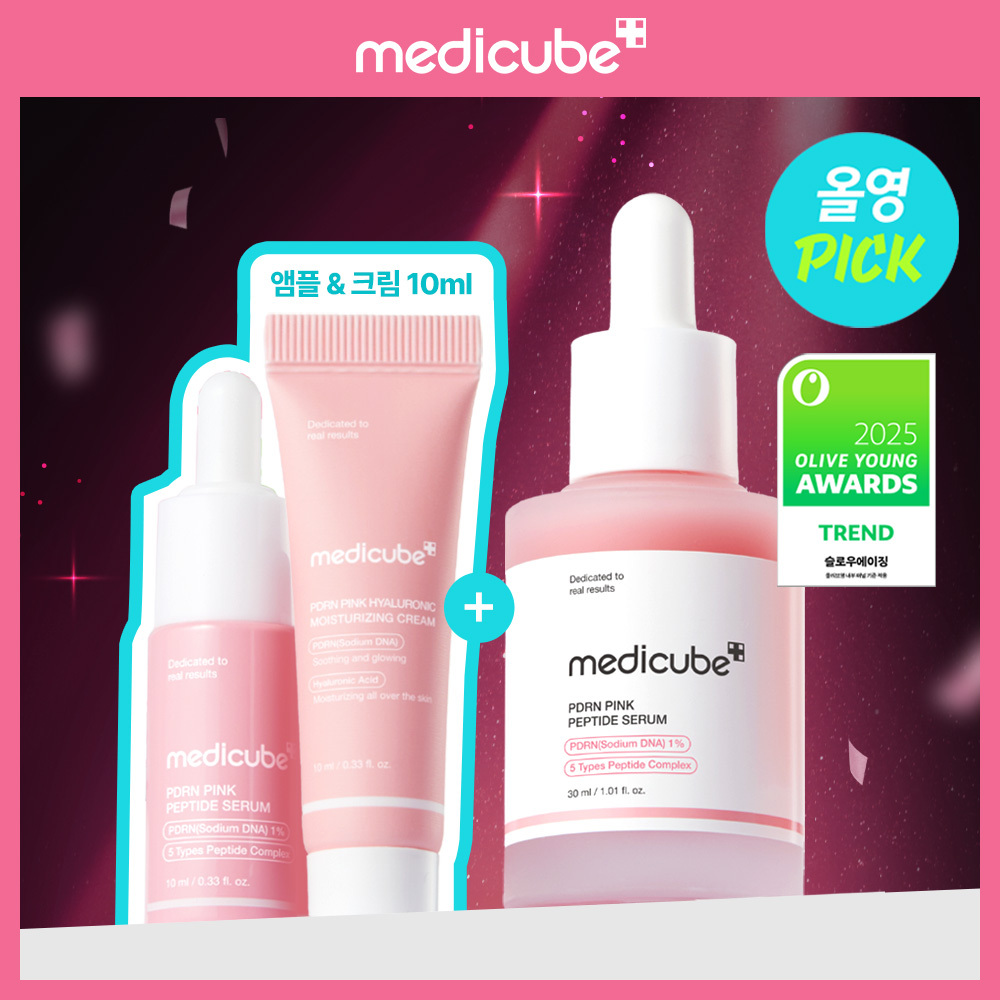
PDRN Pink Peptide Ampoule Set
Medicube
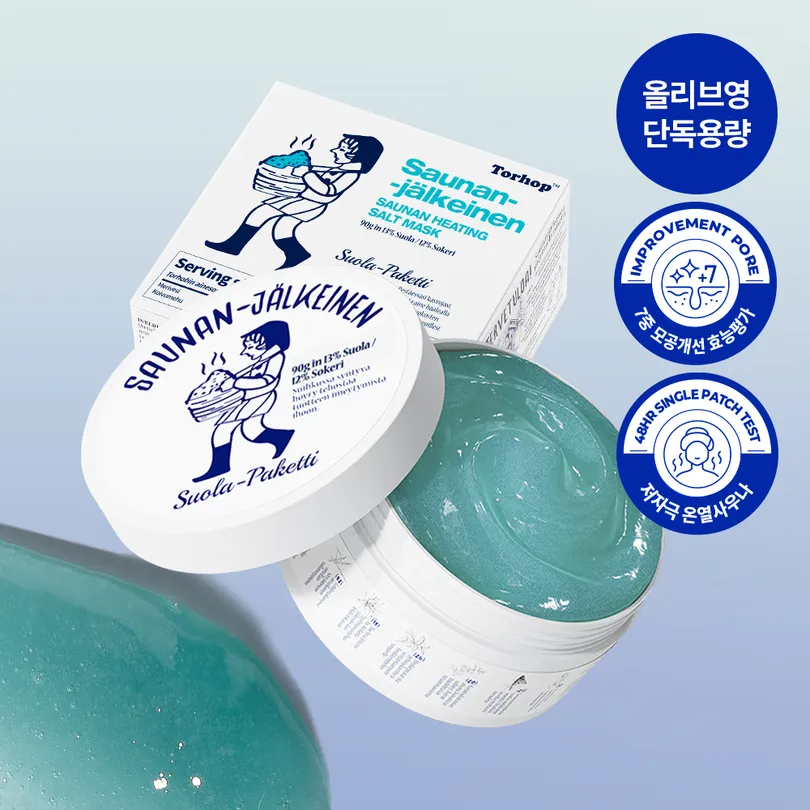
Saunan Heating Salt Mask
Torhop
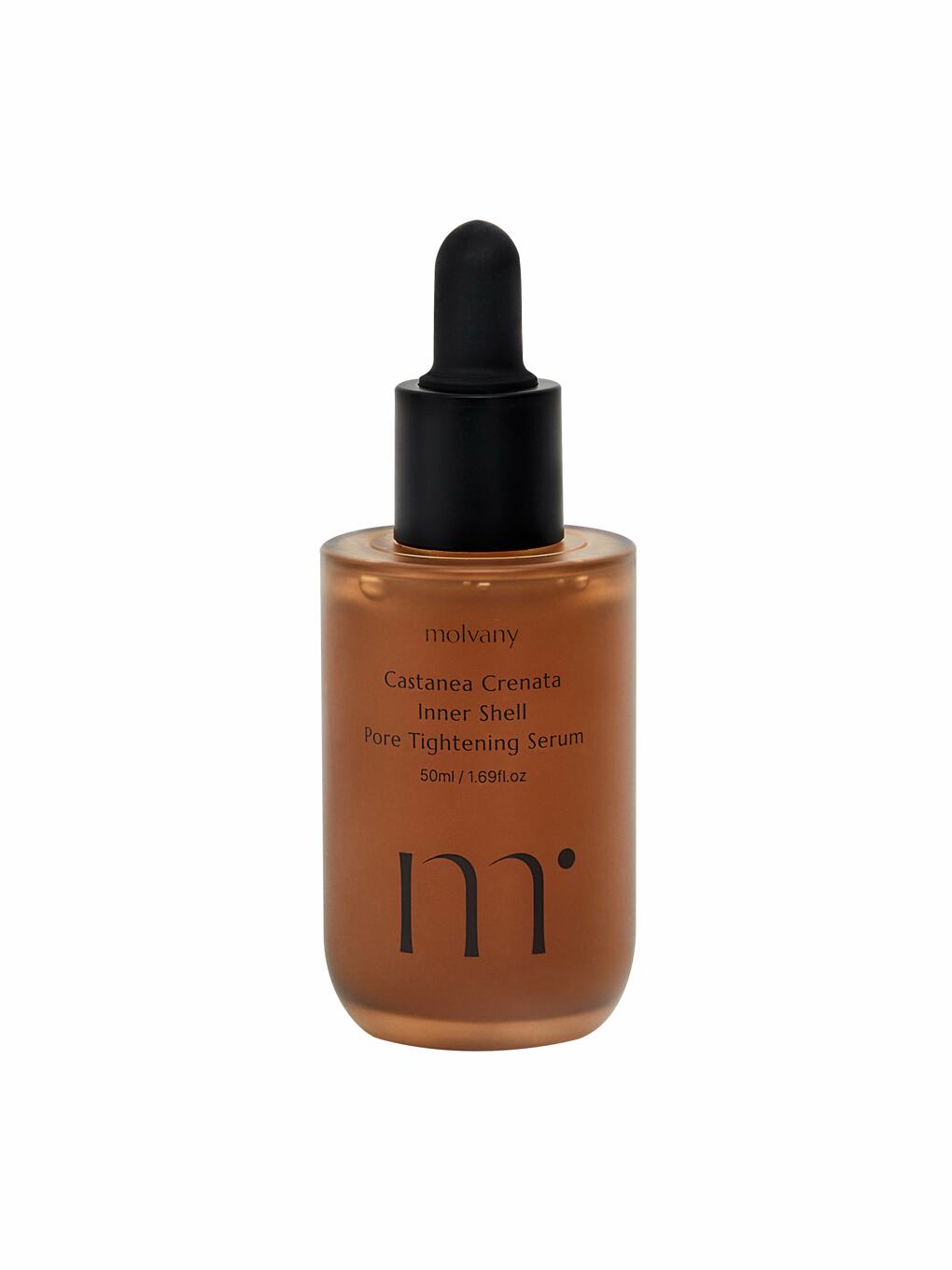
Castanea Crenata Inner Shell Pore Tightening Serum
MOLVANY
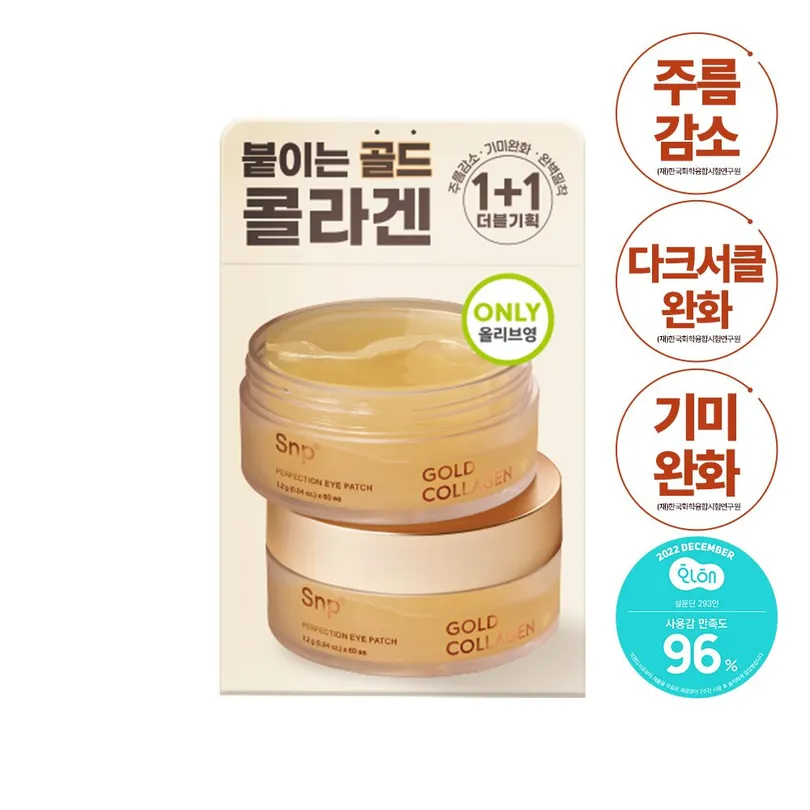
Gold Collagen Perfection Eye Patch Double Set
SNP
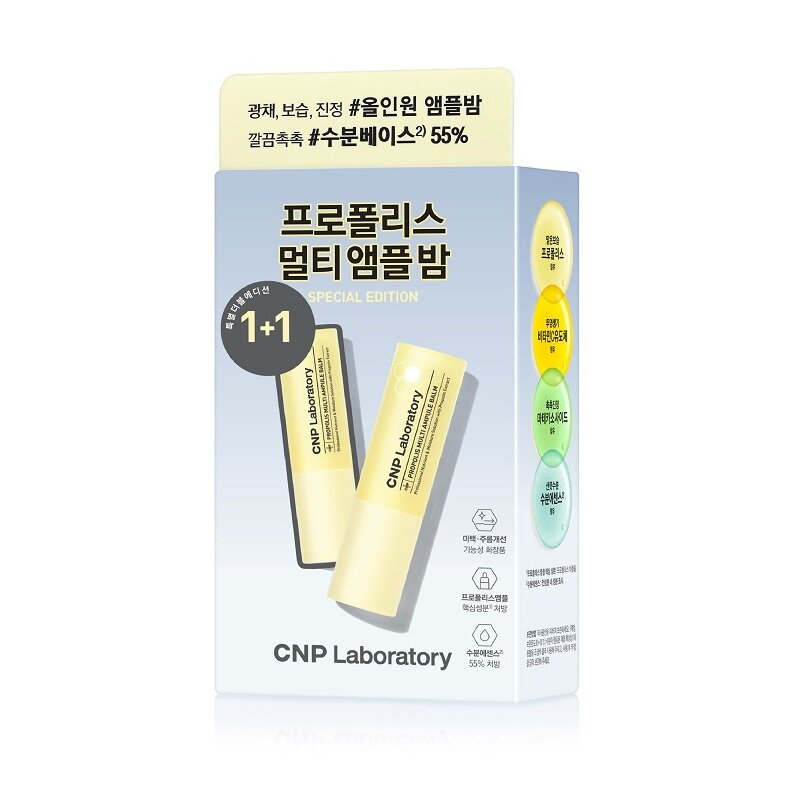
Propolis Multi Ampoule Balm
CNP
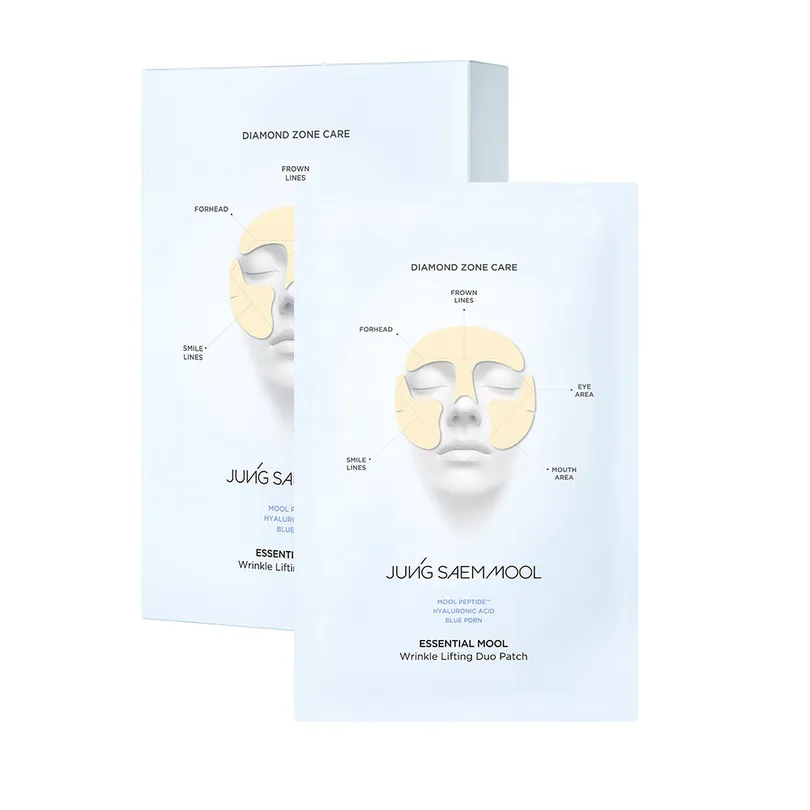
Essential Mool Wrinkle Lifting Duo Patch
Jung Saem Mool
Frequently Asked Questions
Is self-heal extract the same as centella asiatica or other calming ingredients?▼
Why do so many products with self-heal extract also contain PDRN?▼
Can self-heal extract cause any skin reactions or sensitivities?▼
How long does it take to see results from products containing self-heal extract?▼
Explore More
Want personalized ingredient advice?
Yuri, our AI beauty advisor, can tell you how Self-Heal Extract works with your specific skin type, routine, and concerns.
Ask Yuri, free