Sweet Almond Oil
INCI: Prunus Amygdalus Dulcis (Sweet Almond) Oil
Emollient that moisturizes and softens skin
About Sweet Almond Oil
Sweet almond oil is a lightweight, nutrient-rich emollient extracted from the kernels of Prunus amygdalus dulcis, the sweet almond tree. In K-beauty formulations, it serves as a multitasking moisturizer prized for its ability to soften and nourish skin without the heavy, greasy feel of some traditional oils. What makes sweet almond oil particularly valuable is its composition: it's loaded with fatty acids (especially oleic and linoleic acid), vitamin E, and phytosterols that work together to strengthen the skin barrier and lock in hydration. Korean skincare brands favor it in cleansers and balms because it effectively dissolves makeup and sebum while leaving skin conditioned, not stripped. Unlike more occlusive oils, sweet almond oil has a moderate weight that absorbs relatively well, making it versatile across different product types. You'll find it in 90 K-beauty products on Seoul Sister, often starring in cult favorites like Anua's DPPR Soycube Exorepair Serum and ma:nyo's Deep Clear Cleansing Balm, where it helps achieve that coveted glass skin glow. Its mild nature and skin-compatible fatty acid profile explain why Korean formulators reach for it when they need reliable moisture without irritation, though its comedogenic rating of 2/5 means it requires thoughtful formulation for acne-prone users.
How Sweet Almond Oil Works
Sweet almond oil functions at the skin barrier level by mimicking and reinforcing your natural lipid structure. Its high oleic acid content (60-80%) penetrates the stratum corneum, where it helps repair gaps between skin cells and reduces transepidermal water loss, the technical term for moisture escaping from your skin. Meanwhile, linoleic acid (around 20-30%) provides anti-inflammatory benefits and helps regulate sebum production, which is why well-formulated products containing sweet almond oil don't necessarily clog pores despite the oil's richness. The vitamin E acts as an antioxidant, neutralizing free radicals that break down collagen and cause premature aging. On a cellular level, the phytosterols in sweet almond oil support skin regeneration and calm inflammatory pathways, which explains its effectiveness in soothing products. When used in cleansing formulations, the oil works through a process called emulsification: its molecular structure allows it to bind with both oil-based impurities (makeup, sunscreen) and water, lifting them away cleanly when you rinse. This dual-action cleaning and conditioning is why top-rated K-beauty cleansers like Shingmulnara's Jeju Sparkling Water Deep Pore Cleansing Oil achieve thorough cleansing without that tight, uncomfortable feeling.
Sweet Almond Oil by Skin Type
Oily Skin
Sweet almond oil can work for oily skin when formulated correctly, particularly in rinse-off products like the cleansing oils and balms where it excels in the Seoul Sister database. Its linoleic acid content actually helps balance sebum production rather than adding to oiliness. However, leave-on products with sweet almond oil as a primary ingredient might feel too rich, and the 2/5 comedogenic rating means there's a moderate pore-clogging risk for very acne-prone individuals.
Dry Skin
This is where sweet almond oil truly shines. Dry skin lacks sufficient lipids to maintain its barrier, and sweet almond oil's fatty acid profile directly addresses this deficiency. It provides lasting hydration without feeling heavy and helps repair the compromised barrier that causes tightness and flaking. Products like Anua's DPPR Soycube Exorepair Serum leverage sweet almond oil to deliver this intensive moisture repair while maintaining a comfortable texture.
Combo Skin
Sweet almond oil is remarkably well-suited for combination skin because it provides the moisture dry zones need without overwhelming oily areas. Its moderate weight and balanced fatty acid composition mean it hydrates cheeks and temples while the linoleic acid helps regulate sebum in the T-zone. Look for it in gel-cream hybrids or cleansing formulations that deliver benefits without lingering heaviness.
Sensitive Skin
The mild, non-irritating nature of sweet almond oil makes it a smart choice for sensitive skin, which is why it appears in gentle K-beauty formulations like Arencia's Lavender Mild pH Balancing Rice Cake Cleanser (rated 5.0/5 on Seoul Sister). Its anti-inflammatory properties help calm reactivity, and it's generally well-tolerated even by easily irritated skin. The vitamin E provides additional antioxidant protection without common sensitizers found in synthetic alternatives.
Normal Skin
Normal skin can enjoy sweet almond oil's benefits across various product types without concern. It maintains the healthy barrier function you already have while providing antioxidant protection and comfortable hydration. Whether in a cleansing balm like Medicube's Super Cica Deep Cleansing Balm (4.8/5) or a serum, it delivers moisture without disrupting your skin's natural balance.
How to Use Sweet Almond Oil
- 1Sweet almond oil works best in cleansing products for acne-prone skin (the 2/5 comedogenic rating matters less when you're rinsing it off), but consider lighter oils for leave-on moisturizers if you're very breakout-prone.
- 2Layer products strategically: use sweet almond oil-based products after water-based serums but before heavier creams to maximize absorption and barrier repair without pilling.
- 3If you're patch testing a new product with sweet almond oil, give it at least a week on a small area since comedogenic reactions can take several days to appear, especially on the jawline or temples.
- 4For maximum barrier repair benefits, look for products that pair sweet almond oil with ceramides or cholesterol, ingredients that work synergistically to rebuild the lipid matrix between skin cells.
Background
Sweet almonds have been cultivated around the Mediterranean and Middle East for over 4,000 years, with ancient texts describing almond oil's use in beauty rituals across Greek, Roman, and Egyptian cultures. The oil was traditionally cold-pressed from the kernels and used to soften skin and protect against harsh climates. Korean skincare's adoption of sweet almond oil reflects K-beauty's broader philosophy of incorporating time-tested botanical ingredients backed by modern science. Unlike the Korean beauty industry's focus on novel fermented ingredients or cutting-edge peptides, sweet almond oil represents the integration of global botanical wisdom into Korean formulation techniques. It gained prominence in K-beauty during the cleansing oil boom of the 2010s, when Korean brands revolutionized makeup removal with lightweight, emulsifying oils that transformed the double-cleanse method. Today, it's valued not just for tradition but for its scientifically validated fatty acid profile and compatibility with other actives in sophisticated K-beauty formulations.
K-Beauty Products with Sweet Almond Oil
View all 98 →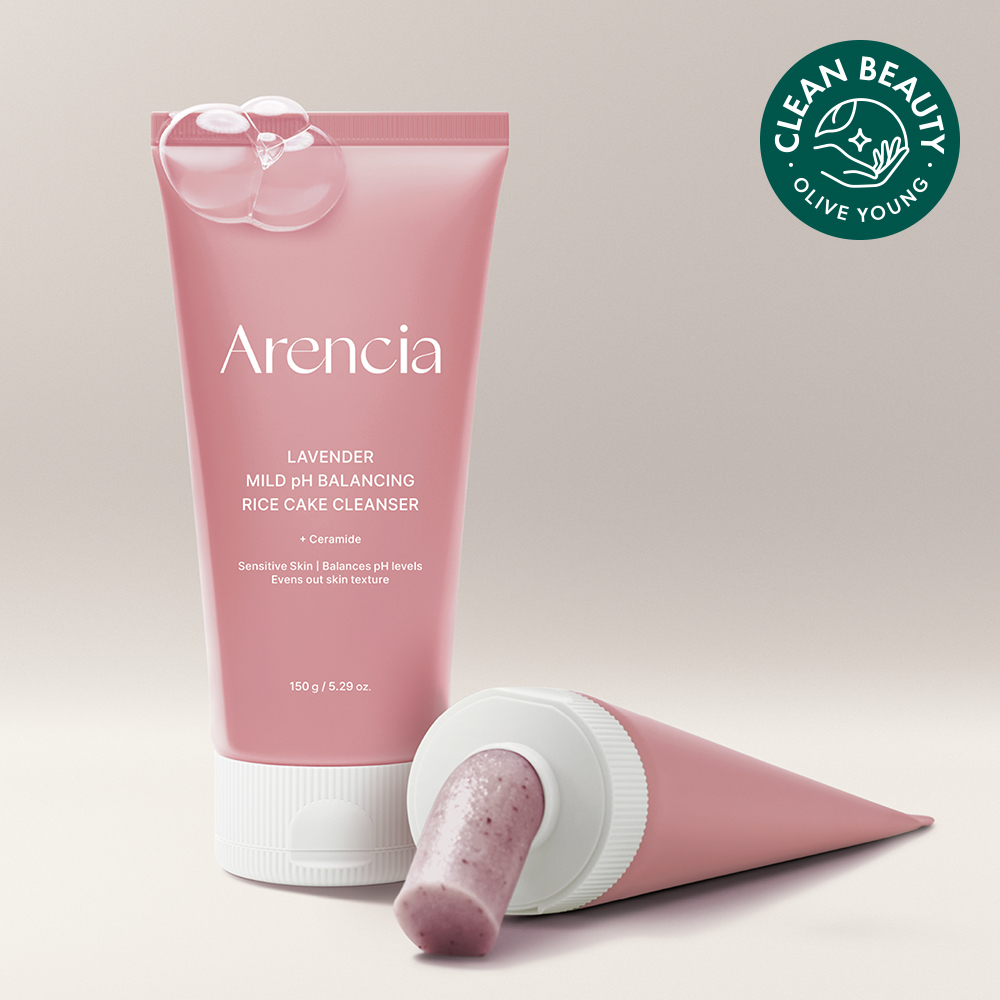
Lavender Mild pH Balancing Rice Cake Cleanser
Arencia
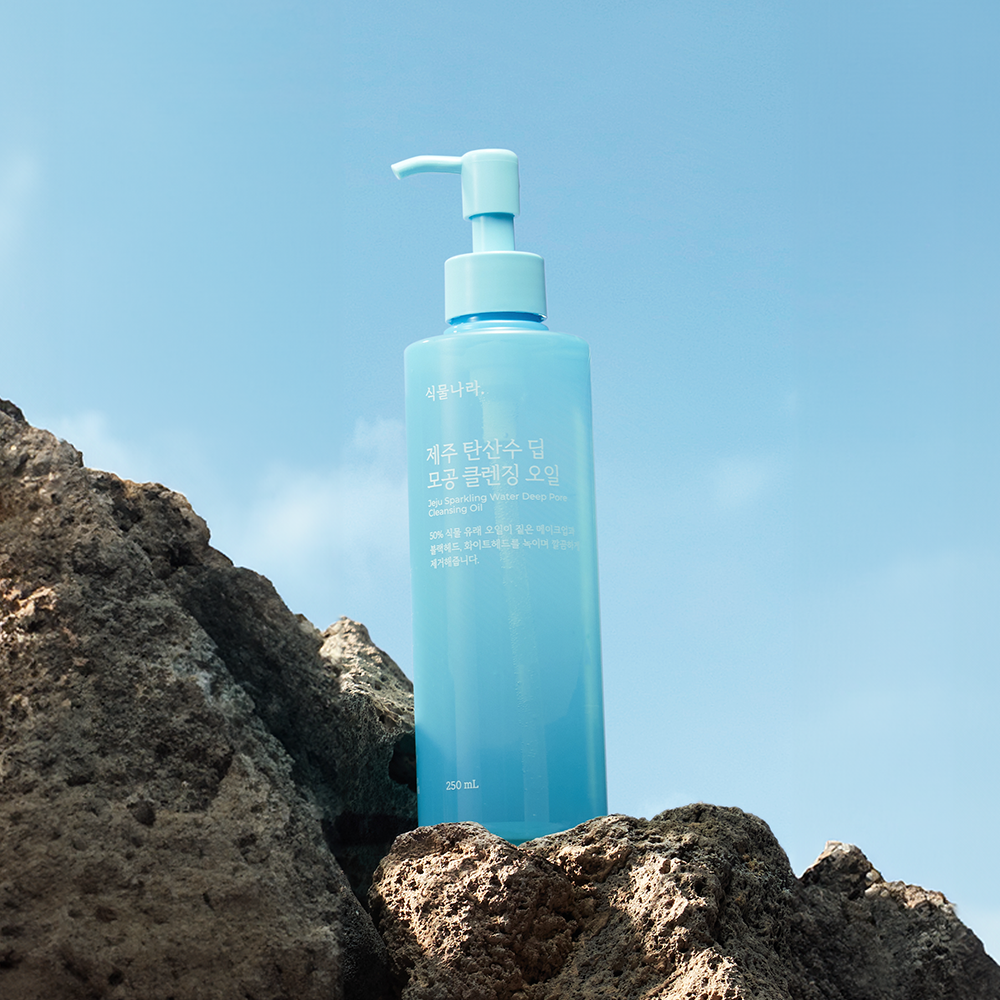
Jeju Sparkling Water Deep Pore Cleansing Oil
Shingmulnara
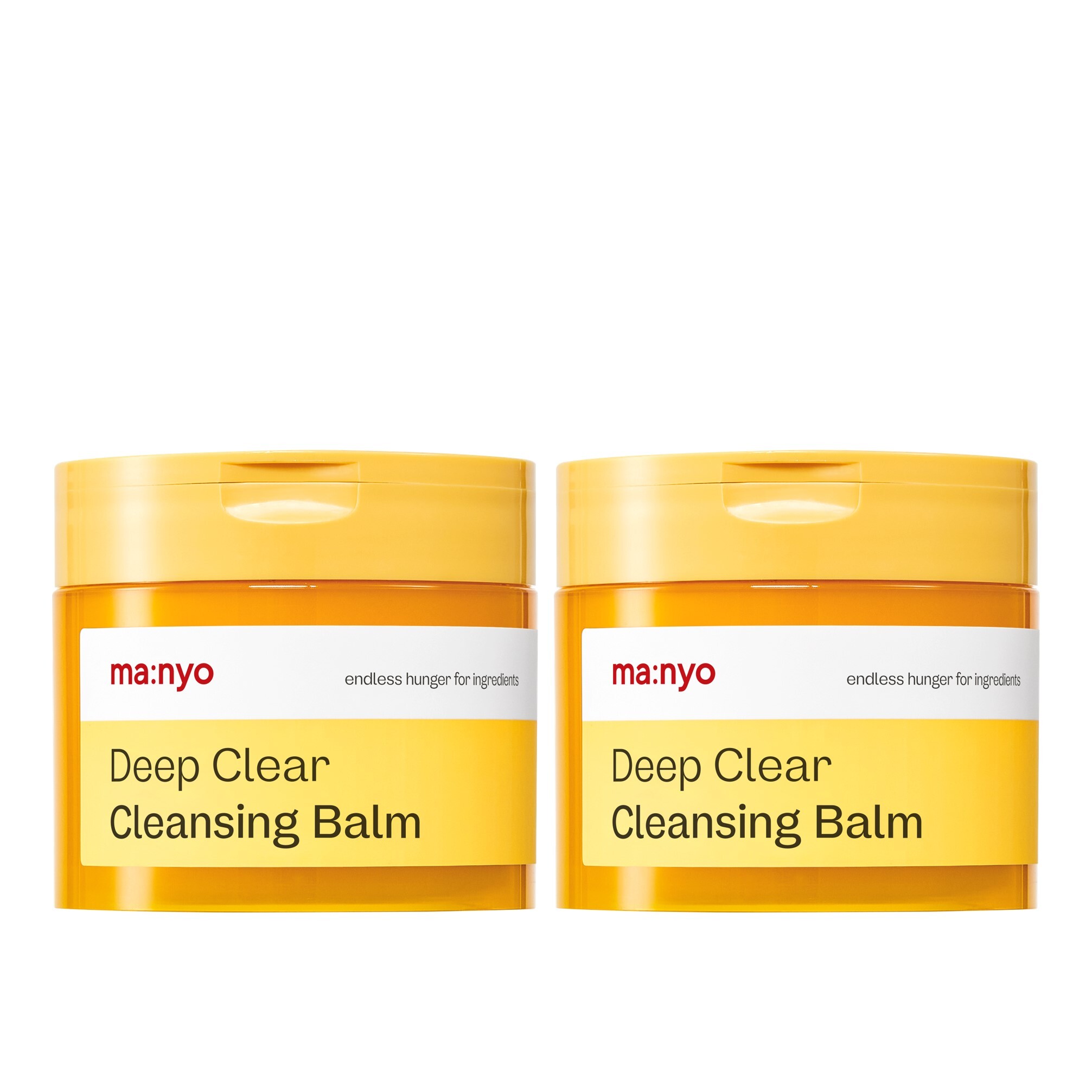
Deep Clear Cleansing Balm Double Pack
ma:nyo
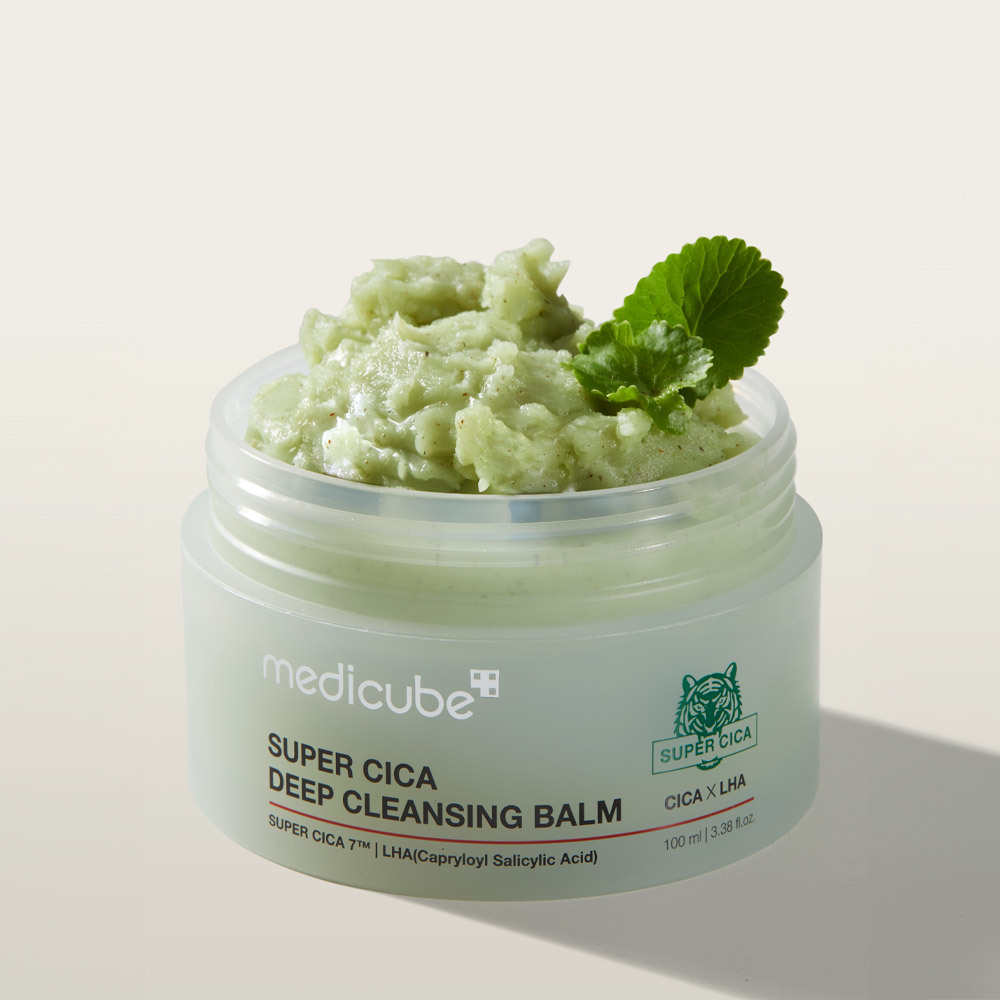
Super Cica Deep Cleansing Balm
Medicube
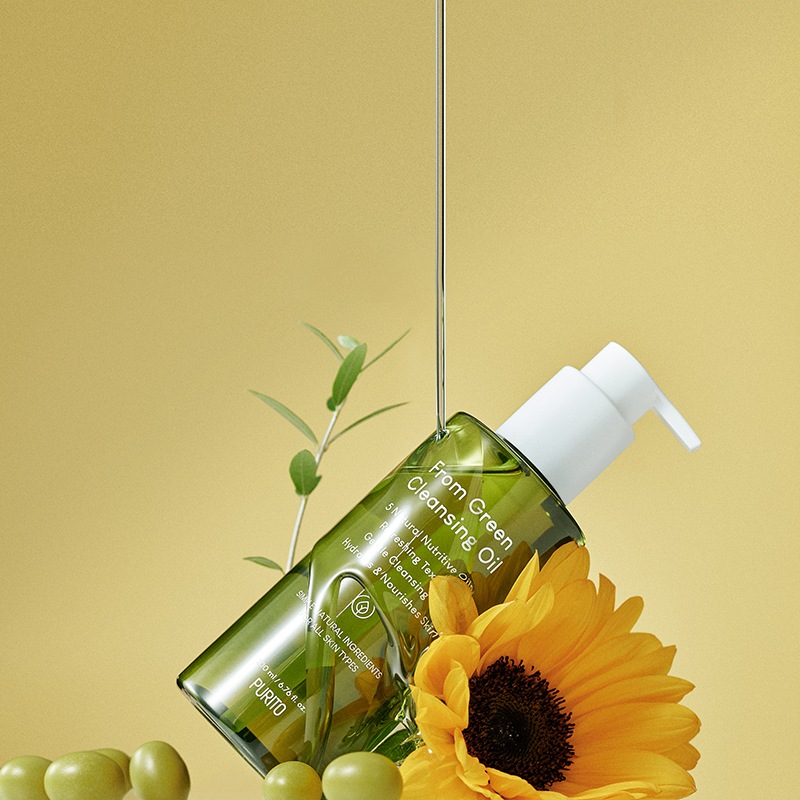
From Green Cleansing Oil
Purito Seoul
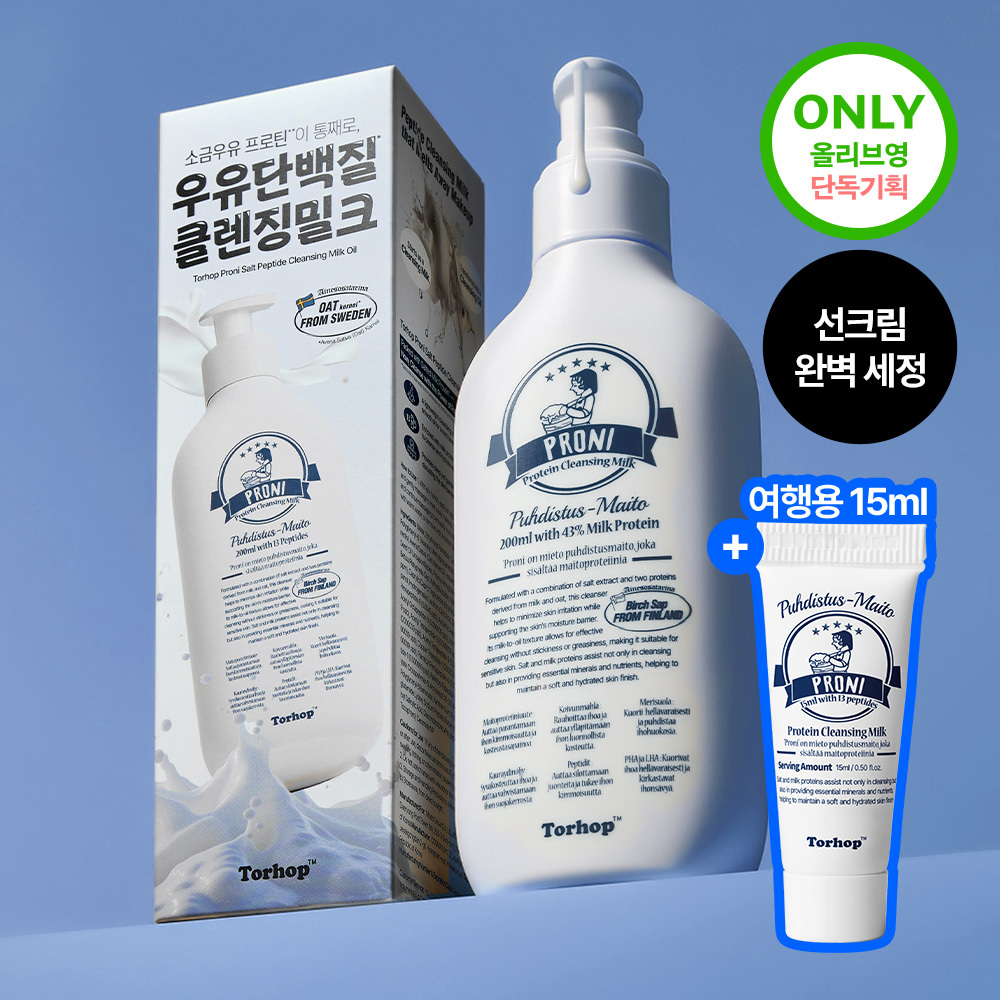
Proni Protein Cleansing Milk Set
Torhop
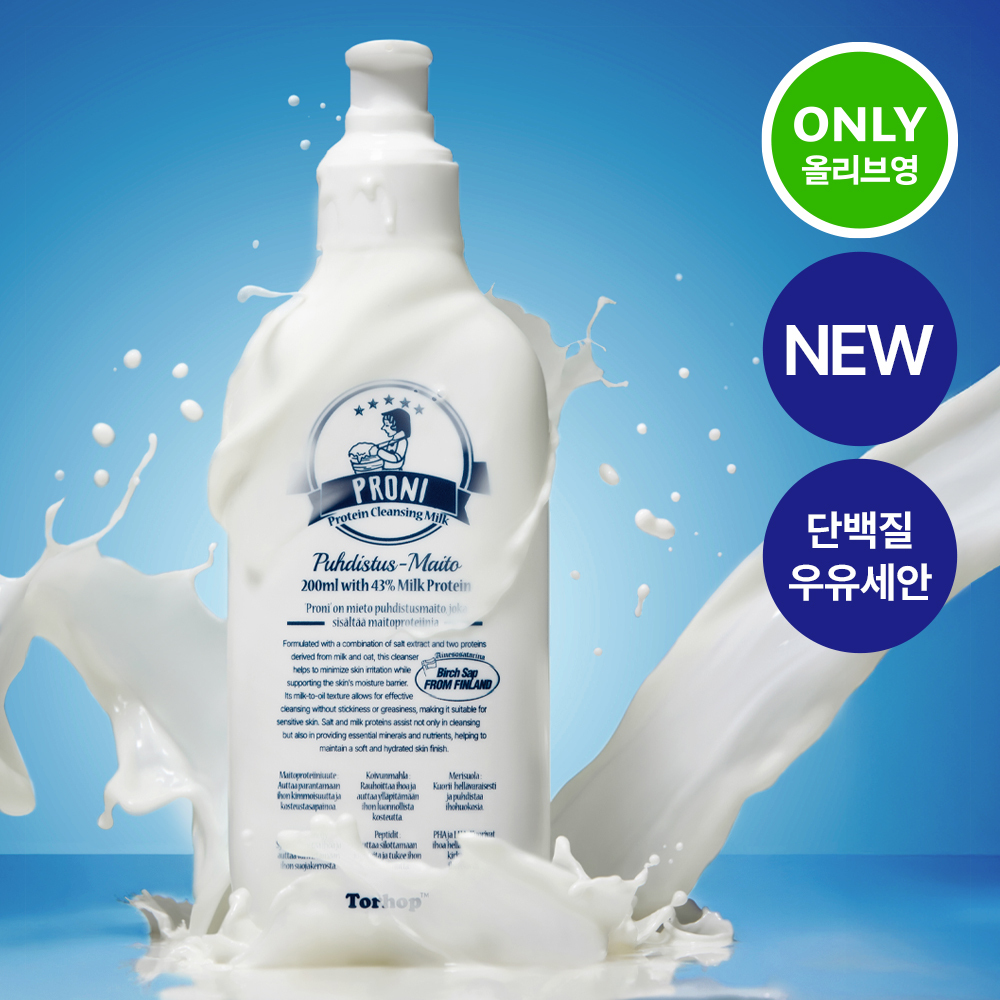
Proni Protein Cleansing Milk
Torhop
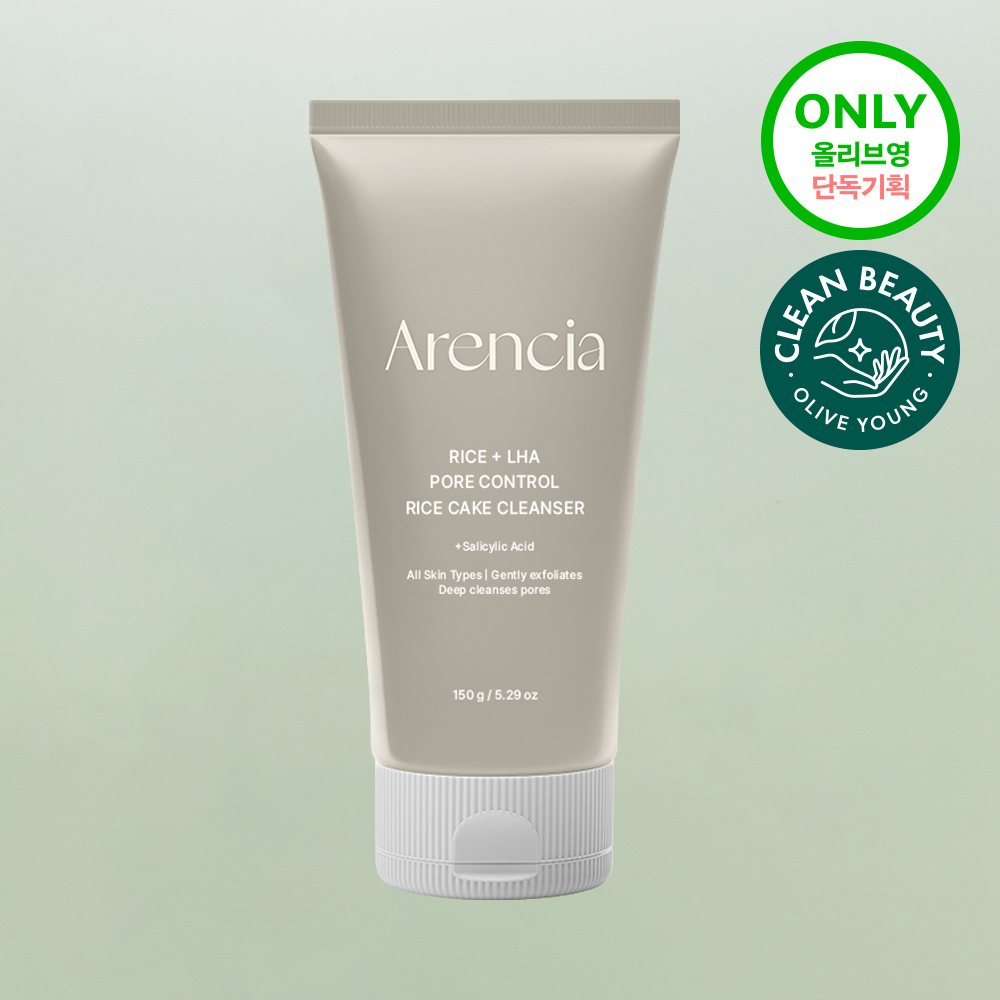
Rice + LHA Pore Control Rice Cake Cleanser
Arencia
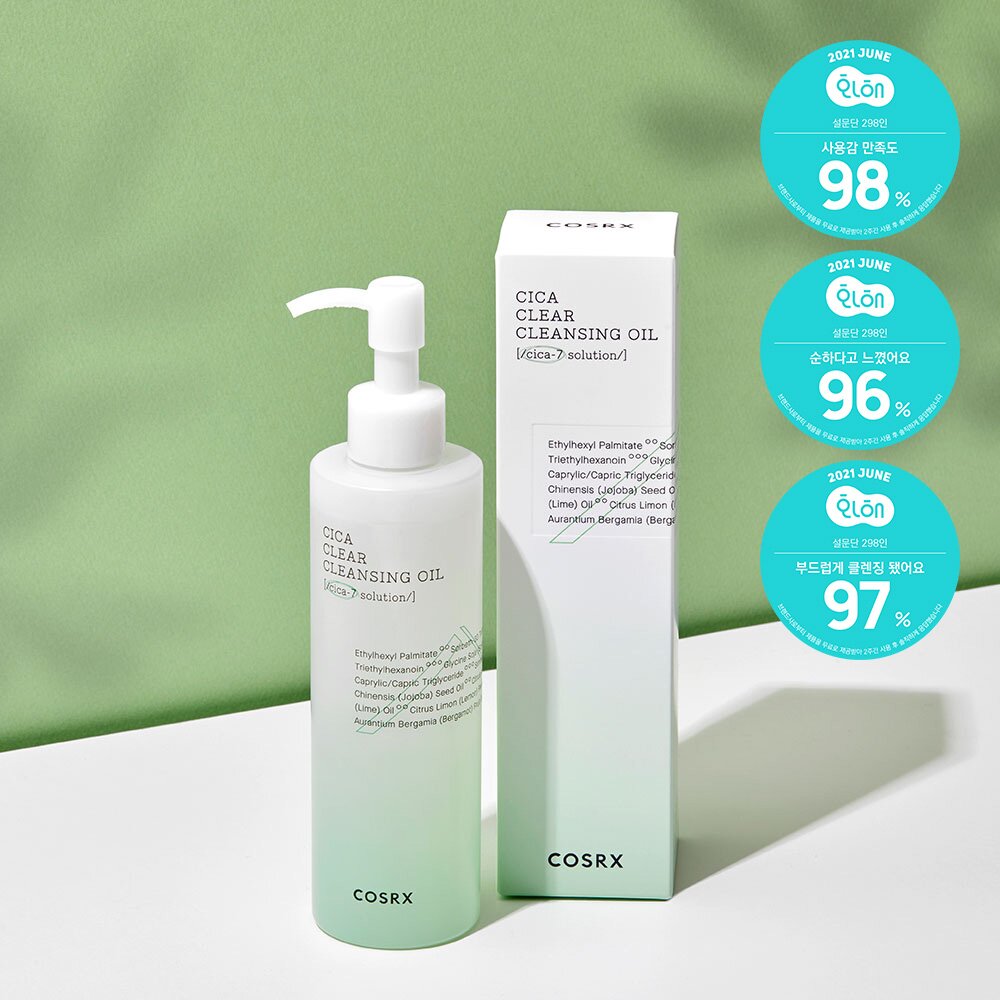
Pure Fit Cica Clear Cleansing Oil
COSRX
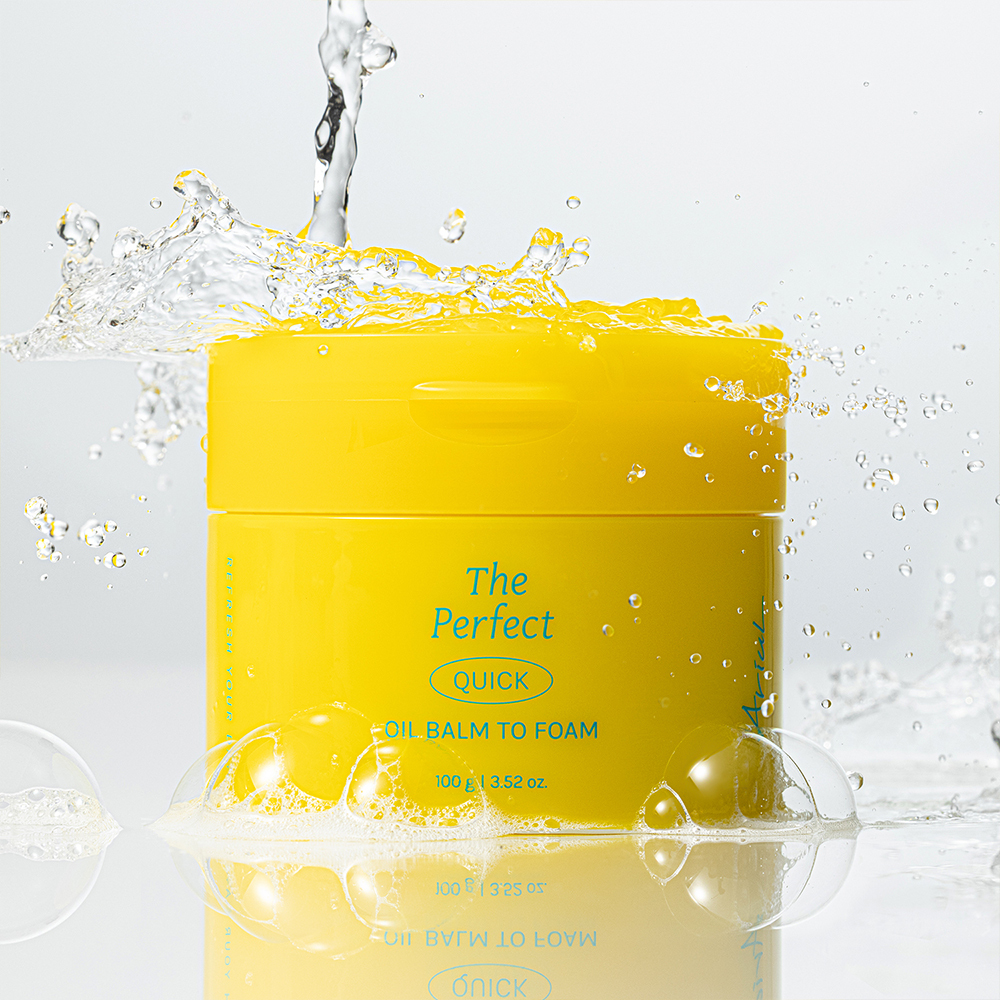
The Perfect Oil Balm To Foam
Ariul
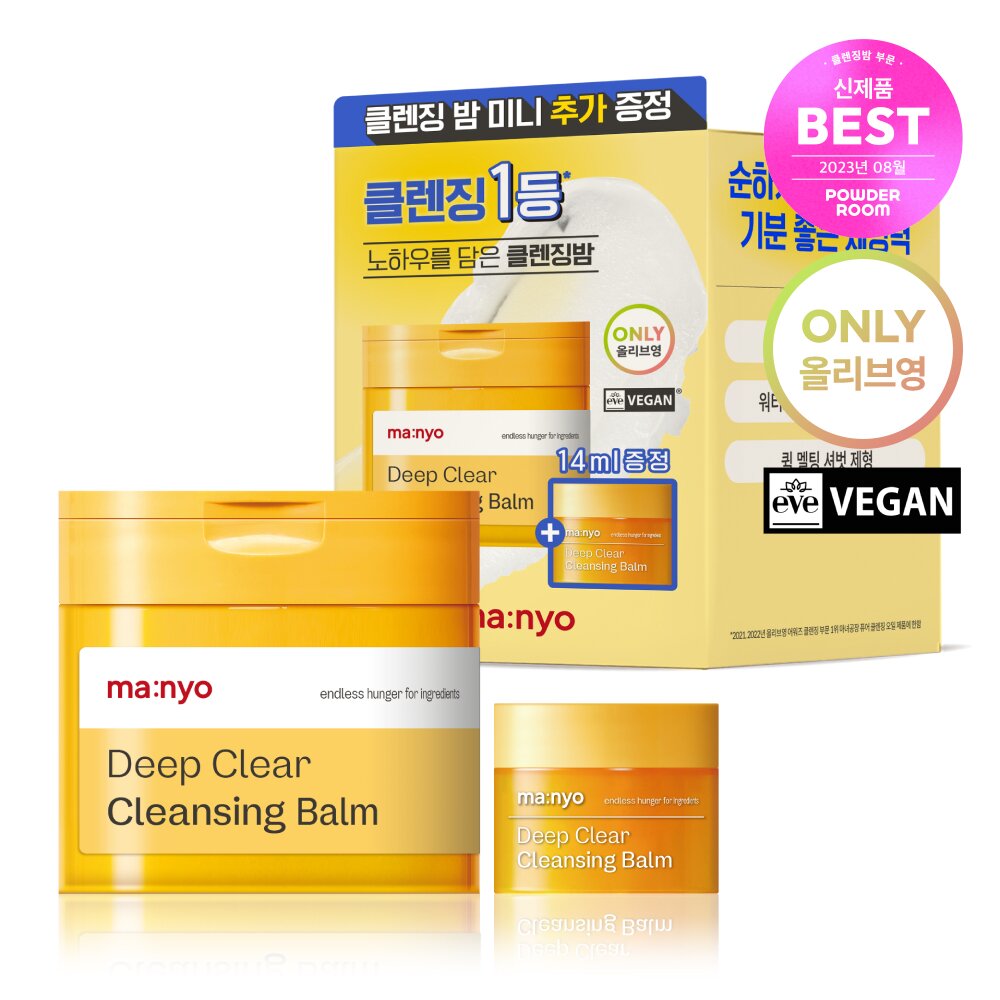
Deep Clear Cleansing Balm Special Set
ma:nyo
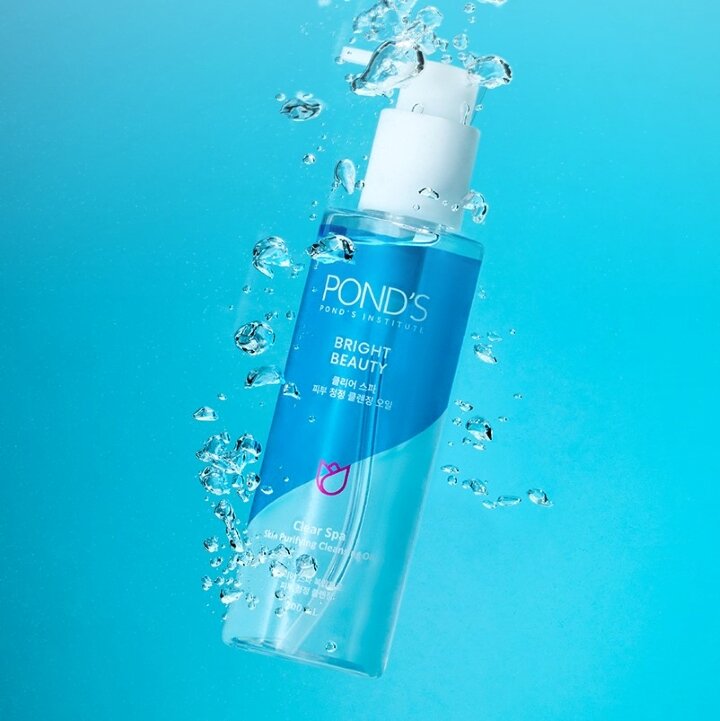
Clear Spa Skin Purifying Cleansing Oil
Pond's
Frequently Asked Questions
Will sweet almond oil break me out if I have acne-prone skin?▼
How does sweet almond oil compare to other oils used in K-beauty?▼
Can I use sweet almond oil products if I have a tree nut allergy?▼
Why do so many highly-rated K-beauty cleansers contain sweet almond oil?▼
Explore More
Want personalized ingredient advice?
Yuri, our AI beauty advisor, can tell you how Sweet Almond Oil works with your specific skin type, routine, and concerns.
Ask Yuri, free