Apple Seed Oil
INCI: Pyrus Malus (Apple) Seed Oil
Emollient and antioxidant-rich nourishing oil
About Apple Seed Oil
Apple seed oil is a lightweight botanical oil extracted from the tiny seeds found in apple cores, prized in K-beauty for its unique balance of nourishment and breathability. Unlike heavier oils that can overwhelm the skin, apple seed oil delivers essential fatty acids (primarily linoleic and oleic acid) along with vitamins A and E without leaving a greasy residue. This makes it particularly valuable in Korean formulations that prioritize the coveted "light yet effective" texture philosophy. The oil's high linoleic acid content (around 50-60%) gives it natural affinity for skin prone to sebum imbalance, as linoleic acid helps regulate oil production rather than adding to it. Beyond its emollient properties, apple seed oil contains powerful antioxidants including polyphenols and tocopherols that protect against environmental stressors and premature aging. In K-beauty products, you'll find it working across categories from serums to lip treatments, where it adds skin-compatible moisture without clogging pores. Its presence in top-rated products like Anua's Little Drops Calming Days Ampoule (5.0/5 rating) and specialty treatments like Nooni's Applebutter Lip Mask demonstrates its versatility. The oil's botanical origin also aligns with K-beauty's trend toward upcycled and sustainable ingredients, transforming what was once agricultural waste into a skin-nourishing powerhouse.
How Apple Seed Oil Works
Apple seed oil works through its unique fatty acid profile that closely mimics the lipid composition found in healthy skin barriers. The dominant linoleic acid (an omega-6 fatty acid) integrates directly into the stratum corneum, where it reinforces the lipid matrix between skin cells and helps regulate ceramide synthesis. This is particularly significant because linoleic acid deficiency is associated with inflammatory skin conditions and excess sebum production. When applied topically, the oil's oleic acid component (omega-9) enhances penetration of other beneficial compounds while providing immediate emollient effects. The vitamin E (tocopherol) content acts as a lipid-soluble antioxidant, neutralizing free radicals before they can damage cell membranes and trigger inflammatory cascades. Apple seed oil's polyphenols, including quercetin derivatives carried over from the apple fruit, provide additional protection against oxidative stress and UV-induced damage. The oil's molecular structure allows it to absorb relatively quickly compared to heavier oils, delivering nutrients to the epidermis without creating an occlusive barrier that might trap heat or bacteria. This fast absorption combined with skin-identical lipids makes it effective for both immediate comfort and long-term barrier repair.
Apple Seed Oil by Skin Type
Oily Skin
Apple seed oil can be beneficial for oily skin due to its high linoleic acid content, which research suggests helps regulate sebum production rather than adding greasiness. Its lightweight texture absorbs quickly without leaving a heavy film, making it suitable for layering in K-beauty routines. However, the 2/5 comedogenic rating means some individuals with extremely oily or acne-prone skin should patch test first, particularly if prone to closed comedones.
Dry Skin
This is where apple seed oil truly shines, delivering essential fatty acids that repair compromised lipid barriers while its vitamin E content prevents moisture loss. Products like KLAVUU's Nourishing Care Lip Sleeping Pack (4.9/5) demonstrate its effectiveness for extremely dry areas, providing lasting hydration without the sticky feeling of petroleum-based alternatives. The oil's emollient properties create suppleness and reduce the appearance of dry flaking or tightness.
Combo Skin
Combination skin types benefit from apple seed oil's balanced fatty acid profile that can address both dry patches and oily zones without aggravating either. Its linoleic acid helps normalize sebum in the T-zone while oleic acid nourishes drier cheek areas. The oil's fast absorption means it won't sit heavily on already-oily areas, making it ideal for the multi-concern approach that combination skin requires.
Sensitive Skin
Apple seed oil's gentle, skin-compatible composition makes it generally well-tolerated by sensitive skin, with its presence in calming products like Anua's Green Finger Forest Phyton Hydra Cica Serum Toner (5.0/5) supporting this profile. The antioxidants help neutralize inflammatory triggers while the fatty acids support barrier integrity, which is often compromised in sensitive skin. That said, individuals with apple allergies should approach cautiously, though the refined oil typically contains minimal allergenic proteins.
Normal Skin
Normal skin can use apple seed oil as a maintenance ingredient to preserve its balanced state and protect against environmental damage. The oil provides just enough nourishment to keep skin comfortable without disrupting the natural sebum equilibrium. It works excellently in preventative anti-aging routines, where its antioxidants offer daily protection without heaviness, as evidenced by its inclusion in well-rounded products like Cure's Intensive 2X Cream (5.0/5).
How to Use Apple Seed Oil
- 1Layer apple seed oil products after water-based essences and before heavier creams to maximize absorption and allow the fatty acids to integrate into your skin barrier most effectively.
- 2For targeted dryness on lips or cuticles, products with apple seed oil (like lip masks) work best when applied before bed, giving the oil hours to penetrate and repair without interference from eating or drinking.
- 3If you have combination skin, consider using apple seed oil products only on dry zones during summer months, but feel free to apply all over during winter when even oily areas need more lipid support.
- 4When introducing apple seed oil for the first time, patch test for 48 hours if you have known apple allergies, even though refined oils rarely cause reactions, better to confirm your skin's response on a small area first.
Background
Apple seed oil emerged from the zero-waste movement in skincare, as cosmetic chemists sought valuable uses for the millions of tons of apple pomace (leftover pulp and seeds) generated annually by juice and cider industries. While apples themselves have been used in traditional beauty treatments for centuries, from Cleopatra's rumored apple cider vinegar rinses to European folk remedies, the concentrated seed oil is a relatively modern extraction. Cold-pressing technology developed in the early 2000s made it economically viable to harvest oil from the tiny seeds, each apple core yielding only drops of the precious oil. Korean beauty brands embraced apple seed oil around 2015-2018 as part of the broader trend toward upcycled and sustainably sourced botanicals. Its compatibility with the lightweight, layerable texture preferences of K-beauty routines, combined with Korea's own apple agriculture (particularly in regions like Chungju), made it a natural fit for domestic formulations focused on barrier care and gentle nourishment.
K-Beauty Products with Apple Seed Oil
View all 29 →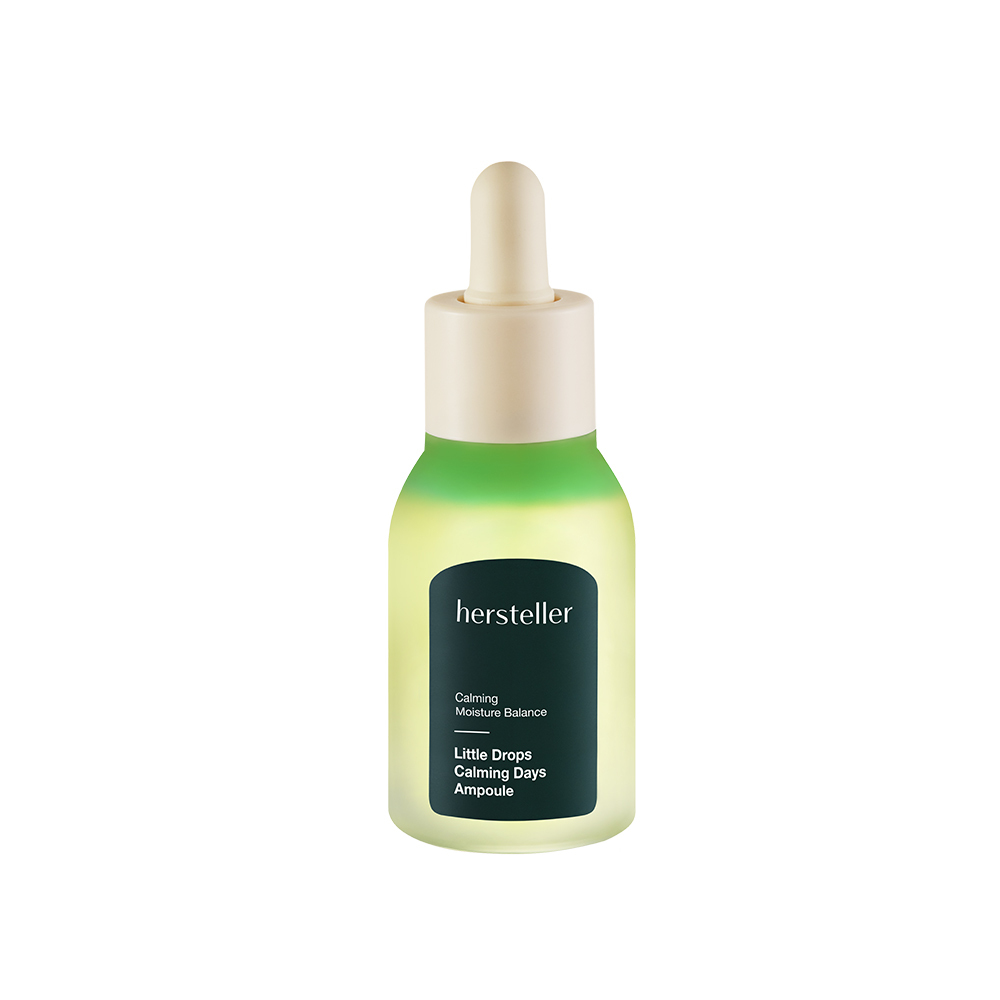
Little Drops Calming Days Ampoule
Anua
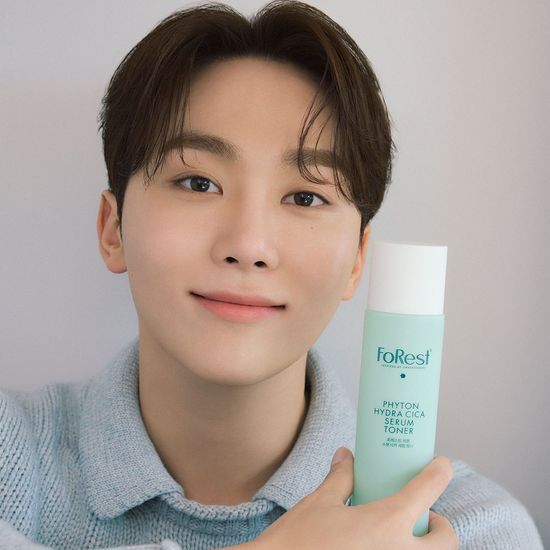
Green Finger Forest Phyton Hydra Cica Serum Toner
Anua
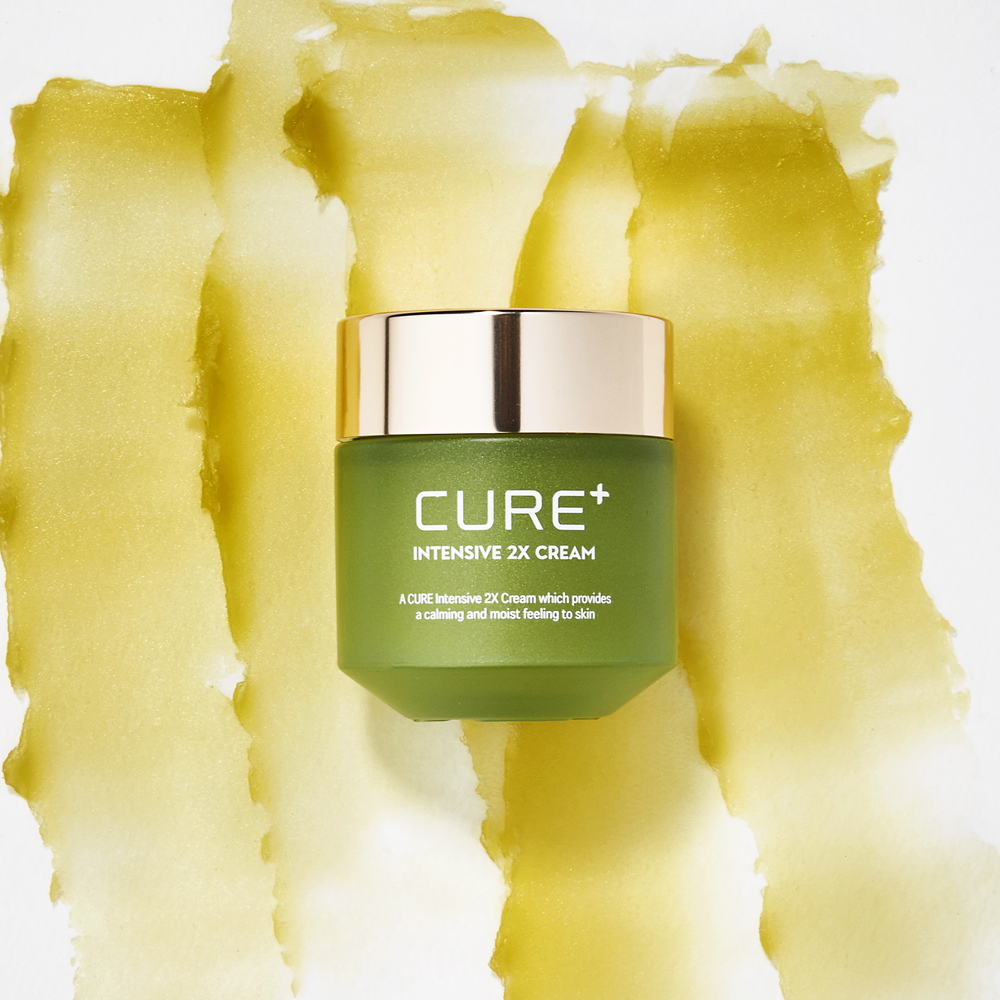
Intensive 2X Cream
Cure
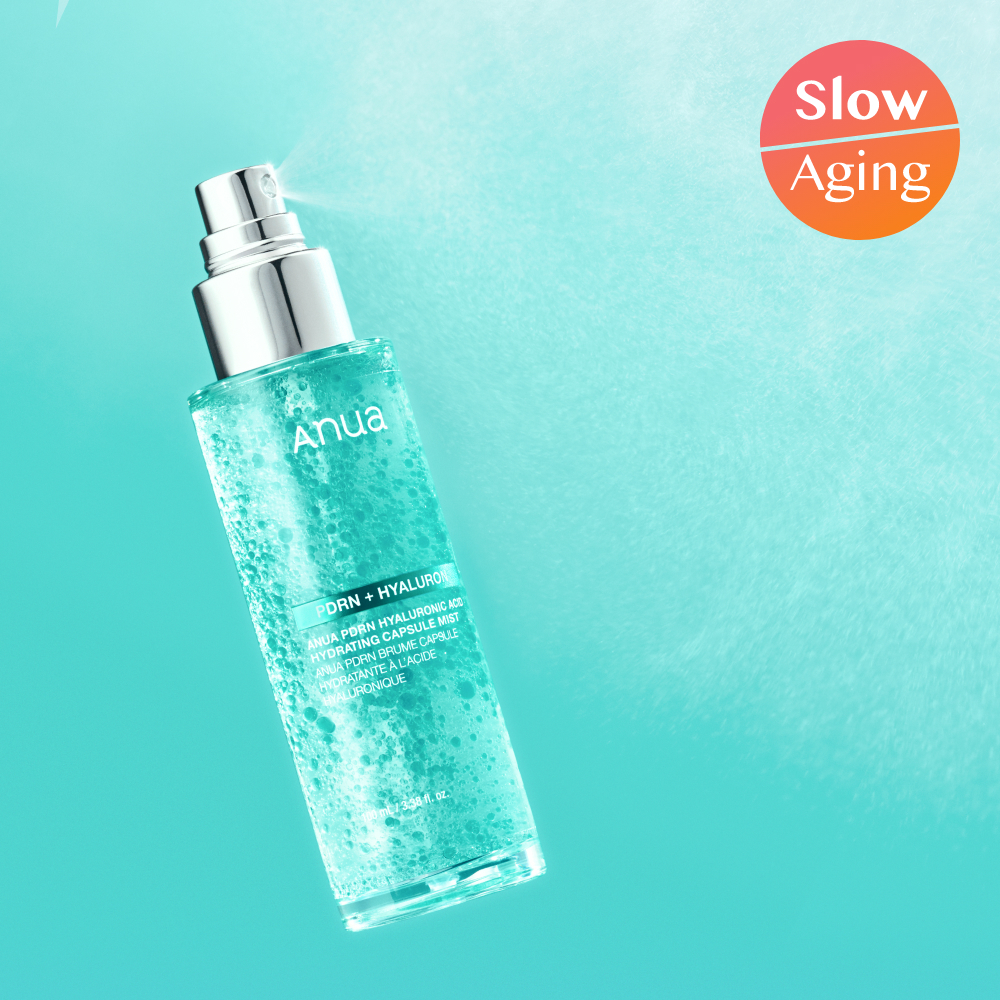
PDRN Hyaluronic Acid Hydrating Capsule Mist
Anua
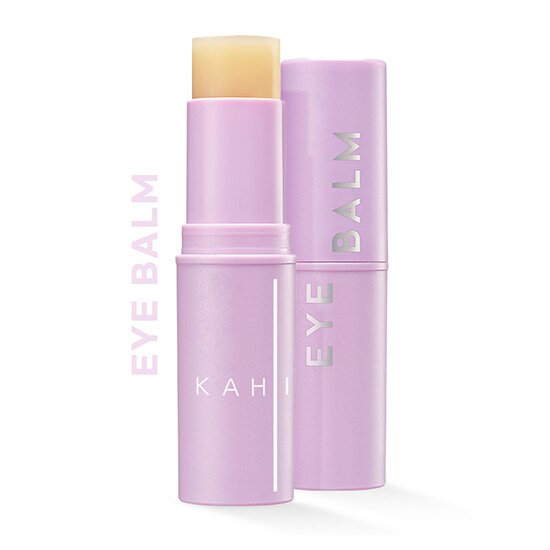
Eye Balm
KAHI
Multi Balm Refill Kit
KAHI
Multi Balm Refill Pack
KAHI
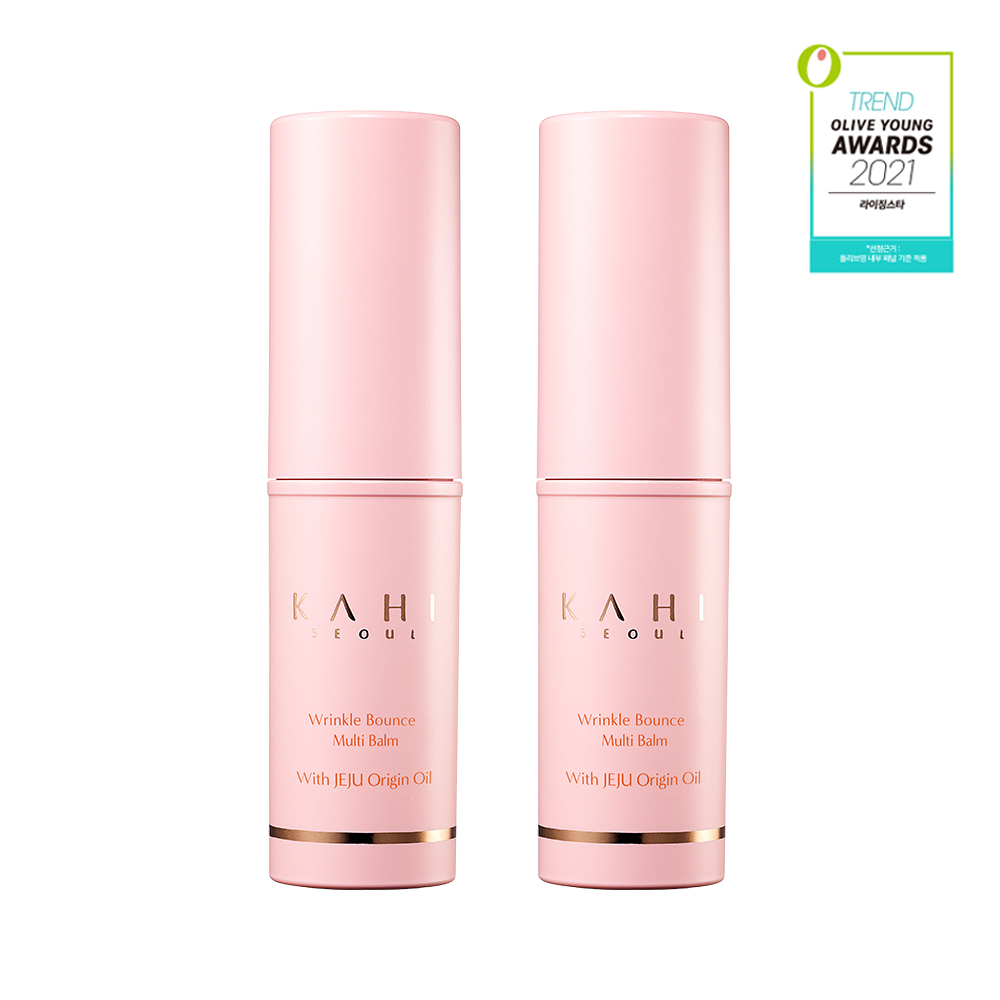
Multi Balm Duo
KAHI
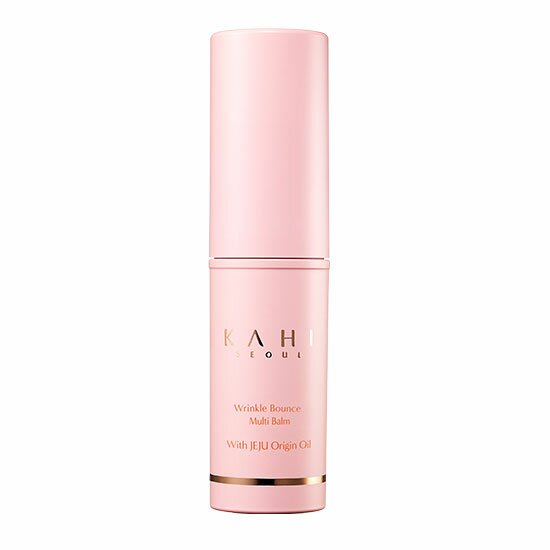
Multi Balm
KAHI
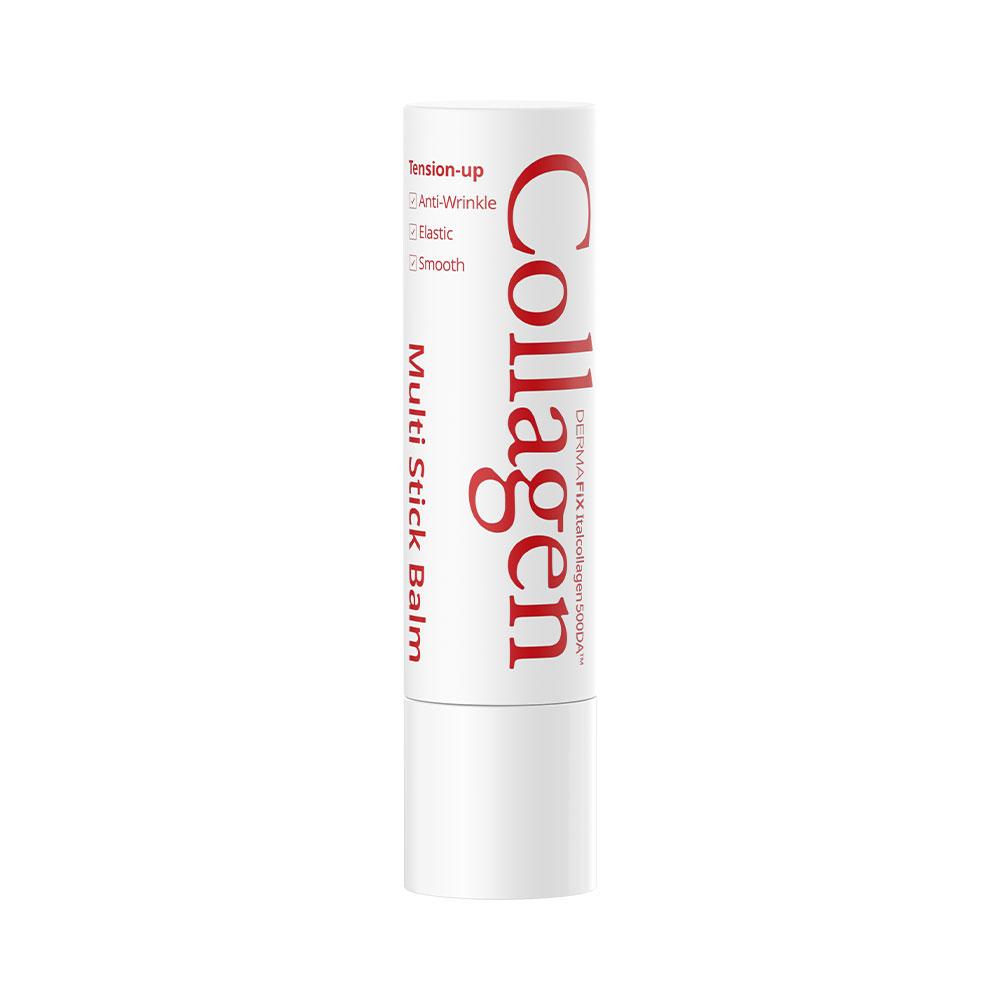
Real Collagen Tension Up Multi Stick Balm
Dermafix
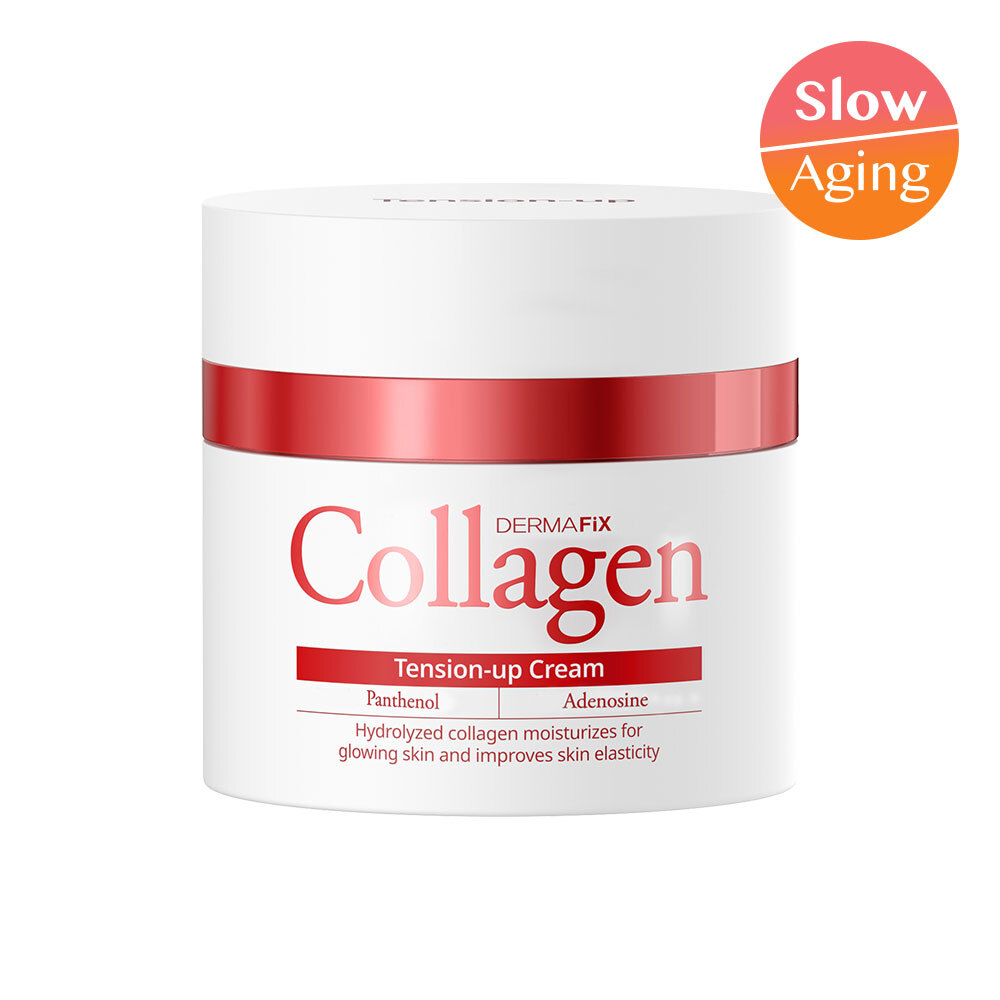
Real Collagen Tension-Up Cream
Dermafix

Skin Booster MTS Ampoule
Easydew
Frequently Asked Questions
Is apple seed oil safe to use even though apple seeds contain cyanide?▼
Will apple seed oil clog my pores if I'm acne-prone?▼
Why do top-rated products like Anua serums use apple seed oil instead of more popular oils?▼
Can I use apple seed oil products if I have a tree nut allergy?▼
How does apple seed oil compare to rosehip or argan oil in K-beauty formulas?▼
Explore More
Want personalized ingredient advice?
Yuri, our AI beauty advisor, can tell you how Apple Seed Oil works with your specific skin type, routine, and concerns.
Ask Yuri, free