Quercetin
Antioxidant and anti-inflammatory flavonoid
About Quercetin
Quercetin is a powerful plant-derived flavonoid found naturally in foods like apples, onions, and green tea. In K-beauty formulations, it functions as both a potent antioxidant and an anti-inflammatory agent, making it a key player in anti-aging and skin barrier protection products. This ingredient has gained prominence in premium K-beauty lines because of its ability to neutralize free radicals that cause premature aging while simultaneously calming irritated skin. What makes quercetin particularly interesting is its dual action: it doesn't just defend against environmental damage, it actively supports skin's natural repair processes. Korean brands have embraced quercetin in their high-end formulations, often pairing it with other botanical actives to create synergistic effects. With a non-comedogenic rating of 0/5, it won't clog pores, making it suitable for all skin types. The ingredient appears in 42 K-beauty products on Seoul Sister, frequently in luxury serums and treatment masks where its anti-aging and protective benefits can shine. Brands like The Whoo have made it a cornerstone of their royal-inspired formulations, combining traditional Korean herbal medicine wisdom with modern flavonoid science.
How Quercetin Works
At the molecular level, quercetin works by donating electrons to unstable free radicals, effectively neutralizing them before they can damage cellular structures like collagen and elastin fibers. This antioxidant mechanism helps prevent oxidative stress, which is responsible for visible signs of aging like fine lines and loss of firmness. Beyond its antioxidant properties, quercetin inhibits inflammatory pathways in skin cells by suppressing the production of pro-inflammatory cytokines and enzymes like cyclooxygenase. This is why it's effective at calming redness and reducing sensitivity. Quercetin also demonstrates an ability to stabilize mast cells, which are responsible for releasing histamine during allergic responses, making it particularly valuable for reactive skin types. Additionally, research suggests quercetin can inhibit tyrosinase activity, the enzyme responsible for melanin production, potentially offering mild brightening effects over time. Its small molecular structure allows for decent penetration into the epidermis, where it can exert these protective and reparative effects at the cellular level.
Quercetin by Skin Type
Oily Skin
Quercetin works well for oily skin thanks to its zero comedogenic rating and anti-inflammatory properties. It helps calm the inflammation often associated with acne-prone skin without adding heaviness or contributing to breakouts. The antioxidant protection also helps shield skin from pollution and environmental stressors that can trigger excess sebum production.
Dry Skin
For dry skin, quercetin provides critical antioxidant defense that protects compromised skin barriers from further damage. Its anti-inflammatory action helps soothe the irritation and sensitivity that often accompanies dryness. When formulated in rich serums and masks like those from The Whoo, it works synergistically with hydrating ingredients to support barrier repair.
Combo Skin
Combination skin benefits from quercetin's balanced approach to skin health. It provides antioxidant protection across all zones without disrupting oil balance, and its non-comedogenic nature means it won't cause congestion in oily T-zone areas. The anti-inflammatory benefits help even out skin texture and tone across different facial zones.
Sensitive Skin
Quercetin is particularly well-suited for sensitive skin due to its ability to calm inflammatory responses and stabilize mast cells. This makes it effective at reducing redness, reactivity, and discomfort without causing irritation itself. Its gentle yet effective nature explains why it appears in many luxury Korean formulations designed for delicate skin.
Normal Skin
Normal skin types can use quercetin as a preventative measure against premature aging and environmental damage. It maintains skin's healthy status by protecting against oxidative stress and supporting natural repair processes. The ingredient helps preserve skin's youthful appearance without causing imbalance or sensitivity.
How to Use Quercetin
- 1Layer quercetin products under sunscreen in the morning for enhanced antioxidant protection against UV-induced free radicals and pollution
- 2Pair with vitamin C or other antioxidants for synergistic effects, but introduce gradually if you have sensitive skin
- 3Apply quercetin serums to damp skin to improve absorption and maximize its anti-inflammatory benefits
- 4Use consistently for at least 8-12 weeks to see visible improvements in skin firmness and reduction in inflammation
Background
Quercetin has been used in traditional medicine for centuries, appearing in remedies across Chinese, Korean, and European herbal practices long before scientists isolated and identified it in the 1850s. The name comes from the Latin word 'quercetum,' meaning oak forest, as it was first extracted from oak bark. In Korean traditional medicine, quercetin-rich plants like onions and certain flowers were used to treat inflammation and support overall wellness. Modern K-beauty brands, particularly luxury houses like The Whoo, have revived this ancient wisdom by incorporating quercetin into cutting-edge formulations that blend hanbang (traditional Korean herbal medicine) principles with contemporary skincare science. The ingredient gained serious traction in K-beauty during the 2010s as the industry shifted focus toward antioxidant-rich, anti-pollution formulations designed to combat urban environmental stressors.
K-Beauty Products with Quercetin
View all 46 →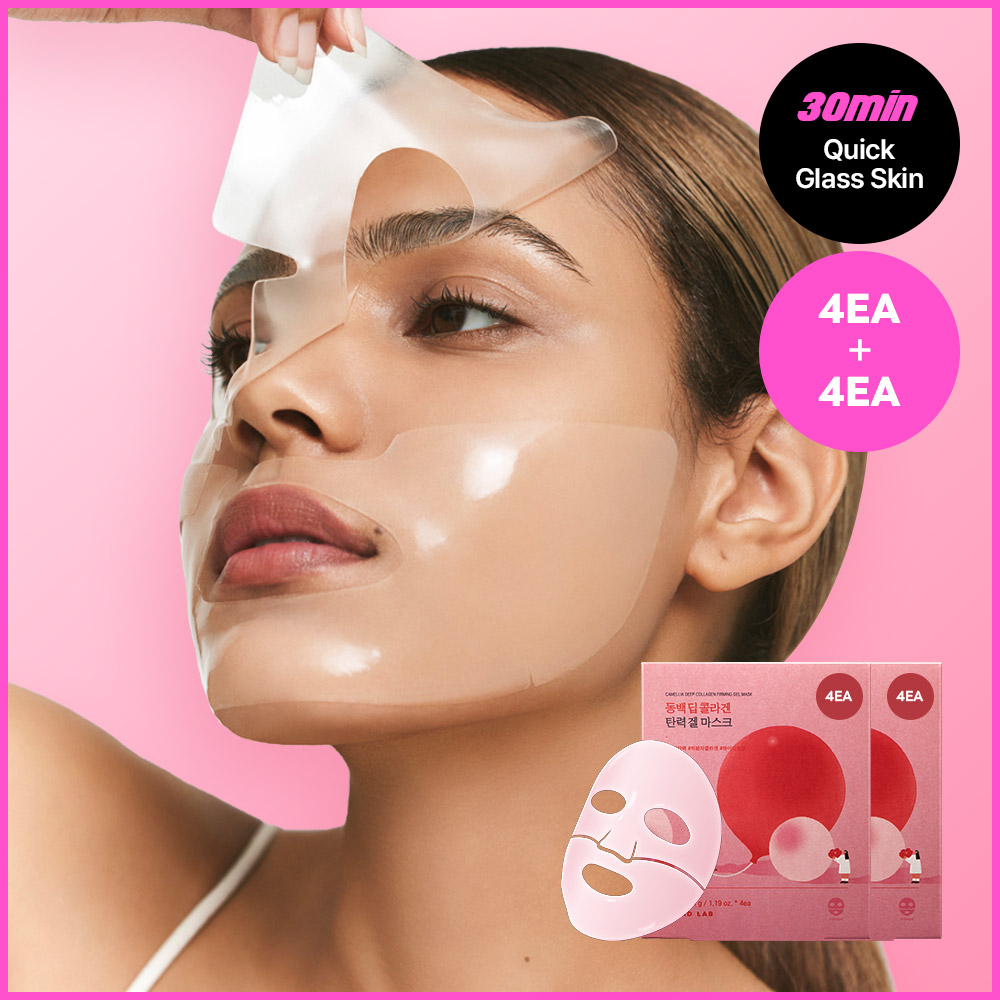
Camellia Deep Collagen Firming Gel Mask Sheet
Round Lab
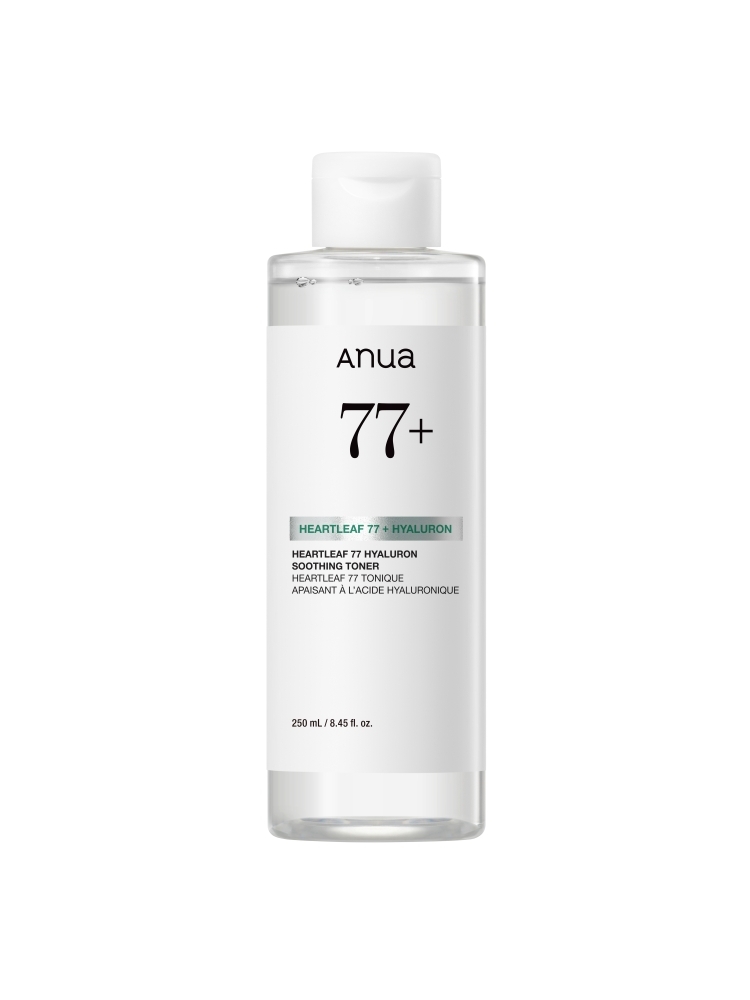
Heartleaf 77 Hyaluron Soothing Toner Double Pack
Anua
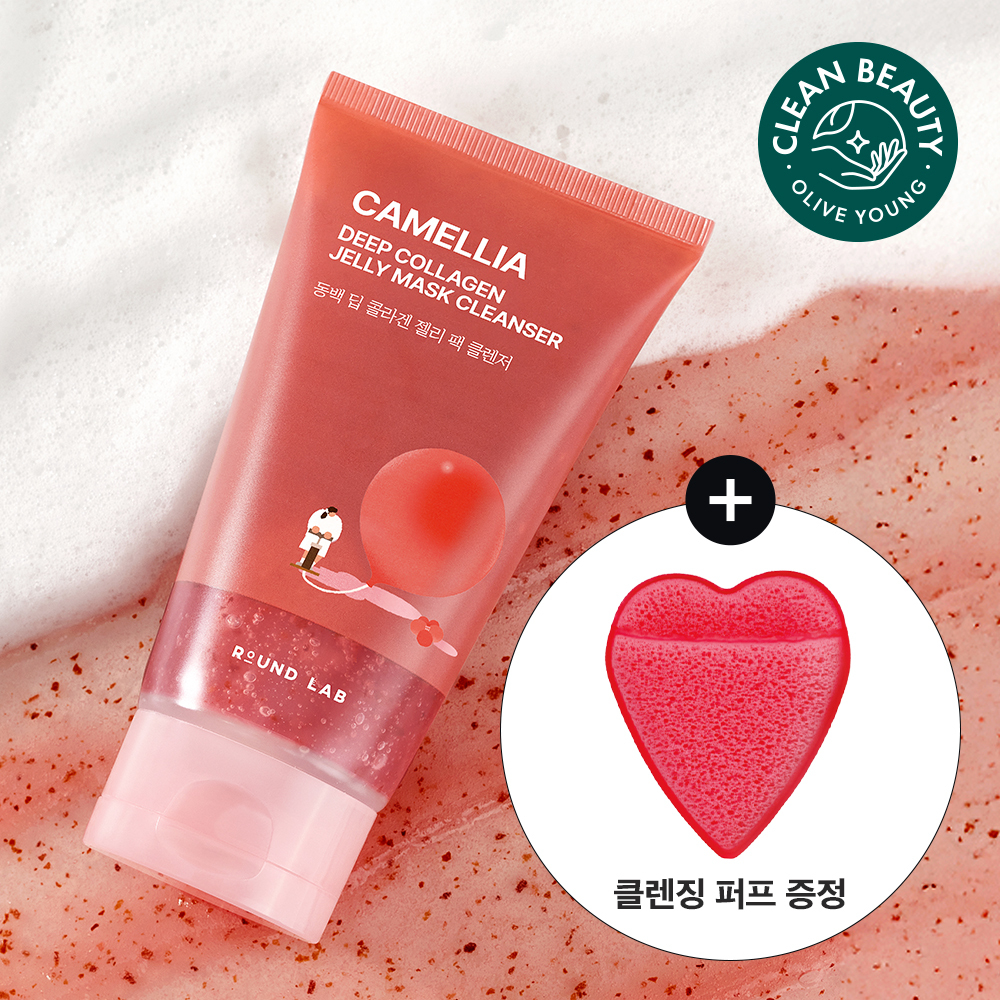
Camellia Deep Collagen Jelly Mask Cleanser
Round Lab

Bichup Ultimate Recovery Youth Serum Discovery Set
The Whoo
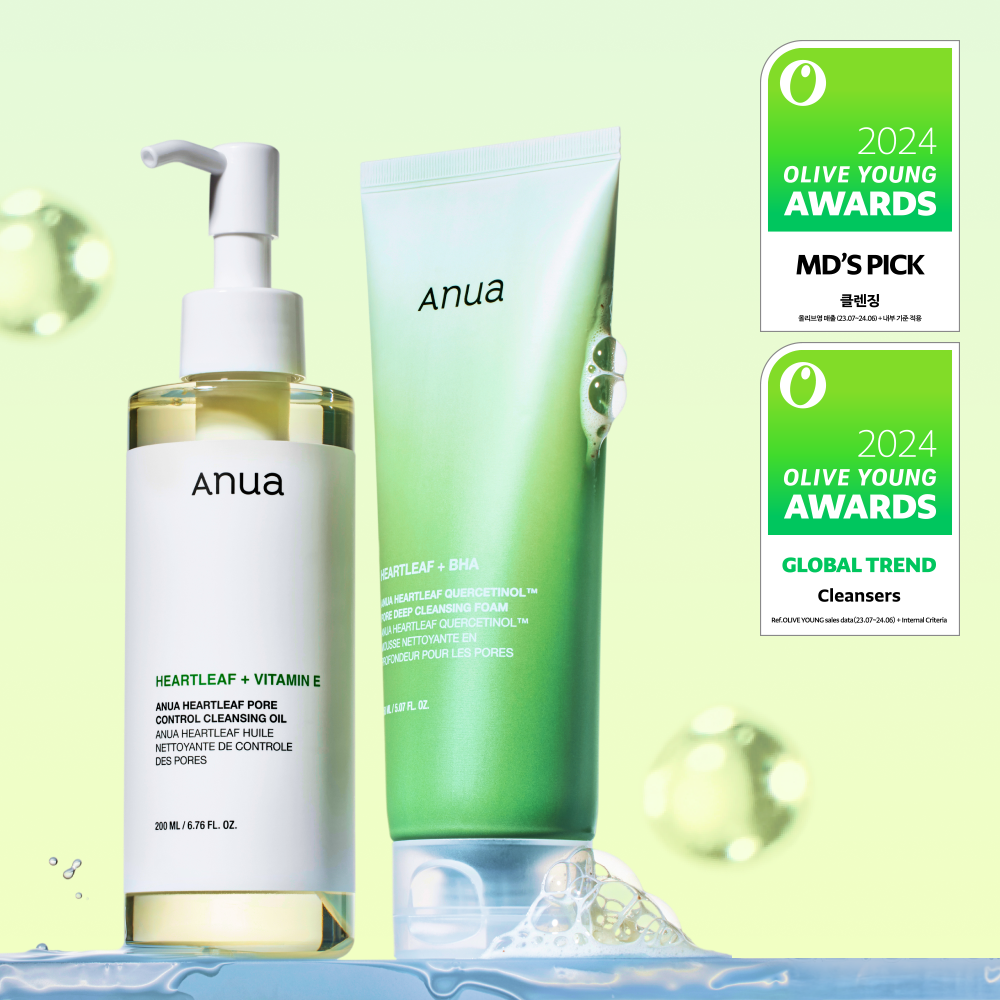
Heartleaf Double Cleansing Set
Anua
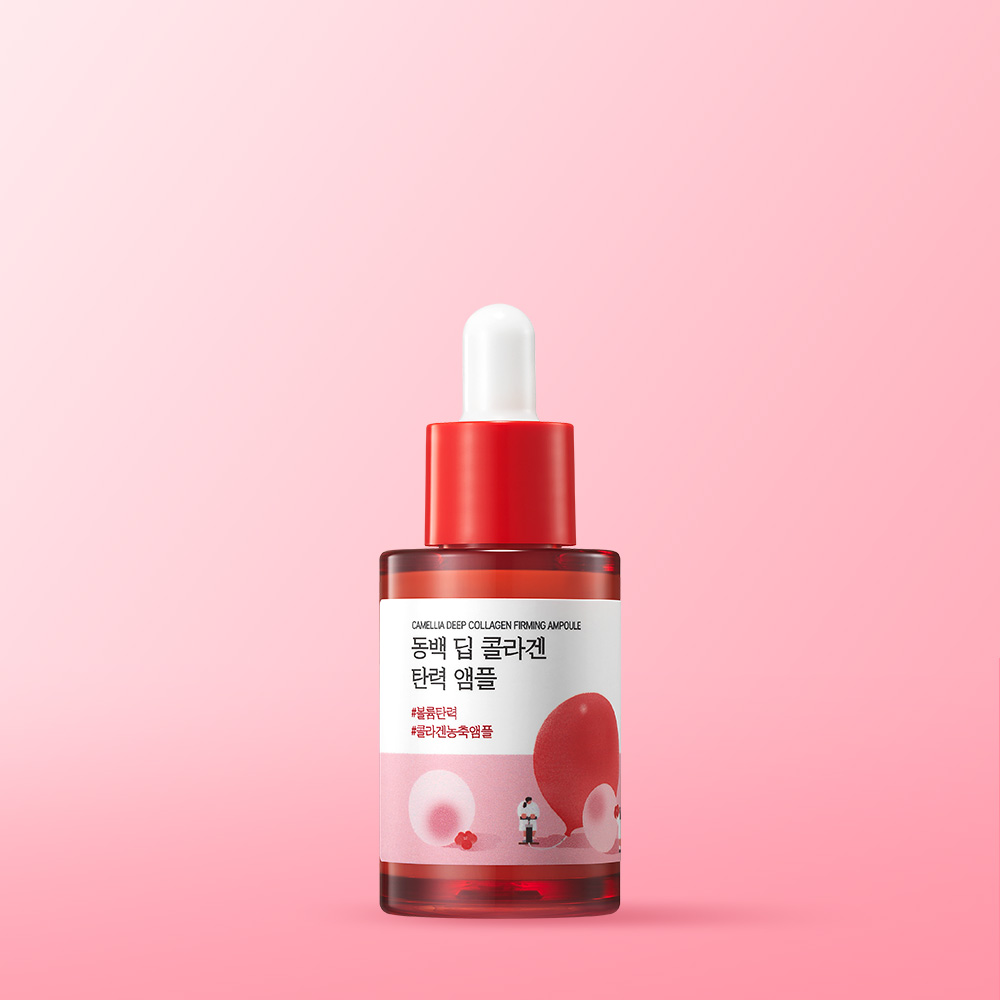
Camellia Deep Collagen Firming Ampoule
Round Lab
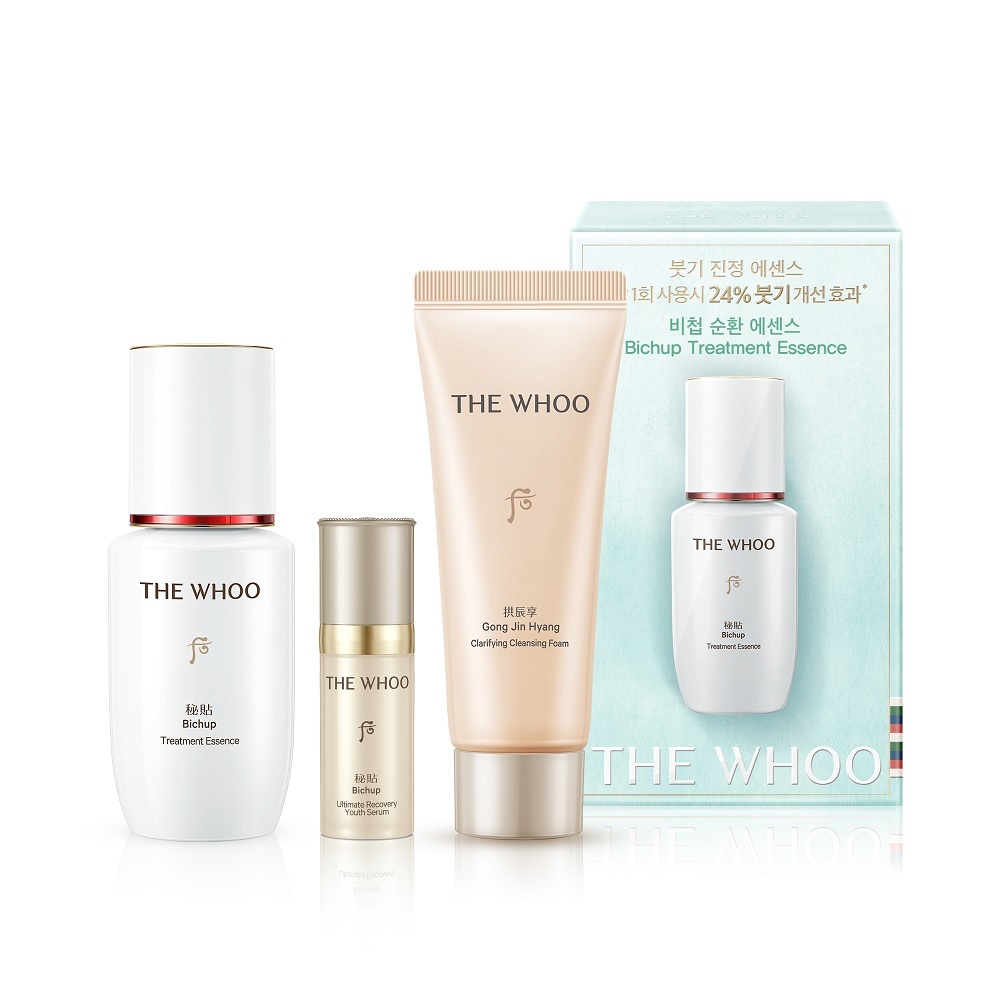
Bichup Treatment Essence 30ml Set
The Whoo
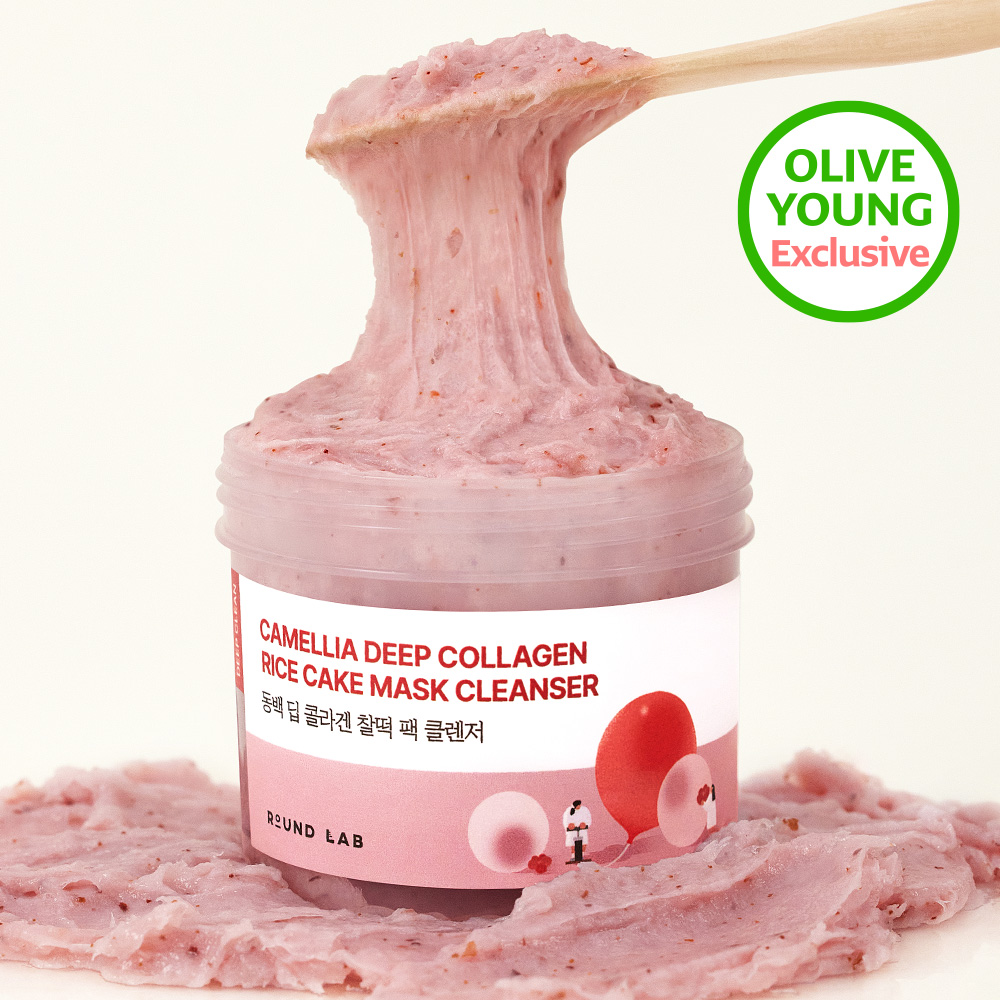
Camellia Deep Collagen Rice Cake Mask Cleanser
Round Lab
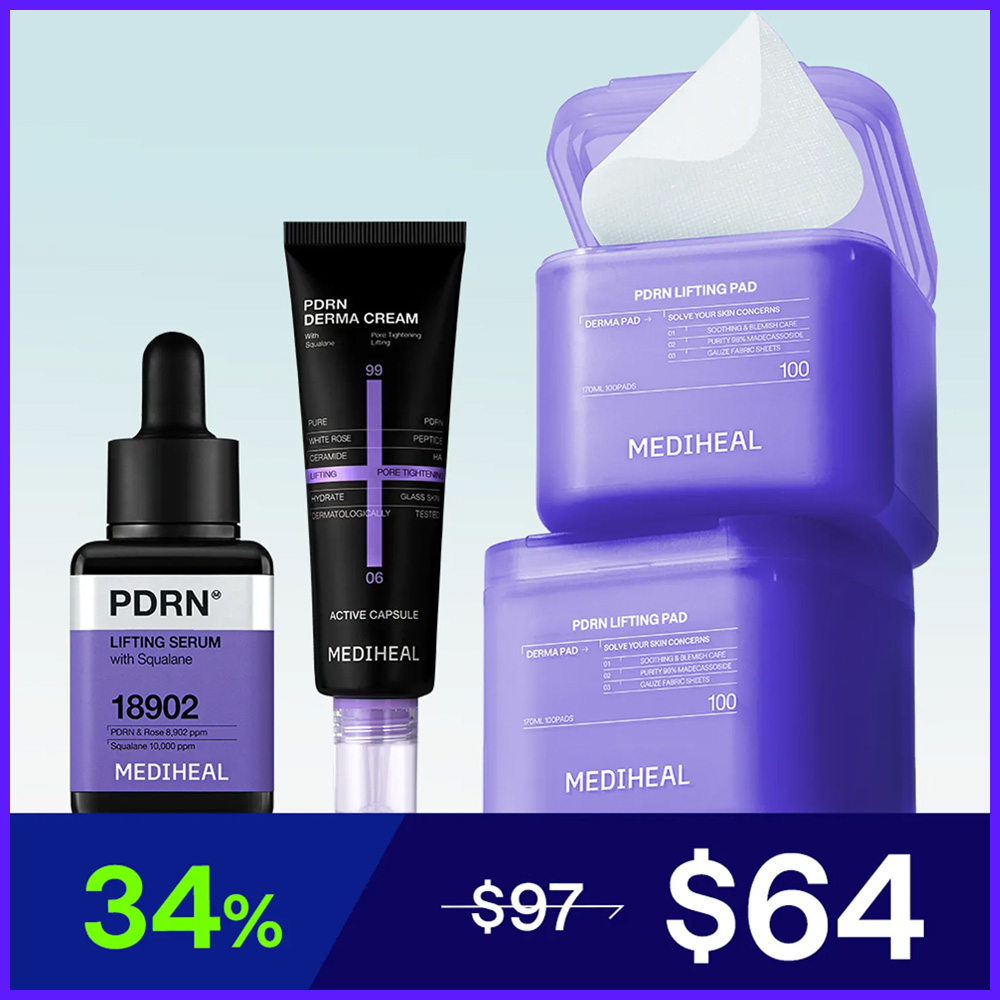
PDRN Complete Set (Toner Pad Double Pack + Cream + Serum)
Mediheal
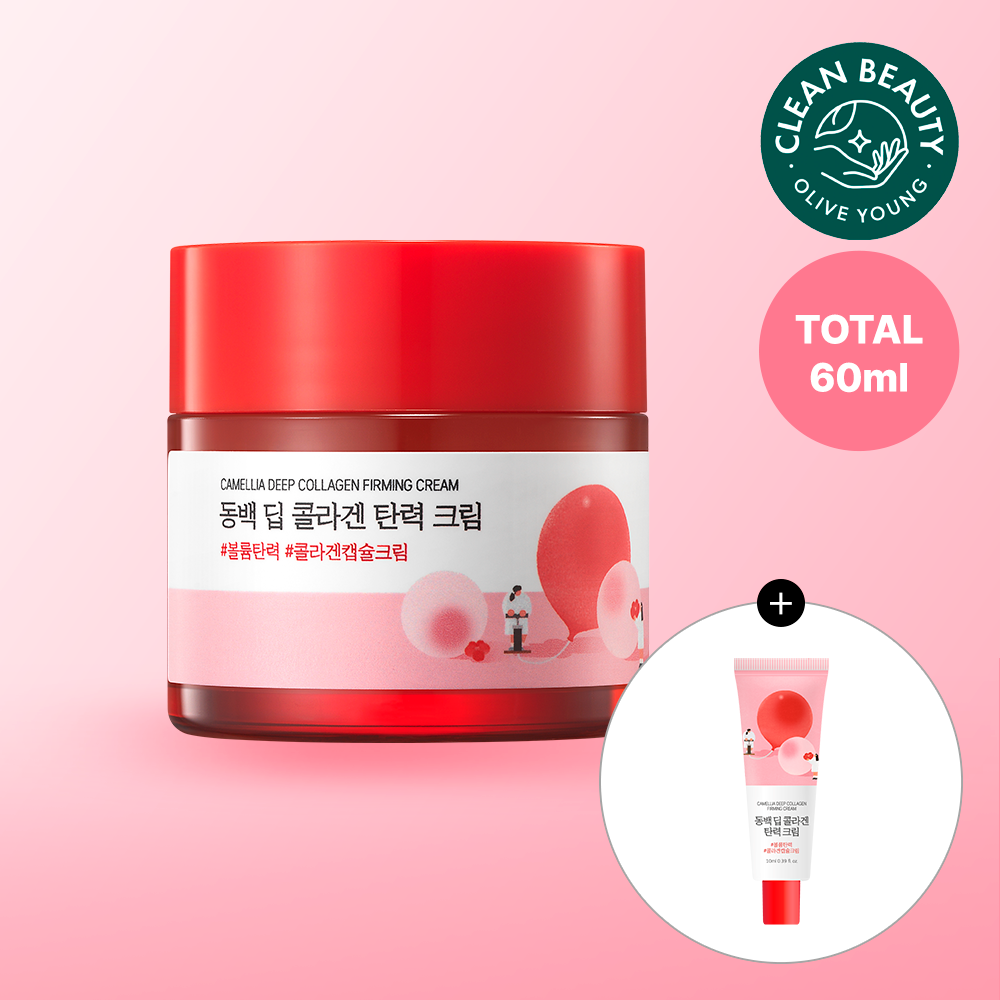
Camellia Deep Collagen Firming Cream Set
Round Lab
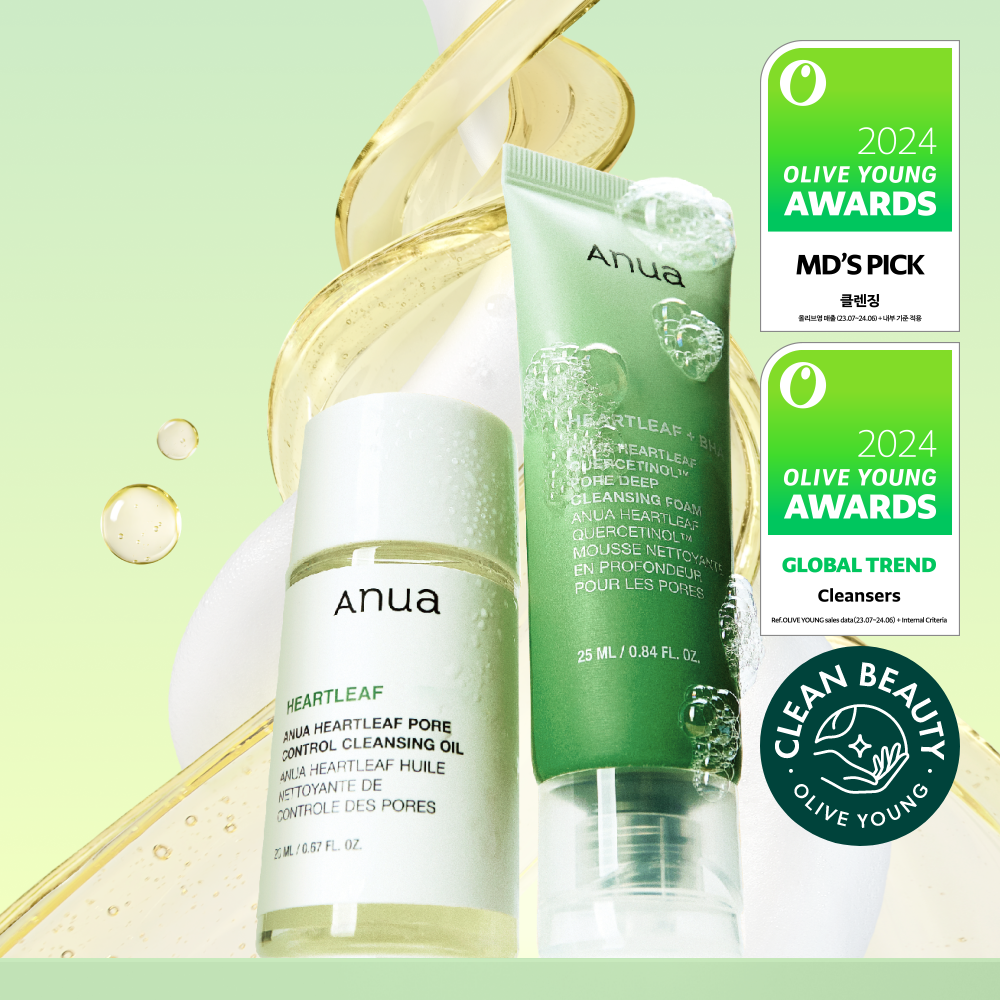
Heartleaf Travel Cleansing Set
Anua
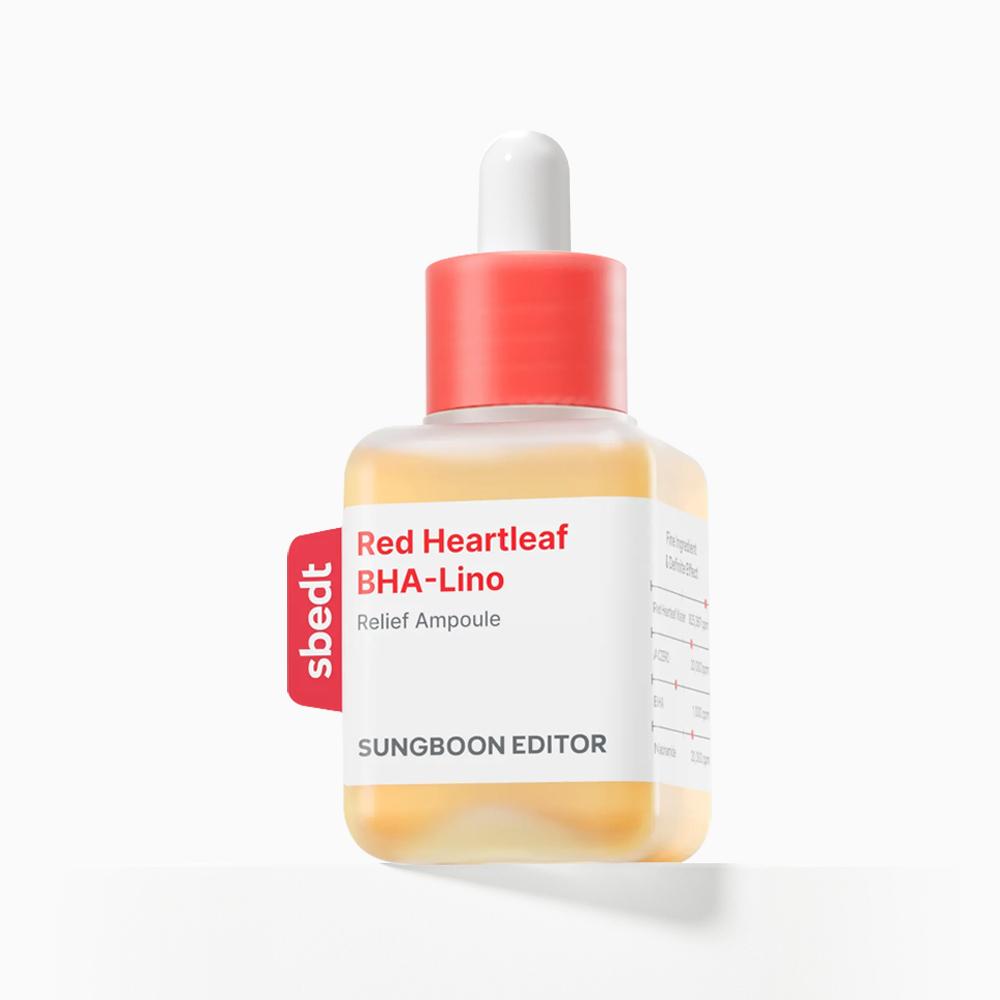
Red Heartleaf BHA-Lino Relief Ampoule
Sungboon Editor
Frequently Asked Questions
Is quercetin safe to use during pregnancy?▼
Can quercetin help with acne and breakouts?▼
Why do The Whoo products feature quercetin so prominently?▼
How quickly will I see results from quercetin?▼
Can I use quercetin with retinol or acids?▼
Articles About Quercetin
Explore More
Want personalized ingredient advice?
Yuri, our AI beauty advisor, can tell you how Quercetin works with your specific skin type, routine, and concerns.
Ask Yuri, free