Raffinose
Humectant and skin conditioning agent
About Raffinose
Raffinose is a naturally occurring trisaccharide sugar found in beans, cabbage, brussels sprouts, and whole grains. In K-beauty formulations, it functions as both a humectant and skin conditioning agent, drawing moisture into the skin while simultaneously protecting the skin barrier. What makes raffinose particularly valuable in Korean skincare is its ability to act as a prebiotic, supporting the skin's microbiome by feeding beneficial bacteria that keep skin balanced and healthy. Unlike simple sugars that can potentially irritate or cause issues, raffinose is a complex carbohydrate that provides sustained hydration without stickiness. Its zero comedogenic rating means it won't clog pores, making it suitable for all skin types including acne-prone skin. K-beauty brands have embraced raffinose in premium serums and ampoules because it works synergistically with other actives like hyaluronic acid, peptides, and retinol, enhancing their effectiveness while preventing irritation. You'll often find it in products targeting mature skin or those focusing on barrier repair, as it helps strengthen the skin's natural defense system against environmental stressors.
How Raffinose Works
At the molecular level, raffinose operates through multiple mechanisms to benefit skin health. As a humectant, its three sugar molecules (galactose, glucose, and fructose bonded together) create multiple hydroxyl groups that bind water molecules, pulling moisture from the environment into the upper layers of the epidermis. This creates a hydration reservoir that keeps skin plump throughout the day. Beyond simple moisture retention, raffinose functions as a prebiotic substrate that selectively feeds beneficial bacteria on the skin's surface, particularly Staphylococcus epidermidis, which produces antimicrobial peptides that protect against harmful pathogens. This microbiome support helps maintain optimal skin pH and reduces inflammation. Raffinose also exhibits osmoprotectant properties, meaning it helps skin cells maintain their structure and function under stress conditions like dehydration or temperature fluctuations. It does this by stabilizing proteins and cell membranes, preventing the collapse of cellular structures that leads to fine lines and dullness.
Raffinose by Skin Type
Oily Skin
Raffinose is excellent for oily skin because its lightweight molecular structure provides hydration without heaviness or greasiness. Its prebiotic properties help balance oil production by supporting a healthy microbiome, which can reduce the overgrowth of acne-causing bacteria. The zero comedogenic rating means it won't contribute to clogged pores or breakouts.
Dry Skin
This ingredient shines for dry skin types, offering multi-layered hydration that goes beyond surface moisture. Raffinose not only attracts water to the skin but helps prevent transepidermal water loss by supporting barrier function. Its osmoprotectant properties protect compromised skin cells from further dehydration stress, making it ideal for chronic dryness.
Combo Skin
Combination skin benefits from raffinose's balancing act. It hydrates dry zones without overwhelming oily areas, and its prebiotic properties help regulate the microbiome across different facial regions. The non-greasy finish makes it perfect for the T-zone while still nourishing drier cheeks.
Sensitive Skin
Raffinose is particularly gentle for sensitive skin, as it naturally occurs in plants and foods without being a common allergen. Its ability to strengthen the skin barrier and support beneficial bacteria helps reduce reactivity over time. The ingredient provides soothing hydration without the risk of irritation that comes with some synthetic humectants.
Normal Skin
Normal skin types can use raffinose as a preventative measure to maintain skin health and resilience. It provides consistent hydration that keeps skin balanced and supports the microbiome to prevent future issues. Regular use helps protect against environmental damage and premature aging.
How to Use Raffinose
- 1Apply raffinose-containing products on damp skin right after cleansing to maximize its humectant properties and lock in moisture from toner or essence.
- 2Layer raffinose serums under occlusives like ceramide creams at night for intensive barrier repair, especially during harsh weather conditions.
- 3Raffinose works beautifully in the morning routine under sunscreen, as it won't interfere with SPF effectiveness and actually helps protect skin from environmental stress.
- 4For acne-prone skin, pair raffinose products with niacinamide or salicylic acid treatments to support the microbiome while addressing breakouts.
Background
Raffinose was first isolated from sugar beets in 1876 by French chemist Berthelot, but its journey into skincare is much more recent. The ingredient gained attention in the early 2000s when researchers began studying prebiotics and the skin microbiome, discovering that certain complex sugars could selectively feed beneficial bacteria without supporting harmful strains. K-beauty formulators, already focused on gentle, skin-barrier-supporting ingredients, quickly adopted raffinose into their ampoules and serums around 2015. Korean brands recognized that traditional fermented skincare ingredients worked partly because of prebiotic sugars like raffinose, and began isolating and concentrating these compounds for more targeted effects. The ingredient's popularity in K-beauty reflects the industry's broader focus on microbiome science and barrier health rather than aggressive exfoliation or stripping.
K-Beauty Products with Raffinose
View all 46 →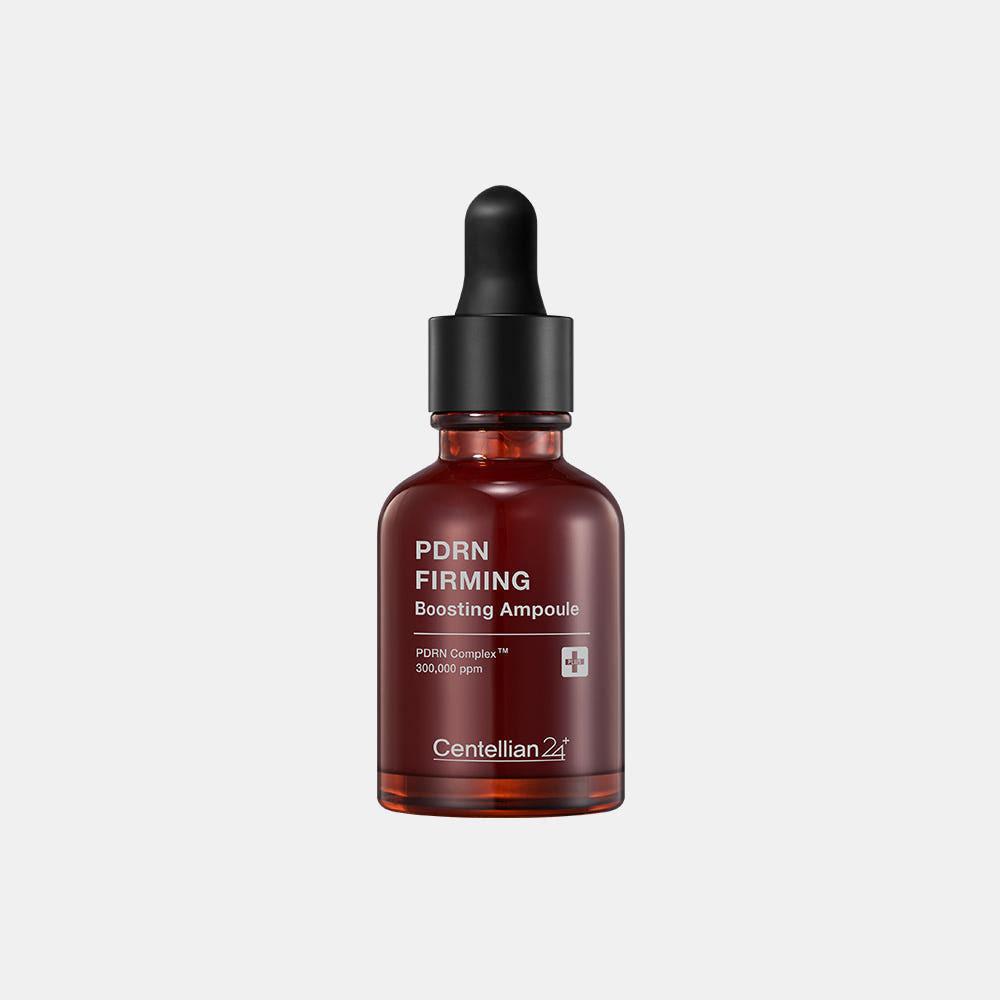
PDRN Firming Boosting Ampoule
Centellian24
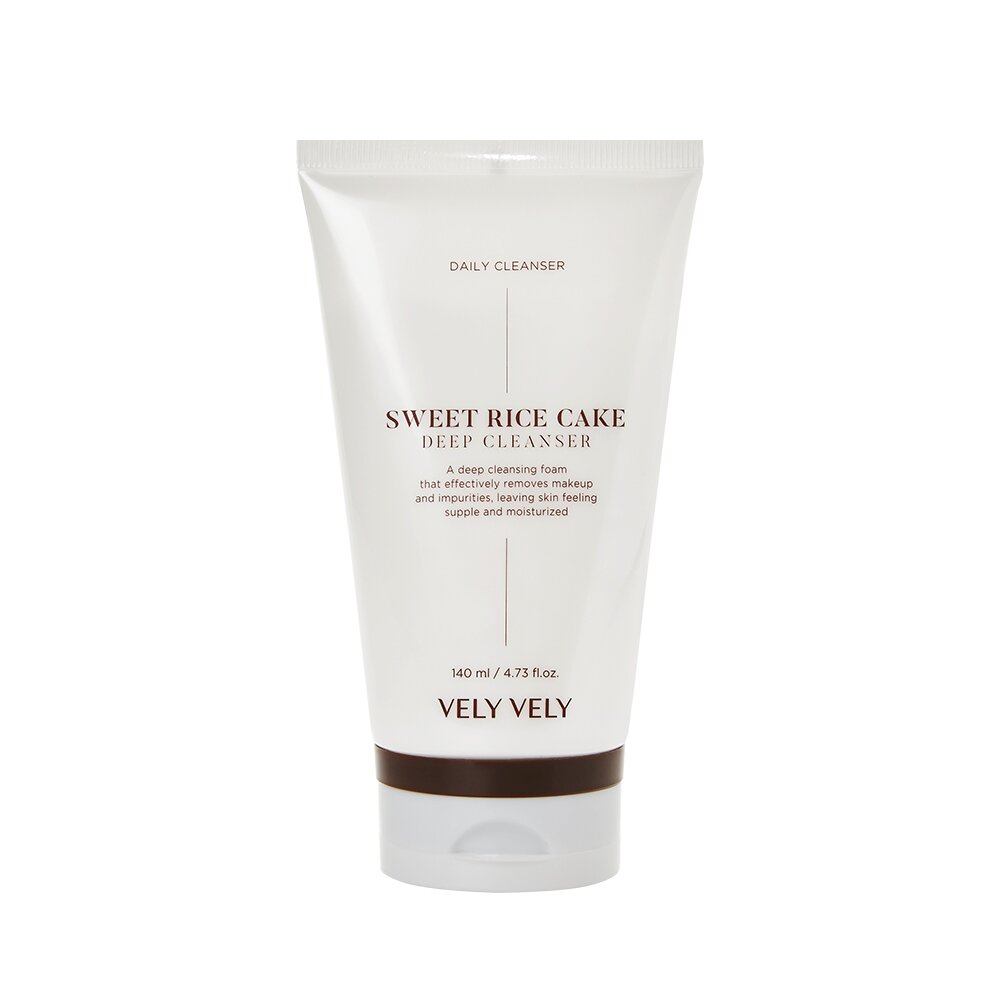
Sweet Rice Cake Deep Cleanser
VELY VELY
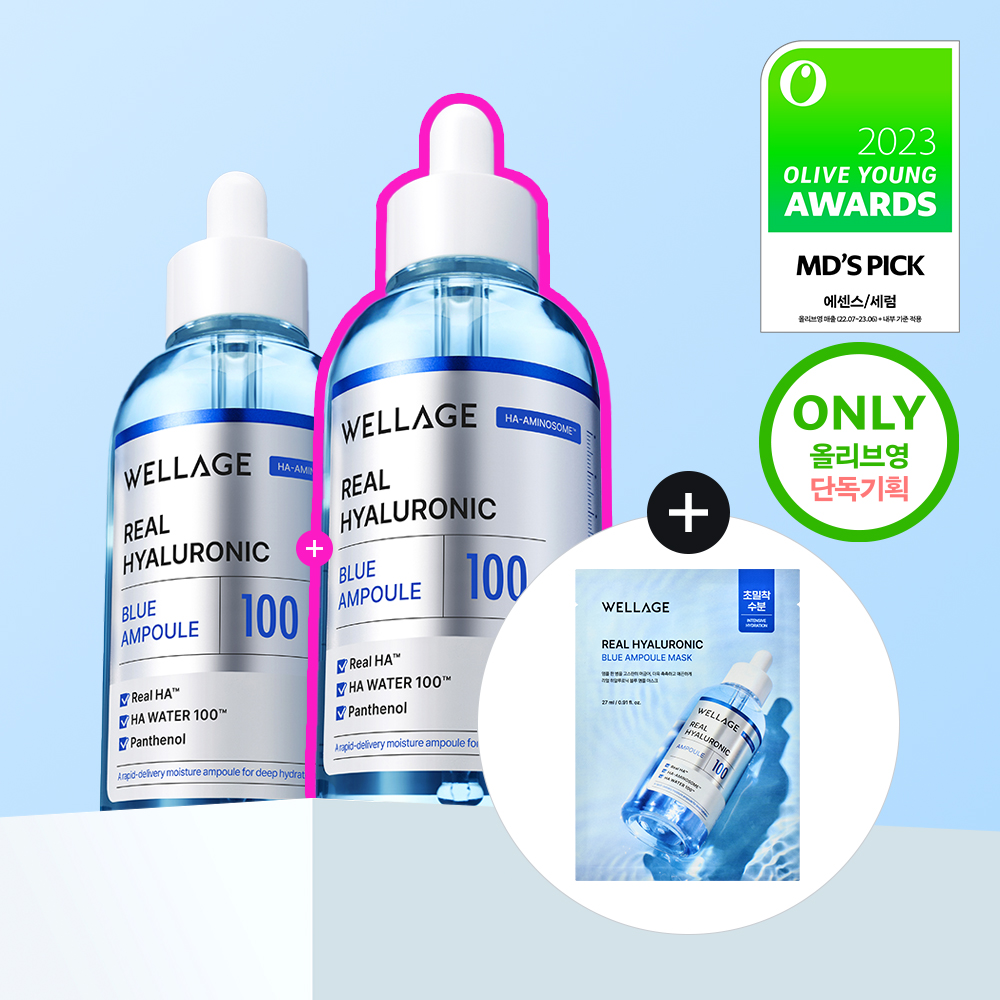
Real Hyaluronic Blue 100 Ampoule Double Pack
Wellage
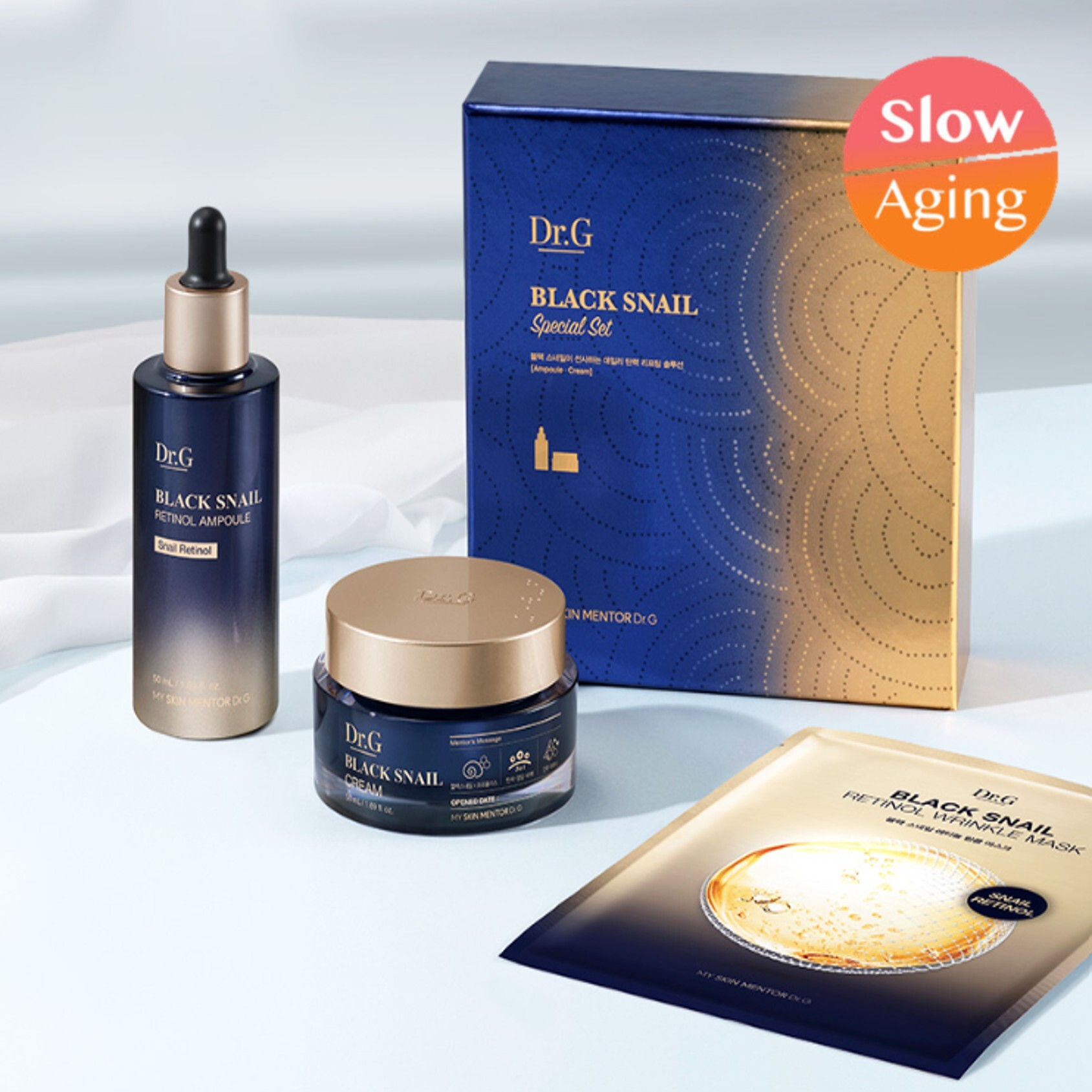
Black Snail Retinol 3P Set (Cream 50ml + Ampoule 50ml + Wrinkle Mask Sheet 1ea)
Dr.G
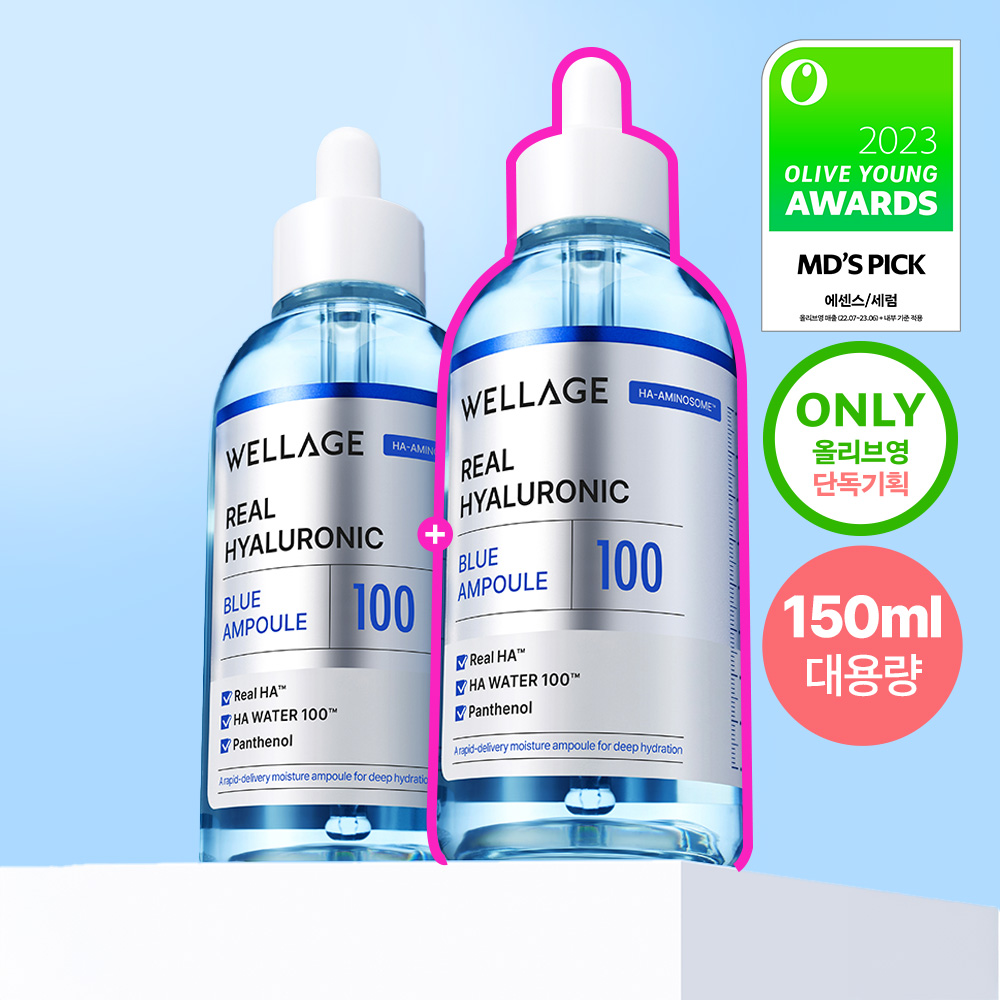
Real Hyaluronic Blue 100 Ampoule
Wellage
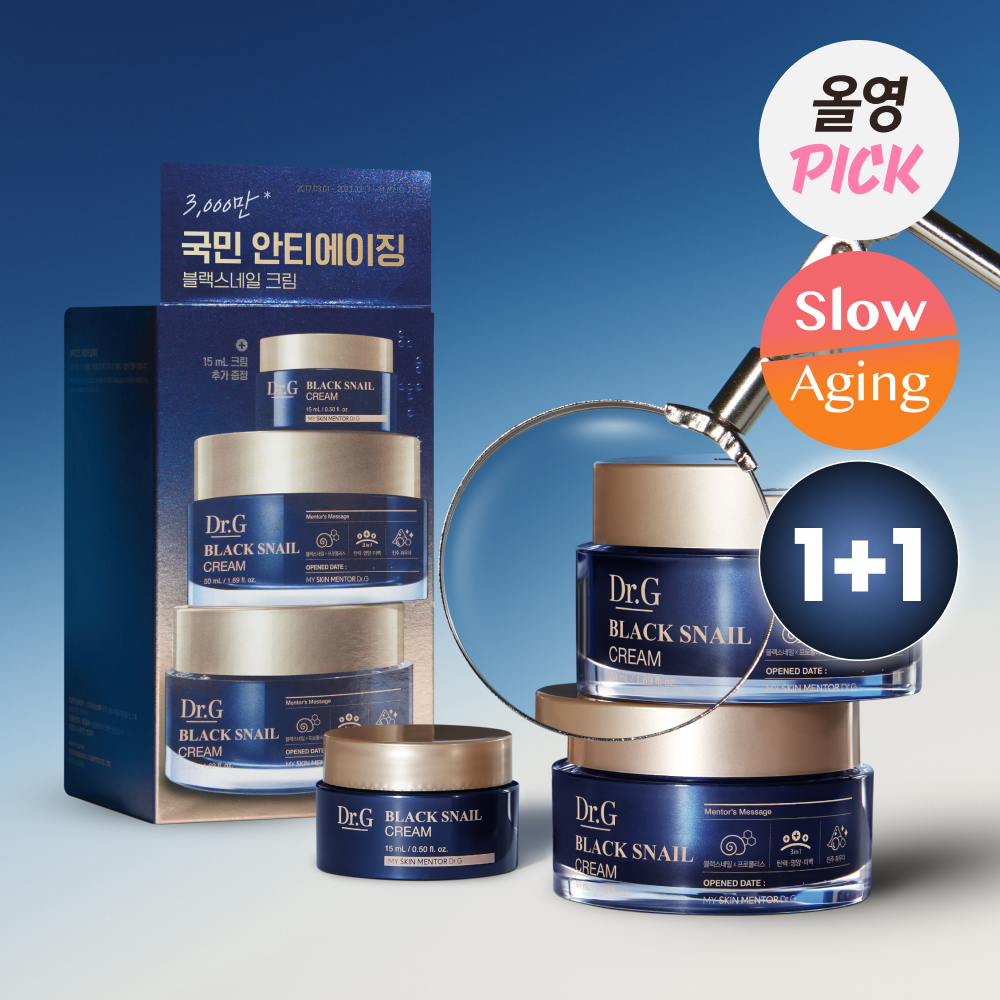
Black Snail Cream Duo Set
Dr.G
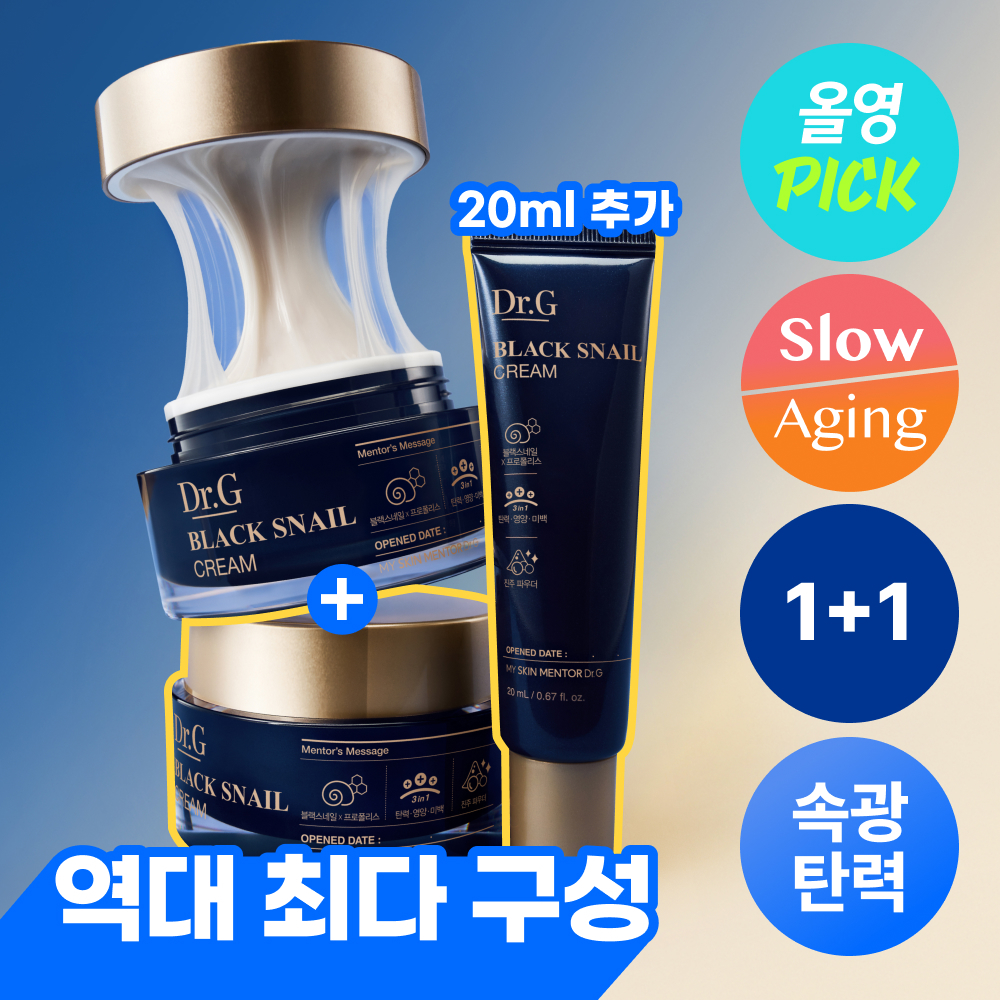
Black Snail Cream
Dr.G
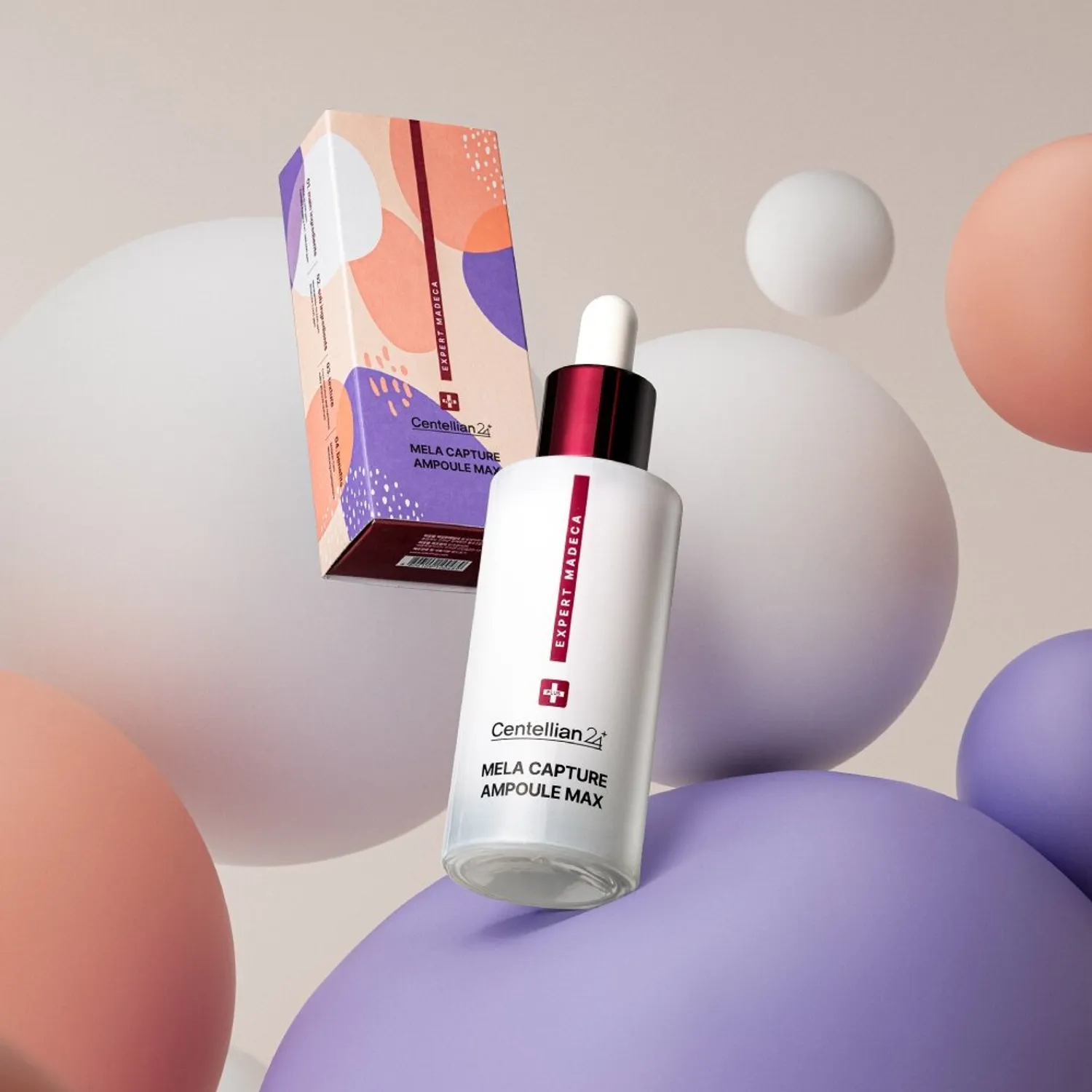
Expert Madeca Mela Capture Ampoule Max
Centellian24
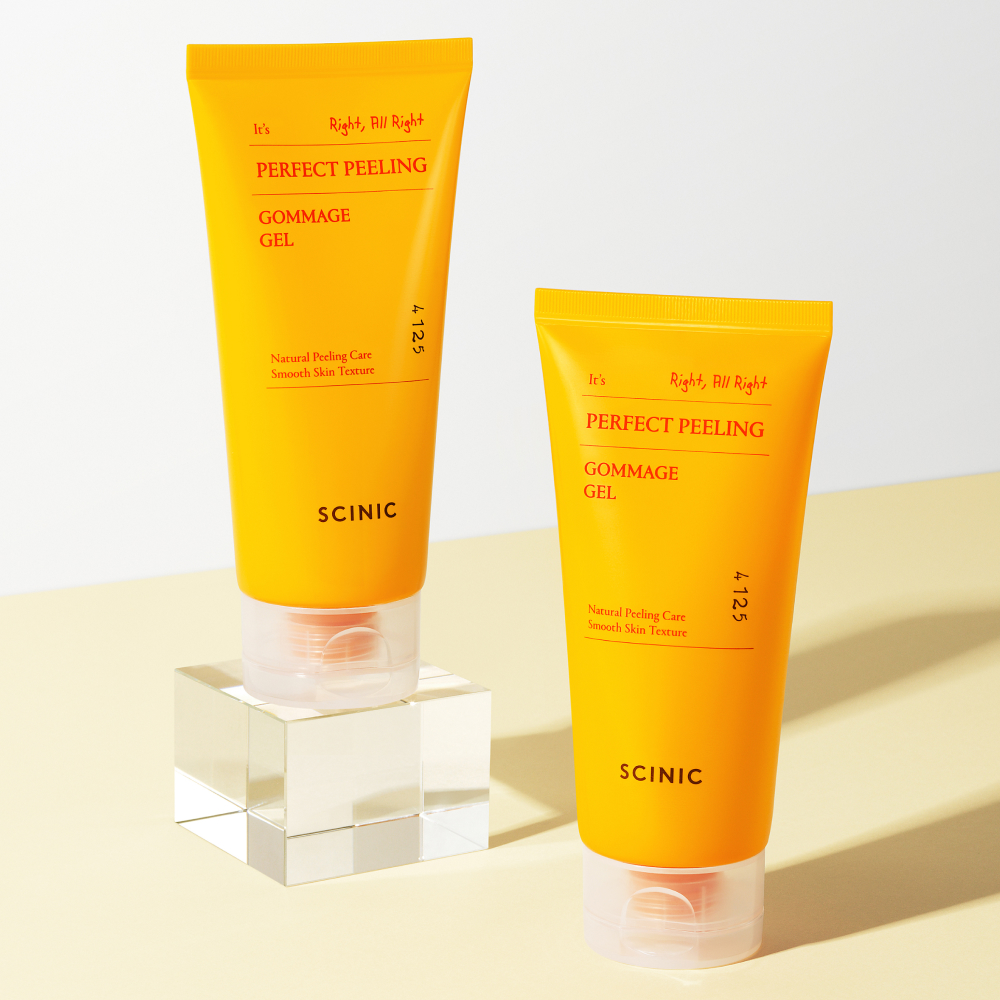
Perfect Peeling Gommage Gel
Scinic
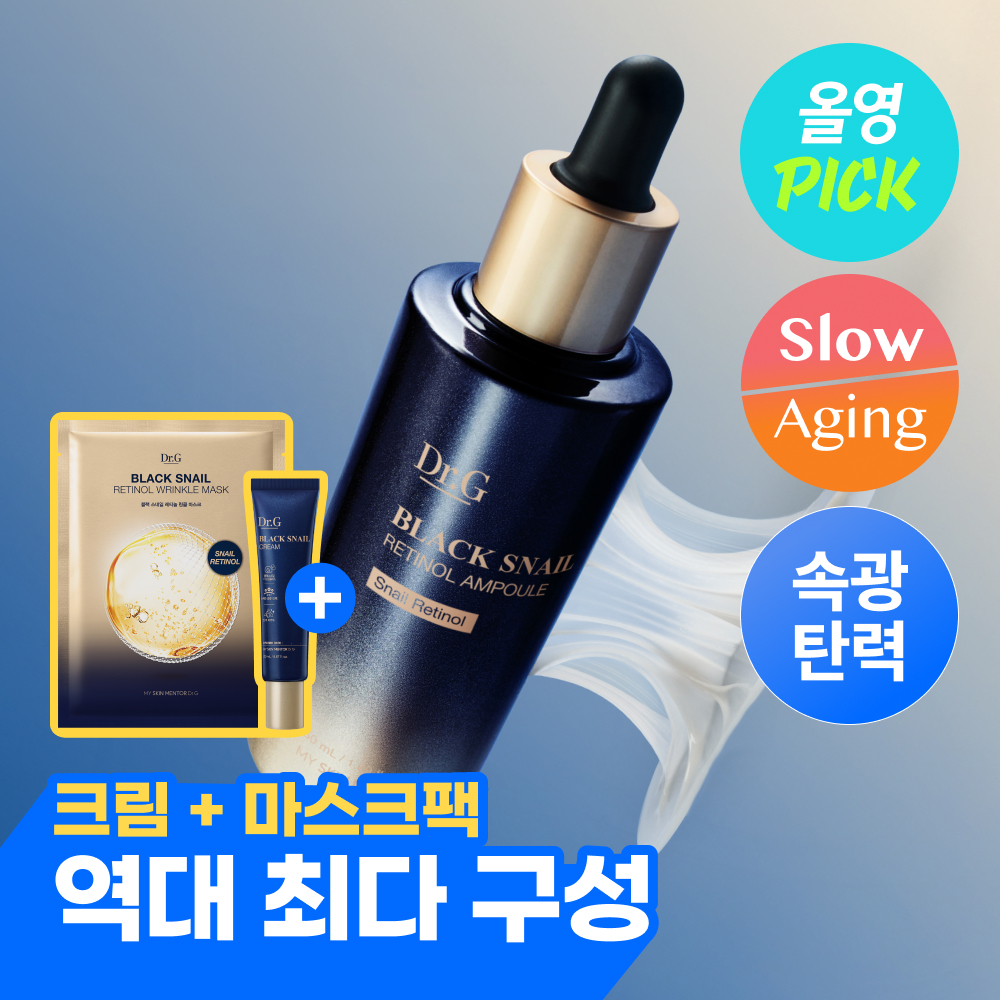
Black Snail Retinol Ampoule Set
Dr.G
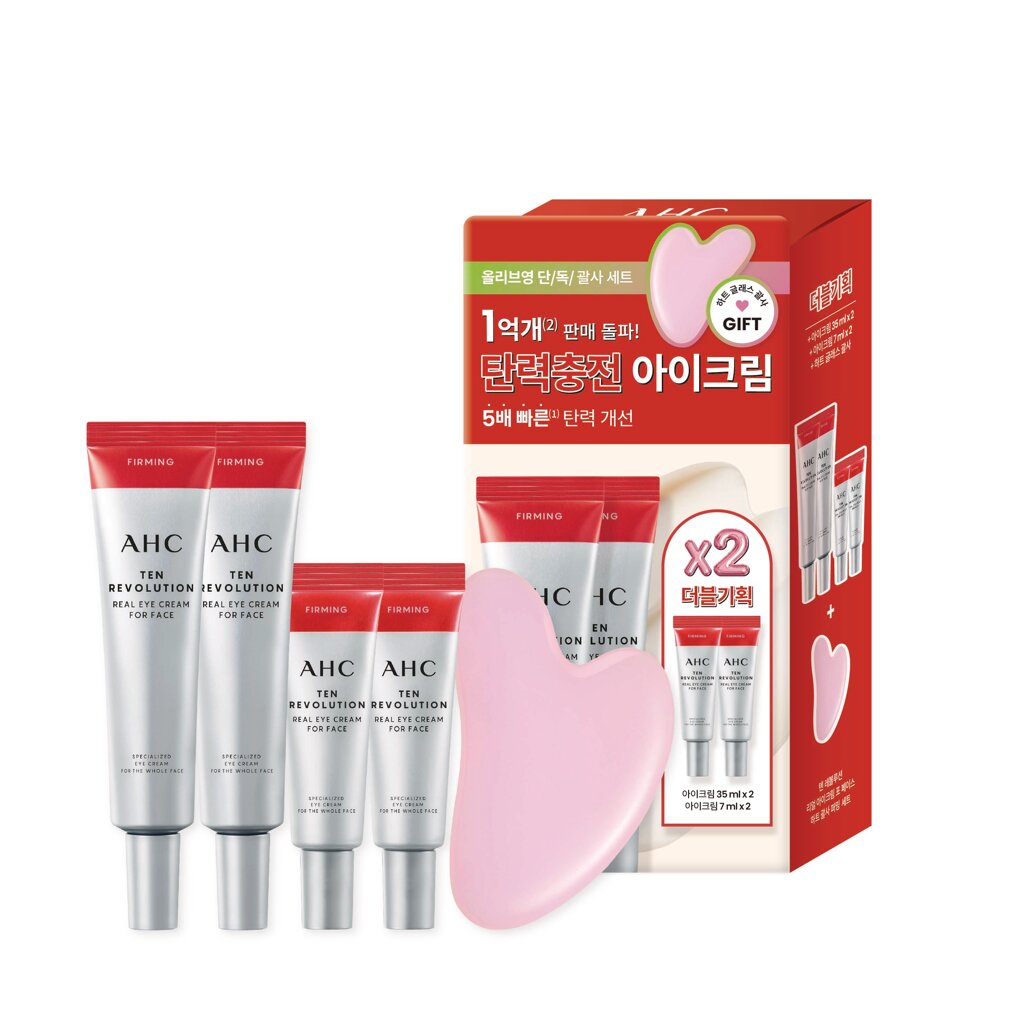
10 Revolution Real Eye Cream For Face
AHC
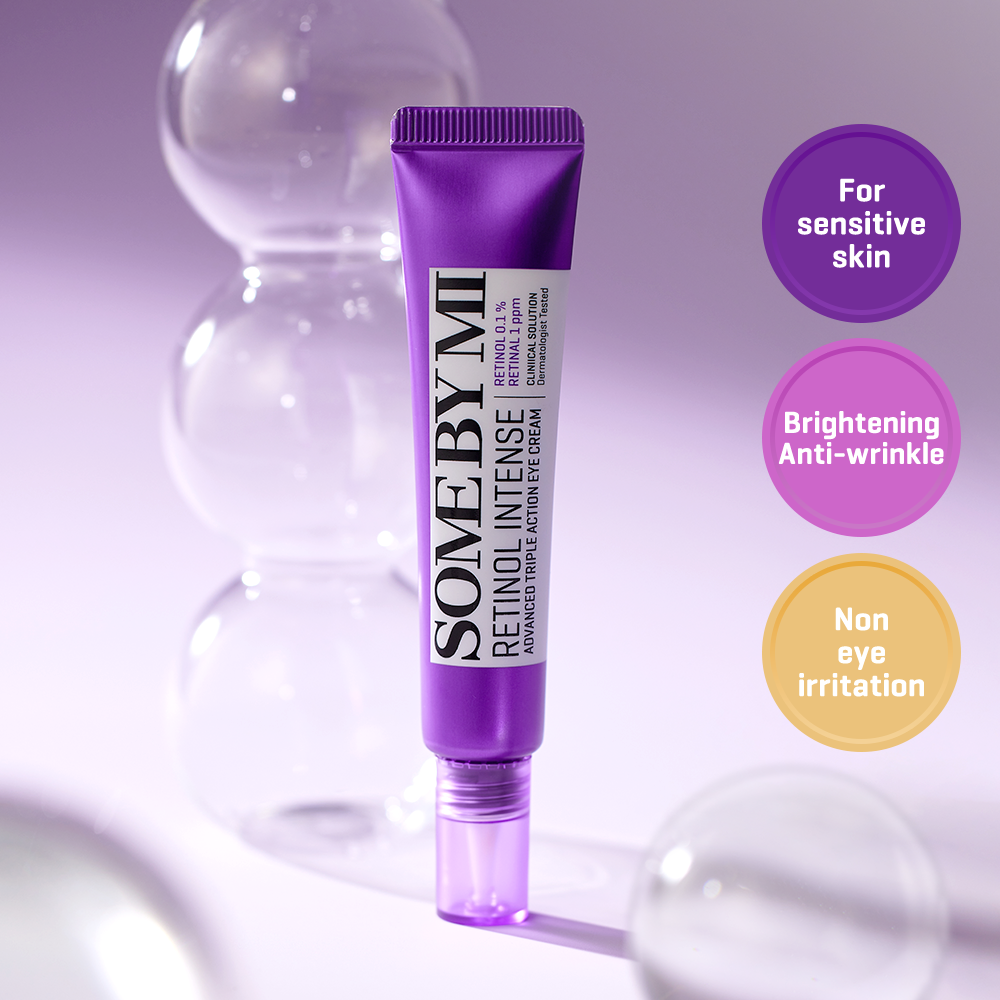
Retinol Intense Advanced Triple Action Eye Cream
Some By Mi
Frequently Asked Questions
Can raffinose cause breakouts or clog pores?▼
Is raffinose the same as sugar in skincare products?▼
How does raffinose compare to hyaluronic acid for hydration?▼
Can I use raffinose with retinol or other active ingredients?▼
Explore More
Want personalized ingredient advice?
Yuri, our AI beauty advisor, can tell you how Raffinose works with your specific skin type, routine, and concerns.
Ask Yuri, free